Daily Archives: August 6, 2011

It’s the end of the world as we know it

Do we all have end of the world jitters? Or is the apocalypse just a passing fad in books, TV and movies?

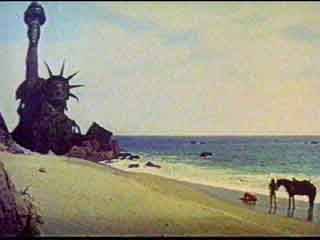
I just saw “Rise of the Planet of the Apes” with my old pal Steve Warstler (hey Steve!) and we were impressed with how good the movie was. The story is straightforward and compelling and while the human characters are nothing special, the apes — particularly Caesar, the sympathetic chimpanzee who in the original films led an ape rebellion — were astounding.

Computer-generated effects can be cool and leave us cold at the same time. There’s the “uncanny valley” effect, of course, in which digital images that look kinda human but not quite creep us out. But no matter how good the effects are, the characters created by CGI are only as good as they are written and acted.

The smart script makes Caesar so sympathetic — orphaned in infancy, raised in a loving home, torn from his surrogate father (James Franco) and bullied until he rebels — we can’t help but root for him to throw off the shackles of human oppression. And Andy Serkis — who also performed Gollum in the “Lord of the Rings” movies — gives Caesar a foundation that goes beyond just a performance to layer special effects over.

But one thing I noticed before and after the movie was the number of apocalyptic, end of the world stories that are coming out. Attached to the “Apes” movie were trailers for a couple of them, the most memorable of which was “Contagion,” in which Matt Damon plays a man trying to survive an outbreak of a deadly virus.

The trailer for “Contagion” notes that most people touch their face several times each minute (and thus expose themselves to every germ their hands come into contact with). I don’t know if that’s true, but just the suggestion was enough to make me wish I had a bottle of hand sanitizer in my cupholder.

There’s quite a slate of end of the world movies on tap, chief among them, at least in my mind, “World War Z,” based on the terrific Max Brooks book about a zombie apocalypse. I’ve heard that a movie version of “The Passage” is going to happen, and it’s only a matter of time until the camera-ready trilogy of books — two out so far — in “The Strain” trilogy gets filmed. While “The Passage” left me cold, I’m loving “The Strain” books.

Of course, the original “Planet of the Apes” movies came out when the US was slogging through a seemingly endless war in Vietnam and turmoil on the home front. And the likes of “Earthquake” and “The Towering Inferno” and other big-screen disaster movies premiered during this same stressful period.

Maybe the books, TV shows and comics like “The Walking Dead” and movies like “Contagion” and “World War Z” reflect our collective feeling of unease. Maybe they’re just capitalizing on audience interest.

Either way, pass the hand sanitizer.
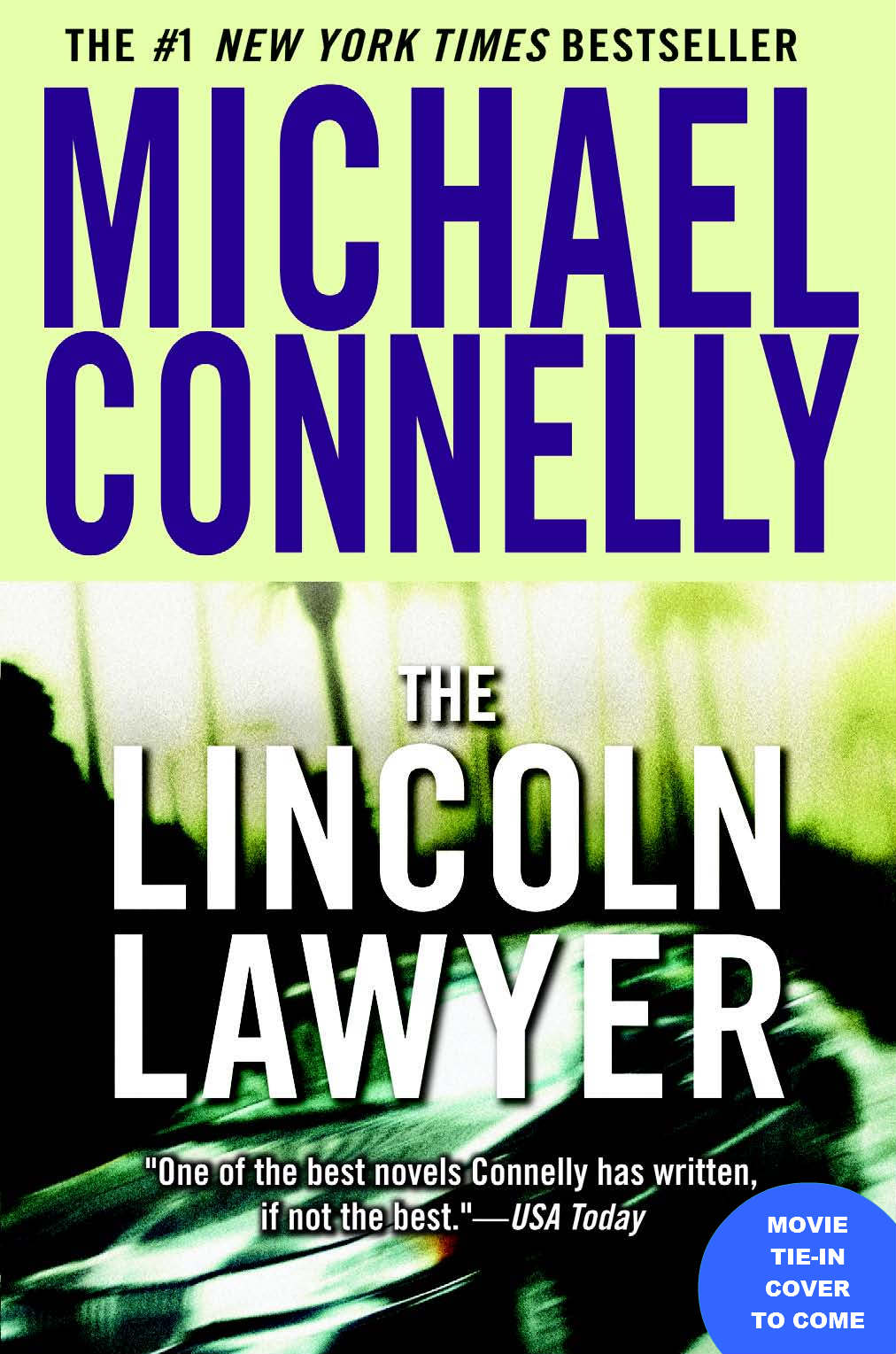
Michael Connelly and Mickey Haller

For some reason — maybe because I’ve seen previews for the new “Conan the Barbarian” movie — I’ve been thinking about when I met Arnold Schwarzenegger in 1982, when he was promoting the original “Conan” movie.

But then I watched the movie adaptation of Michael Connelly’s “The Lincoln Lawyer” tonight and decided that Arnold could wait.

The movie version, out on DVD, features Matthew McConaughey as Mickey Haller, the Los Angeles lawyer protagonist of Connelly’s book. The title comes from the defense attorney’s practice of maintaining office hours from the backseat of a Lincoln piloted around LA by Haller’s driver. The rolling legal suite is a cool, only-in-LA idea that demonstrates Connelly’s knack for nice character touches.

The movie’s pretty good. McConaughey isn’t necessarily who I pictured when I imagined Mick Haller, the canny attorney with a clear sense of right and wrong and an even clearer sense of what a jury will believe. However, McConaughey does a nice job with the role, which is a more internal, instinctive hero than most you’ll find in movies these days.

But the movie, entertaining as it is, doesn’t compare to Connelly’s books. The former LA newspaper reporter has written about two dozen books in the past 20 years. Several are about Haller. Most are about Harry Bosch, a veteran cop with more than a few dark shadings to his personality. Both characters are driven by a sense of justice, even if they approach that ideal from different paths at times.

The movie can’t capture the best part about Connelly’s characters: Their thoughts, their obsessions, their preconceived notions that they sometimes realize they must overcome. Bosch in particular is such a hardcase he would be very nearly unlikable if he really existed and you met him in person. But Connelly makes Bosch human and relatable because he lets us into his head. We see LA’s murder victims through Bosch’s eyes and feel his outrage at the very idea their deaths might go unpunished.

Haller is a more easygoing character than Bosch but also more clever. When confronted with a client who is guilty beyond reasonable doubt, he doesn’t throw up his hands and walk away. But he does ensure that justice is done.

In an interview on the DVD, Connelly echoes something Stephen King has said. He’s not so worried about movie versions of his work getting the characters wrong and messing up the storylines because the books are right there, on the shelf, uncompromised and waiting. Not unlike his characters.

One more thing: I haven’t been to LA in what’s going on 20 years now. But the city that Connelly and Robert Crais, in his Elvis Cole/Joe Pike books, portray is the one that I knew, from the precarious houses on hillsides to the rambling concrete highways. If you’ve ever been to LA and want to recapture it or have never been and want to know what it’s like, Connelly’s books give you a view from the backseat of Haller’s Lincoln.

Okay. Soon we’ll come back to the topic of Arnold and the most lasting impression he made on me: His height.