Tag Archives: book-review

Watch your language? Um, 5*#& no!

The potential book buyer looked mild-mannered and it turns out he was.

At a recent book selling and signing event, a man talking to the author next to me asked if there was any bad language in his books. My adjacent author friend acknowledged that there was some but that he didn’t use a lot of it and used it only where appropriate.

The man went on to complain about the cursing (by the Frank Castle/Punisher character) in the new Spider-Man movie and said it soured him on the film. (And yes, as my fellow writers know, people who are ostensibly there to consider buying a book will tell authors virtually anything that’s on their mind, even things far less relevant than cussing in the latest Marvel movie.)

I’m not sure if the man ever bought a book from my friend. I know he didn’t buy one from me, and that’s a good thing because I do include cursing in my fiction.

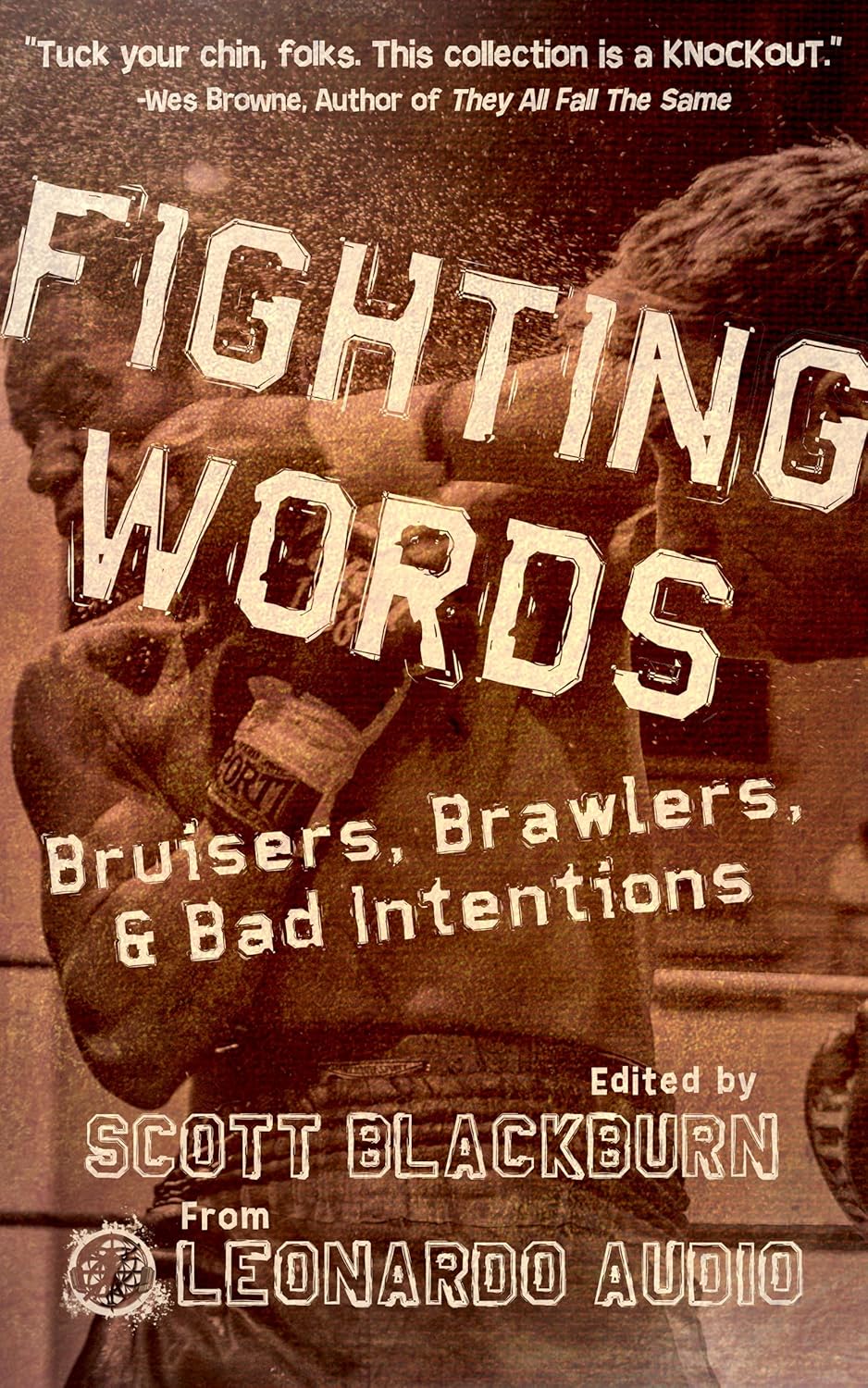
He sure didn’t buy a copy of FiGHTING WORDS, the Leonardo Audio anthology that has my story “A Fighting Life” in it. In my story, set in 1948, three siblings – the youngest only about 9 as the story opens – decide they can make money by staging “Nickel Fights,” charging neighborhood kids a nickel to fight them.

The siblings, especially the youngest, Marie, are pretty spectacularly foul-mouthed. One of the brothers even comments on it.

“Little sister, you cuss like a muleskinner,” Peter, (the oldest brother) tells Marie.

“She gets that from the Old Man,” Saul said.

I gave him the finger.

It was interesting timing, the guy at the book event, because author Linda Sienkiewicz’ latest newsletter showed up in my inbox this morning. “The Power of One Well-Placed “F*ck”: restraining profanity for character, tone, and impact in fiction” was the title.

Sienkiewicz argues, with merit, that a few – or even one – well-placed curse word can be more effective than a constant barrage of curses.

Also interesting timing because yesterday saw the publication of my short story “The Damn Train” by the nice folks at Roi Faineant Press (link at the bottom of this damn post). In it, the two characters, LeeLee and 10-year-old Birdie, discuss Birdie’s tendency to curse. Birdie has some elaborate rules about cursing, passed down from her mother, as you’ll see if you read my story.

By the end of the story, LeeLee has cursed, brought on by the stress of the moment.

Why do I curse, in real life and in my fiction?

I’m not entirely sure. I think I always have. Maybe my tendency to curse is brought on even more by 40 years of writing for a newspaper, which didn’t print cursewords most of my career. And I knew that and didn’t try to use them. (The most notable exception in the newspaper was when a feature writer filled in for our courts reporter in covering a murder trial. The inexperienced reporter noted in her article that one of the participants in the trial dropped the F bomb. She did more than note it: She reported it, without censoring the trial testimony or herself.

The editors didn’t catch the use of “fuck” and it got into the paper. This was an afternoon paper and the problem was caught right after the paper came out. The press run was stopped, the word was excised and papers were destroyed – with the exception of some collector’s items. And the editor who let the word past later swore she’d been on vacation that day.

I didn’t learn cursing from my parents. I don’t think I remember my dad cursing much and the only curse I can remember my mom uttering was a well-timed “Dadgummit.”

So I cant chalk it up to the way I was raised. Maybe peer pressure? “C’mon, goddammit, Keith, everybody is doing it.”

I guess we’ll never know.

Here’s a link to my story “The Damn Train.”

https://www.roifaineantpress.com/post/the-damn-train-by-keith-roysdon
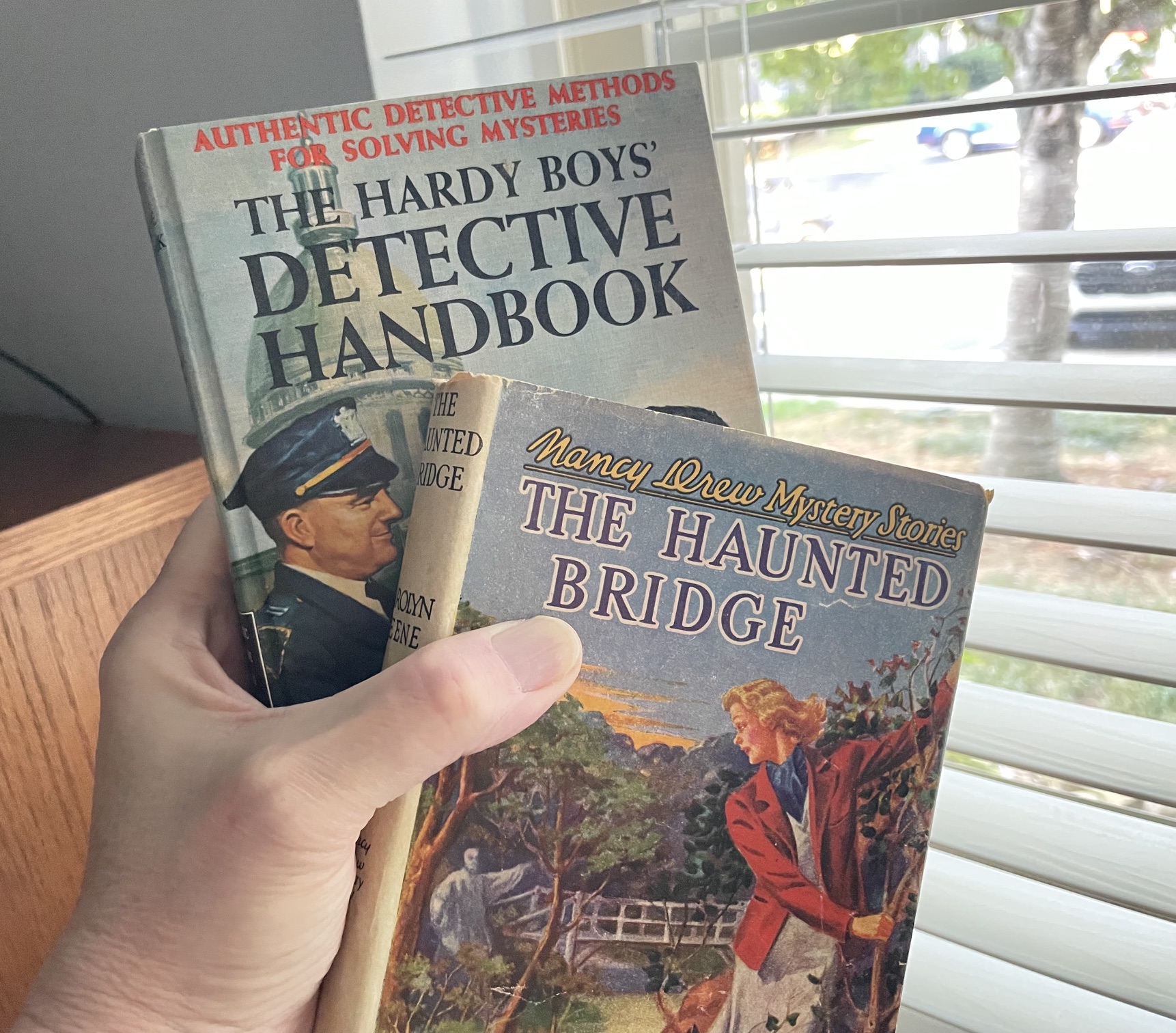
Nancy Drew and the Hardy Boys meet Bob Mackie

How about a two-for-one today? Okay then, buckle up for quick items on my citation of the late fashion designer Bob Mackie in a new short story as well as the Mystery of Why Public Libraries Didn’t Carry Nancy Drew and Hardy Boys Books. Lets start with the vintage stuff first:

I’m on the record about my love of juvenile mysteries like those featuring the Hardy brothers, Nancy Drew and the Three Investigators. Six years ago – and I can’t believe it was that long ago – I wrote a piece for CrimeReads about devouring those juvenile mysteries when I was a kid in the 1960s and 1970s and specifically credited my school library and beloved librarian in encouraging young readers to read a little bit of everything. Here’s a link to that CrimeReads piece to check out after you’re done here.

So considering how my school library encouraged us to read everything, including the Hardys and Nancy, I felt sad to see a September 10 post in the Hardy Boys and Nancy Drew Mysteries Facebook page that noted that libraries – public libraries certainly but sometimes school libraries – didn’t carry the books. And many librarians considered them trash.

I think – I hope – the prevailing sentiment in recent years has been to encourage young readers to read, no matter what, because instilling a love of reading is more important than being a snob.

The Facebook post has hundreds of comments from people who said that, yes, unfortunately, their libraries didn’t carry the books.

This wasn’t just a coincidence, scholar James D. Keeline wrote. There was, particularly in the first half of the 20th Century, a coordinated effort by some to keep those books and other series books out of libraries.

From the 1940s through the 1970s, the librarian school programs had an organized method to exclude popular series books from school and public libraries. They started to exchange lists of books “not to be circulated” in “standard libraries.” These were published in regional library journals. These lists were devoted to series authors and series.

Even in the late 1970s through the 1990s this practice continued in SOME libraries. Other libraries were led by people who had grown up reading books like Nancy Drew and did not find them harmful, despite the librarian training. So the practice of excluding series books reduced but was still present in places like San Francisco in the late 1990s.

Keeline produces a list of dozens and dozens of series books authors from 1949, published by the University of the State of New York, an umbrella organization that oversees educational and cultural institutions.

If you’re a fan of the books, the Hardy Boys and Nancy Drew Facebook page is well worth following.

On the Bob Mackie front, the veteran clothing designer died September 14. He was best known for outfitting Cher and other celebrities in the 1960s and 1970s in flamboyant gowns festooned with feathers and sequins.

As a kid who absorbed everything to do with Hollywood and show business when I was growing up, I always paid attention when a talk show host or celebrity credited Mackie with a gown. I knew – and still know – nothing about fashion, but Mackie designed outfits that looked like wild, sexy science fiction universe clothes to me.

His name got stuck in my brain, of course, and I name checked him in “Sunset Stakeout,” a short story I wrote for BAD INTENTIONS: Crime Fiction Inspired by Warren Zevon. (The Literary Garage anthology was edited by Michael Downing and has a great cover by Frank Vatel. Link to it at the end of this post.)

In “Sunset Stakeout,” which was inspired by Zevon’s “Looking for the Next Best Thing,” I wrote about three hapless guys moving through the Hollywood backwaters in January 1979. They’re the producer, co-star and novice screenwriter for “Sunset Stakeout,” an action/crime drama that really wanted to be “The Rockford Files” but was really more like “Riptide.” When the show is on the brink of cancelation, they team up with Hollywood’s most dangerous drug dealer to find a path forward.

I don’t write a lot of stories like this – it’s set in Hollywood, for one thing, and for another is a little more humorous than my usual – but I’m proud of it.

So with players in Hollywood in the mix, you just know I had to namecheck Mackie.

“I asked you to give me some time to think, Jimmy,” she said. Corbett looked like an unmade bed but Melody wore a sequined hot pink pantsuit. Hornblow recognized a Bob Mackie design from going to every awards show for the past 20 years. When you’re always a bridesmaid, you gotta have something to concentrate on.

I hope you enjoy “Sunset Stakeout” and all of BAD INTENTIONS. It was a labor of love and proceeds go to Philabundance, a non-profit food bank.

Here’s more about BAD INTENTIONS:

https://literarygarage.com/bad-intentions-anthology

Which book genre is stuggling now? Nonfiction books.

Oscar-winning screenwriter William Goldman probably wishes he’d monetized his famous phrase, “Nobody knows anything,” because while Goldman (“Butch Cassidy and the Sundance Kid,” “All the President’s Men,” “The Princess Bride”) painted a wide swath with that statement, he’s surely as correct as correct can be. If we’ve learned nothing from watching movies, books, politics and, well, every damn thing, in the past decade, it’s that uncertainty is the norm.

I’m enjoying paying more attention to the publishing industry lately as I’m doing some editing for Constellate Publishing and working on three – count ’em – three novels. I get a lot of insights from the several-times-daily email from Publishers Marketplace and I’m enjoying learning which books and genres are going to be populating bookstore shelves in a year’s time.

But the more information I have, the more I need. I’ve got a William Goldman-level lack of knowing anything about the book industry and I’m trying to remedy it.

So today I was fascinated with a new piece by editor Sean Delone – link at the end of this post – in which he looks at some trends in publishing, specifically about non-fiction book publishing.

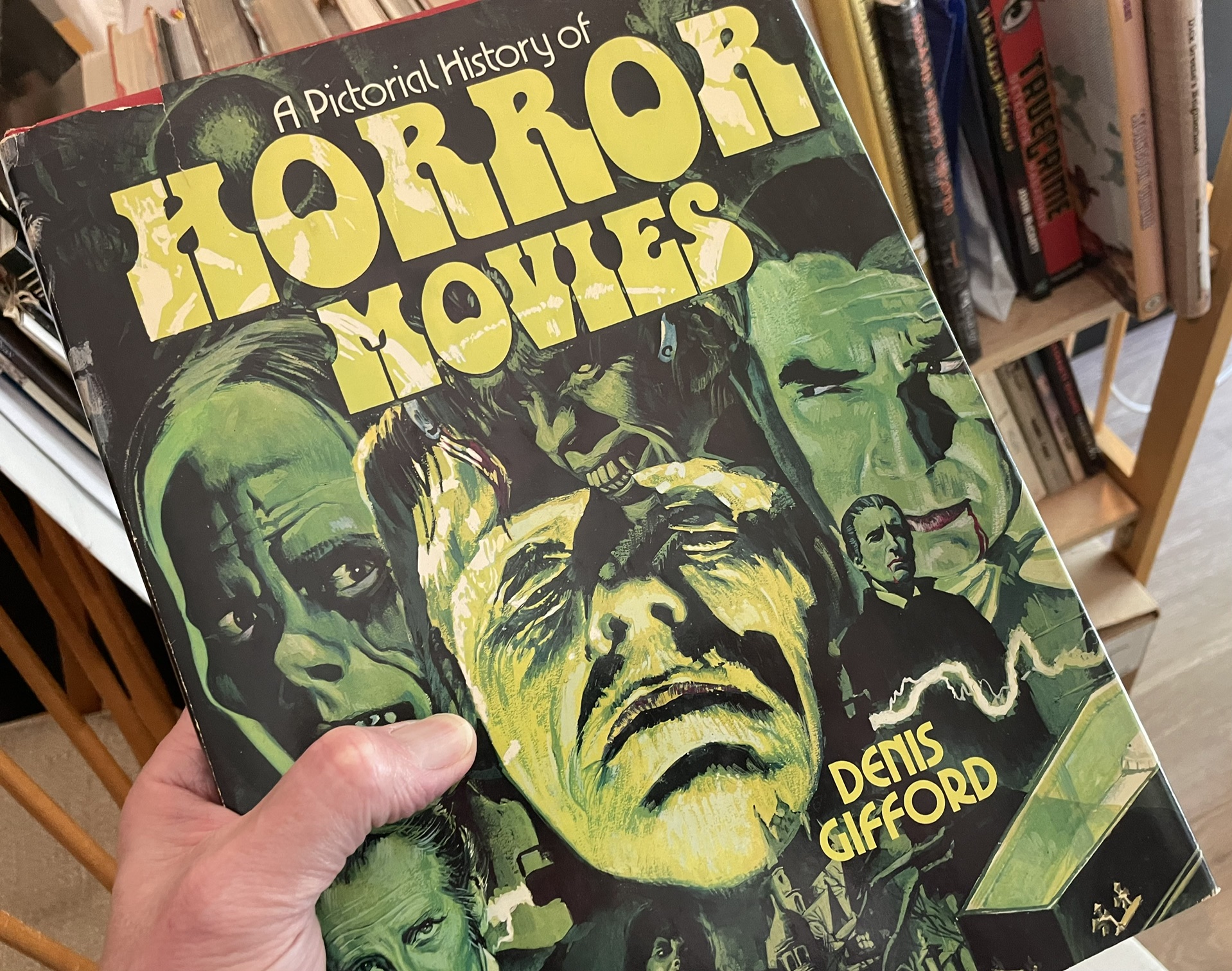
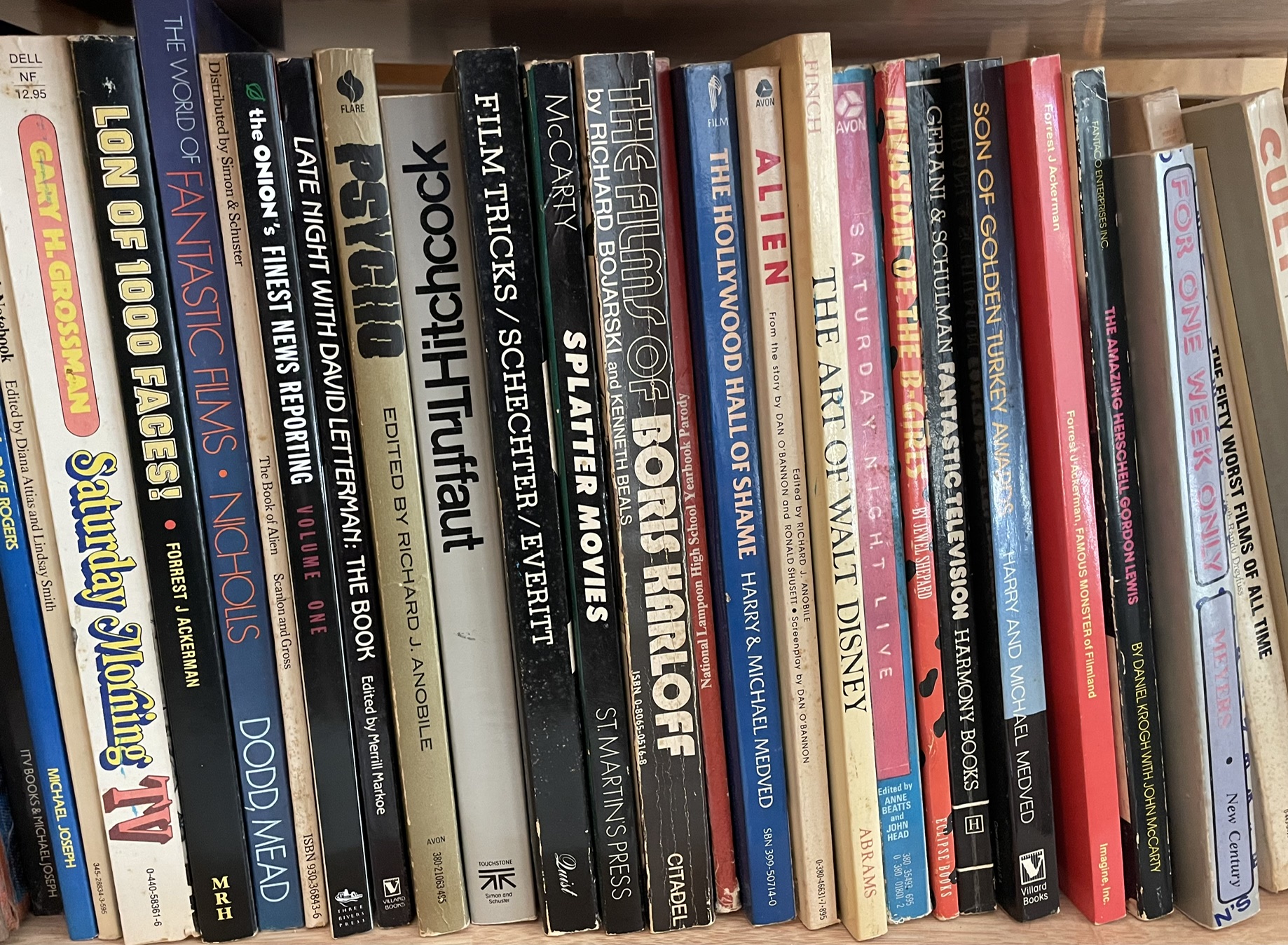
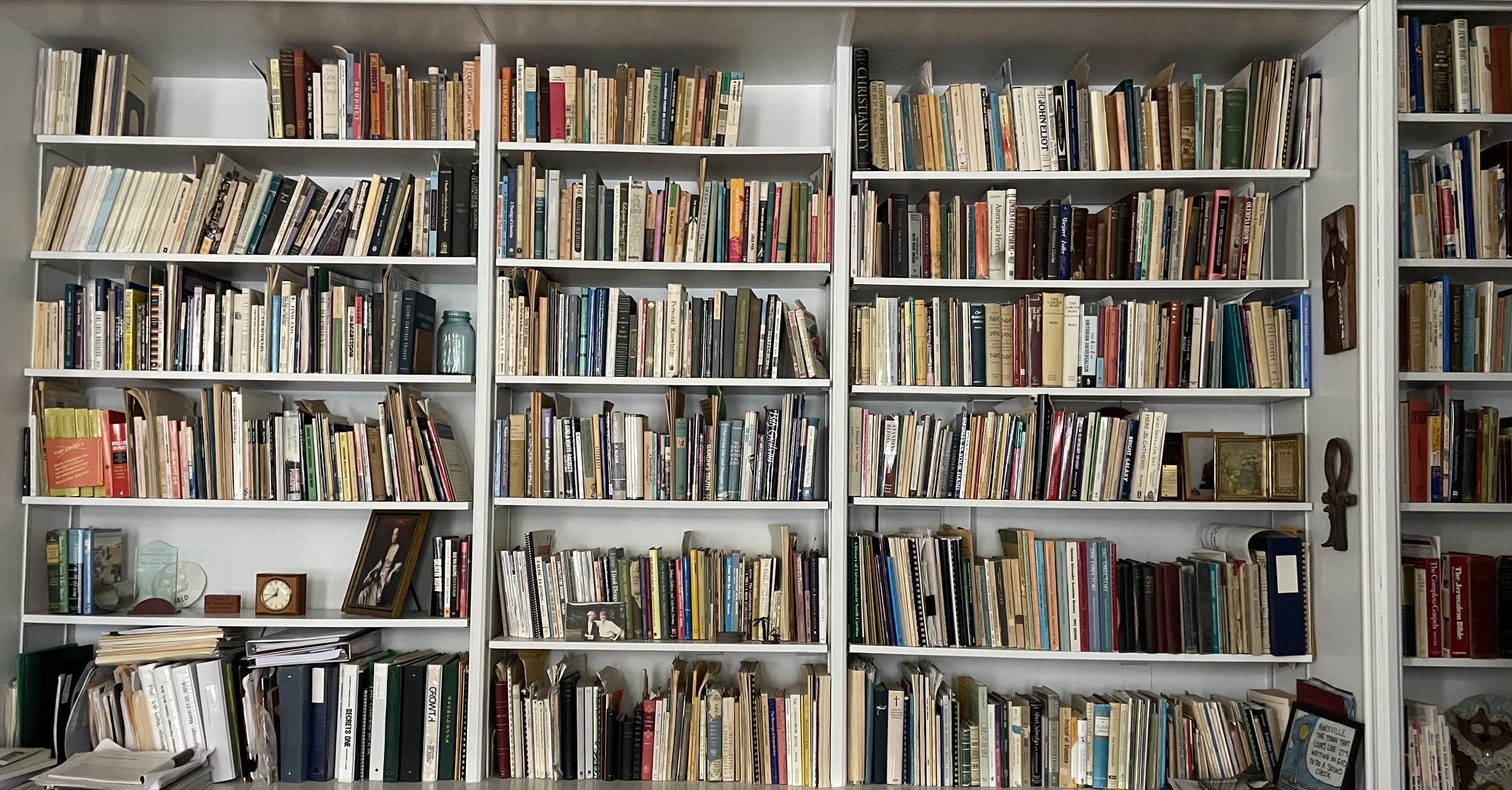
Before I get into details, here’s a picture I just took of one of my several shelves of non-fiction books, very specifically in this case books about movies, TV and entertainment, but we’ve accumulated hundreds of non-fiction books in the past few decades. Pictured above, my copy of Denis Gifford’s “A Pictorial History of Horror Movies” was published in the early 1970s. My copy was published around 1974 and it’s not even the oldest non-fiction book in the house.

It’s accurate to say that I love non-fiction books, history or news or photography or films or Saturday morning cartoons or whatever, and while I don’t buy as many as I used to – I think my latest might be “TCM Underground,” the cult films book released right before TCM canceled the Saturday night/Sunday morning program – but while dozens of boxes of fiction going back to the 1960s are still stored in boxes here, our non-fiction books are mostly but not entirely displayed. Yeah, I love ’em.

And there’s no doubt that online sites have decimated the need for nonfiction magazines and books. Why buy an authoritative book when you can look something up on some possibly totally erroneous online site?

Anyway, Delone’s article, “The Nonfiction Book Market is Collapsing,” carried disheartening news.

The gist of it:

First, the entire industry boomed in Covid—writing is a hobby and reading for pleasure is, too—and has trudged along as it usually does, staying flat, growing a little over the years since 2020. But for the past decade the market for nonfiction has slowly collapsed. What has happened in the last ten years1 is that the overall industry has grown modestly, but fiction and nonfiction have basically flipped positions. In 2015, 6 of the top 25 bestselling hardcover books—this is a not-perfect but useful proxy for new books published—were fiction. In 2025, 18 of the top 25 hardcover books were fiction, meaning only 7 were nonfiction, almost an exact inversion of ten years ago.

Delone emphasizes he’s not writing an Atlantic-style “end of reading, end of books” essay. If you remember, that one alarmed at lot of writers, editors, publishers and readers a while back.

Delone notes that media – which used to be a few big newspaper book review sections and late-night talk shows, where even a Midwestern rube like me could see important authors interviewed by Johnny Carson – is much more decentralized than it used to be and there’s some emphasis placed on book influencers and book accounts on social media. (I follow a bunch of them, for enjoyment more than education, but information nonetheless.)

But he also notes a colossal fall-off in demand for the kind of information we formerly turned to non-fiction books for:

No amount of platform is going to change that interest across the board in nonfiction from celebrities down to science has been slowly disappearing. Even if nonfiction is stable and more predictable than fiction in the abstract, it’s by far worth taking the risk on an unknown novelist if the return is potentially 4x as much. Let’s bring the nonfiction collapse into current day context. Two weeks ago, the entire hardcover nonfiction bestseller list sold 42,000 copies, whereas just the top two bestselling fiction hardcovers the same week—The Calamity Club in its 15th week on-sale and Yesteryear in its 19th week on-sale—sold 52,000 copies. It’s not inconceivable that on the right week, one fiction hardcover with first week sales could outsell the entirety of the hardcover nonfiction bestseller list.

Welp, as the young people used to say.

Want another gulp moment?

The tide going out on nonfiction sales and reading is entirely reshaping the power balance in the industry. Not overnight, but slowly, the money is flowing to fiction and away from nonfiction. It is causing quite a scramble. Fiction is unpredictable, it requires taste, it does not favor the solid metrics or predictability which, if you are running a publishing company, are much more preferable (businesses tend to prefer predictable growth and low volatility or at least high growth alongside high volatility). Fiction is also an easier category for the big publishers to capture and corner the market on. For instance, a handful of talent agencies represent nearly all A-list actors, and therefore a significant supply of big nonfiction bestsellers. The capture in supply carries over to publishers—when is the last time a big celebrity has published a huge bestseller with an indie press?

Delone has a lot of interesting thoughts on the industry. You can find some very thought-provoking posts here:

The year of anthologies for me – three of ’em, anyway

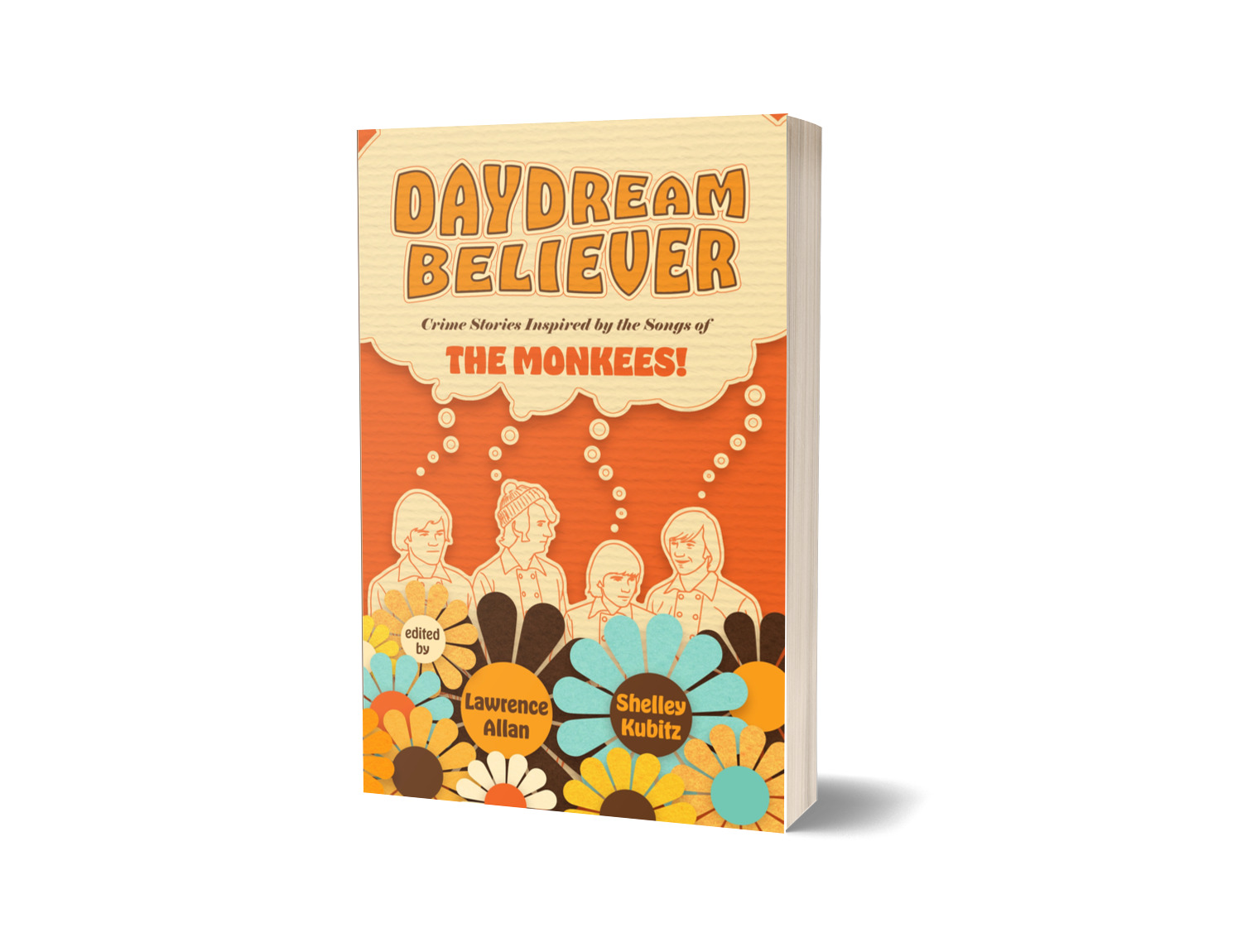
Two of the nicest folks you’d ever want to write for, Shelley Kubitz and Lawrence Allan, today released the cover image for DAYDREAM BELIEVER, an anthology of crime fiction inspired by the music of The Monkees. I’ve got a story in the anthology and I’ll tell you more about it on or before, as they say in legal documents, the book’s publication on September 29. (Or slightly after, depending on how my September goes.)

The table of contents for this anthology is a dream team of crime writers, and I’ll get into that at a later date also.

I’d hoped to have a story in four crime fiction anthologies in 2026, but that was not to be, for reasons too sad to get into here or almost anywhere.

So in 2026, a year in which I definitely de-emphasized short stories to work on novels, I’ve got stories in FIGHTING WORDS, BAD INTENTIONS and DAYDREAM BELIEVER and I couldn’t be happier about that.

The experience of writing short stories in any small bit of spare time I wasn’t working on getting my crime novel SEVEN ANGELS ready for publication by our Constellate Publishing – link at the end of this post – and working on my next three novels, I was inspired me to write an upcoming article for CrimeReads interviewing seven – count ’em! – seven crime writers about what they preferred to write, short stories or novels, and where they love to see their short stories published.

I’ll write more about that and talk about those seven wonderful authors closer to the time the CrimeReads story comes out.

Here’s that link to Constellate Publishing, by the way. We’re still looking for manuscripts of all kinds to consider for publication. We’re offering various editing and marketing services as well.

Another reason for Canada to hate us – book sales category

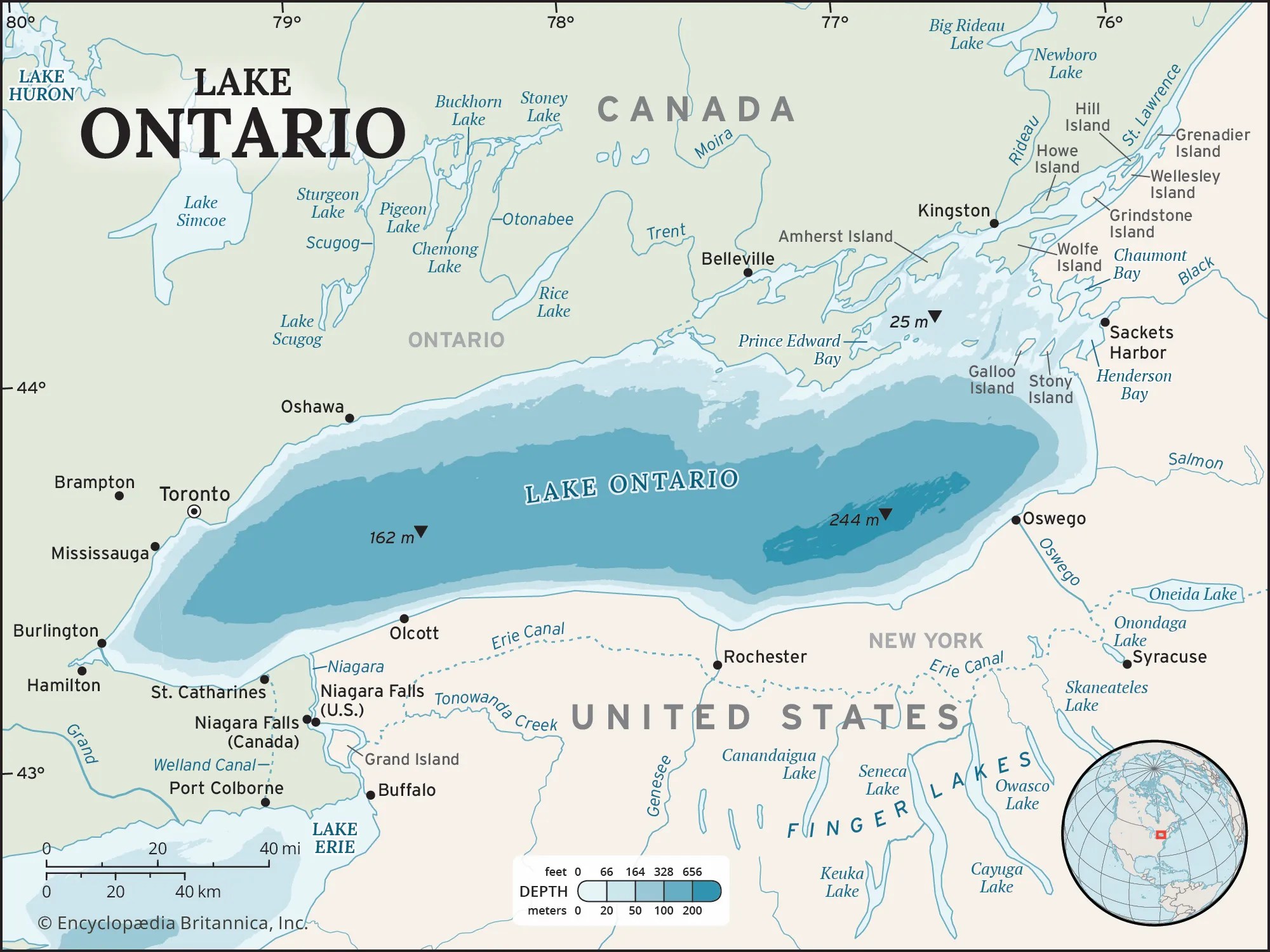
Despite that Britannica drawing of beautiful Lake Ontario, I’ll reassure you up front here that I won’t rehash every element of the idiotic and juvenile threats the current occupant of the White House has made against Canada. I won’t even repeat the ones from just today. Before 2015, I didn’t think it was possible to live in both the stupidest and most depressing and dangerous timeline but that’s the situation we find ourselves in.

But I will note this, and as far as I know, this isn’t the fault of anyone except some nameless, faceless mid-level manager or bureaucrat. I haven’t yet found a simple explanation of why this is the case, but it’s annoying as hell to me and a writer friend who tried to buy a copy of SEVEN ANGELS, my crime novel that came out June 1.

This writer friend in Canada had happily told me that she’d ordered a copy of the book either well before or sometime not long after it went live on Amazon as well as bookshop dot org and Barnes & Noble and many other sites I’d urge anyone to use before considering ordering from Amazon, whose owner has profited from harming smaller, indie booksellers and at the same time undermined democracy with his craven support of the current U.S. president.

Anyway, at some point my writer friend, puzzled, asked if there was any reason why Amazon Canada would be taking so long to send the book. Not that I know of, I replied. Every time I checked, either the American or Canadian Amazon sites, SEVEN ANGELS was available for sale.

Weeks and weeks passed. I checked with her periodically and she still hadn’t received her copy. She’d show me a screenshot of her order form with an inevitably far-future delivery date. And the date slid backward.

This is the status quo last week, ar the end of August, when my friend told me that Amazon Canada was now forecasting a delivery date of October 2 – four full months after the book’s publication date. (Amazon Canada is also charging way more than any U.S. bookseller, but I’m assuming that’s either standard operating procedure or the result of the Rancid Babyman’s tariff tantrums.)

In the meantime, as Amazon Canada was predicting an October 2 delivery for an order placed on August 24, the U.S. version of Amazon was forecasting an August 31 delivery date.

Also in the meantime, my Canadian author friend, after I told her I was going to write a piece titled “Another Reason for Canadians to Hate Us,” replied, “Maybe I should follow up with an article saying We love Americans and would love our neighbours to kindly read our books.”

We love y’all too, my Canadian friend. And we love how you sneak those extra u’s in American words. (Kidding.)

But what’s the reason for this bizarre difference in how this works for Canadian readers?

In November 2024, the site Cybernews reported, “It turns out that if you live in certain countries, you won’t be able to order certain books from Amazon’s US storefront – especially if they revolve around sensitive subjects like erotica, Christianity, the occult, and LGBTIQ issues.

According to The Citizen Lab at the University of Toronto, a laboratory focusing on the openness and security of the internet, Amazon deploys a special system on its “amazon.com” storefront to restrict shipments of certain products to specific regions.

While researchers found more than 17,000 such products, the most common product category restricted was books, especially the ones related to the aforementioned subjects.

In February 2026 on the Amazon forum site, Amazon reported that some ebook purchases are geographically restricted (although this isn’t an e-book issue; the e-book of SEVEN ANGELS isn’t even out yet and will come later this year). A Reddit post also notes that its a roll of the dice to determine if you’ll be able to order some items: you have to enter your Canadian address and then see if your purchase would be deliverable.

A Quora post outlines the absurdity of this situation, advising that while Canadians can order from the U.S. version of Amazon – recognizable by the .com suffix rather than .ca – “If, however, you want to get Amazon U.S. prices and save on customs and brokerage fees, you can do what many Canadians do: time your shopping so you can have the products shipped to a U.S. address while travelling in the U.S. Many hotels, for example, will accept packages for guests (make sure to check first). Along border cities there are many businesses on the American side that simply accept packages for a client and hold them until they can be picked up.”

None of this explains why Amazon Canada continues to offer the books and promises a delivery date that it constantly fails to make.

So do we live in a global economy or not? And can ridiculous threats complicate matters even more?

BTW, I’d have long since just mailed her a copy of SEVEN ANGELS, but the shipping cost would be multiples of the cost of the book itself. And my friend is waiting to see what happens this time to delay her order. But she’s committed to getting her hands on SEVEN ANGELS.

And that’s the sign of a friend, a highly valued thing to have in a time when U.S. leaders seem to be going out of their way to offend as many friends as possible.

Thinking the unthinkable (literally): A Black Swan event

I’m by nature an optimist. This might surprise some people when they hear me talk about the seemingly bottomless well of depression and pessimism some people have felt over the past few years. A friend and I were texting this morning and she was more pessimistic than me about the events of the next few weeks. I’m so goddamn optimistic, according to her, you’d think I was delusional. (She didn’t say that, but I’m taking all this to its local extreme.)

The balance of optimistic and pessimistic was already on my mind this morning and I posted on Bluesky that if people could stand the emotional stress they should do an online search for “Black Swan event” and then I asked, “How long is it until the election?”

My friend and I were gaming out what might happen between now and the midterm election in November and I was, admittedly, more optimistic than her. And I cited the reasons I was. And she cited the reasons she wasn’t feeling optimistic.

And the whole thing got me to thinking about research I did in 2025 about a Black Swan event.

I hadn’t heard of a Black Swan event until a few years ago, so I did some research into what exactly it is. I found “The Black Swan: The Impact of the Highly Improbable.,” a 2007 book by Nassim Nicholas Taleb.

What Taleb wrote is that Black Swan events can have either overall positive or negative outcomes but in my mind, a Black Swan event is a negative event.

Over the past 100–plus years, Black Swan events are generally marked by some big, world-changing happenings:

The events leading to and including the outbreak of World War I.

The rise of Adolf Hitler.

The rise of the Soviet Union and the threat of the Cold War.

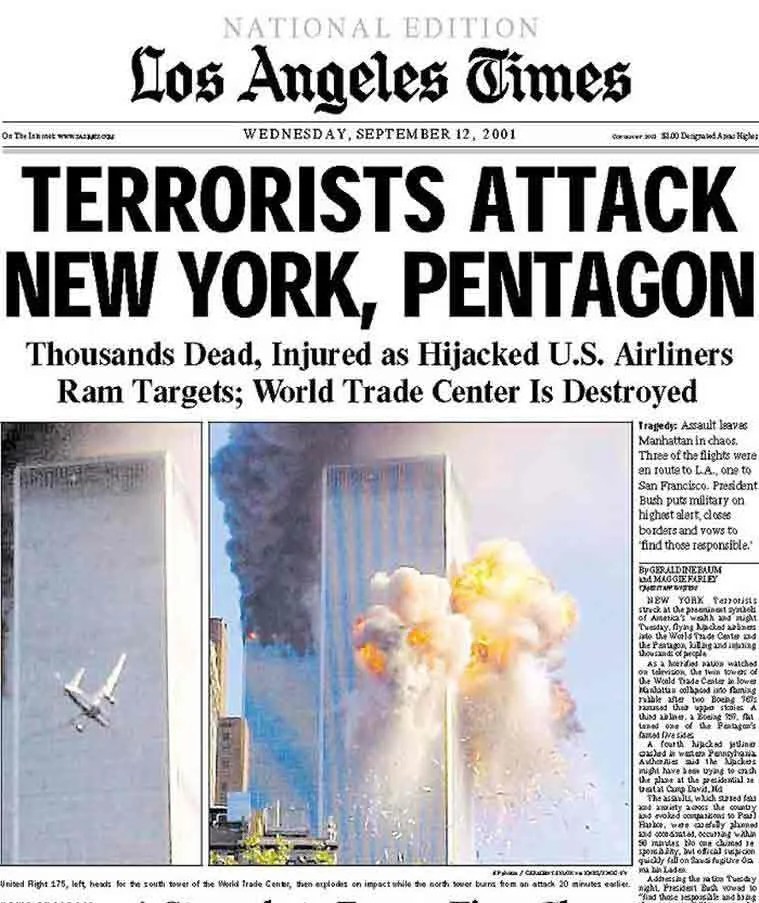
The September 11, 2001 terrorist attacks.

Covid-19.

Some people would add other developments to that list, but the key to Black Swan events is understanding, as Taleb wrote:

What we call here a Black Swan (and capitalize it) is an event with the following three attributes.

First, it is an outlier, as it lies outside the realm of regular expectations, because nothing in the past can convincingly point to its possibility. Second, it carries an extreme impact. Third, in spite of its outlier status, human nature makes us concoct explanations for its occurrence after the fact, making it explainable and predictable.

Some people consider Covid at worst a Grey Swan event and argue the onset of a global pandemic was not at all impossible or unpredictable. It had happened in history, more than once, and countries led by leaders who can reason and think prepared for it.

And Taleb notes:

A small number of Black Swans explain almost everything in our world, from the success of ideas and religions, to the dynamics of historical events, to elements of our own personal lives. Ever since we left the Pleistocene, some ten millennia ago, the effect of these Black Swans has been increasing. It started accelerating during the industrial revolution, as the world started getting more complicated, while ordinary events, the ones we study and discuss and try to predict from reading the newspapers, have become increasingly inconsequential.

I was so fascinated by the topic of Black Swan events – and remain so, obviously – that in 2025 I began outlining and writing a book that includes, as a (hopefully) unexpected plan to precipitate a Black Swan. Even though I shelved the book – it’s not one of the several novels I’m working on now – I still think about it. (I shelved it because I chose an unwieldy format in which to write the book that I couldn’t pull off – but I might be able to pick it back up someday and finish it.)

While a Black Swan event might sound science-fictional to people – and there are classic works of science fiction that fit the Black Swan mold, including the arrival of aliens (the topic of many, many SF tales, books and movies, but one that has stuck with me in the decades since I read it, Arthur C. Clarke’s “Childhood’s End,” a 1953 novel about the impact of the sudden arrival of extraterrestrial beings. – we can see from the examples above that sometimes a Black Swan event can be engineered by a small group of people.

Which brings me back to my conversation with my friend this morning. Because whether any possible Black Swan event is planned by a small group of people – a “false flag” operation can lead to or be part of a Black Swan event – or it’s the sudden arrival of beings from another planet, we can all prepare for the shock of a Black Swan event to greater or lesser degrees. Some people might prepare by laying in a supply of water or non-perishable food. Some want to secure their finances. Others will undoubtedly take other steps.

But knowing that Black Swan events can exist – even if another never comes – is a useful thing.

Trend chasing? So many hockey romance novels … most of them straight, though. How long will this trend continue?

Sooo many horny hockey players. And fans.

Barely a day goes by that I don’t open Publishers Lunch and see yet another book deal for a hockey romance.

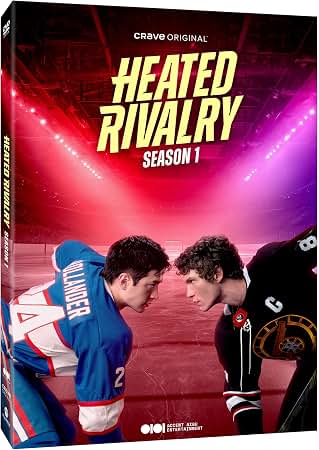
This is, of course, in the wake of the success of “Heated Rivalry,” the Canadian sports romance series about two hockey players who have an ongoing romantic and sexual relationship while playing on opposing teams. The series got a ton of views and a ton of publicity when it aired on streaming a few months ago.

It’s been interesting to see the book industry’s response to the popularity of the series, which is itself based on one book in a series called GAME CHANGERS written by Rachel Reid.

Oddly – or probably not oddly – of the half-a-dozen hockey romance books I’ve seen announced in the two or three months I’ve been subscribing to Publishers Lunch and Publishers Marketplace, most of the new novels are straight romance as opposed to gay romance like the popular streaming series.

The latest book to win a contract, the one I saw today, is, as Publishers Lunch reported:

Sunday Times-bestselling author Freya Marske’s THE OFFSEASON, the author’s first contemporary queer sports romance, pitched as for fans of HEATED RIVALRY and YURI ON ICE, in which a former figure skater who walked away from the sport returns home, where reconnecting with his infuriatingly gorgeous childhood rival, now the current national champion, reignites his passion for the ice—and more, to Ruoxi Chen at Putnam, in a two-book deal, for publication in summer 2027.

For all I know, each of the novels I’ve seen announced were in the works for years and are getting publishing contracts only now, after HEATED RIVALRY has made the subject popular for mass audiences.

It’s like another genre of books that I’m seeing announced regularly, the Western.

Who’ll get published first? Who will best meet the demands of readers? Will a half-dozen hockey romance books all be successful or will some corner the market? Or will each one inspire readers to seek out more?

After all, romantasy books – the trend, that is, not just the genre – kicked off somewhere and they’re still going strong.

My little foul-mouthed scrappers will return in my novel GHOST SHOW

I’ve noted in this space before that most of my books and short stories occupy the same universe that mostly varies from the town of Seven Angels, Tennessee, to the small city of Middletown, Indiana. The former is the focus of my newest novel, SEVEN ANGELS, and the latter is the setting of my 2025 novel THAT OCTOBER.

I’ve plotted references to those locales in most of my fiction, including my upcoming novel GHOST SHOW, which is set in Middletown in 1948 (THAT OCTOBER was set in Middletown in 1984).

And there’s been a few times I’ve had characters cross over from stories to novels. I’ve previously mentioned here Butcher Crabtree, who pops up in SEVEN ANGELS and a few stories.

But in GHOST SHOW, when it shows up this winter, you’ll see some characters I introduced in “A Fighting Life,” a short story in the 2025/2026 anthology FIGHTING WORDS, edited by Scott Bradburn and published by Leonardo Audio.

Four of the Anderson siblings, who are the focus of GHOST SHOW, are in “A Fighting Life,” which is also set in Middletown in 1948.

They’re pretty different characters in some ways, and very much the same characters in other ways. In “A Fighting Life,” siblings Marie, Saul and Peter get into vacant-lot-punchfests when the three, all of them teens or pre-teens, discover they can make money by letting other neighborhood kids fight them for nickels. They’re foul-mouthed little bastards, as Courtney Fabrizio, the marvelous narrator of my story for Leonardo Audio, alludes to. (You should read the story, but you really should get the audio version of the anthology, particularly for the amazing work of Courtney.).

In the story, Marie, Saul and Peter take on all comers – and get rescued by their big sister Rachel as they’re about to be busted by the cops – and it’s a story that is, by turns, fun and dire.

In GHOST SHOW, Marie, Saul and Peter are still the youngest members of the Anderson family and Rachel sometimes rescues and sometimes needs rescuing. GHOST SHOW is a story that’s very, very loosely based on my mother and her siblings when they were young, and the four are based on one of my aunts, two of my uncles and my mom. There wasn’t as much mayhem in real life as I injected into either the short story or the novel.

I’d encourage you to buy FIGHTING WORDS not just for my story “A Fighting Life” but also for the really crisp and tough writing by the other writers in the anthology. And it might tide you over until GHOST SHOW arrives.

The link to buy FIGHTING WORDS:

Hey look: A press release about where we’ll be in July

I’m not sure if you heard or not, but I’ve got a new crime novel, SEVEN ANGELS, out and my longtime friend Jill Blocker has a new novel out, HAPPILY AFTER EVER.

You know I’m kidding, because if you’ve seen me on social media for the past several months, you know these things.

But if you’re in Indiana – both of us are from the Hoosier state – and want to come see us, you can.

Here’s a quick rundown of where both of us will be. Jill will also have events in Seattle, New York City and Zurich after our Hoosier trip. (I’ll link to the Constellate Publishing events page below.)

Anyway:

Authors Roysdon, Blocker plan book talks, signings

Two authors with Muncie, Indiana, ties are releasing new novels and planning on talks and signings in Muncie in July.

Keith Roysdon and Jill Blocker will be speaking and signing books at events July 14 and 15 in Muncie.

The two will be talking about “Seven Angels,” Roysdon’s latest novel, and “Happily After Ever,” Blocker’s new novel.

They’ll be speaking and signing books:

Tuesday, July 14, 6-8 p.m., at the E.B. and Bertha C. Ball Center, 400 W. Minnetrista Blvd., Muncie. The talk is free and open to the public, but the Ball Center requests advance registration to ensure plenty of seating and refreshments.

Earlier Tuesday, at 3 p.m., they’ll be at Ink Drinkers Anonymous Bookstore, 108 S. Walnut Street.

Wednesday, July 15, 6:30 p.m. at Carnegie Library, 301 E. Jackson Street.

Earlier Wednesday, at 3 p.m., they’ll be at Aw Yeah Comics, 119 E. Charles Street.

Also earlier Wednesday, July 15, at noon, they’ll be at the Orchard Shop at Minnetrista, 311 W. St. Joseph St.

Blocker, a native Hoosier, is a Ball State University graduate who worked at The Star Press while she was attending the university. A resident of Switzerland, Blocker is the author of “What Was Beautiful and Good,” an epic but personal account of love and the beginnings of the Dada art movement in the early days of World War I, and her new novel, “Happily After Ever,” the story of a young writer from America who finds love, disappointment and renewed hope as a citizen of the world.

Blocker and her sister are principals of Constellate Creatives, a multi-faceted international company that publishes books (through its Constellate Publishing division) and provides editorial and marketing services for a variety of books, authors and clients. Constellate’s announcement of its 2026 slate of books was widely publicized earlier this year. Constellate also has a studio for recording audiobooks or podcasts.

Roysdon, a resident of Tennessee, was a reporter and editor for 40 years for The Star Press (and its predecessors) in Muncie. He won or co-won more than 30 first-place awards in Indiana and national journalism competitions. He’s the co-author with Douglas Walker of four award-winning true crime books about the Muncie area, including “Wicked Muncie,” “Muncie Murder & Mayhem,” “The Westside Park Murders” and “Cold Case Muncie.” Roysdon’s short fiction, news and pop culture writing has been widely published. His short stories are included in three 2026 anthologies, “Fighting Words,” “Bad Intentions” and “Daydream Believer.”

Roysdon’s first novel, “That October,” was published in 2025. Set in a fictionalized version of Muncie in 1984, the novel is about six high school friends who band together to solve the mystery of a friend’s murder and another’s disappearance. His new novel, “Seven Angels,” is about a young woman who returns to her small Tennessee town to help run the family funeral home. After she’s named county coroner, she must not only solve a murder but battle white supremacists, a pill-pushing doctor, a corrupt sheriff and a ruthless Russian trafficker hunting a young girl from Ukraine.

More about Constellate Publishing and the authors:

HAPPILY AFTER EVER, the latest from Constellate Publishing, is up for preorders

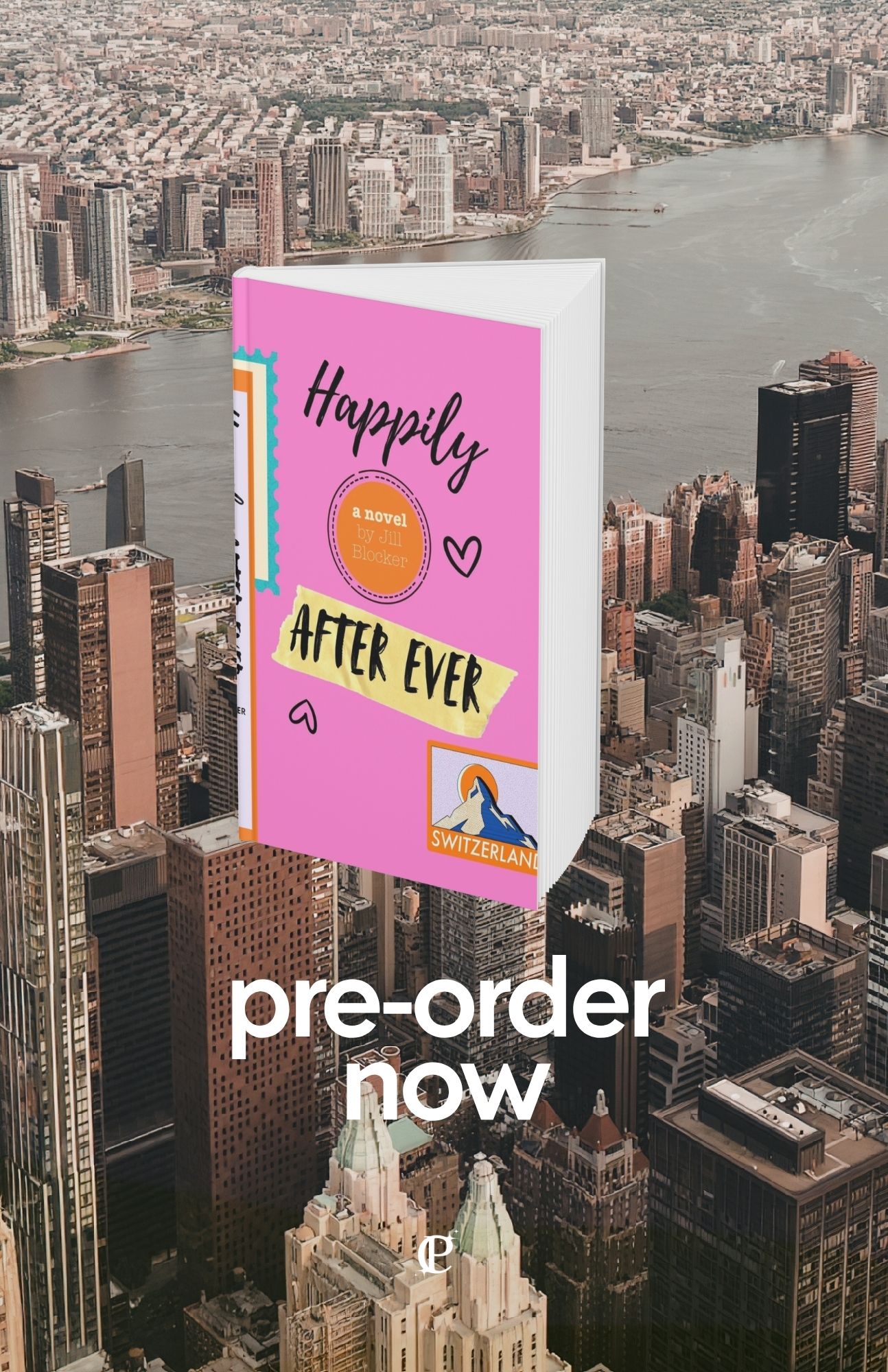
I’m so happy to be able to share this: You can now pre-order HAPPILY AFTER EVER, the newest novel from author Jill Blocker and Constellate Publishing!

“It started with a magic wand. Granted, it was the type of wand that was pink, sparkly and cost $1.99 at Target… but that was beside the point. The symbolism, I felt, was more important than its power.”
Girl meets boy. Girl falls in love with boy.

Girl moves across the world for love.

But it’s not until after the “Happily Ever After,” that she understands what true love is.

When Jill follows her heart from Seattle to Switzerland, she believes she’s stepping into the life she was always meant to have. Instead, she finds herself navigating the complicated realities of adulthood, identity, and the gap between the stories we’re told about love and the truth we discover for ourselves.

Against a backdrop of cobblestone streets, mountain peaks, and life-changing choices, Jill embarks on a deeply personal journey of self-discovery. As she confronts expectations, heartbreak, and the courage required to rewrite her own story, she learns that true love isn’t about finding someone else-it’s about finding yourself.

Perfect for readers who enjoyed the emotional self-discovery of Eat, Pray, Love, the honest millennial voice of Everything I Know About Love, and the reflective journey of Wild.
Heartfelt, insightful, and relatable, Happily After Ever is a coming-of-age story for anyone who has ever chased a dream, crossed an ocean for love, or wondered what comes next when the fairy tale ends.

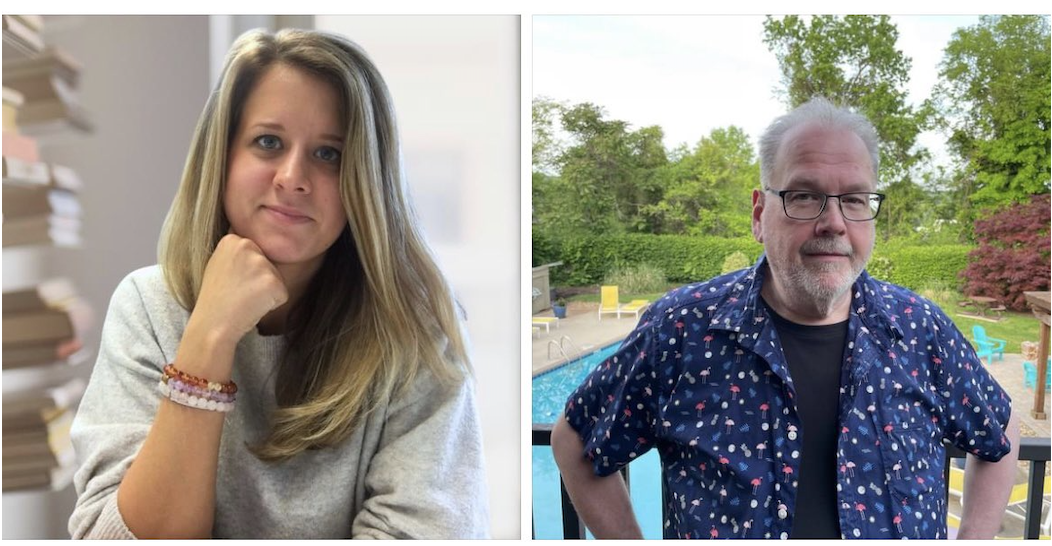
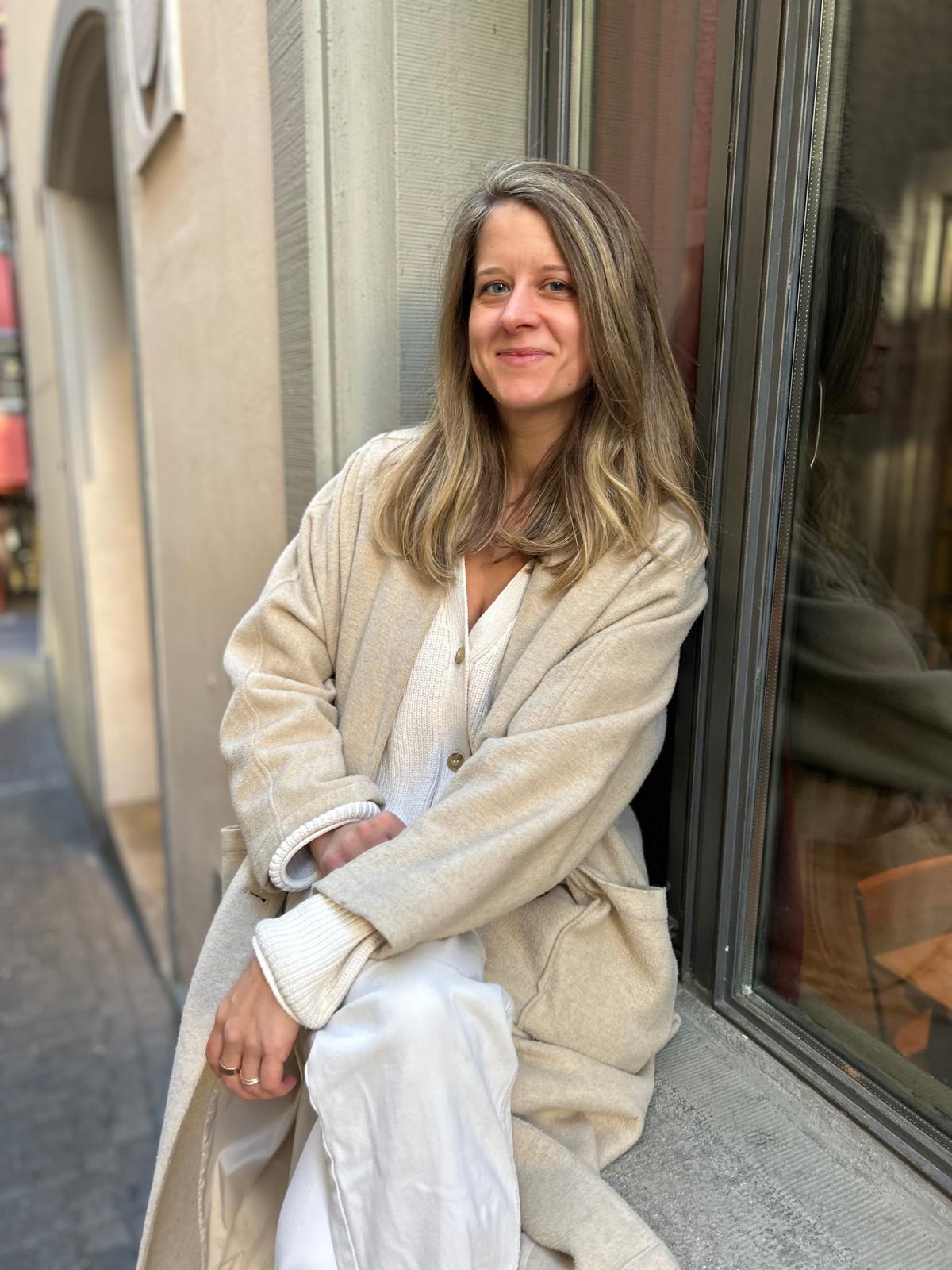
Link to preorder below this photo of my friend, author Jill Blocker:

Here’s how to preorder HAPPILY AFTER EVER: