
The zombies are among us.
Actually, they are us.
Zombies — a mainstay of published fiction and movies, both gripping and cheesy, for decades — are pretty hot for a bunch of moldering, shambling flesh-eaters.
I talked to the owner of a local costume shop the other week who said that zombies appear to be the hottest Halloween costumes this year. (There’s that “they are us” thing.)
Max Brooks’ clever and gripping “World War Z” is being made into a film starring Brad Pitt, the latest in a long string of movies dating back to Bela Lugosi in “White Zombie.” One of my personal favorites, “The Serpent and the Rainbow,” gave a macabre “real life” feel to the walking dead.
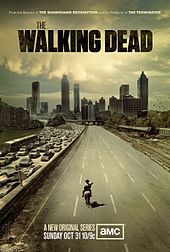
Oh yeah, the walking dead. Or more precisely, “The Walking Dead.”
You may not be inclined to sit down and watch the AMC series version of Robert Kirkman’s comic book “The Walking Dead.” I wasn’t sure if the series, the first season of which debuted about a year ago, was going to work.
But it has. The second-season premiere last week drew more than 7 million viewers — a record for AMC, the channel that has given us “Mad Men” and “Breaking Bad.”
If all those viewers come back tonight, despite last week’s grisly and impromptu zombie autopsy and rumors of troubles among the behind-the-scenes writers and producers, it’s a testimony to our love of zombies.
Now “The Walking Dead” isn’t in the same league, for me at least, as the FX rural crime drama “Justified” or the aforementioned “Mad Men.” It’s no “Lost,” although we can all hope “The Walking Dead” avoids that show’s pitfalls.
But there’s something compelling about “The Walking Dead.”
Clear back to George Romero’s “Night of the Living Dead” and its great sequel, “Dawn of the Dead,” it was pretty obvious that the heart of any good zombie tale was the people — the living, breathing, non-shambling people — it focused on.
It’s easy to say that “The Walking Dead” is a metaphor for modern life, the same way “Dawn of the Dead” was a commentary on our culture and a chance to see some poor schmuck’s guts get torn out.
But it’s not just the commentary on friendship and family and the willingness to fight the futility of life that makes “The Walking Dead” worthwhile. The characters are compelling. You want them to live. You want them to escape with their limbs and minds intact.
Even as you wonder how they possibly can.
As I watched last week’s season opener, I wondered how the kid characters in the show could possibly avoid post traumatic stress disorder or any number of waking nightmares after what they’ve experienced at a very young age. How can any of the adults, for that matter?
So while followers of Kirkman’s comic books know there are a lot of miles and a lot of twisted and twisty plot developments to come, most of us can just enjoy the show’s unfolding story.
One moldering, shambling moment at a time.

 keithroysdon