
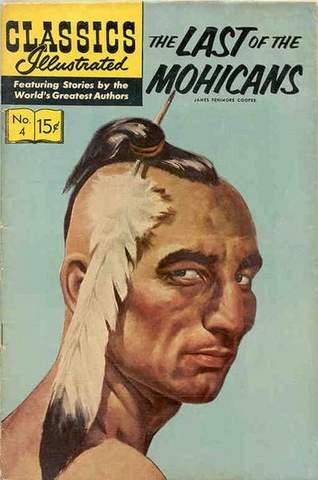
Did you read “Classics Illustrated” comics as a kid?
I have to admit that I didn’t.
The comic book-style recaps of great works of literature like “Robin Hood” and “Last of the Mohicans” just didn’t appeal to me, a comic book nut.
The idea behind the series, created in the 1940s by the Kanter family — Albert and son William — was a good one. Take books that kids might enjoy if they gave them a chance, like “War of the Worlds” and “Treasure Island,” and turn them into comic books that kids might actually read.
The series began at a time when comic books were a top-selling — if totally disrespected by adults — part of kid culture and continued, somewhat amazingly, to the turn of the century.
Even if you weren’t a regular reader of “Classics Illustrated,” you’re probably aware of them. Their distinctive covers — dominated by the familiar yellow box in the corner and the boast that the comics featured “stories by the world’s greatest authors” — popped out from the dozens of “Fantastic Four” and “Superman” and “Archie” comics on the spinner racks.
While I was an avid reader of offbeat fare like Bullfinch’s Mythology and books about Man o’ War, “Classics Illustrated” seemed too much like cherry-flavored cough syrup to me: Something that was good for you but only barely disguised as something else.
But there’s a lot to admire about William B. Jones Jr.’s new book, “Classics Illustrated: A Cultural History,” a hardcover overview of the series, its creators, artists and writers.
Jones is an unabashed lover of the series and that shows. The book appears to be studiously researched and is definitely lavishly illustrated, with reproductions of interior art and covers in both black and white and color.
Jones looks at the writers and artists who made the series what it was, from founder Kanter to artist Henry Carl Kiefer, who defined the look of the series from its earliest days.
The series’ brief flirtation with horror stories — just as demagogues were leading the attack on comic books in general — is genuinely surprising. So is the period in the 1990s when graphic novel versions of the classics attracted some of the comic book genre’s top artists.
There’s even a section about appearances by “Classics Illustrated” comics in movies, ranging from Elvis Presley vehicles to movies featuring Tom Cruise.
If you’re not a devotee of “Classics Illustrated,” Jones’ book is probably a casual read at best for you. If you’re as much of a fan as he was, you’ll love the book.
 keithroysdon