Monthly Archives: May 2012

Big easter egg in ‘The Avengers?’

Did writer/director Joss Whedon include a huge easter egg/teaser for future storylines in “The Avengers?”

That’s the theory circulating online since earlier this week, when Quint wrote a geeky, fun piece on aintitcool.com about one of the most dramatic plot points in “The Avengers” and what it might mean for the future of the movie series.

If you haven’t seen the movie yet, read no further.

Okay?

The dramatic turning point in the movie comes when likable SHEILD agent Phil Coulson is killed by Loki. Coulson (Clark Gregg) is impaled on Loki’s scepter. His death gives the Avengers a rallying point — something to avenge.

SHIELD’s Nick Fury heightens the sense of loss by showing Iron Man and Captain America Coulson’s bloody Captain America trading cards. SHIELD agent Maria Hill later notes privately to Fury that Coulson’s cards couldn’t have been bloody because they were in his locker at the time of his death. Fury is a master manipulator, no doubt.

But is Whedon?

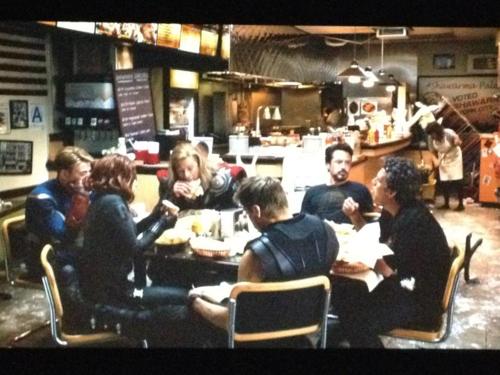
After word got out that Whedon assembled his cast following the Hollywood premiere to shoot another scene, some Internet message boards indicated it was a scene in which the Avengers would gather in Tony Stark’s lab to turn Coulson into the Vision, the classic Avengers android character created by Ultron, longtime Avengers enemy. (Of course, it was the enjoyable “Avengers assemble … to eat” scene.)

Quint expands on the “Coulson as Vision” theory by noting that the movie makes passing reference to Life Model Decoys, the robot duplicates SHIELD created in the comics, as well as noting that not once but twice in the movie reference is made to Coulson dating a cellist.

Who’s a cellist in Marvel Comics, according to Quint? Wanda Maximoff, the Scarlet Witch, sometime Avenger and ultimate wife of … the Vision.

Like the earlier rumors that Spider-Man would be in “The Avengers,” this line of reasoning is just too geeky, too fun, to possibly be true.

Right?


After ‘Avengers’ — What we want from Marvel movies

We’ve all seen “The Avengers” by now. Some of us have seen it twice. “Iron Man 3” comes out next year, followed by “Thor 2” and, inevitably, another “Captain America” movie and an “Avengers” sequel.

So what else do we want to see from Marvel Comics-based movies?

Carried to extremes, the fan wish list could include a Marvel Team-Up movie featuring Aunt Petunia and Aunt May. (Surely Marvel has published that comic book?)

So here are some reasonable requests:

Iron Man and the Hulk: Apparently, until just before “The Avengers” opened and moviegoers saw how much fun the Green Goliath could be in the right (Joss Whedon’s) hands, Marvel didn’t plan on making another “Hulk” movie. After two misfires (although I liked the Edward Norton movie just fine), the studio couldn’t get the Hulk right.

Well, Whedon realized that the Hulk is best when used judiciously. Mark Ruffalo was great as Bruce Banner and his mo-cap performance as the Hulk was terrific. But Hulk was a supporting character in “The Avengers.” So why not make him a supporting character in someone else’s movie? And although “Iron Man 3” is probably pretty well defined by now, surely there’s room for a couple of scenes of Banner and a couple of Hulk-outs? After all, didn’t “The Avengers” show Banner and Tony Stark leaving together, presumably so Stark could show the sympatico scientist his R&D facility?

Ant-Man and the Wasp: Leading up to “The Avengers,” there was a lot of speculation about who would play Hank Pym and Janet Van Dyne, the loving, bickering adventurers who, as Ant-Man and the Wasp, were founding members of the Avengers in the comics. Heck, socialite Van Dyne even gave the team its name.

So the characters didn’t appear in “The Avengers.” An Ant-Man movie might be in the works, but the characters don’t appear headed for the big screen anytime soon. Which is too bad. Wasp could be a very fun female role that’s very different from Black Widow. And Pym is a natural, especially considering his multitude of sizes and identities: Giant Man,  Goliath, Yellow Jacket. This must happen!

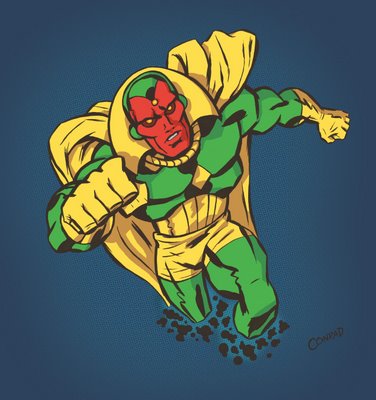
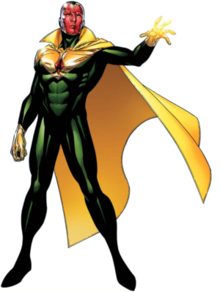
The Vision: If you have Henry Pym, why not the Vision? Pym’s murderous robot creation, Ultron, created the Vision as a means of killing the Avengers. Turns out the Vision preferred to side with the good guys, however. Over the years, Vision, in his distinctive red-and-green-and-yellow outfit, became one of the key members of the group and fell in love with, and married, the Scarlet Witch. The Vision is like Spock and Data from “Star Trek” — only cooler, if that’s possible.

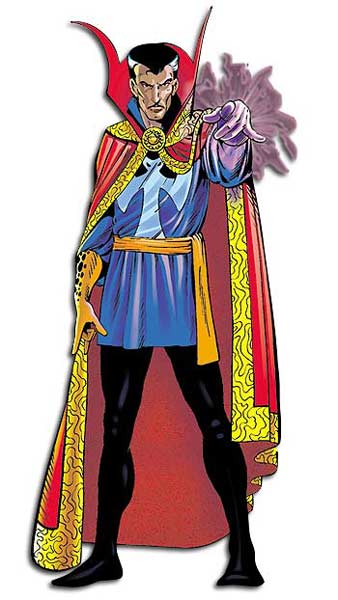
Dr. Strange: There’s been rumblings of a movie featuring Marvel’s sorcerer supreme for a while now. Since magic — or at least otherworldly science that can pass for magic — has been established in the on-screen Marvel universe, there’s no reason this mystical adventurer wouldn’t fit.

Superhero cameos, AKA rooftop encounters with Spidey: Marvel’s animated version of its super team, “The Avengers: Earth’s Mightiest Heroes,” has introduced an expanded Marvel universe that live-action movie fans can only dream of: On the Disney XD series, the Avengers regularly run into other New York-based heroes like the Fantastic Four. One episode from the first season showed the Avengers rumbling on the NYC streets with some bad guys when, out of the blue, the Human Torch and the Thing show up to help.

It’s the casual world-building that I loved about Marvel when I was a kid, the idea that all these Marvel characters shared the same universe. With the Fantastic Four and Spider-Man owed by other studios, it’ll be tough to pull off crossovers.

But we can dream, can’t we?


‘Sherlock’ returns with ‘Scandal in Belgravia’

One of the unexpected pleasures of TV in the past couple of years — along with “The Walking Dead” and a handful of other shows — has been “Sherlock,” Steven Moffat’s modern-day updating of Arthur Conan Doyle’s Victorian-age detective Sherlock Holmes.

There have been so many — hundreds — of stage, film and TV adaptations of the Conan Doyle books and short stories in the past century years that it’s hard to imagine crowning one as the best, particularly one that takes such liberties with the content of the canon. But “Sherlock,” a BBC production airing on PBS’ “Masterpiece” series (with two more installments to come May 13 and 20) is certainly near the top of the list.

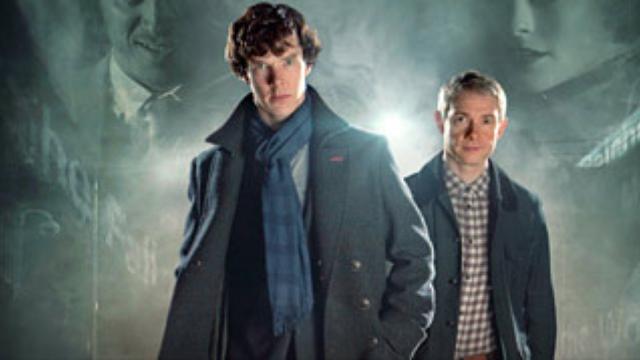
In the series, set in the present day, Holmes (Benedict Cumberbatch) and Watson (Martin Freeman) forge the offbeat relationship familiar to readers of the original stories. Holmes is a brilliant consulting detective, Watson a physician and soldier. Each man is troubled in some respects. Watson is recovering from physical and spiritual wounds suffered in Afghanistan while Holmes is, for all his British intellect and wit, a stranger in a strange land.

The updated series uses original Conan Doyles stories (and titles; tonight’s episode is a take-off on “A Scandal in Bohemia”) as jumping off points, mixing in high-tech touches along with Holmes’ old-school detective work. In other words, for every scene in which Holmes deduces someone’s life story by observing stay hairs on their pants or scuffs on their shoes, there’s another scene in which Holmes or one of the players is texting on their smartphone. Just as Conan Doyle’s original writing had Watson publishing stories about his exploits with Homes — much to Holmes’ bemusement — in the new series, Watson writes a popular blog about the detective.

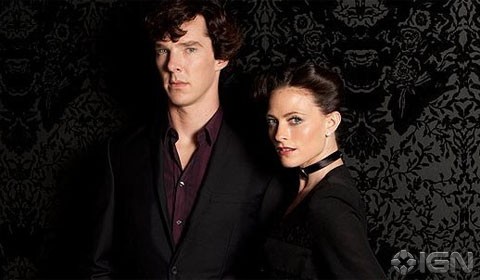
Tonight’s episode, like the 1891 original, introduced Irene Adler, a woman who is Holmes’ equal in sheer, cool intellect. In “Sherlock,” Adler is a high-society dominatrix who, as the  episode opens, is being sought for the compromising photos of a member of the royal family on her cell phone.

Adler is, as fans know, “The Woman,” the female who greatly intrigued Holmes, who was very likely his perfect match … if not for her habit of lawbreaking.

In “Belgravia,” we get some choice “Sherlock” scenes, as Holmes stays one step ahead of the police and the bad guys even as he struggles to keep up with Adler.

All the key ingredients to the “Sherlock” series are here: Holmes and Watson’s fond verbal jousting; landlady Mrs. Hudson; even Holmes’ nemesis James Moriarty. The opening of the episode resolves the standoff between Holmes and Moriarty from the end of the first season.

“Sherlock” revels in its modern-day ingenuity — the use of technology and London’s cool blue exteriors give the series a properly detached feel — as much as it encourages us to focus on Holmes’ never-out-of-style intensity.

Cumberbatch and Freeman are among the best portrayers of Holmes and Watson ever. Cumberbatch gets a showy role but Freeman — soon to star in “The Hobbit” with Cumberbatch providing the voice of the dragon Smaug — is an understated delight.

“John Hamish Watson. Just in case you’re looking for baby names,” Watson mutters at some point when Holmes and Adler are striking sparks.

And what an Alder Lara Pulver is. I love Rachel McAdams, who plays Adler in the current Robert Downey Jr. Holmes movies. But Pulver makes McAdams look like the high schooler she played in “Mean Girls.” Pulver, who matches Cumberbatch in cheekbones and ivory skin, is gorgeous and dangerous. She’s utterly believable as “the woman” in Holmes’ life.

Next week, “Sherlock” takes on “The Hound of the Baskervilles.” I’ll be watching.

Secrets of ‘The Avengers’

After seeing “The Avengers” for a second time, I thought I’d note a few moments from the movie that didn’t make their way into my review.

In some cases, they might be elements from the movie that blew right past the general audience.

And there’ll be a spoiler alert before the very end, if you still haven’t seen the movie — and contributed to the record-breaking $200 million opening weekend take.

Loki did it: Thor’s brother, Loki, is a troublemaker, a trickster god of the first order. He’s the force that sets the plot of Joss Whedon’s movie in motion by materializing on Earth and stealing the Cosmic Cube. Later, Black Widow, using unconventional interrogation techniques, determines that Loki is trying to get to the Avengers through the Hulk.

That’s perfectly appropriate, because in the first issue of the Avengers comic, released in September 1963, Loki uses tricks and illusions to get superheroes Iron Man, Ant Man and Wasp to go after Hulk. Thor shows up and, after some typical Marvel hero in-fighting, the team is formed. And stays together until the next issue.

Life Model Decoys: When SHIELD agent Phil Coulson calls Tony Stark early in the movie, Stark answers and says he’s not the real Tony Stark, he’s a Life Model Decoy. The geekiest among us know that Life Model Decoys were a creation of SHIELD early in the organization’s Marvel Comics history. In Strange Tales comic in 1965, SHIELD deploys LMDs — perfect copies of agents including Nick Fury — as … well, decoys.

“Puny god:” In one of the funniest moments in “The Avengers,” Hulk thoroughly wallops Loki. The audience is still laughing as Hulk walks away, muttering to himself. (Yes, the Hulk spoke in “The Incredible Hulk” and speaks again here.) What does Hulk say after giving Loki a (literal) smackdown? “Puny god!” It’s a play on Hulk’s patented “Puny humans!” declaration.

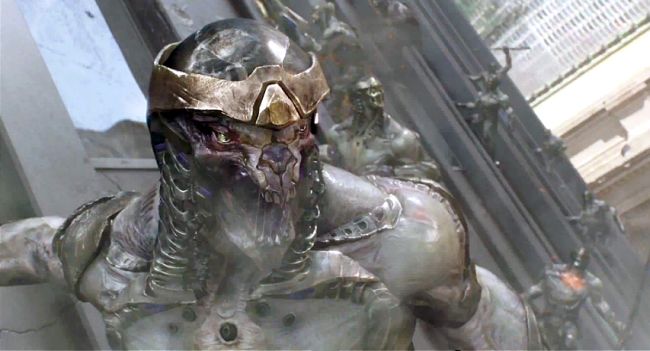
The Chitauri: After months of speculation about Loki’s alien army in “The Avengers,” it’s mentioned in the first moments of the movie, during voice-over narration, that the alien warriors are the Chitauri. Who? The Chitauri are, in the Ultimate Marvel comic book universe, the contemporary equivalent of the Skrulls. Apparently the Skrulls are considered part of the “Fantastic Four” movie universe and were not available for Whedon’s use here. Clever writer that he is, he got around that by using the Chitauri.

Stark Tower/Avengers Tower/Avengers Mansion: One thing the movie does, as did many Marvel comics over the past 50 years, is thoroughly establish a setting in New York City. As a kid who didn’t know he would ever visit the Big Apple — still haven’t, actually — I soaked up everything I could about New York from hundreds of Marvel Comics set there.

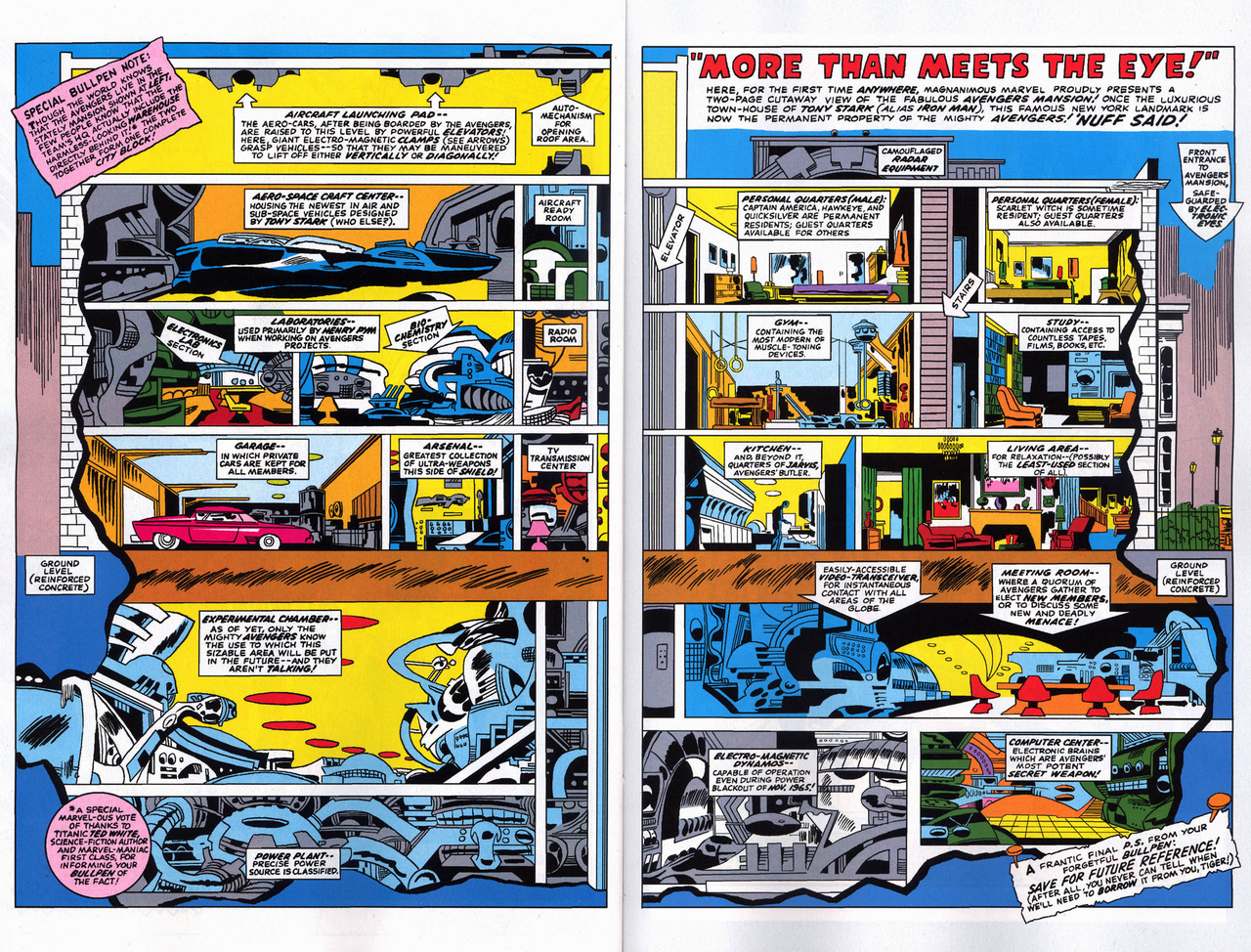
Second only to the Baxter Building — home of the Fantastic Four — on Marvel’s Landmarks of New York Tour is Avengers Mansion. Originally belonging to Tony Stark, the mansion is loaned to the Avengers for use as their home base. Jarvis, Tony’s butler, even becomes the butler for the Avengers.

In the movie, Stark is building a NYC skyscraper emblazoned with his name. During the battle with Loki and the Chitauri, most of the STARK lettering gets knocked off, leaving only a bold “A.” We notice this at the end of the movie and can assume that, for the inevitable sequel, the Avengers will hang out here.

Here’s the big “Avengers” movie secret. Once again, if you haven’t seen the movie, spoiler alert in …

3

2

1

Thanos: Partway through the end credits, the mysterious alien who had been talking to Loki is seen, on a crumbling asteroid in space, talking to a creature seated on a throne.

To go to Earth and take on the Avengers would be to “court death,” the alien says.

The massive figure stands up from the throne, turns his head and smiles.

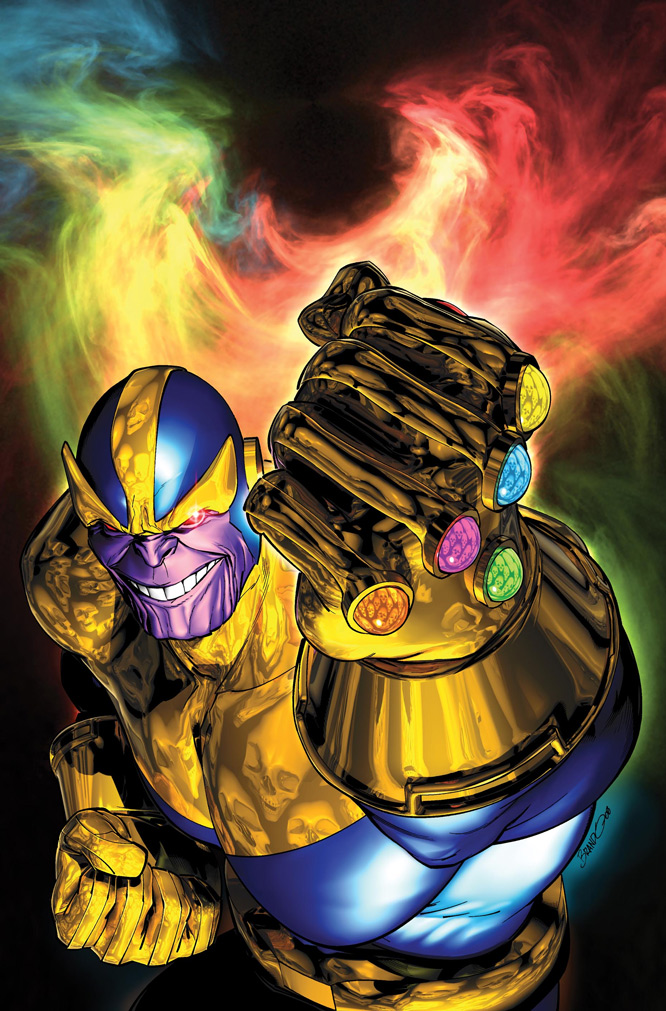
It is Thanos, the Marvel Comics alien introduced in Iron Man comics in 1973. Thanos, created by writer/artist Jim Starlin, is based on Thanatos, the god of death from Greek mythology. In the comics, Thanos is to some extent Marvel’s counterpart to DC’s Darkseid, an extremely powerful and dangerous alien creature who has crossed over from comic to comic, posing a threat to many of the heroes of the Marvel Universe.

Whedon is a comic book fan (and writer) and, by including Thanos in “The Avengers,” sparked shivers down the spines of fans everywhere. If Thanos shows up in an “Avengers” sequel, the threat he poses will be far greater than that posed by Loki.

Just sayin’.


‘Shocking’ drive-in movie ads!

There’s something about this weather that reminds me of going to drive-in movies.

Around here, we had two — the Muncie Drive-In and the Ski-Hi Drive-In — in or near the city and another — the Blackford County Drive-In — just to the north. The latter wasn’t the type of drive-in your parents took you to, however. The Blackford showed “adult” movies — porn, in other words.

As for the Muncie and the Ski-Hi, I spent many, many hours there as a kid and young adult.

One of my earliest drive-in moviegoing memories was of seeing the 1967 flick “Born Losers” at one of Muncie’s two drive-ins. “Born Losers” was a low-budget action movie that introduced the cult character of Billy Jack (played by Tom Laughlin), a returning Vietnam vet who takes on a motorcycle gang. The movie actually inspired sequels.

I remember seeing it with my parents and paternal grandmother. Why my parents decided to take me or my grandmother to a (in my memory) sleazy, bloody action movie I can’t imagine.

I just remember my grandmother nearly fainting into her concession-stand pizza after the bad guys push a young man’s face into the windshield of a car, resulting in a bloody, slobbery mess. Onscreen, I mean.

From time to time in this spot I’ll share some memories and some great old drive-in movie ads.

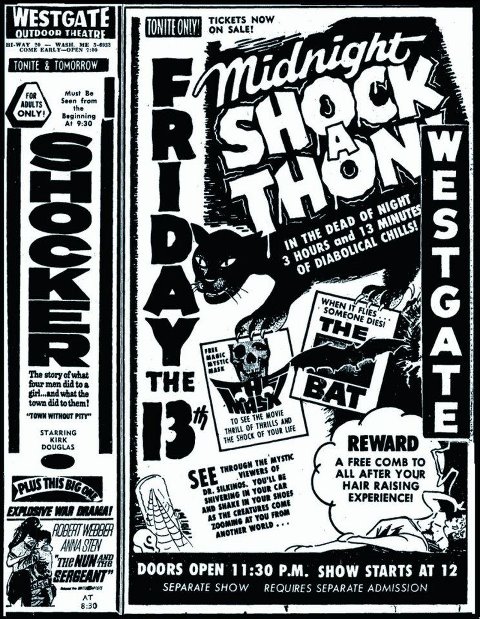
How about this one for a re-release of “The Mask” Not the Jim Carrey comedy but a bizarre 1961 horror movie about an ancient mask that has the power to drive people crazy. Some remember “The Mask” from the early 1980s, when it was re-released at the height of the 3-D revival.

This “midnight shock-a-thon” ad features not only “The Mask” but “The Bat,” probably a 1959 Vincent Price thriller and “Town Without Pity,” a 1961 Kirk Douglas movie that is sold, as you can tell from the ad, in the sleaziest way possible:

“The story of what four men did to a girl .. and what the town did to them!”

This ad has some exploitation/drive-in advertising gems, including “A free comb to all after your hair-raising experience!” I can hear it now: “Mom, Dad, can we go to the drive-in tonight? They’re giving away free combs!”

Lastly, how about the exploitation double-feature classic “I Drink Your Blood” and “I Eat Your Skin.” The former is a 1970 movie about Satanists terrorizing a town. The latter originally came out in 1964 and was about zombies. The combination of titles was drive-in movie gold.

The canny drive-in operator offered a free buffet of “skin chips and dip” and “flesh fries” and provided free Tums.

Who wouldn’t turn out for this drive-in combo?

‘The Avengers’ delivers on four decades of fanboy dreaming

There’s little to be said regarding “The Avengers” that hundreds of reviews and a million online message board postings haven’t said already.

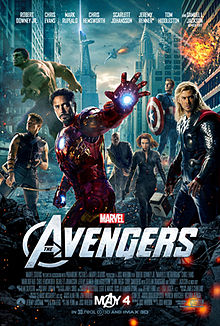
So I’ll say it anyway. “The Avengers” rocks.

Writer/director Joss Whedon’s big-screen version of the Marvel comic — you’ve probably heard of it by now — seems to have broken our collective “Holy Jebus I’m so relieved” meter. Since Marvel published “Avengers” issue number 4 in March 1964, some of us have been waiting for this day with a mixture of anticipation and dread.

Right up until not long before 2008’s “Iron Man” introduced the concept of Marvel’s superhero team — created way back when as an answer to DC’s “Justice League” — to the movies with Nick Fury’s post-credits reference to “The Avengers Initiative,” most of us believed this would never happen. The odds just seemed too great that someone could get this all so right.

Over the decades, superhero movies had gotten bits and pieces of the comic book experience right: The first night Christopher Reeve’s “Superman” patrolled Metropolis; the slightly off-kilter emotional balance of Bruce Wayne and his alter ego in Tim Burton’s “Batman”; the concept of a tempestuous but effective super-powered fighting force in “X-Men.”

But more often than not, filmmakers proved they didn’t have what it takes.

Whedon ably demonstrated he could do heroic, tragic, funny and deprecatingly self-referential in his TV series “Buffy the Vampire Slayer,” “Angel” and “Firefly.” But to cap — pun only slightly intended — four years of Marvel movie foundation-building with one honkin’ big superhero slugfest seemed like more than anyone could manage.

And yet Whedon did it.

If you’re not familiar with the basic premise by now … I can’t imagine why you’re reading this. Suffice it to say that the heroes and supporting players of “Iron Man,” “The Incredible Hulk,” “Thor” and “Captain America” come together when Loki, Thor’s brother, makes a deal with the devil (spoilers later) to take over the Earth in exchange for the Tesseract — known as the Cosmic Cube in the comics — the source of infinite power introduced in “Captain America”  last year.

The first half of the movie finds the Avengers introducing themselves in Mighty Marvel style: Through a series of misunderstandings and moments of self-interest, they fight, bicker and fight some more, much to the exasperation of Fury (Samuel L. Jackson), the SHIELD spymaster who, we discover in this movie, has to answer to a (literally) shadowy group of superiors. And isn’t beyond manipulation.

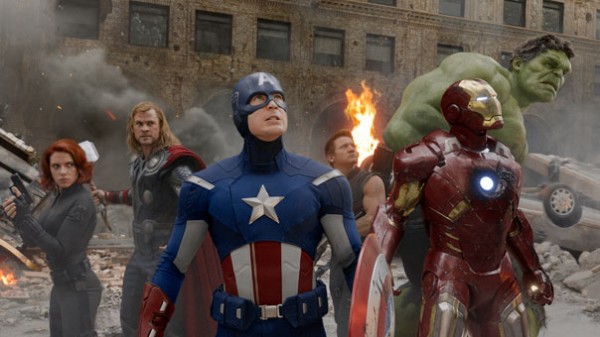
The threat posed by Loki (Tom Hiddleton, in straight-on villain mode here) is great enough — an alien invasion force poised to devastate New York and, presumably, the planet — to convince the heroes to stop squabbling and work together. Iron Man (Robert Downey Jr.) turns his cool sarcasm down a few notches, Captain America (Chris Evans) learns how to be a leader even in the modern world, Thor (Chris Hemsworth) balances his love for his brother and his sense of guilt, Bruce Banner (Mark Ruffalo, in both human and Hulk guises) almost seems to revel in letting the beast off the chain and SHIELD agents Black Widow (Scarlet Johansson) and Hawkeye (Jeremy Renner) more than prove their worth as the non-superpowered members of the team.

(I have to say I haven’t understood those people, many of them ostensibly fans of comic books, who said they didn’t understand why Black Widow and Hawkeye would be members of the team considering their lack of superpowers and invulnerability. The Avengers comic has always included human beings — although highly skilled ones — as members. While the movie has great fight scenes involving Thor and Hulk and Thor and Iron Man and Cap, one of the most dramatic scenes involves Black Widow dealing with the onslaught of the Hulk and its aftermath.)

The second half of the movie finds the Avengers, spurred on by dire circumstances, facing off against not only Loki but his invasion force, made up of the Chitauri, Skrull surrogates from the comics.

If there’s a weakness about the movie it is that the Chitauri are nothing but cannon fodder, not unlike the legion of orcs in “Lord of the Rings” or stormtroopers/fighting droids in the “Star Wars” prequels. While the climactic battle that pits the Avengers against the Chitauri — and devastates half of New York, it seems — is beyond exciting, and scenes with the Avengers in battle against the alien invaders and their giant flying snake things — ask for them by name — are great, it all feels like an extended warm-up for something bigger.

Although it’s hard to imagine what could be bigger than this.

Other thoughts:

Hulk catch: Even if you’ve seen the many, many commercials and clips from “The Avengers,” there are entire sequences you haven’t even glimpsed yet. But I did regret that one of the trailers used the shot of Hulk flinging himself through the air and catching Iron Man as he fell, braking their descent by sliding down the side of a building. When the shot comes, late in the movie, I could anticipate it because I knew I hadn’t seen it yet.

Natasha and Boris — er, Clint: I really want to know more about Black Widow and Hawkeye. The movie doesn’t give them an outright romance, but there’s a lot of shared history there, so much so that they can even joke about it. I want to know all about the movie’s ostensibly “puny humans.”

Tony Stark and Bruce Banner: I loved how Whedon matched up the story’s resident eggheads. They share a lab and a skepticism of SHIELD’s motivations and even ride off into the sunset together at the end. How about making Iron Man/Hulk team-up movies?

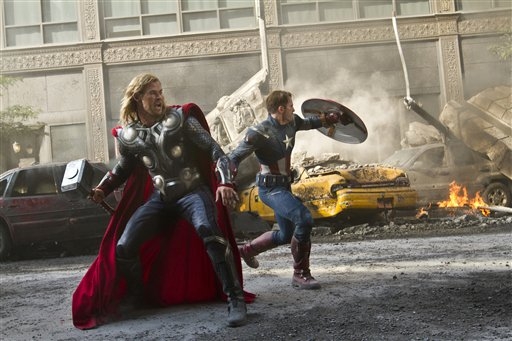
Cap’s leadership: Since the fourth issue of  “The Avengers” comic, Captain America has been the team’s leader. There have been many moments of self-doubt for this man out of time. But Steve Rogers is a natural born leader of men. The movie establishes that in a scene in which he barks out orders to some NYC cops who wonder why they should obey his directives. Cap then smoothly demolishes some Chitauri, causing the cops to quickly turn and begin following his orders.

More Pepper: I didn’t realize Gwyneth Paltrow had as prominent a supporting role in “The Avengers” as she does. She and Downey are perfect together. I want a scene or two with her in every “Avengers” sequel.

That’s not creepy at all: SHIELD agent Phil Coulson (Clark Gregg) has had nice supporting parts in several of the Marvel movies. Whedon gives him great stuff here, including a funny scene in which he professes his fanboy love for Cap. “I watched you when you were sleeping,” Coulson says before realizing how stalkerish that sounded. “I was present when you were unconscious .. from the ice,” he quickly adds.

Whedon brings the funny: The whole movie is full of funny quips and scenes like that one.  The guy knows when to ratchet up the action and when to leaven it with humor.

Whedon undercuts expectations. Some people fault Whedon with being too self-referential and jocular, but his sense of humor is perfect for a movie that could be ridiculous. That’s what the final credits scene is about. Finally, after four years of Marvel movies, Whedon came along and played with the audience’s expectations about Marvel’s patented “surprise” extra scenes following the end credits. And he did so in a style familiar to any Whedon watchers.

Spoilers ahead:

3

2

1

What you’ve heard about the two “Avengers” credits scenes is true. Partway through the end credits, the mysterious figure backing Loki’s invasion is revealed, although non-fans might not recognize Thanos, the Marvel Comics god of death. It sets things up nicely for a sequel.

And the scene at the very end — showing the exhausted heroes having a bite to eat in a battle-scarred New York restaurant, while an employee tries to sweep up in the background — is quintessential Whedon.
Two ‘Avengers’ credits scenes? Complete with screen shot!

Okay, considering that Marvel’s “The Avengers” brings together more than a half a dozen superheroes, it shouldn’t come as a surprise that the movie — which is already playing internationally and opens wide in the U.S. this Friday — doubles down on Marvel’s practice of surprise end credits scenes.

Beware: Spoilers ahead (if Internet accounts are to be believed; I won’t see the movie until Friday). I’ll give you a countdown to the spoilers, though.

In 2008, “Iron Man” sparked the trend for end credits scenes — sometimes called stingers or buttons — in modern superhero movies.

There was plenty of precedent for post-credits scenes, in all kinds of movies, from “Ferris Beuller’s Day Off” to “Young Sherlock Holmes.” The latter, of course, showed Ferris shuffling out, addressing the audience and telling us to go home because the movie was over. “Airplane” returned after the credits for a final joke.

For real added-value after-credits scenes, “Young Sherlock Holmes” established the practice of offering a twist to the plot by revealing that Sherlock’s teacher would one day be his rival, James Moriarty.

When Samuel L. Jackson showed up as Nick Fury at the end of “Iron Man” and mentioned to Tony Stark “the Avengers initiative,” fans loved the glimpse it provided into Marvel’s plans for its expanded big-screen universe.

Stark himself showed up a couple of months later at the end of “The Incredible Hulk,” while trusty SHIELD agent Coulson appeared at the end of “Iron Man 2.” “Thor” and “Captain America” brought Fury back into play and the latter nicely set up “The Avengers” with what amounted to a commercial for Joss Whedon’s team-up movie.

Last year, “Green Lantern” showed how not to do a credits scene, with Sinestro abruptly embracing his dark — um, yellow — side early in the credits.

So it’s no surprise that “The Avengers” would have an end-credits scene. But after the world premiere a few weeks ago, Robert Downey Jr. teased that the cast was getting together that very night to shoot more footage.

It could only mean one thing: Another credits scene.

If you’re still reading and want to know — at least what little I know — read on.

Otherwise, veer off now!

Spoilers in

5

4

3

2

1

Still here? Okay.

The mid-credits scene in “The Avengers,” as seen in international screenings, shows Thanos, the Marvel Comics god of death. It’s pretty strongly implied that Loki and his alien army were testing the Avengers for a future offensive on Earth by Thanos.

And the end credits scene? If it is what is depicted below, it’s a lighthearted moment of the Avengers, in costume, getting together to have a bite to eat.

This might surprise fans, but knowing Whedon’s whimsical sense of humor, it makes perfect sense. Of course, it could be a big Internet prank.

Here’s the shot. We’ll see soon if it’s true.


The documentary about our monstrous childhood

I’ve mentioned before in this space what I call “the monster world” and what others call the “monster kid” phenomenon. It was that golden period from the 1950s until the 1970s when a lot of us kids were obsessed with all manner of spooky, geeky stuff: Old Universal Studios monster movies, monster dragsters, monster comics, Aurora monster models … you name it.

Part of the impetus for the monster world was the release to television, in the 1950s, of the classic Universal Studios monster films from the 1930s and 1940s. After years of re-releases to theaters, the movies finally found a place on TV.

Late night Fridays and Saturdays and on Saturday afternoons, local TV stations that had purchased the Universal movie package — often referred to as the “Shock Theater” package — aired classics like “Frankenstein,” “Dracula” and all their sequels and spinoffs.

Often local stations created horror movie spoof characters — like Sammy Terry on WTTV Channel 4 in Indianapolis — to host the broadcasts.

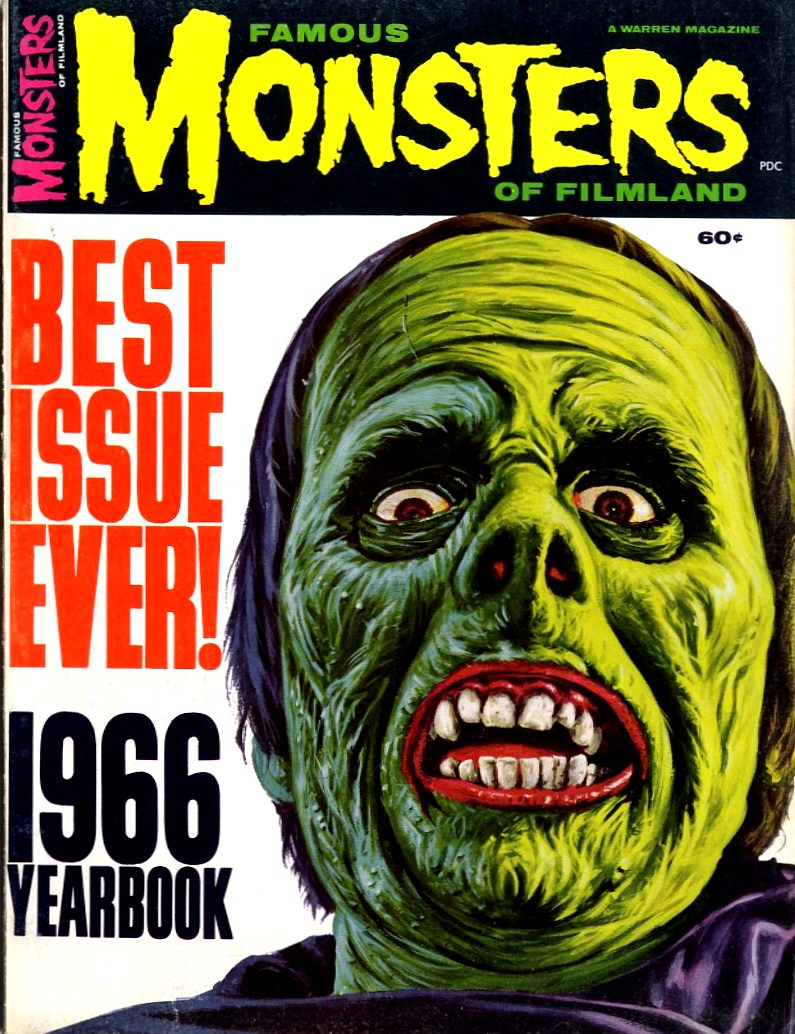
At the same time, magazines like Famous Monsters of Filmland, The Monster Times, Castle of Frankenstein and many more began publishing.

All of a sudden, the denizens of the monster world found each other.

Today I heard about “That $#!& Will Rot Your Brain,” a documentary from Bob Tinnell that looks at the monster kid phenomenon. Through interviews with everybody from Bob Burns to Tom Savini (if you have to ask …) the documentary looks at what it was like growing up in this golden era.

Tinnell and his partners are seeking donations to help raise $10,000 toward the cost of the film. This website has details.

Donate if you want. No sales pitch from me. I mention it only because, as a former denizen of the monster world, it’s pretty cool to see devoted fans putting their fantasies in action this many years after the fact.