Monthly Archives: August 2012

Joss Whedon, Galactus and ‘Avengers 2’

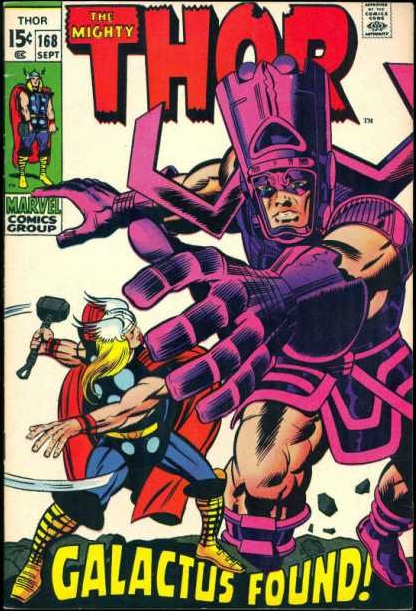
As some online sites are breaking news that Disney has announced that Joss Whedon will be back to direct “The Avengers 2” – and that’s probably not a total surprise – others are pulling back from recent reports that Marvel/Disney is agreeing to a trade with 20th Century Fox that would allow some “cosmic” characters like Galactus and Silver Surfer – currently part of Fox’s “Fantastic Four” film franchise, and thus outside Marvel’s movie sandbox – to appear in Marvel films.

First, some explanation: Before Marvel was making its own films, the company farmed out the rights to its (at the time) biggest characters to other studios. Fantastic Four and X-Men went to Fox, with very mixed results. So did Daredevil, who turned up in a movie starring Ben Affleck that wasn’t bad. Meanwhile, Spider-Man and his supporting characters went to Columbia/Sony.

The separation of characters has been frustrating in small ways. The reporter character in the “Daredevil” movie worked – in the comics at least – for The Daily Bugle, Peter Parker’s employer. But they didn’t use that paper’s name in the movie because all that Spidey stuff was elsewhere.

There’s been some speculation that the movie rights to some of these characters would eventually revert to Marvel and we might see – as was rumored months ago – Spider-Man in an “Avengers” movie. But that’ll happen only if the competing studios stop making new films.

So Fox has ordered up a new “Fantastic Four” movie and hired “Chronicle” director Josh Trank to make it. Similarly, Sony/Columbia rebooted “The Amazing Spider-Man” this summer in part to keep that character from reverting to Marvel’s control.

But when Thanos, Marvel’s death-loving cosmic villain, showed up at the end of “The Avengers” this summer, it was obvious that Marvel had some cosmic-sized plans for its movies. The announcement that Marvel will make a “Guardians of the Galaxy” movie – whose characters are prime foes for Thanos – for 2014 only confirms the space-bound plans for Marvel’s movies.

While I doubt that more than a handful of people know the real truth, reports are now circulating that although Fox might have wanted more time to get its “Daredevil” reboot going, that doesn’t mean that Galactus, the Silver Surfer or other characters overseen by Fox will show up in a future “Avengers” or “Guardians” movie.

Much as we might hope that’s the case.
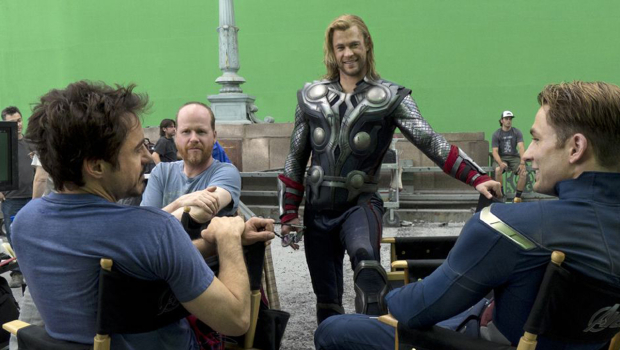
If anybody knows who’s coming over to whose playhouse, it’s likely to be Joss Whedon. After “The Avengers” made $1.5 billion worldwide, I’m guessing Marvel offered Whedon whatever he wanted for the sequel. And while there’s no doubt a big paycheck in the deal, Whedon – a lifelong geek who has written X-Men comics – would no doubt like to have some of those cosmic characters to play with.

Maybe he’s even expecting it. He ended “The Avengers” with one of those star-spanning baddies, after all.
Grimm P.I. Tales: The early work of Dennis Lehane

A decade ago, “Mystic River” became a best-selling, highly praised novel for its author, Dennis Lehane, and changed the way the public perceived him – and maybe the way he perceived himself.

His previous books, revolving around the Boston private investigator duo of Patrick Kenzie and Angie Gennaro, were met with awards and acclaim. The first, “A Drink Before the War,” won the Shamus Award, one of the highest accolades for published mysteries. But the acclaim that greeted “Mystic River” elevated Lehane out of the ranks of typical crime novel writers.

Too bad.

While I liked “Mystic River” and, to some extent, “Shutter Island,” which came out two years later, in 2003, it is Lehane’s early work, the gritty and often downbeat series of novels about Kenzie and Gennaro, that remain my favorites.

A few weeks ago I mentioned that I was indulging in my irregular habit of re-reading the Patrick and Angie books. Along with other summertime reading, I’ve re-read the first three books in the series and thought I’d give you a quick rundown.

By all means, if you read the books – and they’re very rewarding, if very dark – read them in order.

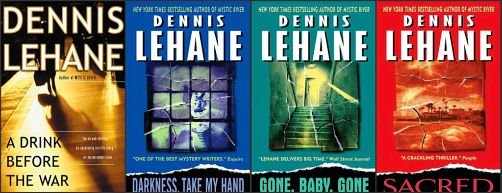
“A Drink Before the War,” published in 1994, opened the series in fine form with Kenzie and Gennaro running their PI office out of a borrowed bell tower in a Catholic church in the blue-collar Dorchester neighborhood. Yes, I know, it sounds gimmicky, like something out of a TV show, and there’s a bit of a formula feel to the setup.

But “A Drink Before the War” is anything but a predictable, feel-good story, as Kenzie and Gennaro are hired by a group of politicians to find a statehouse cleaning lady who’s disappeared with some important documents.

Before long, the two find that everything isn’t what it seems, of course. Class and race tensions thoroughly permeate the action.

The book introduces not only the PIs but the cops in their neighborhood, the criminals – including Bubba, lifelong friend of Patrick and Angie and one of the most dangerous men to walk the streets of Boston – and Phil, Angie’s husband.

While Patrick is a smart ass not unlike Robert Parker’s Spenser – albeit with a dark, dark background – Angie is a complicated character. Phil is a wife-beater. He was once one of Patrick’s closest friends. Now Patrick has to tread lightly around Angie’s awful marriage out of fear of what might happen. Angie, like many victims, doesn’t know how or even seem to want to break free from her hellish life. Patrick has learned the hard way that he can’t interfere.

Before the book ends, Patrick and Angie will jump into harm’s way to right wrongs and expose the truth.

If “A Drink Before the War” seemed dark, the second Lehane book, 1996’s “Darkness, Take My Hand,” proved to be even more so.

When a sadistic killer begins plying his trade around their neighborhood, Patrick and Angie find themselves drawn into a mystery that dates back decades, to separate but equally unholy alliances among killers and among neighborhood vigilantes.

Unlike many crime thrillers, “Darkness, Take My Hand” emphasizes the toll that fear and violence takes on the lives of people who live with it every day.

The story climaxes in one of the most harrowing showdowns I’ve ever read.

Lehane’s third Kenzie and Gennaro story, “Sacred,” is probably the weakest of the original series of books but still a good read. Published in 1997, “Sacred” finds Patrick and Angie hired to find the missing daughter of one of New England’s richest men. It’s a departure from their typical story of Boston’s meanest streets and, to its debit, really could be about any male-female private eye partnership.

I haven’t yet dipped back into Lehane’s fourth book and the best-known of his non-“Mystic River” books, “Gone, Baby, Gone.” The 1998 book – made into a pretty good movie in 2007 by director Ben Affleck – might be Lehane’s best. I’ve read it several times and I’m looking forward to reading it and its 1999 follow-up, “Prayers for Rain,” in the coming weeks. When I do, I’ll note it here.

I’ll also talk about how Lehane’s writing goals seemed to change after “Mystic River” was a hit in 2001 and why his work has been very different since.


‘Close Encounters’ and Muncie, my hometown

There’s been a long history between my hometown, Muncie, Indiana, and Hollywood.

Sometime I’ll do a fairly comprehensive look at the many mentions of Muncie in movies and TV shows ranging from the 1960s “Tom Slick” cartoons to “The X Files” and “Angel.”

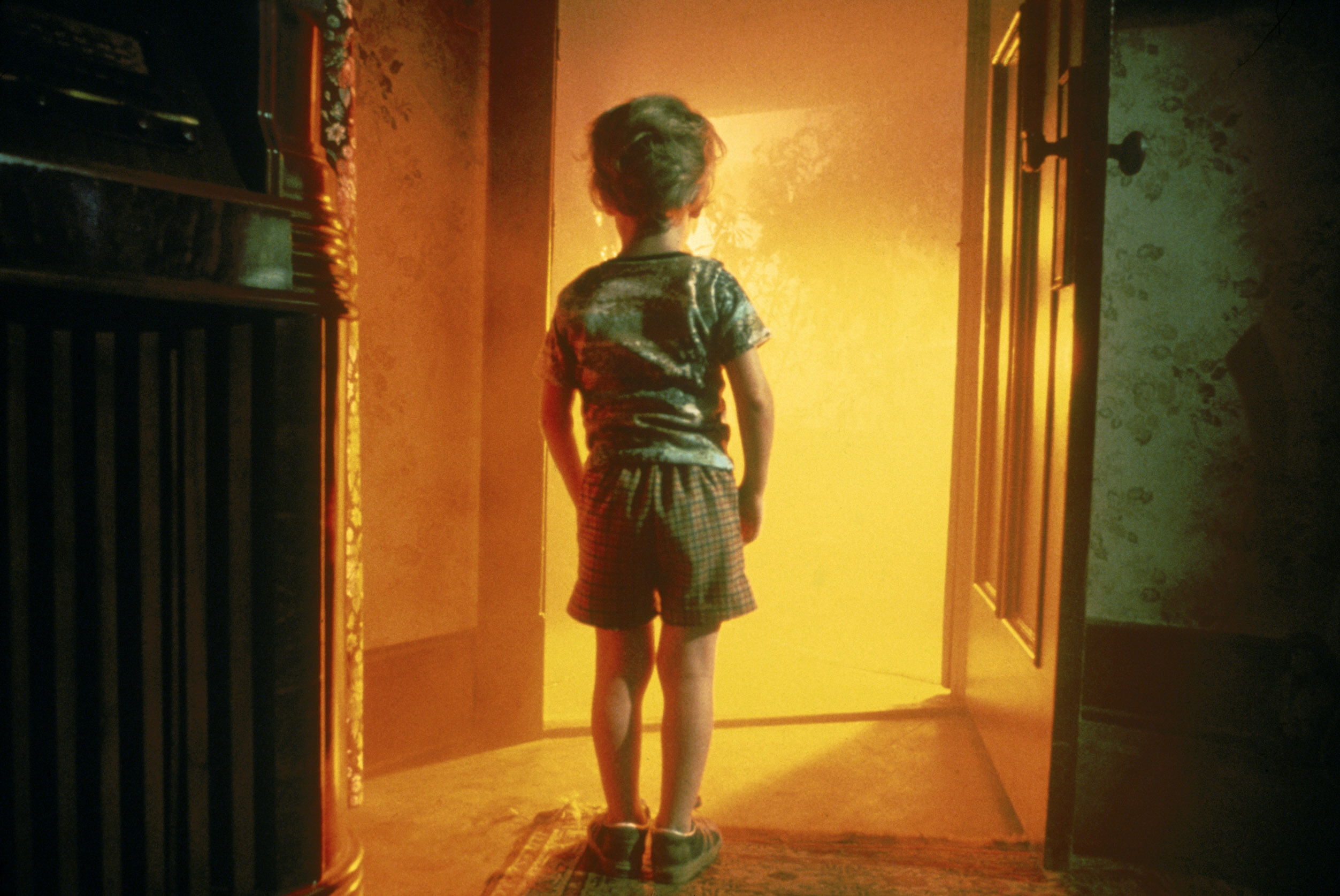
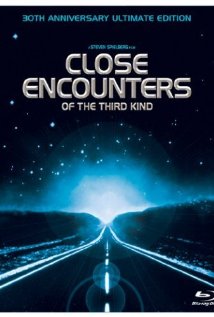
In the meantime, though, I wanted to note the special relationship between Muncie and Steven Spielberg’s “Close Encounters of the Third Kind,” the 1977 UFO thriller. The movie was airing on SyFy this afternoon and I got sucked into watching some of it.

The movie wasn’t filmed here in Muncie, although there was discussion of that happening. Local officials and Columbia Pictures apparently negotiated for a while and rumors swept through town that the city bought new police cars specifically to seal the deal. It didn’t happen, although the city got some publicity from having the first half of the move set locally.

If you haven’t seen it, Spielberg’s movie is about the the first meaningful contact between humans and aliens. The movie opens with a team of scientists, led by Lacombe (Francois Truffaut), discovering mint-condition World War II-era fighter planes in the Mexican desert.

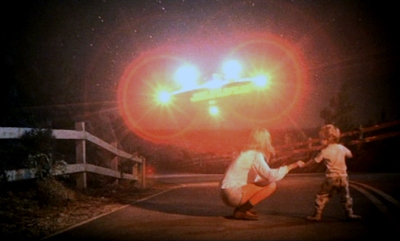
The scene moves to Indiana as we see air traffic controllers in Indianapolis communicating with the pilots of two airliners that have near-misses with some unexplained object. Then we’re in Muncie – the on-screen title still gets me a little goose-bumpy – at a rural farmhouse where single mom Jillian runs into the woods to find her toddler son, Barry, who has happily followed something out of their house and into the dark.

In the suburban Muncie home of Roy Neary (Richard Dreyfuss), a power company lineman, Neary is trying to persuade his kids to go to see “Pinocchio,” the re-issue of the Disney classic. They’re more interested in playing miniature golf, however.

Before long, Neary is sent to investigate the cause of a power outage and his truck is buzzed by low-flying UFOs. He gives chase along with half the Muncie police department. Thus begins his obsession. It is one he shares with dozens, maybe hundreds of others.

Some random thoughts, from a Muncie-centric perspective:

The Neary house, while looking like a shambles, has some authentic touches, including some Ball State University merchandise.

At one point, radio scanner traffic says Harper Valley. There’s no Harper Valley around Muncie. But if there was, they would have a dandy PTA, I bet.

There is a Cornbread Road – where Neary is sent to work on a power outage – and you can bet it was chosen for inclusion in the movie because of its quaint name.

The McDonald’s and Shell station look just right for the period.

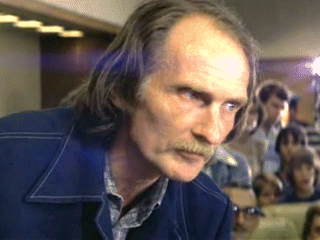
The hillbillies – softly whistling “She’ll be coming around the mountain when she comes” as they wait for the UFOs to appear – are a nice touch but one that caused a lot of consternation at the time among local people who didn’t want to be represented onscreen by hill folk. Especially when one of them, played by character actor Roberts Blossom, says, “I saw Bigfoot once.”

There’s no toll road right outside Muncie, and certainly no nearby toll gate that divides Indiana and Ohio.

The movie got the police emblems on the patrol cars right, though.

There’s not much in the way of hillsides around Muncie, and certainly no mountainous overlook that cops and Neary could watch from, first as the UFOs fly over and then as lights come back on below.

The look of The Muncie Star wasn’t quite right, although its gargantuan size was. Holy crap, newspapers were big back then.

Neary’s “Ball U” T-shirt was a nice touch. I had one right about that time. They were a slightly naughty hit.

On the second night, when a newly fired Neary and a crowd of Muncie residents go back to the hill to wait for the alien ships to reappear, the collective mental seed that compels them to seek out the UFOs is destined to take them out of Muncie.

By the time Neary becomes obsessive about his encounter and begins building replicas of Devil’s Tower, Wyoming – scene of the ultimate Close Encounter – in his mashed potatoes and in a huge mound of dirt in his family room, his family bails on him and so, frankly, did I.

“Close Encounters” is a terrific movie that builds to a touching climax. I can’t help but be more interested, however, in the early scenes and what they indicate about my town.


The Great Newspaper Comics Challenge Part 19

Because we’ve shamefully, woefully neglected our look at what’s funny in the funny pages for too long. So here goes!

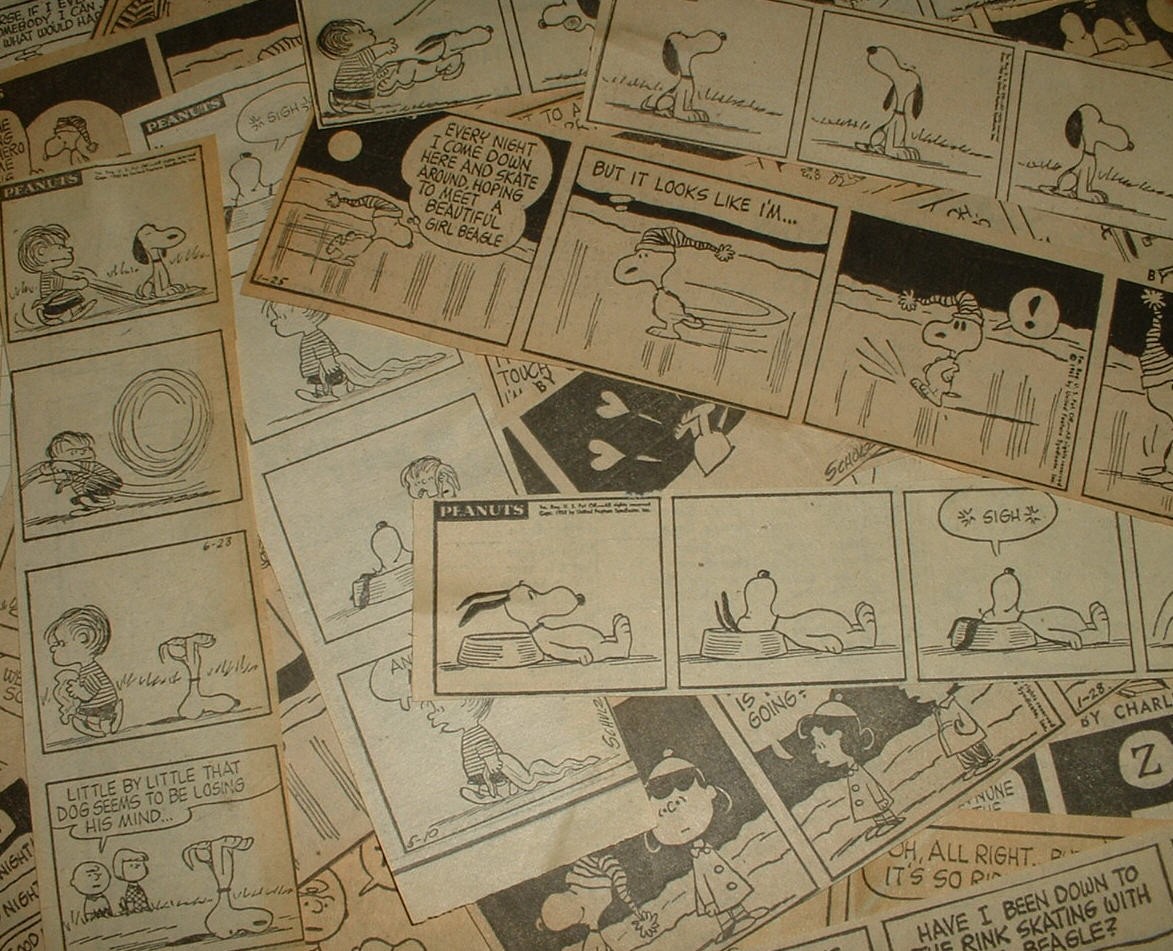
“Classic Peanuts” finds Lucy railing at Charlie Brown and telling him to put up his dukes and fight. Chuck raises one hand and hits Lucy in the nose. He feels so guilty he goes to his psychiatrist – Lucy, of course – and when she punches him, he happily announces, “I don’t feel guilty any more. Psychiatry has cured me!” There are so many levels to this comic – criticism of psychiatry, the male/female dynamic, etc – but I think my favorite element is the simple little “BOP!” when Charlie Brown’s fist comes into contact with Lucy’s nose. That and the little stars that shoot out.

“Baby Blues” made me laugh. One of the kids reports to mom that Wren, the baby, is crying. The mom asks if she seems hungry or needs a diaper change or other issues. When those are discounted, mom asks the kid to go to the baby and “give her some encouraging words.” Those words? “Man up, Wren.”

“Garfield” offers proof the strip isn’t reprinting old strips like “Classic Peanuts.” Garfield and Odie are sitting at a table, taking turns buzzing and vibrating. “Stop texting each other,” Jon orders.

Finally, in “The Family Circus,” the kids are watching TV and mom is putting food on the table. “Yeah, okay, Mommy. We’ll be there as soon as we finish watching this commercial.” And the joke is?


The greatest movies ever shown?

A couple of days ago, Sight and Sound, the prestigious magazine published by the British Film Institute, re-issued its list of the greatest movies of all time and made some headlines with a change at the top.

“Citizen Kane,” Orson Welles’ undeniably great 1941 story of a newspaper tycoon, has long set atop the list, which is made up through a poll of cinema experts. But the new list moved “Kane” down a notch in favor of “Vertigo,” Alfred Hitchcock’s 1958 psychological thriller.

My tastes are more pedestrian than those BFI and Sight and Sound poll, obviously. Of the top 10, I’ve seen “Citizen Kane,” “Vertigo,” “2001” and “The Searchers” – my foreign film experience has been limited, frankly to Kurosawa classics and the more offbeat genre outings – and agree those all belong pretty near the top.

But “Vertigo” the greatest movie of all time?

There are different measures of great, obviously. But I think I’d include other Hitchcock films, notably “Strangers on a Train” or “Rear Window,” as avidly as I’d include “Vertigo.”

Anyway. People love lists and love to debate the greatest movies, music, books and other works of art.

Ultimately, it’s all personal. I’m not going to complain one bit if you want to include “The Empire Strikes Back” at the top of your personal list. It would be pretty high on mine too.

The new top 10, according to Sight and Sound:

1. “Vertigo”
2. “Citizen Kane”
3. “Tokyo Story”
4. “La Regle du jeu” (“The Rules of the Game”)
5. “Sunrise: A Song of Two Humans”
6. “2001: A Space Odyssey”
7. “The Searchers”
8. “Man with a Movie Camera”
9. “The Passion of Joan of Arc”
10. “8 1/2″

Happy birthday ‘The Shadow’

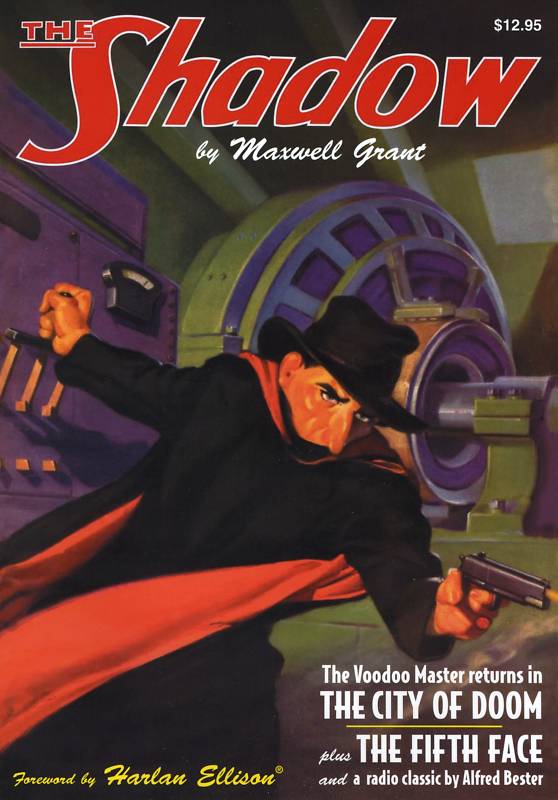
It’s the birthday of our favorite sinister, scary pulp magazine hero. This week in 1930, the character of “The Shadow” was created to serve as narrator of the “Detective Story Magazine” radio show.

On July 31, 1930, “The Shadow” made his debut on the air. The character caught on and publishing house Street and Smith hired Walter Gibson to write a series of pulp magazine stories that debuted in April 1931. He wrote under the name Maxwell Grant.

The character had a fabulously complicated story and history – even multiple secret identities – and enjoyed decades in the pulps and on the radio.

The character has been brought back periodically for comic books, which is appropriate since much about him – his fearsome reputation among crooks, his long cape-like cloak – influenced other famous characters like Batman, not unlike Doc Savage influenced Superman.

Besides a series of movies in the 40s, the character got a big-screen treatment in 1994 in a movie starring Alec Baldwin. It wasn’t bad but was far from a hit.

I’ve noted before my admiration for “The Shadow.” While the pulp stories are fairly typical of their time – and maybe not as good as the best of “Doc Savage” or “The Avenger” – the images of the character are undoubtedly iconic.

So happy birthday Shadow!