
Regular readers of the blog know I love Halloween and like to share items old and new.
Above, first time I’ve seen this piece of decor.
My thought: Sure, everybody likes it when it’s for Halloween!
Regular readers of the blog know I love Halloween and like to share items old and new.
Above, first time I’ve seen this piece of decor.
My thought: Sure, everybody likes it when it’s for Halloween!
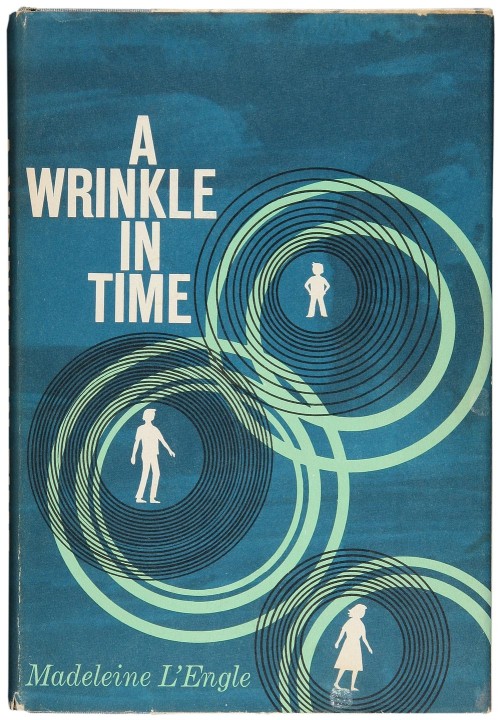
I think I’m going to have to re-read “A Wrinkle in Time.” Seriously, this time.
Madeleine L’Engle’s 1962 story, about young siblings and a friend who journey through space and time to rescue their scientist father, was a favorite of mine when I was a kid.
I was a little romantic, you see, and the book’s earnest tone and loving characters appealed to me.
I read one or two of L’Engle’s sequels but the first book really stuck with me.
And then I tried to read it again a year or two ago.
I couldn’t get through it. I couldn’t even get very far into it.
I grew up on a steady diet of science fiction and I still love some Young Adult books, especially “The Hunger Games” trilogy.
But re-reading “A Wrinkle in Time” almost made me swoon from all the saccharine dialogue and heartfelt feelings.
I’ll try reading it again because I want to experience this favorite story again before the movie comes out.
Yes, apparently Jennifer Lee, who wrote and co-directed “Frozen,” wants to write a screenplay for a long-planned movie version of “A Wrinkle in Time.”
I haven’t seen “Frozen” but it seems like Lee is the right person to add some bite to “Wrinkle.”
So I’ll try it again and see if anything can re-ignite my love for this old story.
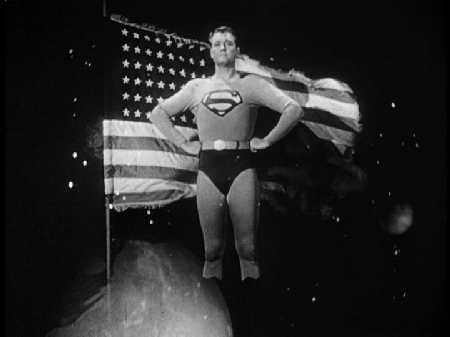
It’s hard to overstate just what an impact “The Adventures of Superman” had on America in the 1950s.
Kids were comic-book crazy back then and comics had sold millions of copies a year for more than a decade. Superman was one of the most popular and when the DC Comics superhero hit TV, a generations-long love affair with the Man of Steel became as solid as steel bars, breakable only by Superman himself.
A great deal of the credit for the impact of the series goes to “Superman on Earth,” a lean and sturdy telling of Superman’s origin directed by veteran helmer Tommy Carr. The series – which started in black and white, as befits a show that revolved around gangsters, hoods and other film noir staples more than science fiction – sparked millions of Superman toys, Halloween costumes and, eventually, more movies and TV shows over the course of six seasons beginning in the fall of 1952.
The debut episode hews surprisingly closely to the Superman mythos as they’d been created and fleshed out in the comics and radio show.

The story opens on Krypton, as scientist Jor-El tries to tell the Kryptonian ruling council about the eminent destruction of the planet. They scoff at his forecast as well as his plan to build rocketships to transport the population to the planet Earth.
Before Jor-El can complete a rocket to take him, Lara and baby Kal-El to Earth, Krypton begins to tear itself apart. Jor-El and Lara wrap little Kal in a blanket and place him in the rocket.
in these first 10 minutes or so, the show plays like a “Flash Gordon”-style space opera – complete with, legend says, “Flash Gordon” leftover costumes.
After the rocket gets to Earth, it’s the heartfelt but hokey Smallville portion of the story, with Eben and Sarah Kent finding the rocket from Krypton and deciding to keep the baby. Flash forward to Clark at age 12, asking Ma why he’s different from the other boys. Then flash forward to Clark’s 25th “birthday” and Pa’s heart attack. As is familiar from so many iterations of the story, Clark decides to leave Smallville and go to Metropolis.
There’s a funny shot of George Reeves as Clark, “walking” down the sidewalks of Metropolis, putting on glasses as a disguise and deciding to become a reporter because newspapers were where the action is and Superman would know immediately when trouble broke out.
One of the strengths of the series was that Clark was a sharp guy who leveraged his powers as Superman in his everyday life. After gruff Daily Planet editor Perry White brushes him off – even after Clark shows initiative by entering his office through the window, 28 floors up – Clark hears Lois tell Perry about a man hanging from a dirigible out at the airport. Clark bargains with Perry: If he can get the man’s exclusive story, he’ll get a reporter job.
Superman shows up, rescues the man – played by Dabbs Greer, later memorable as the minister in “Little House on the Prairie,” and gets his story – frustrating Lois and winning the job.
The show wraps up with a customary joke by Clark – “Maybe I’m Superman” he taunts Lois – and bang, in less than a half hour, the show has introduced America to the the world’s greatest superhero.
I’ve got good news and bad news.
Despite its status as A&E’s top-rated drama series, “Longmire” has been canceled by the cable channel.
We heard a variety of explanations given when the news broke a few days ago. A&E didn’t value the older-than-the-most-coveted-demographic age of the audience. A&E didn’t own the series and thus made less money from it.
TV is a totally screwed up industry.
So with the finish of the third season still fresh and the possibility that the series might continue on another channel or even online, we’ll mourn “Longmire” and hope for more adventures of the crusty Wyoming sheriff and his posse.
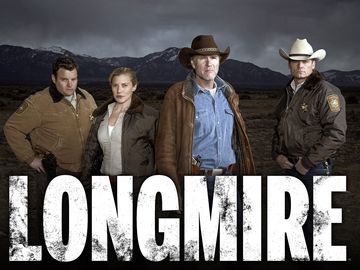
“Longmire” the TV series had a great cast and average-to-above-average stories that settled into author Craig Johnson’s characters and settings more as the series progressed.
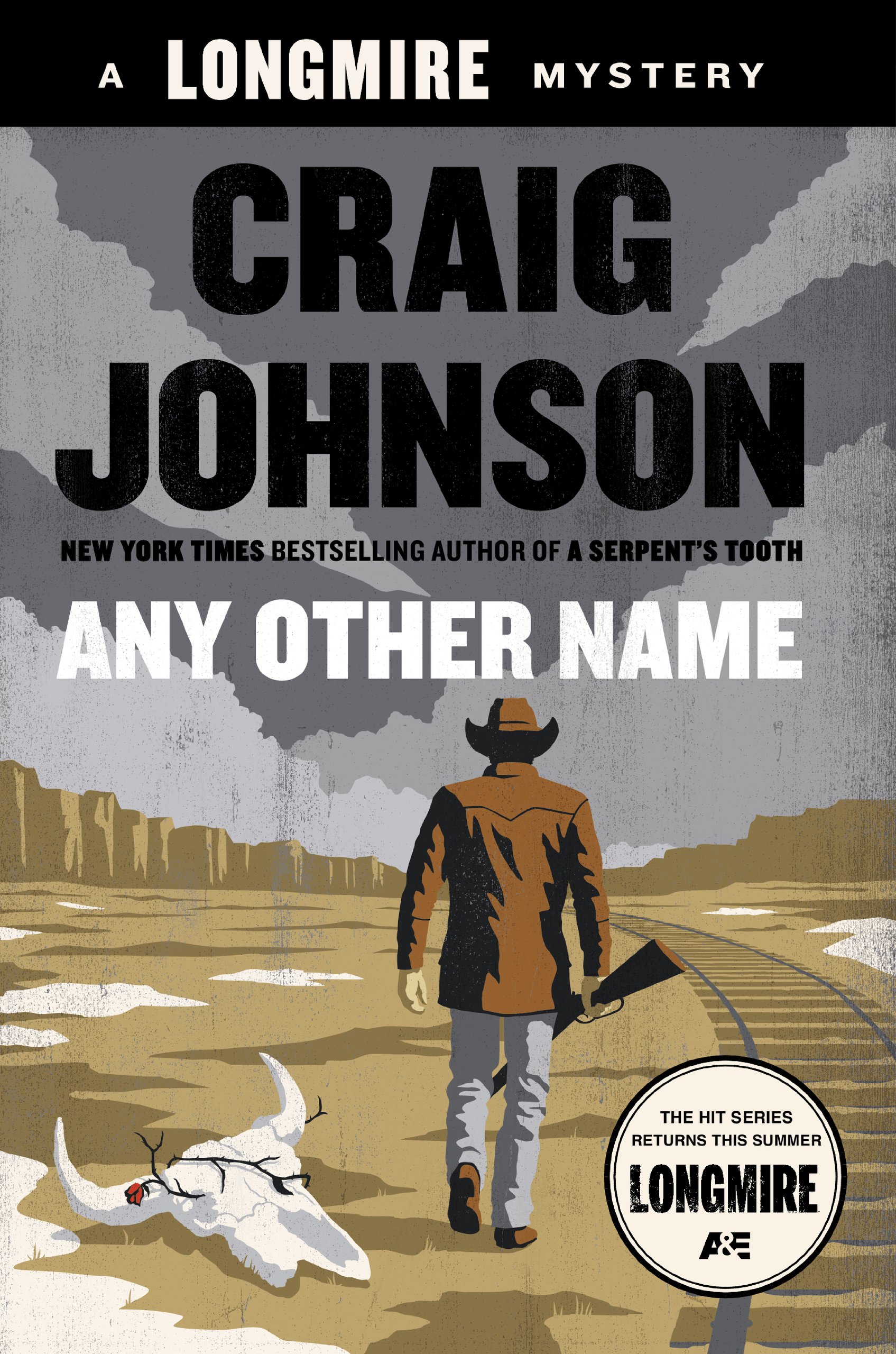
But the series never topped Johnson’s stories. And I don’t think I’ve ready any 10th book in a series that felt as assured as “Any Other Name,” Johnson’s latest Longmire novel.
Sure, Robert B. Parker’s Spencer series and Lee Child’s Jack Reacher books are dependably, consistently fun. And maybe Johnson just hit a high point with “Any Other Name.” But the book series feels like it’s gotten a second wind, so compelling and accomplished does “Any Other Name” feel.
Johnson can’t go too far wrong when he focuses on Walt Longmire, of course. Select members of his supporting cast bring a lot to the stories, and he includes three of them here: Walt’s longtime best friend, Henry Standing Bear; Vic Moretti, Walt’s chief deputy and sometime paramour, and Lucian Connally, Walt’s predecessor as sheriff.
Lucian asks Walt’s help in finding out why his old friend, a cop in another county, killed himself. Before long, they determine that the cop’s death was caught up in a scheme involving missing women and human trafficking.
Johnson’s writing is so heartfelt but so wry, so funny but so hard-nosed, that it didn’t seem likely that he could top his previous books.
But I really think he did with “Any Other Name.” The story has the quirky charm of all of the author’s previous modern-day westerns with a clear and concise mystery.
And it feels like Johnson had a hell of a time writing “Any Other Name.” I just hope he had as good a time writing it as I had reading it.
 keithroysdon