Monthly Archives: March 2024

Favorite TV credits and their sneaky changes

I’m a compulsive credits watcher, for both movies and TV shows. (Just like I read the acknowledgements and dedications in books.) As part of an obsessive TV generation, the compulsive credits watchers among us were able to see, over and over, the credits for shows and we’d notice anytime something had been changed.

I don’t hold it against many modern-day and recent TV shows that their credits are brief. Maybe it’s a common belief that viewers don’t want to sit through credits. Every streaming service gives us the option to skip the credits. Let me just say, if you hit the remote to skip the credits, I don’t want to know you.

In the history of TV and in some relatively recent TV, there have been a tremendous number of great credits sequences, including those that are mesmerizing for their visuals, like “Counterpart,” “Silo” and “True Detective.”

As a compulsive credits watcher, I love when credits changed to reflect a change in the cast or setting.

“Star Trek.” My love of little tweaks to TV credits goes way back to the original “Star Trek” series. In the first season, only William Shatner and Leonard Nimoy were listed in the opening credits. This changed with, I’m pretty sure, the second season, when DeForest Kelley, who contributed so much to the series as grumpy Dr. Leonard McCoy, was added to the opening credits. Today, the entire recurring cast would be listed up front, and rightfully so.

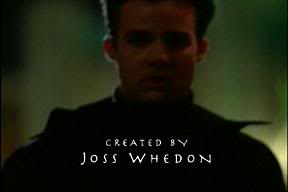
The “Superstar” episode of “Buffy the Vampire Slayer.” In the fourth season of “Buffy,” from 2000, the episode “Superstar” took place in an alternate reality in which Jonathan, a geek played by Danny Strong, was the most-admired pop star, author and action hero in the world.

“Buffy” had multiple other credits changes over the years, as characters like Angel left the show. Probably the sneakiest and possibly the cruelest change to the credits came when Amber Benson, who played Tara, was prominently featured in the series but not added to the opening credits until the sixth season episode “Seeing Red” – and then for only episode, as the character was killed.

It’s possible there’s no TV series that has so many credits variations as “Fringe,” a sci-fi series that ran for five seasons beginning in 2008. I’m in the middle of a “Fringe” rewatch right now and it was fascinating to be reminded how the credits changed to reflect the alternate universes in which episodes took place.

The worst credits change? When Mike Farrell joined the cast of “MASH” at the beginning of the fourth season, in 1975. What was so bad about how the credits handled the change? Remember how the opening credits had Hawkeye and Trapper John rush out to a helicopter landing pad and there were shots of the actors and characters? Well, when Farrell joined as BJ, they shot a closeup of him, naturally, to sub in for an action shot of Wayne Rogers. But they didn’t shoot a new shot, from overhead, of the Jeeps and medical transports heading to triage at the mobile army surgical hospital. Instead, the overhead shot is cropped so that when the camera pans back to include the Jeep – in which Rogers is clearly visible – the former star isn’t on screen.

Yes, we all had a lot of time on our hands back in our TV-watching days.
Remembering – or rediscovering – a pioneering Black actress

There are many Black actors and actresses who moved through the background of classic films like they moved through Hollywood of the 1930s and 1940s – quietly working and trying to preserve their dignity.

One of my favorites has always been Mantan Moreland, a gifted comedian and comic actor who was usually reduced to playing manservants in films of the 1930s and 1940s. In horror films, he often played the comic relief, and his performances – no doubt the result of the film’s direction and the culture of the time – seem pretty over the top, stereotyped and problematic now. He made dozens of films from the early 1930s and into the 1970s.

I watched two Moreland films in recent days, “King of the Zombies” from 1941 and “Revenge of the Zombies” from 1943. “Revenge” is a low-budget remake of “King” and is a little more polished but the plot is basically the same: A mad scientist on a remote island works to create an army of zombies, the walking dead, for Hitler. A small group comes to the island and foils the plan. Moreland is funny in both and John Carradine enlivens “Revenge” as the mad doctor.

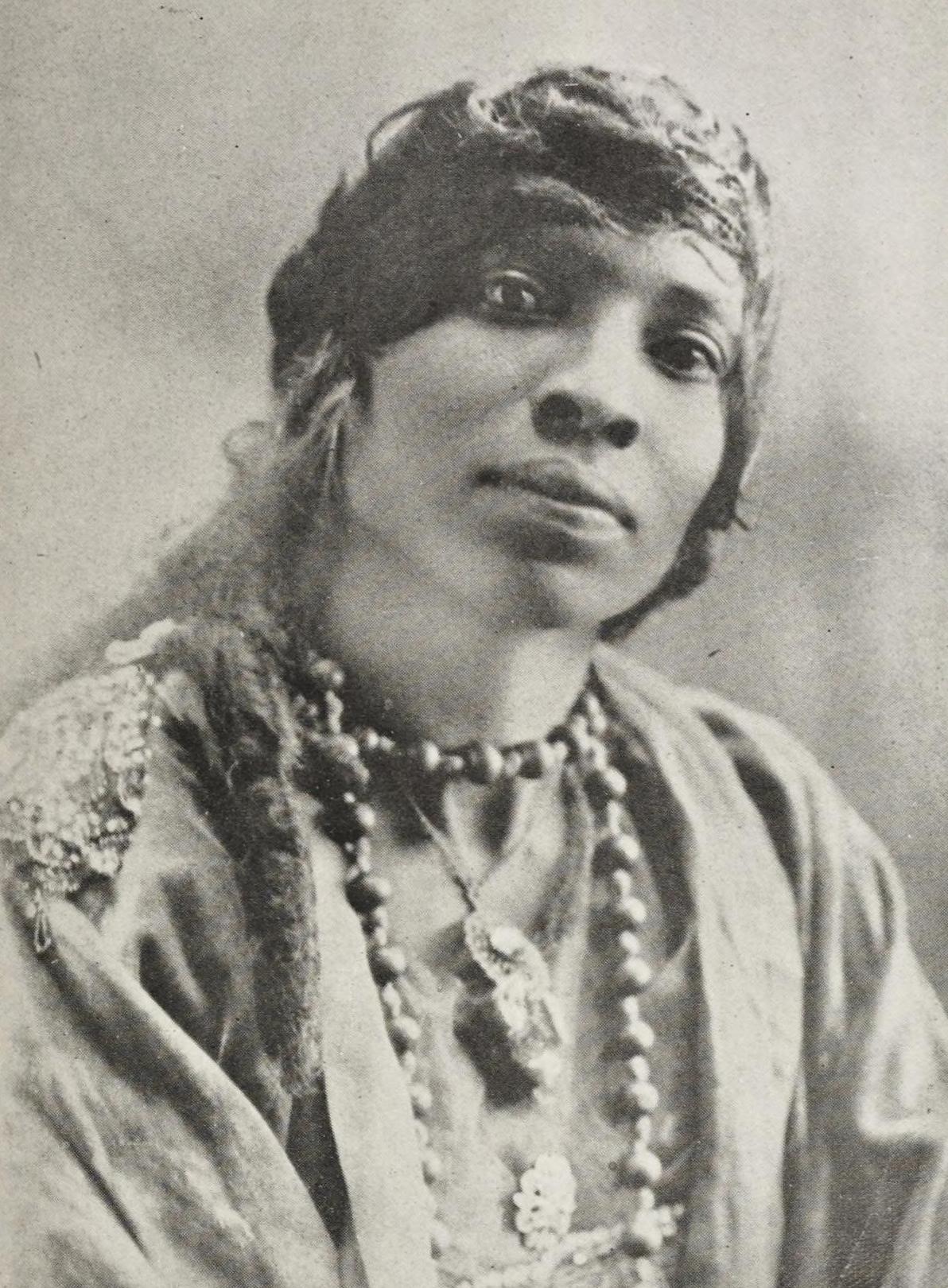
But I watched the two films for another cast member who I was surprised I’d never heard of in all my decades of watching horror films, an actress known as Madame Sul-Te-Wan.

The actress, born Nellie Crawford in 1873, was the first African-American actress to sign a film contract. She had been born in Louisville, Kentucky, and her parents had been slaves. She had small roles in the Klan-glorifying “Birth of a Nation” in 1915 and was paid $3 a day for filming and had a contract worth $25 a week for work in films by director D.W. Griffith.

She appeared in Tarzan films and in “mammy” roles and she was in the 1933 classic “King Kong.” Despite the limitations Hollywood put on Black performers (and filmmakers) she worked steadily over the decades. She worked so often in part because she was a fine actress but also because she could believably play roles of many ethnicities. An April 1928 article noted that she was “from the Orient.” Others cited that she was born in Hawaii, contradicting that she was born in Louisville. Ah, Hollywood publicity!

In the twin “Zombie” movies, she plays largely the same role, an old woman in the mad doctor’s household who not only knows about the existence of zombies but in the first film performs the voodoo ritual that creates them. 

In later films, her roles were memorable even when she wasn’t credited as prominently as she was in the two zombie films. Notably, she played Dorothy Dandridge’s grandmother in “Carmen Jones” in 1954. 

In March 1944, the California Eagle newspaper reported on the party thrown for her 71st birthday. More than 500 people attended, the newspaper reported. The Eagle largely reported on prominent Black figures and, as early as 1928, had praised “this plucky little woman.”

In February 1959, the Eagle reported that Sul-Te-Wan had died following a stroke at the Motion Picture Country Hospital, a nursing facility in which many prominent show business figures of the era lived in their declining years. 

In its obituary for Sul-Te-Wan, the Los Angeles Times noted she had “played in several hundred motion pictures since 1915.” 

She certainly deserved to be better known.

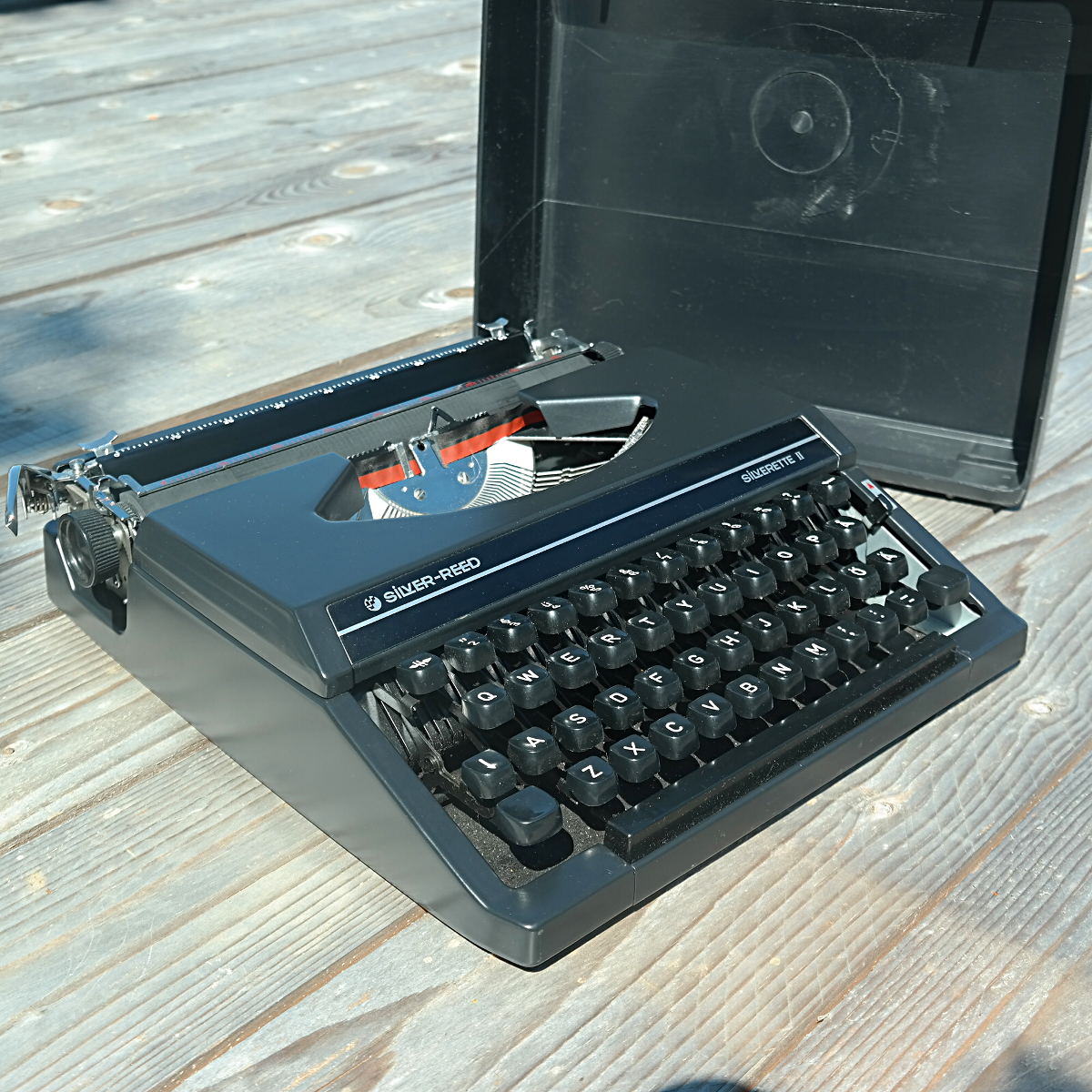
Old-timey typewriters have their charms. Oh, not to write on, though!

SAMSUNG CSC

When I began in journalism, writing freelance for one of my hometown newspapers – see, that tells you it was a long-ass time ago: we had two newspapers – I wrote all of my articles and movie reviews and other stuff on a portable typewriter and, later, on a Brother word processor. I hand-delivered hard copies of the articles to the newsroom.

I got to know the editors and reporters there, so after college, I got offered a full-time job. By the time I was working full time, the newspaper had a primitive word-processing system, not connected to the internet, but still better than typewriters.

I still remember when i was bringing my freelance pieces there some of the older people in the newsroom who banged away on manual typewriters. There was one old guy in particular who brought his two fingers down on the typewriter keyboard so hard it sounded like hammer falls.

I wrote a lot of pieces on my portable manual typewriter, which is still stored someplace. It was a constant companion: Because I was writing movie reviews, and my friends and I were seeing a lot of movies, I would take it along when we were all going out and write my review at a friend’s house after we got back from the theater.

It’s been decades since I’ve used a manual typewriter and would not trade my MacBook Pro for any number of typewriters. I wrote and edited books and many, many articles sitting on a folding chair or at my kitchen counter in recent years, but that was all done on the Mac laptop. It matters much less where I’m sitting and what I’m using for a desk than what I’m writing on.

I can’t imagine writing on a manual typewriter now, with all that balkiness and all the laborious corrections on paper. I know some people do it, but that’s not for me. I much prefer modern-day writing tools.

Having said that, when I ordered business cards a few years ago, I asked for an old-time typewriters motif in the background, behind my name and email address. I was ridiculously pleased with how they came out.

But I’d rather have one of those old beauties on my biz cards than have to work on one.