So Twitter, where I spend too much time, is probably dying, strangled in the darkness by, well, how the hell do you explain what happened?
So I’m trying to diversify my online presence and part of that is posting more often on this here blog.
Over on Twitter, I usually do writing- and politics-related stuff. On Facebook I do personal stuff. On instagram it’s just pictures, usually, because what else are you going to do with it?
Before I urge you to scroll down and see several hundred pop culture posts, many of them dating to the heyday of this blog, the first half of the 2010s – well, I guess I’ve already urged you to do that now – I’ll make this post worth what you paid for it and note a couple of thoughts about the current crop of “Star Trek” series.
I’ve already mentioned on here that I love “Star Trek Strange New Worlds.” It really captures the spirit of the original series. I’m watching it a second time now.
“Star Trek Picard” is almost as good, but is not as light and deft as “Strange New Worlds.” I’lll be happy for the third and final season, though.
I’m still working my way through “Star Trek Discovery.” I love the cast and it’s taken an interesting swerve – 900 years into the future – and I’m beginning to get over how over-designed and distracting the Klingons were in the first season.
As a fan of “Star Trek” since its days in early 70s syndication, I’m just happy the show has a prominent place in entertainment again.
In 2019, I wrote my first full-fledged crime novel, “Seven Angels,” about Gloria Shepherd, who comes home to the little Tennessee town where she was born to help run the family funeral home and finds herself working to solve a murder and fight white supremacists, human traffickers and corrupt cops.
“Seven Angels” won the 2021 Hugh Holton Award for Best Unpublished Novel from Mystery Writers of America Midwest.
I got to play around with Tennessee characters and storylines, and here’s a portion of a chapter in which Gloria, newly named county coroner, goes out on a multi-jurisdictional raid that takes her to a moonshine still in a holler.
I hope you like it!
The Holler
“I thought moonshine was legal now,” Gloria said from behind the wheel. “Don’t they sell it in Gatlinburg?”
Bobby Lee nodded. “Legal moonshine is legal. Illegal moonshine is still illegal. The state licensed a few distilleries – the same big ones that make the whiskey you get in every bar and package store – to make moonshine, mostly as a tourist thing. But this guy’s not legal.”
Gloria’s Jeep was parked in the widest spot they could find along a gravel road leading into Falls Holler, about eight miles west of town. In front was a black SUV with four federal agents – a couple of ATF personnel, someone from Revenue, an FBI agent – and behind was an unmarked Crockett County car. In her rearview, Gloria could see the face of the woman behind the wheel.
“Who is she?” Gloria asked, hooking a thumb back.
“Deputy Suellen Cross,” Bobby Lee said. “I wanted you to meet her too. She’s good. Smart and a straight shooter. Very methodical but not afraid to get her hands dirty.”
“So if Westerman assigned her to this, he doesn’t like her?”
“Why do you think she’s driving that ancient Crown Vic?” Bobby Lee replied.
“I didn’t even think they made those anymore.”
“They don’t,” Bobby Lee said. “I bet that vehicle’s got 250,000 miles on it.” His portable radio crackled and he keyed his mic in response. “Okay, we’re a go.”
The three-car group, led by the feds, pulled onto the rutted gravel and headed into the hollow. The feds sped up but Gloria and the county issue kept up with them. “I hope Deputy Cross doesn’t break an axle on this shitty road.”
The hollow widened out and the feds led them to a small compound of buildings – shacks and trailers, really – surrounded by a fence. One of the feds jumped out, as did Cross. Both were carrying bolt cutters. They quickly moved to a gate and cut the chains that held it closed. The two pulled the gate to one side. As she walked briskly back to her car, Cross gave Bobby Lee a quick salute and nodded at Gloria. When Cross and the fed were back in their rides, all three vehicles rolled into the compound.
As they braked, Gloria and Bobby Lee got out of the Jeep. Cross quickly walked up behind them. “Bobby Lee,” Cross said, her eyes scanning the buildings. “Hey Suellen,” he replied. The three kept walking.
The feds approached a man who had stepped out of one of the trailers and were serving him with a warrant when Gloria, Bobby Lee and Cross got up to them.
“We don’t make moonshine,” the man, dressed in jeans, boots and a T-shirt, was saying. “My daddy made ‘shine but that’s all that’s left of his still.” The man pointed to a pile of rusty metal at the side of a nearby pole barn.
While one agent babysat the man, the rest of them looked through the buildings. Nothing. They regrouped in the muddy patch at the center of the buildings.
“This was a bust,” one of the feds said.
Cross stood quietly, her face slightly upraised to the wind.
“Can I ask your subject a question?” she asked the fed. He shrugged and nodded.
Cross walked over to the man. “What’s that smell?” she asked. “That sweet smell?”
Gloria whispered to Bobby Lee, “I can’t smell anything but the pigs.” A pen with a couple dozen hogs, knee deep in muck, was next to one of the other trailers.
“The smokehouse,” the man told Suellen.
The deputy shook her head. “That’s not ham, bubba. I can smell ‘shine coming down from the ridge.”
The man’s face fell.
Suellen turned to Gloria and Bobby Lee. “His still’s up past the tree line. You ready for a little hike?”
Later, Gloria asked Suellen, “How did you know there was an active still there?”
Cross smiled. “My granddaddy made ‘shine. He did the same thing, kept a lot of hogs. All you can smell is that hog shit. It burns your eyes.”
“But you could smell the still,” Gloria said.
“When you grow up around it, you know the smell, even if they try to mask it,” Cross said.
It was fun last time I posted a first chapter of one of my books, so I’m doing it again.
Here’s the first chapter of my book “Seven Angels.” It was the winner of the 2021 Hugh Holton Award from Mystery Writers of America Midwest for Best Unpublished Novel.
It’s a crime story, set in modern-day Tennessee, about a young woman who comes home to her small town to help run the family funeral home. Events soon lead to her confronting murderers, white supremacists and human traffickers.
This first chapter establishes two of the key supporting characters. I hope you like it.
Chapter One
The children ran as if the devil himself was close behind. It was two devils, as a matter of fact, that pursued them.
The girl, lean and fair, paused as she scrambled over kudzu to turn and look back at her brother. The boy was shaking his right foot, trying to disentangle his Kmart sneaker from the vine, which covered everything that wasn’t moving and a few things that did move.
“Nicholae,” the girl whispered at her brother. The boy looked up from freeing his foot and she motioned for him to hurry.
Nicholae was not as agile as his older sister. He hadn’t joined her when she and some of the older kids, in a few stolen moments, had played basketball in the gym of the run-down former school where they had been warehoused until a few days ago.
“Elena,” the boy said, pleading. He was out of breath. Running through the vines was as hard as running in the snow back home.
Elena doubled back, crossing the yards that stretched between them, hopping over a fallen snag that itself had been carpeted by the kudzu. She reached her brother and held out her hand.
Nicholae – dressed, like Elena, in jeans and a T-shirt – took his sister’s hand and tried to stay on his feet as she pulled him along after her. Elena again jumped the snag, which had long since lost what remained of its branches. This time she turned and helped her brother step up onto the fallen tree and then step down on the other side.
The two continued toward the tree line ahead of them. The poplars and maples were thick. Elena didn’t know the types of trees that stood ahead of them but she thought they would offer shelter or, at least, a place to get out of sight.
The woods would be cool, too, Elena thought. The humidity of the day crushed them and made running harder. She looked over her shoulder at Nicholae and felt a pang of guilt that she was pushing him so hard.
But they couldn’t slow down. Not if they wanted to see Mama again.
Just a few more yards from the tree line and Elena thought she could hear voices behind them. Not within sight but not far away.
“Nicky …” Elena said as Nicholae slowed. She pulled him along again.
At the edge of the trees, a small stream lay in the shadows. Elena hadn’t noticed it until they were nearly in it. She let go of her brother’s hand and slowed a bit as she walked across the slippery river rocks in a few inches of water.
Elena splashed her way out of the stream and turned to Nicholae on the other side.
Her brother was on his knees, dipping a hand into the water. He raised the cupped hand to his mouth and sipped at it, then held his hand to his face to cool his flushed skin.
“Nicky!” Elena said in a low voice.
Nicholae stood, his face still bright from the heat and exhaustion, but also the first time Elena remembered him smiling in weeks.
Elena took a half step back toward where her brother stood on the opposite side of the little creek. She wanted to take a drink. The water did look so cool.
A loud crack split the humid air then and Nicholae fell, face first, into the creek.
“Nicky!” Elena screamed.
Elena looked past where her brother lay and saw the two men who pursued them in the clearing behind. They were struggling through the vine but one, the bald-headed man, was lowering the rifle he carried.
Elena stepped backward toward the trees but tripped in the kudzu. She fell hard into the vine, which at least cushioned her fall.
The men drew closer. They were almost to the fallen tree, just yards from where Nicholae’s body lay in the creek.
Another shot tore through the thick air. This time, the men threw themselves to the ground.
Elena felt a hand on the neck of her shirt and felt herself being pulled up and backwards. Her sneakers dragged through the vine as she was pulled back into the trees.
A few yards into the trees, the backward motion stopped. Prepared to fight as best as she could against the dark figure that had grabbed her, Elena turned.
The woman who had pulled her into the trees simply raised her hand as if to quiet Elena. Then she turned to peer into the clearing. Elena knew she should have run but instead stood still, looking at the figure next to her. The woman wore faded jeans, a plaid shirt and well-worn boots. Her head was covered by a floppy hat and her long brown hair, streaked with gray, fell over her shoulders.
Elena couldn’t study the woman’s face because she was turned half away from the girl, watching the clearing for sign that the men were venturing into the tree line. When Elena began to choke out a sob for Nicholae, the woman took one hand off her rifle long enough to reach out to the side and gently place her hand on Elena’s shoulder. But she didn’t take her eyes from where the sunlight filtered through the edge of the trees.
Elena heard the voices of the men but couldn’t tell what they were saying. She knew from hearing them talk for the past couple of days that one was called Connie and the other was called Amp.
After a few minutes, the two men, emboldened by the quiet from within the wood, could be heard walking noisily into the edge of the trees. The kudzu rustled and fallen tree branches snapped under their step.
The woman who hunched near Elena raised her rifle and fired off another shot. After Elena gasped and shuddered at the sound, she could hear the men noisily back away from the trees as they thrashed through the kudzu.
After a few more minutes, Elena couldn’t hear them at all.
The woman turned to her and again held up her hand, palm out, as if to signal Elena to stay where she was. The woman slowly moved toward the clearing but stayed in the shadow of the trees. She peered into the clearing, then slowly turned and came back to Elena.
The woman regarded Elena with a mixture of curiosity and pity for two seconds before she spoke.
“That boy … your brother?” she asked Elena.
Elena knew enough English to recognize the word. She nodded, tears filling her eyes.
“They carried him off,” the woman said.
She awkwardly patted Elena on the shoulder for a moment before she dropped her hand and pointed back, further into the trees. Elena’s gaze followed the gesture and saw the woods followed the ground as it curved, roughly, upwards. They were at the bottom of a hill.
“Let’s go,” the woman told Elena and, her hand on the girl’s arm now, guided her toward the deeply wooded hillside.
For a few months now, I’ve been working on a book, “That October,” a crime novel set in October 1984. In the story, a group of high school-age friends take action when a friend is murdered, another friend is missing and the adults … don’t seem to care.
Here’s the first chapter.
Saturday October 6 1984
Jackie Rivers knew she was in trouble. Bill Terry had both her wrists in one of his big hands and was pulling her away from the partiers in the living room and toward a dark hallway.
The music – Jackie recognized that “Round and Round” song by Ratt – was pounding and disorienting enough. But Jackie’s brain was foggy and her vision was blurry. At first she thought she couldn’t see very well because the house was dark and the dark was cut only by colored lights and strobes. But she thought it was more than that.
I shouldn’t have drunk that drink, she thought.
Sammi and Toni and I should never have come to the party, she thought.
As Bill Terry pulled her along behind, Jackie looked to the right and could see Sammi Bradford and Toni Carter, her best friends, through the wall of windows. They were outside by the bonfire and Jackie could tell they were looking for her: Toni’s hands were out in front of her as she talked to a boy and she seemed to be making big gestures, which was how Toni talked when she was upset.
I should have never drunk some of that purple punch, Jackie thought again. It had Everclear in it and that is almost pure alcohol.
Whose house was this, even? Jackie thought. Why did we even come to this stupid party?
Just before Bill Terry pulled her into the hallway, she thought she saw Sammi, looking through the windows, spot her. Sammi’s eyes lit up and Jackie saw her mouth open to say something to Toni before Jackie was pulled into the dark hallway.
Oh my god, Sammi, I hope you saw me.
Outside one of the doors in the hallway, Bill Terry tried to kiss her and Jackie turned her head so his stupid sloppy open mouth landed on her ear.
Bill tightened his grip on her wrists and yanked downward and Jackie cried out in pain. With his other hand, he turned the doorknob and stepped into the dark bedroom, pulling her after him. He pushed her toward the bed in the room and closed and locked the door behind him.
I did a stupid thing by drinking that purple punch, but this is not my fault, Jackie thought. This is Bill Terry’s fault.
Bill moved toward her when she heard, even over the blasting volume of the music, fists drumming on the door. Out in the hallway, Sammi and Toni were hollering, although Jackie couldn’t make out what they were saying.
Bill Terry made a face then stepped close to where Jackie sat on the edge of the bed.
Jackie shook her head to clear it and made fists of her hands where they lay on the bed.
Bill saw the gesture and laughed, which sent a spike of anger through Jackie’s head. The fog cleared for a moment.
Jackie raised her left first toward Bill’s chest and he knocked it away, almost casually.
Then Jackie hit him hard, square in the crotch, with her right fist.
Bill Terry doubled over and staggered back, a look of fury quickly blossoming on his face.
Then the bedroom door blew open, the doorframe splintering, and Michael was there.
Michael, her stepbrother of the last nine months.
Michael, the big white kid with wavy blond hair, who usually had an almost unreadable expression on his face.
But at this moment, Michael’s face was scary. In the time since Jackie’s dad and Michael’s mom had been married, Jackie had never seen Michael look angry.
Bill Terry had turned when he heard the door burst in and faced a big, roiling package of angry white boy.
Michael grabbed Bill by the front of his shirt and pulled him forward, away from Jackie.
Bill tried to throw a wildly looping punch at Michael, but Michael raised his right arm and blocked it. He just shrugged it off, Jackie thought.
Then Michael struck Bill Terry once, twice, three times in the face, even while he held on to Bill’s shirt with his other hand. The punches came so fast Jackie almost couldn’t follow them. After the third punch, Michael let go of Bill’s shirt and Bill fell into a heap on the floor.
Sammi and Toni, who had apparently been standing in the doorway, edged around Michael and the crumpled form of Bill Terry and each grabbed one of Jackie’s hands.
“Can you walk?” Toni asked, and Jackie thought that was a stupid question until her friends pulled her to her feet and she realized she was still dizzy.
“I need some help, I think,” Jackie said, and even over the loud music she realized she sounded slurred.
Toni and Sammi got on each side and put an arm around Jackie.
Sammi looked up at Michael. One corner of her mouth turned up just a bit.
“You ready, Rambo?”
Michael, breathing hard but not from exertion, turned his attention from Bill Terry and to the three girls and nodded.
“Stay close to me,” Michael said. “Brian Terry is out there.”
“Jesus, all we need right now is another Terry brother,” Toni said.
The music had turned from Ratt to Duran Duran, but “The Reflex” was just as loud. Jackie was having trouble placing one foot in front of the other. But Sammi and Toni had her and they followed Michael into the hallway. A couple of girls pushed past them and Jackie heard them holler Bill Terry’s name when they got to the open doorway and saw him on the floor.
By the time Michael, with the girls behind him, got to the end of the hall and entered the living room, a couple of guys were moving toward them. Jackie heard Sammi say, “Watch out – there’s Brian Terry,” but Michael was ready.
Michael pushed one guy – Jackie didn’t recognize him, even if she had been able to focus – back and over a couch.
Brian Terry – wiry, like his brothers and their old man – raised his fists and tried to close on Michael.
But Michael, lean and tall but more muscled than any 17-year-old had a right to be, had a far longer reach than Brian Terry. His right fist connected with Brian’s jaw and then his left first struck Brian in the gut and Jackie could hear over the music well enough to think the punch sounded like one of those “baseball bats on a side of beef” sound effects from the “Rocky” movies. Jackie was pleased with herself for thinking of this even while she realized how bizarre the thought was.
“No fighting!” came a shout from a guy in a corner of the room. “This is my parents’ house and they’ll kill me if anything gets broken!”
But all the fight had gone out of Brian Terry, who was sitting on the floor behind the couch, trying to recover from having the wind knocked out of him.
Michael, his eyes on Brian Terry’s friend as he struggled to get up from the couch, half-turned to the girls.
“Out the front door,” Michael said. “My car’s down the block on the other side of the street. I’ll be right behind you.”
Sammi nodded and she and Toni started toward the door, still supporting Jackie. But Jackie thought she was a little less dizzy.
A classmate, Lee Ann Ingle, stood in the open doorway, a shocked expression growing on her face. Her boyfriend, David Kennedy, was behind her.
“Oh my god, Jackie,” Lee Ann said. “Are you alright?”
Jackie nodded but was afraid to open her mouth. Her stomach was rolling.
“She’s gonna be okay,” Sammi answered Lee Ann’s question. “The party is getting a little rough, though.”
Lee Ann and David stood to one side to let the girls through. “Do you guys need help?” Lee Ann asked.
“We’re good,” Toni said over her shoulder as they marched Jackie down the driveway. Lee Ann and David watched for a few seconds. “No party for us tonight,” David said, and he and Lee Ann turned and walked back down the street.
Back inside the house, Michael still stood over Brian Terry. He extended a hand. “Want some help up?”
“Fuck you,” Brian said.
Michael withdrew his hand and shrugged.
“You better watch your ass, you fuckin’ hillbilly,” Brian said.
“No reason to keep this scrap goin’,” Michael said as he turned away. “Wouldn’t have happened in the first place if your brother had kept his hands off my sister.”
Michael wasn’t sure Brian Terry had even heard him over the music, but it didn’t matter. They were done.
Outside, Michael found the girls leaning against his old Chevy Nova.
“Pile in,” he said. He looked at Jackie. “You better sit up front in case you’ve got to puke.”
“I’m not gonna puke,” Jackie said before leaning forward and vomiting onto the street.
“Uh-huh,” Michael said.
The girls got in the car, Jackie with her face out the open window, and Michael crossed to the driver’s side.
Michael looked across the top of the car and saw Steve Terry, the youngest of the brothers, standing in the yard of the party house. He didn’t make a move to walk toward them or stop them, despite the efficient beatdowns Michael had administered to his two brothers.
Michael turned the key in the ignition and heard the big V-8 roar to life. He touched the dash and thought of his father, who had left the beautiful old beast to Michael before Michael was old enough to drive.
Michael pulled out onto the street and maintained eye contact with Steve Terry while they pulled away.
I’m late to the party, as usual, here. That’s almost always the case because my watching of streaming series is as slow as old-fashioned-once-a-week-and-off-the-schedule-for-weeks-at-a-time broadcast TV was and is.
I sometimes joke that I’ve still got to finish “The Sopranos,” which is true, and then I need to finish “True Blood” and “Breaking Bad” and watch “Bosch Legacy” and “Lincoln Lawyer” and …
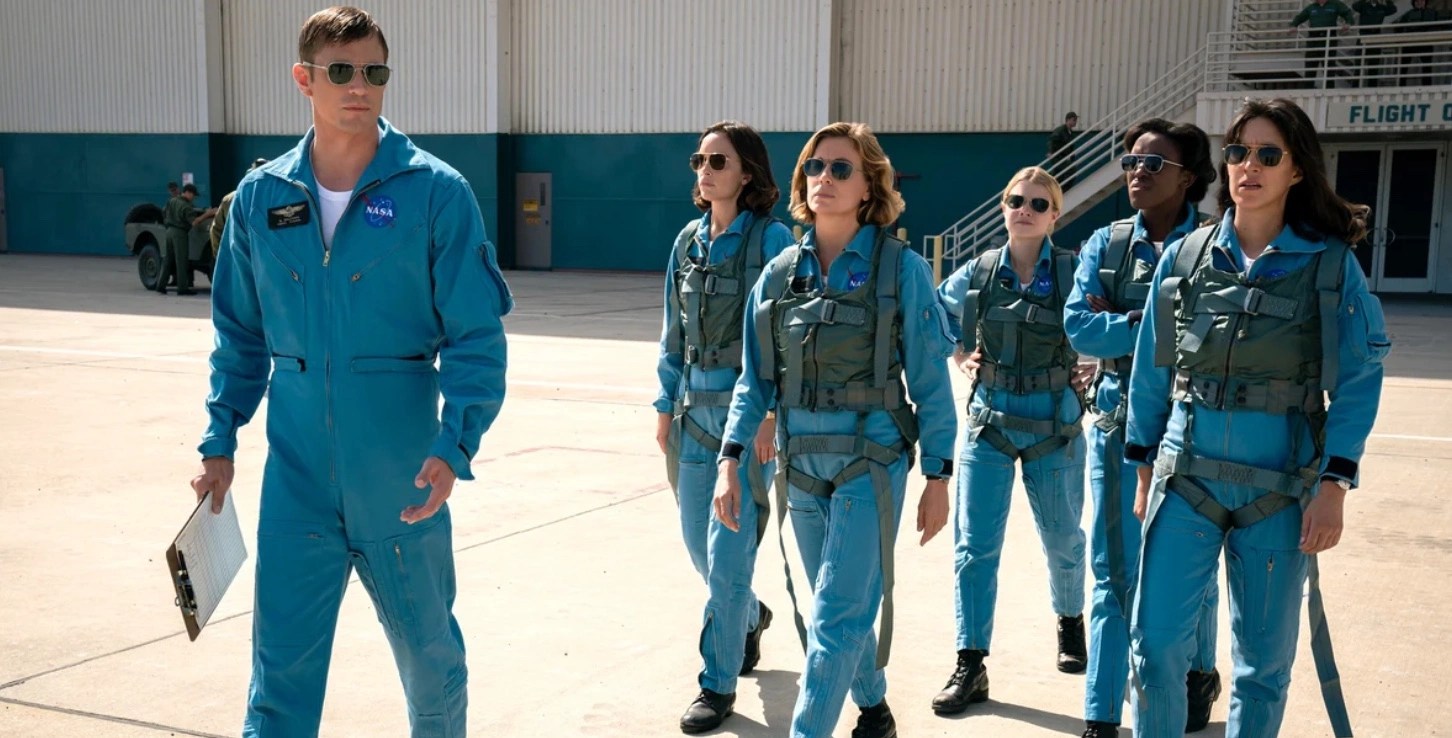
So just as “For All Mankind” has been renewed by Apple TV+ for a fourth season, I’m deep into the first season.
I am, however, positively racing through it, because I am so fascinated and entertained by the show.
I’m a sucker for alternate history stories. “Motherland: Fort Salem,” airing on FreeForm and streaming on Hulu, is a prime example. “The Man in the High Castle” is another, although I’ve still got to finish that one. (Big surprise, huh?)
But “For All Mankind” is one that I can see at the top of my queue for a while now.
If you’ve read this far, you probably know the premise: In an alternate reality, the United States loses the race to the moon to the Soviets. What follows is a ramping up of the American space program, driven at first by Richard Nixon and then by President Ted Kennedy: American astronauts make repeated flights to the moon, eventually establishing a base there. Of course, the Soviets are just around the rim of the same crater.
There’s a lot of drama, both in space and back home among the astronauts and their families, and a generous mix of characters made up of historical figures recast – Armstrong, Aldrin, Deke Slayton and many others – and fictional figures.
There’s derring-do and the suspense that comes from waiting for a safe launch and return and for the wrinkles to be ironed out in space travel.
The space program isn’t the only thing that’s “alternate” in this reality and it’s fascinating to see where the writers take politics and technology and the strides made by women.
“For All Mankind” is an absorbing drama about human achievement driven – and sometimes compromised – by politics and national pride. I look forward to catching up and being ready for future seasons.
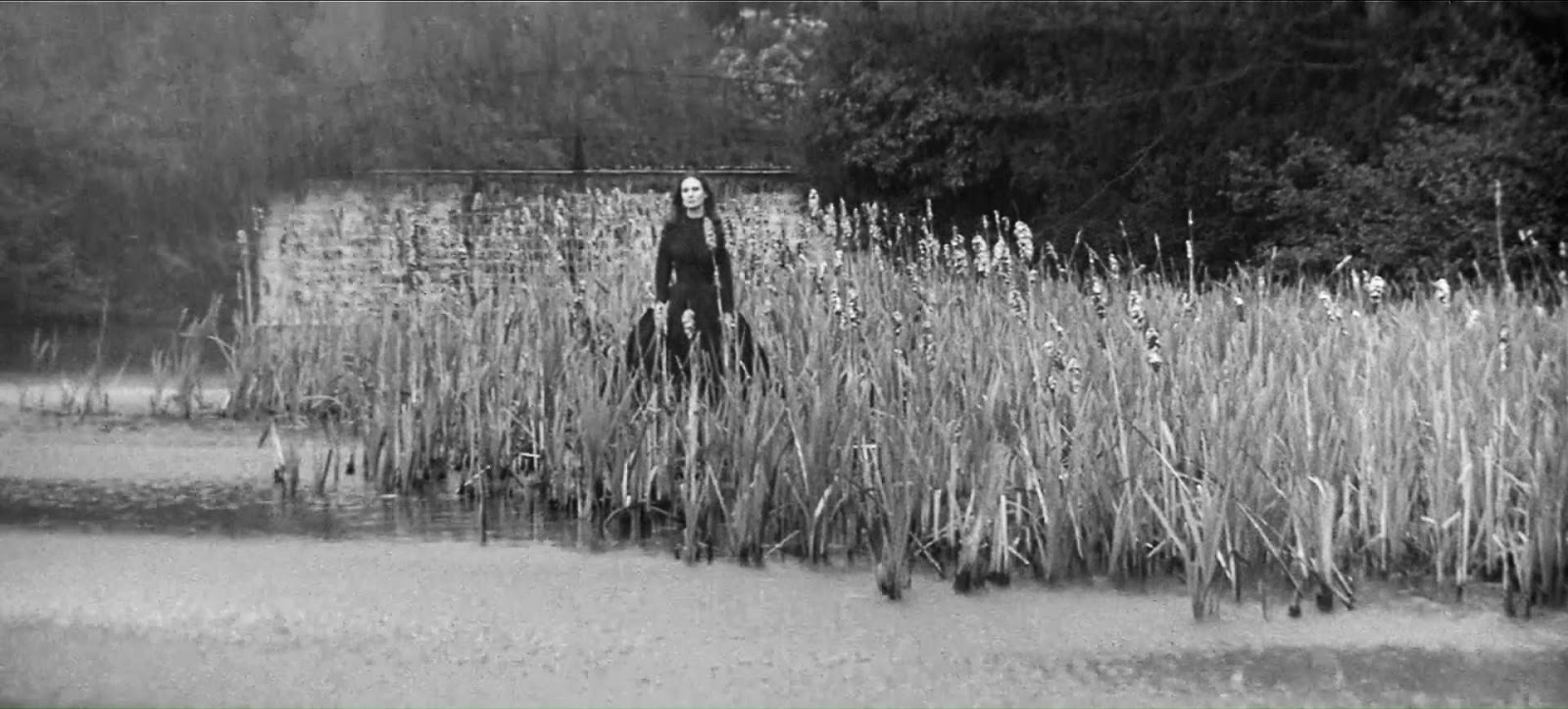
Sure, I just tweeted it to make a joke, but this particular shot – and all of the 1961 thriller “The Innocents,” really – is a subtle but ultimately terrifying nightmare.
If you don’t know “The Innocents,” I won’t spoil it for you.
One of the greatest feats a novel, movie or TV series can achieve is world building. To create a world different from our own, in ways large and small, is an accomplishment.
There’s no TV series on the air now that is better at world-building than “Motherland: Fort Salem,” in its third and final season on the cable channel Freeform and streaming on Hulu.
“Motherland” is set in a present-day United States greatly shaped by a decision from the 1620s: Instead of killing women who had been judged as witches, the leaders of Salem, Mass., reached an accord with the women. They embraced the magic that the women possessed. Over the centuries that followed, women not only filled the leadership roles in the growing country – and in other countries – but became the core of the military machine that defended the country. Women run the armed forces and a woman (played by the always-wonderful Sheryl Lee Ralph) is president.
A dominant figure in the world of witches is General Sarah Alder (Lynn Renee), a hero of the American revolution, who over the couple of centuries since has used her magical abilities – and the magic of the witches in the series manifests through cooly weird “songs” they vocalize – to not only run the Army but the titular West Point-style military academy, training young witches who join the military (sometimes at the displeasure of their families, but a call to arms is a call to arms).
The world of “Motherland” is fantastic but utterly believable within the show, and early on focused on the battle against the Spree, a domestic terrorist organization made up of witches. But more recently, the war has focused on the Camarilla, an ancient, man-led group of murderers and would-be dominators. The witches and the Spree form an uneasy alliance against the Camarilla.
I was surprised to learn that a man, Eliot Lawrence, created and guides “Motherland,” although maybe I shouldn’t be. But as a male viewer I feel like the series very ably represents the points of view of the women, who form alliances and have relationships with men in some cases but don’t need men to rescue them. My favorite moment yet might be from early on, when Alder and the women are meeting and the children on the Army base are being shepherded out to play by a couple of male caregivers. No heavy-handed point is made and viewers might not even notice, but it was there and it was smart.
But all of the world building won’t make us tune in if we don’t care about the characters and their stories.
Alder is a complicated figure, not entirely trusted by the women under her in the military, and in the current, third season, her story is off in a wild new direction, post-rebirth thanks to the “mother” entity that lives within Earth.
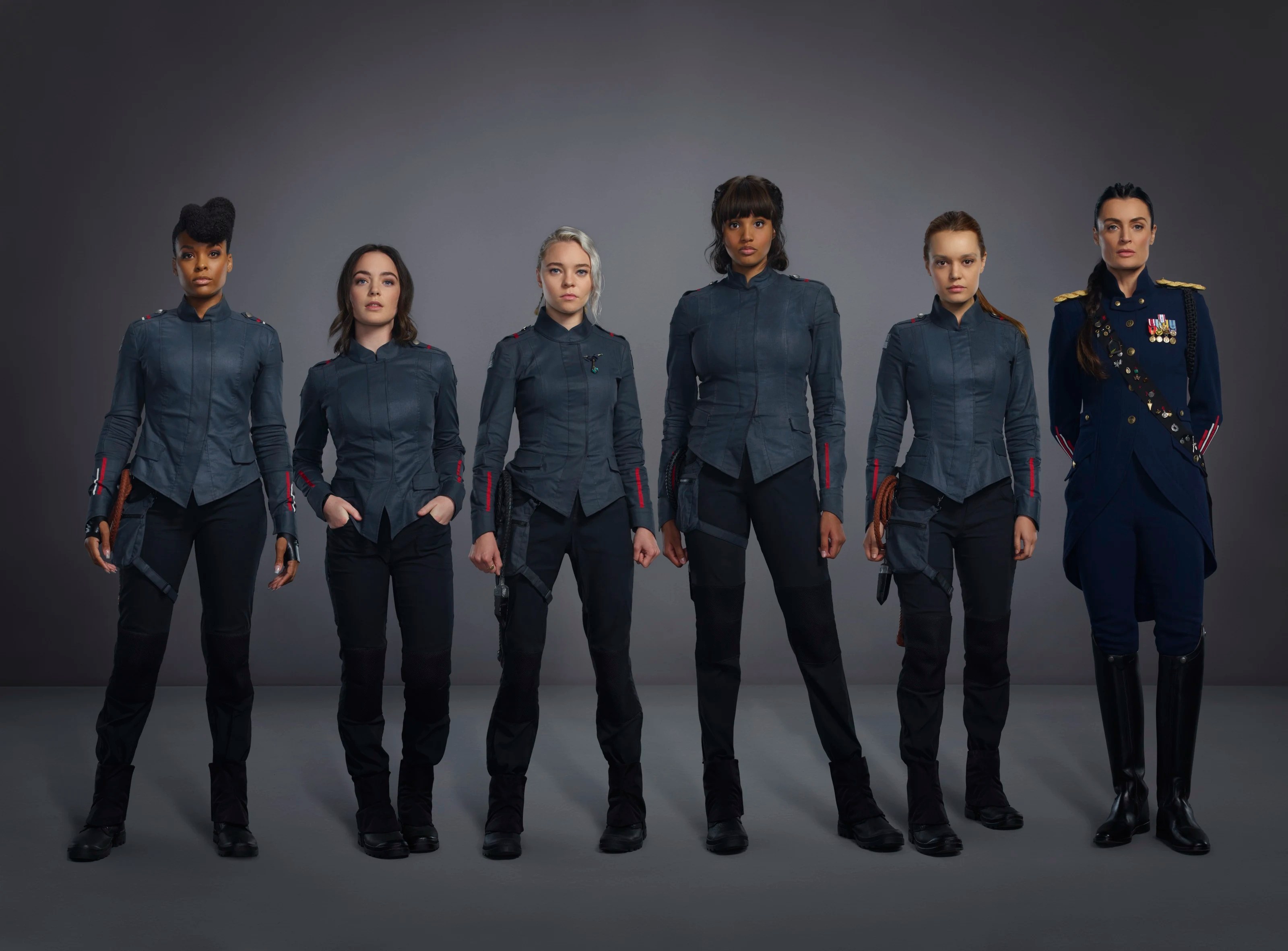
The series focuses on four young women: Raelle Caller (Taylor Hickson), Tally Craven (Jessica Sutton), Abigail Bellweather (Ashley Nicole Williams) and Scylla (Amalia Holm). The first three are Fort Salem cadets from diverse backgrounds; Bellweather is from a line of women who call to mind the Kennedys, for example. Scylla is a former Spree operative who falls in love with Raelle.
So there’s some soap opera-ish elements of “Motherland” and I’m totally cool with that. The characters in the expansive cast – especially Anacostia Quartermaine (Demetria McKinney), a savvy Army officer at Fort Salem – are varied and wonderful.
The show has a great, diverse cast (diverse in the sense of race but also gender identity and age) that has made some of its characters fan favorites.
I hated to hear that “Motherland: Fort Salem” would come to an end this season and I’m hoping that the very nature of the title means that it could morph and return as “Motherland: SOMETHING ELSEWHERE BESIDES FORT SALEM” because a lot of the action has moved away from the campus anyway.
But I’d urge you to check out the series by going back and watching it from the very first episode, on Hulu. It’s a must for us who love societies and worlds that are much like our own but viewed through a different prism.
I am not a binge watcher. I’ve got a lot of writing to do and I spend too much time on social media, so I’ve got several series to watch, from recent ones like “Ms. Marvel” and “Obi-Wan Kenobi” to “Dark Winds,” which at least I’ve started, but fallen behind on.
I’m serious when I note that I still haven’t finished the final season of “The Sopranos.” I haven’t watched more than an episode of “Breaking Bad.” I still want to watch “The Shield” someday.
Maybe when I retire. Ha.
Anyway, I am riveted by “The Old Man,” along with “Dark Winds” the latest prestige series from FX that is streaming on Hulu.
The premise, if you don’t know, is that Jeff Bridges plays a long-renegade CIA agent who, after decades of living in anonymity, finds himself pursued by his old agency, led by John Lithgow as a seriously conflicted Agency boss.
The series, based on the thriller by Thomas Perry, is realistic – you feel the bumps and bruises every time Bridges has to fight his way out of a predicament – yet fantastical in its insights into a world hidden from us.
I’m about three episodes in, from five that have aired so far and seven produced, I believe, and it’s so good. Bridges is great but Lithgow is wonderful as the CIA spookmaster. He should get an Emmy for this.
Amy Brenneman is so good as a woman who gets drawn into the mess, and it was cool to see Joel Grey pop up in a small part.
I’ll be back, at some point, with a little bit more to say about “Star Trek Strange New Worlds,” which just finished up its first season and is now near the top of all of my favorite Trek series.
I guess I don’t binge but managed to squeeze all those “Strange New Worlds” episodes in, huh?
The timeline of the latest “Star Trek” series begins on January 6, 2021.
Let me explain.
“Star Trek” has always, always been socially conscious, subtly – and sometimes not subtly – weaving commentary about race, gender, war and violence, any topic you care to name, into its stories.
So it shouldn’t be a surprise that “Star Trek: Strange New Worlds,” the latest Trek series from the Paramount+ streaming service, following “Star Trek Discovery” and “Picard,” is blessed with opportunities to tell its stories with not only action and good humor but the grace of equality, justice and fairness.
But in the first episode of “Strange New Worlds,” Enterprise Captain Chris Pike, in helping two warring factions on a planet find some common ground, talks about his birth country, the United States, and its fraught history.
As these factions prepare for civil war, Pike talks about his country’s own two civil wars. (Sandwiched in this history lesson here is the Eugenics Wars, which as longtime fans know gave rise to one-time Earth strongman Khan Noonien-Singh, played by Ricardo Montalban in the original TV series and the 1982 feature “The Wrath of Khan.”) Pike recounts the Eugenics Wars, World War III and the second civil war, and the video that is shown includes footage from January 6. Including the impromptu noose that loomed on the grounds of the Capitol during the insurrectionists’ assault on democracy.
Maybe that inclusion seems crass to you, not unlike citing September 11 in fiction. But I thought it made a couple of points, including another dose of the optimism that is characteristic of all “Star Trek” series and movies.
The point of the original series – and “Strange New Worlds” is a prequel to the 1960s show, showing us Spock and Chapel and Kyle and Uhura and Pike in their younger-by-a-few-years days – was that mankind struggled for years, decades, even the better part of a century, to survive and become unified and worthy of joining a galactic race.
There’s a reason that Pike is watching “The Day the Earth Stood Still,” the 1951 classic – directed by Robert Wise, who in addition to directing “West Side Story” also directed the 1979 “Star Trek: The Motion Picture” – when the first episode opens. There’s a pretty clear through-line between the benevolent but “fuck around and find out” alien of the movie and the Federation of Planets, a benevolent group that totally steers clear of interfering with less-developed planets until, well, some interference is necessary. I don’t know if someone kept track of every time “Star Trek” has violated its own Prime Directive but it happens again in “Strange New Worlds.”
And it’s wonderful.
Of course Pike, like the “Star Trek” captains before him, would never threaten an uncooperative society with planetary annihilation. That’s what the evil Federation does, the “Darkest Timeline” parodied so well on “Community.”
But no “Star Trek” series would be “Star Trek” without the hearts-on-their-sleeves Federation crews getting involved to prevent death and chaos. The one time in the new series that I thought Pike might be forced to stand by and let something horrible happen, the decision was taken out of his hands by a well-timed clobbering over the head, or something more high tech. A cheat? Yeah, probably. But even though, by the 23rd century, the Federation was supposedly cool and collected, we would not want our heroes to just let something horrible happen if they could help it. They’re our surrogates and our idols and our ideals, after all.
I’ll probably have more to say about “Strange New Worlds” at some point, as well as some of the modern-day “Trek” series that I have not yet watched. I jumped into these new Paramount+ series with “Strange New Worlds” because reviews of it have made it sound like my ideal “Trek” series.
And it really is.
I’ll only mention in passing, for now, how amazing this diverse and talented cast is. I find myself wanting to spend more time with every Enterprise and Starfleet character we have met so far, and a number of the recurring and episodic characters. It’s truly inspired writing and casting and performances when there are just so many characters who are so good and seem so true that you’re never like, “Oh, an episode featuring BLANK.” This won’t be one of the strongest episodes.” That has not once been the case here.
“Star Trek: Strange New Worlds” is boldly going and I love every minute of it.
Nobody asked me, but things I’ve watched recently or am currently watching:
“Dr. Strange in the Multiverse of Madness.” Just started streaming on Disney+. It’s really good and Marvel buffs will love it.
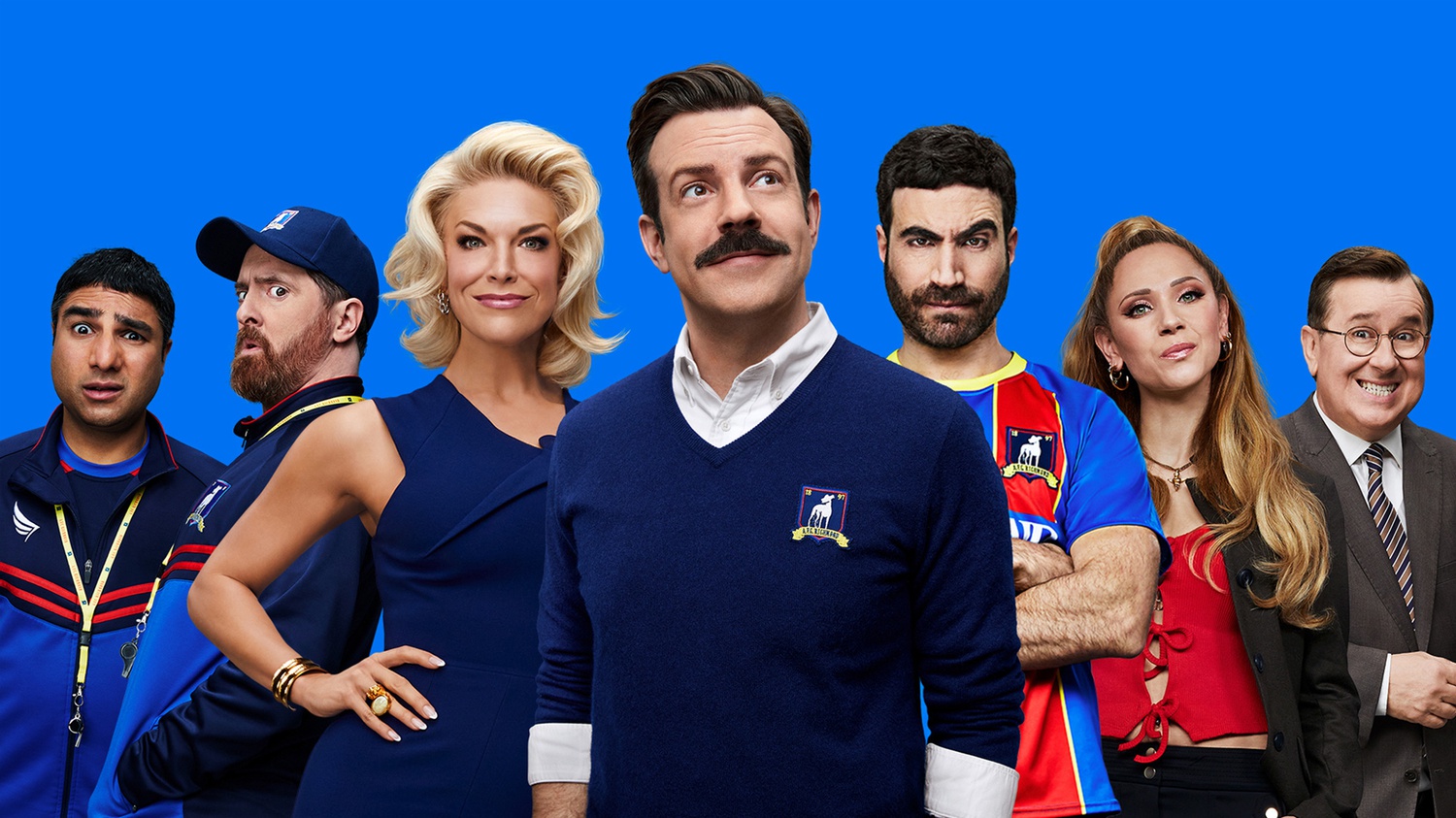
“Ted Lasso.” We’re finally watching it because I got a few months of Apple TV with my new iPhone. Man, it’s rare for a TV series to leave me feeling good and better about mankind in general, but this funny, funny series does. Just started season two.
“Dark Winds” on AMC. Based on some of the Tony Hillerman Navajo detectives books. It’s great so far.
“The Old Man” on AMC. Jeff Bridges and John Lithgow are great as former CIA operatives. Bridges went MIA decades before and now Lithgow’s team has to hunt him down. It’s great.
“Foundation” on Apple TV. Might be the most beautiful science fiction series ever. They’ve taken Isaac Asimov’s series about old white men talking about science and made it move and made it diverse.
“Severance” on Apple TV. We’ve only watched a couple of episodes of this bizarre sci-fi workplace comedy/drama but I like it so far.
I haven’t yet tried the new “Star Wars” series, like “Obi-Wan Kenobi,” on Disney+ but they sound great. Same for “Ms. Marvel.” Same for “Bosch Legacy” and “The Lincoln Lawyer” on Amazon Prime. I need to see them STAT.
I really, really want to see the new “Star Trek” series on Paramount+ but we don’t currently subscribe. It’s possible Amazon Prime, Disney+, Netflix and (for a while) Apple TV might be about as much streaming as we can watch/afford. And that’s not even counting stuff I’m recording and enjoying on TCM.
Maybe I need to take a week off and spend all that time playing catch-up.







 keithroysdon