Category Archives: childhood myths and obsessions

‘Pacific Rim’ is ‘Top Gun’ meets Godzilla

PACIFIC RIM

I was never the biggest fan in the world of Toho’s “Godzilla” series and their ilk. There’s lots to like in certain elements of the movies, particularly the first, black-and-white “Godzilla” film, which was a nightmarish funhouse mirror reflection of the atomic bombing of Japan that closed World War II.

Most of the later “Godzilla” movies, including those that introduced Gamera and Ghidora and Mothra and a variety of kaiju – Japanese for strange creatures – had some cool miniatures and pleasantly amusing “man in suit” special effects and they are watchable for their silliness. But terrifying? Awe-inspiring? No.

I think what was missing was the human element. Not just the scientists and military men on the ground, watching giant-sized mayhem unfold and trying to come up with a solution.

What was missing, it turns out, was “Top Gun.”

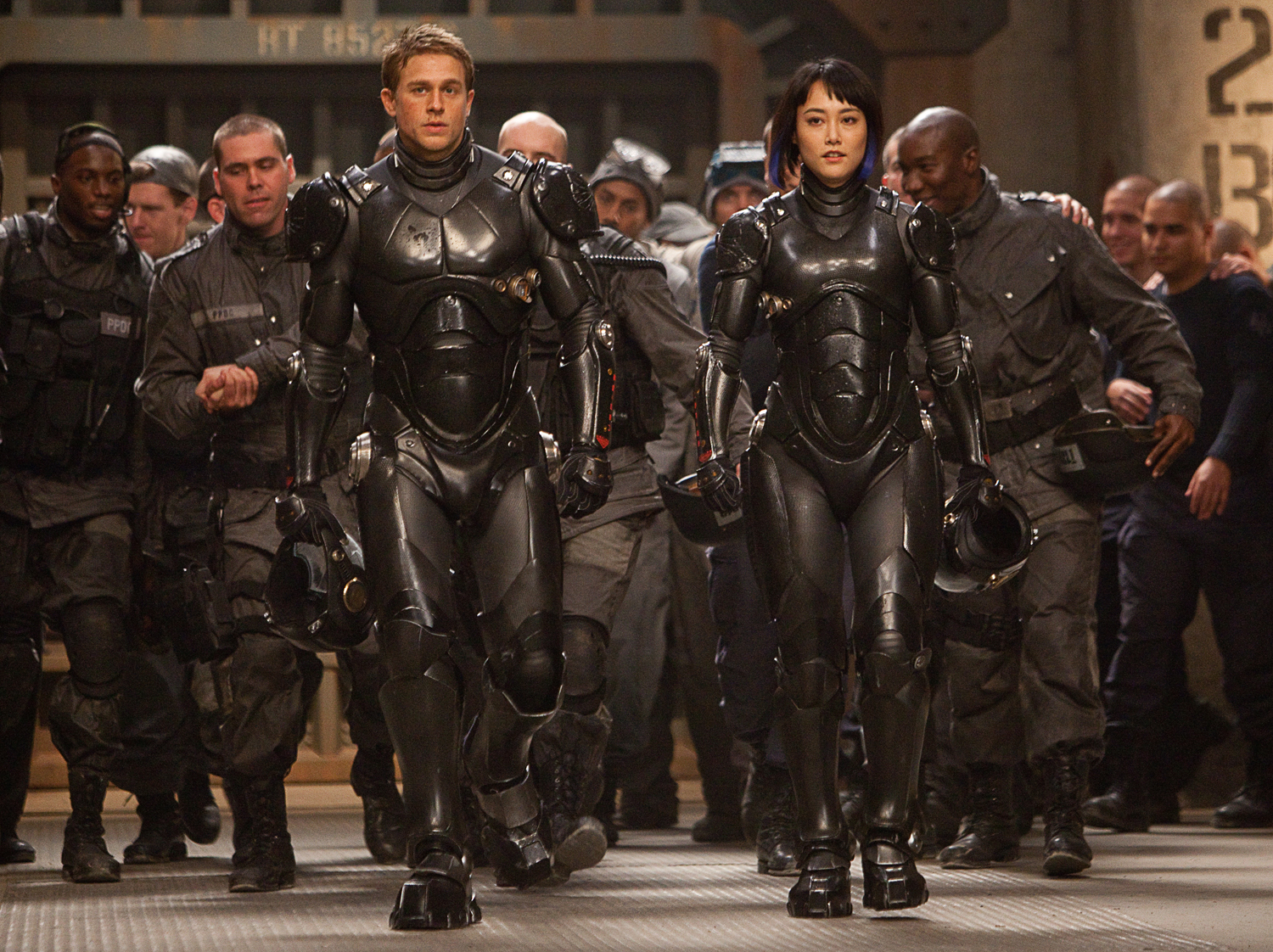
Director Guillermo Del Toro recognized not only the need to give the kaiju worthy human enemies but also the idea of introducing the soap opera-ish lives and traumatic pasts of the pilots of the fighter jets – here Jaegers, building-sized robots that battle the kaiju.

As everybody knows by now, “Pacific Rim” is the story of mankind’s response to a plague of kaiju – giant, destructive monsters, some with brute strength, some with acid spray, some with fiery breath – who arise from the sea through a rift in the bottom of the ocean and attack the mainland. San Francisco is the first to be hit, but eventually almost every city along the Pacific Rim finds itself fighting off monsters.

The nations of the world create the giant Jaegers, which are driven by two pilots, joined at the brain and working in tandem, to right the kaiju.

Del Toro makes this a fairly rich world, with war efforts like the Jaeger program as well as a wall-building effort that is doomed to failure. He also gives us the men and women who occupy this world.

“Pacific Rim” gives us some “Top Gun”-level conflict among the pilots and some personal stakes, including Raleigh’s (Charlie Hunnam) efforts to get back into the game after his brother’s death by kaiju years before, and Mako Mori (Rinko Kikuchi), who wants to be a Jaeger jockey to get revenge.

Charlie Day and Ron Perlman have a ball as a Jaeger program scientist and kaiju black market mobster, respectively, and Idris Elba is mesmerizing as the leader of the effort.

“Pacific Rim,” with its giant monster and robots, is like every little geek sci-fi fan’s dream come true on the big screen. It’s a good summertime movie that goes down easier than “Man of Steel.”

Some stray observations:

Pretty sure I heard a snatch of Godzilla cry from one of those kaiju.

I was startled to see that the SyFy channel cheapie “Sharknado” beat “Pacific Rim” to the punch on its “cut yourself out from the inside” joke. It might have even outdone it.

I’m guessing special effects limitations meant that so many battle scenes had to be in rain-swept darkness. I enjoyed the clarity we got in the few daytime scenes.
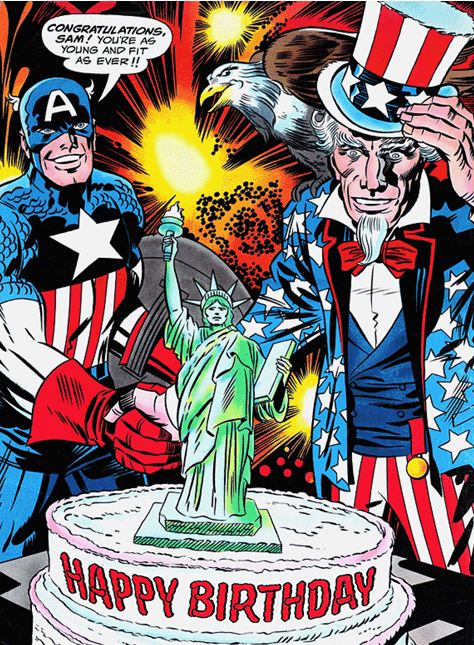
Captain America on the Fourth of July

cap uncle sam

It’s pretty easy to draw a line between Captain America, the classic Marvel Comics character, and the Fourth of July, the U.S.’ most patriotic holiday.

The guy’s dressed in the Stars and Stripes, for pete’s sake.

But those who dismiss Cap and his alter ego, Steve Rogers, as an empty American symbol are wrong.

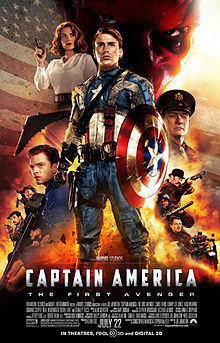
cap poster

As a matter of fact, Cap’s real patriotism is what the Marvel movie producers got so right in “Captain America: The First Avenger” and “The Avengers.”

avengers 4 cap returns

Like Superman, Captain America is a man without his own people. When Cap returned in Avengers No. 4, he was nearly 20 years removed from his era and his battleground, World War II. That “man out of time” feeling, which directors Joe Johnson and Joss Whedon captured so well in those movies, is what sets Cap apart from hip, funny heroes like Spider-Man.

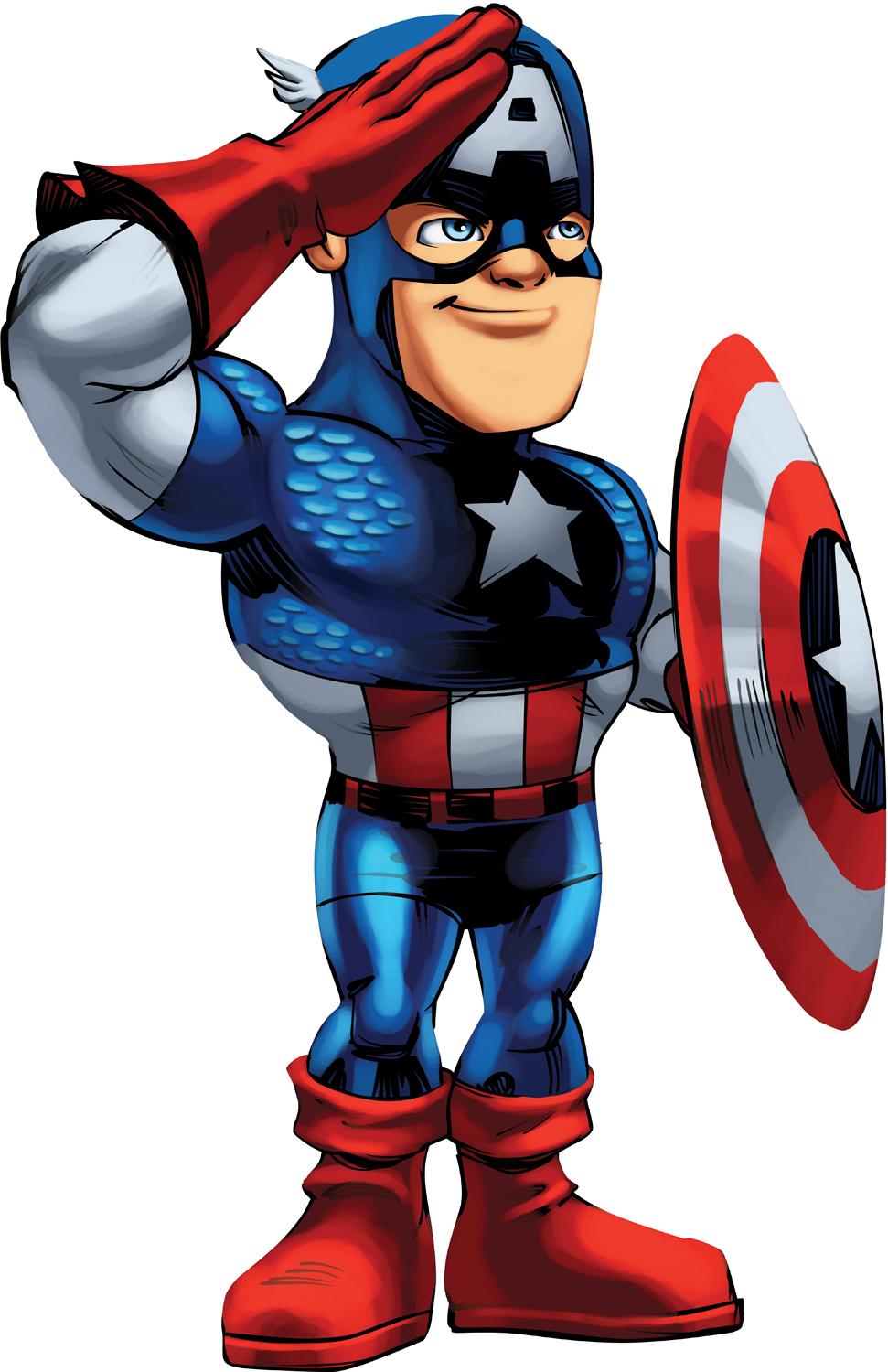
cap superhero squad

Heck, the former Cartoon Network series “Superhero Squad,” which made Marvel heroes appealing and accessible to young fans, even got Cap right even as they poked fun at him. Cap in that series was always talking about some conversation he had with FDR or making some other “frozen in amber” reference. It was as funny as it was on-the-nose.

But besides Cap’s stranger in a strange land status, he’s also known for doing what’s right. Always. For a period in his comic in the 1970s, that meant forgoing the Cap name and costume and, thanks to disillusionment with the government, operating as Nomad, the man without a country.

I’m looking forward to “Captain America: The Winter Soldier” next year in great part because it looks like more of a political thriller than a spandex slugfest and in great part because it looks to pit Cap against SHIELD. Cap’s character in “The Avengers” certainly showed more than a little skepticism about SHIELD and Nick Fury’s motives. That’s perfectly in keeping with the character and I couldn’t be happier about that.

So while Steve Rogers would, if he existed, be enjoying a hot dog and some fireworks today, he’d also be mindful of what enabled him to enjoy the Fourth of July, the sacrifices of men and women that allowed that and the individual liberties of the people around him.

Because while Captain America might have been a man without his own people, he has embraced – and been embraced by – his new people.

RIP Sammy Terry: We’ll miss our favorite ghoul

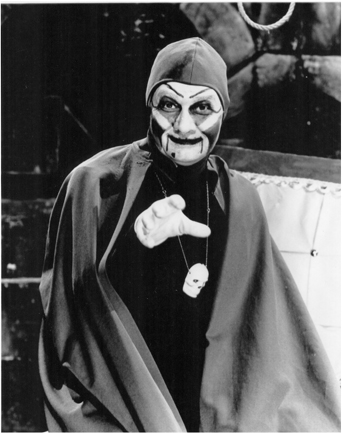
sammy terry b&w

I come to praise Sammy Terry, not to bury him.

With the passing Sunday, at age 83, of longtime Indianapolis music store owner Bob Carter, a chapter of television history closes.

That’s because, of course, Carter was the real-life, not-totally-secret identity of Sammy Terry, horror movie host on WTTV Channel 4 from 1962 to 1989.

I’ve written about Sammy before, but his passing prompts me to recount the Sammy Terry legend at greater length.

Carter was a TV pitchman who claimed to have invented the Kentucky Fried Chicken catchphrase “It’s finger-lickin’ good!” during a live commercial spot. He always seemed like a gentle soul and, on the rare occasions I called him for an interview, answered the phone in a toned-down version of the sepulchural voice he used to play Sammy.

sammy terry autographed

He seemed to take his celebrity in stride. For a couple of generations – at least – of Indiana kids, he was a cultural icon before we knew what that phrase meant. But probably because you couldn’t make barrels full of money taping a once-a-week horror movie show on Indianapolis TV – and no doubt because he loved providing music education to legions of school children – he kept that day job.

But 11 p.m. Friday rolled around and Carter – in yellow rubber gloves with veins drawn on, pasty pancake makeup, a dark purple cowl and cape and plastic skull around his neck – became friend and nemesis to us kids all at the same time.

He was a friend in my household. Because she knew it was important to me, my mom helped me stay up late on Fridays, talking to me and prodding me and even occasionally offering me a McDonald’s hamburger left over from our special Friday night dinner.

For other kids, including some of my cousins, Sammy, his creaking coffin, his spider friend George and his spooky movies were just a bit too much. Sammy’s entrance was a cue for the sleepover to move into deep sleeping bag mode.

And what movies he showed. Channel 4, like stations all over the country, had bought the Shock Theater package of films. The 50-plus films, including many classic black-and-white Universal Studios horror movies like “Frankenstein” and “The Wolf Man,” had been re-released to theaters for much of the 1930s and 1940s and even the 1950s. But in 1957, the package was released to television and many stations built a weekly horror movie show around it. Thus were born the TV horror hosts, men (and a few women) who dressed up in spooky outfits and presented the classic films, often seasoning their introductions and cut-away bits with campy humor.

Carter – whose stage name was a play on “cemetery” – told me on a couple of occasions how much he enjoyed the gig. He recalled with great fondness how the cardboard dungeon set was created and how the most realistic thing about the show – the coffin from which he arose every Friday at 11 p.m. – had been provided by a funeral home that insisted he never tell its origin for fear it would upset customers.

Carter made appearances here in Muncie over the years, and before one such appearance, in the early 1980s, I had done an interview and asked if I could meet him “backstage” at Muncie Mall as he got into makeup and costume. He graciously agreed and, along with a couple of friends, I was ushered into the room where he was getting ready.

Like three starstruck kids, Jim, Derek and I watched as he got ready and made small talk. When he was finished, I took a picture of the other two with him. That picture hung on Derek’s wall for many years.

Sammy’s time as a horror movie host passed more than a couple of decades ago, a victim of changing tastes and TV economics. He continued to make personal appearances, to the delight of the grown-up kids who remembered him and wanted their kids to know Sammy. In the past couple of years, Carter’s son has been making personal appearances in the character and might continue to do so. It’s a continuation I heartily approve of. Sammy would be pleased to know that he, the ultimate Hoosier TV ghoul, had a life after death.

We’ll miss you, Mr. Carter. And you too, Sammy.

Images from my childhood: Black light posters

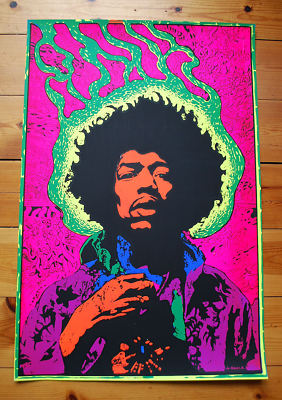
jimi hendrix blacklight poster

To this day, I still remember the black light poster that hung on the back of the door to one of my cousin’s rooms: The poster, more words, than drawings, contained the lyrics to Deep Purple’s “Smoke on the Water.”

The years of my youth, in the 1960s and 1970s, were filled with black light images on posters.

Black light posters are still available, but I’m not sure they could possibly be as pervasive on the bedroom walls of American youth as they were back then.

In this entry, a selection of some that I remember and some that I don’t, but all are pretty damn cool.

Didn’t everybody have a Jimi Hendrix poster?

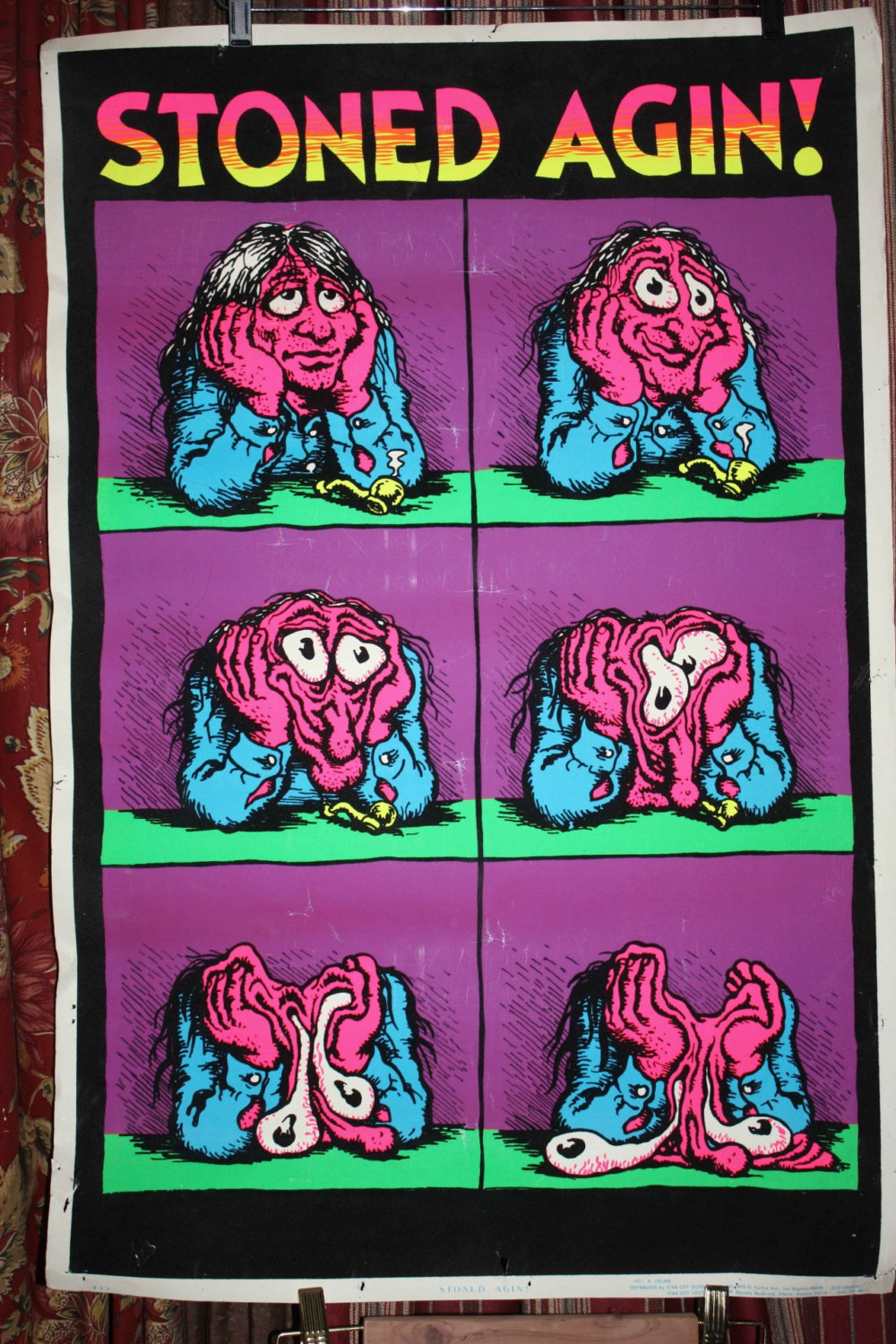
stoned agin blacklight posters

And that “Stoned Agin” poster. Holy crap. I’m not gonna say that freaked me out or anything but …

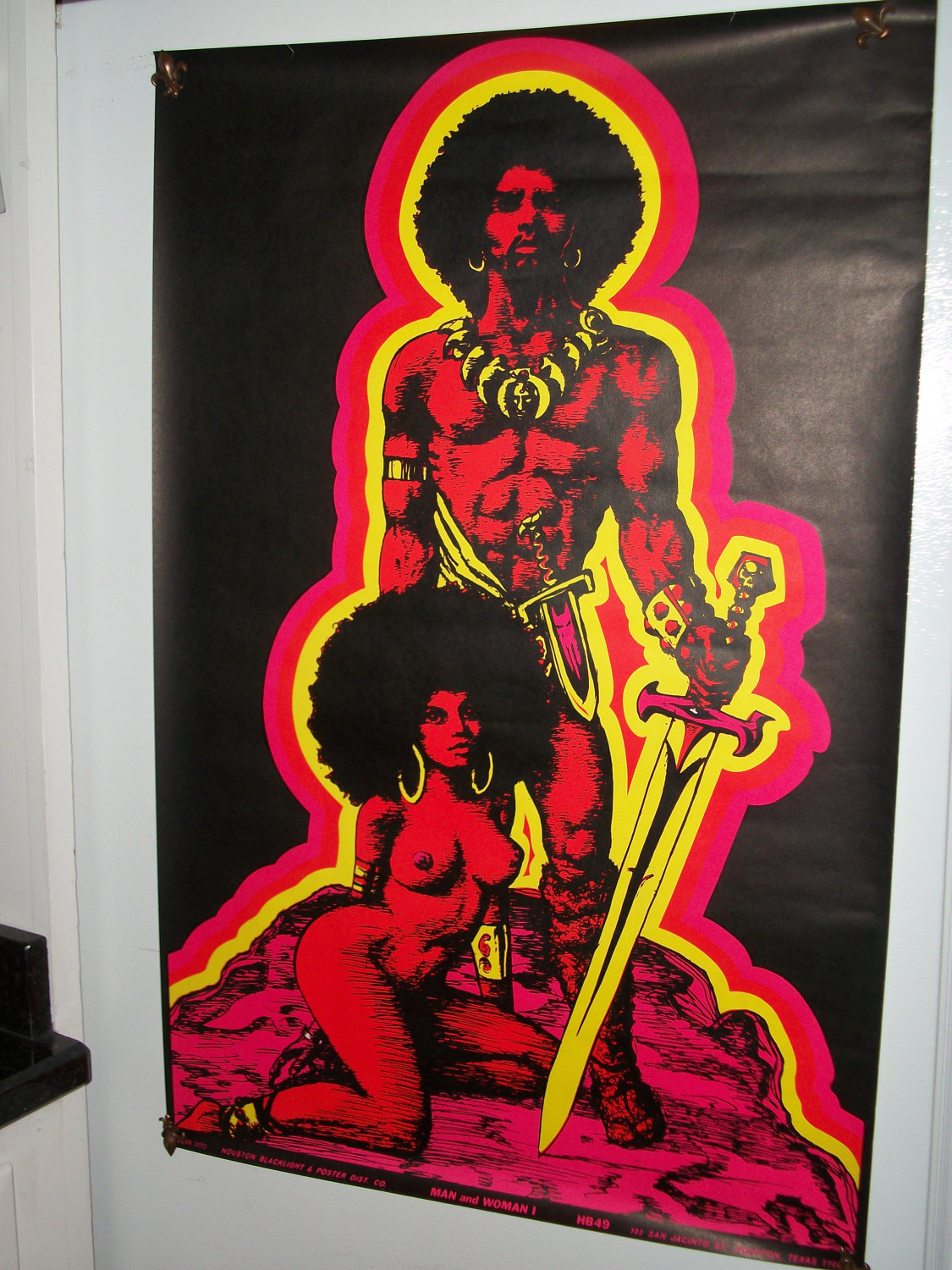
afro warrior blacklight poster

This “Afro Warrior” poster had a little too much female boobage for the PG walls of many of us. But it’s pretty amazing.

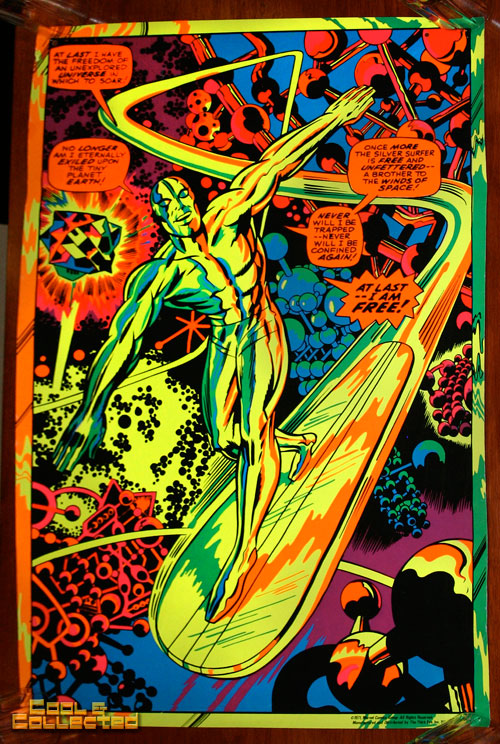
marvel_third_eye_poster_blacklight_silver_surfer

Last but not least, this cool Silver Surfer poster. Apparently a company called Third Eye did a whole series of Marvel Comics posters. I didn’t see them at the time, but they’re great.

RIP great writer Richard Matheson

Richard_Matheson

It’s impossible to neatly summarize how important author Richard Matheson was to the word of writing, fantasy and science fiction and movies and TV.

Matheson, who has passed away at age 87, left so many great works behind.

Here are just a few.

“I Am Legend,” which inspired movie treatments starring Vincent Price, Charlton Heston (“The Omega Man”) and Will Smith.

“The Shrinking Man,” adapted as “The Incredible Shrinking Man.”

Other works that were made as movies, some of them written for the screen by Matheson: “What Dreams May Come.” “A Stir of Echoes.”

Original movies and TV shows he wrote: “House of Usher.” “The Raven.” “Comedy of Terrors.”

Several of the best-remembered “Twilight Zone” episodes, including “Nightmare at 20,000 Feet.” The “Star Trek” episode “The Enemy Within.”

“Duel.”

“The Night Stalker” and its sequel, “The Night Strangler.”

“The Legend of Hell House.” “Trilogy of Terror.” “Somewhere in Time.” “Twilight Zone: The Movie.”

“Jaws 3-D.”

“Profile in Silver,” the great JFK assassination time travel story for the 1980s remake of “The Twilight Zone.”

“Steel,” the story that was the basis for the Hugh Jackman fighting robot movie “Real Steel.”

Matheson might have been the most versatile and most accomplished writer to ever move between books, short stories, TV and movies.

He will be missed, but his legacy lives on.


Classic shlock: ‘King Kong Escapes’

king kong escapes poster

In these days of big-budget superhero and sci-fi movies with built-in appeal among young geeks, it’s hard to imagine that movies like “King Kong Escapes” once epitomized the pinnacle of monster movie making.

Okay, well maybe not the pinnacle. But they were our bread-and-butter monster movie in the 1960s.

king kong escapes

Released in 1967 in Japan and 1968 here in the U.S. and re-released seemingly endlessly until it showed up in local TV station movie packages, “King Kong Escapes” was directed and produced by many of the creative folks behind the “Godzilla” movies in a puzzling 30-plus-years-after-the-fact attempt to capitalize on the popularity of the original “King Kong” and its sequels and follow-ups.

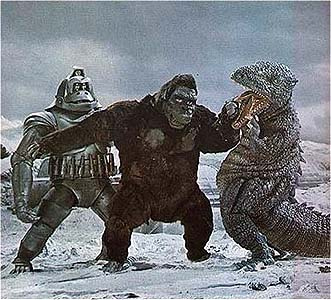
In other words, guys in suits grappling.

king kong escapes dr. hu

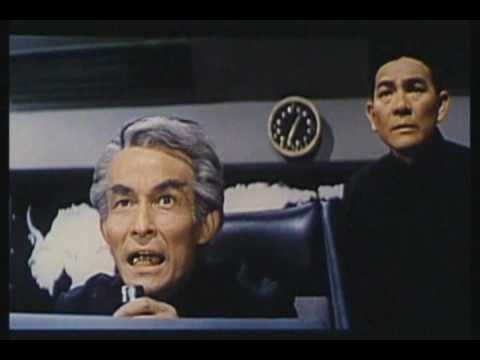
The movie’s story told how a maniacal mad scientist named Dr. Hu (pronounced Who!) needs King Kong – living peacefully, other than an occasional dust-up with a dinosaur, on an isolated island – to try to mine the mysterious Element X.

Along the way, we get James Bond-inspired shenanigans, American actors shoehorned into the plot, the most patently fake helicopters ever and a robot version of Kong that, inevitably, fights the real Kong.

The movie is of the “so bad it’s good” genre, particularly in its awful dubbing, unintentionally hilarious “cold” acting in a freezing jail cell and a performance that’s supposed to be stalwart from 1950s sci-fi actor Rhodes Reason as the American leading a team to bring the evil doctor to justice.

I’ve noted here before that genre entertainment can be marked “before” and “after” a few landmark films, including “Jaws” in 1975 and “Star Wars” in 1977. 

Even though it looks like it was made for the cost of a single set from a Spielberg or Lucas production, “King Kong Escapes” was the finest the genre had to offer just a few years before those films.


Classic toys: Johnny West

johnny west box

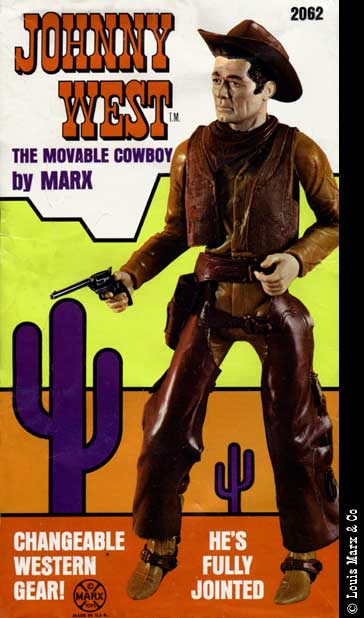
Not to be confused with Jonny Quest, or James West of its contemporary TV series “Wild, Wild West,” but Johnny West was another of those classic toys of my childhood.

Introduced by Marx Toys in 1965 to compete with the popular G.I. Joe action figures for boys, Johnny West was a cowboy character who quickly found a spot around the imaginary campfires of boys around the world. Westerns, particularly on TV, were popular at the time and Johnny West capitalized on that trend.

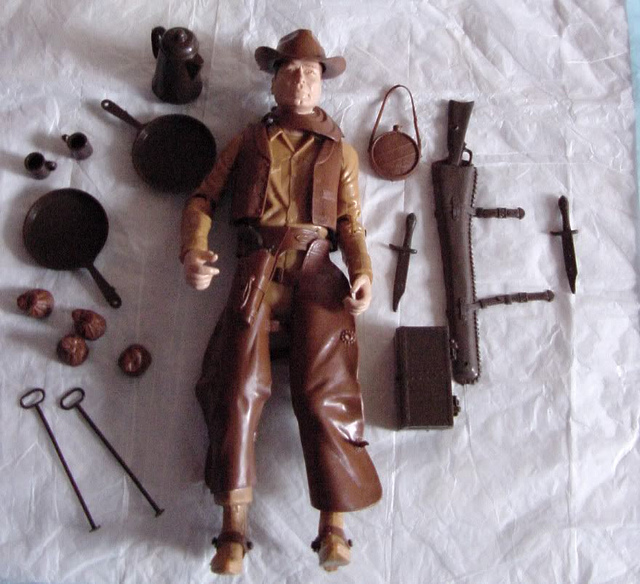
johnny west and accessories

Johnny West was a hard plastic action figure that wasn’t as posable as G.I. Joe, frankly. But Johnny West did have one weird quality that Joe did not: His hands and head were softer, almost rubbery material.

Which led to one of the many odd inspirations of my childhood.

At about the same time I was playing with my Johnny Wests I was watching the daytime TV supernatural drama “Dark Shadows.” At some point during the run of the show, a headless man terrorized the denizens of Collinswood.

As a little TV and movie fan, I just had to re-create those scenes.

So I decapitated one of my Johnny West action figures by cutting through his rubbery pink neck. To make the headless man effect extra gruesome, I used a red magic marker to make the stump of his neck bloody.

All too true.

Anyway, Johnny West outlived my interest and murderous playing style and saw many new characters introduced, including a cowgirl, Jane, cowkids, Native Americans and townsfolk.

Like my G.I. Joes, my Johnny Wests are long gone. They live on in my memory, though. Even the decapitated one.

TV crush: Yvonne Craig

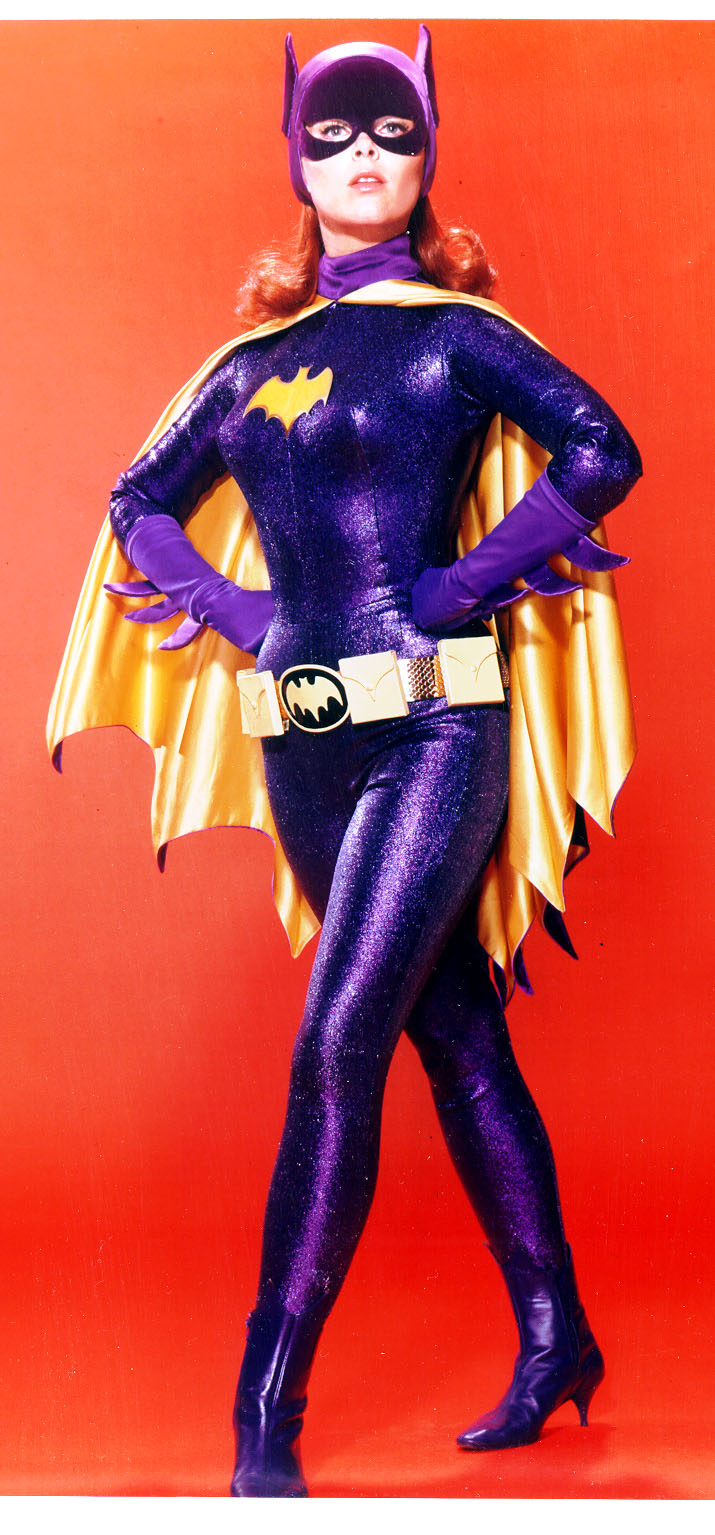
batgirl cape

It’s safe to say Yvonne Craig sparked more than a few transitions from boyhood to manhood for male TV viewers in the 1960s

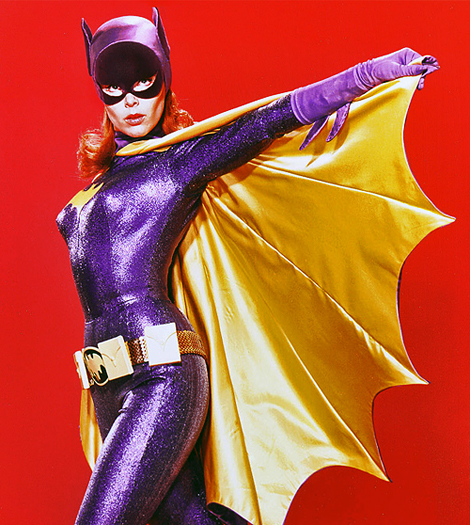
That’s because Craig made a heck of an impression on us as Barbara Gordon, also known as Batgirl, in the “Batman” series.

Craig, born in 1937, was a ballet dancer before appearing in a variety of TV series, including “The Man from UNCLE” and “The Wild, Wild West.”

Yvonne_Craig_Star_Trek

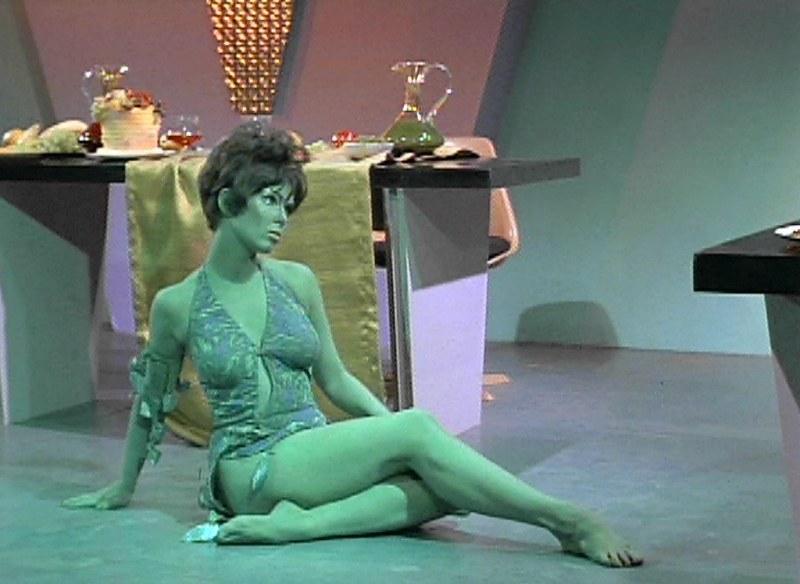
Her appearance as a green-skinned seductress in the “Star Trek” episode “Whom Gods Destroy” – the second chartreuse woman in the series – is no doubt responsible for the presence of a green-tinged woman in the 2009 “Star Trek” movie.

But all it took was for Craig to join the “Batman” cast for her to forever be a fanboy favorite.

Craig, as Batgirl, was added to the cast for the final season in 1967.

yvonne_craig batgirl full

The impression her outfit – sparkly purple suit with yellow cape and hip-hugging yellow utility belt – made on a nation of us was truly great.

Here’s to Yvonne Craig.

Shane Black to make ‘Doc Savage’ movie

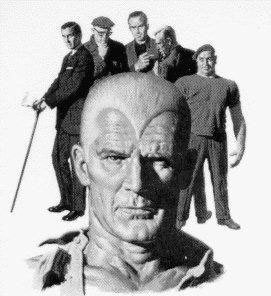
doc savage james bama

So news broke today – a couple of days after director Shane Black’s “Iron Man 3” set some pretty impressive box office records – that Black would make a “Doc Savage” movie, perhaps as his next feature.

Readers of this blog know that “Doc Savage” – a pulp magazine and comic book adventurer – is a favorite character of mine. That’s in part because he’s so impossibly cool – a super-smart, super-strong crime fighter who got that way because, like Batman, he worked hard to become what he became – and in part because Doc established so many pop culture touchstones.

He was named Clark before that Kent guy. He had a Fortress of Solitude before Superman. He was a scientific detective who tried to not kill before Batman.

doc savage fabulous five

And he had the Fabulous Five, a cool group of associates that were sidekicks before anybody knew what sidekicks were.

I grew to know Doc from the reissued stories that came out in paperback in the 1960s and 1970s, featuring great James Bama cover art.

There’s lots about Doc out there, including plenty of entries – including some on my blog – about the character, the pulps and the awful first “Doc Savage” movie released in the 1970s.

I hope you get to know Doc and are ready when Black brings him back onto the big screen. I’m already ready.


Classic toys: G.I. Joe

gi joe beard

In the 1960s – before the horrors of the morass developing in Vietnam became obvious – World War II was a fascinating period in history for young boys. We played with green army men and watched “Combat” and “Rat Patrol.” For me and other friends, World War II was an experience that our fathers didn’t talk about much but was obviously a big part of their history. The subject of my 1960s fascination with World War II is a topic for another day.

But out of that interest in the war grew the popularity of G.I. Joe, the doll – action figure – for boys.

Marketed by Hasbro beginning in 1964, G.I. Joe was a 12-inch action figure that earned the name: Unlike the stiff Barbie for our sisters and female cousins, Joe had joints at his elbows and shoulders and knees that made it possible to us to pose him in elaborate fighting scenarios. (Not to mention the “kung fu grip” added later, but that was really after my time).

Like Barbie, Joe had a variety of outfits and accessories – only the manliest, though – including guns and canteens and inflatable rafts. I believe it was those accessories that added to Joe’s lasting appeal. Unlike Johnny West – another action figure I had and enjoyed – Joe’s wealth of outfits and accessories made him immensely variable and playable.

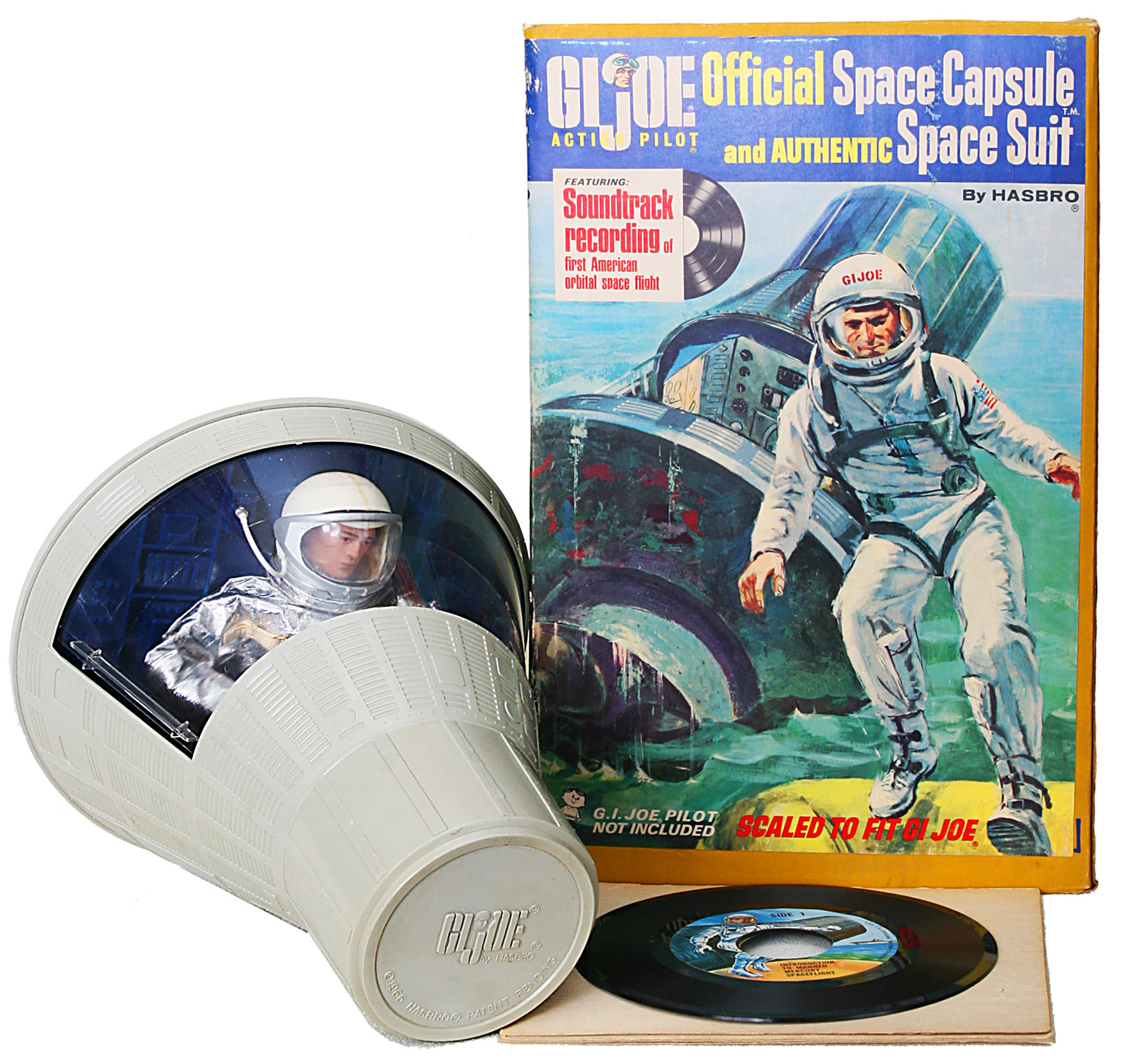
GI Joe space capsule

The most elaborate accessory I had for my G.I. Joes was the Mercury space capsule. I played for hours and hours with the capsule, being a big fan of the space program.

gi joe space capsule box

Joe went through a lot of variations, including weird fuzzy hair and beard. Online sources say that in 1969, after Americans were soured on Vietnam, Hasbro thought Joe should be recast as an adventurer instead of soldier. That led to sets in which Joe hunted the Abominable Snowman, for pete’s sake.

But for me, G.I. Joe was a soldier and remained one. He was a great toy, but he was always a reminder of the war that so fascinated me as a kid.