Category Archives: childhood myths and obsessions

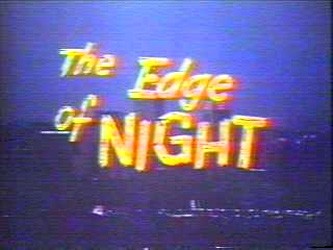
Classic TV: ‘The Edge of Night’

the_edge_of_night title card

I loved sitting in on my mom’s soap operas when I was a kid. I would catch glimpses of “Another World” or “Days of Our Lives” when I was home sick. And of course “Dark Shadows” was must viewing after school.

But there was one daytime drama that that thriller-loving kids like me didn’t have to feel silly about watching.

“The Edge of Night” ran on daytime TV from 1956 to 1984 and, for much of its run, focused on the crime-busting cops and attorneys of the Midwestern city of Monticello. Most memorable to me were characters like Mike Carr and Adam Drake, who appeared about as often as any characters during the show’s 7,420 episodes. Most of the episodes appeared on CBS with a few last few years’ worth airing on ABC.

Monticello must have been the most crime-ridden city ever. Murders, assaults, arsons and robberies seemed to happen with such frequency I can only imagine the Greater Monticello Chamber of Commerce had its hands full.

Monticello was modeled after Cincinnati, hometown of sponsor Procter and Gamble. That city’s skyline was glimpsed in the show for many years.

But as in most soaps, the settings were highly fictionalized, sometimes to the point of amusement. For example: The state capital was Capital City, not unlike in “The Simpsons” many years later.
edge-of-night_jail cell

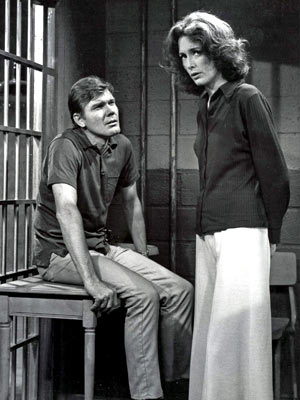
Carr (played by three different actors) and Drake, played by Donald May from 1967 to 1977, were the most fascinating characters for me. The credits ended “And Donald May as Adam Drake,” which tipped me off that this character was cool and important. And I had a crush on beautiful Maeve McGuire, who played his wife, Nicole Drake.

The show featured a number of actors on their way up, from Larry Hagman to Frank Gorshin to Dixie Carter.

“The Edge of Night” had a regular audience of nine million viewers, many of them men because of the emphasis on murder and mayhem and because of the 4:30 p.m. timeslot, which allowed blue-collar workers and students like me to get home in time to watch.

The show’s scripts were generally recognized as best when Henry Slesar was head writer. And the ominous tones of announcer Hal Simms, who said, “The Edge … of Night” with just the right dramatic pause, added to the mood.
 

Pop Culture Lost and Found: Eight track tapes

eight tracks three stack

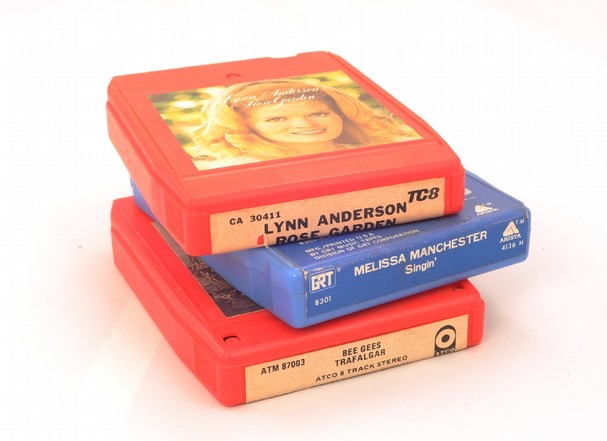
If you were of a certain age, you got your music from vinyl albums and singles. But if you wanted to take your music portable, there was a period when you did it via eight track tapes.

From the mid-1960s to the early 1980s, eight track tapes provided a handy if aurally substandard portable medium for music. The thick and boxy eight track cartridges were an important bridge for the delivery of music between vinyl albums and cassette tapes.

eight track tape player

Eight tracks were just another delivery system for our favorite albums. Used in portable players – including both hand-carried and dashboard models for cars and cool home systems – eight tracks had a lot of weaknesses. The running order of tracks on an album often had to be rearranged to fit on the tapes’ multiple tracks. And sometimes songs had to be broken into pieces, with the first part on one track and the rest on another.

But eight tracks seemed to me to be a cool and trendy alternative to unwieldy and fragile vinyl. Not that eight tracks weren’t of limited lifespan. I can’t count the number of cartridges I lost to unspooled and broken tape.

8 Track Tapes

FYi, there are eight-track tapes and components available for sale online, but there’s probably no greater depth of information about eight tracks available than at http://www.8trackheaven.com/

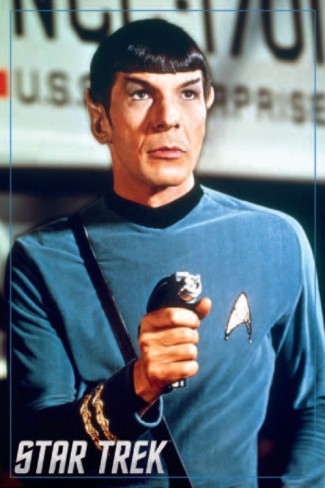
Images of my childhood: Spock poster

star-trek-spock

This poster adorned my wall and the walls of many other young fans of the original “Star Trek” series.

Leonard Nimoy as Spock, phaser in hand, shuttle craft in the background.

I don’t know much of the history of this image – a publicity shot from the original series – but by the time the series had blossomed into a fan phenomenon in the early 1970s, somebody was making a lot of money selling this poster.

Images of my childhood: Paper record sleeves

paper record album sleeves

Continuing a look at the images that were part of our childhood.

If you grew up in the 1960s, you dealt with a lot of these: Paper record album sleeves.

Ostensibly meant to protect the vinyl from getting scratched – I guess; what other reason would there be to have them? – the paper sleeves were like an extra layer of stuff to get through before you got to the music.

Did you place the paper sleeve, vinyl record inside, into the record album cover with the opening to the top? If so, you have to remove both the paper sleeve and album to play the record.

Did you insert the paper sleeve with the opening on the side, to coincide with the opening in the album cover? If so, you ran the risk of your precious vinyl sliding out prematurely and hitting the floor.

That’s the kind of thing we had to worry about back then. Oh yeah, and also nuclear war with the Soviet Union.

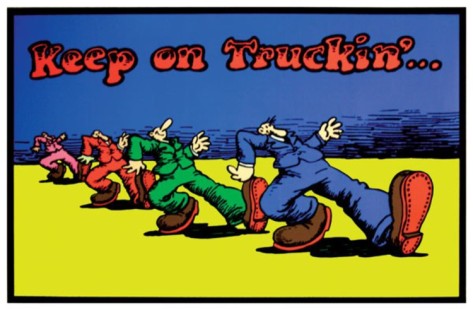
Images of my childhood: ‘Keep on Truckin’ poster

keep-on-truckin

How many bedroom walls were adorned by Robert Crumbs’ “Keep on Truckin'” poster in the 1960s and 1970s?

All of the bedroom walls. At least in my world.

Crumb, of course, was the artist better known as “R. Crumb” who enlivened the pages of alternative and underground comics (comix) with crazy detailed scenes featuring big, meaty women.

His “Keep on Truckin'” poster is a classic of its kind and shows a series of Crumb’s offbeat men putting their best feet forward as they cross a flat landscape.

According to the Interwebs, the image originated in Zap Comix in 1968 but quickly became pirated, appearing on posters and T-shirts and every imaginable product offered to the counter-culture. Crumb spent part of the 1970s in court, trying to prevent copyright violations on his drawing, and his legal battles have stretched into recent years.

Most recently, he sued Amazon because the website used the drawing on its site for when a search bottomed out with no results.

robert crumb

Crumb has called the iconic drawing “the curse of my life.”

Crumb has his own offbeat sensibilities, obviously. Evidence of this: He reportedly turned down Toyota’s offer of $100,000 to use the art in advertising.


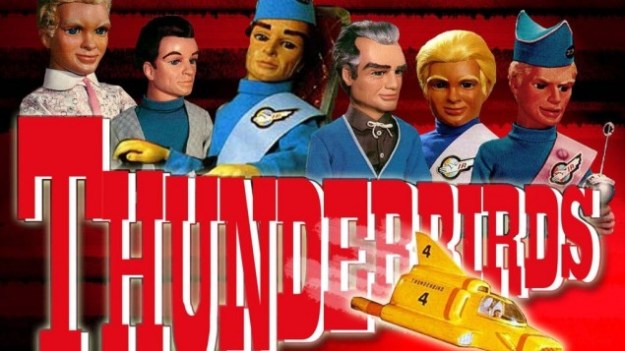
RIP Gerry Anderson, creator of ‘Thunderbirds’

Thunderbirds

Although he was largely a cult figure in the United States, one of Britain’s top creators of imaginative children’s shows has died.

Gerry Anderson, creator of such fun and, frankly, offbeat shows in the 1960s and 1970s as “Thunderbirds,” “UFO” and “Space: 1999,” has died in his native England, He was 83.

Anderson might be an unfamiliar name to some in the U.S. but his work is instantly recognizable.

Look at the promotional photo above for his groundbreaking 1965 series “Thunderbirds.” Remember the odd but fascinating show about marionettes piloting rescue planes and space ships? The family of puppets who dropped down conveyor belts and into their ships just in time to jet off to handle some far-flung disaster.

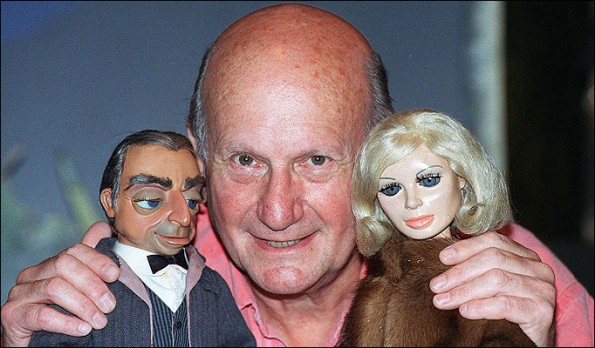
gerry anderson

Gerry Anderson.

I can’t say too much about how much Gerry Anderson’s shows sparked my imagination as a child. I had toy versions of Thunderbird 2 and 3. I played with them over endless hours.

thunderbird 2

That’s Thunderbird 2.

Thunderbird 3

And that’s Thunderbird 3.

I’m not sure when I originally saw “Thunderbirds” – early in its U.S. syndication, I’m sure – but I remembered Anderson’s name and while I saw only random episodes of his other puppet series, like “Stingray,” I made sure to check out his later, live-action creations. More on those below.

So RIP Gerry Anderson. Your imaginative work was a big part of my childhood.

Random Gerry Anderson facts:

“Team America:” The goofy puppet movie from the “South Park” guys was inspired by Anderson’s work.

Derek Meddings. The designer of Anderson’s intricate miniature worlds went on to design the look of some of the grandest special effects from the James Bond movies.

gerry anderson ufo babe

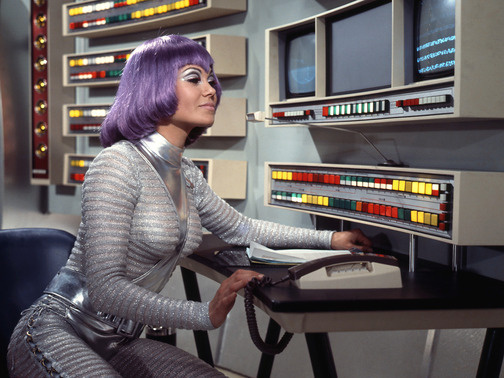
“UFO.” In 1970, the first live-action Gerry Anderson series that I ever saw, “UFO,” aired around the world. About a government organization that battled an alien invasion, “UFO” was groovy in an “Austin Powers” kind of way, with British babes in wild purple wigs.

“Space: 1999” and the end of the world. “Space: 1999” was probably the best-known of Anderson’s live-action series, running for a couple of seasons beginning in 1975. Martin Landau and Barbara Bain starred in the series about what would happen if nuclear waste on the moon exploded and pushed the moon out of Earth’s orbit.

RIP Gerry Anderson.

Today in Christmas: Five secrets of ‘The Grinch’

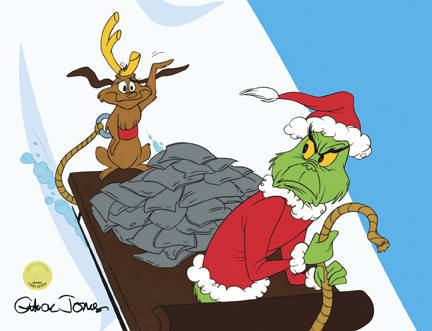
grinch and max

Since it first aired in 1966, “Dr. Seuss’ How the Grinch Stole Christmas” has become a pop culture institution. It’s one of the best animated films ever made. It’s a touchstone of the holiday season. It’s a common thread for generations of movie, TV and children’s book fans.

And yet there are a few things many of us don’t know about the special. Here are five things you might not know.

Boris-Karloff-Chuck-Jones-recording-how-the-grinch-stole-christmas

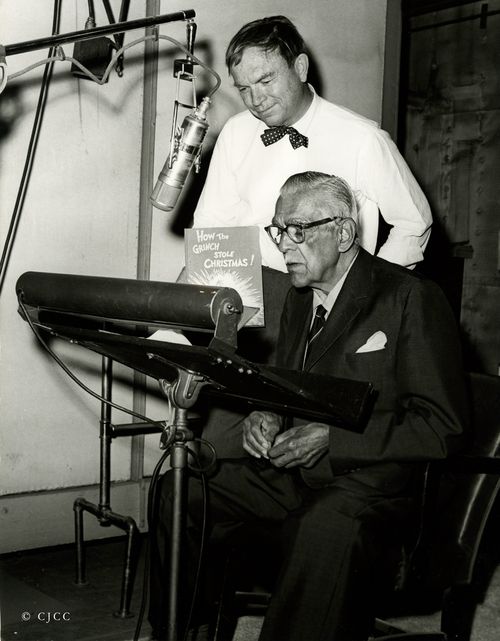
Boris Karloff. Yes, everyone knows that Karloff, immortalized forever as Universal’s Frankenstein monster in the studio’s movie series from the 1930s, provided the narration and the voice of the Grinch. But most probably think that Karloff had been in hibernation for decades before recording the Grinch and then passing from this plane of existence in 1969. But Karloff was active in show business even three decades after his Frankenstein heyday. He was memorable not only as the Grinch but also for appearances on “The Wild, Wild West,” “The Girl from UNCLE” and “I Spy.” He even hosted the “Thriller” anthology TV series for two years beginning in 1960.

thurl ravenscroft

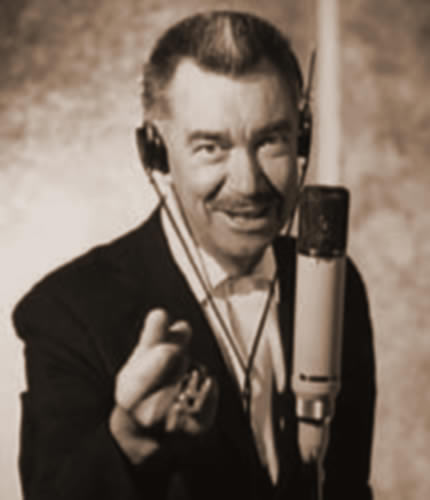
Thurl Ravenscroft. Possessor of one of the great names of all time, Ravenscroft was the man behind the booming bass voice who sang “You’re a Mean One, Mr. Grinch.” Because Ravenscroft wasn’t credited, many people assumed that Karloff sang the song. Ravenscroft had, up until his death in 2005, a long and varied career. He was the voice of Tony the Tiger in Frosted Flakes commercials. His voice can be heard in the Pirates of the Caribbean and Haunted Mansion Disney attractions. He had a brush with another animated pop culture franchise by singing the song “No Dogs Allowed” in “Snoopy, Come Home.”

Chuck Jones. I’m of the opinion that the “Grinch” animated show wouldn’t be half as good if not for director Chuck Jones, seen above with Karloff. A legendary animation director, Jones – who died in 2002 – directed many great Warner Brothers cartoons, including two of my favorites, “What’s Opera, Doc” and “One Froggy Evening.” Jones’ talent permeates the “Grinch” special but is especially notable in the little touches, including the expressions on the Grinch’s canine sidekick, Max.

Albert+Hague

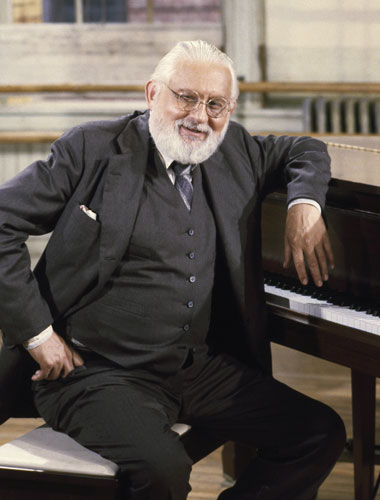
Albert Hague. Yes, Mr. Shorofsky from the “Fame” movie and TV series has a “Grinch” connection. He wrote the music for “You’re a Mean One, Mr. Grinch.” His 2001 obituary noted that Dr. Seuss himself, Theodore Geisel, said that Hague contributed greatly to the special. “Any man who slides an octave on the word ‘Grinch’ gets the job,” Geisel said upon hearing Hague’s work.

Other Grinches. I’m not talking about the Jim Carrey movie. Two other animated specials, “Halloween is Grinch Night” and “The Grinch Grinches the Cat in the Hat,” aired in subsequent decades. Although the wonderful Hans Conried performed the Grinch in the first, neither can compare to the original special.


‘Oz the Great and Powerful’ trailer fascinates

I’ve watched the trailer for “Oz the Great and Powerful” a few times now and I’ll probably watch it again tonight. The preview for Sam Raimi’s return to Oz – with the backstory of the Wizard from Kansas and those sisters who become witches – is loaded with beautiful shots and glimpses of the movie.

Part of what’s fascinating is how the trailer for the film, starring James Franco, Mila Kunis, Rachel Weisz and Michelle Williams, exploits the visual iconography of the “Wizard of Oz” story.

Want proof? Check this out:

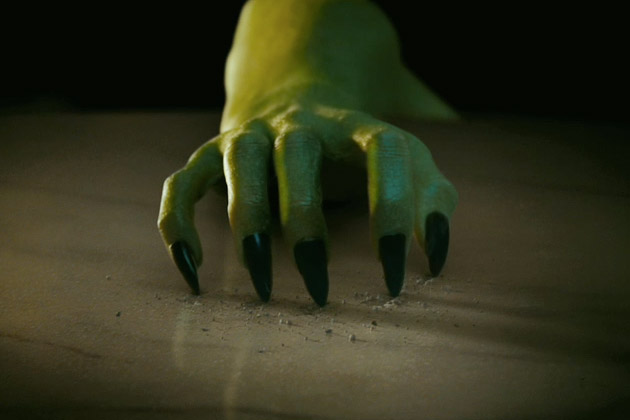
What about that image doesn’t remind you of Margaret Hamilton’s appearance as the Wicked Witch of the West?

Author L. Frank Baum’s “Oz” stories were all over the place not only in terms of the geography of Oz but also the stories and characters.

But the trailer, at least, sticks mostly to territory familiar to lovers of the 1939 Judy Garland movie as well as “Wicked,” the book and play that explores the lives of the witches before they were witches.

Random thoughts about the trailer:

I like the switch from small, black-and-white screen to widescreen, CGI-filled color. I’m guessing the movie follows the format of the 1939 film in that respect, but if not, at least the trailer creates a connection to the classic film by doing so.

The movie looks to be exploring the iconography of the books. The fragile little doll in the movie appears to be a resident of The Dainty China Country, from the first book.

There’s also plenty of familiar characters and imagery, including a healthy dose of Munchkins.

Is the flying monkey who accompanies the wizard comic relief? If so, that will contradict the nightmares of a few generations of little kids.

Who’s the wicked witch? I guess we’re to assume it’s one or both of the dark-haired sisters played by Kunis and Weisz. Or is it a character we don’t see until her appearance in that swirling red cloud?

We’ll know the answers to all our questions in March.


What we want to see in new ‘Star Wars’ movies – and what we don’t

The announcement that George Lucas had sold Lucasfilm to Disney for $4 billion – and that Disney intended to release new “Star Wars” movies, beginning in 2015 – was just the beginning.

Then came news that “Toy Story 3” writer and Oscar-winner Michael Arndt was writing the first movie and, in fact, had written a lengthy treatment for all three movies.

All of a sudden the possibility of new “Star Wars” movies was real. And then word came out that Harrison Ford wasn’t actively opposed to making an appearance in a new movie, presumably as an aging Han Solo, and that Carrie Fisher and Mark Hamill were enthusiastic about reappearing as Luke and Leia.

So since this is really happening, what do we want to see in new movies?

Keep in mind that I’ve only read one “Star Wars” original novel, “Splinter of the Mind’s Eye,” that came out while the original trilogy was still being made. I know only a little about what happened in the later books that took the form of sequels and prequels and killed poor old Chewbacca.

In other words, I don’t know if these ideas have already been out there. I just know that they intrigue me.

Consider mixing things up in time. While the stories will likely take place after the original trilogy, it’s not a given that they take place 40 years later. Maybe recast the main characters for action that takes place right after the timespan of the original movies but have some scenes featuring the original actors playing older versions of their characters. It worked to have Ford play an older Han Solo in Lucas’s “Young Indiana Jones” TV series.

Let us have more Luke and Leia and maybe more Han Solo, even if they’re in cameos. But make it dignified and make it make sense.

Don’t bring back Darth Vader. I know it would be tempting to resurrect the former Anakin Skywalker. But the first two trilogies were all about his fall and redemption. It would cheapen everything to bring him back.

Bring back, or at least make reference to, the occasional supporting character. Lando, Chewie and others would be a nice presence.

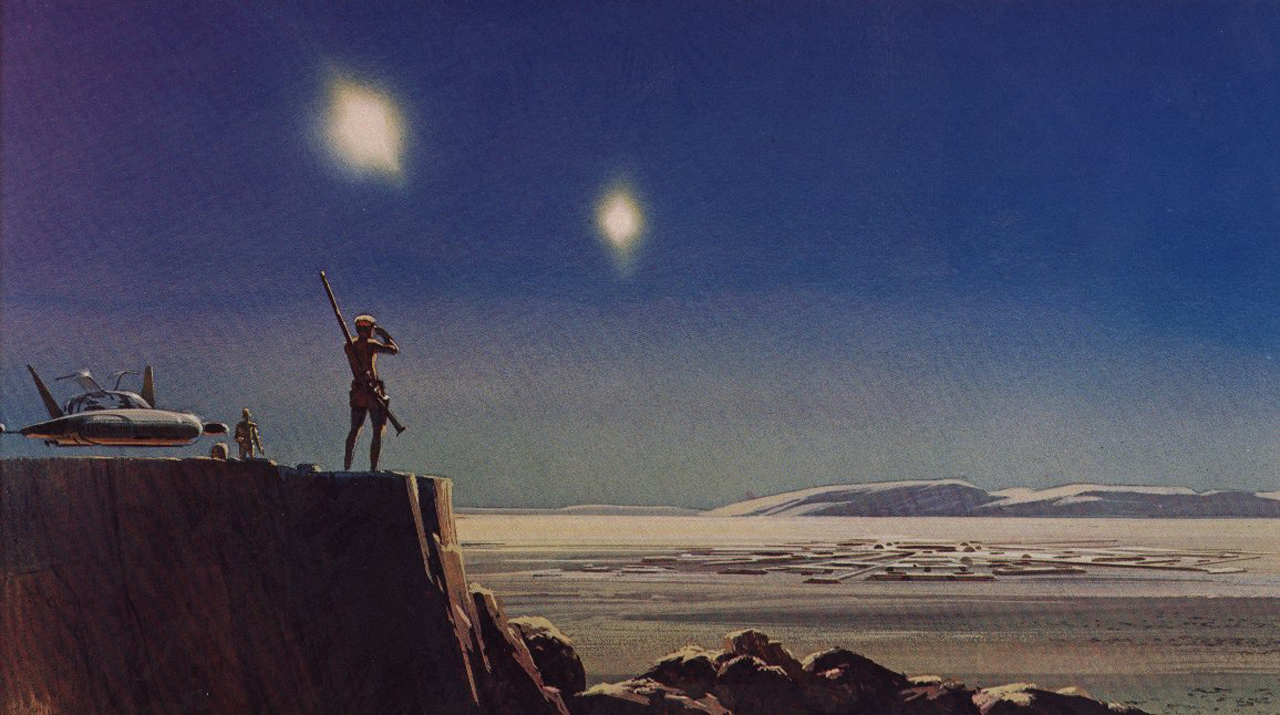
Make the scope of the movies range from the personal to the epic. It would be great to see intimate drama and suspenseful stories about characters in the huge “Star Wars” universe, even characters we don’t know yet. Take a cue from the “Clone Wars” series here. But also consider the type of galaxy-spanning action the earlier movies specialized in as an essential element.

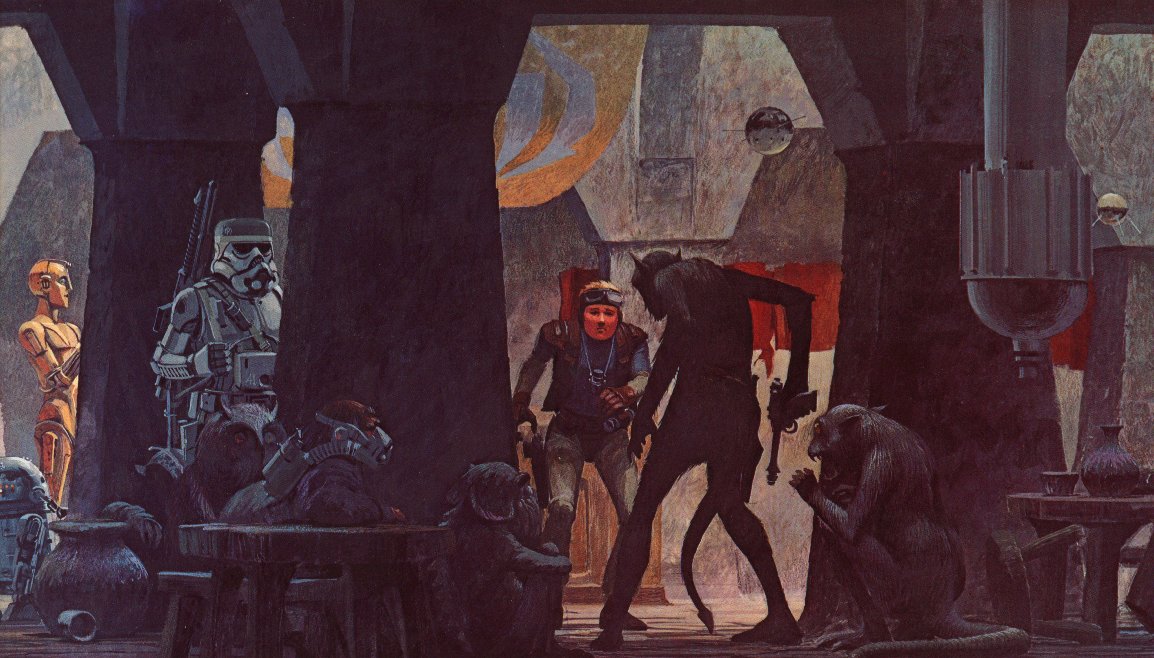
Maybe take a pass on the droids. We can have some robots, for sure. But I don’t know that I ever need to see C3PO and R2D2 again.

While you’re at it, lose all the cute characters. No Ewoks. No Gungans. And yes, I realize that might feel like the path to alienating the younger kids who will be the primary audience for the ongoing movies. But, again, take a cue from the “Clone Wars” animated series. They’re fun and action-filled and respect their audience.

Jedis would be good.

Lots of the Force. And not Midi-Chlorians.

Yoda. I wouldn’t mind seeing Yoda again. And yes, I know he’s a glowy Jedi ghost now. But a smart guy like Arndt can find a way to make it work.


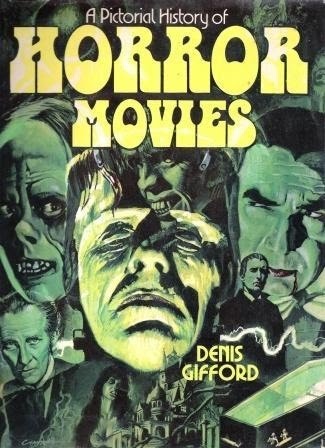
The Essential Geek Library: ‘A Pictorial History of Horror Movies’

As a young science fiction and horror movie fan, I watched every movie I could see, a challenge sometimes in those pre-home video days. So I spent endless hours checking out books about the genre. I’m noting a few of them here in this recurring space.

If Famous Monsters of Filmland was my favorite magazine, Denis Gifford’s “A Pictorial History of Horror Movies” was my standard reference, my bible.

Gifford’s book, published in 1973, was a scholarly but loving look at several decades of horror movies.

Gifford, a British writer of comic books and books about pop culture, apparently amassed what was considered one of the biggest collections of British comic books in existence.

But it’s his love for and knowledge of horror movies that endears him to me.

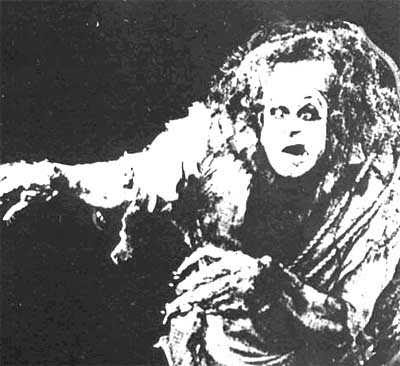
His book truly lived up to its name. “Pictorial History” is loaded with vintage photos from horror films from the 1920s to the 1970s. Even before I saw some movies, Gifford’s look at them gave me a good visual frame of reference. Some movies, like the silent version of “Frankenstein,” are completely represented in my mind by the pictures included in Gifford’s book.

As a young man who loved to draw, I would study those stills and try my hand at reproducing them with pencil and paper.

And Gifford’s book didn’t discriminate. He included movies from the Universal classics to low-budget movies made here and abroad.

Gifford passed in 2000. I’m hoping he knows what a milestone he left for all of us fans. I’m guessing he knew.

As a side note, by the way, the hardcover cost only a few dollars in 1973. In doing research for this, I found it for sale online as high as $199. I showed that to my son, who said, “You should sell it!” Never.