Category Archives: comic books

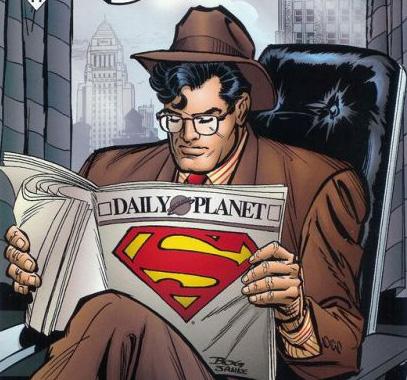
Clark Kent quits? Give me a break

The comic book world – heck, the world in general – noticed something interesting in 1992. That was the year that DC Comics decided to kill off Superman, who died in an epic fight with the bizarre creature Doomsday in the streets of Metropolis.

Now, Superman had died before. Just a few short years earlier, in 1986, the Superman that fans had known since his debut in Action Comics in June 1938 died – in a manner of speaking – when DC decided to reboot the character and jettison a lot of Superman history.

Over the decades, Superman and his alter ego, Daily Planet reporter Clark Kent, had gone through a lot of changes. Kryptonite had come and gone and come again. Clark and Lois married. Heck, Clark even – in the early 1970s – had gone to work in TV, for a Metropolis station owned by the conglomerate that owned the Planet.

But the death of Superman in 1992 drew attention from the world’s news media. I was sitting in a journalism awards ceremony a few months later and heard a clever real life newspaper headline – “Superman rests in crypt tonight” – recognized.

So the world at large paid attention to that development and many others since, including the more recent death of Captain America, the “coming out” of the original Green Lantern and other happenings.

Of course, these comic book developments are common and are frequently undone. Captain America’s sidekick Bucky stayed dead only for so many decades.

So when news broke the other day that Clark Kent had quit his job at the Daily Planet, I rolled my eyes.

Not just because it was another case of the media paying attention to the latest deviation in the quickly-approaching-a-century history of comic books.

But because it seemed like just another cheap stunt to shake things up in comics, an entertainment that does pretty well at movie theaters but struggles in its original print medium sometimes.

But I was also shaking my head because this wasn’t the Clark who had covered every major event since the dawn of World War II, the guy who wore a fedora and raced to the scene of a catastrophe – with a layover to quickly change into red-and-blue tights and take care of the problem.

This wasn’t even the “groovy” Clark who reported on the air for TV in the 1970s.

No, this was the recently rebooted Clark, just 27 years old and a veteran of five whole years in journalism.

This Clark was frustrated by the focus of the Planet and girlfriend-no-more Lois Lane on the trivial: Entertainment and celebrities and fringe players looking to be famous for no good reason.

So that Clark decided, rather than write stories so meaningful that Perry White couldn’t NOT put them on 1-A, to call it quits.

It’ll be interesting to see how long this change lasts – I predict a year, tops – before he goes back to the Planet.

Or maybe DC will do something truly surprising and truly reboot Superman, totally reinventing the character.

I somehow doubt that’ll happen, though.

After all, there’s a reason Superman adopted the identity of Clark Kent. It’s because Clark and other reporters are where the action is. They quickly recognize problems that need to be addressed – particularly in Superman’s early career as a social crusader – and define them as a job for Superman or fodder for a well-written news article.

Want to surprise us, truly surprise us, DC? Either kill Clark Kent – more effectively than you killed Superman two decades ago – and truly shake up the Super status quo or get Clark the hell back to work.

And get off my lawn while you’re at it.
 

Questions about the ‘Iron Man 3’ trailer

So the teaser trailer for “Iron Man 3” came out today and the Interwebs got mighty, mighty excited.

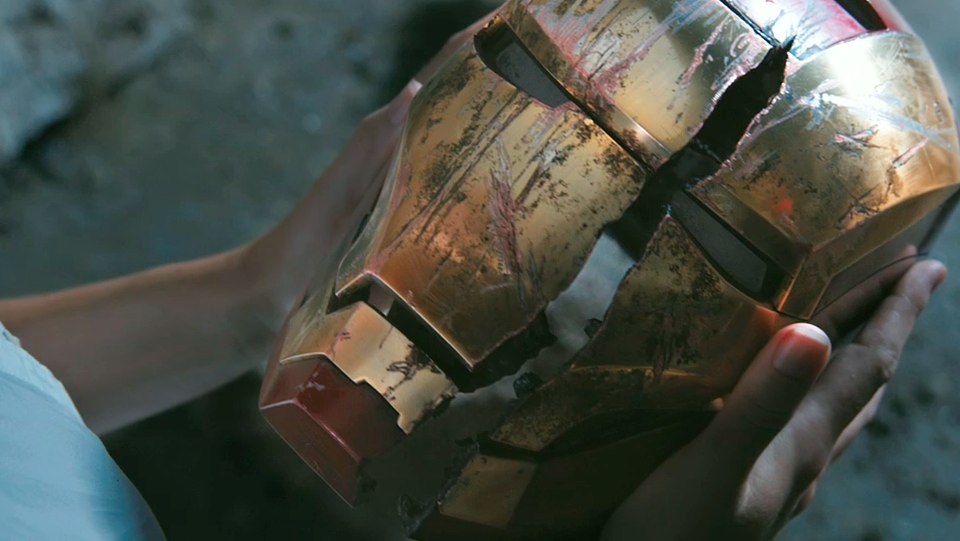
We see Tony Stark in action. We see some sinister doings by Iron Man suits. We see beloved gal pal Pepper Potts having a bad day.

We see Tony Stark himself having a very bad day. Besides getting the heck blown out of his Malibu digs, Tony obviously takes a beating himself.

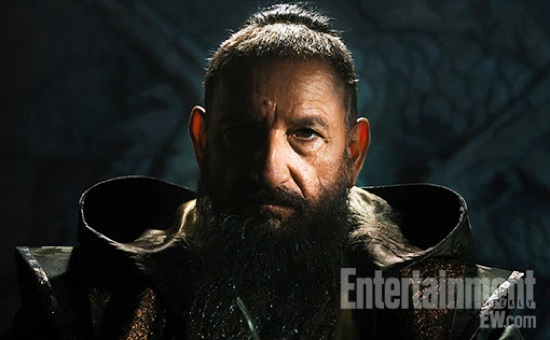
We get our first look at the Mandarin, the longtime Iron Man foe played in the movie by Ben Kingsley. We even get a look at his rings.

A few big questions come to mind.

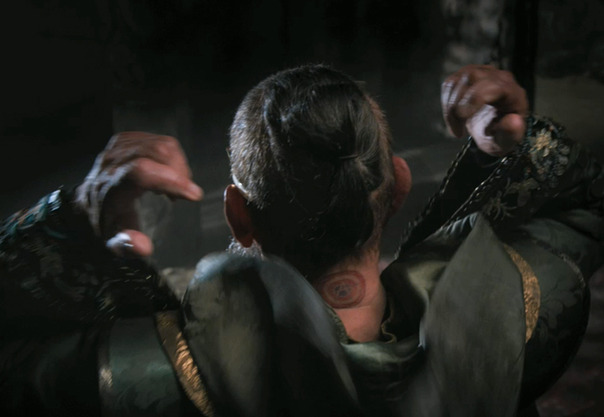
What’s up with the kinda sorta Captain America shield tattooed on the neck of the Mandarin? We’re assuming that’s the Mandarin since we saw Kingsley sporting a hirsute look not unlike the wearer of this tat, which has an “A” in the middle to differentiate it from Cap’s shield.

Is Tony suffering from post traumatic stress disorder? He mentions the battle of New York – as depicted in “The Avengers” – and indicates he’s still troubled.

What’s happening with Happy Hogan? The quick glimpse we set of Jon Favreau’s character looks pretty dire.

Who’s in the Iron Man suit that’s menacing Pepper and Tony? Or is that one of the rumored remote-control suits Tony supposedly creates for the movie?

What the heck happens that destroys all those earlier Iron Man suits?

What’s Tony doing out in the snow?

Director Shane Black’s movie reportedly isolates Tony and gives him huge obstacles and challenges to overcome. The trailer sure makes it look like that’s the case.

Here’s looking forward to May.


‘Justice League’ movie set for 2015: What we want to know

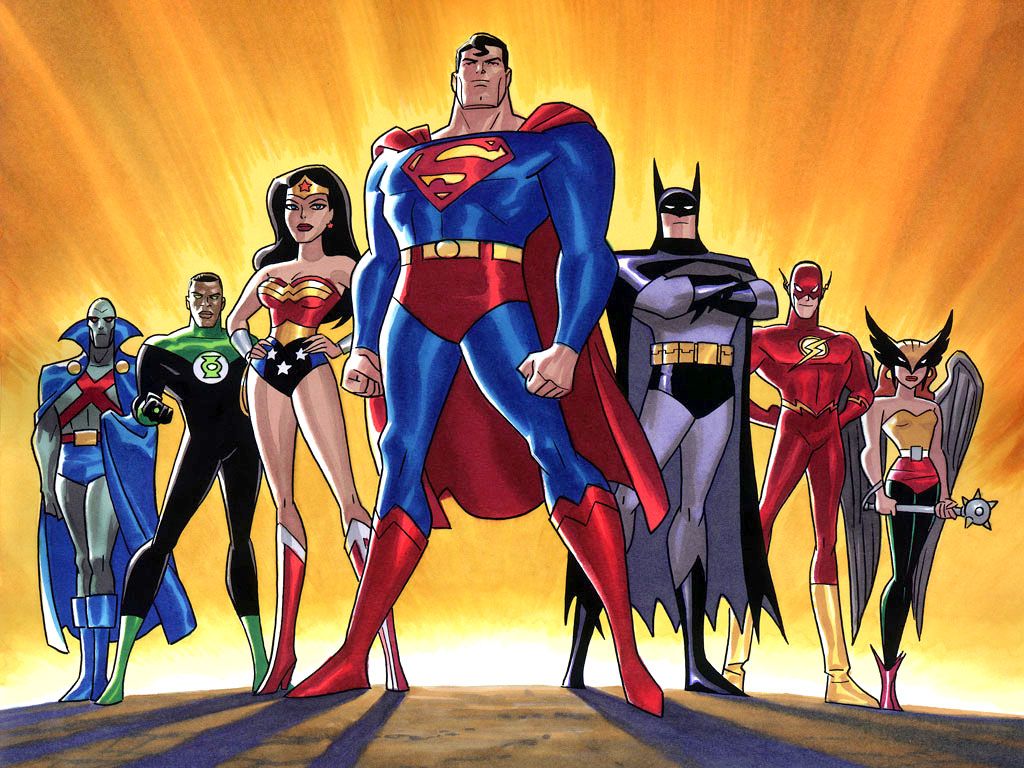
DC Comics won a round – maybe the final round – in the long-running legal battle over rights to the Superman character just yesterday, and today’s L.A. Times says DC/Warner Bros. is planning to release a “Justice League” movie in 2015.

Interesting timing there, DC. It just so happens that the “Avengers” sequel comes out in the summer of 2015.

For years now, DC has been unable to get its rich comic book catalogue onto the big screen in any successful manner besides Christopher Nolan’s “Dark Knight” movies. Although Nolan is overseeing “Man of Steel” for next summer, he and his grim and gritty Batman weren’t a likely fit for a “Justice League” movie.

In other words, it seemed like DC/Warners/Nolan were as ashamed of colorful characters and tights as 20th Century Fox was back when they put the “X-Men” in black leather rather than blue and yellow.

The Times article indicates that DC will not try to introduce its “Justice League” heroes in solo big-screen adventures before teaming them up.

Here are some questions we’ll be interested in seeing answered sometime:

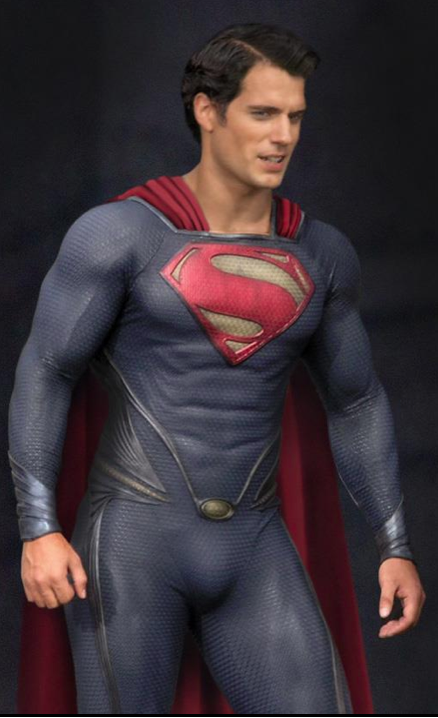
Will Henry Cavill, set to star in “Man of Steel” next year, return as Superman in “Justice League?” Or is Cavill one and done before his movie even comes out?

Will Joseph Gordon-Levitt play Robin John Blake as Batman in “Justice League?” Or will DC ensure that Bruce Wayne is the Batman we’ll see in the team-up movie? And we know that won’t be Christian Bale.

Will they find a “realistic” actress to play Wonder Woman? Or will the Amazon Princess be played by a five-foot-tall, 100-pounder?

Will Ryan Reynolds return as Green Lantern? It seems unlikely. How about making GL the GL that kids know, John Stewart?

Which “other” Leaguers will make the cut? We have to have the Flash. How about Aquaman? One of the Hawks? Cyborg, who’s part of the current comic book lineup?

Will DC’s apparent intention to introduce the characters in the team-up movie – a probably necessary reversal of Marvel’s strategy of introducing the future “Avengers” in solo movies – work?

And can we please, please, please avoid mini-origin stories for each JL member?


Why we should care about ‘Ant-Man’

Disney announced today the Nov. 6, 2015 release of “Ant-Man,” directed by Edgar Wright and featuring the longtime Marvel Comics hero. No casting has yet been announced.

Why should we be excited about “Ant-Man?” He’s just a guy who shrinks, right?

Wrong. Here’s why we’re excited about “Ant-Man.”

Edgar Wright. This is the guy who directed cult classics like “Shaun of the Dead” and “Hot Fuzz.” And he loves Ant-Man. He’ll bring an offbeat approach to a somewhat offbeat hero.

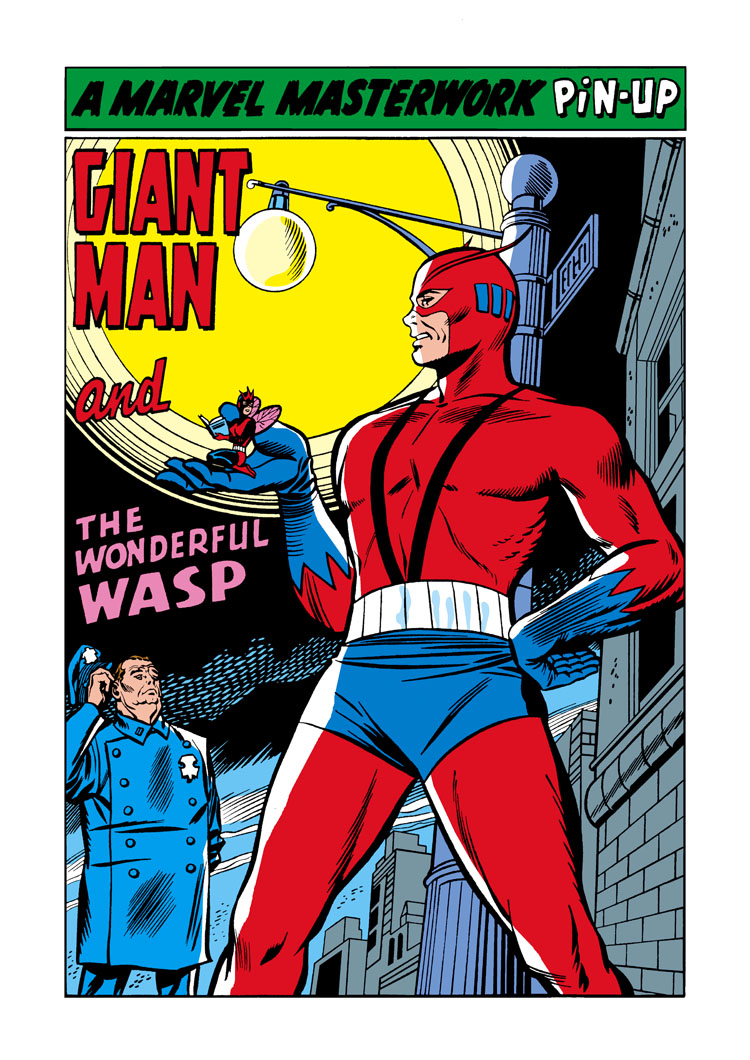
He’s important. Ant-Man, also known as Henry Pym, was a founding member of the Avengers. He’s been there since the beginning – in the comics, at least. He’s linked to the Wasp, his girlfriend/wife Janet Van Dyne, who in the comics gave the team its name.

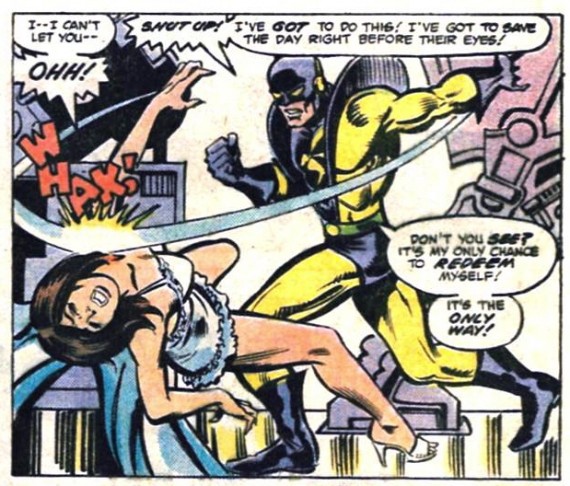
He might be edgy. If they choose to go that way, “Ant-Man” as a solo movie or member of “The Avengers” paves the way for some domestic drama. In some versions of the character, Pym has anger control issues and even abuses his wife. It’s a character point not unlike Tony Stark’s alcoholism. It might not make its way into the movies, but a lot of people will be wondering and speculating, and that creates buzz.

Ant-Man is not Aquaman. I love Aquaman as much as anybody, but he’s (unfairly) received a reputation as the worst member of the Justice League. And to the outside observer, Ant-Man seems just as limited. He shrinks. Hmm. But in reality, Henry Pym has a lot of cool capabilities – apparently the Ant-Man test footage screened this summer at conventions demonstrated this – and they’re not all based around shrinking. Pym has also, at various times, adopted other personnas including Giant-Man (Guess what? He not only shrinks!) and Yellowjacket (Goes with Wasp, get it?). Plus he’s a genius, not unlike Tony Stark and Bruce Banner. Getting Pym on the team will add a lot to the roster.

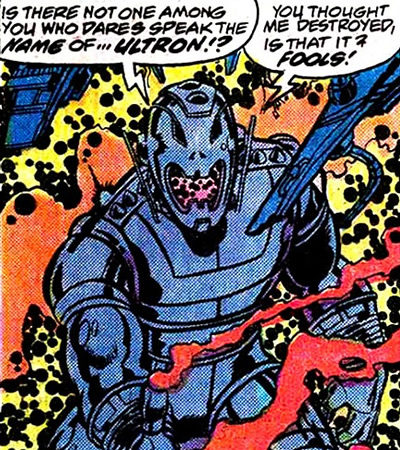
Most of all, Ant-Man’s existence in the Marvel movie universe paves the way for my favorite Avengers villain of all time, Ultron, an android created by Pym who becomes a recurring and deadly enemy for the supergroup. If the next “Avengers” movie – due out a few months before “Ant-Man” – revolves around Thanos – that guy glimpsed in the end credits of “The Avengers” – then Ultron would make a great bad guy for the third movie.

Excited yet?

Shailene Woodley in ‘Spider-Man’ sequel? Gwen’s fate coming?


Word broke today that Shailene Woodley was close to being cast as Mary Jane Watson in the sequel to “The Amazing Spider-Man.”

Woodley, of the “Secret Life of an American Teenager” TV series and the movie “The Descendants,” looks perfectly fine for the part. At just about 21, she still looks like a teenager.

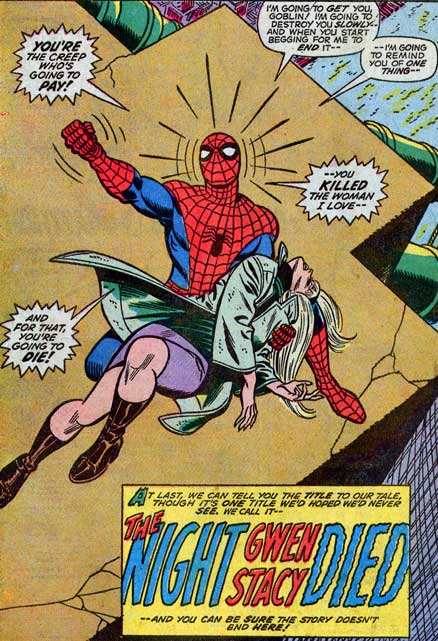
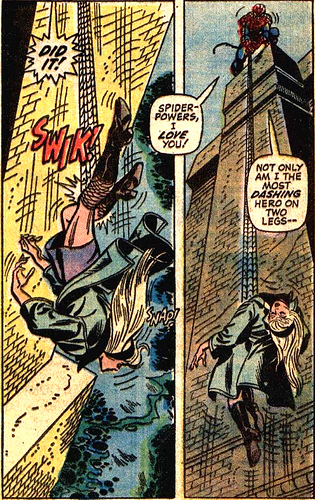
But the news of the addition of Mary Jane to the rebooted “Spider-Man” series carries with it, of course, the implication that director Marc Webb’s series might soon address the famous “Death of Gwen Stacy” storyline from the comics.

Issues 121 and 122 of the original “Amazing Spider-Man” – published in the summer of 1973 – were famous, and justifiably so, for featuring one of the most shocking comic storylines published to that point. In a battle between Spidey and the Green Goblin, Gwen is thrown from the top of a bridge. Spidey shoots a web to catch her and, at first, believes that he has saved her.

Then he realizes the horrible truth.

Gwen’s sacrifice put Peter Parker/Spider-Man back on the market, so to speak, and eventually redhead Mary Jane – a character previously only glimpsed – was introduced.


Granted, the Gwen Stacy story – not including some regrettable retrofitting a few years ago – has been comics history and thus familiar to fans for decades.

But it will be interesting to see how movie fans in general react.

Our favorite geek year: Marvel comics milestones

It’s a staggering thought: Many of the Marvel comics characters that dominate modern movies were created, by a handful of talented artists and writers, within the space of little more than a year about five decades ago.

Sure, everybody knows Marvel of the early 60s was an a creative hothouse. But it’s truly impressive how quickly the staff turned out one soon-to-be classic comic and character after another.

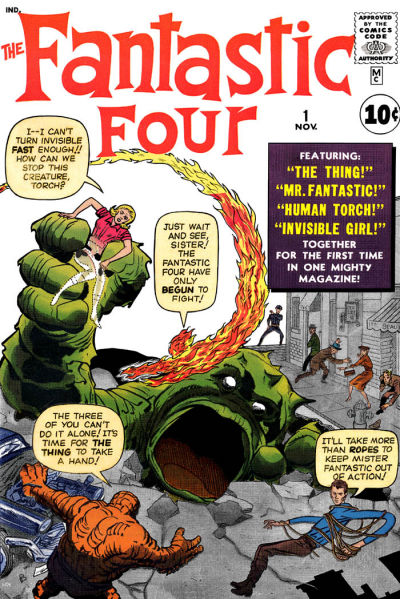
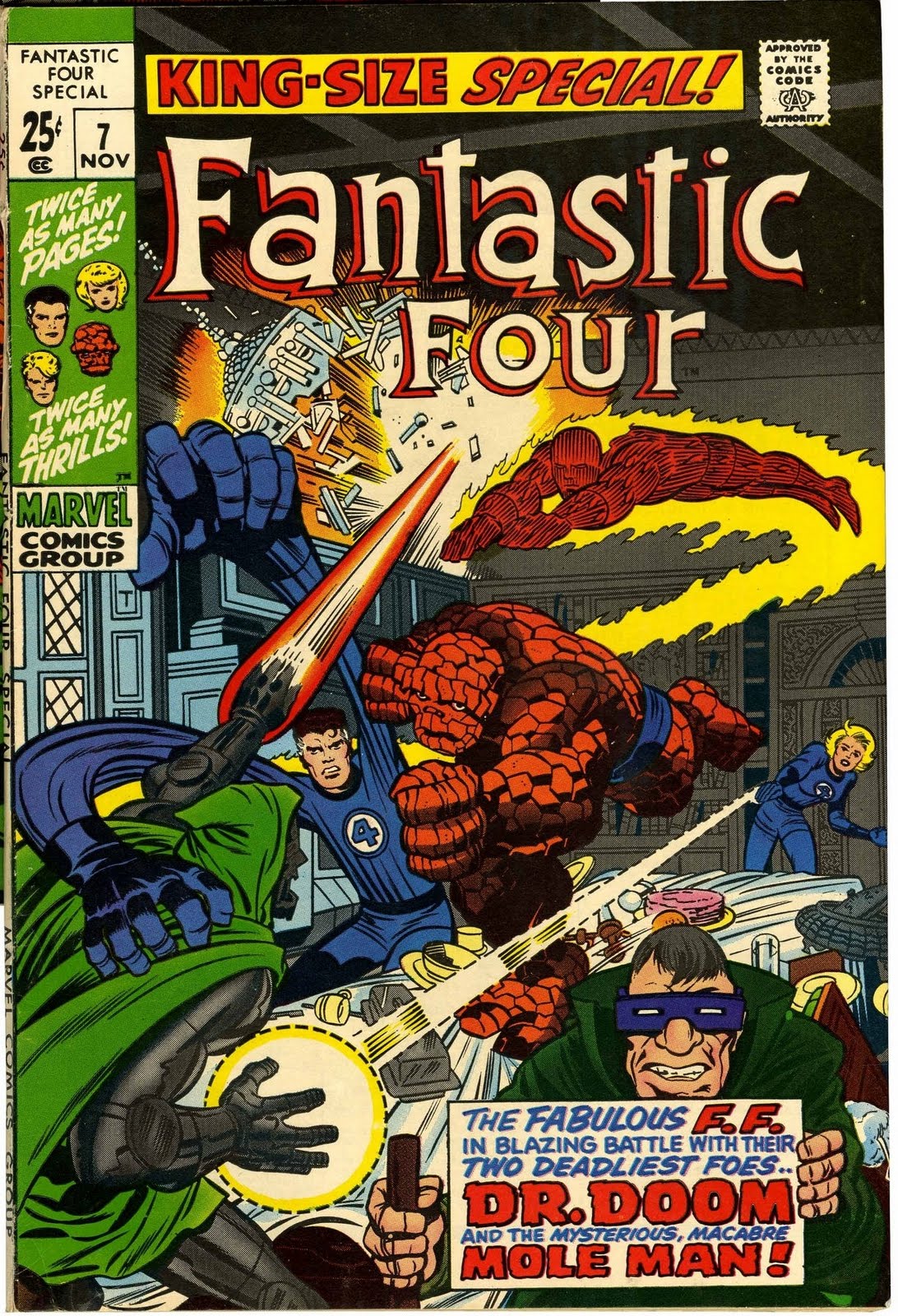
It started with Fantastic Four No. 1, with a cover date of November 1961. An important word about cover dates: Then, as now, comics and magazines were given cover dates that were slightly in advance of the period they were actually available. I’m guessing that if you went to a newsstand (remember those?) today, in early October, you’d find November or December or even January editions of many monthly magazines. The practice was (is?) aimed at making comics and magazines look like they have a longer shelf life (literally). So while FF was dated November 1961, it was in the hands of fans weeks before that.

Writer Stan Lee and artist Jack Kirby (with inker George Klein) introduced Reed Richards and the rest of the FF in that November 1961 issue and Marvel published several issues until, six months later, the first issue of The Incredible Hulk came out in May 1962. To create just the Fantastic Four would be an accomplishment for any two men. But for Lee and Kirby to create the Hulk within weeks or months is truly impressive.

Then things got crazy.

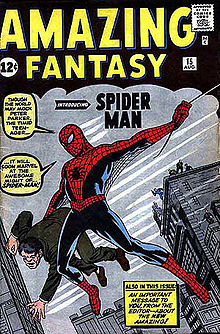
August 1962 saw the publication of Amazing Fantasy No. 15, which fans know introduced Spider-Man and his mild-mannered alter ego, Peter Parker. Lee and artistic genius Steve Ditko get the credit here for creating one of the world’s most enduring superhero characters.

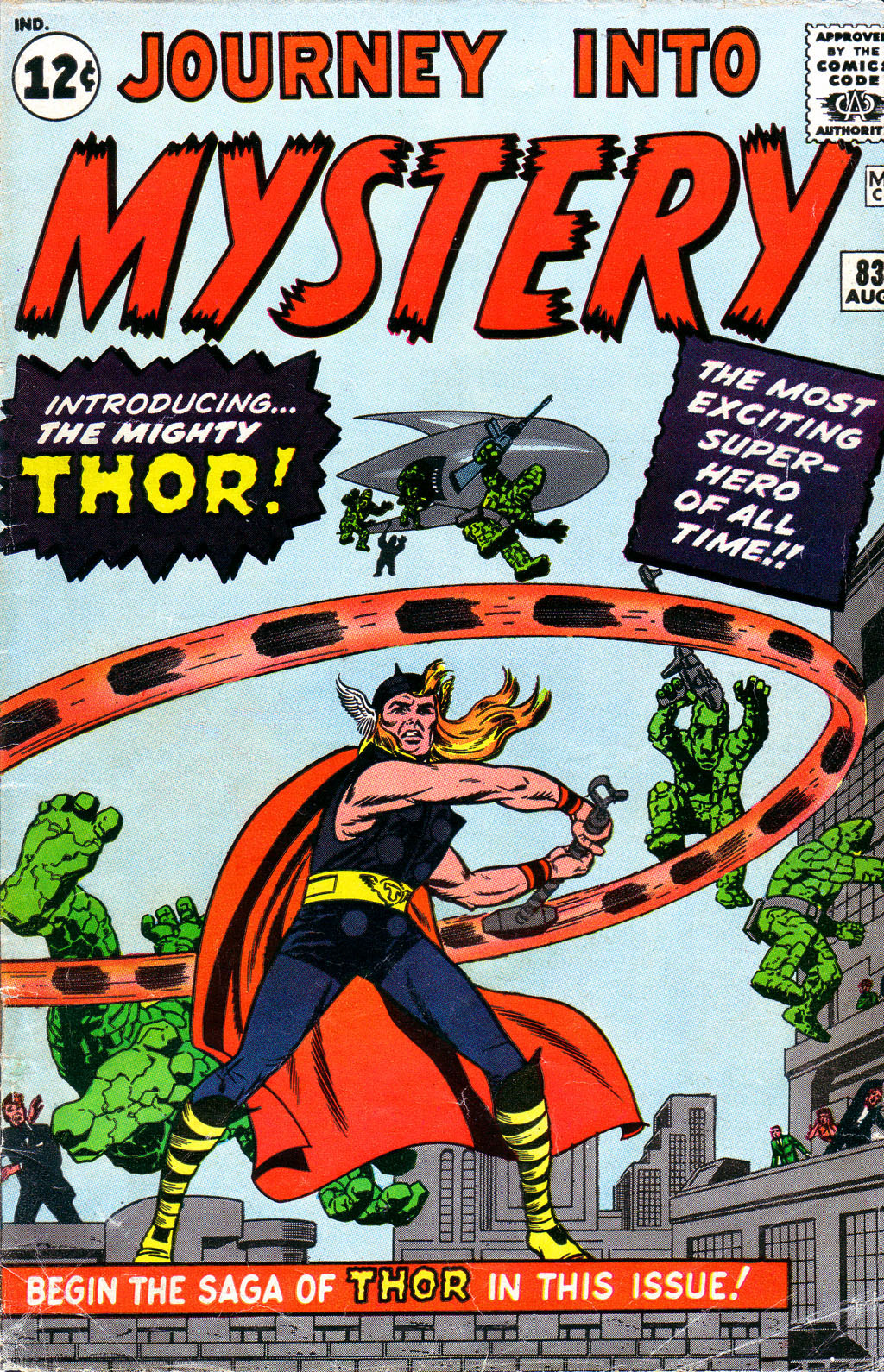
That same month, August 1962, saw Journey into Mystery No. 83, with Lee and his brother, Larry Lieber, behind the plot and script and Kirby and inker Joe Sinnott introducing none other than Thor.

(Now keep in mind that during this time, Marvel continued to produce follow-up issues of FF and Hulk.)

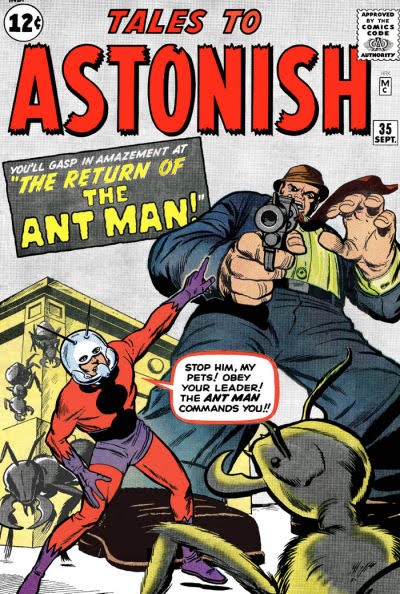
In September 1962, Lee, Lieber, Kirby and Dick Ayers gave the world Tales to Astonish No. 35, introducing scientist Henry Pym, better known as Ant-Man.

Remember, by this point, we’re still not a year past the introduction of the FF.

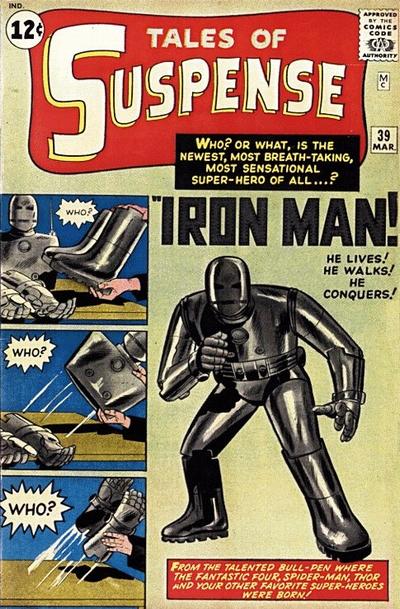
By March 1963, another major character was introduced when Iron Man debuted in Tales of Suspense No. 39. Lee and Lieber and artist Don Heck were the men behind the future Avenger.

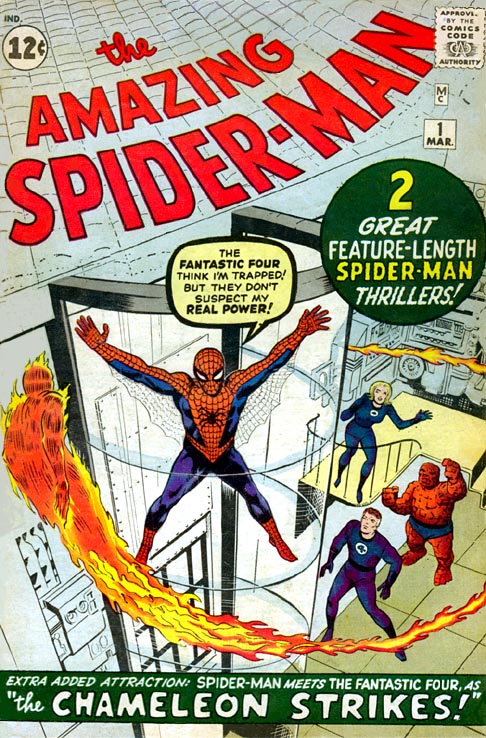
That same month, the unexpected response to Amazing Fantasy No. 15 led to the debut of Amazing Spider-Man No. 1, by Lee and Ditko.

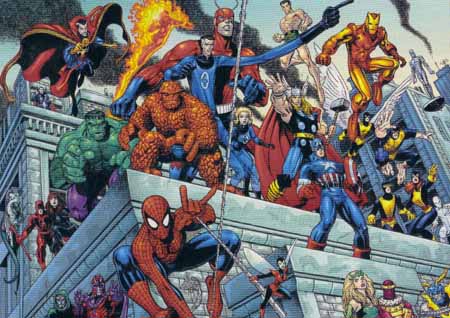
The Marvel era was firmly in place in September 1963 with the debut of Avengers No. 1, featuring characters from the recent Marvel comics teaming up. Lee and Kirby and inker Ayers were reacting to – but actually topping – DC’s Justice League.

So, in the space of less than two years – little more than a year if you’re counting only the debuts of most of these characters – Lee, Kirby, Ditko and their cohorts gave us characters that not only entertained many readers but laid the foundation for the biggest movie hits of today.

‘Fantastic Four,’ ‘X-Men’ movies getting back on track?

We’re accustomed by now to how Marvel’s in-house movie process works – and how well it works. With “The Avengers” done and Marvel’s big-screen “phase two” on the calendar, leading up to an “Avengers” sequel in 2015, the comic characters controled by Marvel seem on track.

This week, news broke of moves that could help ensure some continuity for other Marvel characters that don’t fall under Marvel’s control.

No surprise here, really, but “Amazing Spider-Man” director Marc Webb and star Andrew Garfield will return for a sequel and Emma Stone is likely to return as Gwen Stacy.

There were a number of things to like about Webb’s first shot with the character. While the Lizard wasn’t a compelling antagonist, Garfield and Stone were well-cast and had great chemistry. The tone of the movie was right, although the story failed in its (I think) misguided efforts to build some mystery into Peter Parker’s past.

But the movie was pretty entertaining and a sequel – without the burden of having to explain the origin story yet again – could be fun.

Maybe more importantly, 20th Century Fox announced this week that they’ve signed longtime comic writer Mark Millar to consult on future film adaptations of Marvel comics like “Fantastic Four” and “X-Men.”

Millar’s Ultimate X-Men comic forged a new direction for the longtime super team and his Ultimates take on the Avengers influenced the movie version.

Millar has plenty of experience writing comics, but more importantly he might be a creative decision-maker not unlike Joss Whedon has become for Marvel’s in-house movies.

Marvel movies producer Kevin Feige provided the structure and strategy that led to Whedon’s “The Avengers.” Whedon might also help shape the future of Marvel movies. It’s the kind of long-term cohesive thinking that Warner Bros. wishes it had with its DC adaptations.

It’s too much to hope for, but Millar’s role in both these properties might also lead to some cross-over on film.

Cool new ‘Avengers’ poster

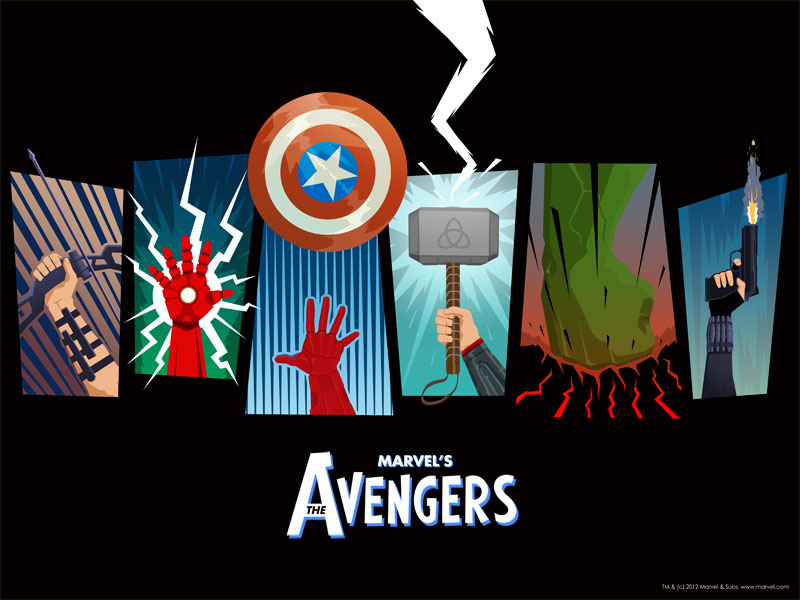
How cool is this? Artist Matthew Ferguson created this poster, part of a promotional set of four available in connection with the purchase of “The Avengers” on DVD.

There’s something kind of reminiscent of the end credits of “The Incredibles,” here, a Saul Bass kind of vibe.

Beautiful.

Check out Ferguson’s site here.


Classic heroes: The Green Hornet

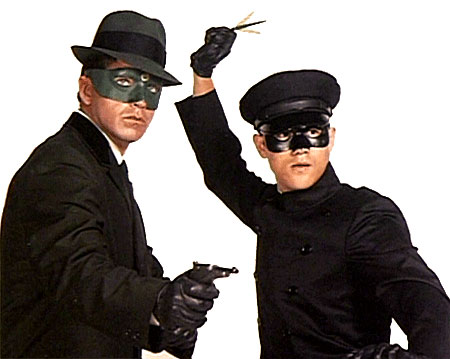
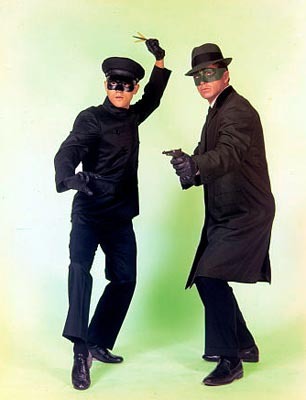
I became aware of the Green Hornet, masked crimefighter with a cool car and an even cooler sidekick, at the time of the 1966 TV series featuring Van Williams and Bruce Lee. The show ran only a season but the two also appeared in a high-profile, two-part guest-starring shot on ABC’s campy hit “Batman” series.

While they’re enjoyable to watch to this day, the two “Batman” episodes featuring the Green Hornet and Kato squaring off against and pairing up with Batman and Robin (Adam West and Burt Ward, of course) seem like an odd fit. “Batman” was goofy but the “Green Hornet” series was played absolutely straight.

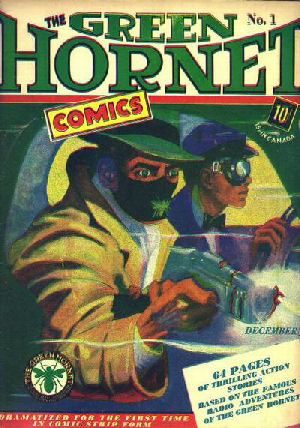
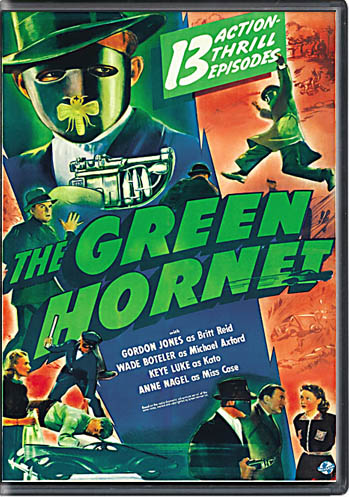
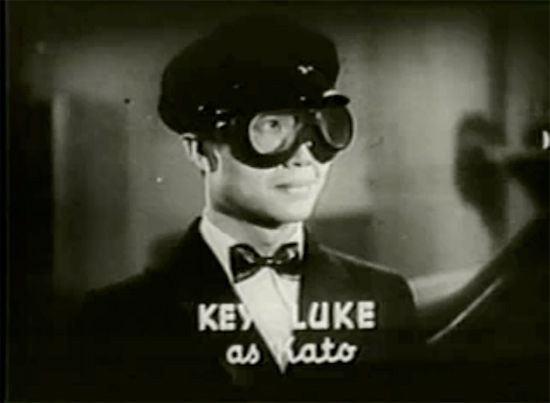
That’s because the series, with Williams playing crime-busting newspaper publisher Britt Reid and Lee as his valet/sidekick Kato, followed the custom of the radio show that introduced the character in 1936.

Reid and Kato, while conducting normal, upstanding lives during the daylight hours, put on masks, arm themselves with Hornet “stings” and other non-lethal weapons and cruise through big-city back alleys at night, fighting crime and righting wrongs.

Not unlike some versions of Batman, the Green Hornet and Kato are considered criminals themselves. Their status as lawbreakers lets them fit right into the criminal underworld in their efforts to destroy it.

The 1960s “Green Hornet” series was played for drama and some ironic humor, particularly when Reid’s newspaper staff vowed to expose the Hornet’s crimes. But unlike the “Batman” series, the “Green Hornet” series featured gritty settings, straightforward stories and criminals who were less flamboyant and more murderous.

I didn’t see the Seth Rogen “Green Hornet” movie and I’m not sure I will. The reviews were pretty awful and I don’t think there was much to gain by turning “The Green Hornet” into a comedy at this point in the character’s history.

Fun fact: The Green Hornet is related to another great radio/serial/TV/comic book hero, the Lone Ranger. The producers of the radio show also produced the popular “Lone Ranger” series and noted that Britt Reid was the great-nephew of John Reid, the Texas Ranger who became the Lone Ranger after the rest of his posse were ambushed by outlaws.