Category Archives: horror films

The Essential Geek Library: The Film Classics Library

It was 1974 and the videocassette recorder was, at least for home use, still on the distant horizon. If movie fans wanted to relive a favorite classic movie, they had few choices. The could wait for an art-house re-release. They could hope to catch it on late-night local TV.

Or they could buy Richard J. Anobile’s Film Classics Library.

Published by Avon and selling for the then-substantial price of $4.95, Anobile’s Film Classics Library was the closest thing to owning a copy of a favorite film that most of us fans could imagine … up until the time we could actually own a copy of a favorite film.

Looking back from the perspective of today’s instant access for movie fans – Want to see a movie? Pop in your disc. Watch it on On Demand. Stream it online. – Anobile’s books were ingenious and just what we needed back then.

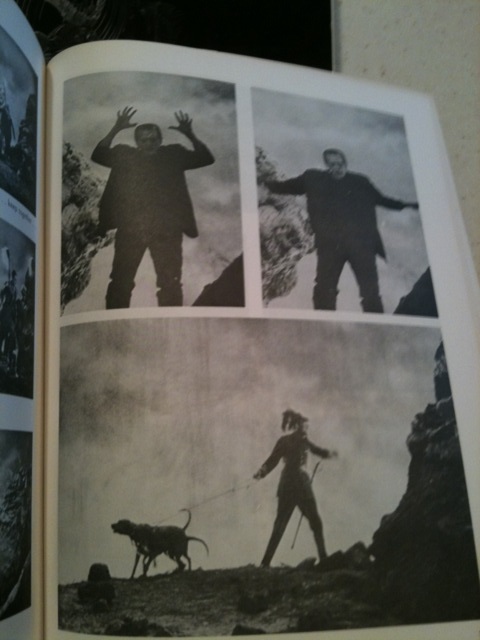
Each movie was recreated in the pages of the oversize paperback through every line of dialogue and more than 1,000 frame blow-ups.

The books were, in a way, like comic books. Anobile took images and dialogue from the movies and reproduced them, in sequence, in such a manner that readers could relive the films.

Everything was included except for movement and audio. Opening and closing credits are included, as are lap dissolves and fades, which, Anobile noted, preserve the feel of the film.

I spent hours of my adolescence studying these books, looking at the still shots and reading the dialogue.

I still own two of the entries from the series, covering James Whale’s “Frankenstein” and Alfred Hitchcock’s “Psycho.” I remember but don’t own Anobile’s recapturing of “Casablanca.” Checking around online today, it appears editions of “The Maltese Falcon” and Buster Keaton’s “The General” were also released.

A few other movies and TV shows, including “Star Trek,” received a similar treatment before the advent of VCRs. None of those later books could match the classic appeal of the FIlm Classics Library.

The essential geek library: ‘Cult Movies’ by Danny Peary

Back in the old days, everything you wanted to know about movies and TV shows and comic books – their makers, their history, their detractors, their weird variations – wasn’t available for perusal at the click of a mouse.

No, children, we had books back then, and they were wonderful resources.

For a few decades, I amassed a collection of books about movies and TV and comics. They were my encyclopedias, my Bibles. I read and re-read them, memorizing facts and committing the photographs to memory.

So I thought I would occasionally mention some of these books here for you. Maybe you’ve got your own copies. Maybe you can find them in used bookstores or on Amazon. Maybe some will still be in print.

Danny Peary’s “Cult Movies” is a good place to start. Published in 1981 and subtitled “The Classics, the Sleepers, the Weird and the Wonderful,” Peary’s book lives up to its name. The dozens of movies he writes about in the first book (three volumes total were published) range from beloved classics like “The Wizard of Oz” to still-at-the-time controversial films like “The Texas Chainsaw Massacre” to “2001” to “Vertigo.”

Peary devotes three or four pages to each movie. He lists the cast and key creative positions and gives a synopsis. He then goes into detail about what made the movies cult films.

Peary tells how director George Romero made “Night of the Living Dead,” from its hardscrabble production to its difficult distribution to its reception by audiences and critics.

He has real insight into the movies he covers.

“Pessimistic and unsentimental, ‘Living Dead’ is so effective because it is totally without pretension,” he notes. “It works on basic fears: unrelenting terror, monsters, darkness, claustrophobia. ‘Aliens’ attack us on American soil; protectors, even blood relations, turn on one another.” He notes how the black and white photography, a side effect of its low budget, made it more effective in some ways (anyone see the recent black-and-white presentation of the pilot for “The Walking Dead?”) but worked against it (Columbia Pictures wouldn’t distribute the film because it wasn’t in color) in others.

Peary, who is still actively writing, although not books about movies, brings the right amounts of reverence and criticism to these great but oddball movies. He and his books are what every modern-day movie and pop culture blogger aspires to be.

Freak out: Scary stuff that haunted me

Just ask anyone who’s ever walked up behind me when I was vacuuming and they’ll tell you I’m pretty easy to freak out.

Maybe it was the combination of an overactive imagination and a childhood home that was supposedly haunted, but I’ve always been spookable. I’m not squeamish; blood and gore don’t bother me particularly, especially not in horror movies.

But subtle stuff – a shadowy figure in the distance, a pallid face outside a window – in movies really makes me squirm.

Herewith, some stuff that freaked me out in my younger, impressionable years.

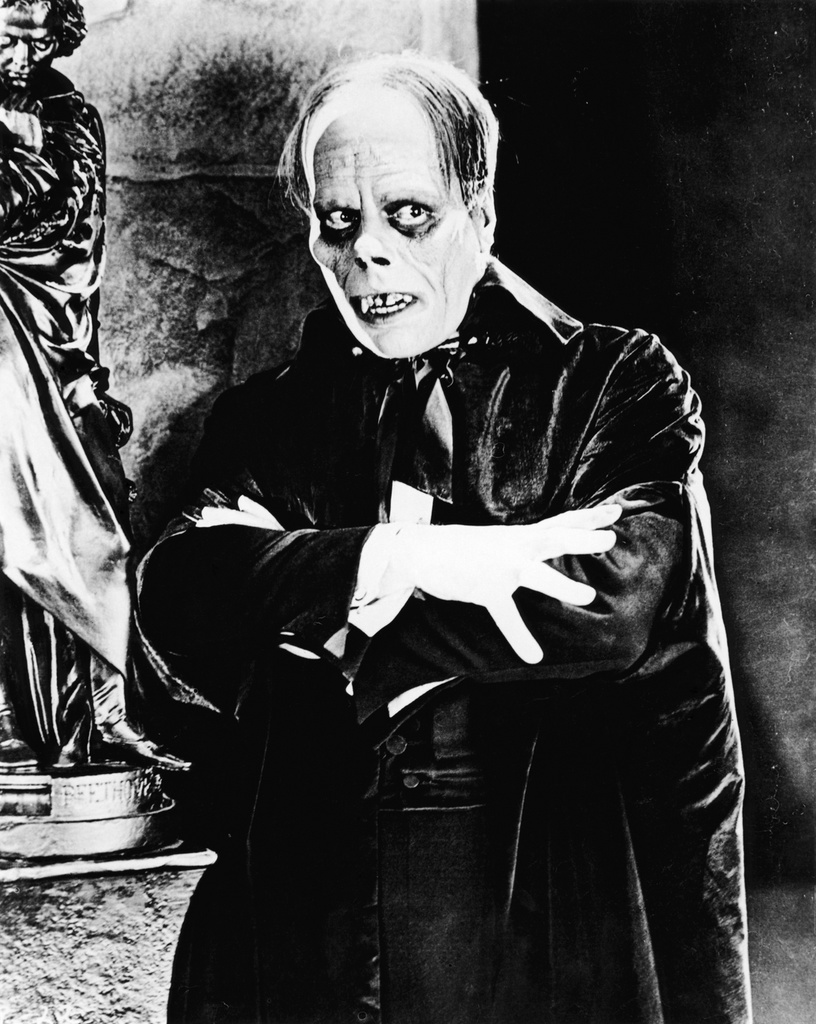
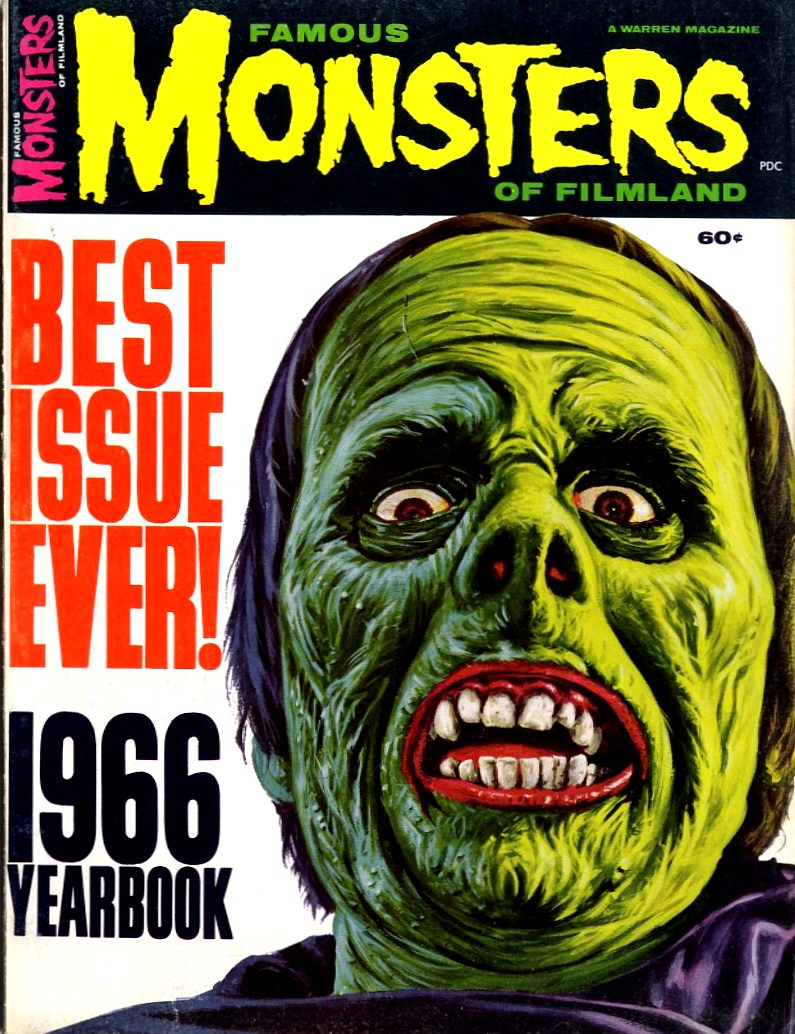
Lon Chaney in the 1925 “Phantom of the Opera.” Who wouldn’t be a little freaked out by that face? Mary Philbin and I were in good company in our reactions to Chaney’s masterpiece, both in terms of his film work and his makeup work. In Famous Monsters of Filmland I read all about how Chaney achieved this cadaverous look, manipulating his nose and cheekbones and eyes. But even though I knew Chaney’s secrets, that face made an impression.

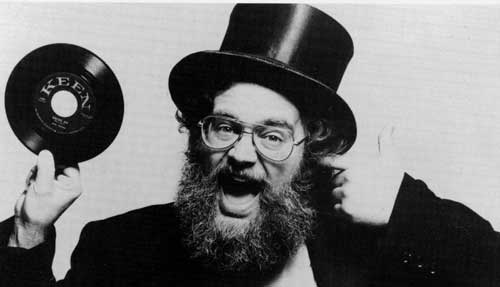
The Suicide Song on Dr. Demento. If you’re not hep to what the nerdy kids listened to in the 1970s and 1980s, Dr. Demento hosted a syndicated radio show playing offbeat songs like “Fish Heads” and “Shaving Cream.” The oddball doctor introduced a nation of youngsters to the work of Spike Jones and helped launch the career of Weird Al Yankovic. But the song that Demento played that sticks with me, 30-plus years later, was “The Suicide Song.” What was it? Incredibly enough, I can’t seem to find it online. There’s a listing of songs played on the show that includes it but I can’t find an audio or video snippet, which makes me wonder if I’m mis-remembering the name. But once I hear the song again – and its dirge-like, monotone recitation of dire lyrics – I’ll get goosebumps all over again.

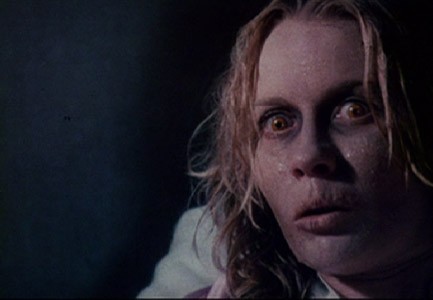
“Who are you?” from “Beyond the Door.” The 1974 Italian import “Beyond the Door” was considered little more than a rip-off of “The Omen” and “The Exorcist” with its plot about demonic possession. It’s a curiosity, maybe especially because of its star, British actress Juliet Mills, best known stateside for the sugary sitcom “Nanny and the Professor.” But when I think of “Beyond the Door,” I think of the late-night commercials for the movie showing clips of Mills levitating and twisting around and – unforgettably for me – intoning in a freaky bass voice “Who are  you?” I’m battling the heebie jeebies here.

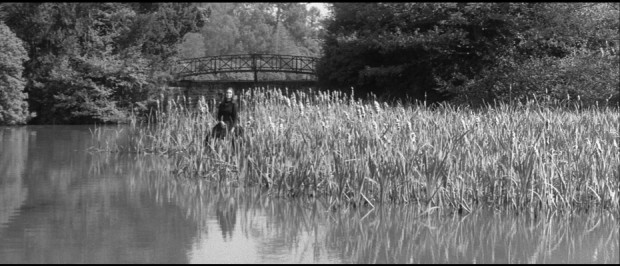
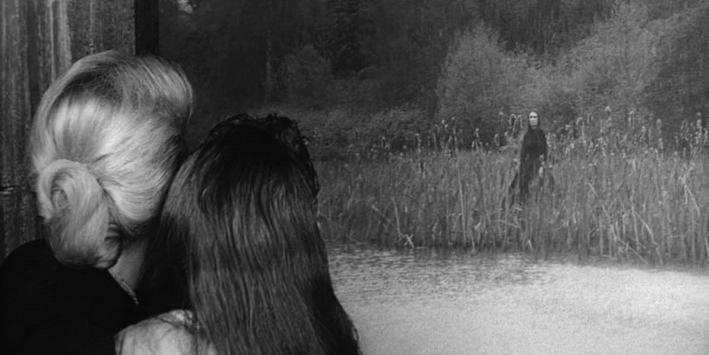
The ghosts in “The Innocents.” I’m not sure any movie is scarier than “The Innocents,” director Jack Clayton’s adaptation of Henry James’ “The Turn of the Screw.” The story of a governess going to a remote castle to take care of two truly strange children, “The Innocents” introduces a couple of the creepiest ghosts ever. And it does so in a totally freaky way: By having them stand, motionless, across ponds or outside windows.

I don’t know about you, but as far as I’m concerned, silent, unmoving figures watching me from a distance is more unnerving than a chainsaw-wielding maniac.

Unless he taps me on the shoulder while I’m running the vacuum cleaner.


‘Abraham Lincoln: Vampire Hunter’ – the book was better

I wanted to like the movie version of “Abraham Lincoln: Vampire Hunter.” At least, I wanted to like it a lot more than I did.

Seth Grahame-Smith’s 2010 novel is one of my favorite books in the least couple of years. It is audacious and clever and plays it absolutely straight in telling the hidden history of our 16th president: Lincoln spent much of his life killing the monsters that took his mother away from him (and their comrades), gradually discovering that vampires are at the heart of the conflict tearing the nation apart and propelling it toward Civil War.

Grahame-Smith made vampires among the forces bolstering the Confederacy because of the ready-made sustenance slaves presented for the undead.

Laugh if you want at the outrageousness of Grahame-Smith’s story, but it worked. Lincoln was never treated as a ridiculous figure. And blaming vampires for some of the tragic turns of Lincoln’s life served the plot well.

So I had fairly high hopes for Timur Bekmambatov’s film, adapted by Grahame-Smith himself and starring Benjamin Walker as Lincoln.

My hopes persisted even after I saw footage that seemed to indicate the movie replaced the somber tone of the book’s story with over-the-top action scenes.

After seeing the movie today, I have to say the film gets some things right but goes dreadfully astray with others.

First, the good:

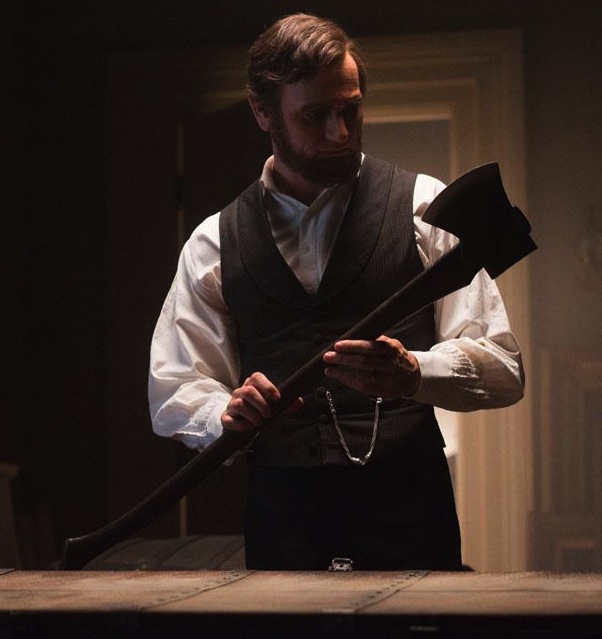
Lincoln’s character is spot on. Walker plays him with the absolute correct amount of gravitas and sorrow. Since much of the movie’s plot – like the book’s storyline – takes place before Lincoln gets to the White House, Walker is quite good as a young, athletic Lincoln, the rail-splitter who knew how to handle an axe.

The mysterious Henry. Dominic Cooper is good as Henry, Lincoln’s mentor in vampire-killing, who has some secrets of his own. In the book, there’s a real tension between the two as Lincoln wants to take revenge on the vampire who killed his mother and Henry strings him along, setting him up to meet and kill other vampires. There’s a bit of that tension in the movie (although not enough).

The tone. While the movie is infinitely flashier and more action-filled than the book, the sorrowful feel of the story – which matches the tragic events of Lincoln’s life – feels right.

The action. Although they were out of left field, two big action set pieces in the movie are quite fun. In one, Lincoln pursues his mother’s killer through a herd of wild horses. In the second, the heroes fight the bad guys on a moving train. There’s the perfect amount of collapsing train trestles and moments when people almost slip off the tops of rail cars.

What doesn’t work, with the biggest minus saved for last (spoilers when we get there):

The Black Best Friend. In the movie, Lincoln has a lifelong friend, William (Anthony Mackie), a free black man who joins in the fight against vampires. William has some very cool scenes and dishes out punishment to vampires about as well as Lincoln does. But the character, which didn’t exist in the book, feels shoehorned into the story.

So does the villain, Adam, played by Rufus Sewell. In the book, a conspiracy of Southerners, sympathizers and vampires make up Lincoln’s shadowy enemies. In the movie, most of the emphasis is placed on Adam, a 5,000-year-old vampire who’s part of the slaves-for-food plot but mostly seems like a character created to give Lincoln somebody to kill in the final reel.

The de-emphasized role of slavery. In the book, slavery and vampires go hand-in-hand. In the movie, the relationship – and the foul strengths vampirism brings to the Confederacy – feel like it’s fairly glossed over.

The final scene (spoilers!). In the movie, after Lincoln and Henry triumph over evil vampire Adam, Henry urges Lincoln to allow him to turn the president into a vampire so the two can fight evil together through eternity. Lincoln dismisses the idea and goes off to Ford’s Theatre and his destiny. Flash forward to present-day when Henry appears to foil a presidential assassination attempt.

That’s it?

How about this for an ending, right out of the book: After the war is won, vampire John Wilkes Booth shoots Lincoln in Ford’s Theatre. Henry tracks Booth and kills him. Henry returns to Lincoln’s side. Flash forward a century. Two distinctive men watch as Martin Luther King Jr. gives his “I have a dream” speech, the Lincoln Memorial nearby. The men are Henry and Lincoln.

Henry observes, “Some men are just too interesting to die.”

The finale of the book was so much better, so much stronger, that changing it, taking Lincoln out of it, very nearly ruined the movie for me.

If you haven’t read “Abraham Lincoln: Vampire Hunter,” you might like the movie’s enjoyably wild action scenes and its heartfelt portrayal of our most tragic president.

If you’ve read the book, the movie will leave you wondering what happened.
Unsung actors: RIP Richard Lynch

Richard Lynch is another of those Hollywood actors whose name you might not recognize. But once you see his face, you think, “Yeah! I know that guy!”

With Lynch, who died this week at his home in Palm Springs, California, there was another reason he was so memorable.

Some of the obits for Lynch, who was 76, note his scarred face. Some attribute it to injuries he suffered in an accident in the 1960s.

Whatever the cause of Lynch’s unusual looks, he used those, his Draco Malfoy-blond hair and his distinctive voice – a mixture of distinctive and gravelly – to make an impression on a generation of movie and TV fans.

For me, Lynch was best known for playing a vampire reborn in modern-day in the 1979 TV thriller “Vampire.” I didn’t know until I read his obits that the TV movie, which was made on the cheap but had an impressive cast and some nice visuals, was a pilot for a TV series. It would have been cool to see Lynch menacing the show’s heroes each week.

Lynch was also familiar to geeks for his role as the villain in the low-budget sword-and-sorcery flick “The Sword and the Sorcerer,” released in 1982.

He had an impressive TV resume that included guest appearances on shows ranging from “The Streets of San Francisco” to “The Bionic Woman” to “Starsky and Hutch” to “Galactica 1980” to “The Fall Guy.”

More recently he starred in a lot of low-budget horror films and appeared in the Rob Zombie “Halloween” remake.

Richard Lynch might not get included in the “In Memoriam” video shown at next year’s Academy Awards. But he’s the kind of memorable character actor that the movie and TV industry is built on.

Watch and worry: World War Z, Robopocalypse and Abraham Lincoln: Vampire Hunter

There’s a special feeling of dread among some of us when our favorite books get adapted into movies.

How many times have we been disappointed when books we loved were turned into mediocre movies? Sure the books are still there, untouched — with the exception of maybe a new cover for marketing purposes — and ready to read again and again. But a stinker of a movie adaptation puts a cloud over the original book, at least in my mind. Can’t help it.

So it’s with varying mixtures of excitement and dread — I’m looking at  you, Brad Pitt — that I’m anticipating these three movie adaptations of some recent favorite books.

“Abraham Lincoln: Vampire Hunter” comes out Friday (June 22) and I don’t have any real reason to worry that the movie, directed by Timur Bekmambetov and written by Seth Grahame-Smith, the author of the novel, will be anything but good.

But I’m a little worried about the public and critical reaction to the movie.

“Abraham Lincoln: Vampire Hunter” is a terrific book, a serious-minded fantasy that postulates the 16th president as a vampire-slaying action hero from an early age. The book details how Lincoln, spurred on by the death of his mother at the hands of a vampire, dedicates his life to slaying them. He has help on his quest from a mysterious mentor and soon discovers that vampires are closely allied to Confederate forces and slavery is feeding the vampire plague (literally).

But like “Buffy the Vampire Slayer,” “AL:VH” has a facetious-sounding title that is as likely to inspire snickers as interest. I’m hoping for the best that the movie plays it as straight as the book.

Further into the future comes the movie adaptation of “Robopocalypse,” Daniel H. Wilson’s 2011 science fiction novel about the rise of artificial intelligence and the threat it poses to humanity.

Wilson’s book takes readers from the early days of AI self-awareness to the final battle, on the tundra of the frozen north, that saves humanity. It’s a fantastic story – in every sense of the word — but Wilson makes it all seem perfectly believable.

Director Steven Spielberg is supposedly in line to film “Robopocalypse” for release some time in the next couple of years.

“Robopocalypse” has the kind of plot and reader-friendly narrator that Max Brooks’ novel “World War Z” does not.

While “World War Z” is one of my favorite recent science fiction/horror novels, it only takes one reading to understand that it might be hard to film. It is an episodic story that rarely repeats characters and flashes from place to place on the globe, telling the story of how the planet is overrun by zombies and how humans fight back.

“World War Z” is a clever and exciting read and, considering the popularity of zombie fiction right now (especially “The Walking Dead”), is probably a natural for a big-screen adaptation.

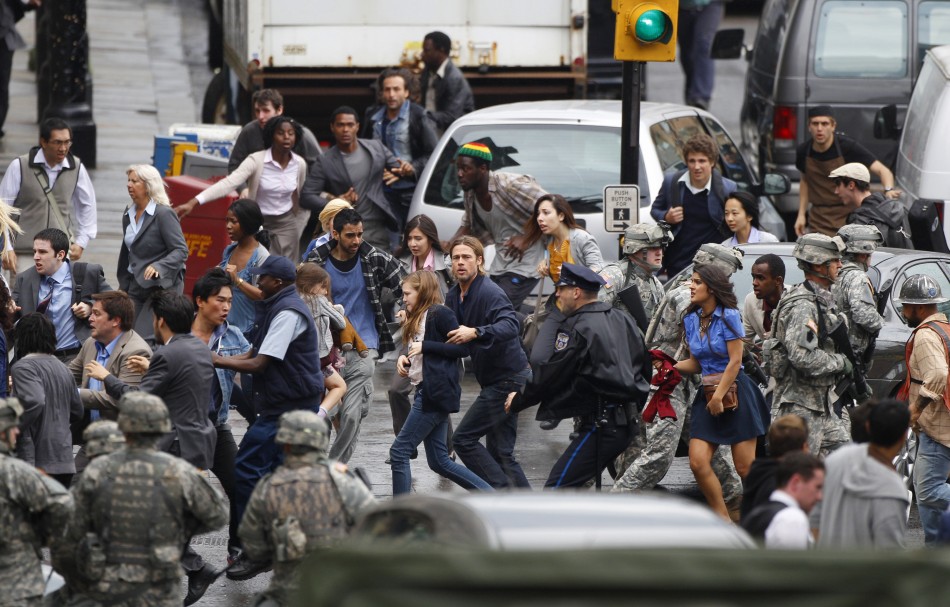
But early on in the making of the movie, directed by Marc Forster and starring Brad Pitt, warning signs started going off.

First of all, the episodic nature of the book left no room for a character like the one Pitt plays. If the book was faithfully adapted, no character would have more than a few minutes on screen, as his or her story unfolded.

Then suggestions of the movie’s plot — a race against time around the world to stop a zombie apocalypse — made it clear that the movie’s story had little to do with the book.

Now the movie has been pushed back from a December 2012 release to summer 2013, writer Damon Lindloff (“Lost”) has been brought in to rewrite portions of the script with an eye toward re-filming portions of the movie, the bulk of which has already been shot.

Of course, this means that the budget is ballooning.

I’m hopeful that the makers of “Abraham Lincoln: Vampire Hunter” will get it right. We’ll know soon, anyway. We won’t know until 2013 how badly “World War Z” is screwed up (because I’m increasingly certain that it will be). And we’ll see how Spielberg does with “Robopocalypse.”

Monster World memories: Captain Company

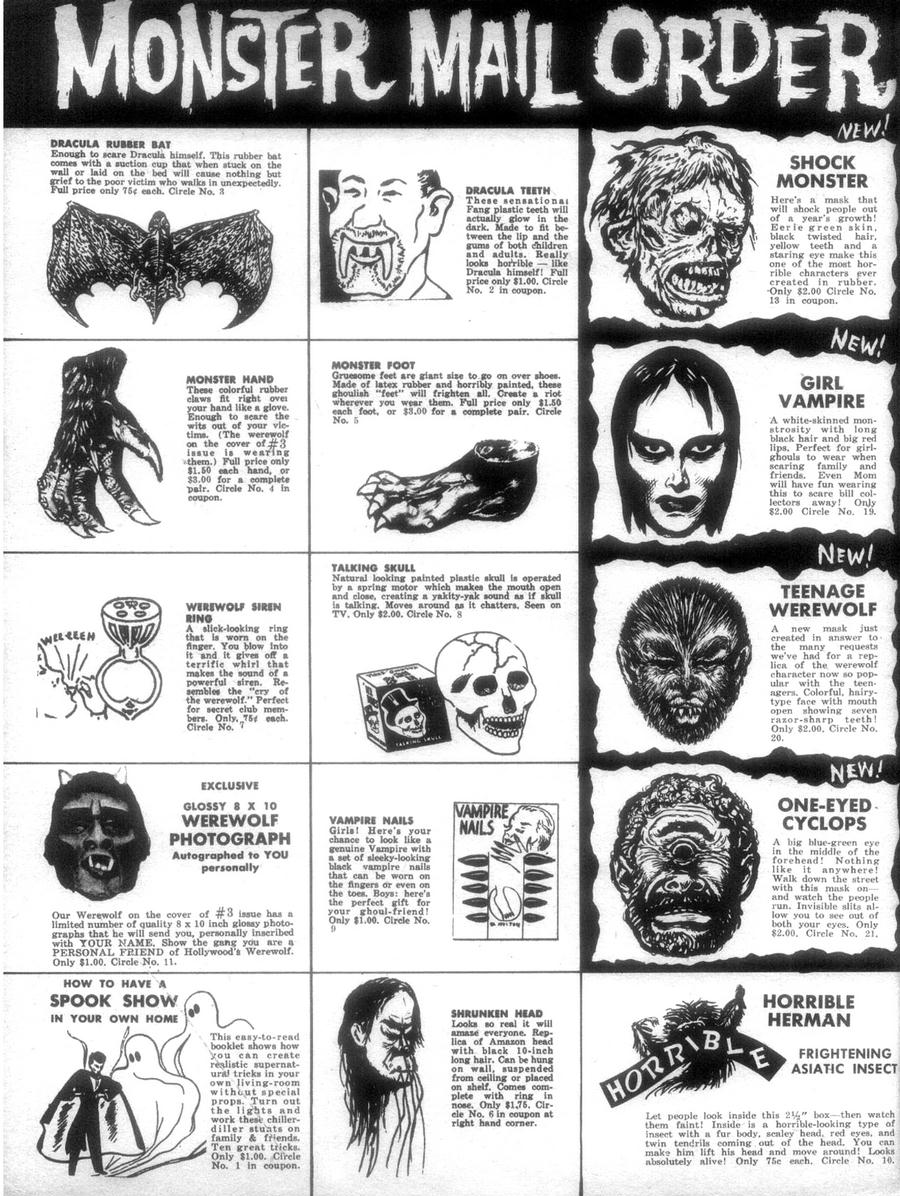
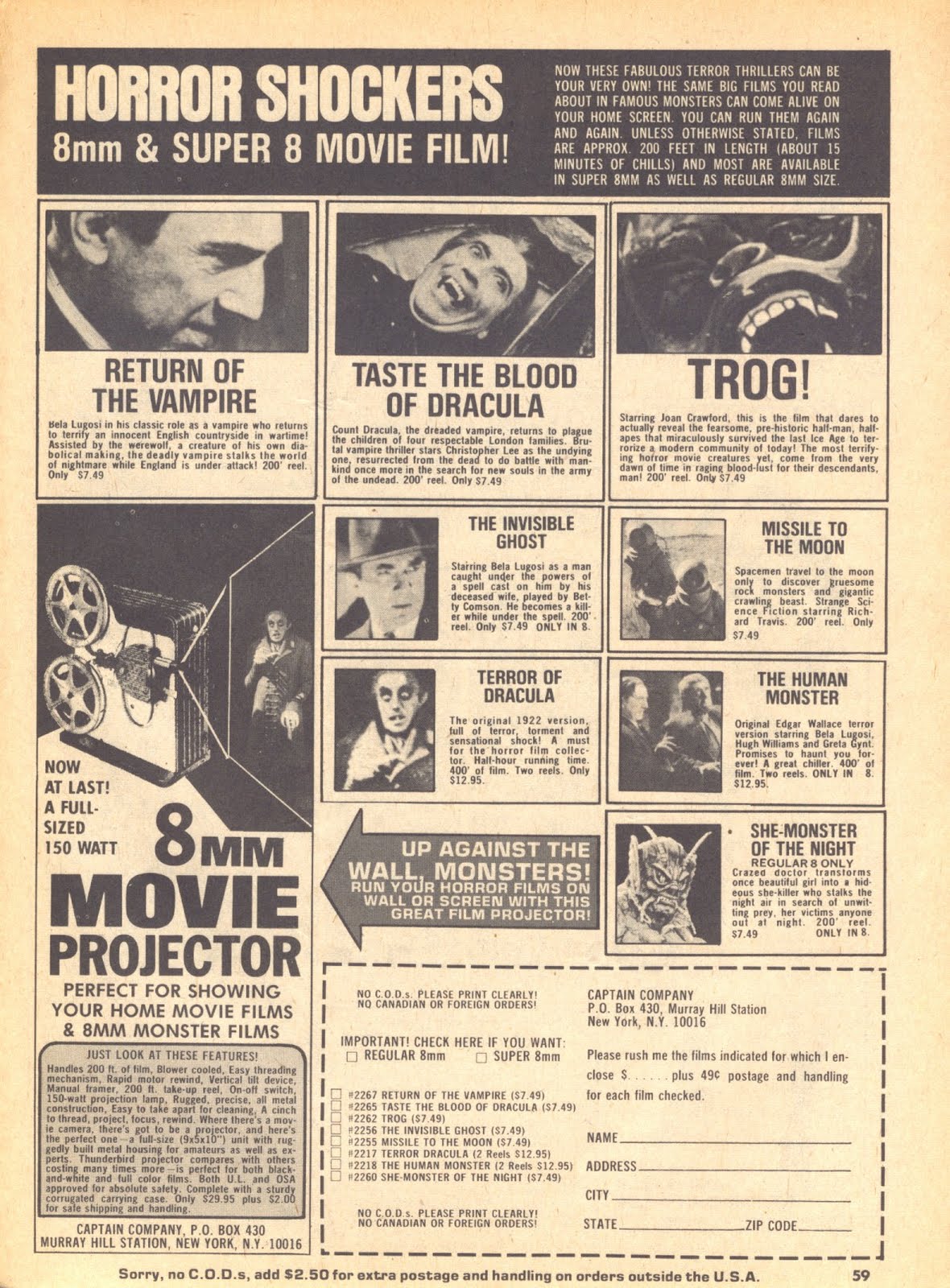
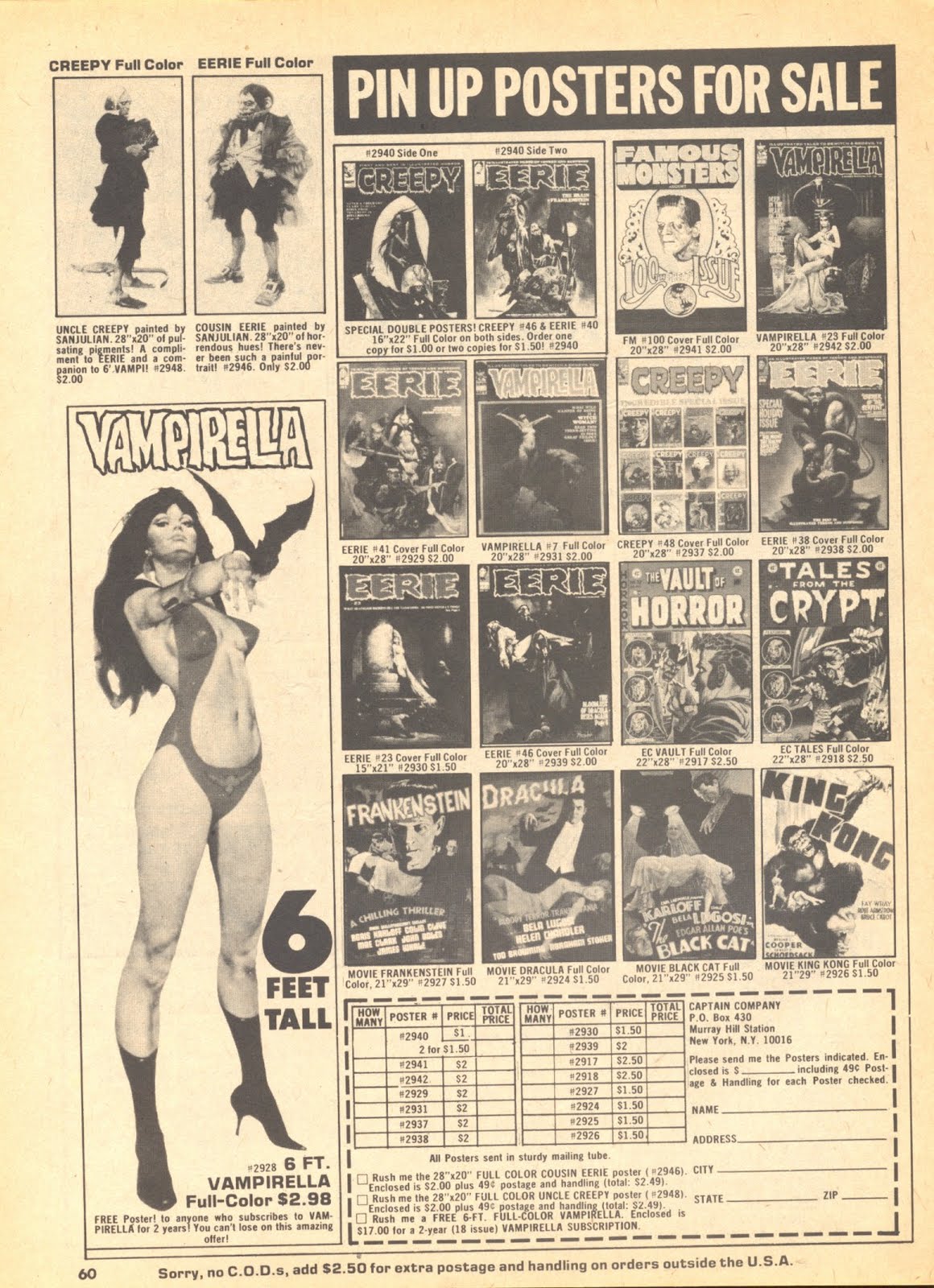
How many of us monster kids, living in the heyday of the Monster World in the 1960s, saved up our nickels until we could stop thumbing through the pages of Famous Monsters of Filmland and actually order something from those Captain Company ads?

It appears there isn’t a definitive history of Captain Company online, which is too bad. I’d love to know more about the mail-order company, which was purportedly based on the East Coast and was the mail-order sales division of Warren Publishing, which unleashed Famous Monsters, Creepy and other mags on the world.

Looking around the Interwebs, though, I see a few people with some of the same memories of Captain Company.

Especially the Captain Company ads: Like their comic book counterparts for X-Ray Specs and the like, the Captain Company ads were a riot of amateurish drawings, over-eager copy and outright misrepresentations.

I ordered back issues of FM through Captain Company as well as a few other items, the details of which I’ve long forgotten. It’s possible I bought some of those little 8 millimeter films — digest versions of classic Universal horror movies — through Captain Company.

I believe Captain Company has been revived, in some form, as a merchandising arm of the new Famous Monsters. It’s not the same, of course, but neither are we.

Here are some ads, many of them collected by http://www.diversionsofthegroovykind.blogsppot.com


The documentary about our monstrous childhood

I’ve mentioned before in this space what I call “the monster world” and what others call the “monster kid” phenomenon. It was that golden period from the 1950s until the 1970s when a lot of us kids were obsessed with all manner of spooky, geeky stuff: Old Universal Studios monster movies, monster dragsters, monster comics, Aurora monster models … you name it.

Part of the impetus for the monster world was the release to television, in the 1950s, of the classic Universal Studios monster films from the 1930s and 1940s. After years of re-releases to theaters, the movies finally found a place on TV.

Late night Fridays and Saturdays and on Saturday afternoons, local TV stations that had purchased the Universal movie package — often referred to as the “Shock Theater” package — aired classics like “Frankenstein,” “Dracula” and all their sequels and spinoffs.

Often local stations created horror movie spoof characters — like Sammy Terry on WTTV Channel 4 in Indianapolis — to host the broadcasts.

At the same time, magazines like Famous Monsters of Filmland, The Monster Times, Castle of Frankenstein and many more began publishing.

All of a sudden, the denizens of the monster world found each other.

Today I heard about “That $#!& Will Rot Your Brain,” a documentary from Bob Tinnell that looks at the monster kid phenomenon. Through interviews with everybody from Bob Burns to Tom Savini (if you have to ask …) the documentary looks at what it was like growing up in this golden era.

Tinnell and his partners are seeking donations to help raise $10,000 toward the cost of the film. This website has details.

Donate if you want. No sales pitch from me. I mention it only because, as a former denizen of the monster world, it’s pretty cool to see devoted fans putting their fantasies in action this many years after the fact.

The geek years of our lives: 1982

I’ve noted before in this space that 1977 was a pivotal year for movies. Two words: “Star Wars.”

But just as 1939 is a golden year for movie lovers, 1982 is a golden year for geeks. Maybe never before and maybe never since have so many milestone movies been released in a single year, many of them in the summer months alone.

I was reviewing movies that year — I had begun four years earlier and did it for another eight years, so it was prime moviegoing time for me — and even then I realized we were seeing something special.

As the 30th anniversary of this pivotal year rolls around, the Alamo Drafthouse Cinema is holding screenings of many of the movies. I can’t make those showings, but I’ll probably watch a few on disc. In the meantime, here’s my little look back.

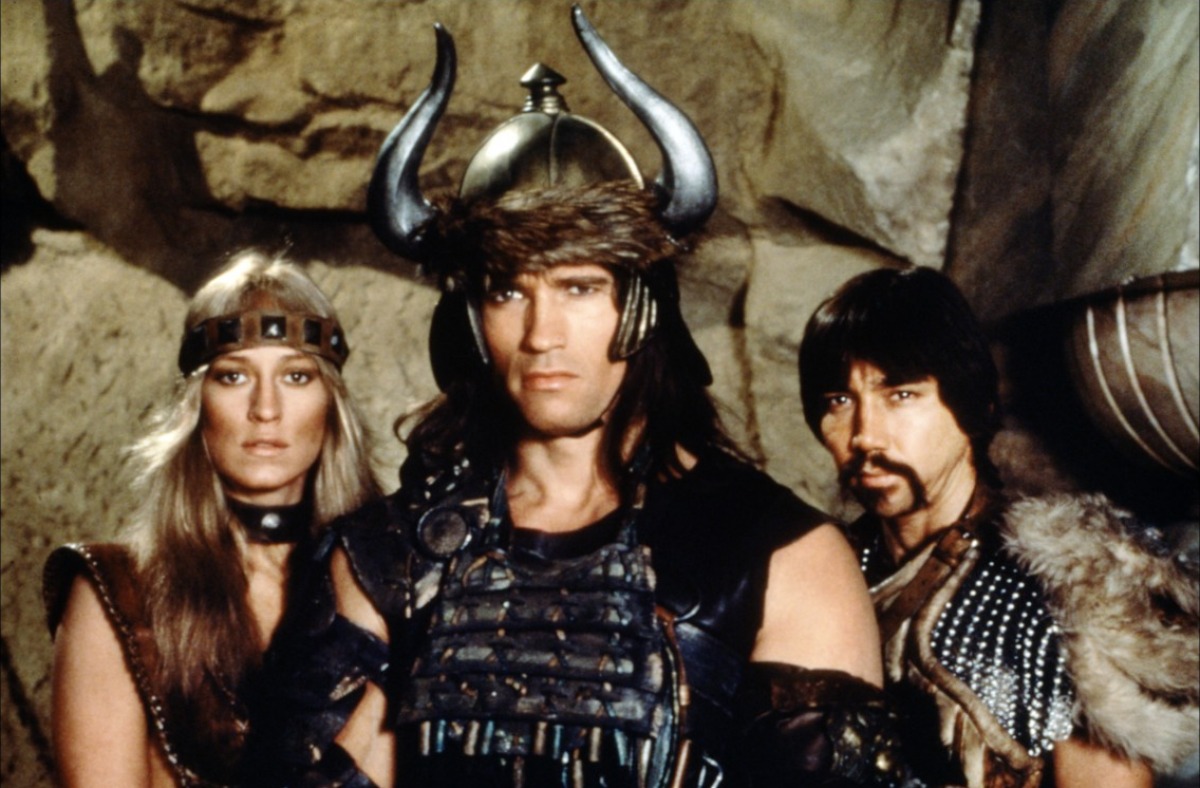
“Conan the Barbarian” — The Arnold Schwarzenegger movie was one of the first movies I saw through the press junket process, going to Chicago to see it and interview the cast and filmmakers. But even without that, I recognized the movie for what it was: The rare moment when Hollywood got the sword-and-sorcery genre right. There are some cheesy effects, to be sure. But the world of the pulp barbarian hero came to life.

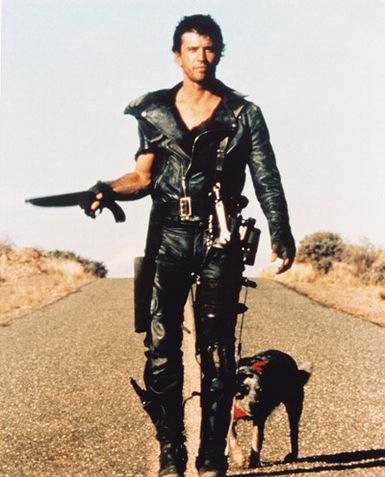
“The Road Warrior” — I had seen George Miller’s “Mad Max,” the dire action thriller starring Mel Gibson as a cop in a lawless land, but it was small in scope compared to “The Road Warrior.” Like “Conan,” “The Road Warrior” quickly defined its genre. All the elements were in place: A nihilistic hero with a heart; truly menacing bad guys; a varied and fascinating collection of good guys; stunts like movies had never seen before.

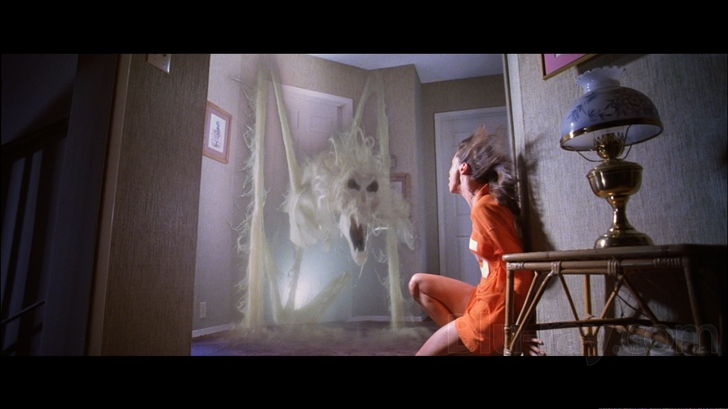
“Poltergeist” — This movie, directed by “Texas Chainsaw Massacre” director Tobe Hooper and produced by Steven Spielberg, was like the “Mirror Mirror” universe take on the suburban world given to us a few weeks later when director Spielberg released “E.T.” After decades of old dark house horror movies, the “haunted ranch house” tale told in “Poltergeist” seemed as fresh as could be.

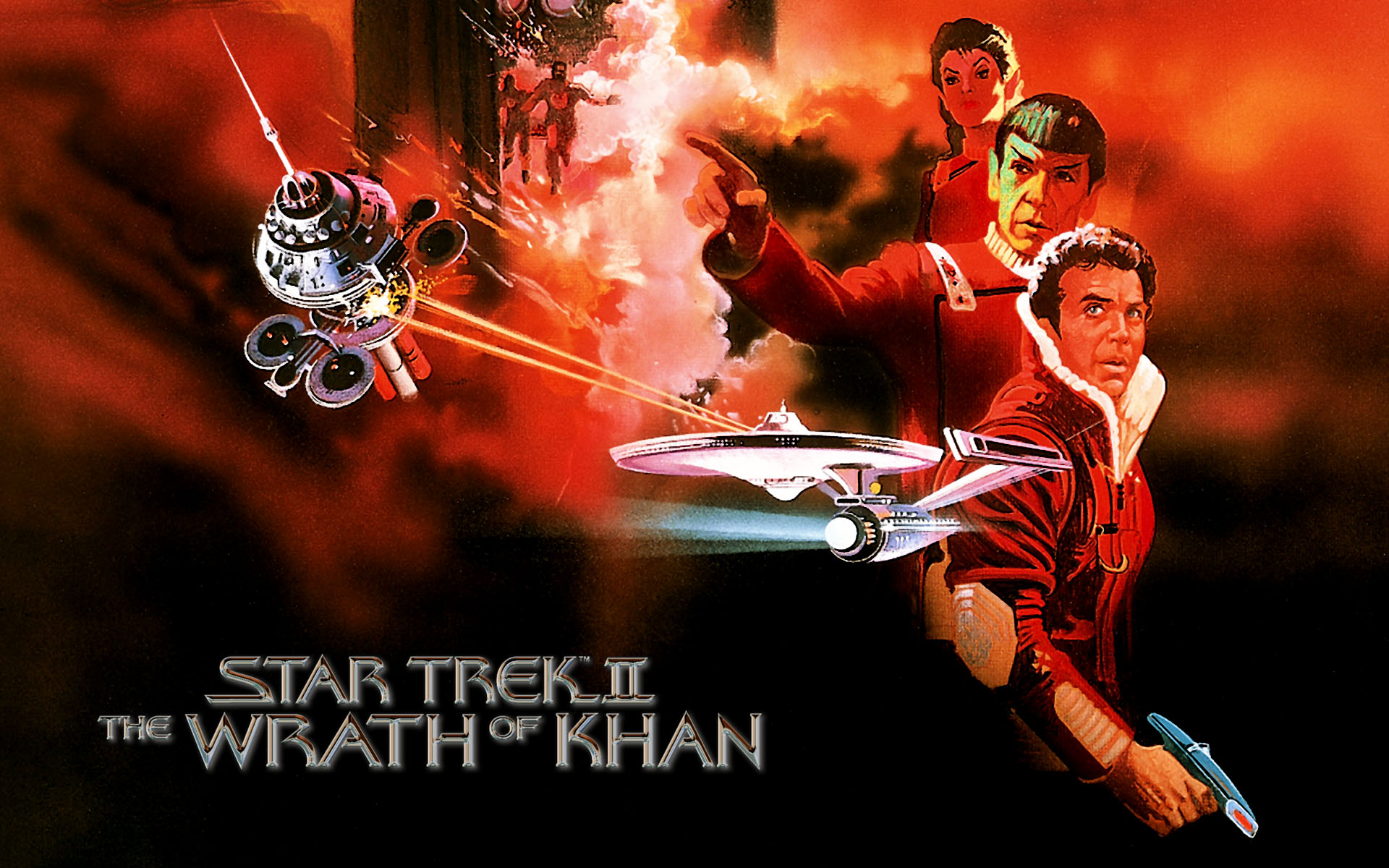
“Star Trek II: The Wrath of Khan” — While I really enjoyed the J.J. Abrams “Star Trek” reboot from a couple of years ago, the fact remains that Abrams, other moviemakers and all of fandom still believes that Nicholas Meyer’s take on Gene Roddenberry’s classic space opera is the one to emulate. And why not? Meyer brought a sharp military take to the familiar characters, pushed them through their paces in a quick-witted, thrilling plot, injected a ton of humor and tragedy and gave us one of the most heart-pounding climaxes ever. To this day, I remember the “Does Spock really die?” rumors before the movie opened, with fans eagerly anticipating/dreading the answer.

“E.T. The Extra-Terrestrial” — Sure the ending is marred by one of those “ohmygod he’s dead, no he’s not” resurrections. But time has probably dimmed our recollection of how simultaneously sweet and tart this movie is. The kids were cute but had realistic anti-sibling mean streaks, the mom (Dee Wallace. Sigh.) was a barely-hanging-in-there abandoned woman and E.T. himself was a great creation. It deserved to make a ton of money.

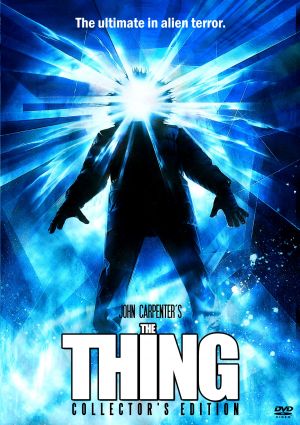
“The Thing” — Man, what a great horror flick. Director John Carpenter was on a roll with “Halloween,” “Escape from New York” and this, making him the most subversive director working and one of the most crowd-pleasing. Think about the endings to those movies for a minute: “Halloween” ended by establishing the boogeyman really existed. “Escape” ended with the protagonist, played by Kurt Russell, deciding “the hell with it” and destroying a tape that could save the world. And “The Thing” ended its cold and nightmarish story with a man versus alien creature showdown — featuring Russell and Keith David — that couldn’t have been more harsh.

The two last movies of the summer of 1982, “Tron” and “Halloween III,” were lesser lights, but how could they not be? “Tron” left enough of an impression to spawn a sequel nearly 30 years later. And “Halloween III” was a noble experiment that ultimately failed. Rather than try to top John Carpenter’s original, the movie’s producers went for a whole new story, about a fiendish plot to sacrifice millions of children with Halloween monster masks. “Three more days to Halloween!” was the earworm TV commercial jingle of the year. I just wish the movie had found an audience.

What a year.

Here’s the ‘Cabin in the Woods’ whiteboard

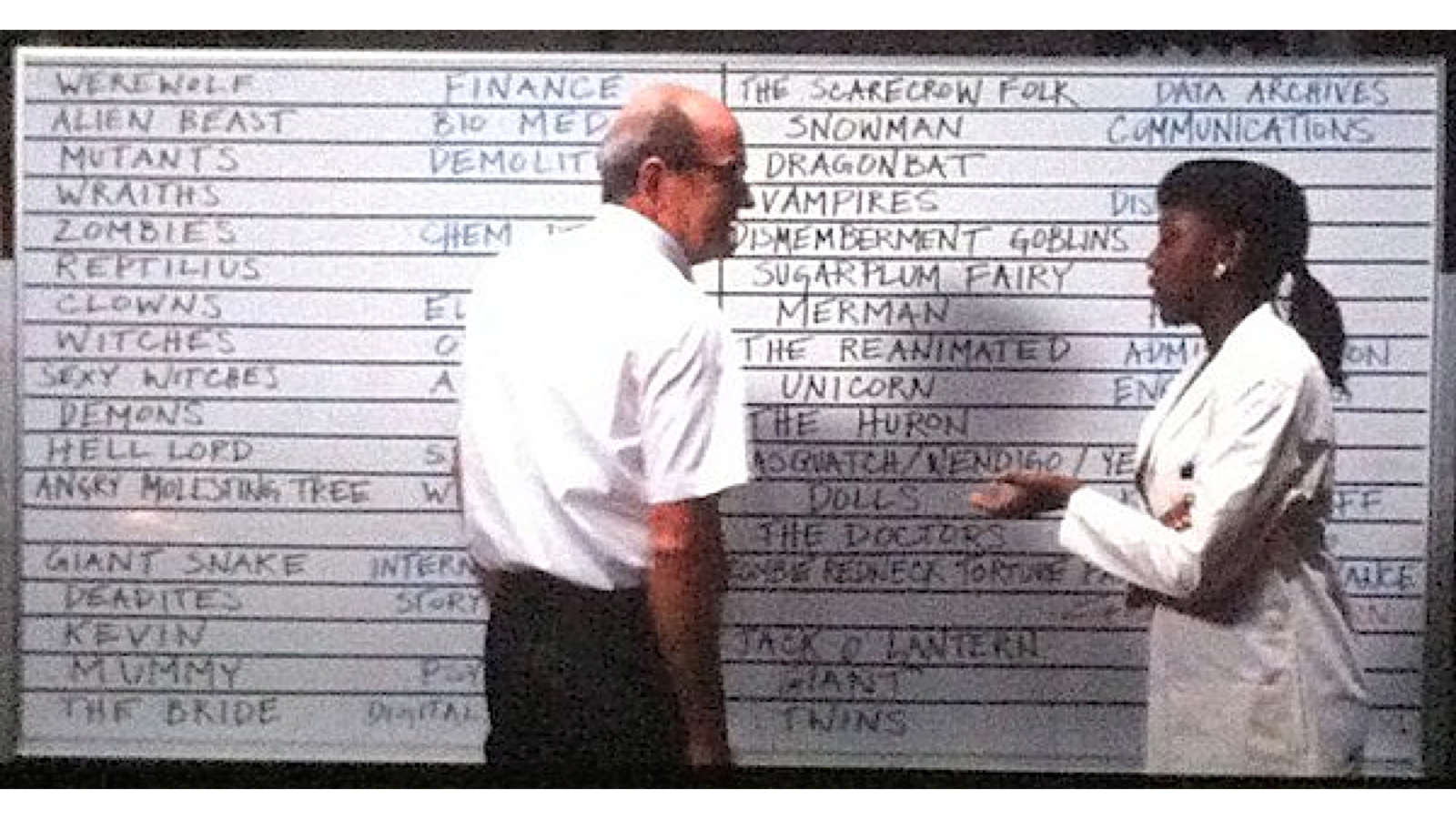
Here, on the heels of my entry about “The Cabin in the Woods,” is a shot of the whiteboard from the movie.

If you’ve seen the movie, you know the lab geeks running the horror show from behind the scenes have a whiteboard listing all the monsters possible in various scenarios at the cabin. “Giant snake,” “Deadites,” “Hell Lord” and — best of all — “Kevin” are among the choices.

A few online sites have posted this shot of the whiteboard. Here it is, for your viewing pleasure.

Wouldn’t it be cool if “Kevin” was not some Jason or Freddy figure but just some annoying guy from down the street?