Category Archives: Indiana

iPhoneography: 2012 Indiana State Fair

The Indiana State Fair brings summer to a close for hundreds of thousands of Hoosiers, who go back to school and jobs not long after the fair’s run.

The fair is also an opportunity for good iPhone photography.

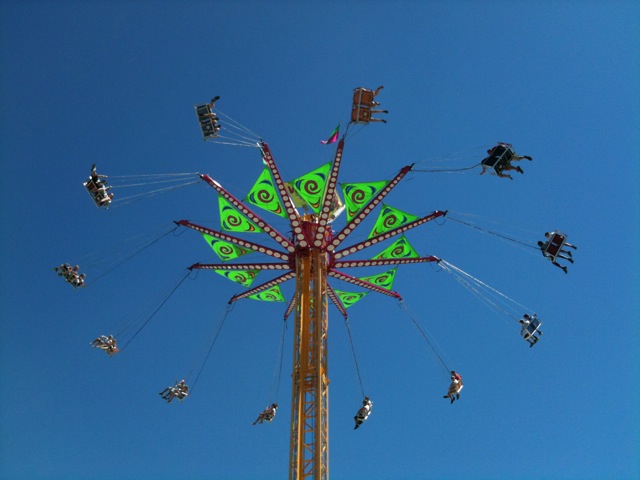
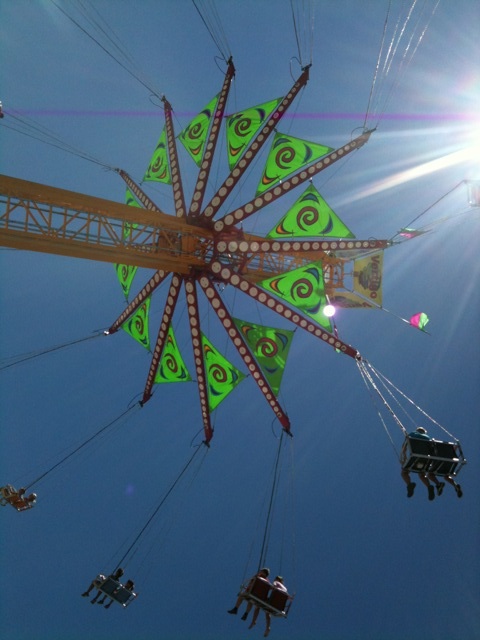
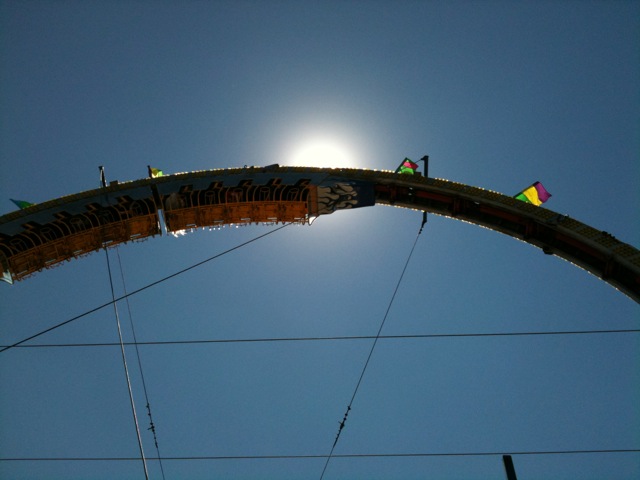
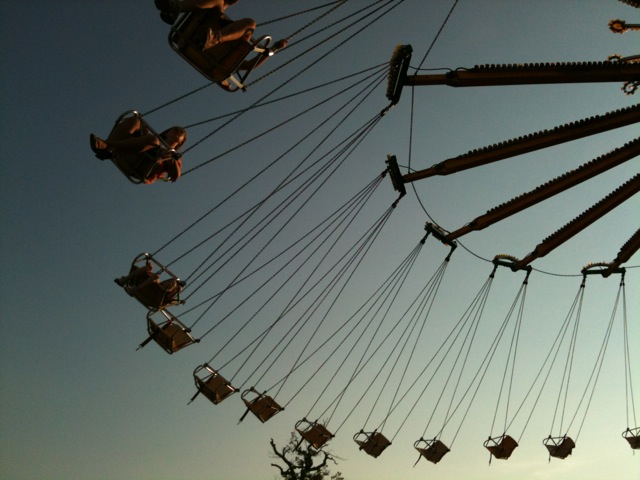
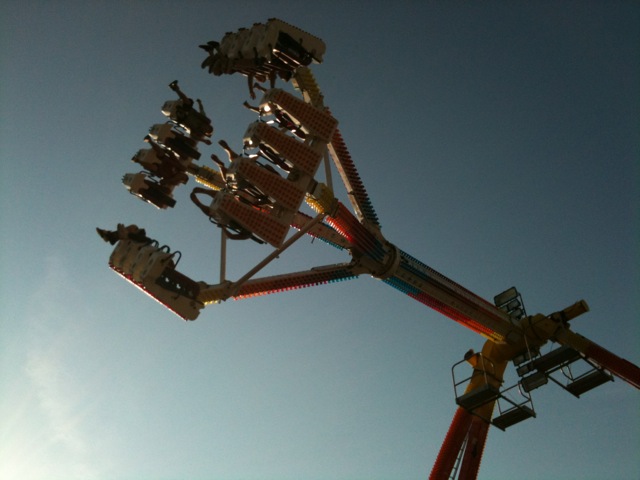
The midway carnival rides are a natural photo subject. I’m pretty sure the Vertigo ride is new this year.

I haven’t found anything online that tells me how tall it is. I’m guessing … pretty tall.

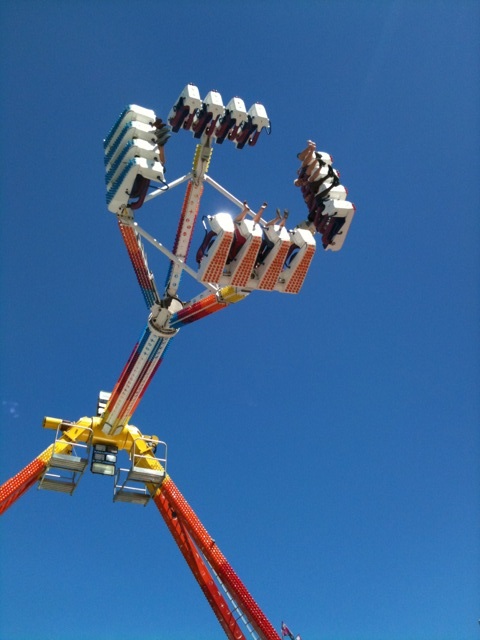
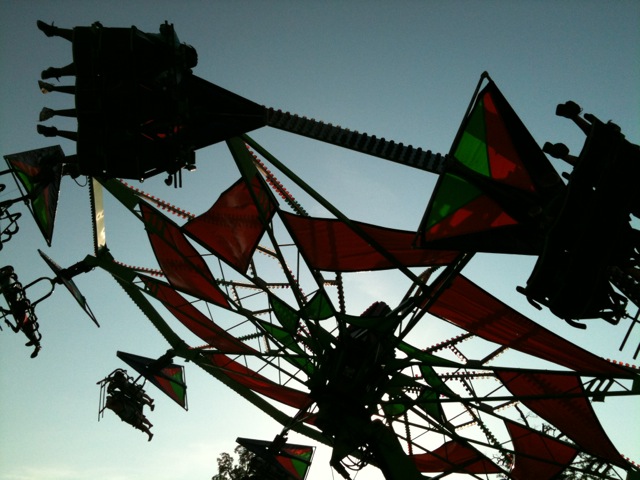
The Freak Out is among the new traditional rides at fairs at the county and state level. It’s apparently a variation on a European ride called The Frisbee.

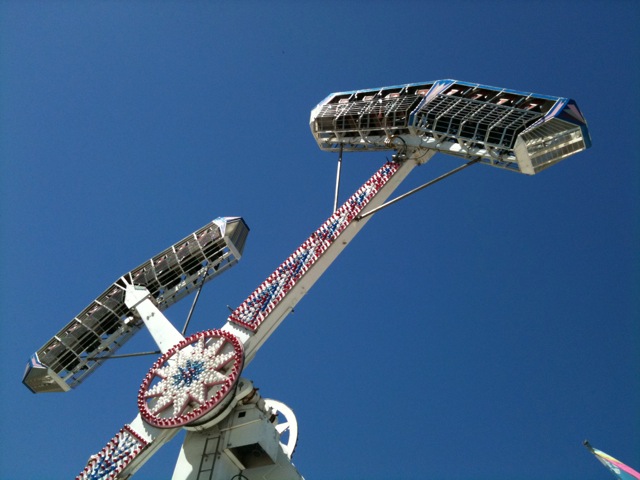
The Screamer is another new favorite.

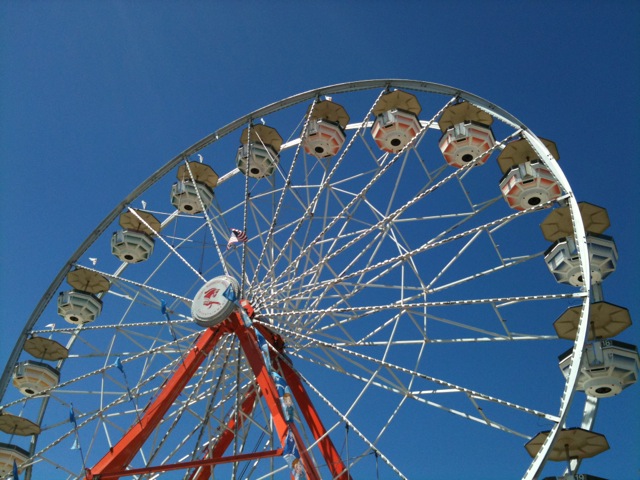
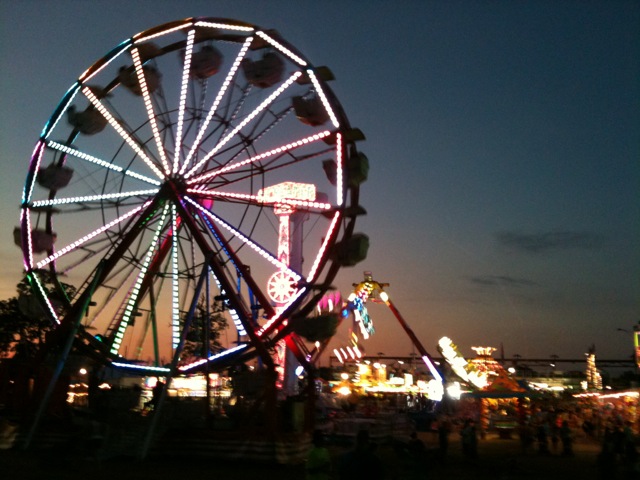
If you’re more of  a traditionalist, the Ferris wheel is for you. The first was built for the World’s Fair in Chicago in 1893. The book “Devil in the White City” has some very interesting background on the Ferris wheel.

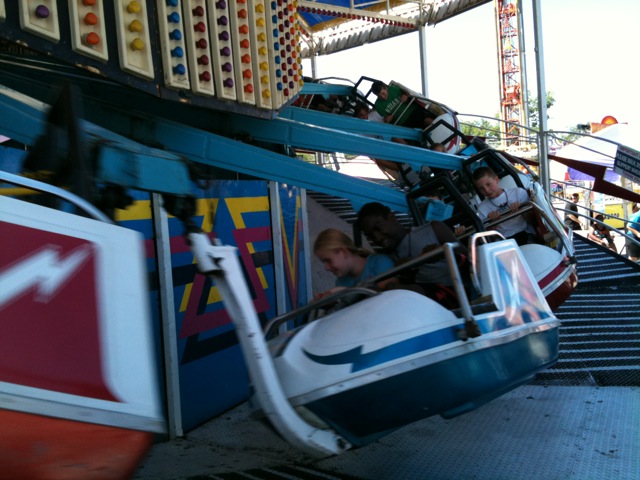
Sometimes traditional rides operate under a variety of  variations and names, including the Matterhorn, also known as the Flying Bobs.

The Firestorm is a traditional ride …

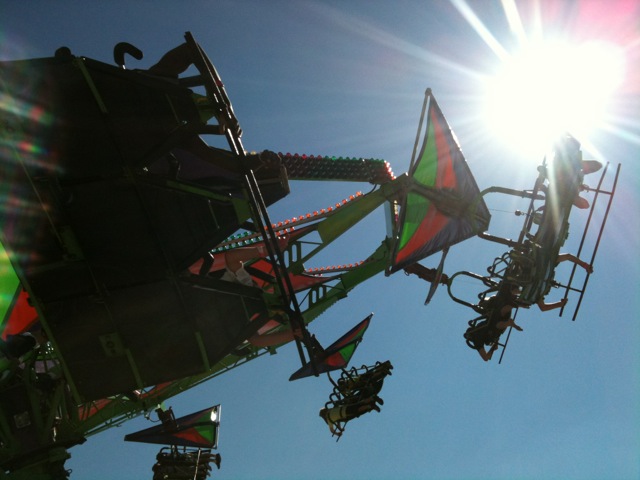
So is the Cliffhanger, or hang glider.

If you’re in need of a more sedate ride, the state fair offers shuttle trams pulled by tractor.

And lest we forget that 4-H competition is a big part of any fair …

Working at the cow wash. Get it?


‘Close Encounters’ and Muncie, my hometown

There’s been a long history between my hometown, Muncie, Indiana, and Hollywood.

Sometime I’ll do a fairly comprehensive look at the many mentions of Muncie in movies and TV shows ranging from the 1960s “Tom Slick” cartoons to “The X Files” and “Angel.”

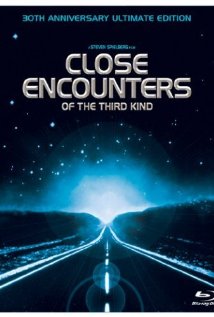
In the meantime, though, I wanted to note the special relationship between Muncie and Steven Spielberg’s “Close Encounters of the Third Kind,” the 1977 UFO thriller. The movie was airing on SyFy this afternoon and I got sucked into watching some of it.

The movie wasn’t filmed here in Muncie, although there was discussion of that happening. Local officials and Columbia Pictures apparently negotiated for a while and rumors swept through town that the city bought new police cars specifically to seal the deal. It didn’t happen, although the city got some publicity from having the first half of the move set locally.

If you haven’t seen it, Spielberg’s movie is about the the first meaningful contact between humans and aliens. The movie opens with a team of scientists, led by Lacombe (Francois Truffaut), discovering mint-condition World War II-era fighter planes in the Mexican desert.

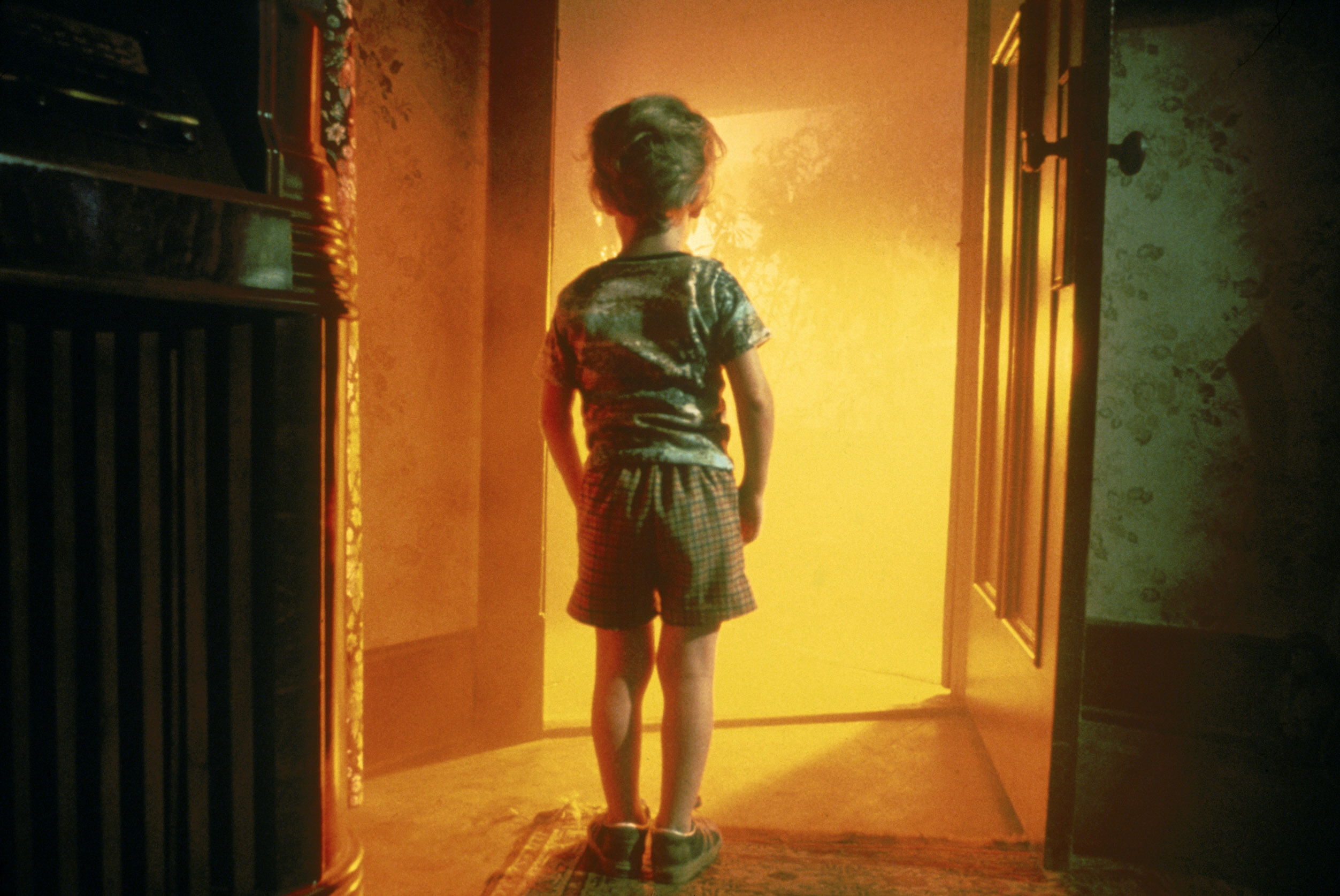
The scene moves to Indiana as we see air traffic controllers in Indianapolis communicating with the pilots of two airliners that have near-misses with some unexplained object. Then we’re in Muncie – the on-screen title still gets me a little goose-bumpy – at a rural farmhouse where single mom Jillian runs into the woods to find her toddler son, Barry, who has happily followed something out of their house and into the dark.
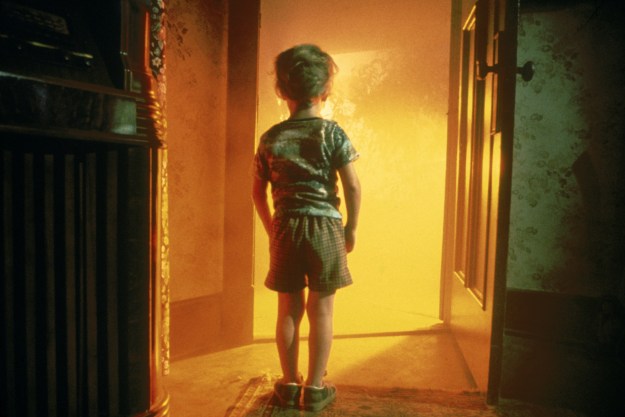
In the suburban Muncie home of Roy Neary (Richard Dreyfuss), a power company lineman, Neary is trying to persuade his kids to go to see “Pinocchio,” the re-issue of the Disney classic. They’re more interested in playing miniature golf, however.

Before long, Neary is sent to investigate the cause of a power outage and his truck is buzzed by low-flying UFOs. He gives chase along with half the Muncie police department. Thus begins his obsession. It is one he shares with dozens, maybe hundreds of others.

Some random thoughts, from a Muncie-centric perspective:

The Neary house, while looking like a shambles, has some authentic touches, including some Ball State University merchandise.

At one point, radio scanner traffic says Harper Valley. There’s no Harper Valley around Muncie. But if there was, they would have a dandy PTA, I bet.

There is a Cornbread Road – where Neary is sent to work on a power outage – and you can bet it was chosen for inclusion in the movie because of its quaint name.

The McDonald’s and Shell station look just right for the period.
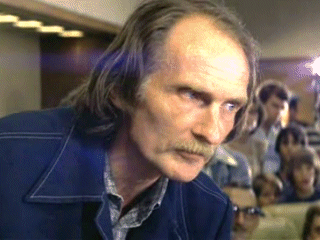
The hillbillies – softly whistling “She’ll be coming around the mountain when she comes” as they wait for the UFOs to appear – are a nice touch but one that caused a lot of consternation at the time among local people who didn’t want to be represented onscreen by hill folk. Especially when one of them, played by character actor Roberts Blossom, says, “I saw Bigfoot once.”

There’s no toll road right outside Muncie, and certainly no nearby toll gate that divides Indiana and Ohio.

The movie got the police emblems on the patrol cars right, though.
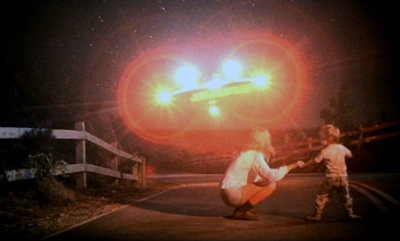
There’s not much in the way of hillsides around Muncie, and certainly no mountainous overlook that cops and Neary could watch from, first as the UFOs fly over and then as lights come back on below.

The look of The Muncie Star wasn’t quite right, although its gargantuan size was. Holy crap, newspapers were big back then.

Neary’s “Ball U” T-shirt was a nice touch. I had one right about that time. They were a slightly naughty hit.

On the second night, when a newly fired Neary and a crowd of Muncie residents go back to the hill to wait for the alien ships to reappear, the collective mental seed that compels them to seek out the UFOs is destined to take them out of Muncie.

By the time Neary becomes obsessive about his encounter and begins building replicas of Devil’s Tower, Wyoming – scene of the ultimate Close Encounter – in his mashed potatoes and in a huge mound of dirt in his family room, his family bails on him and so, frankly, did I.

“Close Encounters” is a terrific movie that builds to a touching climax. I can’t help but be more interested, however, in the early scenes and what they indicate about my town.

 

iPhoneography: County fair carnival rides

What would summer be without a county fair? The fair gives us food that’s good and bad for us, carny games and carnival rides – and an opportunity for iPhone photos.

Here’s a look at this week’s Delaware County Fair, held in Muncie, Indiana.

The last couple of hours of daylight and the onset of twilight is my favorite time to take carnival pictures. You’ve got enough light to get some details but a strong source of light to make for dramatic backlighting. Then, within a few minutes, the sky darkens enough to create beautiful artificial lighting photos.

Here’s another shot of the Yo-Yo.


The Ferris wheel is always a favorite.


The Freak Out looks very different by day …

… and night.

Gotta love the games, including the ever-popular balloon-busting ones.

And the prizes. When I took this, a young woman operating the game said, “Are you taking a picture of my crabs?”

Night falls on the midway.


iPhoneography: Albany, Indiana

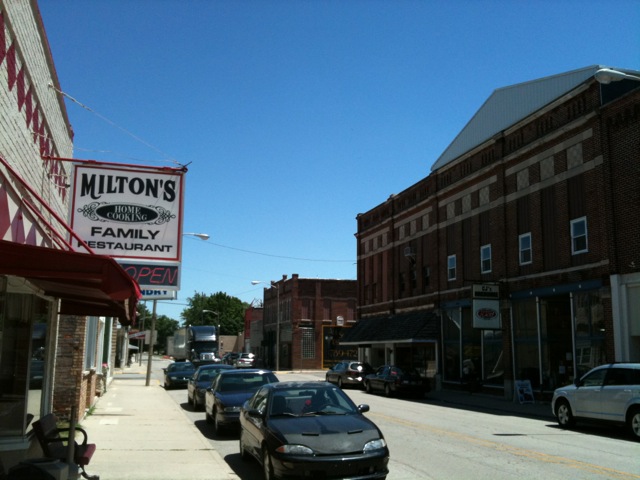
The town of Albany, Indiana, several miles north of Muncie, has remained surprisingly robust during its history. While other Indiana and Midwestern towns have withered on the vine, Albany has maintained a population of more than 2,000 people. It has a thriving downtown and local businesses.

Here’s a summer 2012 iPhone look at Albany.

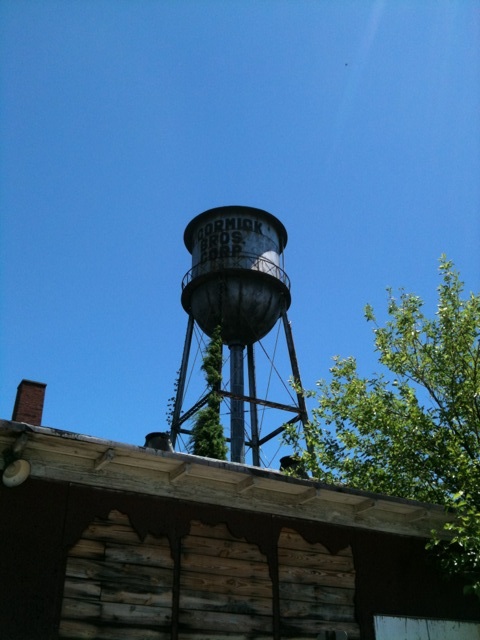
For much of the 20th century, the McCormick Brothers company was the town’s biggest business. Founded in 1907 and lasting until the last quarter of the century, McCormick Brothers made a variety of metal products over the decades, beginning with washboards, moving into metal kitchen cabinets and then products for the war and interstate highway efforts.

While other businesses have occupied the sprawling McCormick Brothers plant, the most notable landmark remains its water tower, seen above.

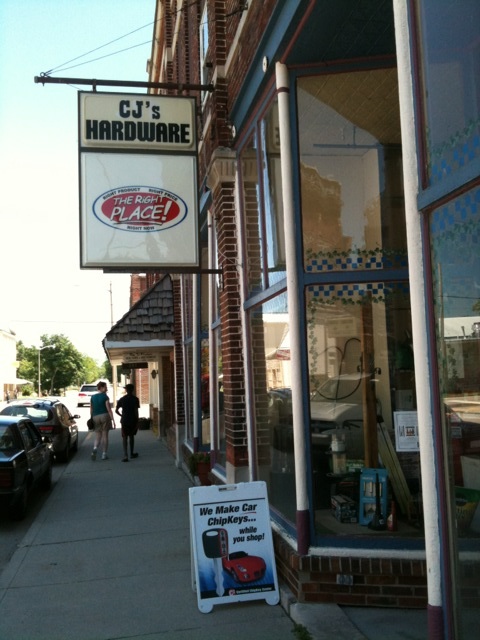
Albany has a number of businesses in its downtown, including C.J.’s Hardware Store. C.J.’s is an old-fashioned hardware store with wooden floors, rolling ladders to help the store’s employees reach products on high shelves and the kind of  broad but selective inventory that makes old-fashioned hardware stores fun to walk around in.

Albany has a five-and-dime store. For many years, McCord’s Five and Ten offered bulk candy, nuts, household goods and some curious items. The sign is still on display inside the store. Under new ownership now, the store still has what might be the area’s biggest selection of hairnets.

The great old-school packaging makes the hairnets look like leftovers from the 1960s, but the store still sells hairnets to food service workers around the area.

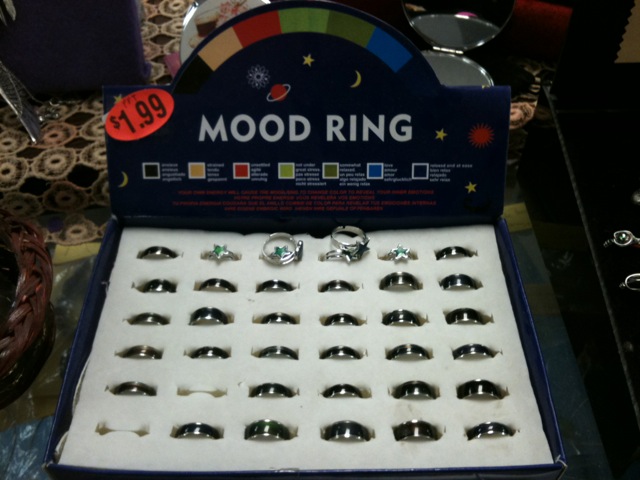
Mood rings, anyone? They have ’em.

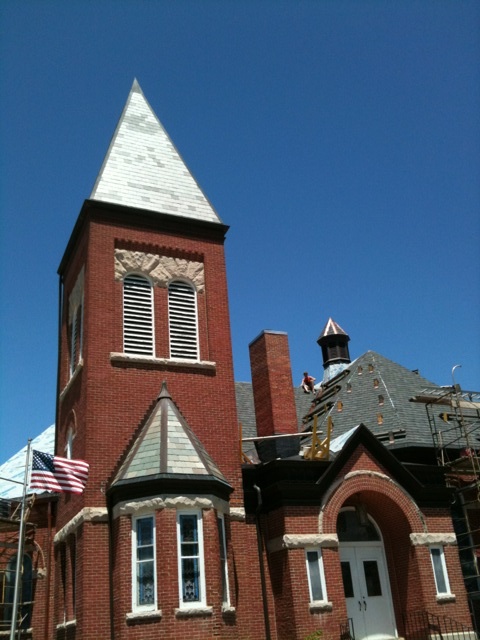
One of the town’s churches was getting a new roof the day I was there.

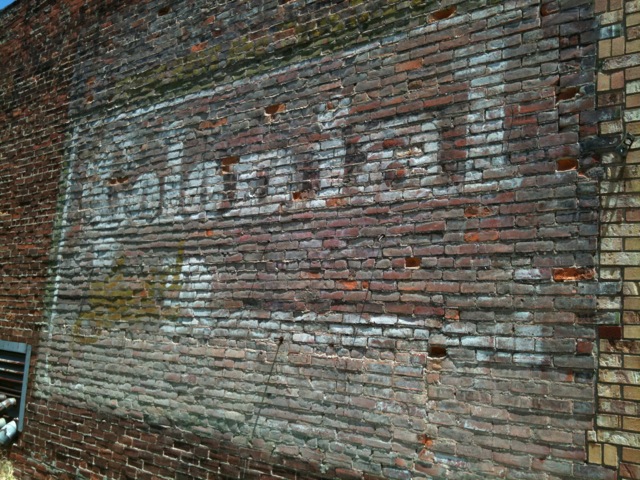
This “ghost sign” for Colonial Break decorates the end of a building.

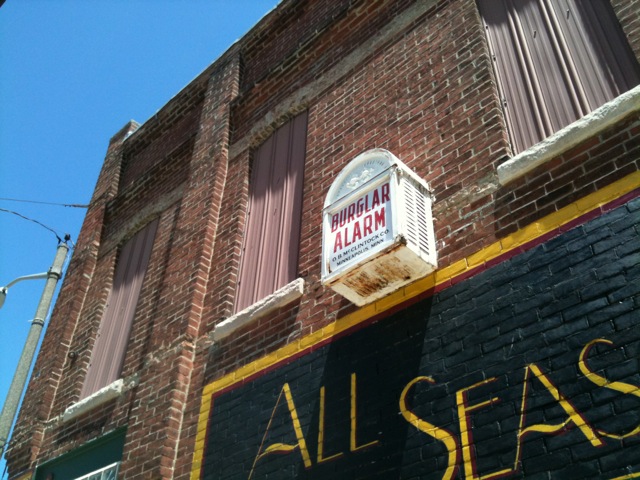
I’ve seen this sign, on the side of a building, before but never understood it. Would it light up, ring and alert passersby and police if a burglar alarm had been tripped? I’d like to know more about it.

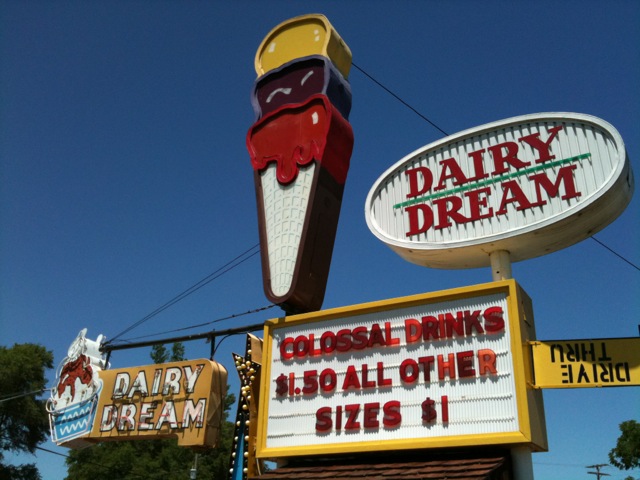
One of Albany’s most popular restaurants, the Dairy Dream.

iPhoneography: Cammack, Indiana

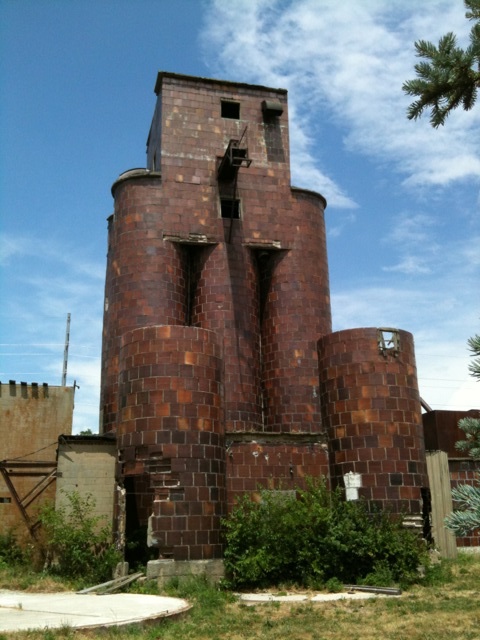
The town of Cammack was typical of many Indiana towns of its size. Life once revolved around a bustling rail line and grain elevator that served farmers in the area. A small downtown catered to the needs of farm families.

While the town has changed, time — and redevelopment — have been kinder to Cammack, in Delaware County west of Muncie, than many other towns.

While the grain elevator has fallen into ruin and the only rail line through the town carries freight trains that no longer stop, Cammack’s population hasn’t deserted the community. A good percentage of the relatively small population remains. A handful of businesses still operate and the American Legion post is still busy.

And recent efforts by developers to build new but historically accurate housing in the town have resulted in some beautiful houses.

At the center of town, the former grocery store and gas station has been remodeled into a restaurant and the former hardware store has businesses in its storefronts.

Here are some iPhone photos of Cammack from June 2012.

Above is the grain elevator, the focal point of the town but no longer in use. The wall of one section has collapsed/been knocked down.

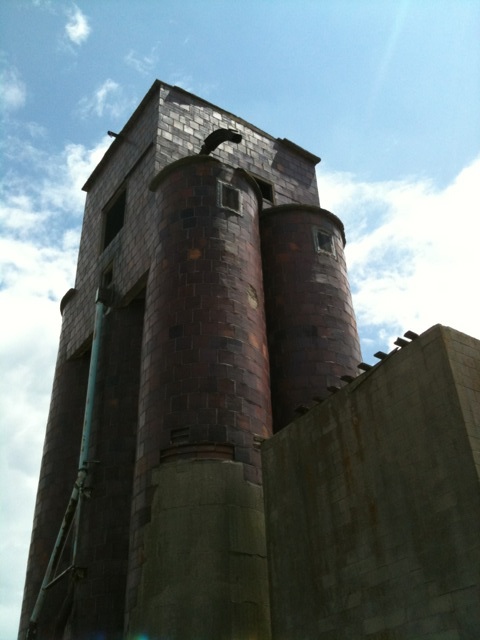
The grain elevator’s tower in shadow looks kind of ominous.

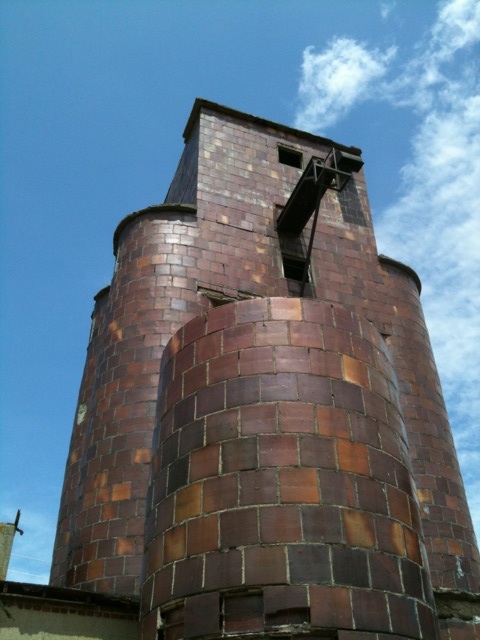
Less so when well-lighted.

Rail lines served the grain elevator and conjure up an image of Indiana that’s familiar but endearing.

This rail siding isn’t used anymore, obviously, and is barely visible through weeds and other growth.

Several colorful tractors sit near the town’s center, emphasizing the area’s long agricultural history.

Cammack Station, the town’s relatively new and busy restaurant, is decorated with vintage advertising signs.

Better days: Muncie’s Ski-Hi Drive-In

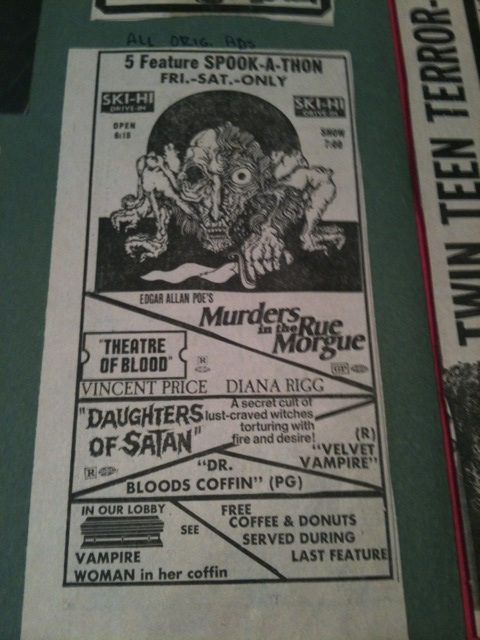
From the early 1950s — one source says 1952 — until just the past few years, the Ski-Hi Drive-In just north of Muncie, Indiana, entertained a couple of generations of moviegoers.

Beginning in the 1980s, drive-in movie theaters — which had always provided an alternative for moviegoers looking for exploitation movies, the offbeat and the inexpensive — faced a threat that couldn’t have been imagined just a few years earlier: Home video.

Movie fans could watch the odd Roger Corman movie from the comfort of their home. Within a few years, drive-in theaters were being razed, their real estate developed for some other use, or — even worse, in some ways — they were abandoned to fall to pieces.

The Muncie Drive-In was lost a number of years ago. All that remains now is the barely recognizable sign, now advertising another business, on Ind. 32 on the city’s west side.

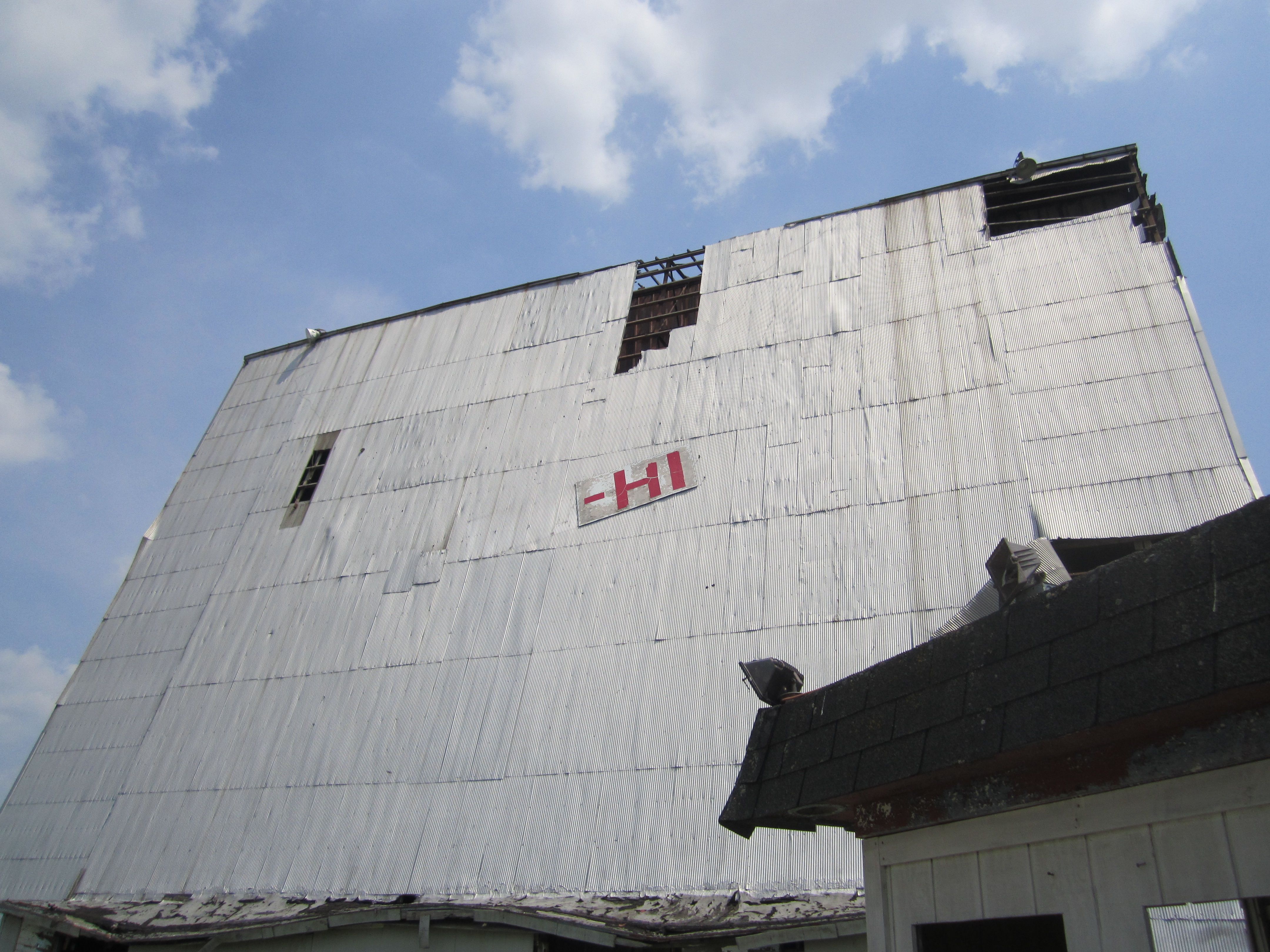
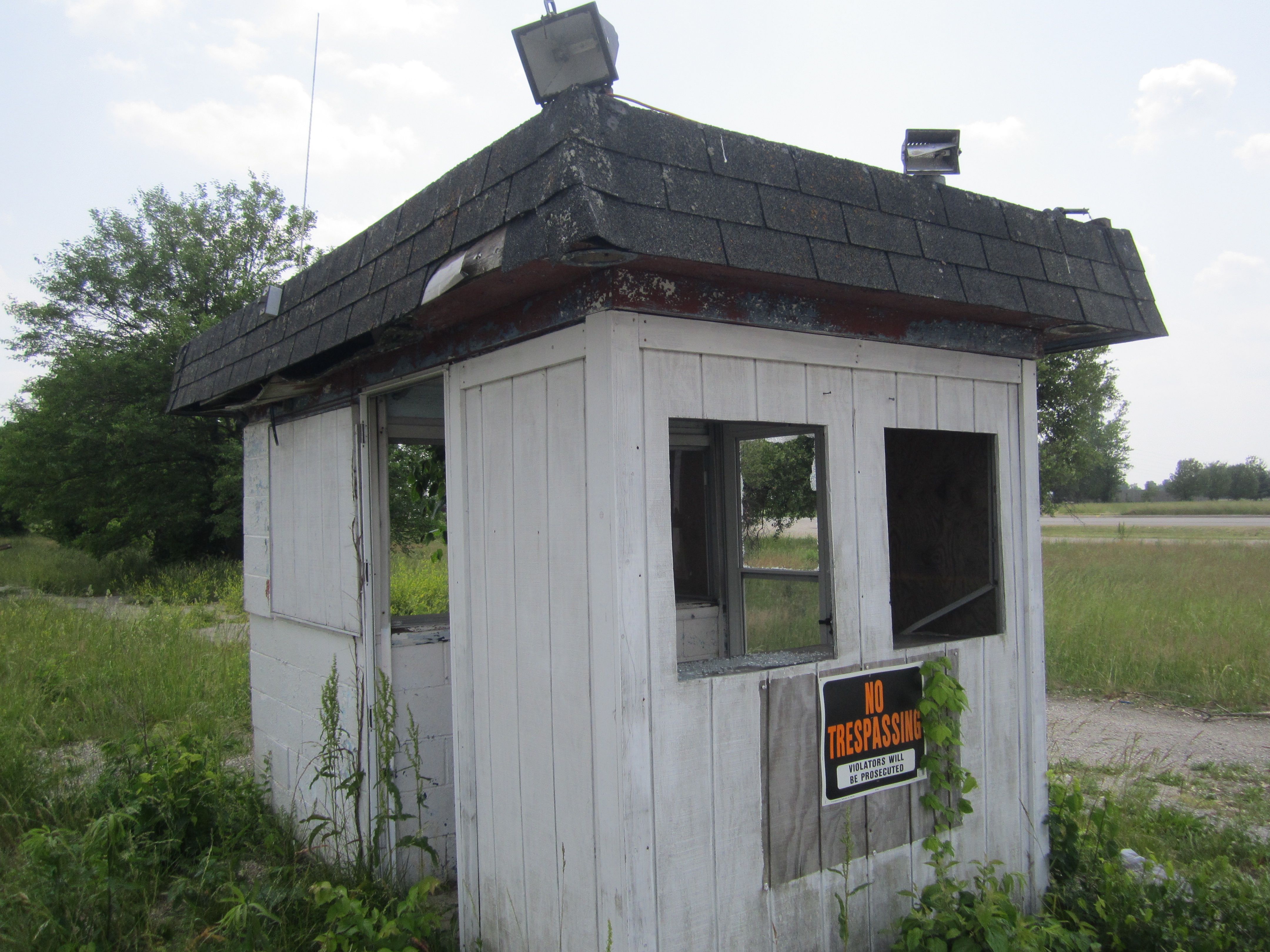
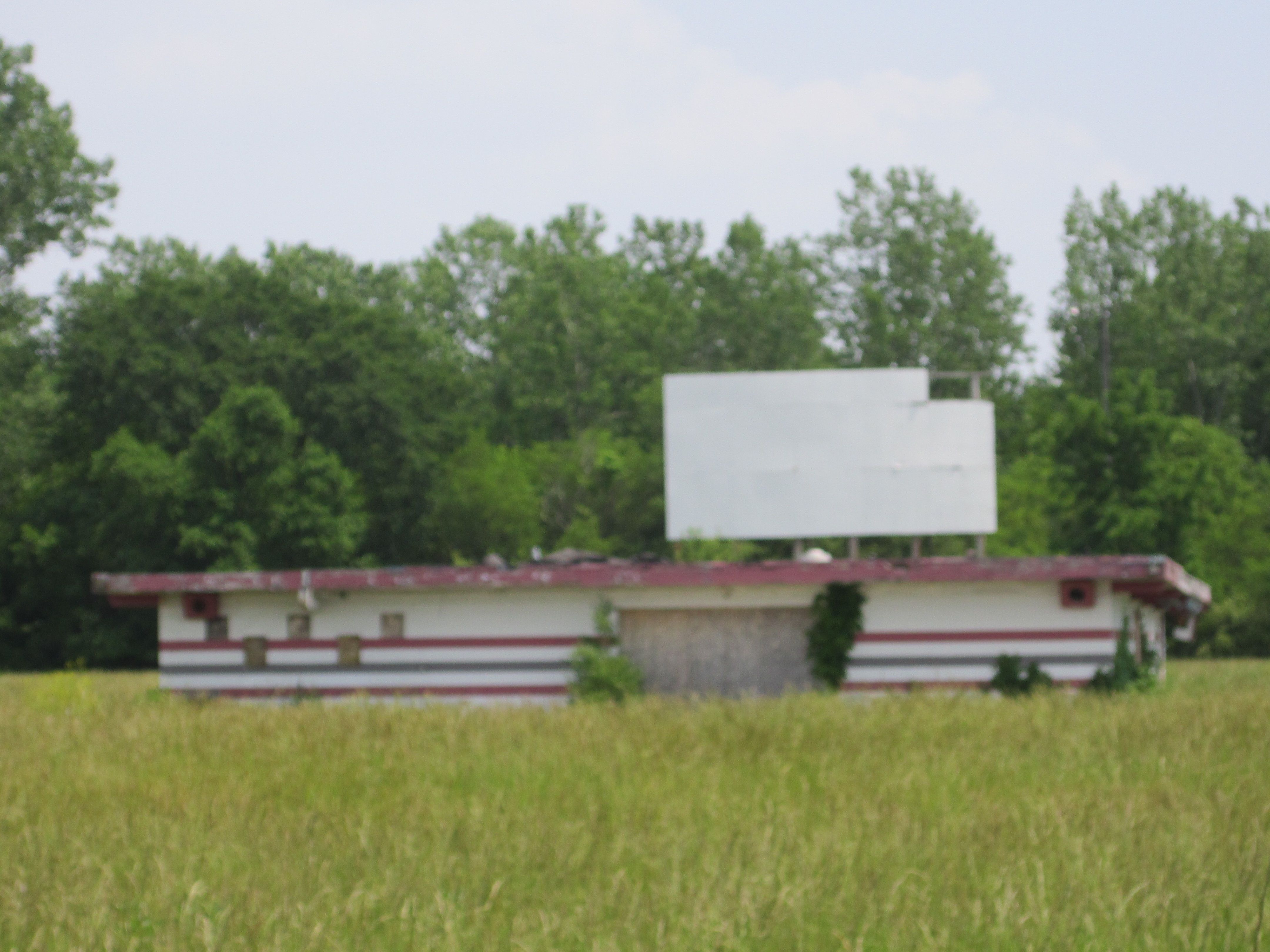
The Ski-Hi Drive-In, at Ind. 3 and Ind. 28 north of the city, is still recognizable for what it was. The photos on this blog were taken by me this Memorial Day weekend.

Unfortunately, while the Ski-Hi is recognizable, it’s a shell of its former self. The screen tower has gaping holes. The area where cars and speaker poles once dotted the landscape is covered with high weeds. I can’t say what shape the concession stand is in; I didn’t venture into the property.

Various revitalization attempts have been mounted over the years and I’ve heard another is underway. With any luck, this one will succeed.

iPhoneography: The beauty of cemeteries

There’s something about cemeteries, particularly historic cemeteries, that really suits photography. Cemeteries are places of mourning and remembrance and celebration. They’re also places where art and architecture and personal taste — of the deceased and the loved ones left behind — mix.

Beech Grove Cemetery is the city-owned cemetery for Muncie, Indiana. Established in the mid-1800s, Beech Grove is home to some of the area’s oldest gravesites.

The city’s oldest and most established families have graves and mausoleums there, but it’s also the final resting place for some of the community’s poorest residents, with an entire section of graves of people buried at government expense.

Here are some iPhone photos of Beech Grove sites I saw today.

Above: A grave with a marker but also with a statue of Jesus — holding wind chimes and other items — and personal items important to the deceased or family members.

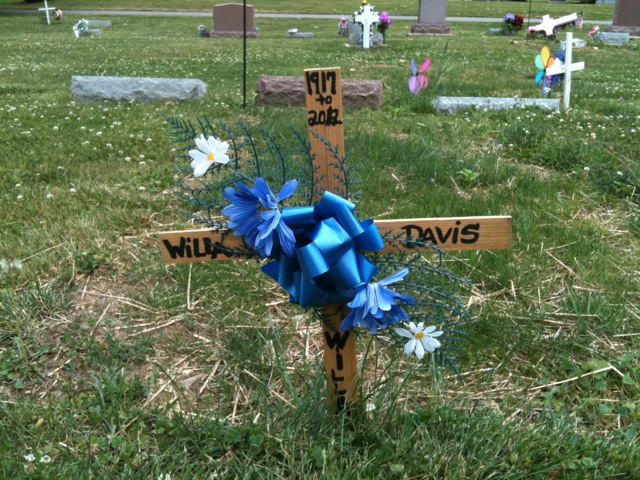
A grave marked only by a small wooden cross with magic-marker lettering.

Peeling paint on this wooden cross.

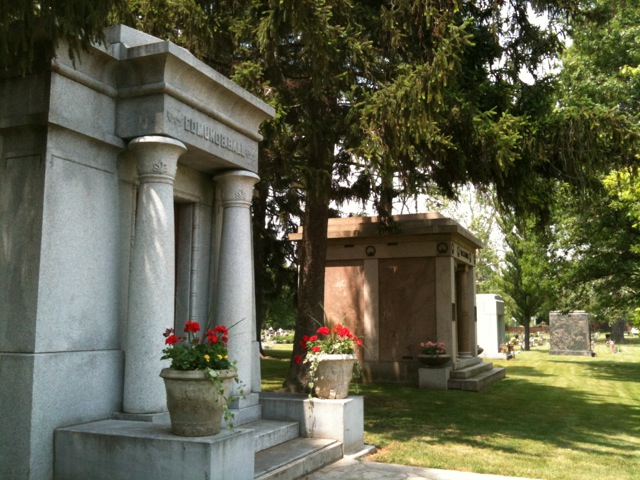
A row of mausoleums for some of Muncie’s captains of industry.

The approach to one of the Ball family mausoleums.

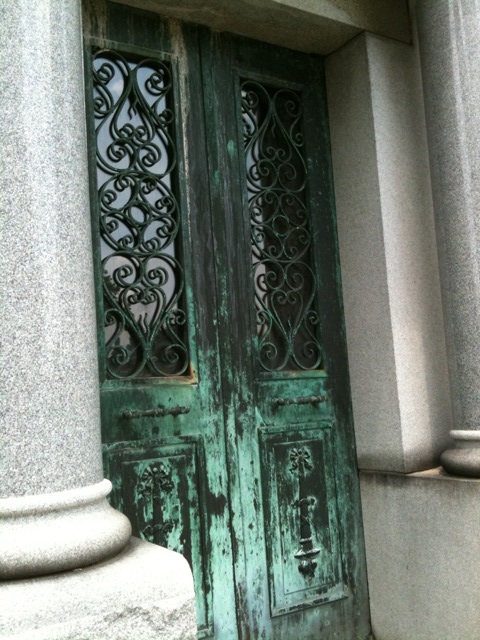
The ornate front door of a Petty family mausoleum.

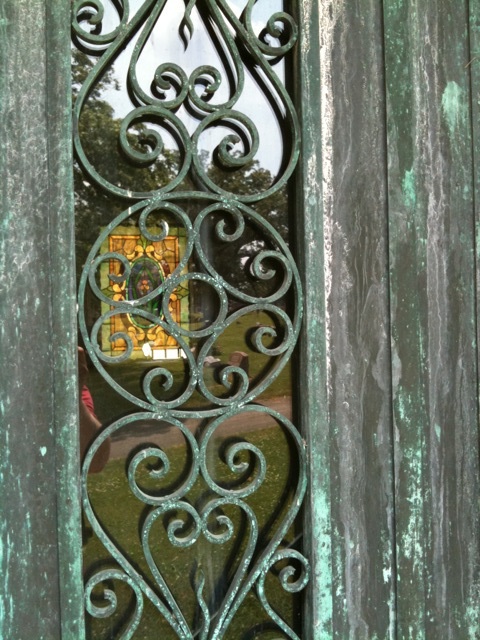
The stained glass window in the rear of the Petty mausoleum.

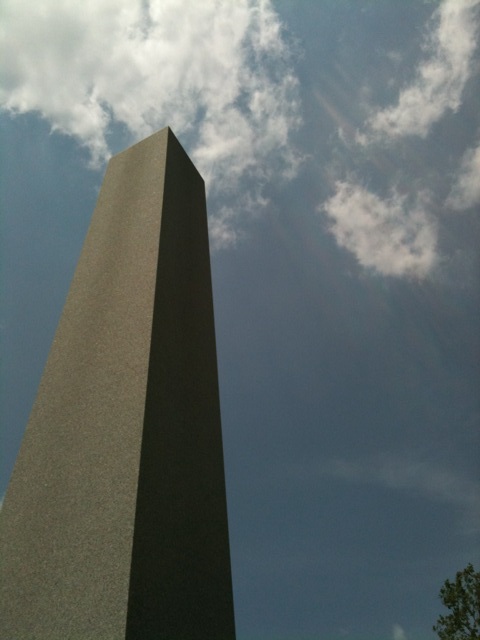
A towering obelisk marks the grave of a Muncie physician.

iPhoneography: Farmland, Indiana

Just down the road from me is the town of Farmland, Indiana. Farmland — which, true to its name, is surrounded by farm fields — is a town of about 1,300 in Randolph County.

Although it’s a small town, Farmland is something of a tourist attraction. It has a couple of good family restaurants — the Chocolate Moose is an old-fashioned burger-and-milkshake soda fountain — some interesting shops and an active cultural life.

It’s a very picturesque little town, with rehabbed streets, sidewalks and streetlights.

I was there the other day on a semi-work-related visit and took a few iPhone photos.

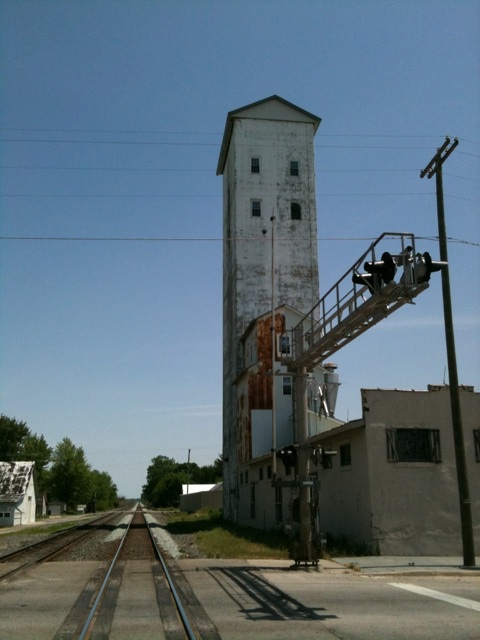
Like a lot of Heartland towns, the center of activity was once the local grain elevator, a towering structure near the rail line that cuts through the heart of town. The elevator isn’t in use for grain anymore; shops occupy the lower level. On a clear Indiana day, though, it’s still a focal point.
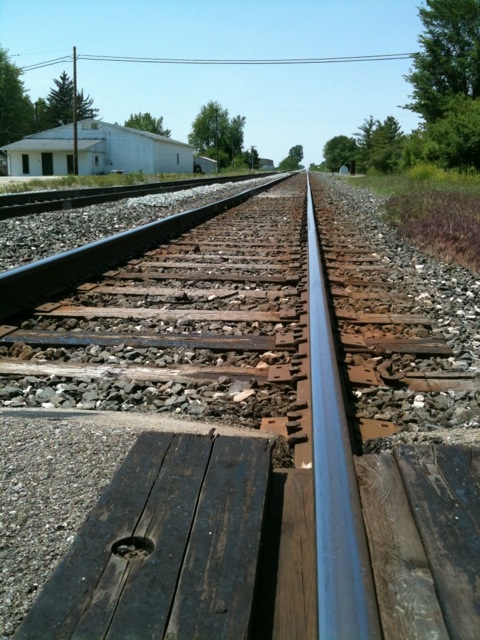
The rail line that cuts through Farmland just says “Indiana” to me, and stretches for miles and miles.

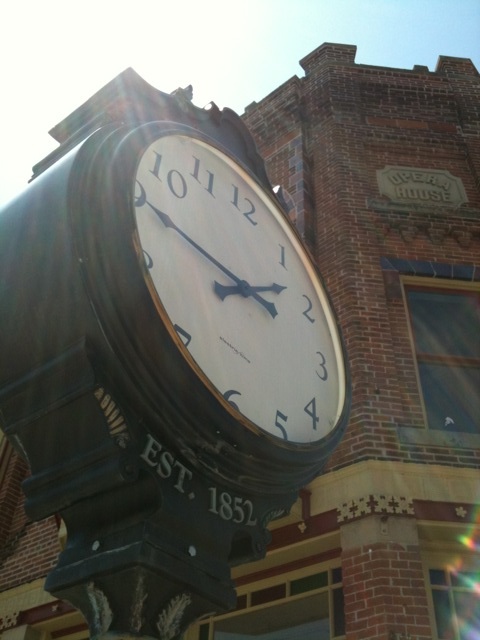
There’s not a town square, per se, but a neat old clock outside what used to be the opera house.

Farmland’s a nice place to go have lunch and look at shops. Definitely worth the trip.