Category Archives: movies

Movie classic: ‘Ace in the Hole’

kirk douglas ace in the hole

As a lifelong reporter and writer, I’ve always been interested in the way movies and TV shows portrayed the newspaper profession. A few, like Jack Webb’s classic “30,” are accurate if melodramatic. The Kurt Russell drama “The Mean Season” did a pretty good job telling the story of a reporter tracking a killer. So did “Zodiac.”

Most reporter portrayals on TV and in movies are awful, however. They’re corrupt or incompetent, assholes or timid sops.

“Ace in the Hole” portrays an ambitious reporter not only as ruthless but morally bankrupt.

And I loved it.

ace in the hole douglas outside

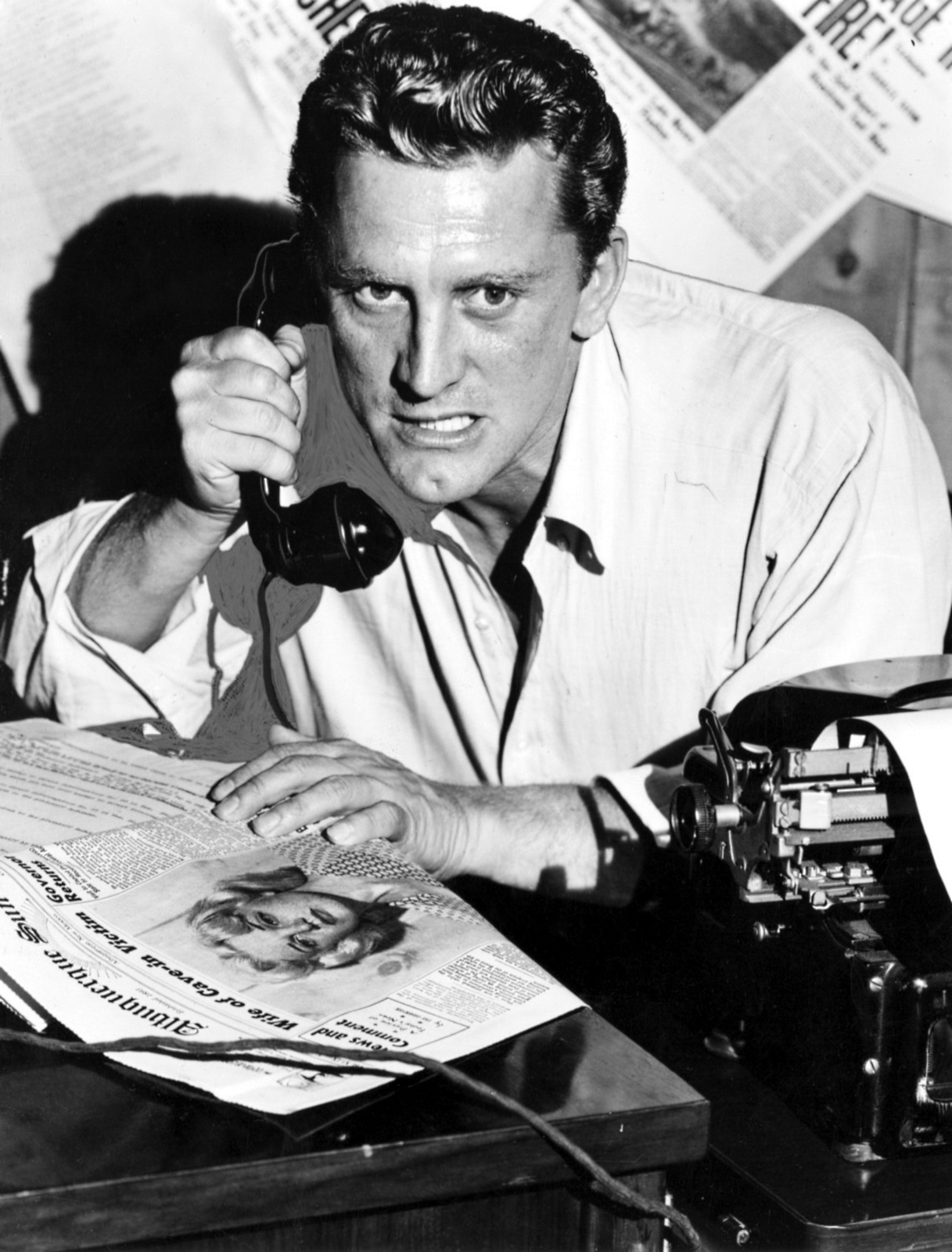
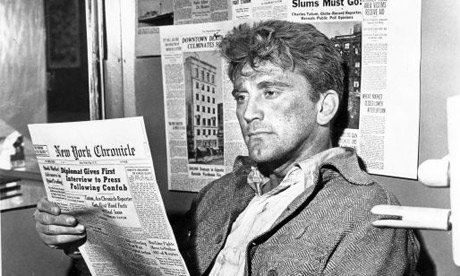
The 1951 drama – known as “The Big Carnival” for most of its existence – was made by Billy Wilder and stars Kirk Douglas as Chuck Tatum, a big-city reporter who’s been fired at a dozen papers across the country and ends up taking a job at a paper in Albuquerque. It’s a paper that he hates and can’t wait to leave; he clashes with and insults the editor and staff.

Tatum can’t wait to get out of this one-horse town and make it back to the big city – New York especially – and thinks he sees a chance when he stumbles across a cave-in in a mountain used as a burial ground for Native Americans. Leo, who sells Native trinkets at his roadside store nearby, was looking for pottery when he was trapped by a cave-in.

Tatum ingratiates himself with Leo – going into the cave and taking the man a blanket and coffee when no one else will take the chance – and begins making notes for his story. He also befriends Leo’s faithless wife (Jan Sterling).

Leo’s plan? Produce sensational coverage of the trapped man over the course of several days and win his way back to the big time.

He works toward this goal by persuading the local sheriff (Ray Teal of “Bonanza” fame) to use a rescue method that will actually slow down the process. He convinces the sheriff that the longer the story continues, the more heroic he will look.

Meanwhile, thousands of gawkers descend on the site, fattening the pocketbooks of the people of the small town.

“Ace in the Hole” is great noir, gritty and stark and bitterly funny.

douglas newspaper ace in the hole

Oh!  The great Billy Wilder dialogue and lines:

“I can handle big news and little news. And if there’s no news, I’ll go out and bite a dog.”

“I don’t go to church. Kneeling bags my nylons.”

Reporter to Tatum: “We’re all in the same boat.” Tatum: “I’m in the boat. You’re in the water. Now let’s see how you can swim.”

“Bad news sells best. Because good news is no news.”

“It’s a good story today. Tomorrow they’ll wrap a fish it it.”

Editor: “Do you drink a lot?” Tatum: “Not a lot. Just frequently.”

Stars set for ‘Gone Girl?’

Rosamund-Pike-

I really liked Gillian Flynn’s twisty 2012 thriller “Gone Girl,” a terrific mystery novel about what happens when a wife goes missing and suspicion falls on her husband.

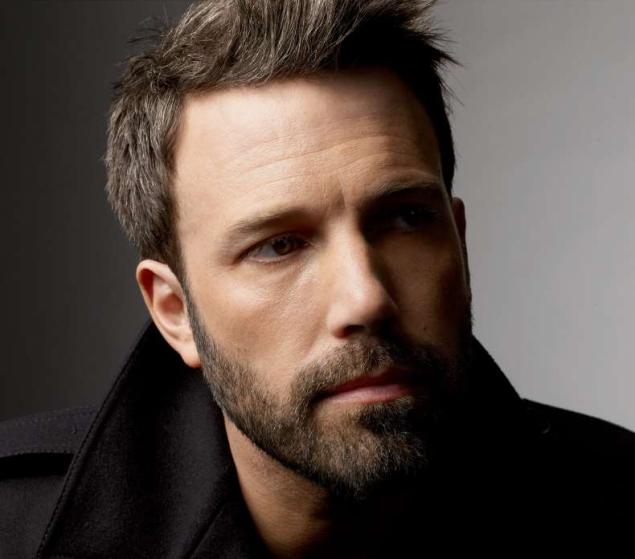
For the movie version, a number of stars have been considered for the roles of the husband and wife,  but the latest news makes it sound like Ben Affleck (whose “Argo” demonstrated his directing skills but who hasn’t been thought of as just a leading man for a while) and Rosamund Pike (most recently seen as the female lead in “Jack Reacher”) were likely to be cast.

ben affleck

Affleck seems like the perfect choice for the male lead. He can easily play a husband who would seem ideal and loving at first glance but could be quite unsympathetic when needed.

pike

And Pike could be good, I think, as the female lead, who is … well, I can’t even say. To describe the character would be to give away the plot, which has too many great turns to spoil.

David Fincher is directing.


RIP Dennis Burkley

dennis burkley

Dennis Burkley has died at age 67.

Burkley was one of those actors whose face – and, to a great extent, his voice – was instantly recognizable for movie and TV audiences.

Burkley was perhaps best known for playing rough guys and biker types, particularly in the 1985 tearjerker “Mask” as one of Sam Elliott’s biker buds who befriends Rocky (Eric Stoltz), the free-spirited but disfigured teen.

Burkley was, for some of us, equally recognizable for smaller roles in movies like “No Way Out” and many, many TV series.

We’ll miss you, Mr. Burkley. We’re glad your legacy will live on.

‘Pacific Rim’ is ‘Top Gun’ meets Godzilla

PACIFIC RIM

I was never the biggest fan in the world of Toho’s “Godzilla” series and their ilk. There’s lots to like in certain elements of the movies, particularly the first, black-and-white “Godzilla” film, which was a nightmarish funhouse mirror reflection of the atomic bombing of Japan that closed World War II.

Most of the later “Godzilla” movies, including those that introduced Gamera and Ghidora and Mothra and a variety of kaiju – Japanese for strange creatures – had some cool miniatures and pleasantly amusing “man in suit” special effects and they are watchable for their silliness. But terrifying? Awe-inspiring? No.

I think what was missing was the human element. Not just the scientists and military men on the ground, watching giant-sized mayhem unfold and trying to come up with a solution.

What was missing, it turns out, was “Top Gun.”

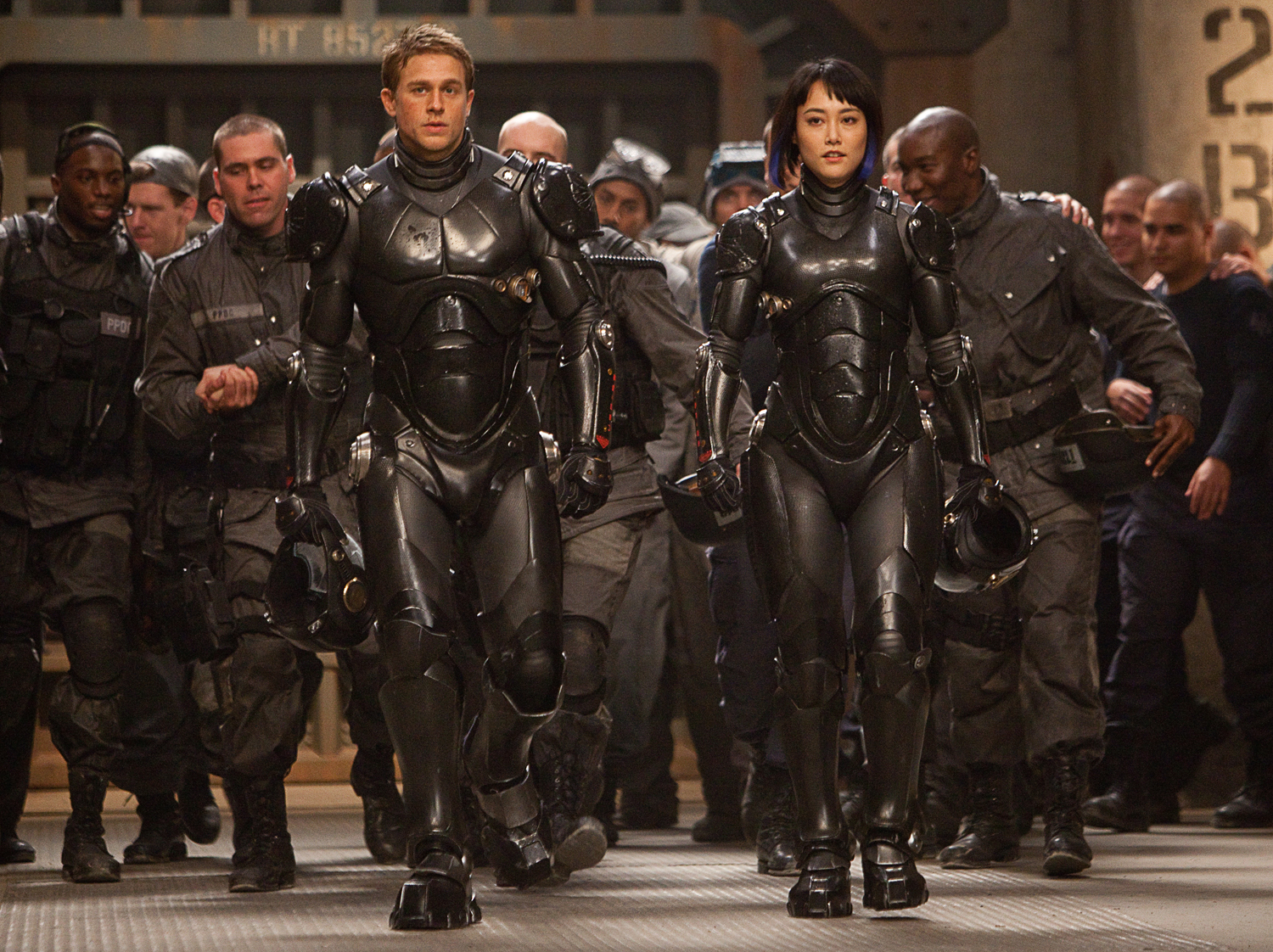
Director Guillermo Del Toro recognized not only the need to give the kaiju worthy human enemies but also the idea of introducing the soap opera-ish lives and traumatic pasts of the pilots of the fighter jets – here Jaegers, building-sized robots that battle the kaiju.

As everybody knows by now, “Pacific Rim” is the story of mankind’s response to a plague of kaiju – giant, destructive monsters, some with brute strength, some with acid spray, some with fiery breath – who arise from the sea through a rift in the bottom of the ocean and attack the mainland. San Francisco is the first to be hit, but eventually almost every city along the Pacific Rim finds itself fighting off monsters.

The nations of the world create the giant Jaegers, which are driven by two pilots, joined at the brain and working in tandem, to right the kaiju.

Del Toro makes this a fairly rich world, with war efforts like the Jaeger program as well as a wall-building effort that is doomed to failure. He also gives us the men and women who occupy this world.

“Pacific Rim” gives us some “Top Gun”-level conflict among the pilots and some personal stakes, including Raleigh’s (Charlie Hunnam) efforts to get back into the game after his brother’s death by kaiju years before, and Mako Mori (Rinko Kikuchi), who wants to be a Jaeger jockey to get revenge.

Charlie Day and Ron Perlman have a ball as a Jaeger program scientist and kaiju black market mobster, respectively, and Idris Elba is mesmerizing as the leader of the effort.

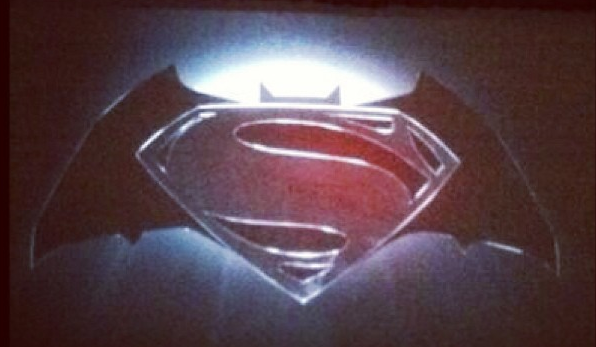
“Pacific Rim,” with its giant monster and robots, is like every little geek sci-fi fan’s dream come true on the big screen. It’s a good summertime movie that goes down easier than “Man of Steel.”

Some stray observations:

Pretty sure I heard a snatch of Godzilla cry from one of those kaiju.

I was startled to see that the SyFy channel cheapie “Sharknado” beat “Pacific Rim” to the punch on its “cut yourself out from the inside” joke. It might have even outdone it.

I’m guessing special effects limitations meant that so many battle scenes had to be in rain-swept darkness. I enjoyed the clarity we got in the few daytime scenes.

Classic schlock: ‘Attack of the Giant Leeches’

attack_of_giant_leeches_poster

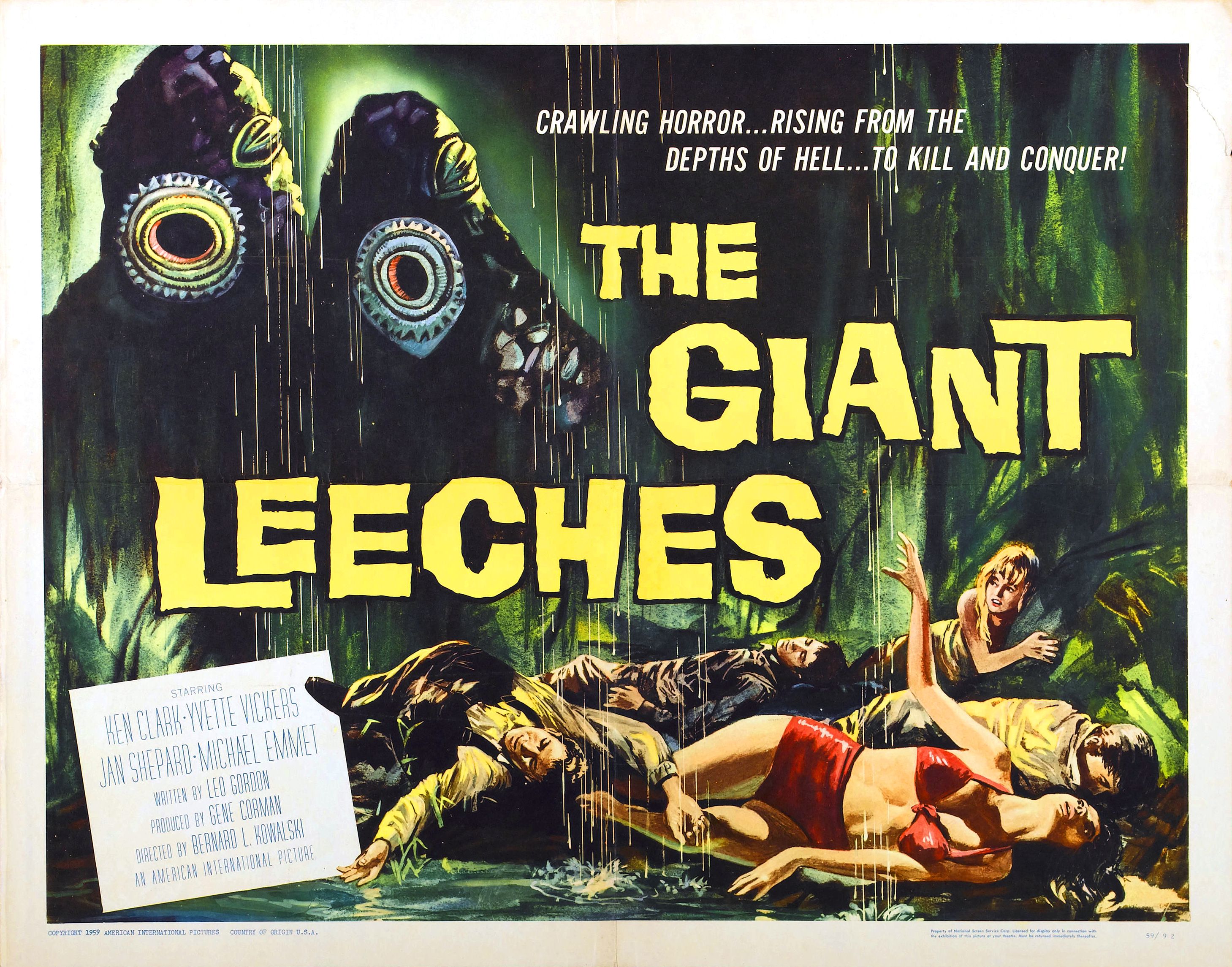
“Attack of the Giant Leeches” sounds like the quintessential low-budget drive-in horror movie, and with good reason:

It’s a Roger Corman production at American International Pictures.

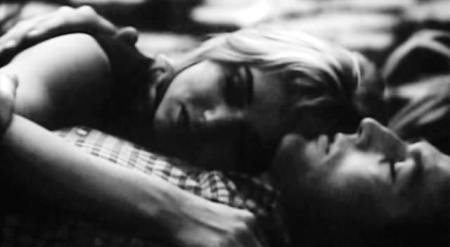
attack of the giant leeches blonde

It’s set in Florida but there’s a southern “swamp trash” – to use a phrase uttered in the movie – feel to the movie, right down to the corn pone accents and moonshine-swilling hillbillies.

It’s a Roger Corman production (did I mention that already?).

Its title alone sounds like every bad imaginary movie that ever played out on a drive-in movie screen in some other movie or TV show.

“Attack of the Giant Leeches,” all 62 minutes of it, is great fun, a mix of southern fried domestic drama right out of “Cat on a Hot Tin Roof” and low-rent monster movie.

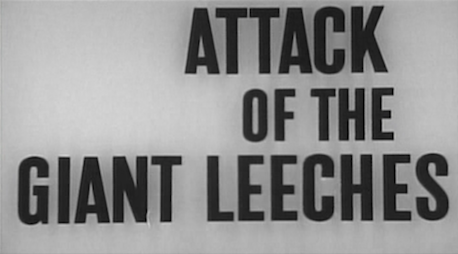
Attack_of_the_Giant_Leeches_title_

Legendarily made in eight days, “Attack” has a low-rent feel but doesn’t stint on action. Except for a couple of scenes that feel like people are standing around talking for the sake of filling up a few minutes of screen time, “Attack” brings the drive-in thrills early. One of the titular characters shows up even before the credits, and there’s two or three attacks in the first 20 minutes of the movie.

A small Florida town is beset by attacks by man-sized leech creatures. As people turn up sucked to death or missing, game warden Steve swings into action. Well, sort of. First of all, he needs to make sure nobody’s going to do anything to hurt indigenous wildlife.

attack of the giant leeches monster

The creatures are low rent – somebody sewed plastic octopus suckers on the forerunner of the Snuggie – but probably more effective because they are little seen.

There’s one genuinely creepy moment in the movie in which we learn the giant leeches are taking their victims to an underwater cavern. They’re left there to be sucked dry of blood a bit at a time. It’s kind of eerie.

There are some decidedly loony moments:

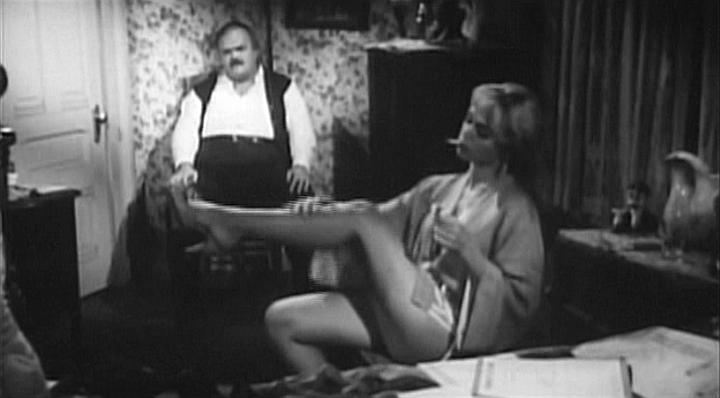
Game warden Steve runs up to floozie Liz as she screams because she’s been frightened. But Steve, rather than holstering his pistol, points it right at Liz’s face as he comforts her.

Cal, the no-goodnik making time with Liz, is a dead ringer for comic Adam Carrolla.

attack-of-the-giant-leeches_snuggle

Cal and Liz go out to a remote spot in the swamp – despite stories about the leech creatures – to make out … in a decision they make standing in the doorway of a bedroom. Young people these days!

attack-of-the-giant-leeches steve

Steve and pal Mike decide to go diving in the swamp to look for the giant leech creatures with scuba equipment they took from a ship belonging to “the Italian navy.” Huh?

The creatures usually have a fairly effective “rattle” noise they make, but early on one makes a sound like a cougar’s cry.

Check out “Attack of the Giant Leeches.” It’s drive-in schlock fun.

Captain America on the Fourth of July

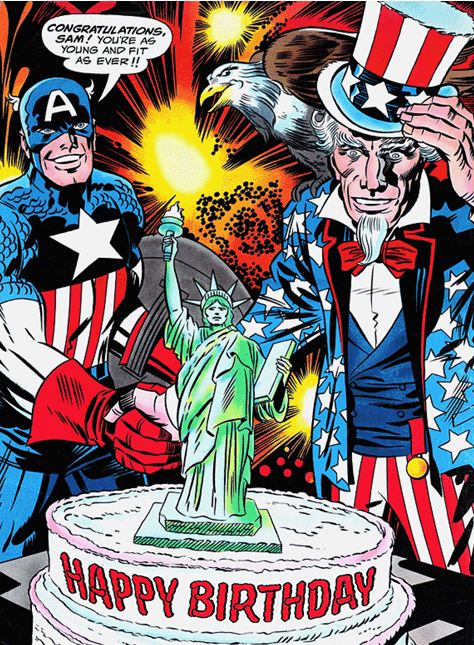
cap uncle sam

It’s pretty easy to draw a line between Captain America, the classic Marvel Comics character, and the Fourth of July, the U.S.’ most patriotic holiday.

The guy’s dressed in the Stars and Stripes, for pete’s sake.

But those who dismiss Cap and his alter ego, Steve Rogers, as an empty American symbol are wrong.

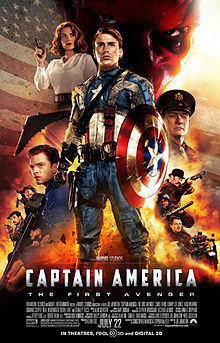
cap poster

As a matter of fact, Cap’s real patriotism is what the Marvel movie producers got so right in “Captain America: The First Avenger” and “The Avengers.”

avengers 4 cap returns

Like Superman, Captain America is a man without his own people. When Cap returned in Avengers No. 4, he was nearly 20 years removed from his era and his battleground, World War II. That “man out of time” feeling, which directors Joe Johnson and Joss Whedon captured so well in those movies, is what sets Cap apart from hip, funny heroes like Spider-Man.

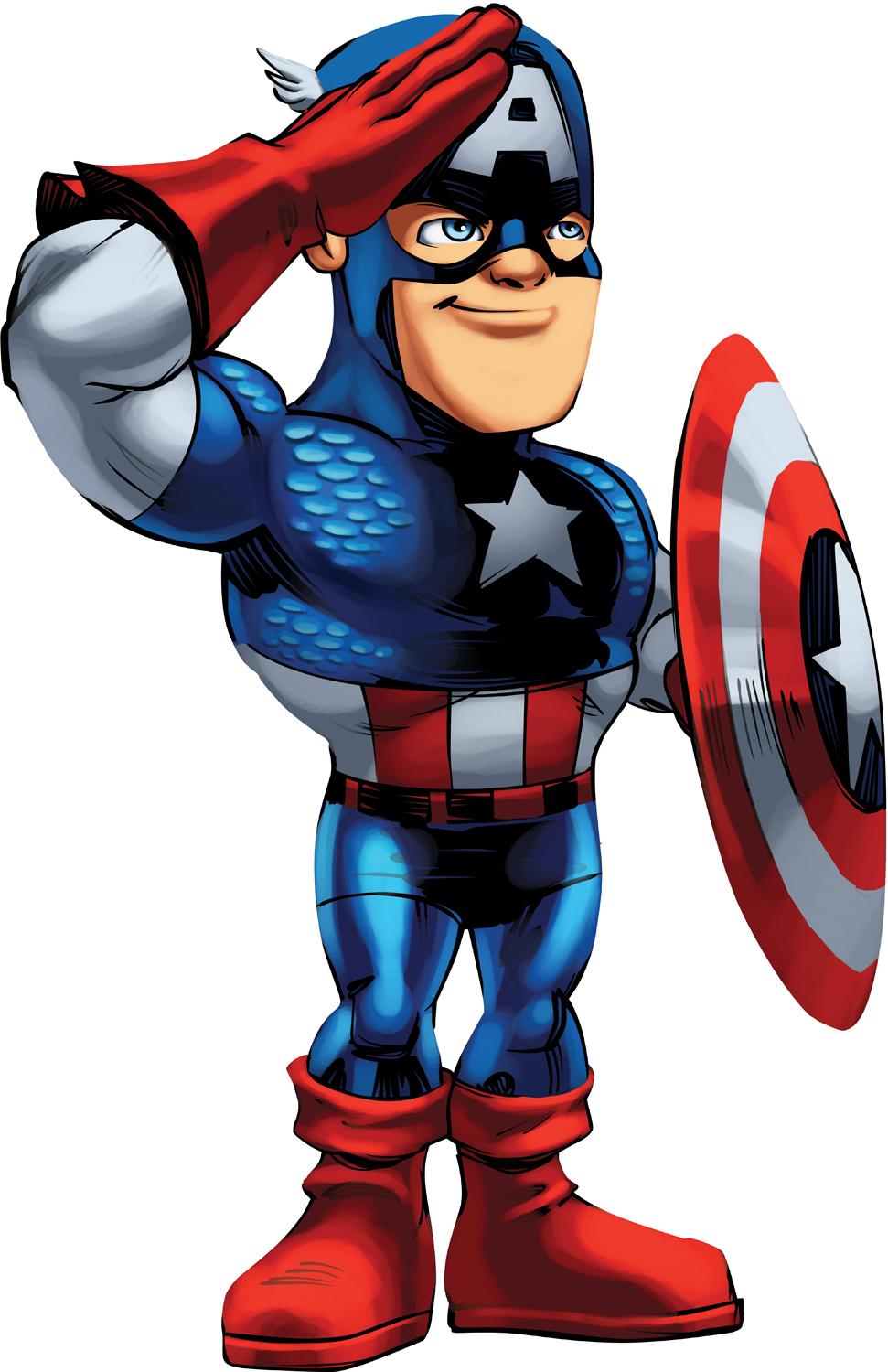
cap superhero squad

Heck, the former Cartoon Network series “Superhero Squad,” which made Marvel heroes appealing and accessible to young fans, even got Cap right even as they poked fun at him. Cap in that series was always talking about some conversation he had with FDR or making some other “frozen in amber” reference. It was as funny as it was on-the-nose.

But besides Cap’s stranger in a strange land status, he’s also known for doing what’s right. Always. For a period in his comic in the 1970s, that meant forgoing the Cap name and costume and, thanks to disillusionment with the government, operating as Nomad, the man without a country.

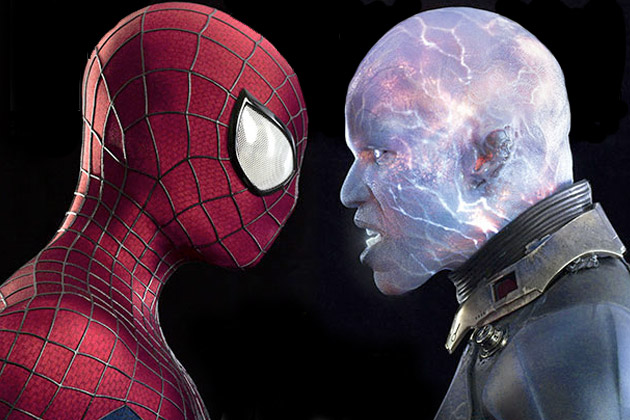
I’m looking forward to “Captain America: The Winter Soldier” next year in great part because it looks like more of a political thriller than a spandex slugfest and in great part because it looks to pit Cap against SHIELD. Cap’s character in “The Avengers” certainly showed more than a little skepticism about SHIELD and Nick Fury’s motives. That’s perfectly in keeping with the character and I couldn’t be happier about that.

So while Steve Rogers would, if he existed, be enjoying a hot dog and some fireworks today, he’d also be mindful of what enabled him to enjoy the Fourth of July, the sacrifices of men and women that allowed that and the individual liberties of the people around him.

Because while Captain America might have been a man without his own people, he has embraced – and been embraced by – his new people.

RIP Sammy Terry: We’ll miss our favorite ghoul

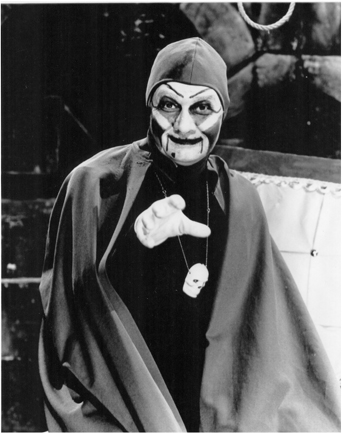
sammy terry b&w

I come to praise Sammy Terry, not to bury him.

With the passing Sunday, at age 83, of longtime Indianapolis music store owner Bob Carter, a chapter of television history closes.

That’s because, of course, Carter was the real-life, not-totally-secret identity of Sammy Terry, horror movie host on WTTV Channel 4 from 1962 to 1989.

I’ve written about Sammy before, but his passing prompts me to recount the Sammy Terry legend at greater length.

Carter was a TV pitchman who claimed to have invented the Kentucky Fried Chicken catchphrase “It’s finger-lickin’ good!” during a live commercial spot. He always seemed like a gentle soul and, on the rare occasions I called him for an interview, answered the phone in a toned-down version of the sepulchural voice he used to play Sammy.
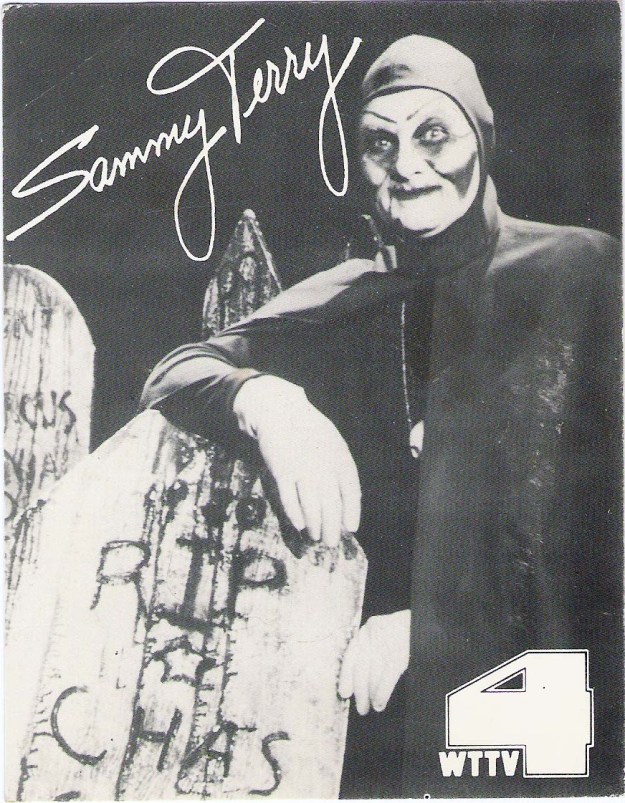
sammy terry autographed

He seemed to take his celebrity in stride. For a couple of generations – at least – of Indiana kids, he was a cultural icon before we knew what that phrase meant. But probably because you couldn’t make barrels full of money taping a once-a-week horror movie show on Indianapolis TV – and no doubt because he loved providing music education to legions of school children – he kept that day job.

But 11 p.m. Friday rolled around and Carter – in yellow rubber gloves with veins drawn on, pasty pancake makeup, a dark purple cowl and cape and plastic skull around his neck – became friend and nemesis to us kids all at the same time.

He was a friend in my household. Because she knew it was important to me, my mom helped me stay up late on Fridays, talking to me and prodding me and even occasionally offering me a McDonald’s hamburger left over from our special Friday night dinner.

For other kids, including some of my cousins, Sammy, his creaking coffin, his spider friend George and his spooky movies were just a bit too much. Sammy’s entrance was a cue for the sleepover to move into deep sleeping bag mode.

And what movies he showed. Channel 4, like stations all over the country, had bought the Shock Theater package of films. The 50-plus films, including many classic black-and-white Universal Studios horror movies like “Frankenstein” and “The Wolf Man,” had been re-released to theaters for much of the 1930s and 1940s and even the 1950s. But in 1957, the package was released to television and many stations built a weekly horror movie show around it. Thus were born the TV horror hosts, men (and a few women) who dressed up in spooky outfits and presented the classic films, often seasoning their introductions and cut-away bits with campy humor.

Carter – whose stage name was a play on “cemetery” – told me on a couple of occasions how much he enjoyed the gig. He recalled with great fondness how the cardboard dungeon set was created and how the most realistic thing about the show – the coffin from which he arose every Friday at 11 p.m. – had been provided by a funeral home that insisted he never tell its origin for fear it would upset customers.

Carter made appearances here in Muncie over the years, and before one such appearance, in the early 1980s, I had done an interview and asked if I could meet him “backstage” at Muncie Mall as he got into makeup and costume. He graciously agreed and, along with a couple of friends, I was ushered into the room where he was getting ready.

Like three starstruck kids, Jim, Derek and I watched as he got ready and made small talk. When he was finished, I took a picture of the other two with him. That picture hung on Derek’s wall for many years.

Sammy’s time as a horror movie host passed more than a couple of decades ago, a victim of changing tastes and TV economics. He continued to make personal appearances, to the delight of the grown-up kids who remembered him and wanted their kids to know Sammy. In the past couple of years, Carter’s son has been making personal appearances in the character and might continue to do so. It’s a continuation I heartily approve of. Sammy would be pleased to know that he, the ultimate Hoosier TV ghoul, had a life after death.

We’ll miss you, Mr. Carter. And you too, Sammy.
RIP great writer Richard Matheson

Richard_Matheson

It’s impossible to neatly summarize how important author Richard Matheson was to the word of writing, fantasy and science fiction and movies and TV.

Matheson, who has passed away at age 87, left so many great works behind.

Here are just a few.

“I Am Legend,” which inspired movie treatments starring Vincent Price, Charlton Heston (“The Omega Man”) and Will Smith.

“The Shrinking Man,” adapted as “The Incredible Shrinking Man.”

Other works that were made as movies, some of them written for the screen by Matheson: “What Dreams May Come.” “A Stir of Echoes.”

Original movies and TV shows he wrote: “House of Usher.” “The Raven.” “Comedy of Terrors.”

Several of the best-remembered “Twilight Zone” episodes, including “Nightmare at 20,000 Feet.” The “Star Trek” episode “The Enemy Within.”

“Duel.”

“The Night Stalker” and its sequel, “The Night Strangler.”

“The Legend of Hell House.” “Trilogy of Terror.” “Somewhere in Time.” “Twilight Zone: The Movie.”

“Jaws 3-D.”

“Profile in Silver,” the great JFK assassination time travel story for the 1980s remake of “The Twilight Zone.”

“Steel,” the story that was the basis for the Hugh Jackman fighting robot movie “Real Steel.”

Matheson might have been the most versatile and most accomplished writer to ever move between books, short stories, TV and movies.

He will be missed, but his legacy lives on.