Category Archives: movies

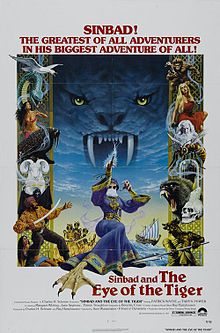
Movie classic: ‘Sinbad and the Eye of the Tiger’

There’s a strong case to be made for 1982 as one of the great, if not the greatest, years of all time for science fiction, fantasy and horror films. I’ll get into that at another time.

But just as 1982 was a high-water mark for genre films, the summer of five years before, 1977, was a turning point.

Why? “Star Wars.”

George Lucas’ space opera, for many years the highest-grossing and most popular movie of all time, was the “two” in the one-two punch that began in 1975 with Steven Spielberg’s “Jaws.” There had been summer movie blockbusters before, of course. But “Jaws” then “Star Wars” made the summer months a place for movies of the fantastic: Science fiction, action, horror and — in recent years — comic book movies reign in the summer.

In my mind, the modern movie era turns on “Star Wars.” Everything is divided into before and after “Star Wars.”

But another, much lesser-seen, gem came out in 1977: “Sinbad and the Eye of the Tiger.”

The movie was the third in a series of films, based on the classic adventure character of Sinbad, that special effects genius Ray Harryhausen made for release in the U.S. by Columbia Pictures. The series — whose earlier installments were “7th Voyage of Sinbad” and “Golden Voyage of Sinbad” — stretched clear back to the 1950s and featured different actors in the lead role, so it hardly seemed like a series.

The “Sinbad” movies were Saturday afternoon popcorn features, unlikely to be mistaken for art. But each had their own charms.

Some of the highlights of this installment:

Harryhausen’s effects. Harryhausen, who pioneered and perfected stop-motion animation — the art of moving model figures in small increments while exposing frames of film, creating the illusion of movement — practiced his craft into the 1980s and “Clash of the Titans.” Computer-generated effects are the standard now and give filmmakers possibilities they couldn’t dream of decades ago. But Harryhausen’s effects have their own kind of charm and their own kind of realism. Is the movie’s baboon character (actually a good prince, turned into an ape by an evil witch) as realistic as the CG simians in “Rise of the Planet of the Apes?” No. But it is effective and as crucial to telling the movie’s story as modern-day computer creations.
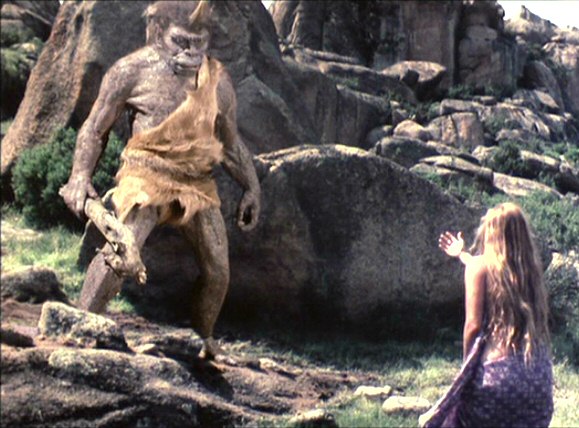
The creatures. The highlight of any Harryhausen movie (which were directed by a variety of filmmakers, but always bore the stamp of the effects genius) were the imaginative monsters. Aside from the effects work, the choice and design of creatures (in this film the mechanical Minaton and the horn-in-the-forehead Troglodyte) is always a delight. Harryhausen probably reached his peak with Medusa in “Clash of the Titans,” but the creatures here are great.

The cast. The movie’s casting has a “Huh? What?” quality to it. There are a couple of legacy actors (Patrick Wayne, son of John Wayne, as Sinbad, and Taryn Power, daughter of Tyrone Power), as well as Patrick Troughton, who had played the lead role in the popular British sci-fi series “Doctor Who” in the 1960s.
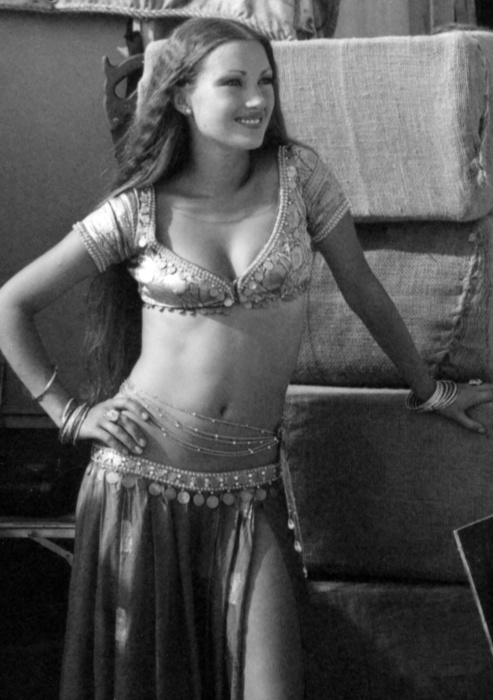
And then there’s Jane Seymour. The actress, who had made a big impression in the 1973 James Bond movie “Live and Let Die,” was a highlight of “Sinbad and the Eye of the Tiger” for any red-blooded male.

Jane, rocking incredibly long, straight hair, was dressed as improbably as any sword-and-sorcery movie heroine: a top that’s little more than a bikini with sleeves, a hip-hugging skirt and — most exotic for Midwestern boys like me — gold chains around her hips.

Yowza.

“Sinbad and the Eye of the Tiger” was not fated to be the equal of “Star Wars” or the other genre hits of 1977, including “Close Encounters of the Third Kind,” at the box office or with audiences and critics. But thanks to Harryhausen’s creatures and Jane Seymour, it lives on in the Saturday afternoon memories.
 

‘John Carter’ leaves Hollywood wondering what happened

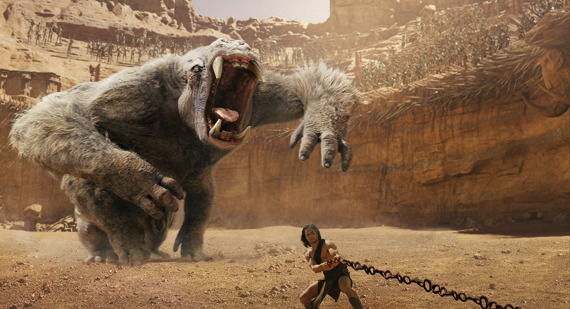
The box-office performance of Disney’s “John Carter” this weekend has left some Hollywood observers wondering what happened. The movie adaptation of the century-old Edgar Rice Burroughs tale pulled in only about $30 million in ticket sales, not enough to beat “The Lorax” in its second weekend.

My money didn’t contribute to the “John Carter” take, but more on that in a minute.

The New York Times featured a good analysis of why John Carter didn’t do well and is highly unlikely to recoup its $250-million-plus costs, but the article boils down to too much indulgence by director Andrew Stanton (who made Pixar’s classics “Finding Nemo” and “Wall-E”), a badly handled marketing plan and too little interest on the part of moviegoers for the story from the creator of Tarzan.

Maybe the movie will do well overseas. Maybe it will be considered an overlooked classic.

I’ll be able to judge the latter better when I see it. I didn’t see “John Carter” this weekend, even though the Burroughs tales were among my favorites when I was a kid, because the movie had very limited non-3-D showings locally.

I’m convinced that 3-D has become as much of a liability as a draw for some moviegoers, including me. The movies I want to see more than anything else in the next few weeks, “The Hunger Games” and “The Avengers,” will no doubt play in 3-D but I’ll probably have to seek out a theater in which to watch them in good old 2-D.

I’ve heard too many bad reports about how dark and murky 3-D movies can be as they’re projected in our standard movie theaters. “Thor,” a very fun movie, was apparently almost unwatchable in some theaters.

Other moviegoers no doubt think the $3-or-more surcharge for 3-D is also unwelcome, and it is, until 3-D projection is perfected.

In the meantime, movies that cost too much, don’t have a very good marketing campaign, don’t have enough broad appeal and can’t entice people to put up with 3-D projection will suffer. It happened with “Green Lantern” and I think it happened with “John Carter.”


Pop culture Mort Report

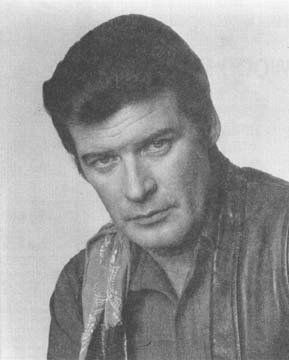
The recent death of Peter Breck, best known for his role as Nick Barkley in the 1960s western TV series “The Big Valley,” made me think about an occasional entry here making note of the passing of some pop culture — particularly geek pop culture — figures.

These won’t be weighty obituaries and don’t be surprised if important figures in the world of art or government aren’t included. I’ll just throw out a picture and a quick note of what they meant to me.

Breck was one of those dependable looking guys who populated 1960s TV series. “The Big Valley” was something of a gender-reveral “Bonanza” best known for employing Barbara Stanwyck late in her career as the matriarch of a ranch. Breck was the most gruff of the three sons on the show, the others being played by Richard Long and Lee Majors.

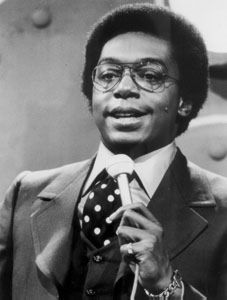
There’s been plenty of note of the passing of Don Cornelius and Ben Gazzara. Cornelius was best known for hosting “Soul Train,” the coolest and in many ways hottest of TV dance shows.

Gazzara was a Method actor best known for movies like “The Killing of a Chinese Bookie,” but pop culture fans know him as the detestable bad guy from the Patrick Swayze classic “Roadhouse.”

Nicol Williamson was another intense actor, this time of the British variety. He brought an offbeat touch to Sherlock Holmes in “The Seven Percent Solution.” Of course he will forever be remembered for his role as Merlin in “Excalibur.”

While we’re talking about Brits, how about Ian Abercrombie? He’s best known as Elaine’s boss on “Seinfeld.” I’ll remember him as a very good Alfred, the Wayne Manor Butler, on the short-lived “Birds of Prey” TV series.

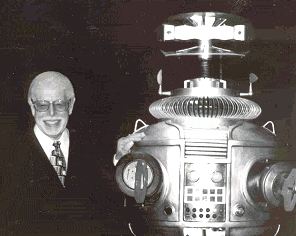
Then there’s Dick Tufeld, who is best known for providing the voice of the robot on the 1960s TV series “Lost in Space.” But Tufeld was a longtime announcer and voice-over talent, the kind of behind-the-scenes figure that made TV work.

The pop culture world was the better for their presence.

‘Amazing Spider-Man’ has an amazing trailer

Just a couple of days after the commercial for “The Avengers” — “We have a Hulk” — became my favorite minute of the Super Bowl, along comes a spider.

Well, a Spider-Man anyway.

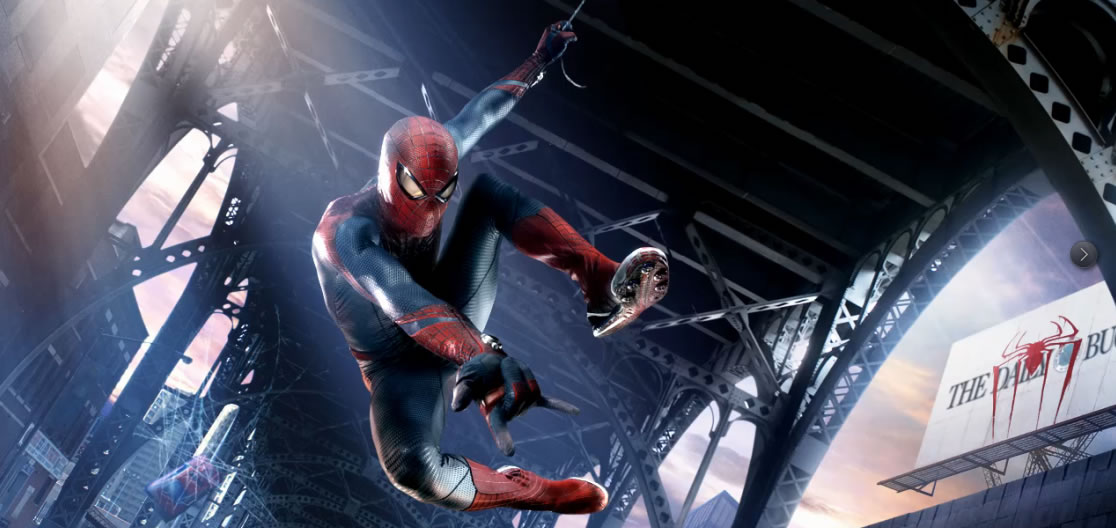
The trailer for this July’s “Amazing Spider-Man” debuted online today.

Maybe I’m getting to be a soft touch, but I wasn’t looking forward to this movie at all and the trailer sold me.

The Spider-Man seen in the trailer for Marc Webb’s reboot is a familiar one to Marvel Comics readers. He’s young and smart and, maybe most importantly, kind of a smart ass. The Spider-Man from the comics was — and is — a quipster, the kind of guy who is prone to lobbing insults and sarcastic remarks as often as he shoots webs or throws punches.

Admittedly, it’s not the equal of having Spidey insult the Kingpin, but the moment in the trailer when our hero makes fun of a thief’s outfit seems like vintage Spidey.

I liked Sam Raimi’s “Spider-Man” movies just fine (at least the first two) and I’m not sure we needed a reboot. Sony apparently thought otherwise, launching the remake in part to keep a handle on the big-screen rights.

And I’m not sold on the “mysterious origins” of Peter Parker and his parents. I almost wish they hadn’t remade Spidey’s origin at all, or had simply retold it over the opening credits.

But anyway. The trailer is dynamic enough, and visually pleasing enough, that I’m now looking forward to this, right along with “The Avengers.”

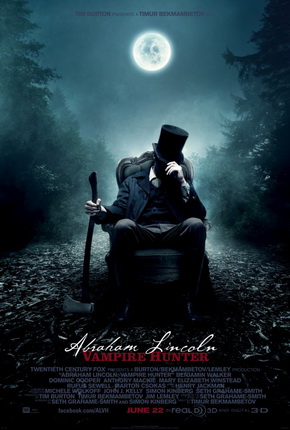
‘Abraham Lincoln, Vampire Hunter’ a great read

Trust me on this one.

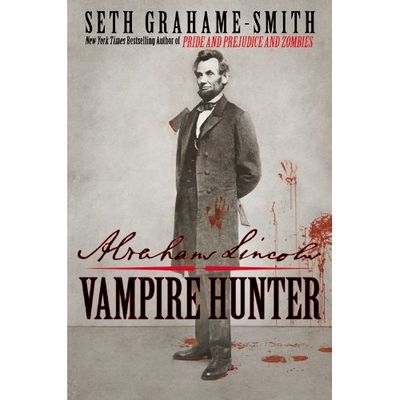
“Abraham Lincoln, Vampire Hunter” is a terrific book.

I know. That title. “Abraham Lincoln, Vampire Hunter” might be the best-executed (no pun intended) work of fiction with the cheesiest title since “Buffy the Vampire Slayer.”

It might be easy to confuse Seth Grahame-Smith’s 2010 novel with the author’s own “Pride and Prejudice and Zombies” or other historical fiction/horror fiction mashups. It’s not that at all.

Grahame-Smith’s book is a fantastic (literally) but well-told story based on the premise that Lincoln, the Midwestern farm boy and rail-splitter who grew up to be the country’s 16th president, waged a secret battle against vampires for most of his life.

In the book, Lincoln learns that his mother’s death was at the hands of a vampire after his father failed to repay a debt. The future president discovers that areas of the still-young country are rife with vampires.

The novel’s best conceit? Vampires are a huge part of the Confederacy, which slaves traded in part so they can be used to feed vampires.

Young Lincoln learns much from Henry, a mysterious, all-knowing stranger who befriends him and then trains him in the art of vampire killing. Needless to say, Henry has a secret.

The book has been made into a movie written by the novel’s author. It comes out in June.

The novel treats Lincoln and Henry, as well as the story itself, with grace, reserve and dignity. There’s not a hint of camp. Lincoln is just as tragic a figure in the book as he was in real life.

Sure, it’s bizarre to think of our nation’s greatest president hunting and beheading vampires. There’s a shock value to the title that the story can’t match.

“Abraham Lincoln, Vampire Hunter” is as preposterous-sounding as can be. But it’s a fast-paced, witty tale told well.

Okay, so no Spider-Man in ‘The Avengers?’

Joss says no.

We’ve mentioned in this blog lately the Interwebs rumors — based on a random comment in an interview with actress Jenny Agutter — that Spider-Man would make a cameo appearance in May’s “Avengers” movie.

This got everybody who wasn’t looking at porn on the Internet very excited.

Then, on Wednesday, during a Twitter chat with a few “Avengers” cast members, director Joss Whedon said this in response to a question about Spider-Man being in the movie:

“There is no Spider-Man cameo. But the Avengers do turn off the dark.” (Ha Joss! Broadway humor!)

Okay, on the face of it, that would appear to settle the matter. Joss says no Spider-Man cameo. And that’s perfectly reasonable. After all, different movie companies, yadda yadda yadda.

And I think he’s telling the truth.

But …

This is the devious genius behind the “Buffy the Vampire Slayer” TV series, after all. The guy who devised, or at the very least approved, the addition of fan favorite Amber Benson, who played Tara, to the show’s opening credits … on the same episode in which she was killed.

Talk about bait and switch.

So Joss says no. No cameo.

He didn’t say anything about an appearance of more substance than a cameo, however, did he?

Nah. Couldn’t be.


And the Oscar won’t go to …

Back when I was a movie reviewer and entertainment writer, I followed the Oscar announcements as if the head of the motion picture academy was releasing puffs of either gray or white smoke. They were that important to me. Movies were my religion.

This year’s nominees were announced this morning but I’ve yet to really study the full list. I do have a few thoughts, however.

I’m not going to suggest that “X-Men First Class” or “Captain America” or “Bridesmaids” or any of several movies I saw in 2011 should have been nominated.

But each year when Hollywood is buzzing about the best movies of the year, my mind goes back to 1982. I wrote an article listing my picks for best pics of the year.

But I was too caught up in what I should choose as the best movie of the year rather than what I really thought.

Considering 1982 was a milestone year for movies, guess which of the following I picked as the best of the year:

“E.T.”

“Tootsie”

“Star Trek II: The Wrath of Khan”

“The Verdict”

“Gandhi”

“Sophie’s Choice”

“Blade Runner”

“My Favorite Year”

“Richard Pryor Live on Sunset Strip”

“The Year of Living Dangerously”

Yep, that’s right. I picked “Gandhi.”

Undoubtedly a good movie, and an Oscar winner, but one that I’ve never watched a second time.

Since then, I’ve learned to be true to my own tastes.

Between now and the Academy Awards ceremony in February, I’ll no doubt see some more of the nominees. So far, of the nine movies in contention for Best Picture, I’ve seen “Midnight in Paris” and “The Help.” I don’t know that either picture is one for the ages but they were pretty good.

I’m looking forward to “War Horse” and “The Artist” and some of the other nominees.

And I don’t really think I’ll see the makers of “Captain America” leaping up on stage next month.

But I might be wishing they would.


Spider-Man in ‘The Avengers?’ Probably not. But …

The Internet broke today.

And you can blame British actress Jenny Agutter.

In an interview with Radio Times, a Brit publication, Agutter noted that she has a small role in this May’s movie version of the classic comic book “The Avengers.” While on the set, Agutter said, she saw trailers for the actors playing Iron Man and Spider-Man.

Only one problem: Spider-Man isn’t supposed to be in the movie. The webslinger’s big-screen adventures — including the reboot coming out late this summer — are being made by Sony, while “The Avengers” is coming from Disney.

So is there some cross-studio crossover in the works? Have Hollywood moguls loosened their grips on their respective superhero tentpoles and allowed the kind of hero visitation the comics have always enjoyed?

Probably not.

Anyway, there was a LOT of talk about the possibility of a Spider-Man cameo online today. About twice as many people discounted the possibility as touted it.

I guess we’ll know for certain, though, when “The Avengers” comes out on May 4.

It’s too bad that movie rights to the Spider-Man character are owned by Sony, while Fantastic Four is owned by Fox and Iron Man, Captain America and all the other Avengers are overseen by Paramount and Disney.

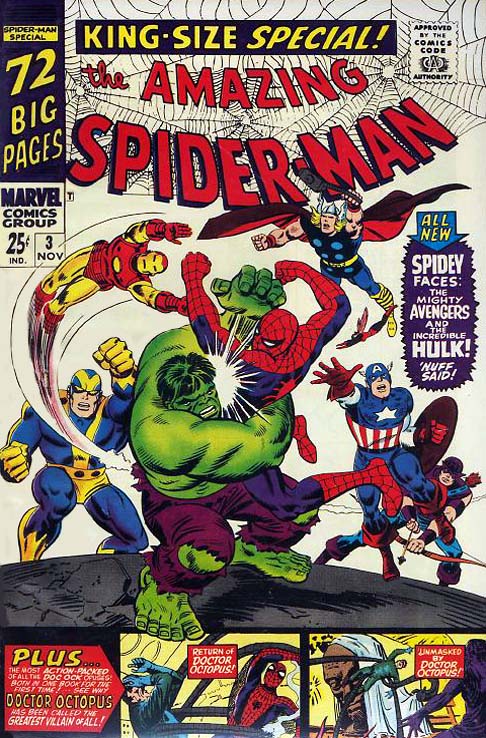
Because one of the best things about the comic book universe has traditionally been that it is a shared universe. As seen in the vintage cover above, Marvel heroes regularly showed up in each other’s comics.

On the current “Avengers” animated series on Disney XD, a season-one episode featured the super team fighting some bad guys in the streets of New York City. Suddenly a burst of flame pummels the baddies. The Avengers look up and the Human Torch, member of the Fantastic Four, skywrites, “You owe me one” before flying off.

Then the Torch’s FF compadre, the Thing, shows up to clobber another bad guy.

It was a throw-away gag, sure. And there was nothing to lose compared to the high stakes of big-screen movies.

But maybe someday we’ll see that big old comic-book universe play out on the movie screen.

‘Dragon Tattoo’ does the research

Who knew research nerds were so sexy? Not to mention so dangerous?

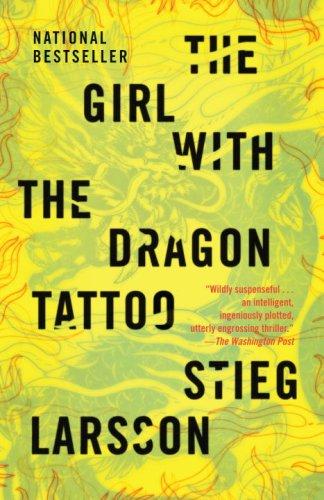
Well, everybody who has read Stieg Larsson’s “The Girl with the Dragon Tattoo” trilogy, I suppose, or those who’ve seen the original Swedish film adaptations or the new movie version of the original novel in the trilogy.

I guess it’s easy enough to say that all detectives — from Sherlock Holmes to Batman — are characters who do a lot of research because, after all, that’s what investigating is all about.

But Larsson’s characters, Lisbeth Salander and Mikael Blomkvist, spend more time scanning old photographic contact sheets, reading corporate histories, perusing personal scrapbooks and, of course, tap-tap-tapping on the keyboards of their laptops than any of their written word or big-screen contemporaries.

The thought occurred to me today after seeing David Fincher’s big-screen, big-budget adaptation of Larsson’s first book, starring Daniel Craig as Blomkvist and Rooney Mara as Salander.

Anyone who’s read the books or seen the earlier movies knows there’s a reassuring and even kind of humorous pattern of activity in the stories, much of it centering on Salander, the emotionally and socially estranged but brilliant investigator who helps Blomkvist, a discredited journalist, probe the long-buried secrets of a rich family.

Salander spends much of Larsson’s books smoking, buying frozen pizzas from convenience stores and riding her motorcycle. Blomkvist drinks enough coffee to float all of Sweden.

But seeing the movie today emphasized how much time the two spend poring over everything from the Bible to old newspaper archives to Google search results.

I should note that I’m a fan of Larsson’s books at the same time I recognize their shortcomings. Completed before the author’s untimely death in 2004, the books have taken on a life of their own, selling 15 million copies in the U.S. alone.

There’s some clunky moments in the stories, to be sure, and maybe that’s from the editing or translation. But the compelling characters and ingenious plots more than make up for it.

Blomkvist is, as has been noted elsewhere, a somewhat passive character. I think some people don’t realize, though, that Larsson’s background as a journalist probably contributed to that. Blomkvist is a social crusader and risk-taker — not only in his amorous personal life, but in his professional life too — but, like good journalists, is more of an observer than an agitator. His role, even when people are shooting at him, is to probe rather than instigate. Can you imagine how unlikely a reporter he would be if he pushed and provoked like Robert B. Parker’s Spencer?

But Salander … man, what a character Larsson has created.

If you haven’t read the books or seen the original movies, the new movie won’t give you too many clues to her background. But suffice it to say, Salander survived an incredibly abusive upbringing and traumatic events — both of her own making and at the hands of authorities — than wouldn’t be survivable by many people.

She lives in self-exile in the midst of bustling Stockholm, relating to most people sideways, out of the corner of her eye. In fact, it’s remarkable when, late in the movie, Salander trusts and likes Blomkvist enough to look at him head-on.

That’s not to say that Salander is a pliable character. Because she likes to disappear into the background doesn’t mean that she’s a pushover. After being brutalized by her government guardian, she lashes back in a most satisfying manner. Throughout the stories, Salander takes things into her own hands, achieving revenge and righting wrongs. She has a fierce personal code and protective streak and has the tools to back it up. One of the pleasures of the trilogy is seeing Salander unleash her fury. A small woman, she launches herself into a fight, devastating her opponents. Larsson called it “Terminator mode,” and while it might be as cliche as it is unlikely, it’s thrilling.

The new movie — which, of course, is not for younger audiences, considering the sex and violence quotient — necessarily telescopes some of Larsson’s story. Blomkvist’s troubles are given a thumbnail treatment and there’s little of the admittedly yawn-inducing thumbsucking over the operations of his investigative magazine. I really didn’t need more discussions of which staffer would take over which role if Blomkvist left. If the second book, “The Girl Who Played with Fire,” gets made into a movie, some of that internal magazine stuff will be necessary since two staffers from the magazine figure into the plot.

There’s a moment with Craig’s Blomkvist makes a joke about losing track of the members of the divisive Vanger family. Who can blame him? They’re all old and either Nazis or worse — yes, that’s possible — and mercifully off-screen for most of the movie, and that’s a good thing.

The movie doesn’t shy away from the book’s sexual, violent and sexually violent overtones. Really. Don’t go if you’re squeamish.

Craig, normally so take-charge and headlong as James Bond, is good as the journalist who isn’t really an action hero. When he gets rescued by Mara’s Salander, it’s believable.

Mara — like Noomi Rapace, who played Salander in the Swedish film versions — is very good as the damaged Salander. She’s appropriately spiky but vulnerable.

There’s been speculation that the box-office returns for “The Girl with the Dragon Tattoo” haven’t been good enough to warrant a sequel. That’s too bad in a way, because I’d like to see what Fincher, Craig and Mara do with “The Girl Who Played with Fire,” because it’s my favorite of the three books. If they don’t make another movie, though, that’s okay. The book is still there, right on my shelf, ready to take me back to the cold and barren world of Salander and Blomkvist.


Top movies of 2011: Some thoughts

I’ve noted this before, but there was a period when I was in a movie theater every single weekend. I reviewed movies from 1978 to 1990 and saw almost everything that came to town.

More than a few years since then the majority of my movie-watching has been on home video. The demands of real life — particularly when nobody was paying me to review movies — meant I caught a lot of movies months later.

Accompanied by various enthusiastic family members and friends, I saw a lot more movies in the theater this year. I still haven’t seen the “Sherlock Holmes” sequel or “The Girl with the Dragon Tattoo,” but I saw a lot of movies earlier in the year. Particularly the geeky, comic-booky ones.

I just ran across this list, on Box Office Mojo, of the top movie box office results of the year and thought I might make note of those movies that caught a few bucks from me this year.

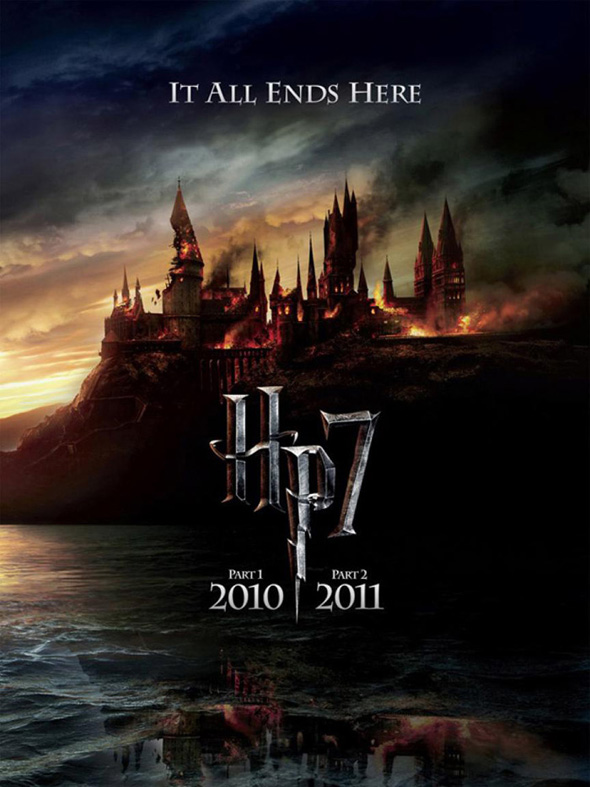
1. “Harry Potter and the Deathly Hallows Part 2,” $381 million. How could I not go see the final big-screen outing for Harry and company? Maybe not my favorite of the movies — I think “Prisoner of Azkaban” takes that honor — but a fitting end to the series.

2. “Transformers: Dark of the Moon,” $352 million. Yeah, my attendance of this was kid-driven. But you know what? It was a pretty fun action movie. And who doesn’t like seeing Buzz Aldrin interacting with giant robots?

3. “The Twilight Saga: Breaking Dawn Part 1,” $273 million. Haven’t seen it yet. Probably will on DVD. Not holding my breath.

4. “The Hangover Part II,” $254 million. I thought the first one was a hoot. Haven’t seen this yet. It just didn’t seem like a must-see-in-theaters to me. Obviously a few people disagreed.

5. “Pirates of the Caribbean: On Stranger Tides,” $241 million. I’ve never gotten these movies. Johnny Depp is fun in them but the stories are unfathomable. No ocean pun intended.

6. “Fast Five,” $209 million. Didn’t see it. I imagine I’ll watch it on TNT someday. Or the Speed channel.

7. “Cars 2,” $191 million. Another kid-driven movie and not as good as the original, but good, silly, fun. Can’t top other Pixar movies for heart, smarts and humor, however.

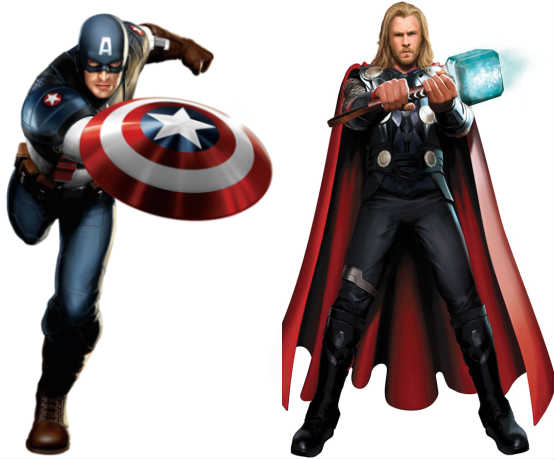
8. “Thor,” $181 million. If you told this Marvel Comics-loving kid back in the 1960s that someday somebody would make a multi-million-dollar blockbuster about Thor and that millions of people would go see it … well, I’d probably be so pathetically grateful that you knew who Thor was that I would have believed you.

9. “Rise of the Planet of the Apes,” $176 million. Maybe the biggest surprise of all the movies on this list that I saw. Who knew it would be so good?

10. “Captain America,” $176 million. One of my favorite comic book characters in one of my favorite comic book movies. And I totally geeked out over the “Avengers” preview at the end. (Spoiler!)

Jumping down the list, a few observations:

I’m kind of surprised that “Bridesmaids” didn’t place higher than 12 with $169 million. “This is like lava coming out of me.” I laughed a lot.

At 14, “X-Men First Class” also deserved to make more than $146 million. Almost as much of a surprise as “Rise of the Planet of the Apes.” A good Marvel movie from someone other than Marvel? An even bigger surprise.

Speaking of comic book movies, “Green Lantern” was 22nd with $116 million. If I could, I’d get my money back and the movie would have made $10 less.

“The Green Hornet” ($98 million) made more money than “Crazy, Stupid, Love,” with $84 million? Are there more Seth Rogen fans than Steve Carell fans?

“Real Steel” ($84 million) and “The Muppets” ($80 million) should have made more.