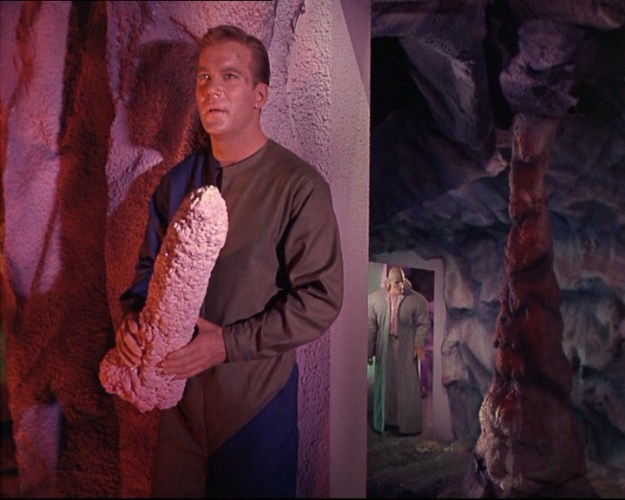
I always thought this was … Unfortunate.
I always thought this was … Unfortunate.
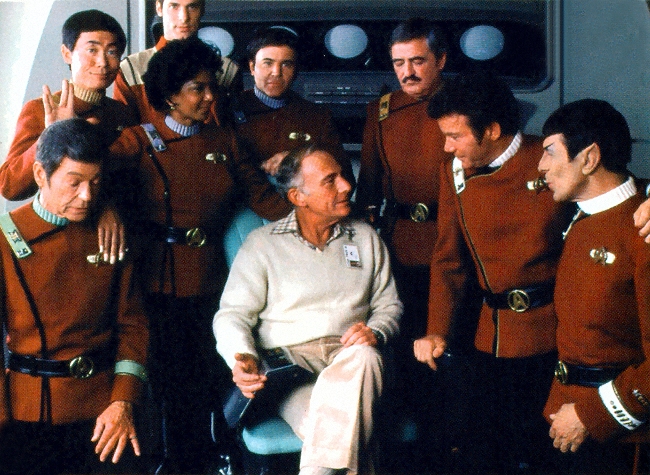
Rest in peace, Harve Bennett. We’ll always be grateful that you saved “Star Trek.”
The first “Star Trek” movie had come out in 1979 to mixed reviews and, by some estimations, disappointing box office.
Paramount didn’t give up on the franchise, but decided to economize on the second installment. The studio handed control to Paramount TV producer Bennett, who had produced “Mod Squad,” “Six Million Dollar Man,” “Bionic Woman” and other series.
Bennett produced “Star Trek II: The Wrath of Khan,” directed by Nicholas Meyer, on a modest $11 million (!) budget by reusing models and footage from the first movie.
The resulting movie, released in June 1982, was a critical success and a crowd-pleaser, bringing in $78 million at the box office.
And guaranteeing the movie series would continue.
Thank you, Mr. Bennett.
I met Leonard Nimoy only once. And I irritated him.
Let me explain.
During the late 1970s and early 1980s, most of my friends and I were members of the Muncie Star Trek Appreciation Club, a very active Star Trek club based here in Muncie, Indiana. When I say active, I mean that besides monthly meetings, we did a bunch of fannish stuff. We went to movies together, watched movies on the new technology of VHS together, traveled to cities around the Midwest for conventions and raised money for muscular dystrophy, even appearing on the Indianapolis segment of the Jerry Lewis telethon.
And we met the stars of “Star Trek.”
Not just at conventions and autograph signings. That would have been all too easy. And of course, this was before the Internet, which later made communication with almost anyone, even celebrities, easier thanks to email or Facebook. This was in the snail mail and phone call days.
Somehow – the memory of how is lost to me now, more than three decades later – we made arrangements to meet with the likes of George Takei – who we met with a few times, taking him to dinner at what was at the time one of Indianapolis’ swankiest restaurants, the King Cole, later closed after an alleged bout of Legionaires Disease – and William Shatner, who we met in the bowels of Market Square Arena while he was touring with his spoken word performances along with symphony orchestras. When we met Shatner in a quiet MSA hallway, one of our group – not me – excitedly told him, “You’re my biggest fan.” I think the encounter might have been the inspiration for Shatner’s “Get a Life” sketch on “Saturday Night Live.”
We met Nimoy at the Ohio Theater in Columbus, Ohio. The exact date escapes me now and the memorabilia from that meeting is in storage somewhere. But it would have been after “Star Trek: The Motion Picture” debuted in late 1979 and before “Star Trek II: The Wrath of Khan” came out in 1982.
Despite having returned for the first “Star Trek” movie, Nimoy was in his “I am not Spock” mode, having written the book of the same name in 1975, when “Star Trek” felt more like a burden than a blessing, and it was well before “I am Spock,” written in 1995, when he had come to peace with the character that defined his career for many people.
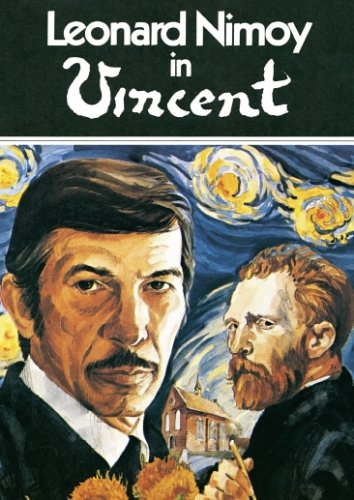
On that night in Ohio, a bunch of us had come to Columbus to see Nimoy in “Vincent,” a one-man stage show he had written in 1979. Nimoy played Theo, brother of Vincent van Gogh, talking about the artist a few days after his death. It was a good show and emphasized how versatile Nimoy, the actor, writer and artist, was.
We made arrangements to meet briefly with Nimoy at the stage door of the theater. Most of us had something for him to sign – being fans of course, and young fans at that – and I had the program for the show and a color 8-by-10 of Nimoy, in full Spock makeup and costume, from “Star Trek: The Next Generation.”
I knew that he might not react well, but I thought I might as well try it anyway. How many times, after all, would I ever meet Nimoy, a science fiction and television icon?
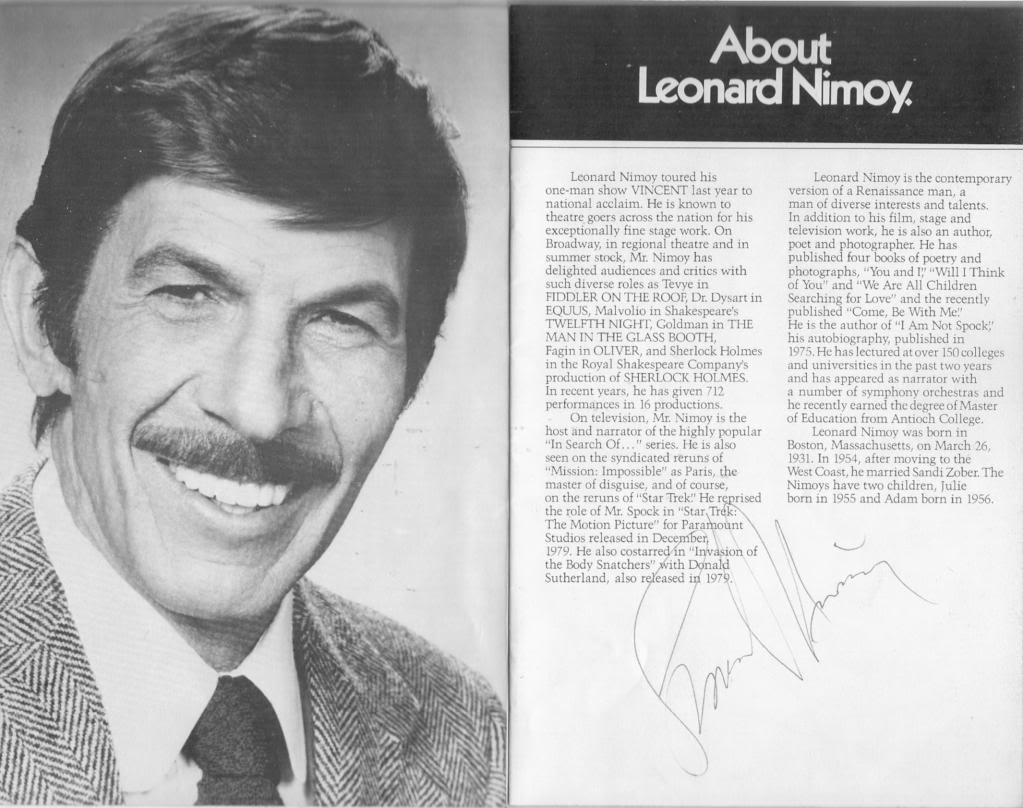
When he came out, he seemed amiable and willing to exchange a few words – none of which were “You’re my biggest fan;” that kid was in the trunk of the car. I handed him the program and he signed it (not the one pictured with this column; again, storage somewhere).
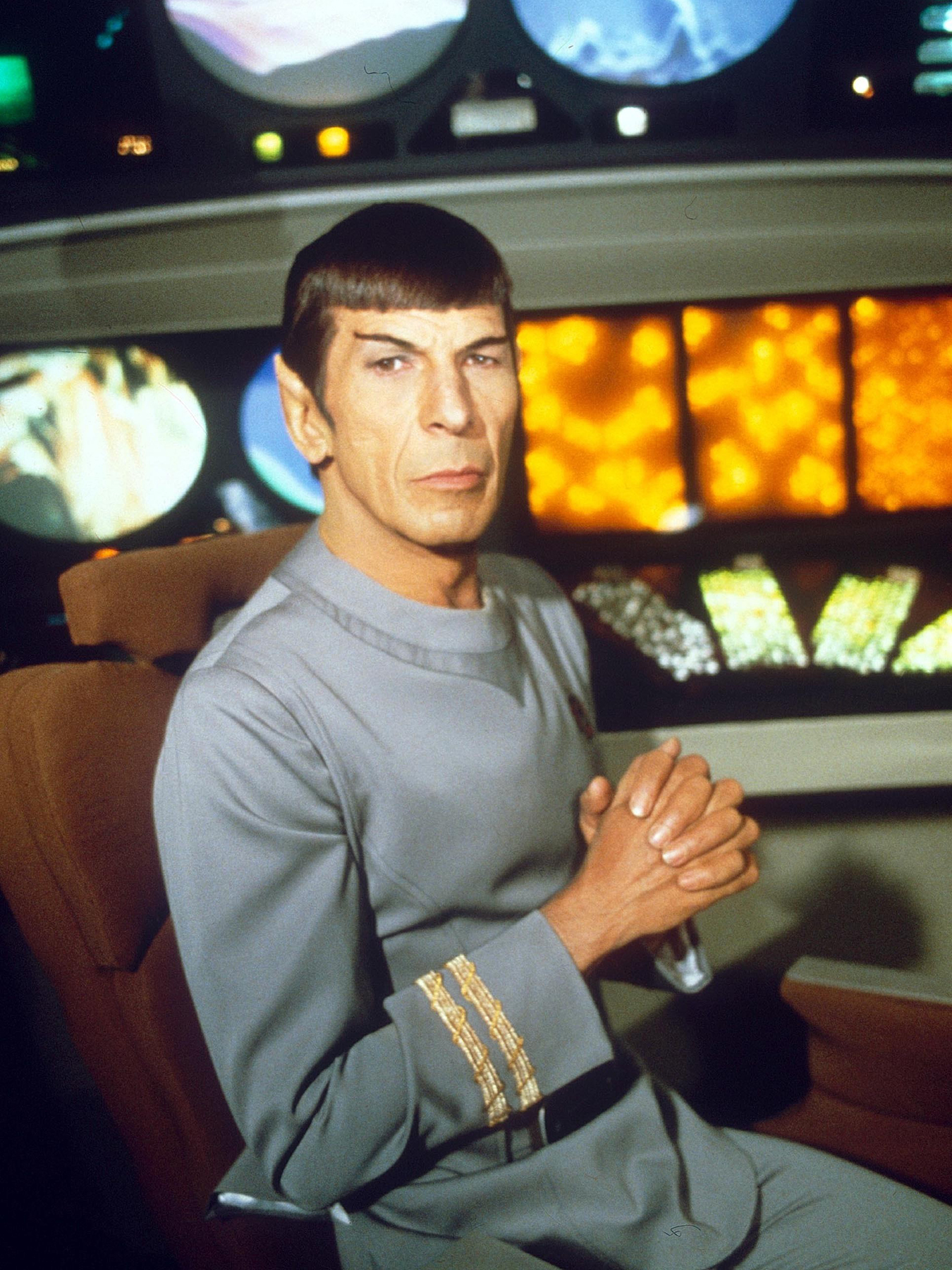
Then I handed him the photo of Spock. (Reasonable facsimile here.)
I wish I could say he arched an eyebrow, Spock-like. I think it’s more accurate to say he furrowed his eyebrows.
And sighed. Heavily.
And signed the photo and gave it back to me, as amiably as could be expected for a man who was trying to extricate himself from a role that, within a couple of years, he would fully embrace again.
By the time Nimoy appeared in “Wrath of Khan” in 1982, he was Spock – even if the sequel book didn’t come about for more than another decade – and had become master of the character. Hollywood lore tells us that Nimoy agreed to appear in the movie series in exchange for directing the third and fourth films. He proved to be an accomplished director and parlayed the success of those films – particularly “The Voyage Home,” the one with the whales – into directing hits like “Three Men and a Baby.”
This night, however, outside the stage door of a theater in Columbus, Ohio, Nimoy must have wondered, “Who the hell are these people and why do they insist on forever linking me to a character I played almost two decades ago?”
But – sigh notwithstanding – he signed the damn photo.
Thanks, Mr. Nimoy. Rest in peace.
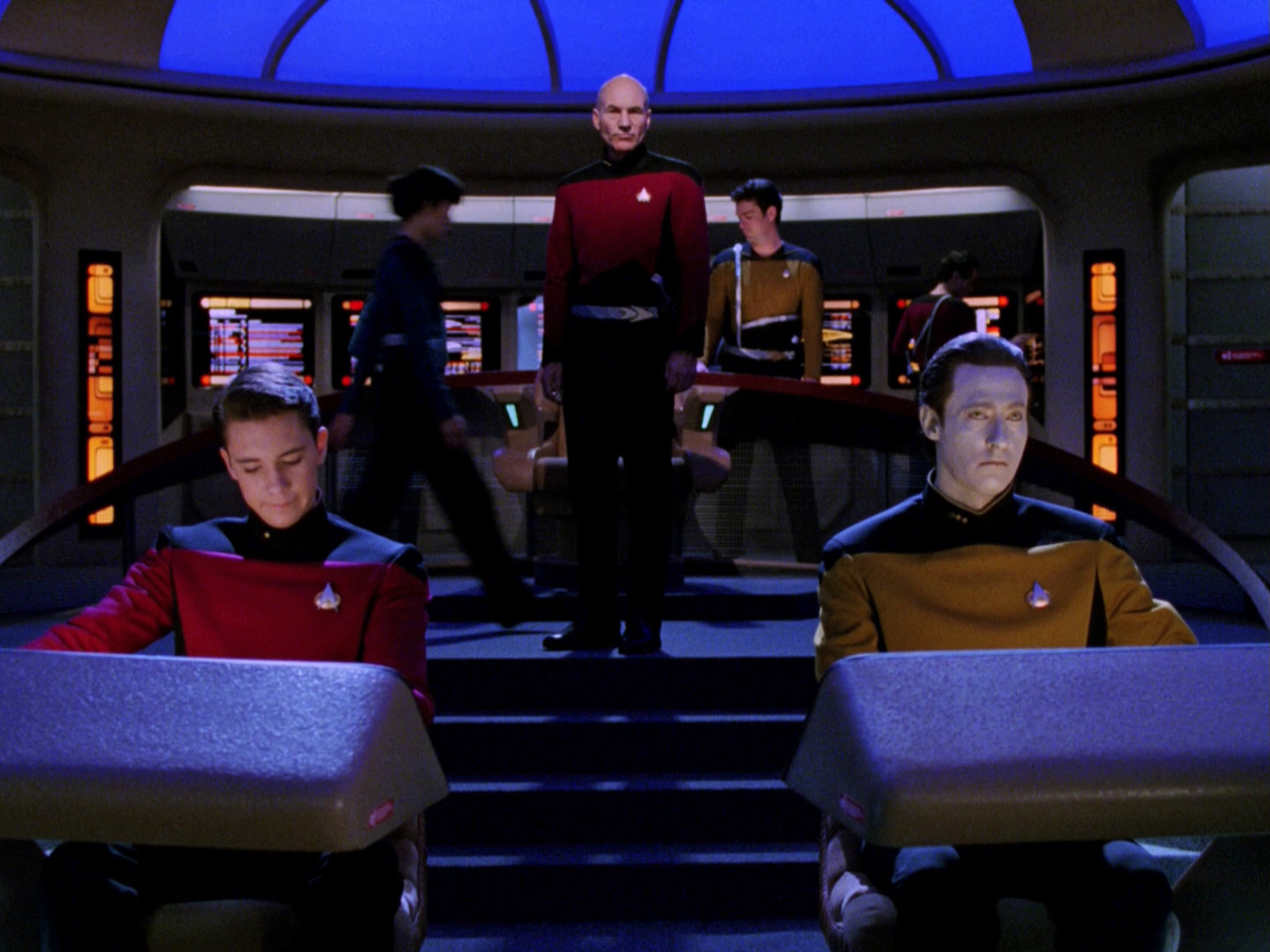
“Yesterday’s Enterprise” might not be my favorite episode of “Star Trek: The Next Generation” – that top spot might go to “Best of Both Worlds” or “Starship Mine” or “Inner Light” or a handful of others – but it’s one that I stop and rematch every single time it’s on.
“Yesterday’s Enterprise” was the 15th episode of the third season of “TNG,” airing in February 1990. The series had found its footing by that point. What seemed like an awkward, stilted attempt to reboot the “Star Trek” franchise became its own show, with relatable characters and a cohesive, intriguing universe.
That said, “Yesterday’s Enterprise” took a risk that a few series take at some point in their run: Twisting that established universe and showing fans what might have been. The original “Star Trek” did it, most famously, with its “Mirror, Mirror” universe. “Buffy the Vampire Slayer” did it better than almost anyone. Heck, in recent years, even “Community” did it, with its “Darkest Timeline” stories, in which beloved Abed suggests everyone adopt Spock-style goatees to signify the twist.
With “Yesterday’s Enterprise,” “TNG” went in a fascinating direction. A team of writers – four are credited with the screenplay and two with the story – and director David Carson took us to a dark place: An alternate universe in which the Federation has been at war with the Klingon empire for many years.
The familiar Enterprise, under the command of Captain Picard, encounters another ship coming out of a rift in time. The ship is the Enterprise-C, and its appearance in the “TNG” reality catapults Picard and the crew of the Enterprise-D from the show’s familiar setting to the war-torn universe.
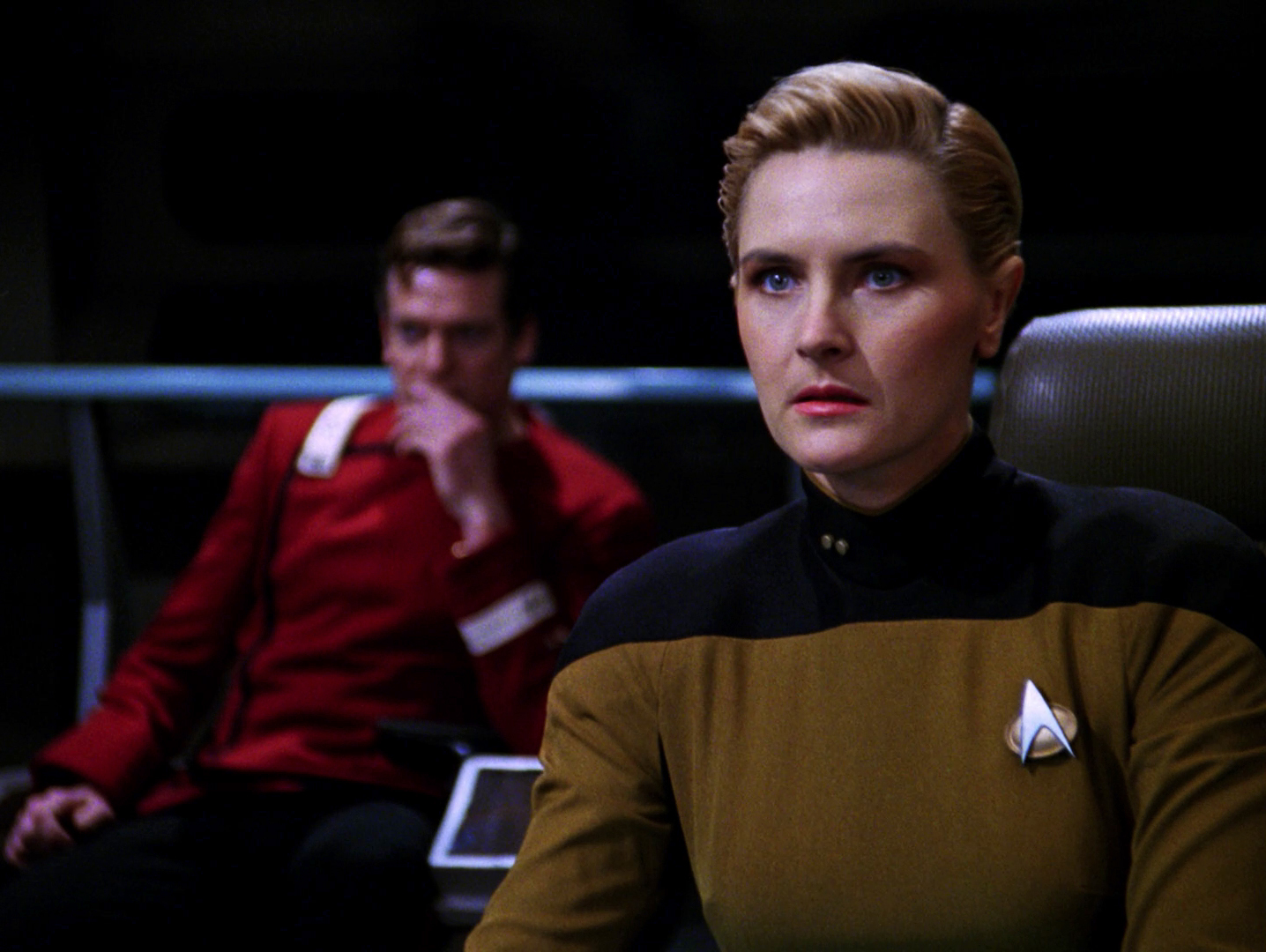
The change in timeline means more than a change in the look of the ship. Klingon officer Worf is, obviously, no longer on the ship. But Tasha Yar (Denise Crosby, most recently seen in “The Walking Dead”) is back. Yar has been dead for a couple of years in the mainstream universe, but no one knows this in the rebooted, twisted universe, just like no one knows the Federation really isn’t at war with the Klingons in “our” universe.
No one but Guinan (Whoopi Goldberg), the enigmatic alien who tends Ten Forward, the Enterprise-D’s bar.
Against all probability, Picard finds that Guinan’s warnings of the disrupted timeline make sense and has a fateful decision to make. If he sends the Enterprise-C and its crew, including Captain Rachel Garrett and helmsman Richard Castillo, back into the time rift and certain death. But doing so might “correct” the twisted timeline.
It’s a fascinating, spooky “what might have been” episode.
Random thoughts:
The crew did a lot to suggest the wartime Enterprise-D with darker sets, more “war room” type display panels and a few minor costume adjustments. Neither “TNG” or any TV series of the time had money to burn on individual episodes, so a little had to go a long way.
“Yesterday’s Enterprise” was an example of what “Star Trek” always did best: Raising the stakes and building to a suspenseful climax.
The weight of Federation history weighs heavily on this episode and the writers, director and cast rise to the occasion.
The guest cast was good. Richard McDonald played Castillo in a kind of Ryker-ish style. McDonald has been a good character actor for years now, and he’s maybe best known for this and his role as the idiot husband in “Thelma and Louise.” Not to mention Shooter McGavin in “Happy Gilmore.”
And I’ve always loved Tricia O’Neil, who played Captain Garrett. She’s gorgeous and authoritative. I wish we had seen more of her adventures. Or more of her in this episode, for that matter. Her early death leaves her ship in the hands of Castillo and Yar.
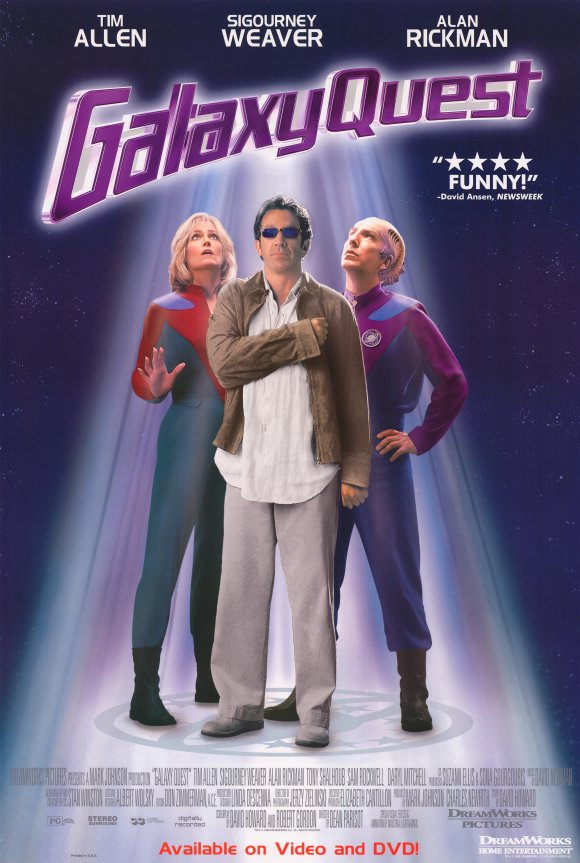
I’ve heard the argument made, online, that “Galaxy Quest” is the best big-screen “Star Trek” movie. “Star Trek” reboot director J.J. Abrams apparently said as much. While I think the claim is made somewhat facetiously, there’s a lot to be said for the light-hearted 1999 sci-fi comedy.
Beyond the trappings of the movie, which looks at a group of has-been actors living off the fame of their cult TV show 20 years later, there are a lot of subtle and not-so-subtle nods to “Star Trek” the show, its cast and fandom.
The movie, directed by Dean Parisot, shows us the cast of the former “Galaxy Quest” series in the only setting in which they can thrive: Fan conventions. While the show’s captain, played by Tim Allen, basks in the glory of his adoring fans, the rest of the crew – Sigourney Weaver as the ship’s eye candy, Alan Rickman as the Spock stereotype, Daryl Mitchell as the kid actor grown up, Tony Shalhoub as the perpetually befuddled and hungry engineer and Sam Rockwell as a glorified extra who comes along for the ride – seethe with jealousy.
From convention appearances to openings of electronic stores – where Rickman, so dry and sarcastic, has to trot out a modified version of his catchphrase: “By Grabthar’s Hammer … what a savings!” – the actors bicker and scramble for jobs.
When an oddball group of fans – led by Enrico Colantoni of “Veronica Mars” and including Rainn Wilson of “The Office” in a small role – asks for their help, they think they’re appearing in some elaborate fan-made performance. Soon enough they learn that the “fans” are aliens, come to Earth to find the heroes of the “historical documents” they’ve been watching in space. They’re seeking help in fighting off an evil alien conqueror.
“Star Trek” fans will find a lot that’s amusingly and comfortingly familiar here, from the perils of guiding the huge ship out of space dock to the ridiculous design of the craft itself.
Not to mention the ghettoized duties and personalities of the crew – Weaver’s character gets to repeat the computer’s pronouncements -and the backbiting behavior of the actors, all of who are resentful and jealous of Allen’s very Shatner-esque commander.
It’s easy to overlook Allen’s laid-back performance, but he really captures the bravado of a once-hot actor who still expects to be treated like a star.
Rickman is so good as the irritated Alexander, whose resemblance to Leonard Nimoy and his frustration at always being identified as Spock is dead on. Tony Shalhoub has some of the movie’s biggest laughs as the bemused engineer and Rockwell is wonderful as a bit player who would have given anything to have what even the cast of this cult TV show has.
“Galaxy Quest” might not be the best “Star Trek” movie ever made, but it sure is the best movie about “Star Trek” ever made.

Another great Hollywood character actor has left the stage.
Michael Ansara has died at age 91.
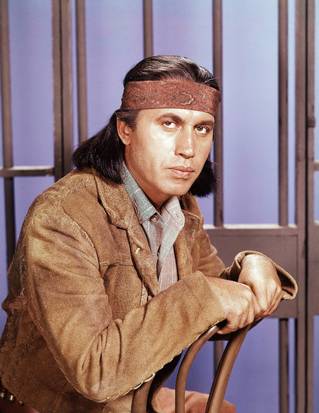
Ansara was born in Syria and had an extensive career in Hollywood playing good guys and bad guys, often with an exotic edge. He played the Djinn on TV’s “I Dream of Jeannie,” opposite wife Barbara Eden, and starred in the series “Broken Arrow.”
He is best known for playing Kang, a Klingon captain who was Kirk’s equal and counterpart, in the original “Star Trek” series.
It was a role he returned to in later series, including “Deep Space Nine” and “Voyager.”
Thanks, Mr. Ansara, for your memorable presence.
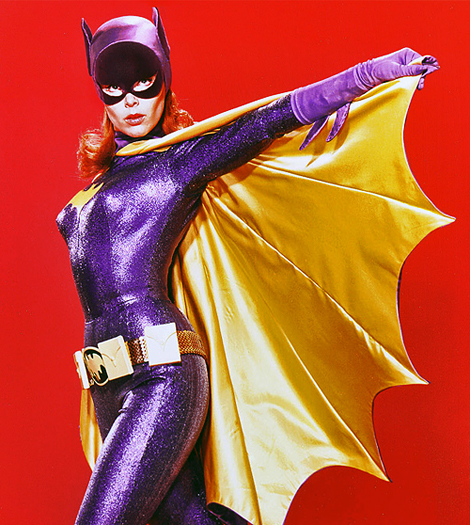
It’s safe to say Yvonne Craig sparked more than a few transitions from boyhood to manhood for male TV viewers in the 1960s
That’s because Craig made a heck of an impression on us as Barbara Gordon, also known as Batgirl, in the “Batman” series.
Craig, born in 1937, was a ballet dancer before appearing in a variety of TV series, including “The Man from UNCLE” and “The Wild, Wild West.”
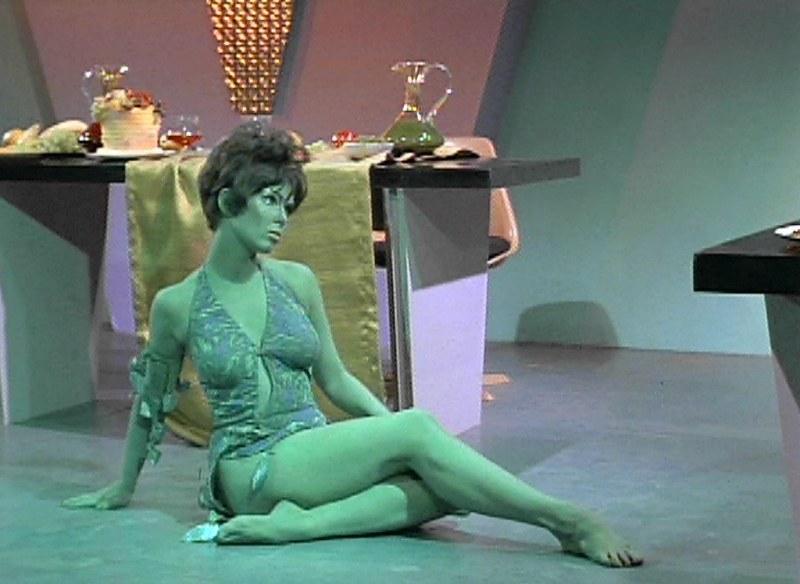
Her appearance as a green-skinned seductress in the “Star Trek” episode “Whom Gods Destroy” – the second chartreuse woman in the series – is no doubt responsible for the presence of a green-tinged woman in the 2009 “Star Trek” movie.
But all it took was for Craig to join the “Batman” cast for her to forever be a fanboy favorite.
Craig, as Batgirl, was added to the cast for the final season in 1967.
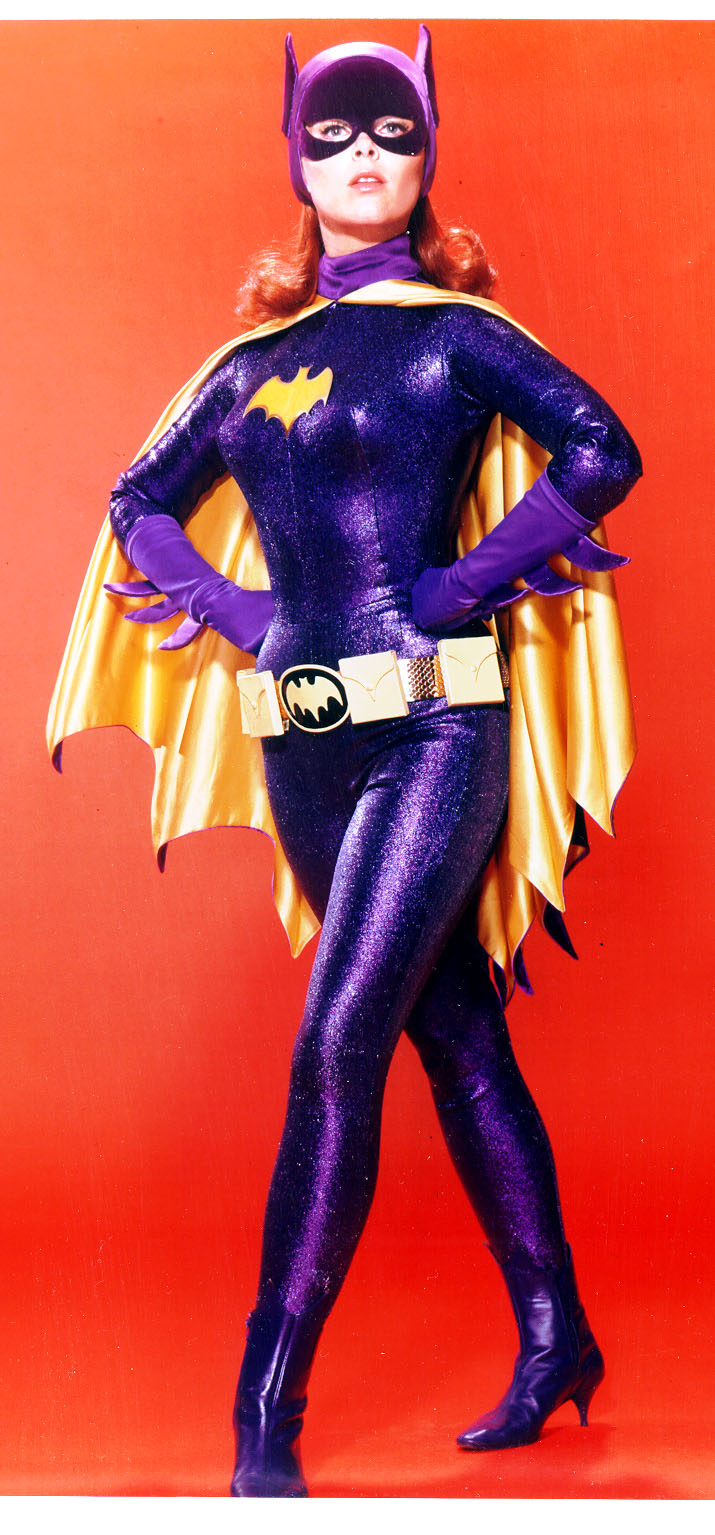
The impression her outfit – sparkly purple suit with yellow cape and hip-hugging yellow utility belt – made on a nation of us was truly great.
Here’s to Yvonne Craig.
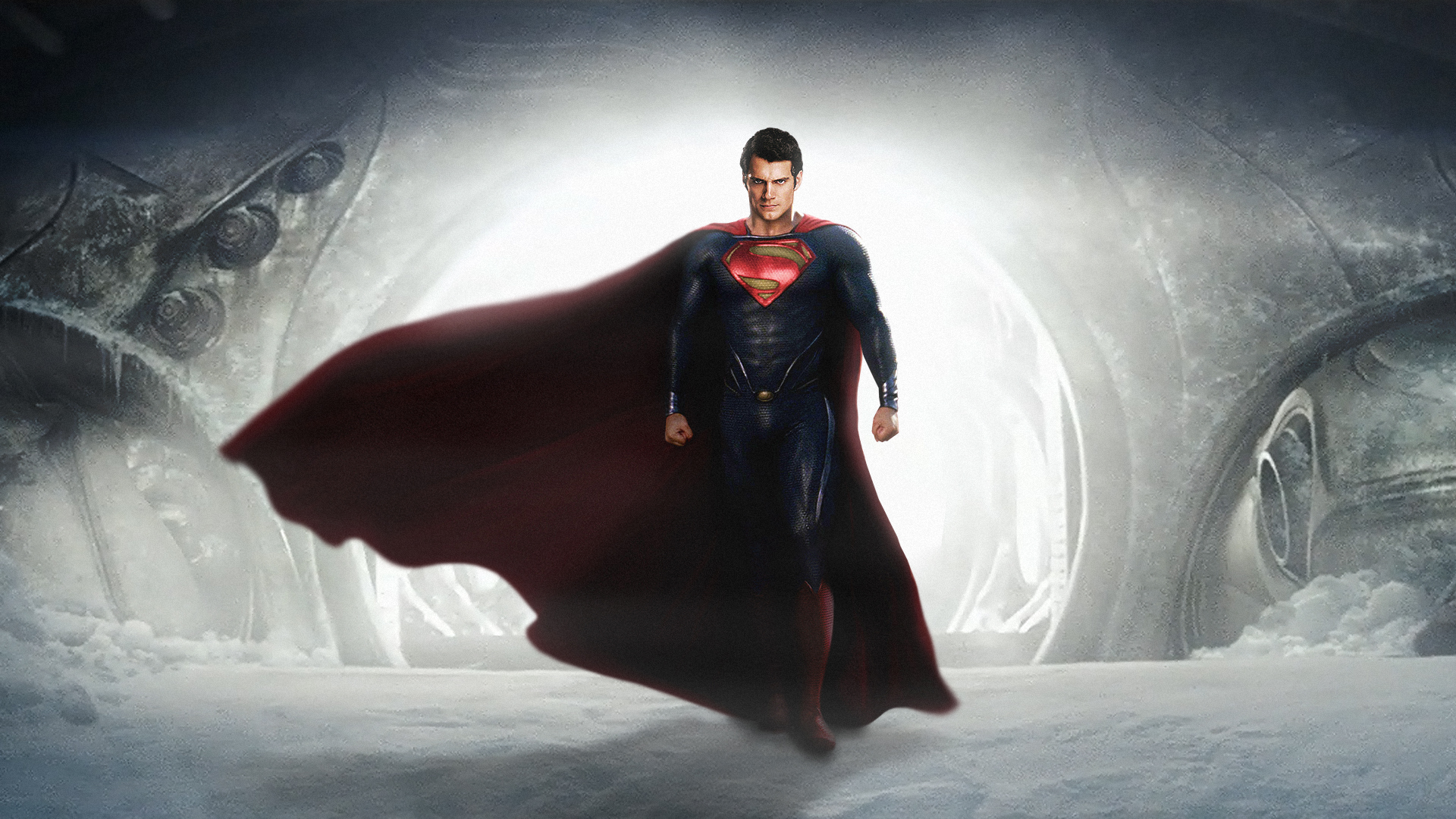
Think you know the story of Superman?
Well, maybe not.
When “Man of Steel” comes out June 14, director Zack Snyder might have a few surprises even for longtime fans of the man of … er, steel.
Most of us don’t know what to expect from “Man of Steel” yet, but it’s certain that a few elements of the Superman mythos will be tweaked at the very least.
That’s not surprising, because most filmmakers like to bring something new to their versions of familiar stories. That’s why “The Amazing Spider-Man” retold the origin of the webslinger only about a decade after we saw it before and tried to infuse new elements – chiefly a mystery about Peter’s parents – into it.
It’s not just superhero stories that get revamped. When director John Carpenter made “The Thing” in 1982, he made the “walking alien carrot” much less of the traditional monster familiar from 1951’s “The Thing from Another World.” the first adaptation of John Campbell’s story. Carpenter made the alien menace a much more paranoia-inducing shapeshifter.
By the way, spoilers ahead for some current movies if you haven’t seen them.
Some fans of the “Iron Man” comics were irritated when this summer’s “Iron Man 3” made huge changes to the character of the Mandarin, the longtime antagonist of Tony Stark.
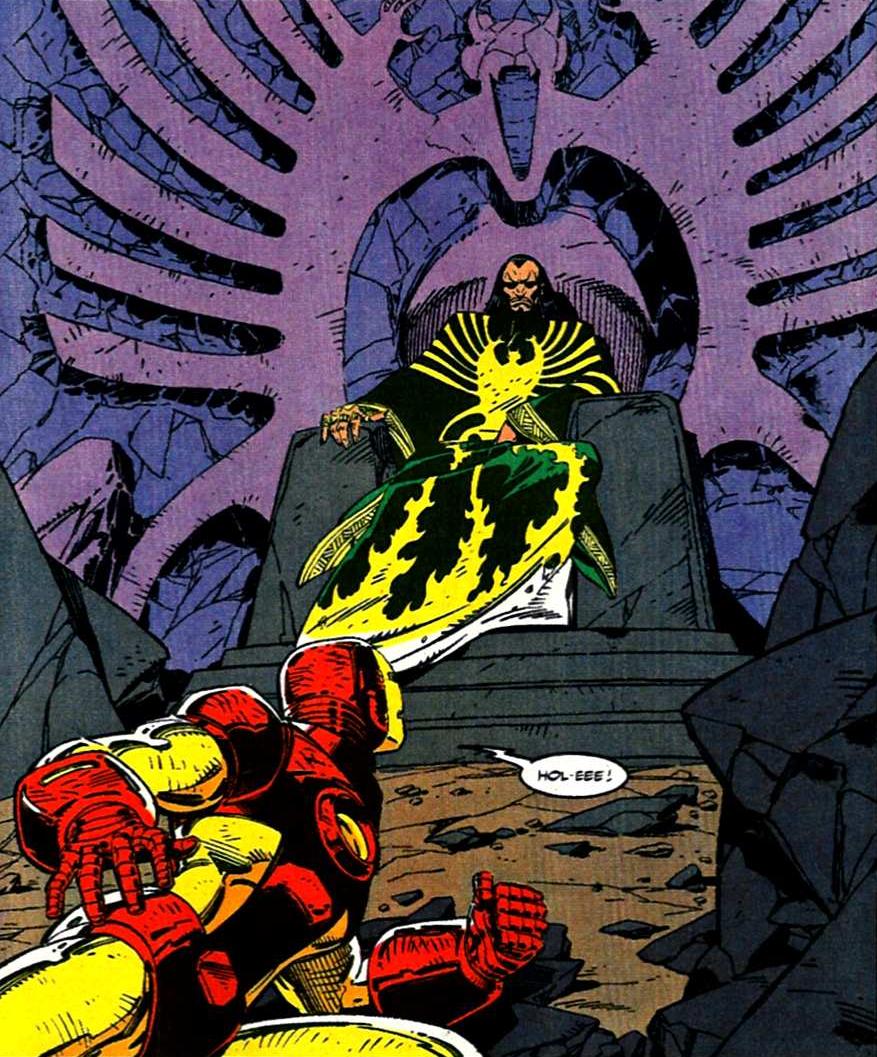
The Mandarin went from an Asian menace armed with magic rings …
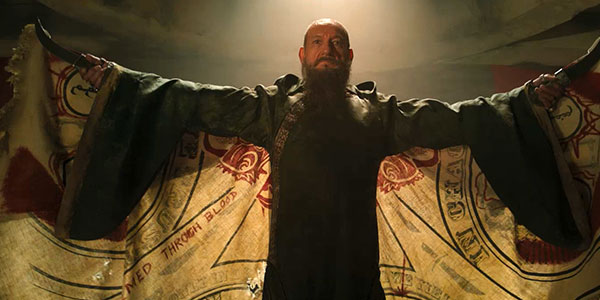
To a figurehead, a stalking horse played by a down-at-the-heels British actor.
Sometimes it’s more than changing characters. Sometimes it’s all about changing the background of sets of characters.
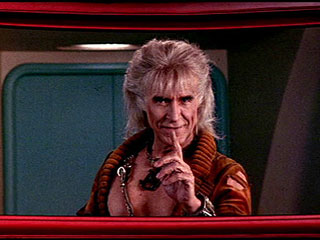
The classic 1982 “Star Trek II: The Wrath of Khan” was a sequel to an episode of the original series and emphasized the bad blood and shared history of Khan, the genetically superior warrior, and Jim Kirk.

In this summer’s “Star Trek Into Darkness,” however, there was no history between Kirk and Khan. And I think the movie suffered for that.
With “Man of Steel,” the rumors have been flying about changes Snyder and producer Christopher Nolan might have made.
Does Superman’s Kryptonian birth father, Jor-El, live? Or are the clips of Russell Crowe talking to Henry Cavill just indicative of an amazingly lifelike hologram?
Is Zod (Michael Shannon) sprung from the Phantom Zone or does he arrive in a space ship? Sure looks like a Kryptonian ship in the background to me.
We won’t know the answers for a few days. But we can already guess about fairly interesting cosmetic changes to two longtime characters from the “Superman” stories.

Daily Planet editor Perry White and cub reporter/photographer Jimmy Olsen have been staples of the comics for a half-century.
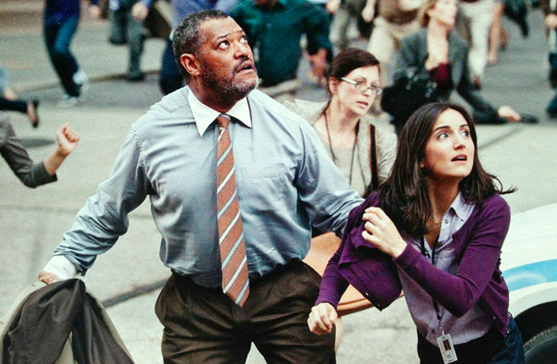
Snyder, interestingly, cast Laurence Fishburne, an African-American actor, to play White, who has traditionally been, well, white. I love Fishburne and I think this is a big win.
But it’s less clear who’s playing Jimmy Olsen in the movie. In fact, it’s becoming more clear that Jimmy Olsen isn’t in the movie. Actress Rebecca Buller seems to be playing Jenny Olsen.
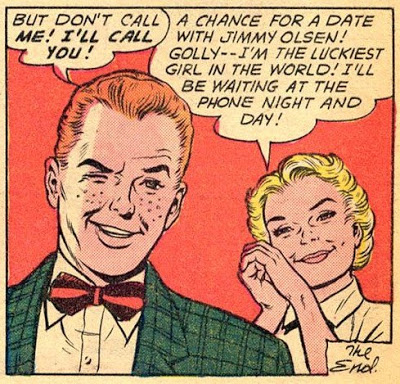
Traditional Jimmy.

New Jenny.
I can live with that.
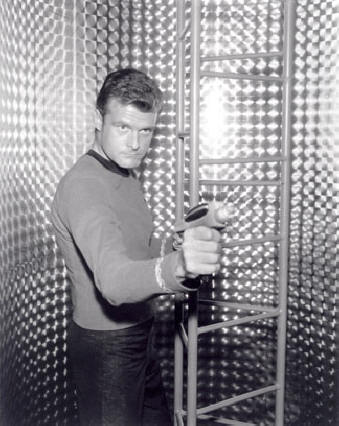
Besides the featured cast of the original “Star Trek” series, even beyond such recurring performers as Grace Lee Whitney as Janice Rand, there’s a familiar face in the background of most episodes of the series.
If you’ve watched many episodes, you’ve noticed actor Eddie Paskey, usually in a red shirt, a bad sign for “Star Trek” crew members.

Yet Paskey appeared in 57 episodes of the original “Star Trek” series. He often played crewman and security officer Mr. Leslie, and the “Star Trek” wiki Memory Alpha says he appeared more often than Sulu or Chekov.
Paskey even died in one episode – true to his “red shirt” status – although he was alive and well in the next.
Paskey, now 73, left the series in its third season due to bad headaches from a medical condition complicated by the bright lights of the set. He operated his family’s auto-detailing shop and makes occasional “Star Trek”-related convention appearances.
Although Paskey is a familiar face from his many background appearances on the show, I didn’t know until I looked him up online that he had another pivotal role in the series: He was the driver of the truck that struck and killed Edith Keeler (Joan Collins) in the series’ greatest episode, “City on the Edge of Forever.”
And he was the hand double on the show for James (Scotty) Doohan, who was missing a finger.
If that’s not enough to guarantee a lifetime of appearances on “Star Trek” convention stages, I don’t know what would be.
If you’ve seen “Star Trek Into Darkness,” you know that a lot of the plot revolves around events told, in a different manner, in an earlier “Star Trek” movie, “Wrath of Khan.”
I won’t go into that here – I touch on it in my review – but there’s more in the way of easter eggs than just those remake references.

Daystrom. The meeting of Starfleet captains and admirals that’s interrupted by the attack by villain John Harrison (Benedict Cumberbatch) is to be held, Chris Pike tells Jim Kirk, at “Daystrom,” possibly a reference to the often-referenced Daystrom Institute. Richard Daystrom, as played by William Marshall, appeared in the original series episode “The Ultimate Computer” as the inventor of the title character, which (briefly) displaces Kirk in command of the Enterprise.
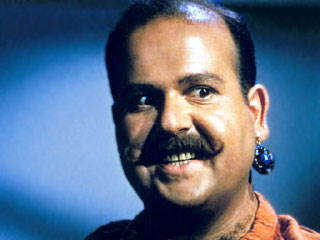
Mudd. There’s a throw-away reference to “the Mudd Incident,” undoubtedly a reference to Harry Mudd, the galactic con artist played by Roger C. Carmel who appears in two episodes of the original series.
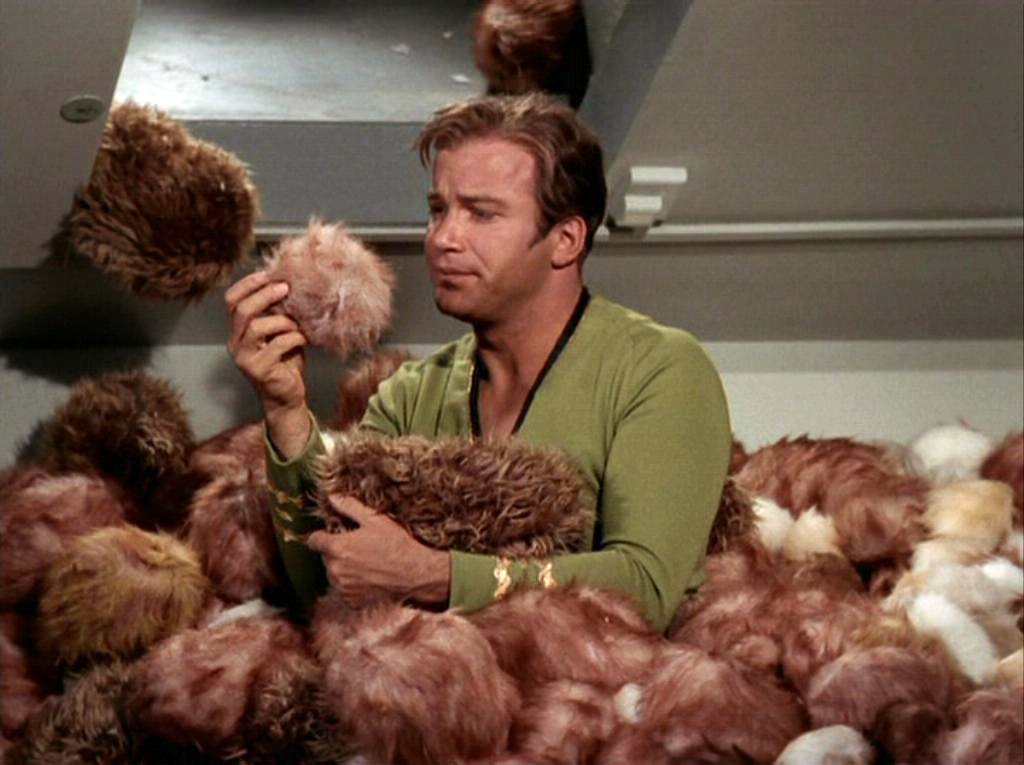
Tribbles. There’s a tribble – the furry, prolific fan favorite creatures from the original series – that plays an important role in the movie. They’re from the original series episode “The Trouble with Tribbles.” Although the one in the movie looked even more sluggish than you might expect an ill tribble to look.
Christine Chapel. Carol, the blonde Starfleet officer played by Alice Eve, tells Kirk he’s gained a reputation with women and cites Christine Chapel, a nurse she knew. It’s obvious Kirk bedded her and doesn’t remember her. In the original series and movies, of course, Chapel is Dr. McCoy’s nurse and is played by Majel Barrett Roddenberry, wife of “Star Trek” creator Gene Roddenberry.
Section 31. In the later TV series, Section 31 is a top-secret division of Starfleet that handles investigations and special missions. It is name-dropped in “Into Darkness.”
There’s probably more that didn’t have to do with the new movie’s basis in “Wrath of Khan.” Spot any that I missed?
 keithroysdon