Tag Archives: comic books

RIP Darwyn Cooke


This is the worst. Darwyn Cooke is gone. 

The artist and writer, whose work was somehow nostalgic and innovative at the same time, has passed away after a battle with cancer.

Cooke wrote and drew comics and covers for characters like Catwoman and the Spirit, but my favorite of his work was “New Frontier,” his “retelling” of the origin of the Justice League in the 1940s and 1950s. 

He was a huge talent and is greatly missed.

Comic book ads: Zombie mask and former NYC magic shop

zombiemaskcomicadRegular readers of this blog know I love old comic book ads. I grew up perusing them right along with the Marvel and DC comics stories wrapped around them.

So I’m somewhat surprised that I don’t remember – and haven’t run across before – the ad above that I found online.

Almost certainly from a comic book, this ad for “The Zombie Mask” did a nice job of selling its product.

“This fiendish, evil mask is terrifyingly lifelike in appearance,” the ad’s breathless copy maintains. “Made of top quality sanitary rubber … if your friends have bad hearts, don’t wear it.”

The mask includes a wig of “finely spun hair.”

All for $2.98. Or, for the same price, you could get a Frankenstein mask.

Hopefully some reader can fill in some details on these masks, including the manufacturer. A Google image search didn’t turn up much in the way of who made it.

There are a few interesting details to be had, however, in the company that was selling these masks.

The Magic Center – which billed itself as “the world’s largest magic store” – was a frequent advertiser in magazines like Popular Science and Google searches find their ads as far back as 1949.

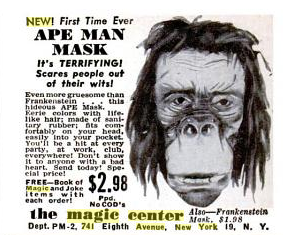
magic center ape man mask

These ads were usually for magic tricks, although a 1953 issue of Popular Mechanics found the Magic Center – still located at 741 Eighth Avenue in NYC – offering a “terrifying” ape man mask.

What happened to the Magic Center? I wish I knew. Google searches turn up, in recent years, a “dive bar” at the location. And it looks like the bar itself has closed.

I’m afraid there were few zombie or ape man masks to be found there in the past couple of decades.

‘The Secret History of Marvel Comics’

secret history of marvel comics

“The Secret History of Marvel Comics” missed a great opportunity with its title alone.

“The Secret Origin of Marvel Comics” would have been a more accurate title for Blake Bell and Michael J. Vassallo’s book because it looks at the pre-history, in a way, of the artists and writers who shaped Marvel and its earliest incarnations but specifically focuses on publisher Martin Goodman, who published pulp magazines beginning in 1933 before riding the tide of reader interest into comic books in 1939.

You can tell the authors’ premise with the quote that begins the book. “Fans are not interested in quality,” Goodman is quoted as saying, and as much as that can be disputed – even a World War II-era kid knew the difference between a good Captain America comic and a bad one – it was a mantra that served Goodman well as he moved through the New York publishing world.

The book follows Goodman’s publishing enterprises through western and detective pulps and gives us some beautiful illustrations from covers and inside the magazines.

The text emphasizes, again and again, that Goodman was fairly ruthless in his dealings with artists and writers. Some of them were among the men and women who would go on to become the best in the comics field once it kicked into high gear in the 1950s and 1960s.

They’re all here, from Stan Lee (related to Goodman by marriage) and Jack Kirby – who would team to co-create classic comic characters for Goodman’s Marvel Comics – to Kirby’s Captain America co-creator Joe Simon to the likes of Dennis the Menace creator Hank Ketcham.

Everybody worked for Goodman, it seems, even if many of them came away not particularly enjoying the experience.

Although the first half of the book, with its assessment of Goodman’s character, feels repetitive, the second half is eye-opening, with reproductions of art by artist after artist. Here you’ll see Kirby’s art – raw and edgy – for detective pulps like “Detective Short Stories” and fantasy pulps like “Marvel Stories.”

kirbyqueenofvenus

Here’s a two-page spread by Kirby and Simon for “Queen of Venus,” from Marvel Stories 2 in November 1940.

The artists reproduced here gave readers an unending parade of gangsters and molls and tough guys and bad girls and aliens and murderers. That’s the best thing that “The Secret History of Marvel Comics” shows us.

MMMS: I was a member

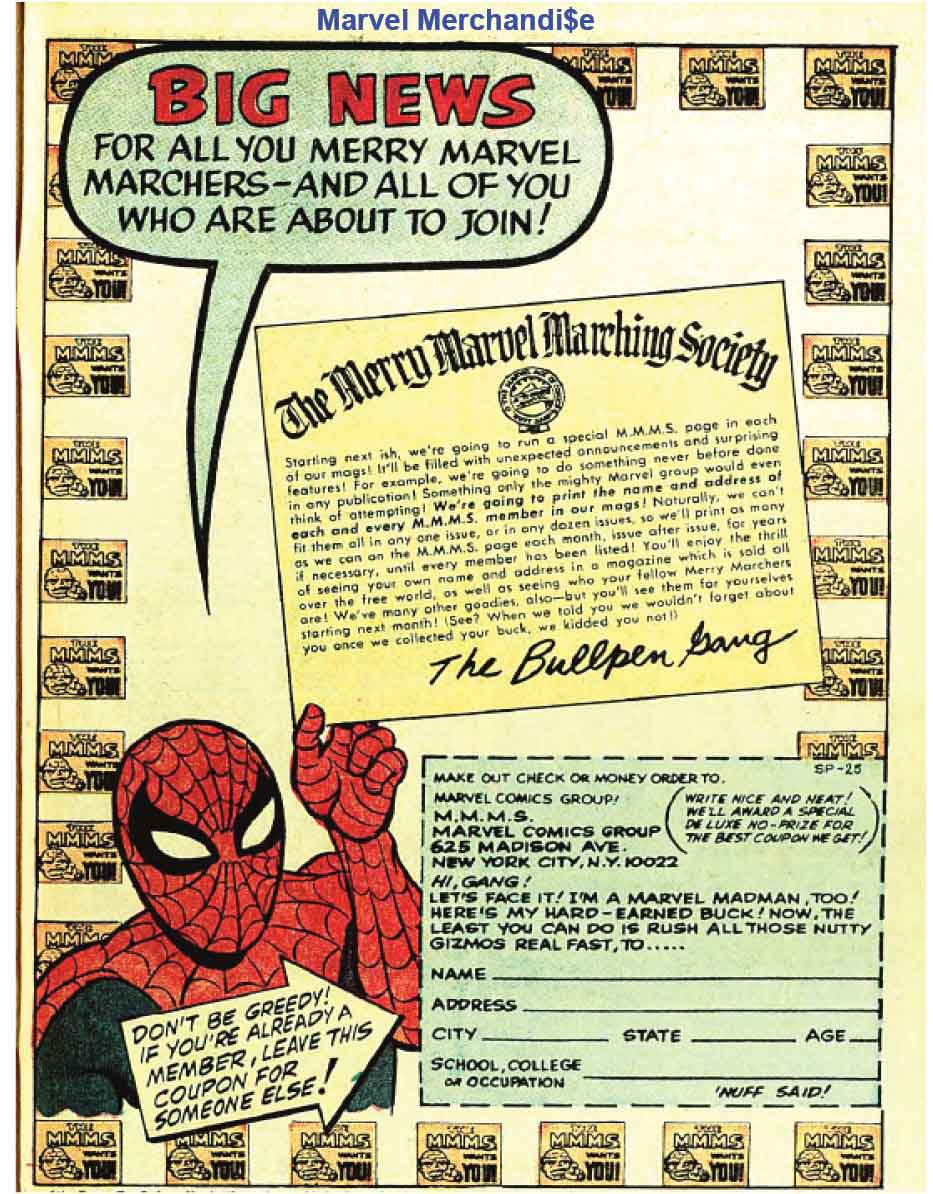
MMMS house ad

Remember the Merry Marvel Marching Society?

In the 1960s, it wasn’t enough that Marvel’s comics were the coolest to read. Marvel made sure you felt like you were part of the Marvel comics scene with the Merry Marvel Marching Society.

Created by editor Stan Lee and publisher Martin Goodman in 1964, the MMMS was a fan club for Marvel comics, basically.

For your dollar, you received a membership card, a scratch pad, sticker, a large pinback button and a 33-and-a-third record of the MMMS song sung by (allegedly) Marvel bullpen types.

I wonder how many of us joined? And how many still have their MMMS gear? (I still have my button. Somewhere.)

Why Ant-Man – and maybe ‘Ant-Man’ – matters

tales-to-astonish-35

I know there was some discontent out there with the trailer for Marvel’s “Ant-Man” movie, but I was relieved when I saw it the other day.

Why?

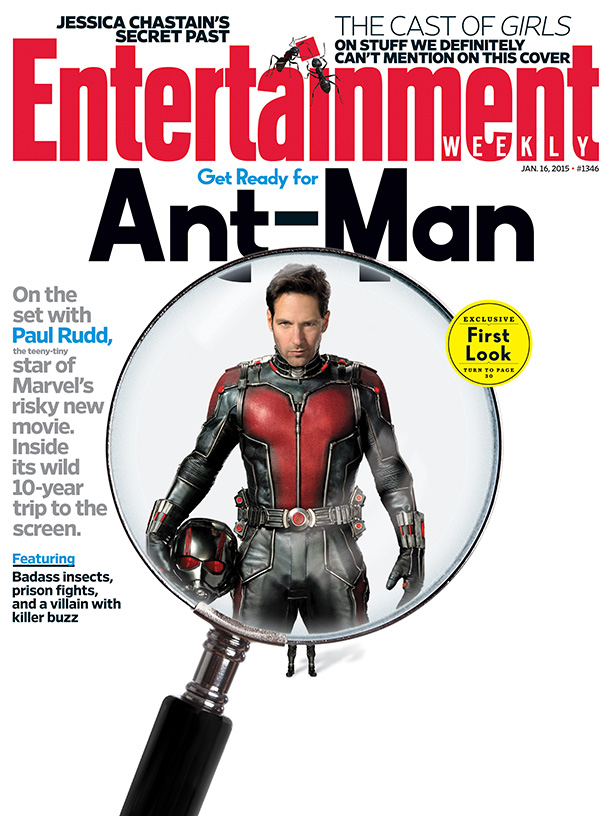
Mostly because I was relieved the trailer indicated the movie, starring Paul Rudd as the second Ant-Man, Scott Lang, will address some of the same questions the moviegoing public will have: Why do we need a superhero who shrinks? And why would anyone call themselves Ant-Man?

But also because the movie will finally acknowledge the place in the Marvel Universe of one of its pioneering characters.

So who is Ant-Man and why should we care about him?
Tales_to_Astonish_Vol_1_27

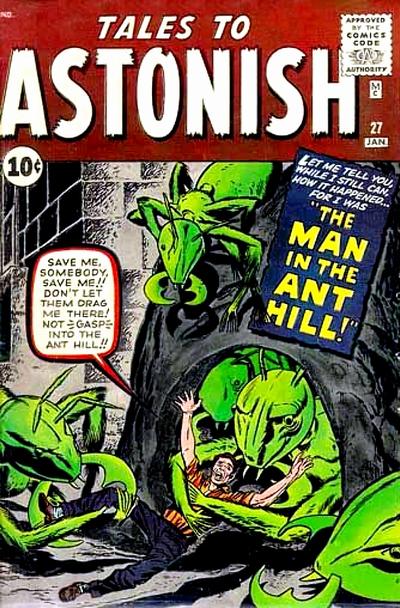
Ant-Man is best known as Henry, or Hank, Pym, and he debuted in comics in “Tales to Astonish” 27, published in January 1962. Pym was an unfortunate scientist who could shrink to ant-size … but couldn’t defend himself from ants. He barely survived this tale that was a retread of “The Incredible Shrinking Man.”

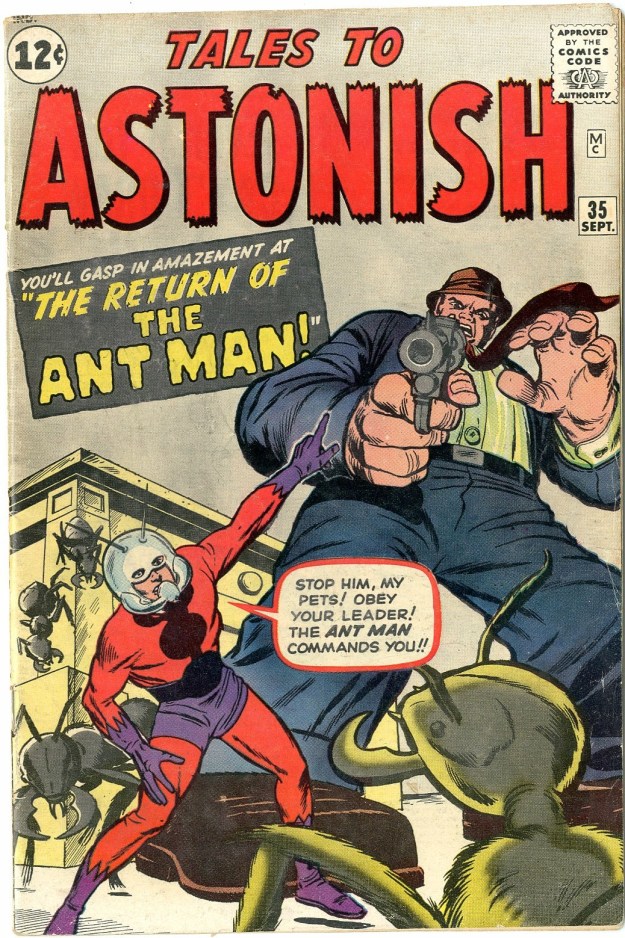
But Pym returned in “Tales to Astonish” 35, this time as Ant-Man and sporting a helmet that let him communicate with ants. He was their master!

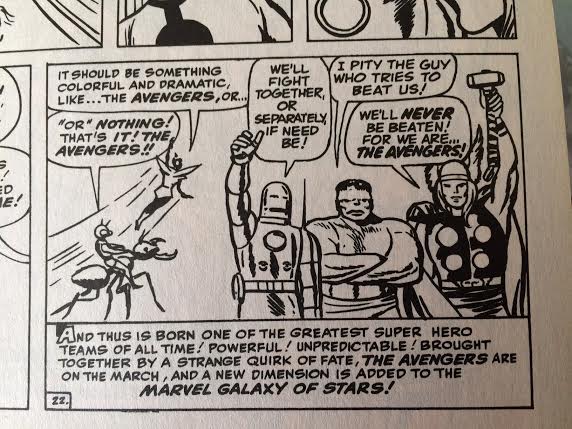
After several issues of adventures, Pym and girlfriend (later wife) Janet Van Dyne appeared in the first issue of “The Avengers,” as a diverse group of heroes got together to defeat Thor’s brother, Loki.

antmanavengers1panel

Pym and Van Dyne even named the group, which makes it all the more important that their history in the Marvel universe be part of the Marvel Cinematic Universe. Avengers co-founders!

Pym is a problematic character on a couple of counts, though.
pymandultron

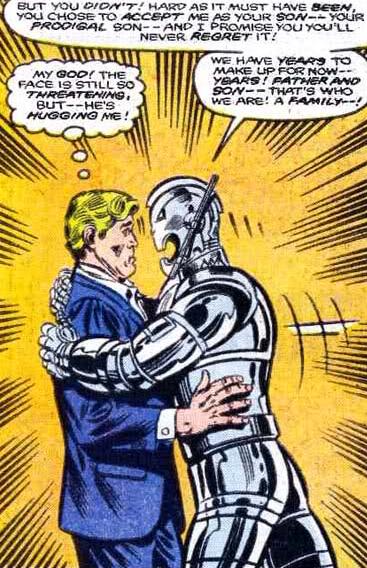
It’s not like the Marvel Cinematic Universe needs another genius scientist, even if Pym created Ultron, the villain in the upcoming “Avengers: Age of Ultron.” The MCU already has Tony Stark and Bruce Banner.
pymhitjanet

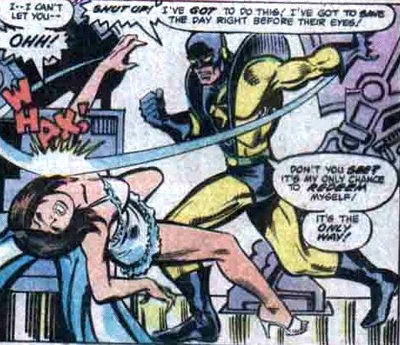
Plus, Pym was always an erratic character. That’s a plus for the realistic 1960s-and-beyond Marvel Comics universe, but not for movies that increasingly play to a wide mainstream audience. So Pym the brilliant genius who had emotional breakdowns, masqueraded as at least one super-villain and even struck his wife is shifted to a secondary role in the movie.
antmanEWcover

Why the “Ant-Man” movie matters is another thing. but I think that it does.

Everybody worried when the movie’s original director, “Shaun of the Dead” creator Edgar Wright, left the project and he and Marvel cited creative differences. The temptation was to worry that Marvel wanted Wright to make his movie more mainstream and he didn’t go along.

I trust ultimate director Peyton Reed – “Bring it On” is a classic – but more than anything, I trust Marvel.

Why?

Well, their track record is pretty good. Most of the Marvel Cinematic Universe movies have been good to great, with only a couple of lesser entries (“Iron Man 2” to some extent).

antmanduoEW

I also think “Ant-Man” will explore the idea of failure, loss and redemption in the Marvel universe. And that’s good, because those story beats and emotions are a huge part of the comic books.

The upcoming “Doctor Strange” movie, with Benedict Cumberbatch set to play the arrogant surgeon who rebuilds his life, should strike some of the same notes.

But more importantly, I think Marvel will use “Ant-Man” to fill in the gaps in its movie universe.

How?

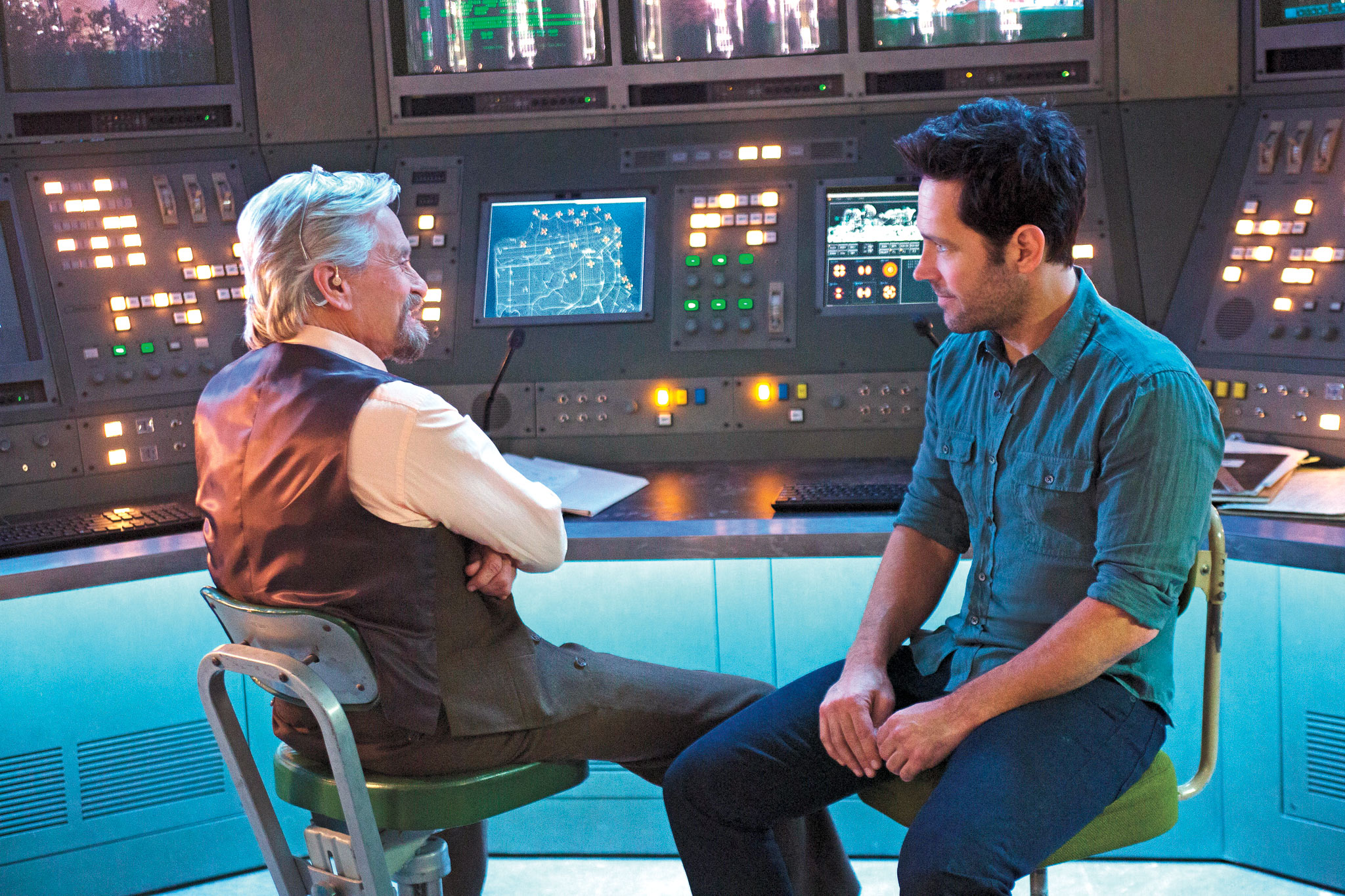
Rumors indicate that portions of “Ant-Man” will take place in the 1960s, with a younger actor playing Michael Douglas’ role of Hank Pym, the original Ant-Man. It’s been suggested that we’ll see 1960s-period-appropriate versions of Howard Stark and other characters long established but unexplored during a period of several decades.

Just like “Agent Carter” on TV right now is filling in the blank spots in the post-World War II Marvel universe, I believe “Ant-Man” will fill the gaps in the 1960s, with a young Pym and wife Janet Van Dyne (parents of Hope Van Dyne, the character played by Evangeline Lilly in the movie) adventuring and working with SHIELD.

There’s a ton of material here that, if properly explored, will fill in “lost years” and make the Marvel on-screen universe feel even more like a real, if fantastical, world.

So yeah, Ant-Man matters because of his history and “Ant-Man” matters because of how it might flesh out the Marvel history onscreen.
‘Age of Ultron’ and our Marvel movie future

ultron avengers age of ultron

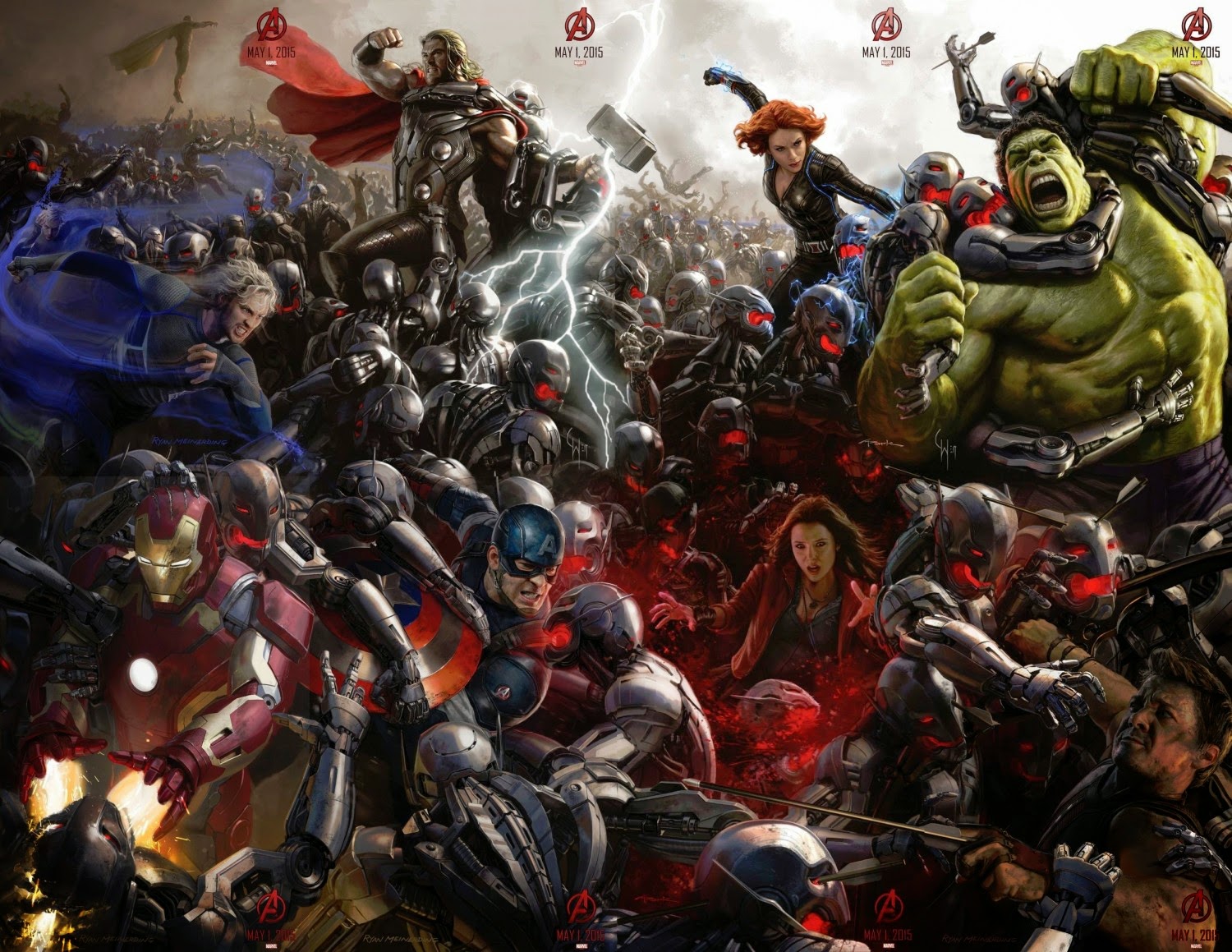
It’s probably an understatement that most of us geeks are looking forward to when “Avengers: Age of Ultron” opens in May.

There are a lot of comic-book movies coming – with more likely to be announced by Marvel in a mysterious event set for Tuesday – featuring Marvel, DC and other favorites.

But “Age of Ultron” is the one that everybody’s thinking about right now, in part because the teaser trailer was released this week and tens of millions of people have watched it.

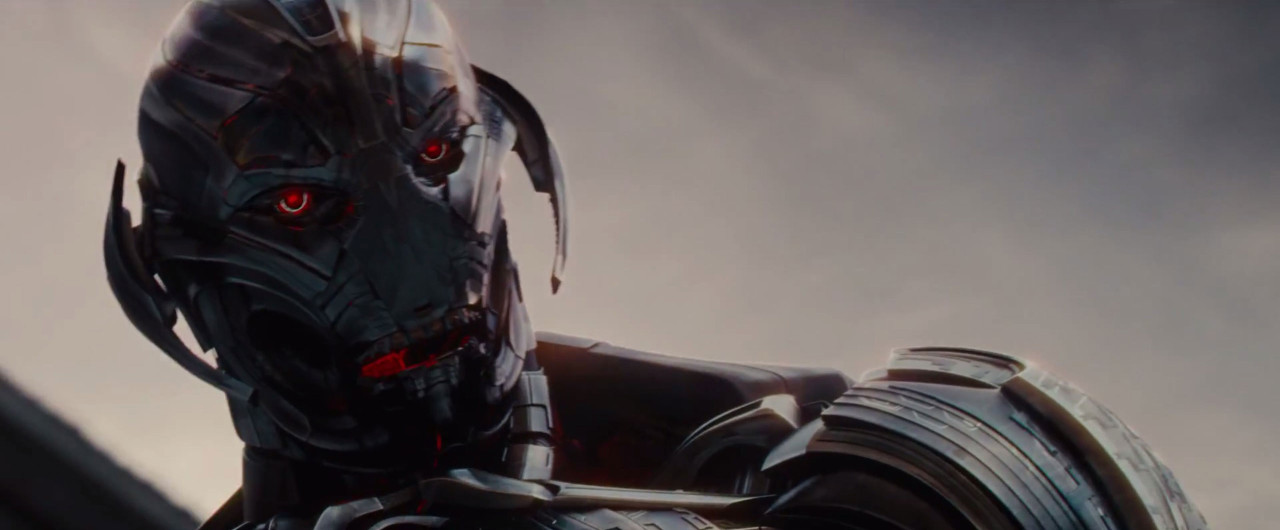
I would guess that a few million of those people who watched the trailer were doing more than marvel – no pun intended – at the menace in James Spaders’ Ultron voice or the glimpses at Iron Man’s Hulkbuster armor.

The little hints at the future of the Marvel Cinematic Universe are beyond tantalizing.

We’ve been watching so closely, in recent Marvel movie credits scenes, for clues to what would happen with villain Ultron in the third “Avengers” movie.

Then Marvel didn’t dispute reports that the third “Captain America” movie would feature, alongside Chris Evans, Robert Downey Jr.’s Tony Stark and would likely follow at least some of the comic book “Civil War” storyline, which pit two groups of heroes, led by government skeptic Steve Rogers and government control freak Tony Stark, into a battle that would eventually lead to Rogers’ death and replacement, for a time, with Bucky Barnes.

avengers age of ultron poster

It all seems likely and seems to fit with Marvel’s ambitious plans.

We might know more Tuesday. In the meantime, we can continue to puzzle over the “Age of Ultron” trailer and what we’ll see when the movie opens in May.

Classic comic: ‘Superman: Red Son’

superman red son

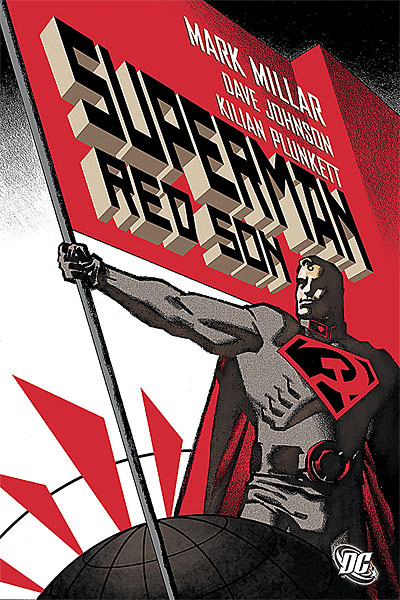
It’s hard to imagine it’s been 11 years since “Superman: Red Son,” the Elseworlds comic book series-turned-graphic novel that imagined a world where baby Kal-El’s rocket from Krypton crashed in the Soviet Union, was published.

It seems more like 40. And that’s a compliment.

The comic, written by Mark Millar and drawn and inked by a creative team of artists, came out in 2003 but read like something published as a Cold War fever dream. Millar’s storyline – which recasts Superman as a symbol of – and later, leader of – the Soviet Union and all his supporting players in re-imagined roles – is so clever it feels like a product of those uneasy decades of stand-off between the United States and the Soviet Union.

Of course, the comic probably couldn’t have been produced during that time. There’s too much subversive material here for most Cold War tastes.

Beyond the premise – that rocket from doomed Krypton lands in the USSR rather than Heartland USA – young Clark’s powers quickly draw the attention of the Soviet authorities and he is adopted by Stalin himself.

Meanwhile, in America, Lex Luthor is an aloof scientific genius who works for long-tenured President Kennedy and Lois Lane is his neglected wife.

After Superman becomes a global figure – curiously, a threat to the American way of life who also swoops in to rescue people at disaster scenes around the world – Luthor ramps up his efforts to destroy him via Brainiac, Bizarro and other means.

Millar has Jimmy Olsen as a CIA agent, Pete Ross as a KGB agent and, most effecting, Diana – aka Wonder Woman – in a familiar role for her, trying to bridge the gap between worlds.

There’s even Batman as a Russian saboteur, a role that pits him against Superman, the thoughtful tool of the Soviet Union.

The art is perfect – so many deep blues and reds that it was startling to see one version of the Superman costume that looked like that in “Man of Steel” – and the story is clever not just because it holds up a mirror to the familiar Superman story but because the characters and circumstances ring as true as they seem alien to us.


Essential geek library: The works of Les Daniels

marvel_five_decades les daniels

I come to praise Les Daniels, not to bury him. But it turns out one of my favorite authors of comic book histories died and I didn’t even hear the sad news.

Daniels – who died in November 2011 at age 68 – is one of those authors to whose work I have returned again and again.

And no wonder. While he wrote fiction, his non-fiction work lines a shelf near by bedside.

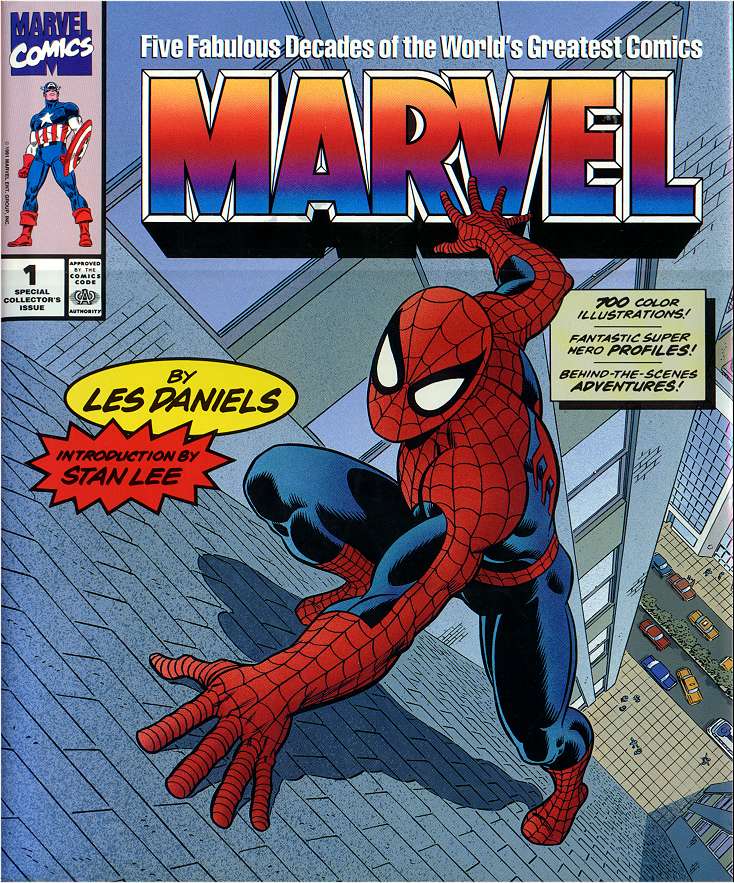
In 1971, he wrote one of the early serious histories of comic books, “Comix: A History of the Comic Book in America.”  He followed this up with some of the most readable “official” histories of comic book publishers and characters in print, including “Marvel: Five Fabulous Decades of the World’s Greatest Comics” in 1991, “DC Comics: Sixty Years of the World’s Favorite Comic Book Heroes” in 1995, and what I consider his best modern-day work, a three-volume history of DC Comics’ Trinity, Batman, Superman and Wonder Woman.

These  three”Complete History” volumes were published in the late 1990s and early 2000s and, in addition to his clear and concise writing, feature some of the best design in comic book histories to that day. These volumes include covers by Chip Kidd, a star of the book design world.

Daniels was also an author of historical fiction and historical fiction with a supernatural bent.

There’s so much online – and so much crap online – about comic books these days, Daniels’ work seems – and is -authoritative and comprehensive and first-rate by comparison.

RIP Mr. Daniels.