Tag Archives: daytime TV

Slim Whitman and the curse of old daytime TV ads

Here’s one for all you young people out there, because I know the young people like Slim Whitman.

WTF, you might be asking, as the kids say “What the fuck?” nowadays.

Well, I was prompted to write about the classic singer of classic cowboy songs after watching a few minutes of daytime cable TV this morning.

I don’t watch a lot of cable TV. I’m more likely to watch something streaming. And I never really watch much cable during the day. But I was channel surfing this morning, trying without luck to find something to occupy my brain for a few minutes before I submitted a horror novella for consideration, when I observed how awful the basic cable commercials are.

Lots of prescription medicine, over the counter medicine, snakeoil medicine, etc. Some gadgety things that involve shedding more light on your driveway or making it easier to hear the TV. I don’t know about you, but the last thing I ever have any trouble hearing is the commercials in TV.

So I thought back to the misspent days of my misspent youth and the times I watched local TV channels and I swear to god it seemed like nearly every other commercial back was for record albums.

You might know them as vinyl.

Most of the commercials were for record collections: Hits of the 60s or earlier, great country songs, Boxcar Willie, Fats Domino and Slim Whitman.

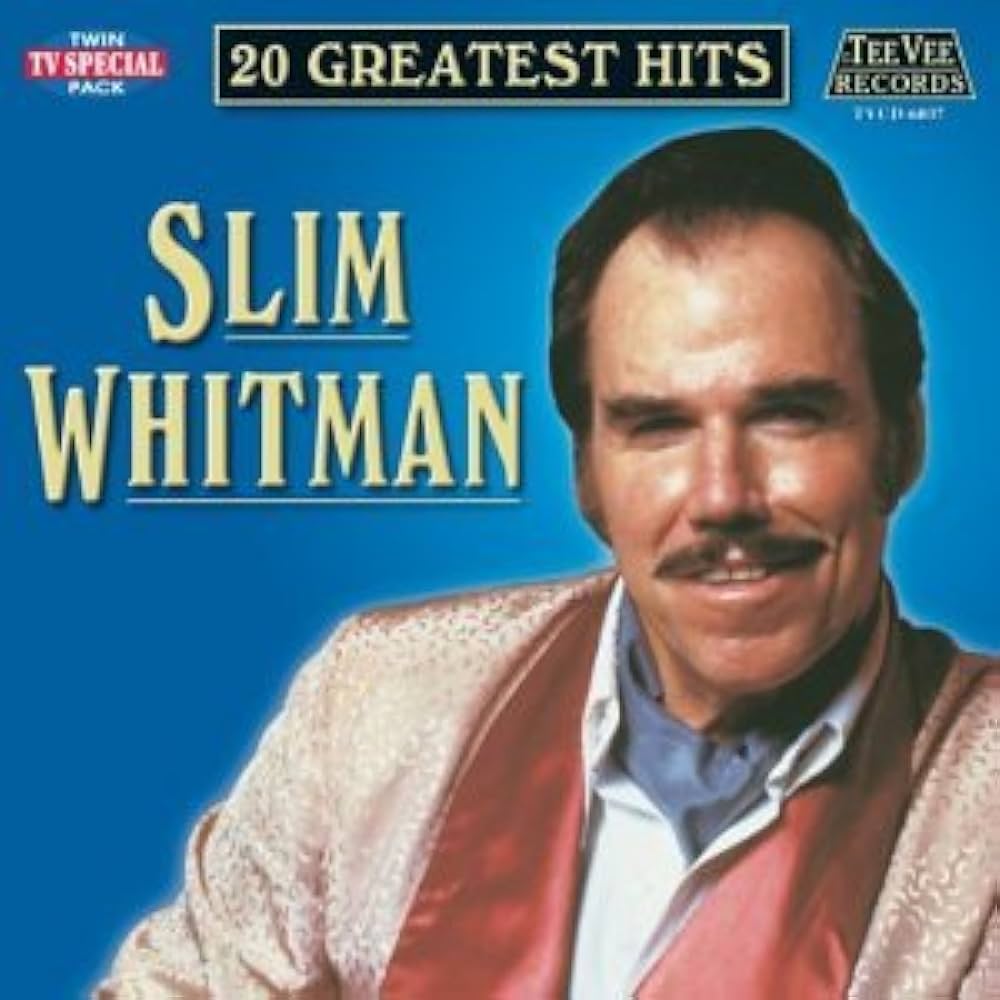
For those of you who don’t know: Slim Whitman, pictured here, was a country singer who was known for his falsetto and his yodel. His bio says he opened for Elvis Presley at one point. His greatest claim to fame in the last quarter of the 20th century came when his song “Indian Love Call” caused the invading Martians’ brains to explode in the Tim Burton sci-fi spoof “Mars Attacks!” which was itself loosely based on a vintage set of bubblegum cards.

Whitman, who died at age 90 in 2013, was a bigger star in the United Kingdom than in the United States.

So there you go, young people. Aren’t you glad you asked?
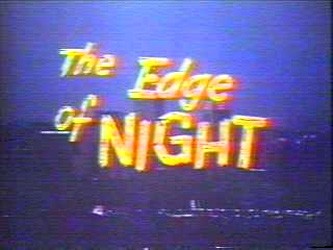
Classic TV: ‘The Edge of Night’

the_edge_of_night title card

I loved sitting in on my mom’s soap operas when I was a kid. I would catch glimpses of “Another World” or “Days of Our Lives” when I was home sick. And of course “Dark Shadows” was must viewing after school.

But there was one daytime drama that that thriller-loving kids like me didn’t have to feel silly about watching.

“The Edge of Night” ran on daytime TV from 1956 to 1984 and, for much of its run, focused on the crime-busting cops and attorneys of the Midwestern city of Monticello. Most memorable to me were characters like Mike Carr and Adam Drake, who appeared about as often as any characters during the show’s 7,420 episodes. Most of the episodes appeared on CBS with a few last few years’ worth airing on ABC.

Monticello must have been the most crime-ridden city ever. Murders, assaults, arsons and robberies seemed to happen with such frequency I can only imagine the Greater Monticello Chamber of Commerce had its hands full.

Monticello was modeled after Cincinnati, hometown of sponsor Procter and Gamble. That city’s skyline was glimpsed in the show for many years.

But as in most soaps, the settings were highly fictionalized, sometimes to the point of amusement. For example: The state capital was Capital City, not unlike in “The Simpsons” many years later.

edge-of-night_jail cell

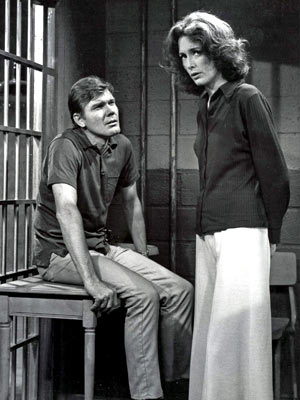
Carr (played by three different actors) and Drake, played by Donald May from 1967 to 1977, were the most fascinating characters for me. The credits ended “And Donald May as Adam Drake,” which tipped me off that this character was cool and important. And I had a crush on beautiful Maeve McGuire, who played his wife, Nicole Drake.

The show featured a number of actors on their way up, from Larry Hagman to Frank Gorshin to Dixie Carter.

“The Edge of Night” had a regular audience of nine million viewers, many of them men because of the emphasis on murder and mayhem and because of the 4:30 p.m. timeslot, which allowed blue-collar workers and students like me to get home in time to watch.

The show’s scripts were generally recognized as best when Henry Slesar was head writer. And the ominous tones of announcer Hal Simms, who said, “The Edge … of Night” with just the right dramatic pause, added to the mood.