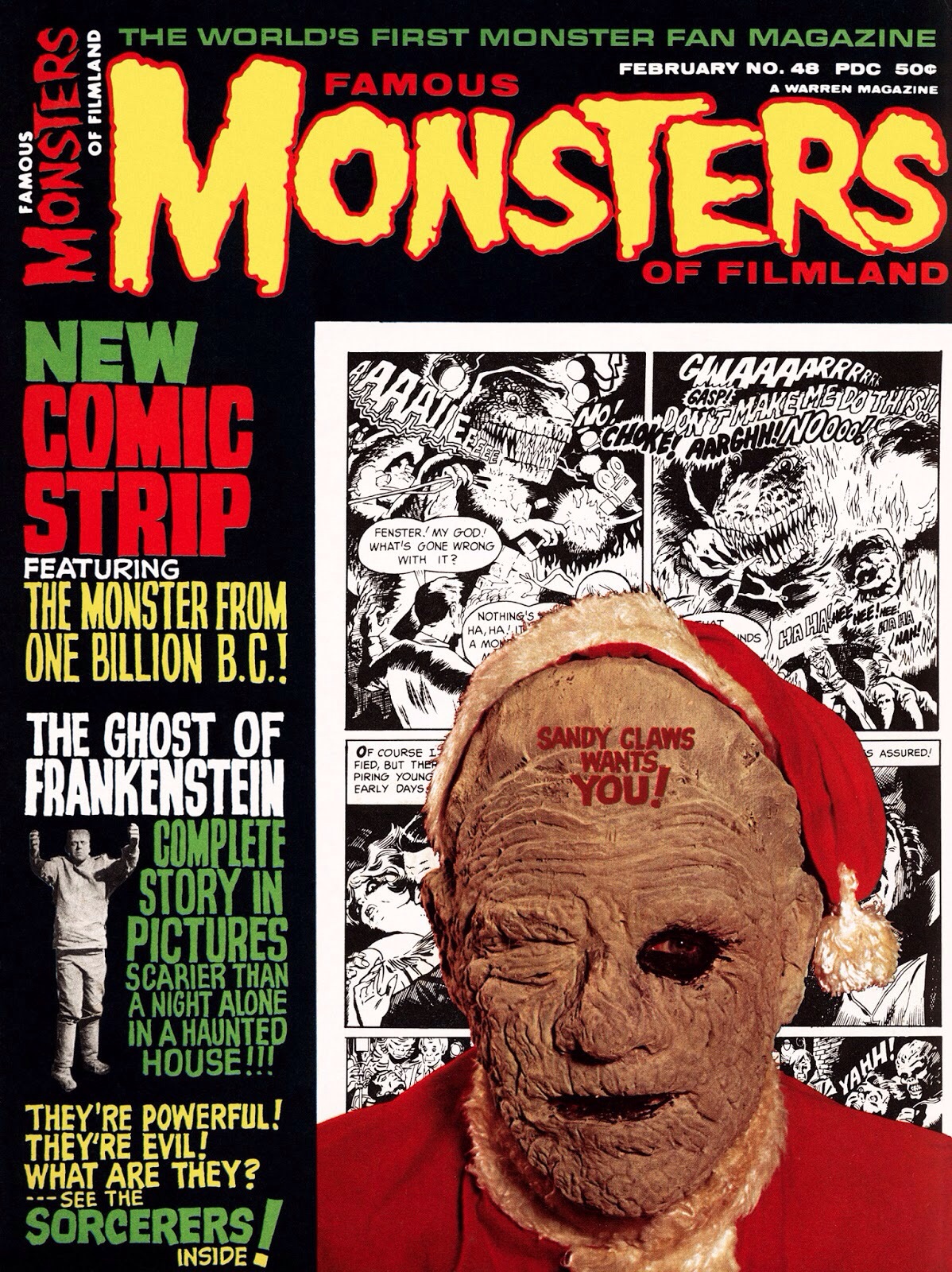
For all you monsters out there …
Merry Christmas!
Leave a reply
For all you monsters out there …

For those of us who grew up Monster Kids in the Monster World, this marked the epicenter of that world.
Shock – also known as Shock Theater.
I saw this ad bouncing around the internet recently and wanted to share it here. Regular readers of this blog know I’ve written a lot about Famous Monsters of Filmland magazine and what an influence it had on a couple of generations of kids. FM came decades after the movies it celebrated – including the classic Universal monster films – so the 1960s monster craze might have seemed unlikely.
Except for Shock.
In October 1957, Columbia Pictures’ TV subsidiary, Screen Gems, released a package of 52 horror films – including the classic Universal horror films like “Frankenstein” and “Dracula” – to TV.
The Shock package was a huge hit. Usually airing late at night – as was the case, a few years later, with host Sammy Terry on WTTV Channel 4 in Indianapolis – but sometimes airing at other times, Shock popularized the old Universal pictures once more.
Everything that followed came because of this. Famous Monsters of Filmland magazine, horror hosts, the wave of monster toys, cartoons, comics and novelties that began in the 1960s and continued for decades.
Long live Shock.
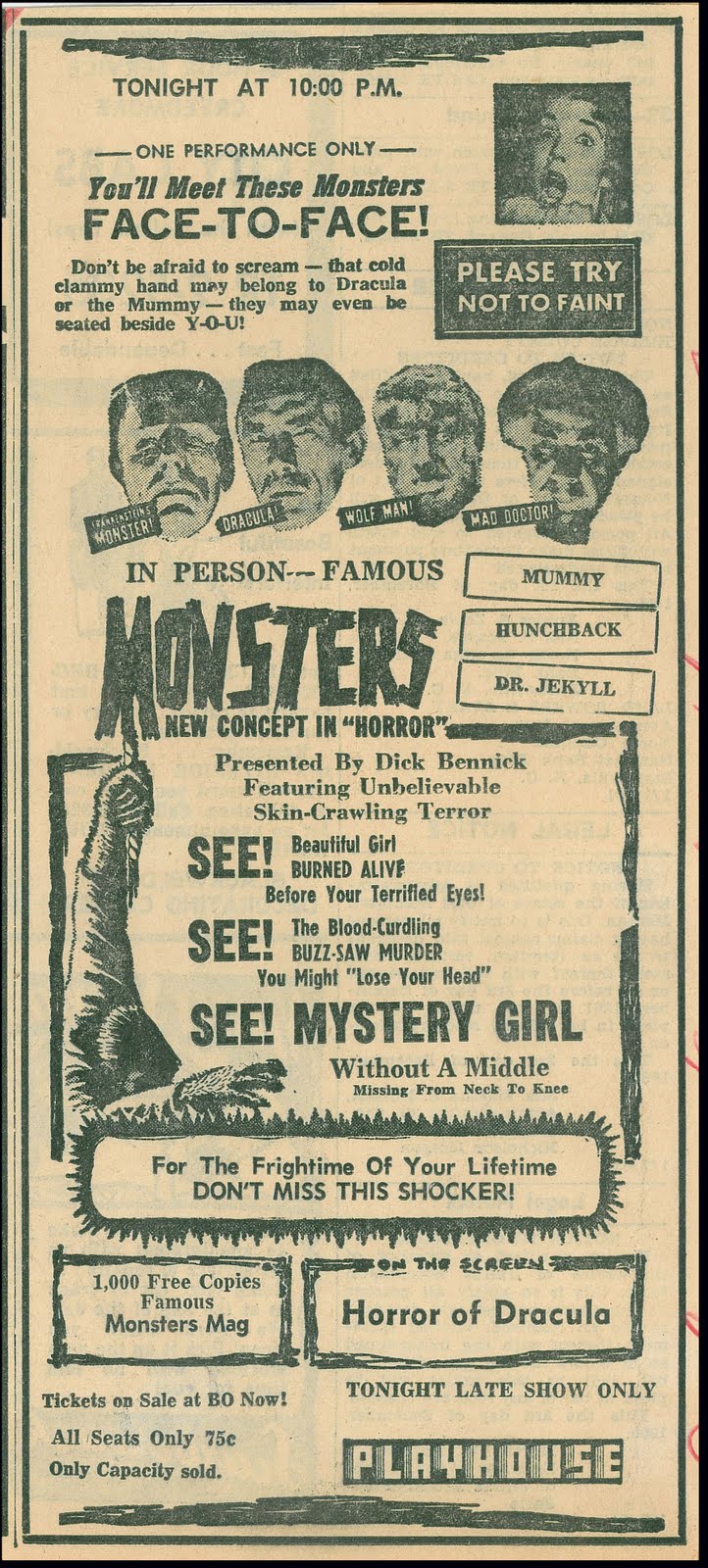
I’ve become interested lately in the “spook shows,” afternoon or midnight shows in theaters big and small during the first half of the 20th century. In these shows, some classic – or not so classic – horror film would be screened, a magician or TV horror host would present a live stage show – often one that included “monsters,” AKA guys in masks – and a “blackout” period wound ensue in which glow-in-the-dark figures would appear to fly through the air above the audience.
I never saw a spook show, although I saw a drive-in showing of “Incredibly Strange Creatures” that included guys in monster masks running through the aisles.
I’m intrigued by spook shows, though, and will likely research them and write more about them here in the future.
In the meantime, above is an ad I found online for a spook show.
It’s possible to figure out a few things based on this newspaper ad.
First, we can tell that this spook show likely happened sometime after May 1958, when Hammer’s “Horror of Dracula” was released in the U.S. That movie starred Christopher Lee and Peter Cushing, of course, and ushered in a new era of horror movies in color. The ad notes that “Horror of Dracula” was the moving playing onscreen
That’s assuming there’s no mistake in the ad, however. The monster faces used in the ad are from “House of Dracula,” the 1945 Universal monster release. That doesn’t mean all that much: The images could have been used for decades.
The ad promised free copies of Famous Monsters magazine, which began publishing in 1958.

The show was “presented” by Dick Bennick, who was a TV horror movie host from the 1960s to 1995, although he was in St. Pete after 1973.
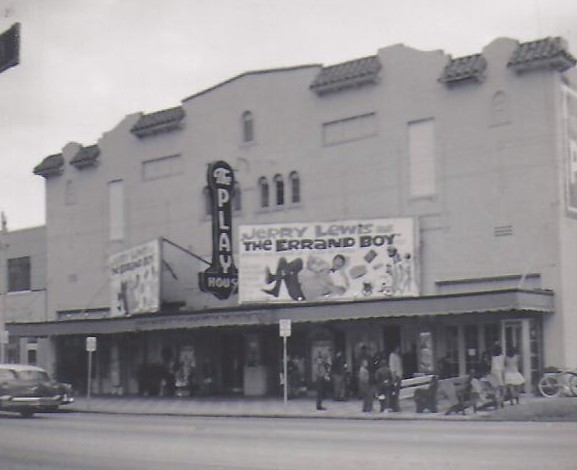
The final bit of information from the ad confirms the St. Petersburg location. the Playhouse was a movie theater in St. Pete that operated from 1928 to 1973.
Wouldn’t it be fun to see this show today?
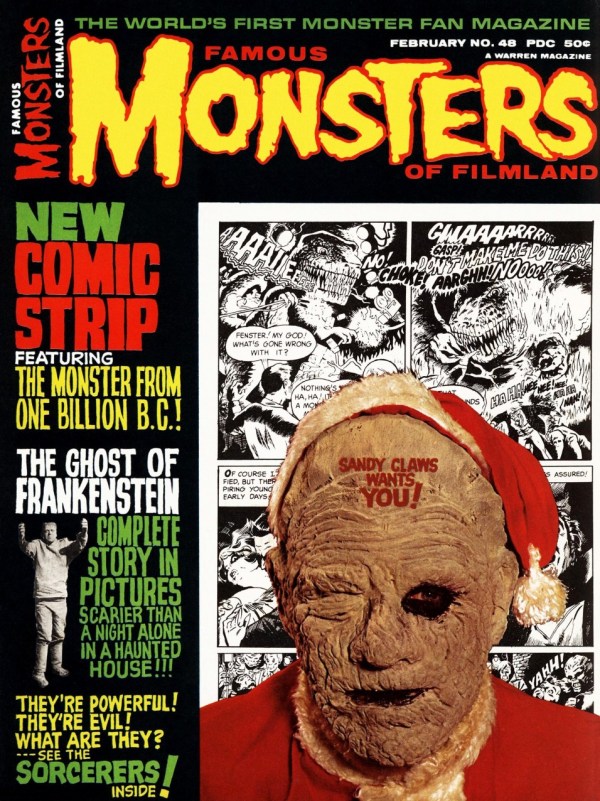
Merry Christmas!
(cover of Famous Monsters 48)
I’ve noted it here before – as have many elsewhere – but it’s hard to overstate the importance of Famous Monsters of Filmland magazine to a generation of movie fans and, in particular, horror movie fans.
When FM appeared on newsstands in 1958 – before I was born, no less reading it – the Shock Theater package of old Universal horror films was playing on TV stations around the country, often hosted by an over-the-top character like Sammy Terry here in Indiana.
FM, published by Warren Publishing and edited by Forrest J Ackerman, greatly appealed to the audience of horror movie fans – including me, when I discovered it a few years later.
My relationship with my collection of FMs was a complicated one. I never had a complete run of the magazine, although I had most of them, between buying them new each month on the newsstand and buying back issues.
Then, possessed of the insane writer/designer spirit that led to my actual career, I cut up many of my issues, rearranging photos and articles in scrapbooks in my own fashion.
I bought many of the old issues again, years later, before selling off most of my collection a couple of decades ago.
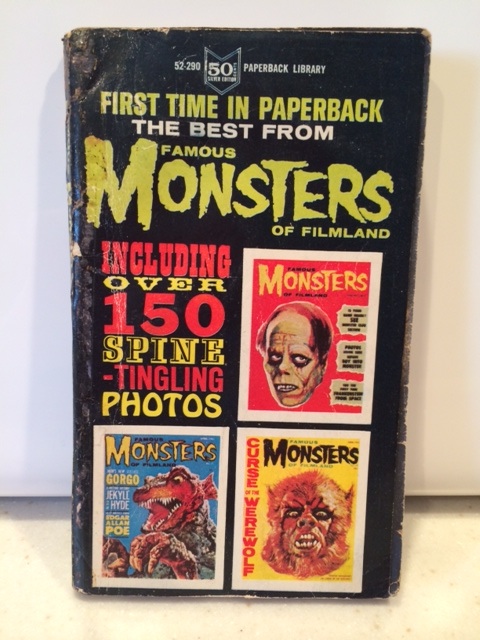
I kept my copy of “The Best from Famous Monsters of Filmland,” however, and wanted to mention it here in this edition of the Essential Geek Library.
Published in June 1964 by Paperback Library with a cover price of 50 cents, the book was a paperback-sized, 162 page reprint, basically, of some Famous Monsters articles from 1958 through 1960.
Individual articles bore such titles as “Monsters are Good for You,” “Alice in Monsterland,” “The Frankenstein Story” and “Girls Will Be Ghouls.”
Littered with Ackerman’s trademark puns – “Kong-fidentially Yours” – the book offered not only an enthusiastic defense of monster movies but inside information, including the number of models and armatures that were used in making “King Kong,” (27, Ackerman says. In a visit to his house in the Los Angeles area in the 1980s, I got to see one of those armatures, which was nothing but a metal skeleton with bits of material clinging to it by that point.)
I’m not sure when I picked up my copy of “The Best of …” but I’m guessing it was years after publication. It’s in pretty good shape but battered by years of reading, over and over again, by me and the previous owners.
Online sources indicate Warren and Forry published at least three paperback reprint collections of FM articles, following “The Best From …” with “Son of …” and “Famous Monsters of Filmland Strike Back.”
They were just what all of us monster kids wanted and we loved ’em.

What would Halloween be without monsters? And what would monsters be without Forrest J Ackerman?
Some of you might not recognize the name, but Ackerman – known as Forry to fans and friends – was the editor of Famous Monsters of Filmland magazine from its founding in 1958 until publication ceased – at least under Ackerman, and at least for a while – in 1983.
Ackerman’s publication came at a fortuitous time for his fortunes and for monster movie fans in general. Famous Monsters coincided with the airing of the “Shock Theater” package of old monster movies – including classic Universal monster films from the 1930s and 1940s – on TV.
During the 1960s in particular, monsters were a booming business, spawning model kits, movies, TV shows like “The Munsters” and magazines like FM and its many imitators.
Ackerman, who died in December 2008, was a corny, pun-making treasure trove of movie and science fiction literary history and he brought it all to the magazine.
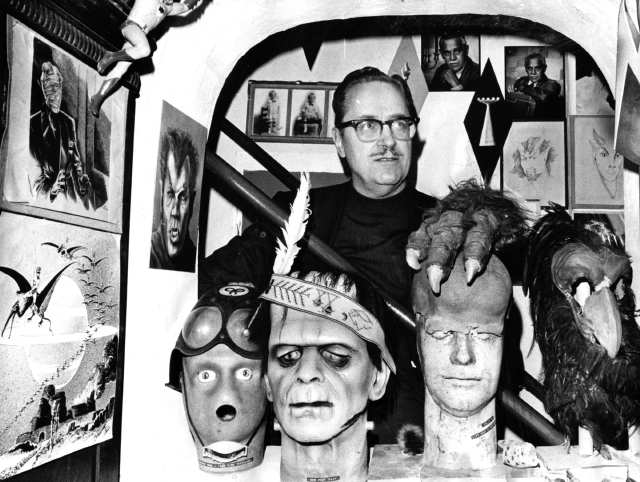
I met him only once, during a trip to California in the 1980s. My friends and I got to go through his house, dubbed the Ackermansion, which was filled with many thousands of movie props, posters, books and magazines. I still can’t believe Forry let virtual strangers wander around through his museum.
Besides the overwhelming number of books and posters, the house had priceless movie props. I got to see the spaceships from “Earth vs. the Flying Saucers” and metal armatures for stop motion models from the original King Kong.
I don’t know that Forry ever made Halloween a big deal – every day was Halloween for Forry and Famous Monsters – but he sure contributed to the delight and love and knowledge that many, many fans had for the spooky trappings of the holiday.
If, like me, you grew up reading Famous Monsters of Filmland magazine, you remember ads featuring Don Post Studios masks.
Post, who died in 1979, was famous for creating deluxe, top of the line Halloween masks. Before Halloween was the industry that it is today, Post’s masks were the stuff of legend, the go-to masks for Halloween parties and trick-or-treating.
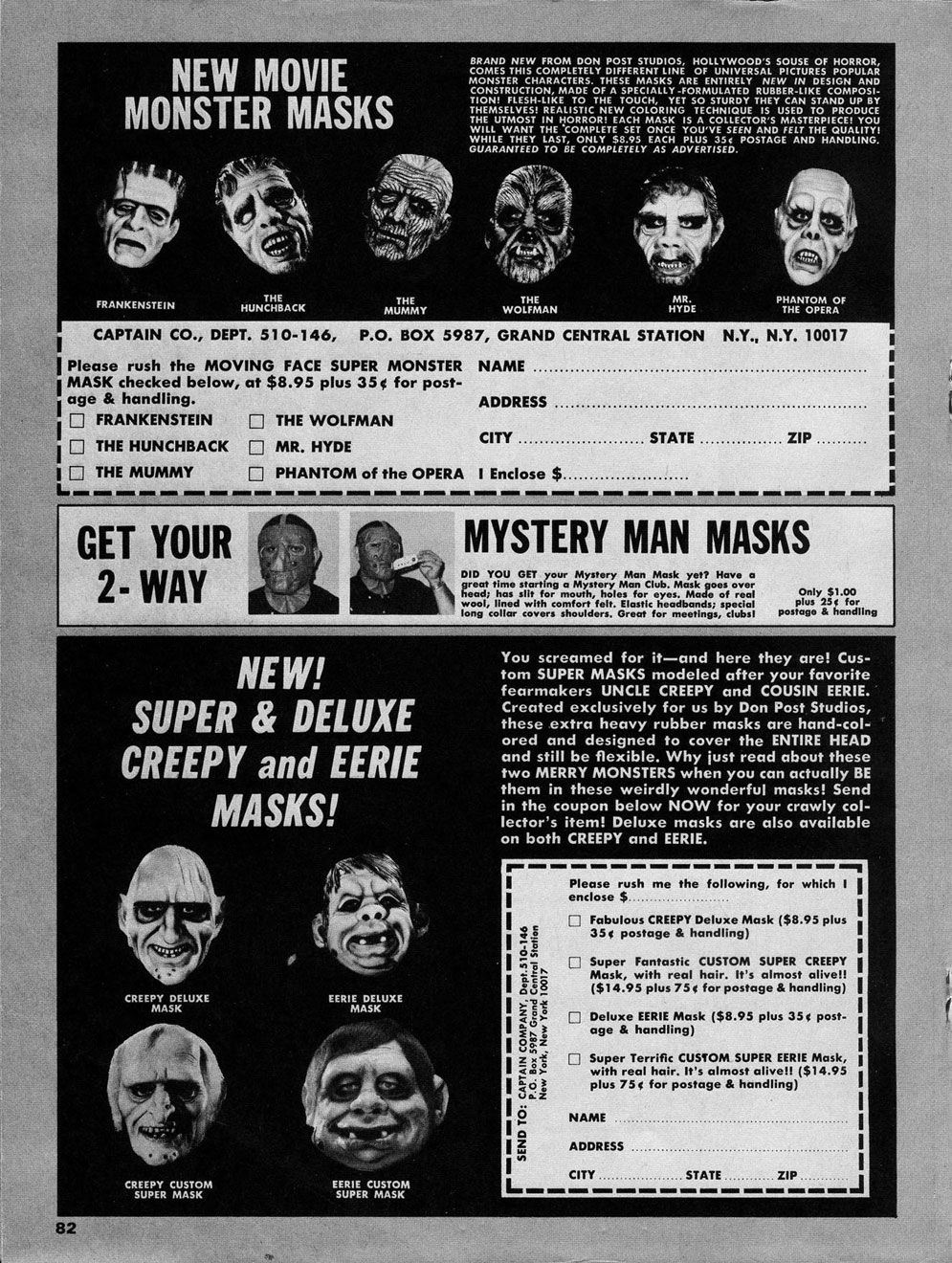
Post’s masks were not your typical dime-store stuff. Looking at vintage ads now, I’m surprised that some of them sold for nearly $10. That was a lot of money for kids in the 1960s but these were beautiful, full over-the-head latex creations.
Post’s masks have taken on a life of their own that has continued through the decades. Some of us fondly remember the masks Post created for the ersatz “Silver Shamrock” company for “Halloween III: Season of the Witch.”
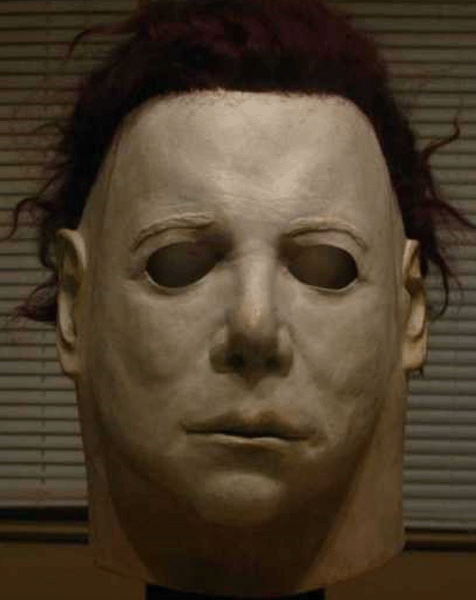
His William Shatner mask was, famously, used as Michael Myers’ mask in the first “Halloween” movie.
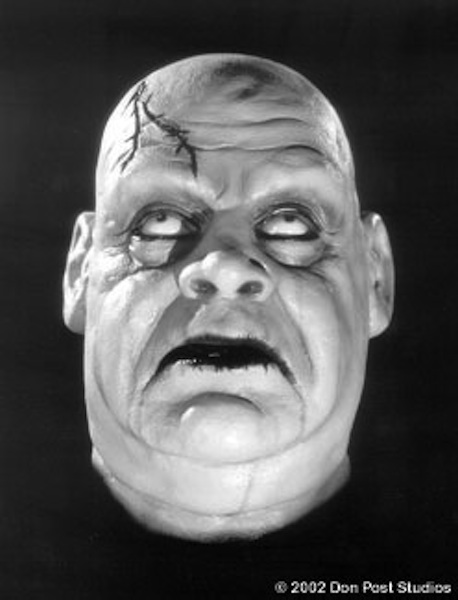
Of old-school Post masks, I will always think of his Tor Johnson mask, based on the 1950s wrestler/actor in classics like “Plan 9 From Outer Space.” It’s the scary fellow at the top of this item.
Here’s to Don Post and his masks, Halloween fixtures.
By the way, there’s a blog out there with everything you could possibly want to know about monster masks. It is http://monstermasks.blogspot.com/
It wasn’t that long ago that fans of comic books, monster movies, science fiction and other nerdy stuff had to be fairly closeted about their pop culture choices.
I still remember the look on a guy’s face who, when I was a teenager, looked at the paperback book in my hand and read the title: “The Martian Chronicles.” This was Ray Bradbury. The author was — and is — considered a literary lion, for pete’s sake. But the guy glanced from the book cover to me and looked as if I had been perusing the latest issue of “Nuns and Nazis.”
God only knows what would have happened if I had been reading the latest issue of Famous Monsters magazine.
So I still feel a little lightheaded over the rise of geek culture. Not just the number of big-screen, big-budget movies based on comic books. I’m kind of getting accustomed to that.
No, I’m thinking about the TV shows — at least one of them based on a Podcast — that are not only devoted to a celebration of geek culture but even feature honest-to-goodness, real life geeks.
These shows portray the real-world versions of geeks like those in “Big Bang Theory” — without the Hollywood veneer. More about “Big Bang” in a bit.
Here’s a run-down of the geek and nerd equivalents of Johnny Carson:

“The Nerdist:” Back in the day, Chris Hardwick was that snarky guy with the big voice on “Singled Out,” the MTV game show. A couple of years ago, Hardwick began “The Nerdist” podcast, an online audio look at geek and nerd culture featuring not only fans but celebrity guests.
Hardwick and “The Nerdist” — which also features genuinely funny geeks Jonah Ray and Matt Mira as regular panelists — got somewhat wider (or different) exposure when BBC America tapped the three to appear on a “Nerdist” TV series.
Only a handful of episodes have appeared so far, but they feature Hardwick, Ray and Mira chatting with geek culture demigods like Wil Wheaton and Nathan Fillion. The shows — available On Demand and no doubt online — are breezy and silly and don’t have any more substance than your typical talk show. They are, however, about the kind of geeky stuff that your parents used to hate.
“Talking Dead:” Hardwick packed up his geek shtick — but unfortunately not his sidekicks — and hosted this AMC talk show that followed episodes of the channel’s hit “The Walking Dead.”
Although the focus is narrow — it’s all about “The Walking Dead” — the show is entertaining and offers some insight into the series. The episode following the season finale of “The Walking Dead” featured the show’s creators announcing the actress who will play Michonne but also included one of the show’s funniest bits: An “In Memoriam” video montage of zombies killed off during that evening’s episode.
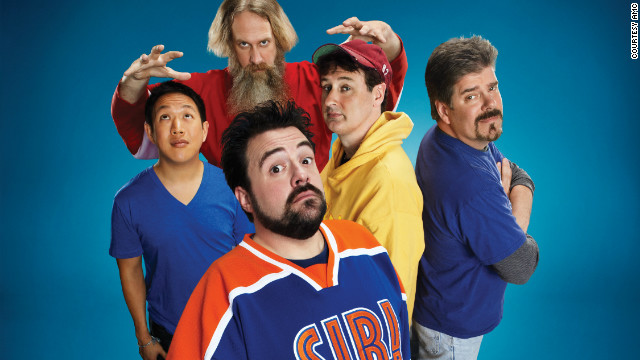
“Comic Book Men:” Somehow AMC has become the channel for nerd talk shows. Airing on Sunday nights along with “The Walking Dead” and “Talking Dead” is “Comic Book Men,” a series set in director Kevin Smith’s New Jersey comic book store.
Smith makes appearances but the series is focused on Walt Flanagan, manager of the store, and three employees/layabouts, Ming Chen, Mike Zapcic and Bryan Johnson.
All four guys are opinionated and entertaining. Chen, the low man on the totem pole, is like the Gilligan of the series.
It is Johnson, sporting a wild mane and wooly beard, who is the show’s highlight, however. Johnson’s online bio indicates that he has acted and directed in projects associated with Smith.
In “Comic Book Men,” Johnson is portrayed as an archetype familiar to anyone who has spent time at a comic book store or convention: The guy — usually older — who always seems to be hanging out, offering up sarcastic comments and withering put-downs. Johnson makes that stereotype immensely likable, however, through his genuine wit.
If “Comic Book Men” has a fault it is that I don’t think it realistically portrays a comic book store in one respect: Nobody ever buys anything! Most of the interaction between the employees and the public comes when people come in hoping to sell old comics or “Catwoman” Barbies. It’s like a nerd version of “Pawn Stars.”
Not even a roundup to non-fiction geek talk shows would be complete without a mention of “Big Bang Theory.” One of the most popular shows on TV, the CBS sitcom is about four geeks who hang out together, playing online games, going to a comic book store and obsessing about sex.
There’s a pretty divisive view of “Big Bang Theory” online. A lot of geeks consider it patronizing and shallow. It is, of course. But it’s no more patronizing or shallow a look at a group of friends than … well, “Friends” was.
And “Big Bang Theory,” like its real-life counterparts, offer a view of geek culture that not even Ross in the depths of his museum-geek persona could reach.
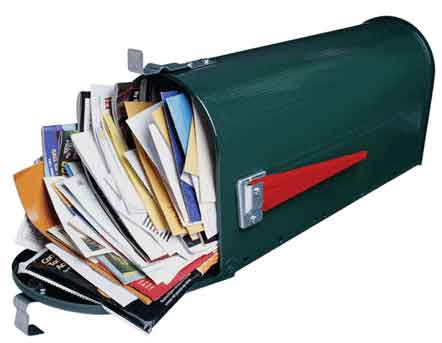
Outside of Christmas and birthdays, there are few moments of genuine joyful anticipation for most kids that can top waiting on the mailman to deliver a package.
Whether the package in question is a gift from a grandparent, an eagerly awaited toy or even a favorite magazine or comic book, there’s nothing like the excitement of checking the mail, sometimes for days or weeks, and finally — finally — receiving what you’ve been waiting for.
As a matter of fact, sometimes the anticipation tops the actual item that’s delivered. Remember that classic “Calvin and Hobbes” comic strip series about the propeller beanie?
That’s why I love the U.S. Postal Service, better known as the post office, and its mailmen — more accurately known as letter carriers and postmasters and other postal workers.
And that’s why it makes me sad that the Postal Service is struggling right now.
There’s a good Associated Press story that sums up the problems facing USPS right now, including declining use of what some derisively call “snail mail” as well as $5.5 billion a year that the organization must set aside for retiree medical costs.
If the Postal Service doesn’t somehow make enough money to cover that expense, it could shut down.
So USPS is considering cutting staffing, closing some post offices and eliminating Saturday delivery. Workforce cutbacks take their toll on any company or organization, without a doubt. Closing post offices not only pose inconveniences for customers but take away a sense of identity for many small towns. Saturday delivery is great but seems the most expendable.
Whatever happens, I hope they work it out. With email and online transactions, we do a lot less mailing than we used to. But our household still gets a steady stream of print magazines, packages and important mail that we can’t live without.
Maybe none of it can match, in pure joy, the mailings and packages I received in my youth: Items purchased from Captain Company ads in Famous Monsters magazine, X-Ray Specs from comic book ads and my Merry Marvel Marching Society membership package.
But the mail is still welcome in our household. More than welcome. Necessary.
 keithroysdon