Tag Archives: Famous Monsters of Filmland

Classic: ‘Shock’ theater ad for TV

shock theater ad

For those of us who grew up Monster Kids in the Monster World, this marked the epicenter of that world.

Shock – also known as Shock Theater.

I saw this ad bouncing around the internet recently and wanted to share it here. Regular readers of this blog know I’ve written a lot about Famous Monsters of Filmland magazine and what an influence it had on a couple of generations of kids. FM came decades after the movies it celebrated – including the classic Universal monster films – so the 1960s monster craze might have seemed unlikely.

Except for Shock.

In October 1957, Columbia Pictures’ TV subsidiary, Screen Gems, released a package of 52 horror films – including the classic Universal horror films like “Frankenstein” and “Dracula” – to TV.

The Shock package was a huge hit. Usually airing late at night – as was the case, a few years later, with host Sammy Terry on WTTV Channel 4 in Indianapolis – but sometimes airing at other times, Shock popularized the old Universal pictures once more.

Everything that followed came because of this. Famous Monsters of Filmland magazine, horror hosts, the wave of monster toys, cartoons, comics and novelties that began in the 1960s and continued for decades.

Long live Shock.

Heyday of the ‘spook shows’

monsterrallyad

I’ve become interested lately in the “spook shows,” afternoon or midnight shows in theaters big and small during the first half of the 20th century. In these shows, some classic – or not so classic – horror film would be screened, a magician or TV horror host would present a live stage show – often one that included “monsters,” AKA guys in masks – and a “blackout” period wound ensue in which glow-in-the-dark figures would appear to fly through the air above the audience.

I never saw a spook show, although I saw a drive-in showing of “Incredibly Strange Creatures” that included guys in monster masks running through the aisles.

I’m intrigued by spook shows, though, and will likely research them and write more about them here in the future.

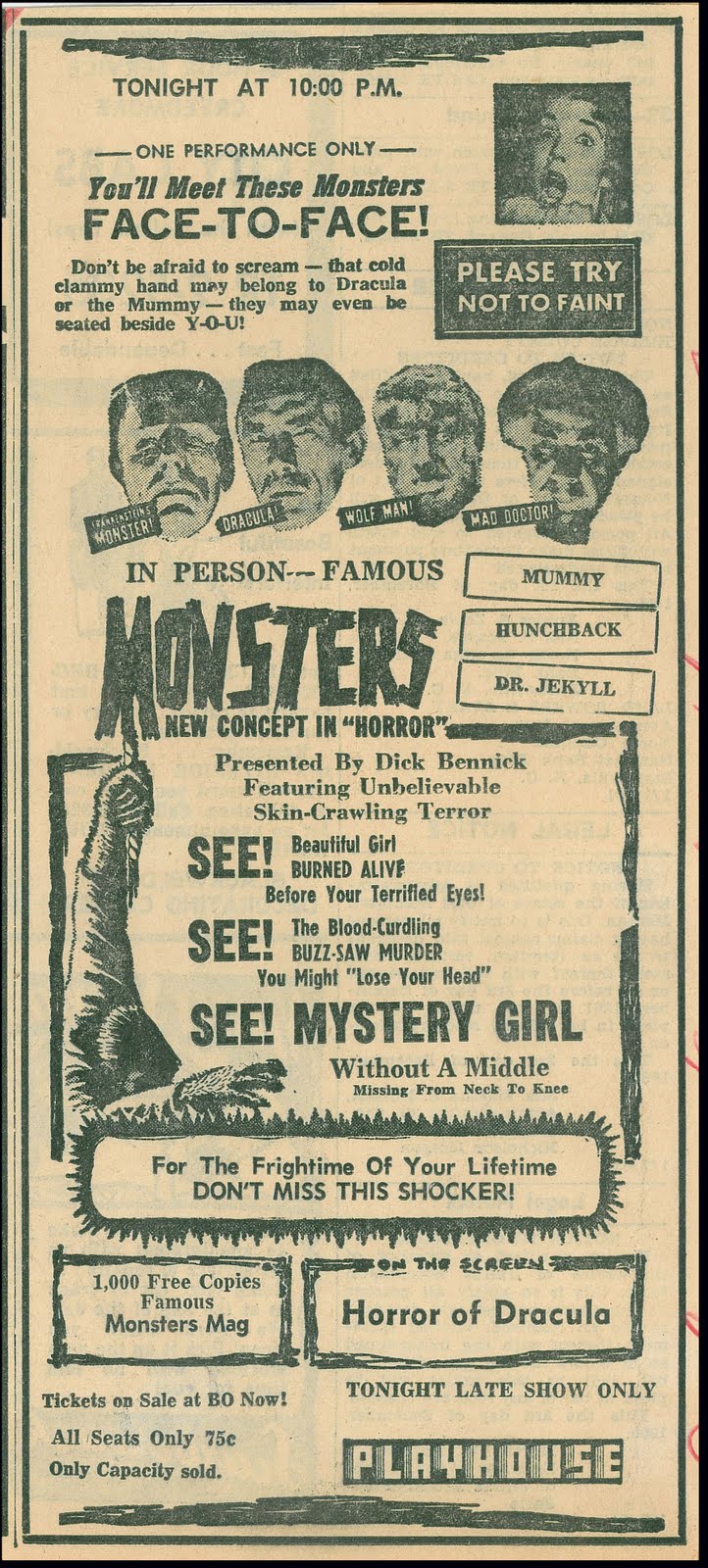
In the meantime, above is an ad I found online for a spook show.

It’s possible to figure out a few things based on this newspaper ad.

First, we can tell that this spook show likely happened sometime after May 1958, when Hammer’s “Horror of Dracula” was released in the U.S. That movie starred Christopher Lee and Peter Cushing, of course, and ushered in a new era of horror movies in color. The ad notes that “Horror of Dracula” was the moving playing onscreen

That’s assuming there’s no mistake in the ad, however. The monster faces used in the ad are from “House of Dracula,” the 1945 Universal monster release. That doesn’t mean all that much: The images could have been used for decades.

The ad promised free copies of Famous Monsters magazine, which began publishing in 1958.

dick bennick paul bearer

The show was “presented” by Dick Bennick, who was a TV horror movie host from the 1960s to 1995, although he was in St. Pete after 1973.

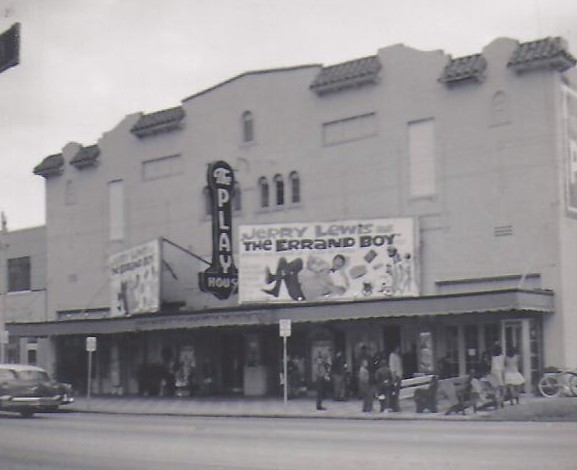
playhouse theater st pete

The final bit of information from the ad confirms the St. Petersburg location. the Playhouse was a movie theater in St. Pete that operated from 1928 to 1973.

Wouldn’t it be fun to see this show today?

Essential geek library: ‘The Best from Famous Monsters of Filmland’

best from famous monsters

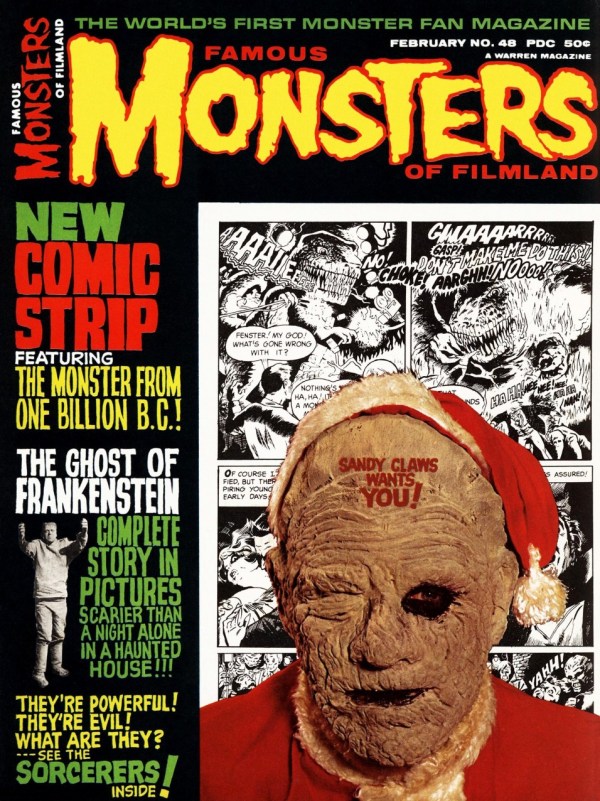
I’ve noted it here before – as have many elsewhere – but it’s hard to overstate the importance of Famous Monsters of Filmland magazine to a generation of movie fans and, in particular, horror movie fans.

When FM appeared on newsstands in 1958 – before I was born, no less reading it – the Shock Theater package of old Universal horror films was playing on TV stations around the country, often hosted by an over-the-top character like Sammy Terry here in Indiana.

FM, published by Warren Publishing and edited by Forrest J Ackerman, greatly appealed to the audience of horror movie fans – including me, when I discovered it a few years later.

My relationship with my collection of FMs was a complicated one. I never had a complete run of the magazine, although I had most of them, between buying them new each month on the newsstand and buying back issues.

Then, possessed of the insane writer/designer spirit that led to my actual career, I cut up many of my issues, rearranging photos and articles in scrapbooks in my own fashion.

I bought many of the old issues again, years later, before selling off most of my collection a couple of decades ago.

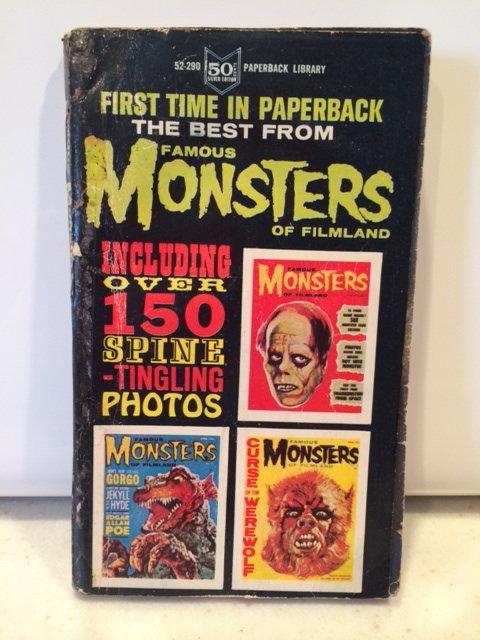
I kept my copy of “The Best from Famous Monsters of Filmland,” however, and wanted to mention it here in this edition of the Essential Geek Library.

Published in June 1964 by Paperback Library with a cover price of 50 cents, the book was a paperback-sized, 162 page reprint, basically, of some Famous Monsters articles from 1958 through 1960.

Individual articles bore such titles as “Monsters are Good for You,” “Alice in Monsterland,” “The Frankenstein Story” and “Girls Will Be Ghouls.”

Littered with Ackerman’s trademark puns – “Kong-fidentially Yours” – the book offered not only an enthusiastic defense of monster movies but inside information, including the number of models and armatures that were used in making “King Kong,” (27, Ackerman says. In a visit to his house in the Los Angeles area in the 1980s, I got to see one of those armatures, which was nothing but a metal skeleton with bits of material clinging to it by that point.)

I’m not sure when I picked up my copy of “The Best of …” but I’m guessing it was years after publication. It’s in pretty good shape but battered by years of reading, over and over again, by me and the previous owners.

Online sources indicate Warren and Forry published at least three paperback reprint collections of FM articles, following “The Best From …” with “Son of …” and “Famous Monsters of Filmland Strike Back.”

They were just what all of us monster kids wanted and we loved ’em.
Today in Halloween: Forrest J Ackerman

Forrest_J_Ackerman_at_the_Ackermansion

What would Halloween be without monsters? And what would monsters be without Forrest J Ackerman?

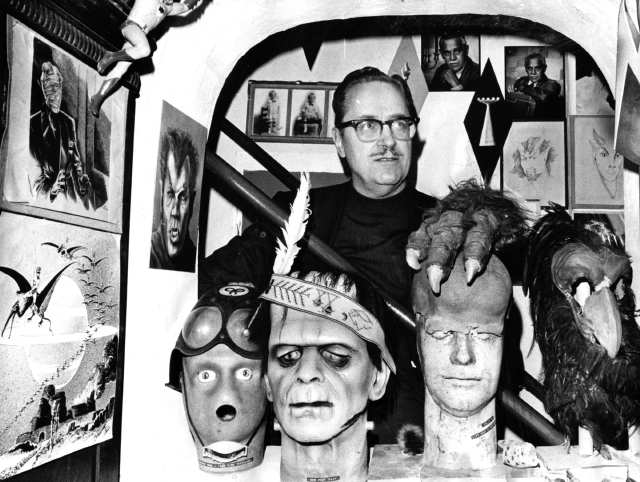
Some of you might not recognize the name, but Ackerman – known as Forry to fans and friends – was the editor of Famous Monsters of Filmland magazine from its founding in 1958 until publication ceased – at least under Ackerman, and at least for a while – in 1983.

Ackerman’s publication came at a fortuitous time for his fortunes and for monster movie fans in general. Famous Monsters coincided with the airing of the “Shock Theater” package of old monster movies – including classic Universal monster films from the 1930s and 1940s – on TV.

During the 1960s in particular, monsters were a booming business, spawning model kits, movies, TV shows like “The Munsters” and magazines like FM and its many imitators.

Ackerman, who died in December 2008, was a corny, pun-making treasure trove of movie and science fiction literary history and he brought it all to the magazine.

forrest_ackerman

I met him only once, during a trip to California in the 1980s. My friends and I got to go through his house, dubbed the Ackermansion, which was filled with many thousands of movie props, posters, books and magazines. I still can’t believe Forry let virtual strangers wander around through his museum.

Besides the overwhelming number of books and posters, the house had priceless movie props. I got to see the spaceships from “Earth vs. the Flying Saucers” and metal armatures for stop motion models from the original King Kong.

I don’t know that Forry ever made Halloween a big deal – every day was Halloween for Forry and Famous Monsters – but he sure contributed to the delight and love and knowledge that many, many fans had for the spooky trappings of the holiday.

Today in Halloween: Don Post masks

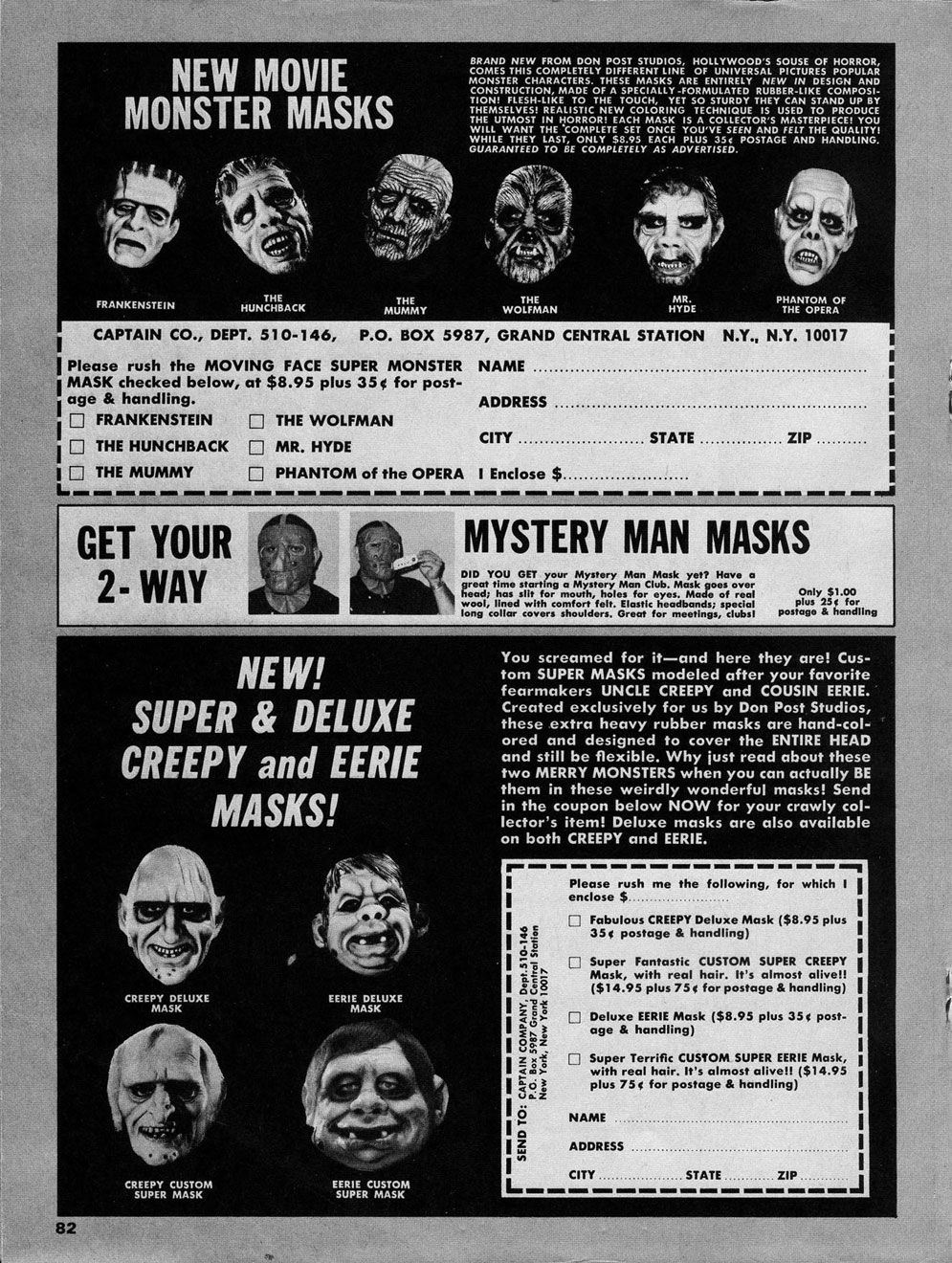
If, like me, you grew up reading Famous Monsters of Filmland magazine, you remember ads featuring Don Post Studios masks.

Post, who died in 1979, was famous for creating deluxe, top of the line Halloween masks. Before Halloween was the industry that it is today, Post’s masks were the stuff of legend, the go-to masks for Halloween parties and trick-or-treating.

Post’s masks were not your typical dime-store stuff. Looking at vintage ads now, I’m surprised that some of them sold for nearly $10. That was a lot of money for kids in the 1960s but these were beautiful, full over-the-head latex creations.

Post’s masks have taken on a life of their own that has continued through the decades. Some of us fondly remember the masks Post created for the ersatz “Silver Shamrock” company for “Halloween III: Season of the Witch.”

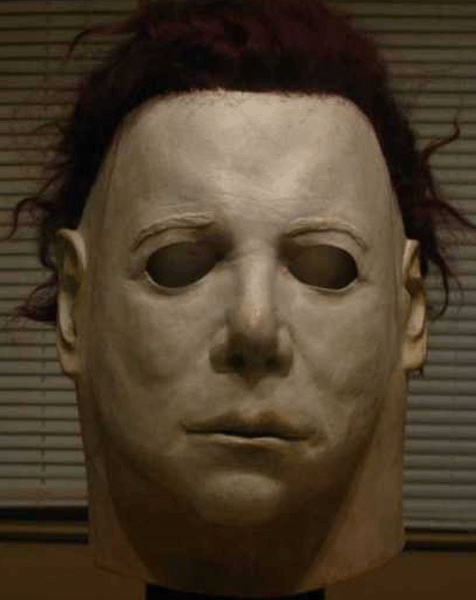
His William Shatner mask was, famously, used as Michael Myers’ mask in the first “Halloween” movie.

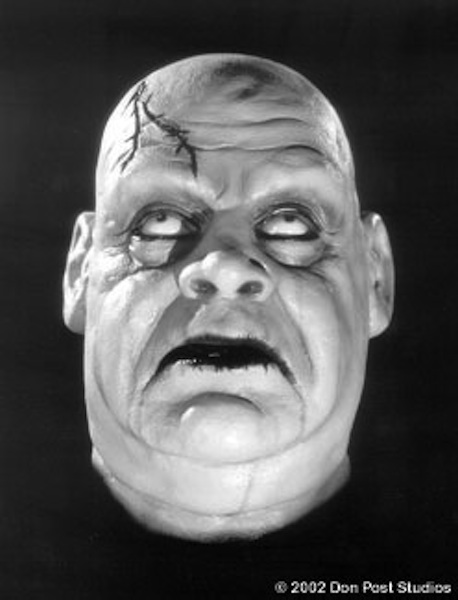
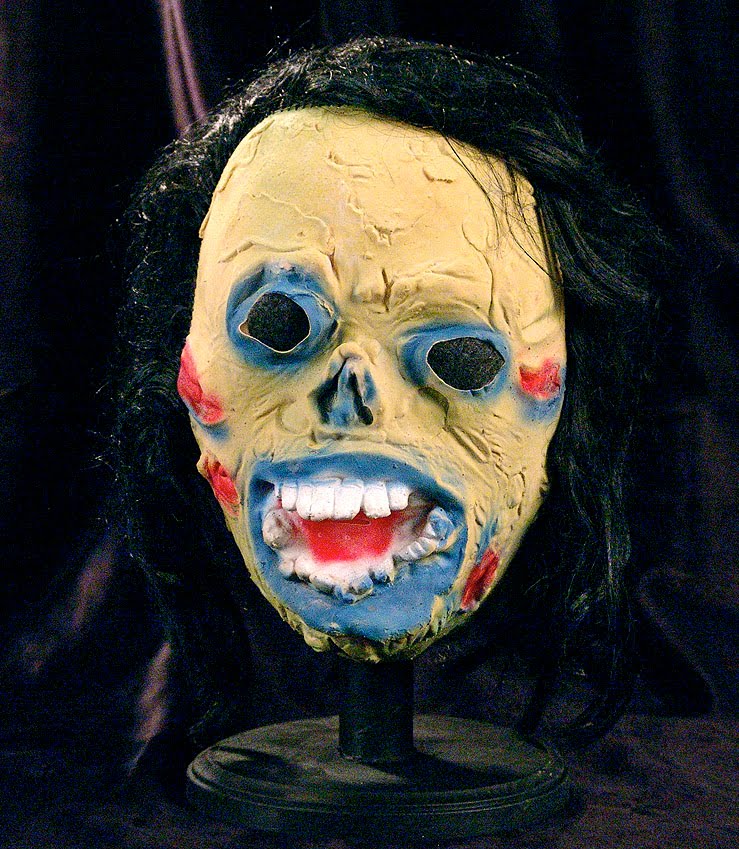
Of old-school Post masks, I will always think of his Tor Johnson mask, based on the 1950s wrestler/actor in classics like “Plan 9 From Outer Space.” It’s the scary fellow at the top of this item.

Here’s to Don Post and his masks, Halloween fixtures.

By the way, there’s a blog out there with everything you could possibly want to know about monster masks. It is http://monstermasks.blogspot.com/


Today in Halloween: Topstone monster masks

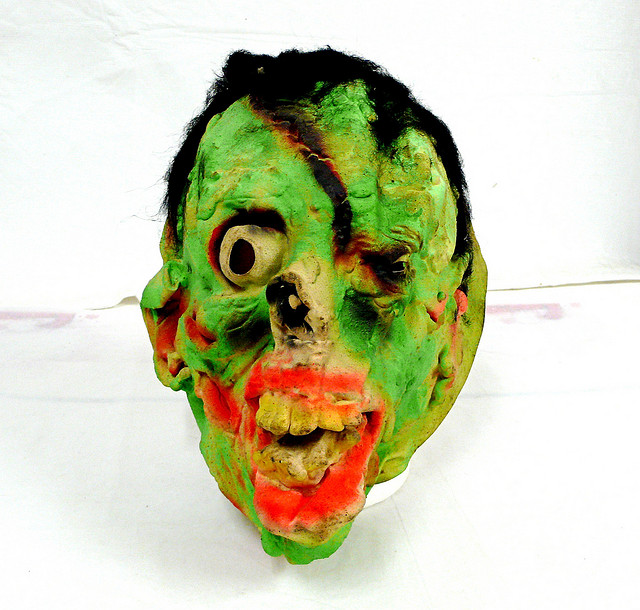
I probably had some Topstone Halloween masks and didn’t realize it. You probably did too.

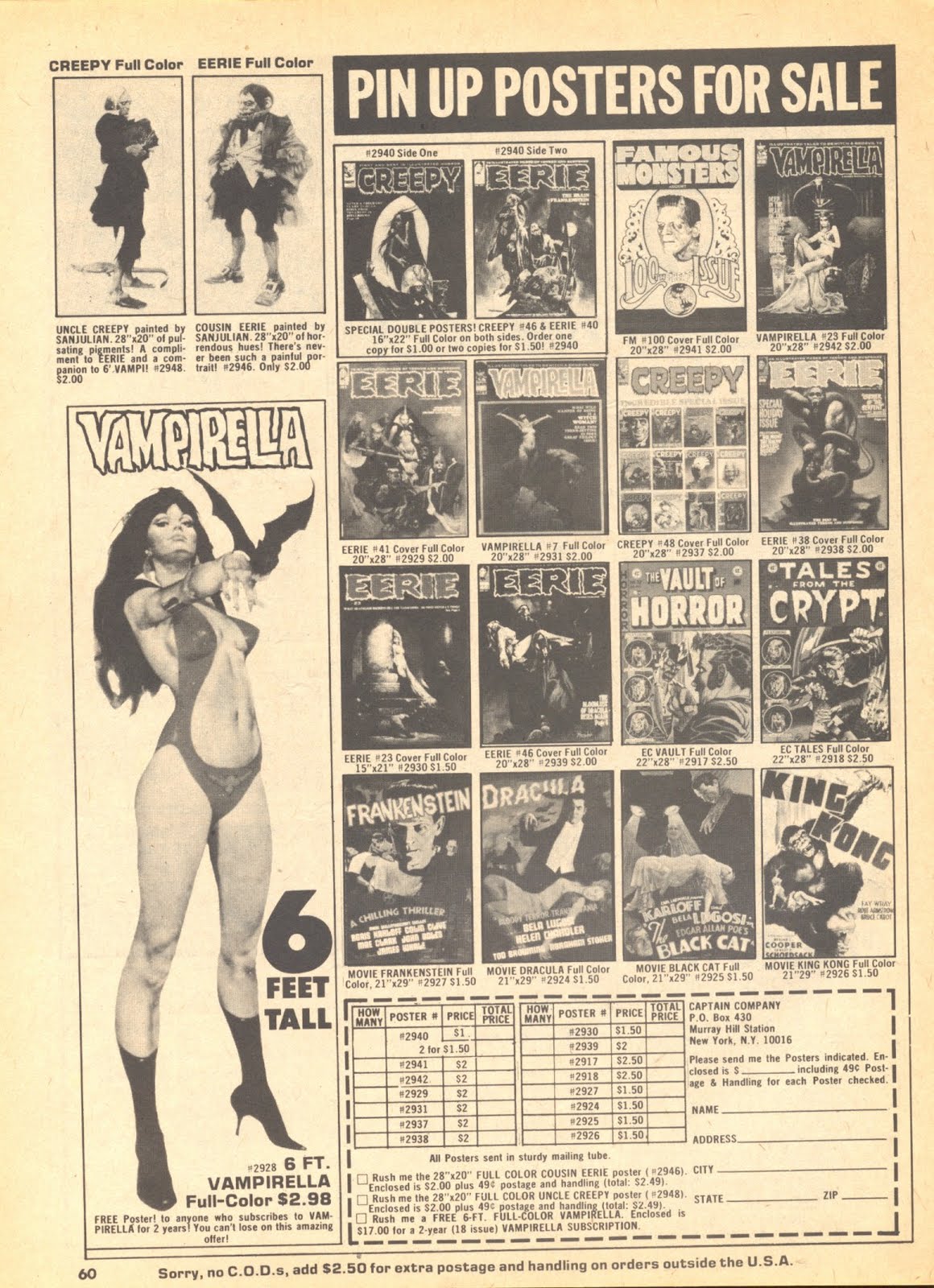
Unlike Don Post Halloween masks, Topstone were more reasonably priced masks. They were latex/rubber masks like the Don Post masks but were thinner and sold for two or three bucks – a third of the price of the most affordable Don Post masks – through stores and Captain Company ads in magazines like Famous Monsters of Filmland back in the 1960s.

As a kid, I certainly didn’t notice the brands of masks I eagerly bought around Halloween time, so I’m mostly guessing some of mine were made by Topstone. And needless to say many of the masks don’t exist any more. They were never meant to survive for four decades or more.

Topstone sold full over-the-head masks, but I think most familiar to some of us were the “full face” masks, both soft latex and harder plastic, that were common at the time.

Topstone Rubber Toy Company, according to online histories, began making masks in the 1930s. Besides horror masks, the company made clowns, “goofs” and – unfortunately – race-based caricatures like “Remus” and “Chinaman.” As late as 1960, the company marketed “colored” masks.

The company’s heyday was in the 1950s and 1960s, when the advent of the “Shock Theater” package of classic Universal horror films became popular on TV stations and spawned not only magazines like Famous Monsters of Filmland and TV horror hosts like Indianapolis’ Sammy Terry but also a craze for scary monster masks.

Particularly memorable was the “Shock Monster” mask that was aggressively marketed to young geeks like me.

Keith Ward, whose other famous designs included Elsie the Cow and Elmer the Bull (the latter for Elmer’s Glue) designed many of the classic Topstone masks.

Ray Castile is an acknowledged expert on Topstone, its history and its masks. He also produced thegalleryofmonstertoys.com.

Everything you want to know about Topstone masks can be found here.

Freak out: Scary stuff that haunted me

Just ask anyone who’s ever walked up behind me when I was vacuuming and they’ll tell you I’m pretty easy to freak out.

Maybe it was the combination of an overactive imagination and a childhood home that was supposedly haunted, but I’ve always been spookable. I’m not squeamish; blood and gore don’t bother me particularly, especially not in horror movies.

But subtle stuff – a shadowy figure in the distance, a pallid face outside a window – in movies really makes me squirm.

Herewith, some stuff that freaked me out in my younger, impressionable years.

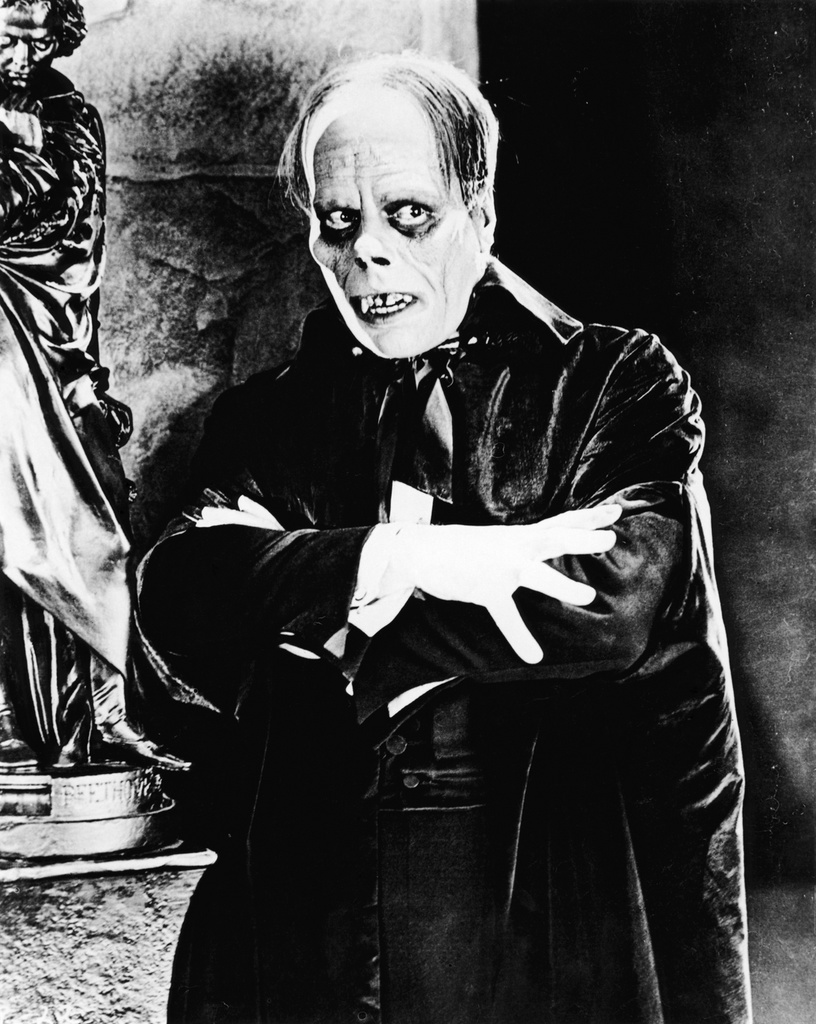
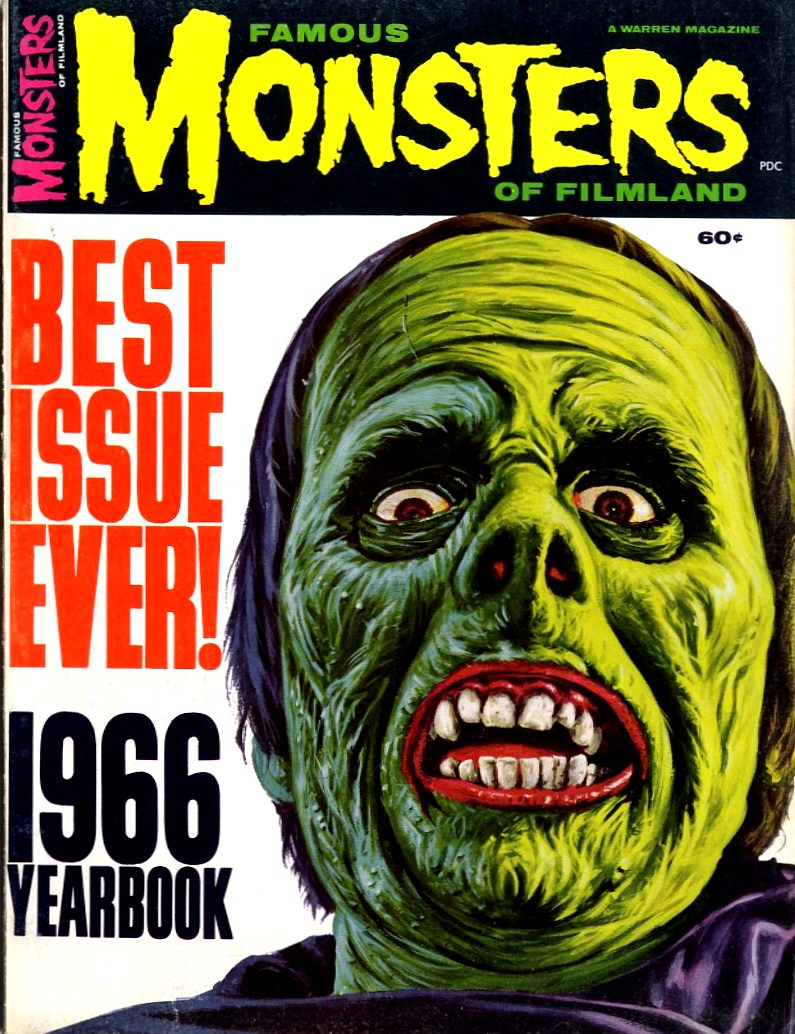
Lon Chaney in the 1925 “Phantom of the Opera.” Who wouldn’t be a little freaked out by that face? Mary Philbin and I were in good company in our reactions to Chaney’s masterpiece, both in terms of his film work and his makeup work. In Famous Monsters of Filmland I read all about how Chaney achieved this cadaverous look, manipulating his nose and cheekbones and eyes. But even though I knew Chaney’s secrets, that face made an impression.

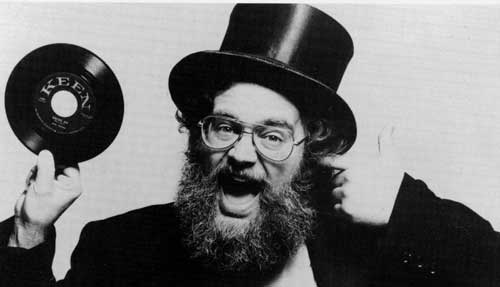
The Suicide Song on Dr. Demento. If you’re not hep to what the nerdy kids listened to in the 1970s and 1980s, Dr. Demento hosted a syndicated radio show playing offbeat songs like “Fish Heads” and “Shaving Cream.” The oddball doctor introduced a nation of youngsters to the work of Spike Jones and helped launch the career of Weird Al Yankovic. But the song that Demento played that sticks with me, 30-plus years later, was “The Suicide Song.” What was it? Incredibly enough, I can’t seem to find it online. There’s a listing of songs played on the show that includes it but I can’t find an audio or video snippet, which makes me wonder if I’m mis-remembering the name. But once I hear the song again – and its dirge-like, monotone recitation of dire lyrics – I’ll get goosebumps all over again.

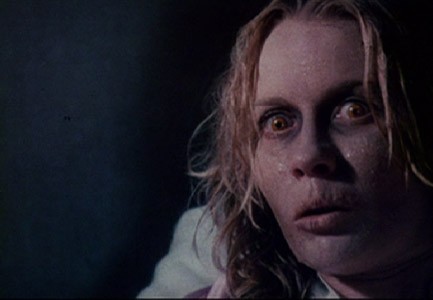
“Who are you?” from “Beyond the Door.” The 1974 Italian import “Beyond the Door” was considered little more than a rip-off of “The Omen” and “The Exorcist” with its plot about demonic possession. It’s a curiosity, maybe especially because of its star, British actress Juliet Mills, best known stateside for the sugary sitcom “Nanny and the Professor.” But when I think of “Beyond the Door,” I think of the late-night commercials for the movie showing clips of Mills levitating and twisting around and – unforgettably for me – intoning in a freaky bass voice “Who are  you?” I’m battling the heebie jeebies here.

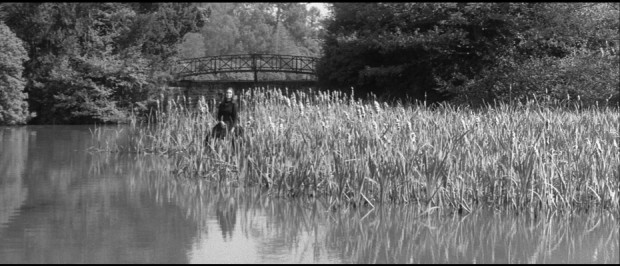
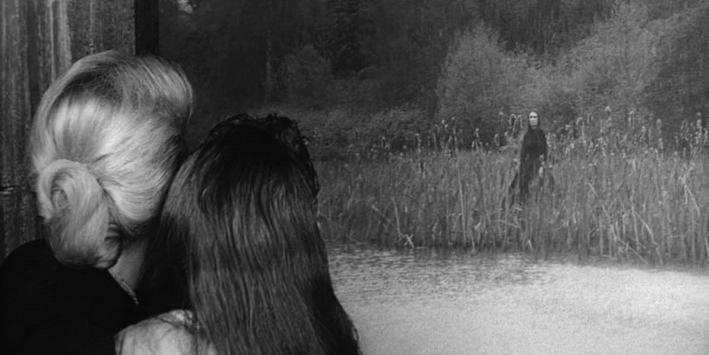
The ghosts in “The Innocents.” I’m not sure any movie is scarier than “The Innocents,” director Jack Clayton’s adaptation of Henry James’ “The Turn of the Screw.” The story of a governess going to a remote castle to take care of two truly strange children, “The Innocents” introduces a couple of the creepiest ghosts ever. And it does so in a totally freaky way: By having them stand, motionless, across ponds or outside windows.

I don’t know about you, but as far as I’m concerned, silent, unmoving figures watching me from a distance is more unnerving than a chainsaw-wielding maniac.

Unless he taps me on the shoulder while I’m running the vacuum cleaner.


Monster World memories: Captain Company

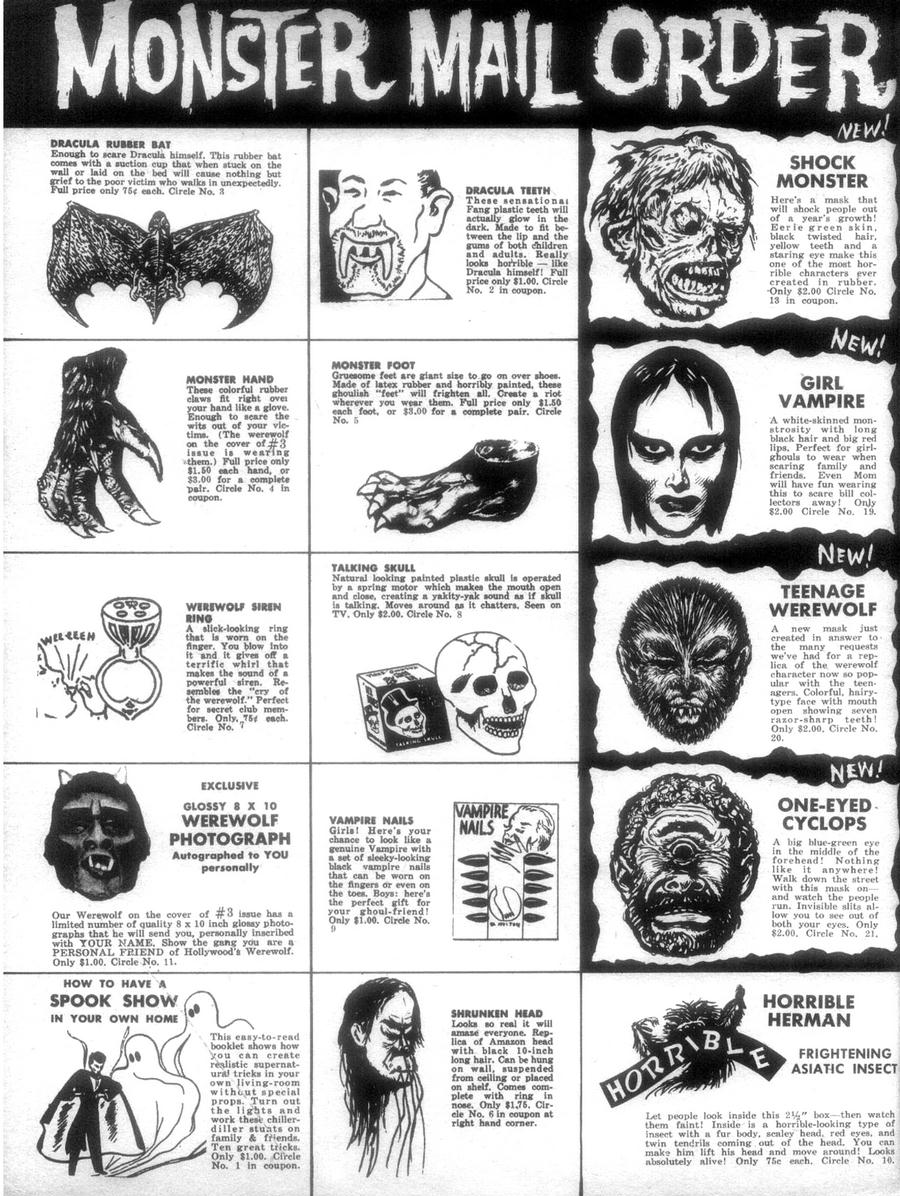
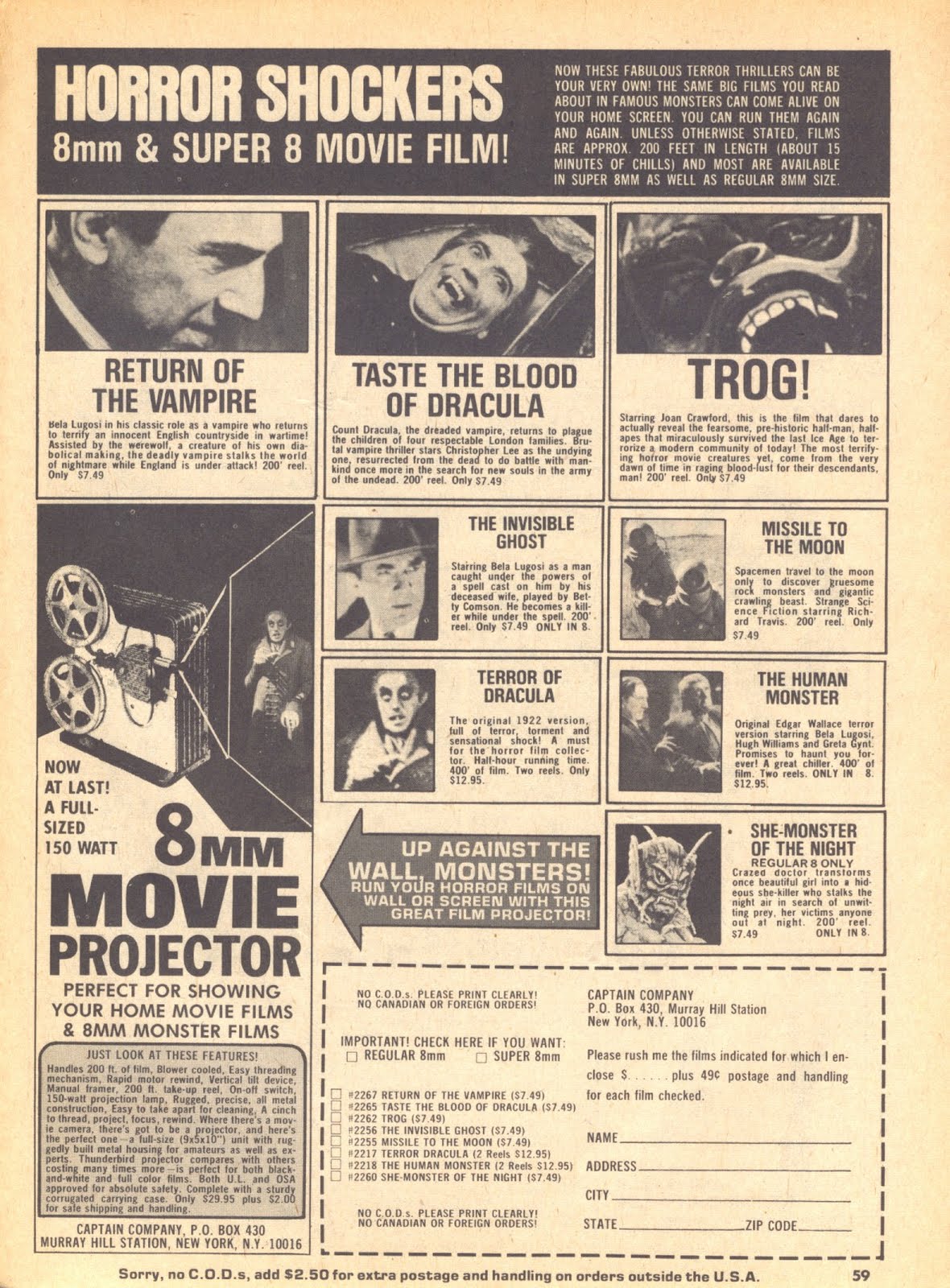
How many of us monster kids, living in the heyday of the Monster World in the 1960s, saved up our nickels until we could stop thumbing through the pages of Famous Monsters of Filmland and actually order something from those Captain Company ads?

It appears there isn’t a definitive history of Captain Company online, which is too bad. I’d love to know more about the mail-order company, which was purportedly based on the East Coast and was the mail-order sales division of Warren Publishing, which unleashed Famous Monsters, Creepy and other mags on the world.

Looking around the Interwebs, though, I see a few people with some of the same memories of Captain Company.

Especially the Captain Company ads: Like their comic book counterparts for X-Ray Specs and the like, the Captain Company ads were a riot of amateurish drawings, over-eager copy and outright misrepresentations.

I ordered back issues of FM through Captain Company as well as a few other items, the details of which I’ve long forgotten. It’s possible I bought some of those little 8 millimeter films — digest versions of classic Universal horror movies — through Captain Company.

I believe Captain Company has been revived, in some form, as a merchandising arm of the new Famous Monsters. It’s not the same, of course, but neither are we.

Here are some ads, many of them collected by http://www.diversionsofthegroovykind.blogsppot.com


The documentary about our monstrous childhood

I’ve mentioned before in this space what I call “the monster world” and what others call the “monster kid” phenomenon. It was that golden period from the 1950s until the 1970s when a lot of us kids were obsessed with all manner of spooky, geeky stuff: Old Universal Studios monster movies, monster dragsters, monster comics, Aurora monster models … you name it.

Part of the impetus for the monster world was the release to television, in the 1950s, of the classic Universal Studios monster films from the 1930s and 1940s. After years of re-releases to theaters, the movies finally found a place on TV.

Late night Fridays and Saturdays and on Saturday afternoons, local TV stations that had purchased the Universal movie package — often referred to as the “Shock Theater” package — aired classics like “Frankenstein,” “Dracula” and all their sequels and spinoffs.

Often local stations created horror movie spoof characters — like Sammy Terry on WTTV Channel 4 in Indianapolis — to host the broadcasts.

At the same time, magazines like Famous Monsters of Filmland, The Monster Times, Castle of Frankenstein and many more began publishing.

All of a sudden, the denizens of the monster world found each other.

Today I heard about “That $#!& Will Rot Your Brain,” a documentary from Bob Tinnell that looks at the monster kid phenomenon. Through interviews with everybody from Bob Burns to Tom Savini (if you have to ask …) the documentary looks at what it was like growing up in this golden era.

Tinnell and his partners are seeking donations to help raise $10,000 toward the cost of the film. This website has details.

Donate if you want. No sales pitch from me. I mention it only because, as a former denizen of the monster world, it’s pretty cool to see devoted fans putting their fantasies in action this many years after the fact.