So the TV was on today and there was a commercial for Squinkies.
If you’re not already totally lost, you must have a kid or grandkid who is still young enough to be in the demographic for toys.
I can’t with utter confidence explain what Squinkies are. We don’t have any in our household but they appear to be squishy little plastic figures that come in about a thousand variations so your kids can collect them all (of course).
What really struck me about this commercial was that it was for Squinkies for boys. The spot featured comic book character versions of the squishy little figures. So while they still looked like something that would be lost in every nook and cranny of your couch within a couple hours of purchase, the makers are obviously trying to appeal to the male subset of toybuyers.
Which makes me think of my childhood and the dawn of the action figure.
While Barbie and her legion of high-heel-wearing imitators beat them to stores by several years, the action figures of my youth changed the play habits of a couple of generation of boys — all of a sudden, it was okay to play with dolls and please call them action figures by the way — and made millions for a few toy companies.
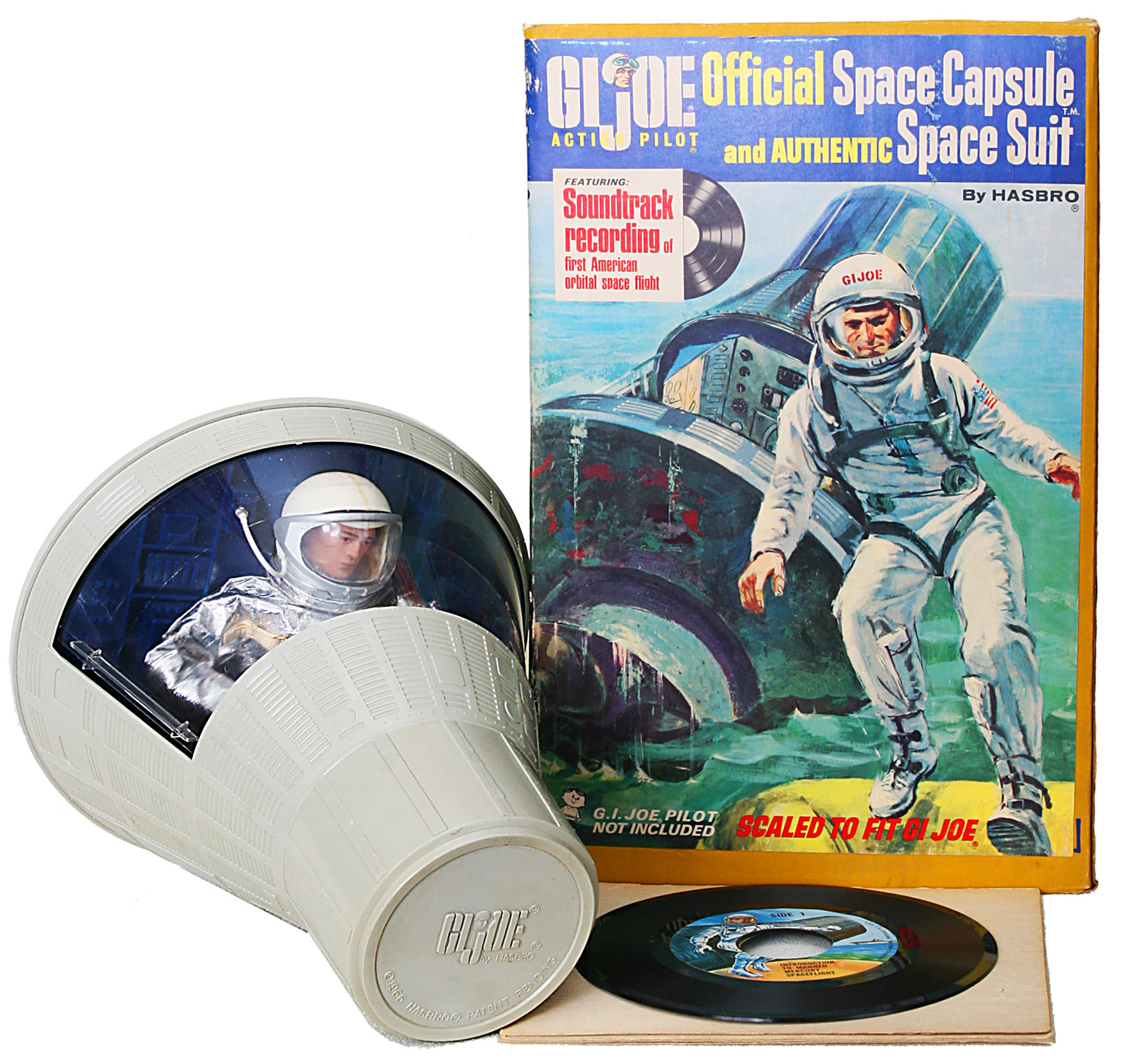
Hasbro launched the GI Joe line in 1964 at a time when little boys were still re-enacting the battlefield exploits of their fathers in World War II and Korea. The 12-inch figures introduced millions of little boys to machine guns, sandbags and footlockers.
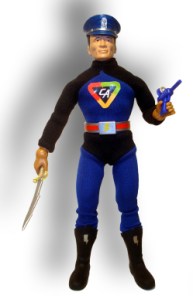
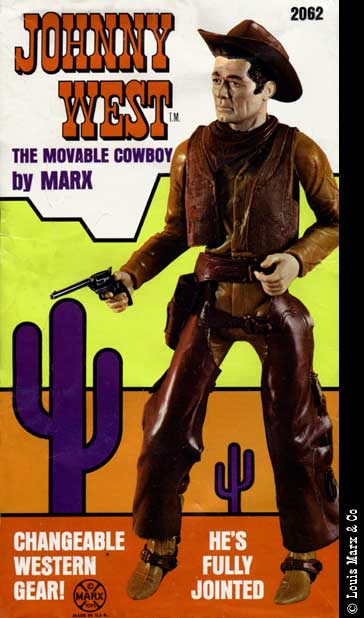
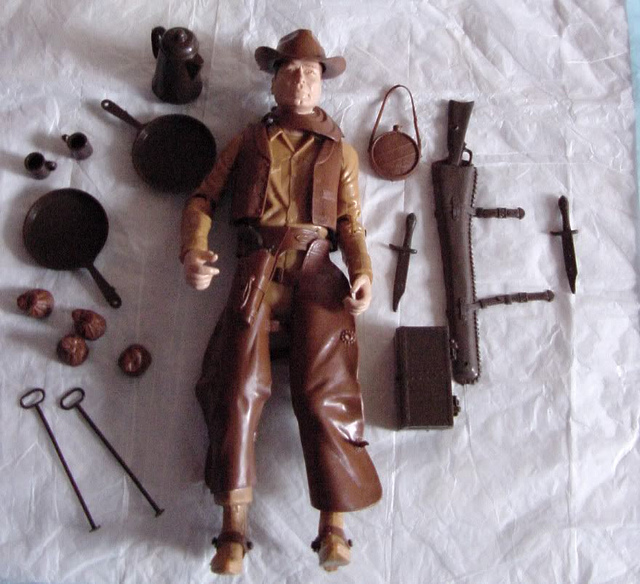
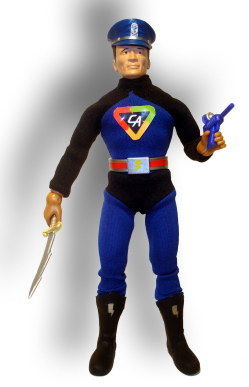
I loved my GI Joes and my Johnny Wests (the latter an old west action figure) but for me there was no toy that compared to Captain Action.
Introduced in 1966 by the Ideal Toy Company, Captain Action was unusual in that his schtick revolved around becoming other heroes.
Somehow Ideal and GI Joe developer Stan Weston worked out character licensing agreements with Marvel and DC Comics as well as King Features Syndicate, the company that owned the rights to many popular newspaper comic strips.
So Captain Action, who wore a black and blue unitard and jaunty cap in his everyday mode, slipped into the costumes of other superheroes when needed. Captain Action could be Superman, Batman, Captain America, Spider-Man, the Lone Ranger and several other heroes.
The business dealings necessary to make this happen were above my head at the time and still seem kind of improbable, but even as a grade-schooler I knew that Captain Action was special. Like Barbie, he had a limitless supply of outfits. Unlike Barbie, Captain Action could go out and kick evil butt when he slipped into Superman’s spandex or the Lone Ranger’s chaps.
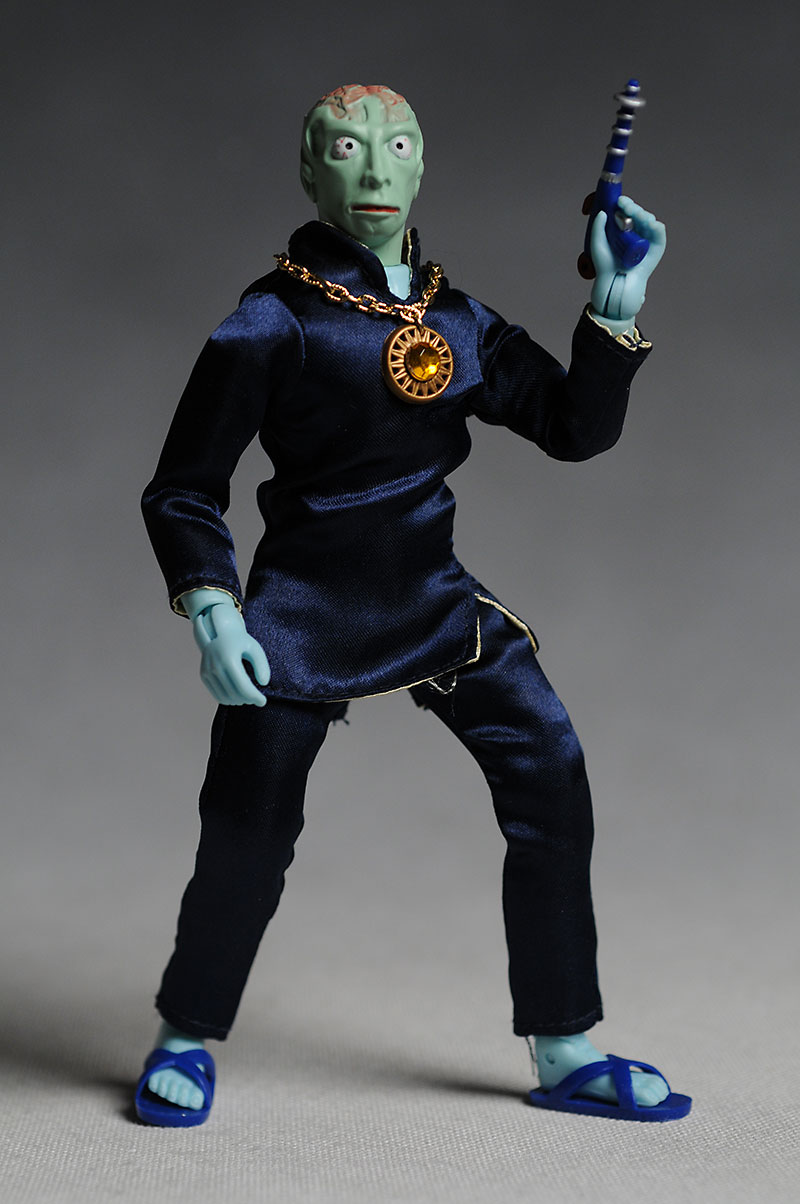
And if heroes are only as good as their villains, Captain Action was great. His bad guy was Dr. Evil. No, not the “Austin Powers” baldie. Captain Action’s Dr. Evil was a bug-eyed, blue-skinned alien of some kind with — get this — an exposed brain. That’s right. The top of his skull was missing and his pink brain was right there for all to see. Kind of makes you wonder why Captain Action didn’t put an end to more of their clashes by sticking his finger in Dr. Evil’s brain and stirring.
While Dr. Evil’s exposed brain might have been his oddest feature, his wardrobe was likewise offbeat. This baddie wore a Nehru jacket, sandals and a medallion on a gold chain.

Yeah, I know. But believe me, as a kid, you didn’t think about how unlikely that outfit was. Plus — exposed brain. Kind of trumped everything else.
My Captain Action figures didn’t survive many, many hard days of play. unfortunately, and neither did Captain Action as a toy in general survive changes in the toy market. The good captain never got a second wind in a smaller size, as GI Joe did, and couldn’t sustain the licensing agreements that made him so unique. With the nostalgia business in mind, new Captain Action figures were released a few years ago but couldn’t possibly thrive in today’s toy market.
But who knows? Maybe Captain Action and Dr. Evil are still out there, waiting for their comeback. All the captain needs is a few good costumes to borrow and all Dr. Evil needs is a bike helmet.



 keithroysdon