Tag Archives: Harry Bosch

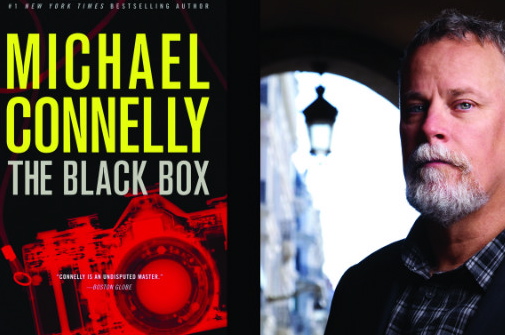
Harry Bosch tackles a cold case in ‘The Black Box’

connelly the black box

Over the course of a couple of decades, former Los Angeles Times reporter Michael Connelly has built a densely-populated world of LA cops, criminals and lawyers. His books about attorney Mickey Haller, including “The Lincoln Lawyer,” are among the best legal thrillers of the modern day.

But Connelly’s body of work most often focuses on Harry Bosch, a veteran LA police detective who is as good at maneuvering through LA police politics as he is at solving crimes.

Lately, Bosch has been part of an LAPD unit working cold cases, and in “The Black Box,” Bosch’s latest cold case seems very cold indeed. Bosch gets the opportunity to try to close a case that he had opened in the spring of 1992, when LA was wracked by riots and murders in the wake of the verdict in the trial of four white cops charged with beating a black man. The cops were found not guilty and parts of the city erupted in an orgy of arson, violence, looting and murder.

Bosch investigates the death of a young woman, a journalist from Denmark, who was found shot to death in an alley in an area wracked by violence. Bosch refuses to believe the young woman was simply in the wrong place at the wrong time, but there are too many homicides to allow lengthy investigations. The woman’s murder goes unsolved.

Twenty years later, Bosch picks up the case again, working on LAPD’s Open/Unsolved squad, and – as readers know Bosch is prone to doing – begins pushing at the edges of the case, looking for previously undiscovered information and trying to find new leads.

In doing so, he incurs the wrath of his superiors, who are worried about more controversy if the first of the cold cases to be solved is a white woman instead of the many people of color who were victims during the riots.

Bosch always follows the truth, however, which means that he pursues the journalist’s murder with a vengeance.

Connelly’s latest gives us a Bosch who is as single-minded and, frankly, rude and irritating as ever. He’s usually right and not afraid to show it.

But Bosch is the kind of cop all of us would want on the case if a loved one had been murdered.

And Connelly is the kind of writer we’d want recounting the tale.

Michael Connelly’s ‘The Drop’ has twists and turns

Michael Connelly, a Los Angeles newspaper reporter turned writer, has become something of a brand name among authors of crime novels. Connelly, who seems as cool as his star characters, Harry Bosch and Mickey Haller, could probably say how many New York Times bestsellers he’s written. Not that he needs to. For many readers, all they need to know is that Connelly is the guy who wrote “The Lincoln Lawyer.”

That book, about street-smart Los Angeles defense attorney Haller, has had a few sequels now and been turned into a pretty good movie. The success of the Haller books almost threatens to eclipse Connelly’s best and most accomplished character, L.A. police detective Bosch.

That might be because Bosch is anything but cuddly. The son of a murdered prostitute, the tough Vietnam veteran is nearing the end of his law enforcement career as “The Drop,” Connelly’s latest novel, begins.

The title refers to a process through which LAPD cops can pick their “drop” date, or retirement date, and Bosch — worried that he’s losing his skills as well as losing an opportunity to connect with his 15-year-old daughter — puts in for his. He signs up for retirement and looks at a little more than two years on the force.

Bosch, a veteran of the LAPD’s homicide squad, is currently working on cold cases for the department and applies himself to each new cold case — usually sparked by a DNA hit or some other fresh development — with the same single-minded drive he brought to new homicides.

Bosch and his often-callow partner, David Chu, are handed a cold case that seems impossible: A DNA match from a 20-year-old murder points to a local man as a suspect. But the the man was only eight years old at the time of the slaying. The suspect is a sex offender, but how could he have been involved in the homicide when he was still a child?

The title also refers to the fatal fall suffered by an L.A. man who happens to be the son of Bosch’s old nemesis, Irvin Irving, a police bureaucrat turned city council member. Bosch clashed with Irving on earlier cases, so why would the councilman ask Bosch to investigate his son’s death? Is Bosch being set up to prove that a case that looks like a suicide was really a homicide?

Bosch is his typically blunt, laser-focused self in “The Drop” and, while the cop’s personality makes him fascinating it also, truthfully, makes him kind of hard to like. Granted, I’d want a cop of Bosch’s demeanor investigating the slaying of a loved one. But I wouldn’t want to be his partner or superiors or pretty much anybody around, because Bosch is really, really good — despite his concerns that he’s losing his touch — and doesn’t hesitate to steamroller over anyone that stands between him and closing a case.

In his recent books, Connelly has mixed his wide-ranging L.A. cast, with Bosch appearing in Haller books and Haller appearing in Bosch books. There’s little of that going on here. Fans of Haller will enjoy a late-in-the-book reference to one of the best characters from those stories, though.

“The Drop” is, like most of Connelly’s work, the kind of story that almost demands you read it quickly once you’ve begun. The story, thanks to Harry Bosch’s driven personality, propels itself forward. It’s a fast-moving read with a development near the end that feels more like a lurch than a twist. But Bosch isn’t thrown for a loop. He goes with the twist and brings readers — happily and willingly — along.