Tag Archives: iPhoneography

iPhoneography: Drizzly D.C.

It was raining, or threatening to rain, most of the time I was in Washington, D.C., a couple of days ago. I was there for an awards ceremony, with work and home obligations bookending the trip, and there wasn’t a lot of time to waste.

I managed to see a few sights and take a few pictures with my iPhone. There’s nothing you haven’t seen before by thousands of other, better photographers. There’s something interesting about the city’s many monuments and buildings when it’s raining, however.

I never got near the U.S. Capitol, unfortunately. I checked out the White House from all sides but it was the least interesting building I saw.
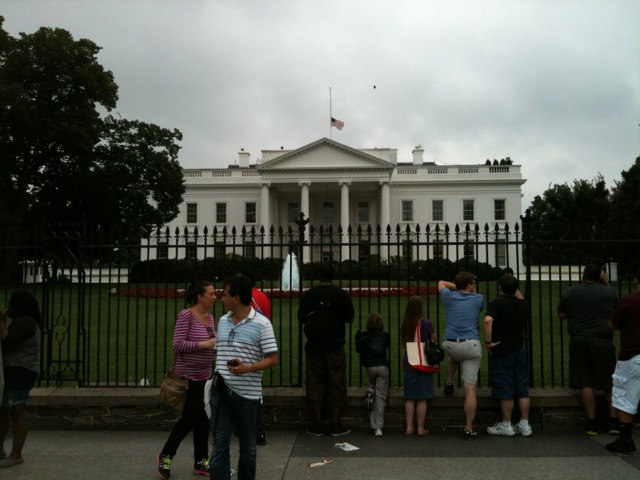
I’m guessing that, in this post-9-11 world, Pennsylvania Avenue will never be reopened. It’s a shame, in a way, that you can’t buzz past the White House on your way somewhere (unless you’re on foot or on a bike). But the closed street makes for some nice photo opportunities.

One of the most mind-boggling, purely in terms of size, buildings I saw was the Eisenhower Executive Office Building, named after the former president but originally the headquarters of the nation’s military commanders when it was built in the late 1800s. My picture can’t do justice to its size. It is truly mammoth.
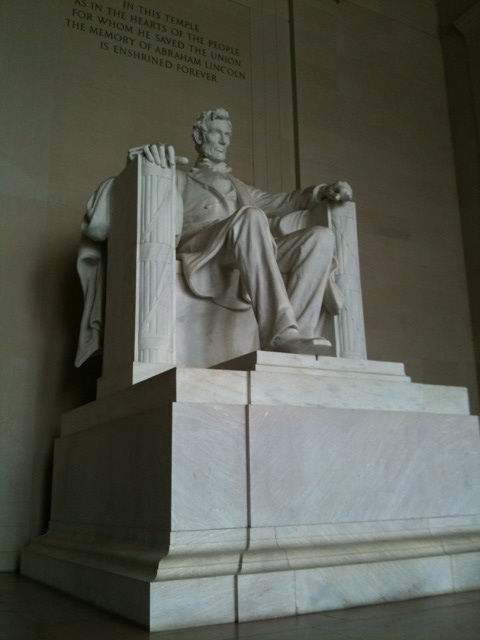
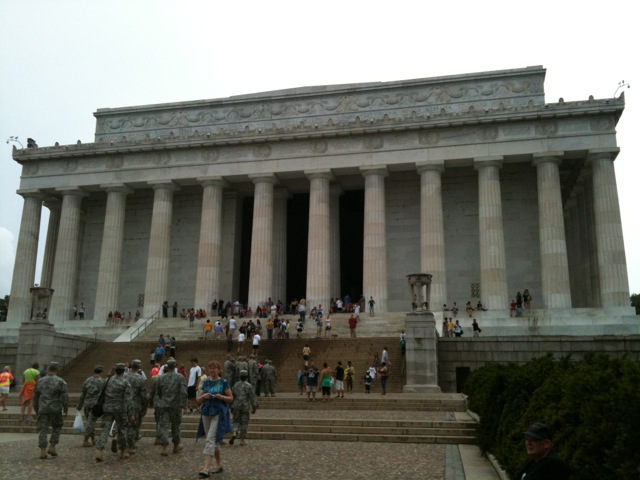
The Lincoln Memorial is majestic, of course.
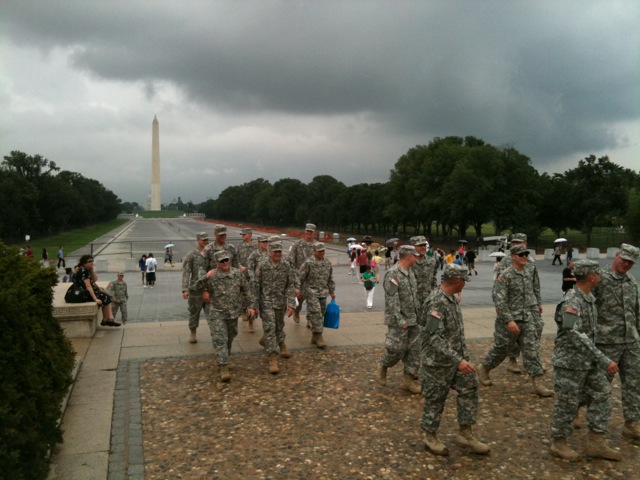
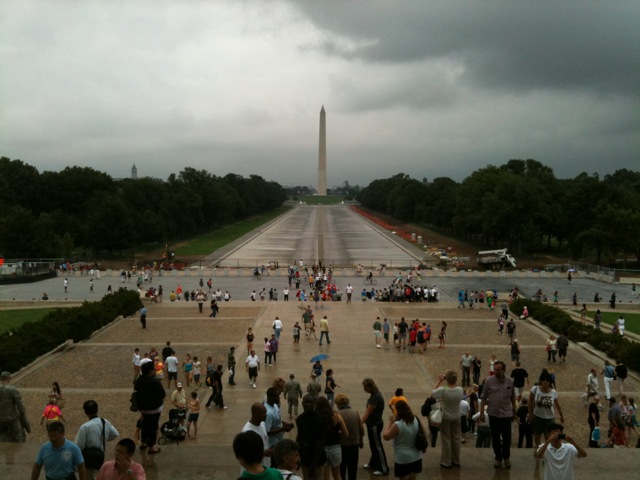
The juxtaposition of the memorial to the Washington Monument and the reflecting pool makes it the most memorable place in D.C. The pool was drained for repairs while I was there, unfortunately.
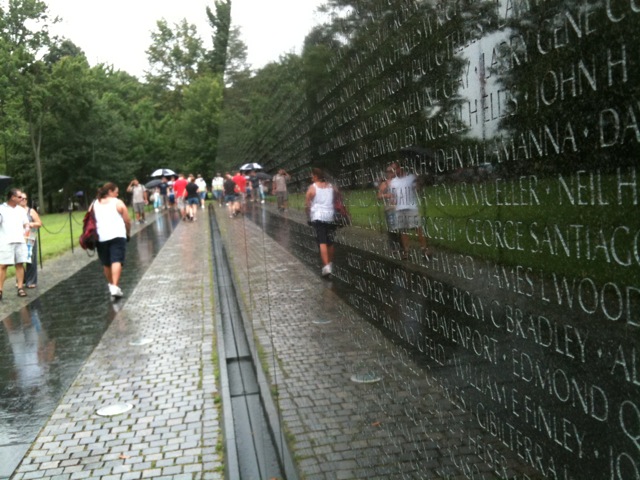
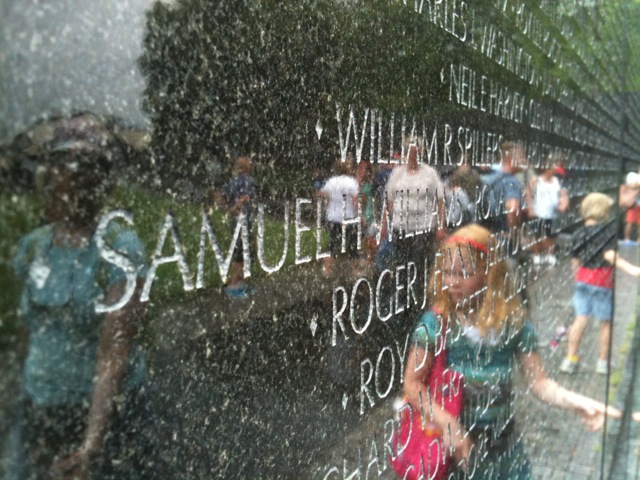
Perhaps the most moving memorial in D.C. is the Vietnam Veterans Memorial, including the Wall, designed by Maya Lin and featuring the names of more than 58,000 soldiers killed in Vietnam.

The rain only seemed to make the day more appropriate for viewing the wall.
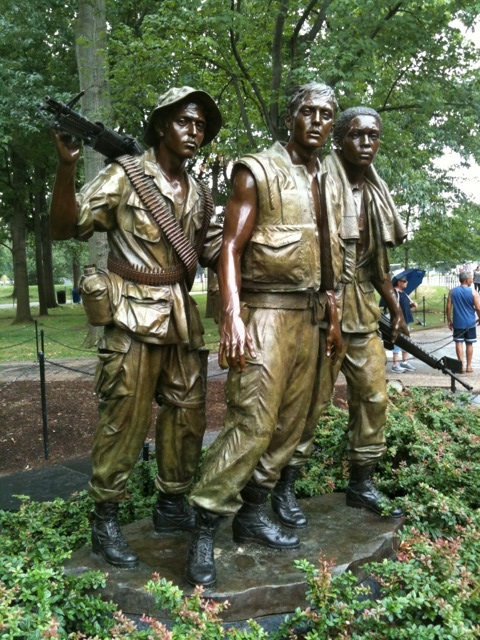
Another element of the Vietnam War memorial is the statue of three soldiers.

The statue is realistic and hauntingly beautiful.

iPhoneography: County fair carnival rides

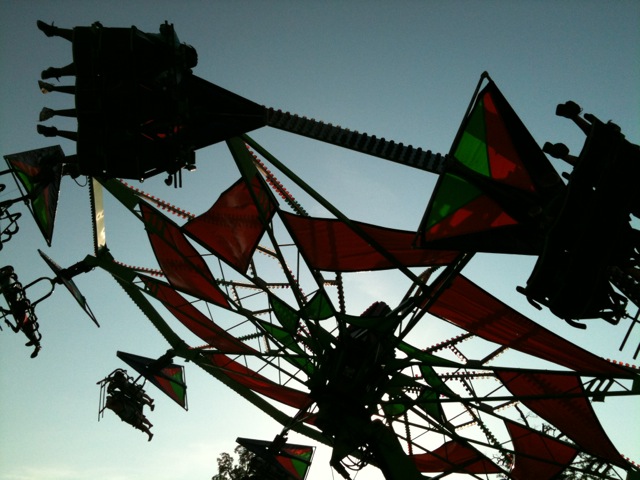
What would summer be without a county fair? The fair gives us food that’s good and bad for us, carny games and carnival rides – and an opportunity for iPhone photos.

Here’s a look at this week’s Delaware County Fair, held in Muncie, Indiana.

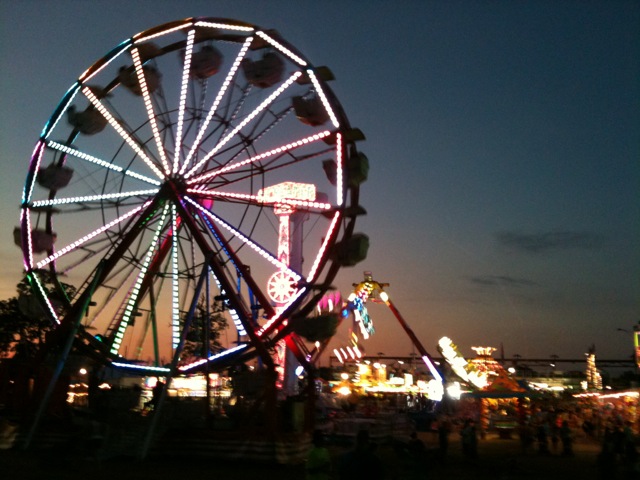
The last couple of hours of daylight and the onset of twilight is my favorite time to take carnival pictures. You’ve got enough light to get some details but a strong source of light to make for dramatic backlighting. Then, within a few minutes, the sky darkens enough to create beautiful artificial lighting photos.

Here’s another shot of the Yo-Yo.


The Ferris wheel is always a favorite.


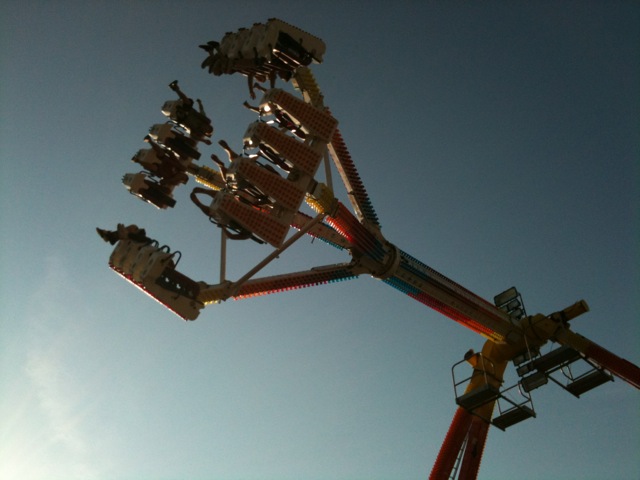
The Freak Out looks very different by day …

… and night.

Gotta love the games, including the ever-popular balloon-busting ones.

And the prizes. When I took this, a young woman operating the game said, “Are you taking a picture of my crabs?”

Night falls on the midway.


iPhoneography: Albany, Indiana

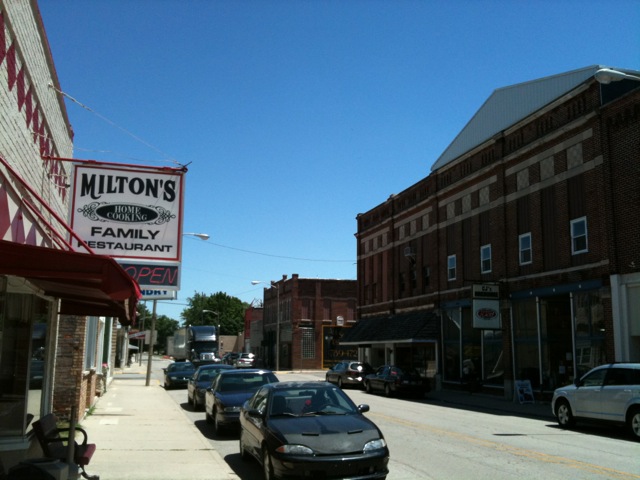
The town of Albany, Indiana, several miles north of Muncie, has remained surprisingly robust during its history. While other Indiana and Midwestern towns have withered on the vine, Albany has maintained a population of more than 2,000 people. It has a thriving downtown and local businesses.

Here’s a summer 2012 iPhone look at Albany.

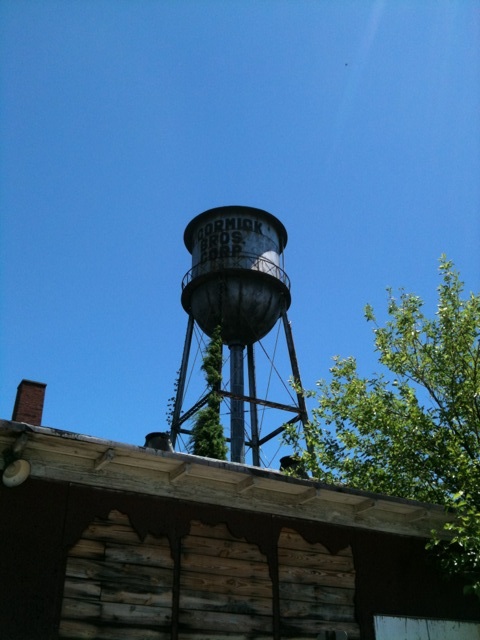
For much of the 20th century, the McCormick Brothers company was the town’s biggest business. Founded in 1907 and lasting until the last quarter of the century, McCormick Brothers made a variety of metal products over the decades, beginning with washboards, moving into metal kitchen cabinets and then products for the war and interstate highway efforts.

While other businesses have occupied the sprawling McCormick Brothers plant, the most notable landmark remains its water tower, seen above.

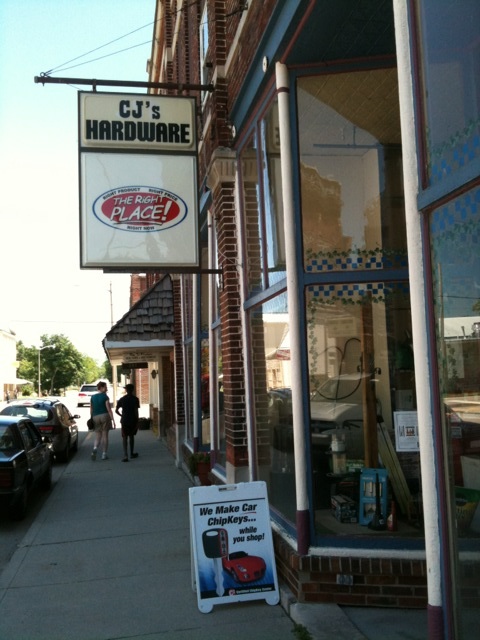
Albany has a number of businesses in its downtown, including C.J.’s Hardware Store. C.J.’s is an old-fashioned hardware store with wooden floors, rolling ladders to help the store’s employees reach products on high shelves and the kind of  broad but selective inventory that makes old-fashioned hardware stores fun to walk around in.

Albany has a five-and-dime store. For many years, McCord’s Five and Ten offered bulk candy, nuts, household goods and some curious items. The sign is still on display inside the store. Under new ownership now, the store still has what might be the area’s biggest selection of hairnets.

The great old-school packaging makes the hairnets look like leftovers from the 1960s, but the store still sells hairnets to food service workers around the area.

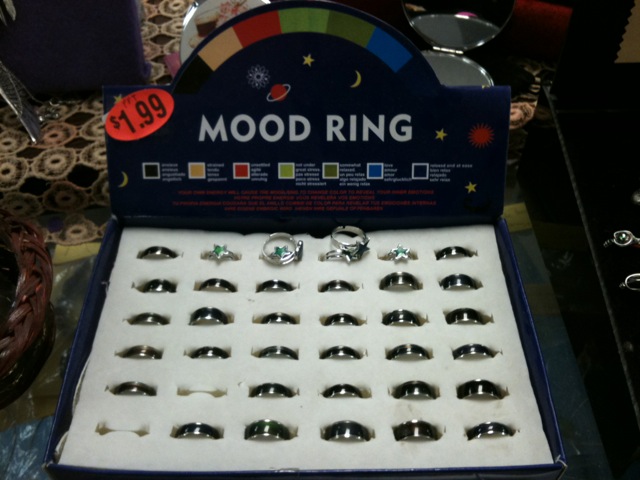
Mood rings, anyone? They have ’em.

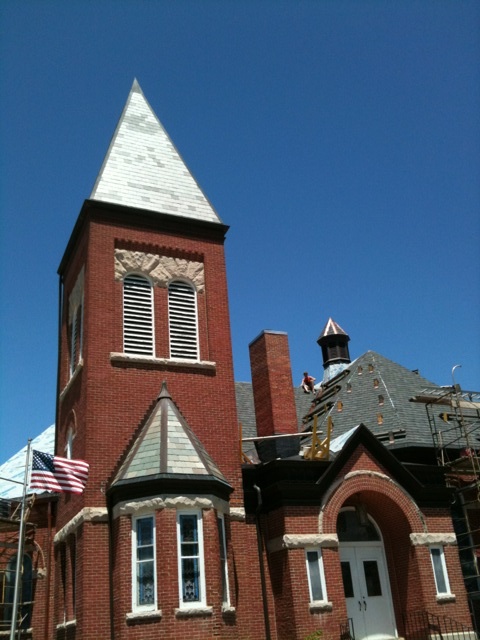
One of the town’s churches was getting a new roof the day I was there.

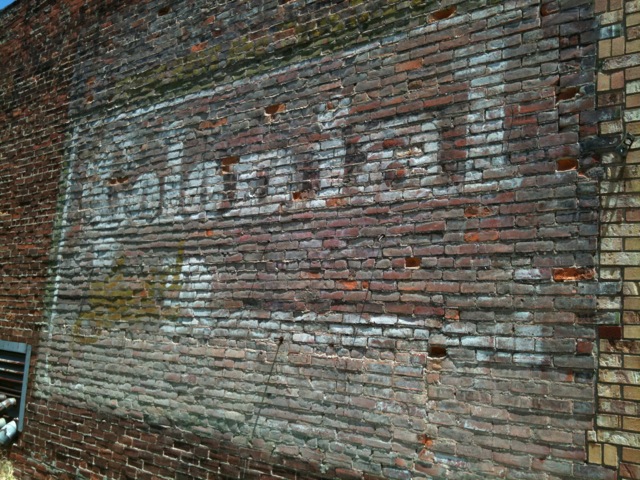
This “ghost sign” for Colonial Break decorates the end of a building.

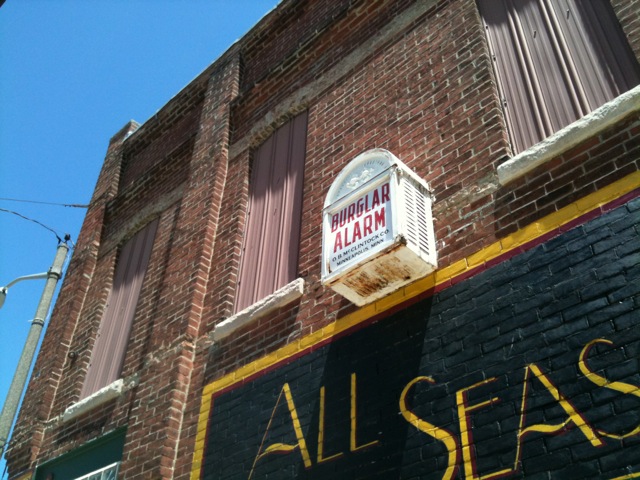
I’ve seen this sign, on the side of a building, before but never understood it. Would it light up, ring and alert passersby and police if a burglar alarm had been tripped? I’d like to know more about it.

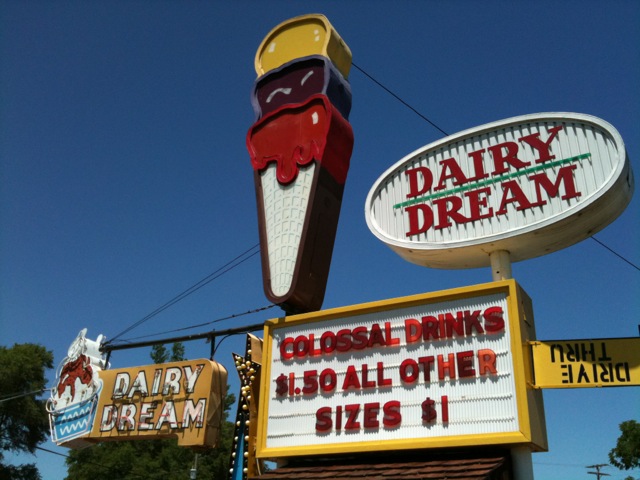
One of Albany’s most popular restaurants, the Dairy Dream.

iPhoneography: The beauty of cemeteries

There’s something about cemeteries, particularly historic cemeteries, that really suits photography. Cemeteries are places of mourning and remembrance and celebration. They’re also places where art and architecture and personal taste — of the deceased and the loved ones left behind — mix.

Beech Grove Cemetery is the city-owned cemetery for Muncie, Indiana. Established in the mid-1800s, Beech Grove is home to some of the area’s oldest gravesites.

The city’s oldest and most established families have graves and mausoleums there, but it’s also the final resting place for some of the community’s poorest residents, with an entire section of graves of people buried at government expense.

Here are some iPhone photos of Beech Grove sites I saw today.

Above: A grave with a marker but also with a statue of Jesus — holding wind chimes and other items — and personal items important to the deceased or family members.

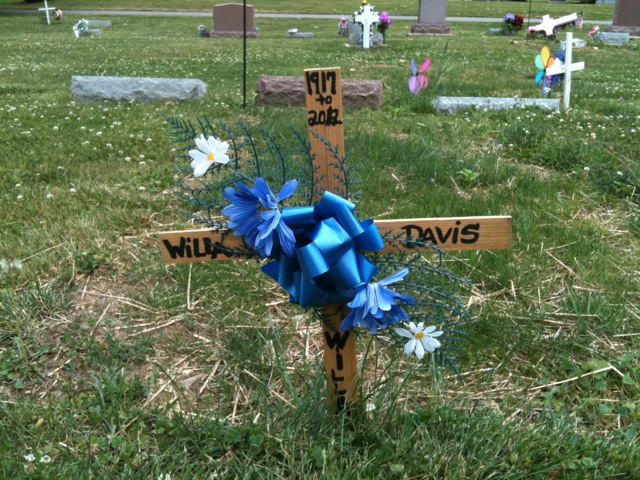
A grave marked only by a small wooden cross with magic-marker lettering.

Peeling paint on this wooden cross.

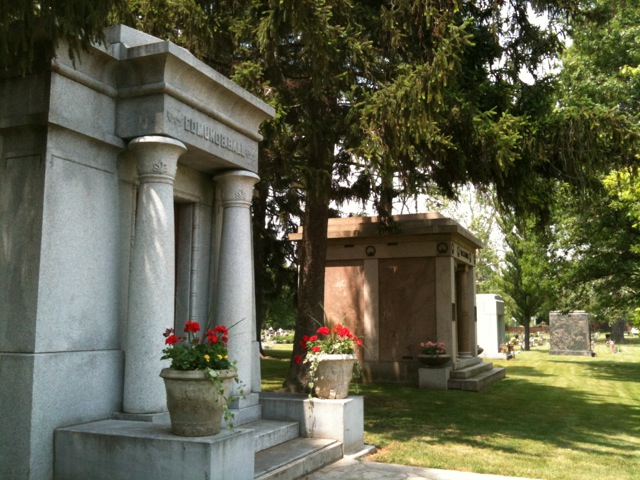
A row of mausoleums for some of Muncie’s captains of industry.

The approach to one of the Ball family mausoleums.

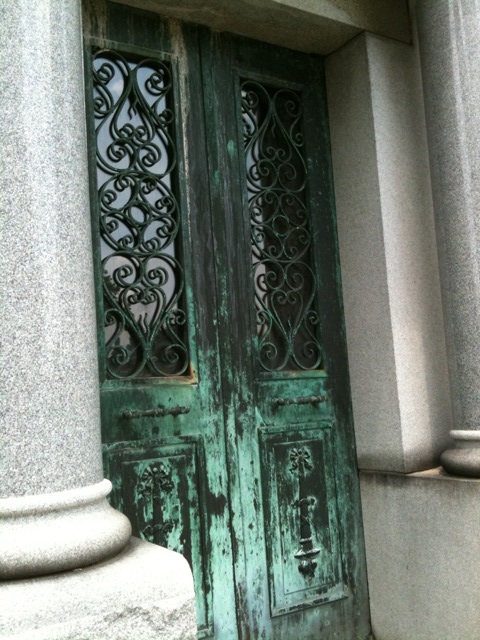
The ornate front door of a Petty family mausoleum.

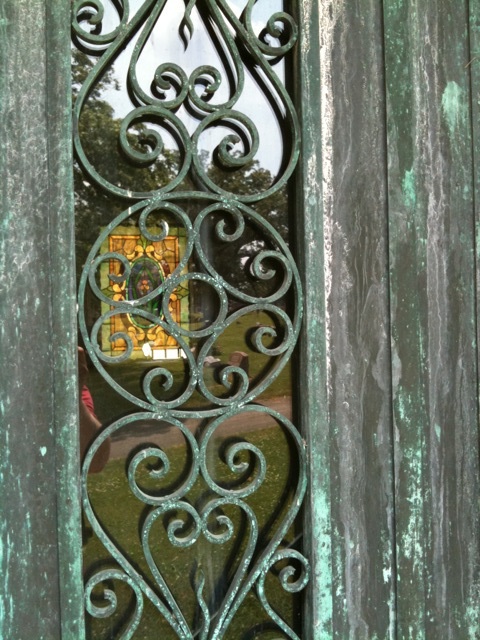
The stained glass window in the rear of the Petty mausoleum.

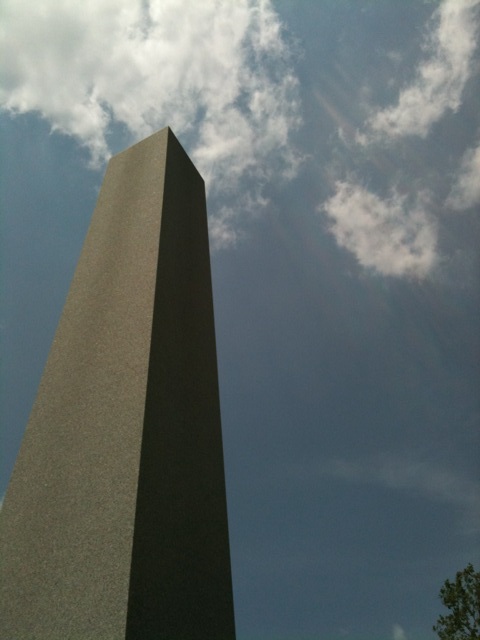
A towering obelisk marks the grave of a Muncie physician.