
Sixty years after the “Captain America” serial debuted in 1944, another Marvel movie milestone occurred: The aborted release of “The Fantastic Four,” a low-budget movie (co-produced by the legendary Roger Corman). Made to perpetuate rights to Marvel’s first family, the movie was pretty bad. While the cast and crew apparently thought it would be released and a premiere was announced, the movie was shelved. Today it is legend to some and reality to others who have bought bootleg DVD copies at comic book conventions.
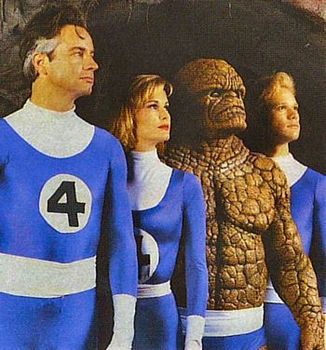
For a while it seemed like Marvel’s heroes were destined for low-budget life only. Then “X-Men” was a hit in 2000, followed by “Spider-Man” two years later. The characters, as well as the Fantastic Four, were sold off by Marvel to different companies, though. While Sam Raimi made two good “Spider-Man” films, “Fantastic Four” and its sequel were lackluster enough to make fans crazy. After decades of no big-screen adaptations, were Marvel’s heroes fated to live only through erratic, variable-quality movies?
And would fans never see a unified Marvel universe onscreen?
At some point, Marvel decided to take the best of the properties it still had film rights to — Iron Man, Captain America and other longtime Avengers stalwarts — and knit a coherent universe.
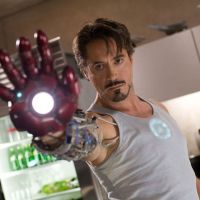
The “Yes!” moment came in 2008 with the release of “Iron Man.” Sure, before Jon Favreau’s movie there had been references to the larger world of Marvel characters, notably on computer screens in the “X-Men” movies. Fun “Easter eggs” maybe, but with no hope of follow-through.
At the end of “Iron Man,” Tony Stark (Robert Downey Jr.) returns to his home and finds Nick Fury (Samuel L. Jackson) waiting for him. Fury tells Stark he’s not the only superhero in the world and tells him he’s there to talk about “the Avengers initiative.”
By that point, fans knew that Marvel had big plans for their universe. Soon, each movie would build toward “The Avengers.”
A long four years followed, but fans were rewarded with some fun movies. “The Incredible Hulk” in 2008 was, I thought, a terrific movie, with good Hulk action but also exciting scenes, including one in which soldiers pursue Bruce Banner (Edward Norton) through a South American slum.
The Hulk movie continued — even amped up — the Avengers foreshadowing. Spymaster Fury didn’t reappear but SHIELD was all over the movie, as it had been in “Iron Man,” and Downey Jr. appeared as Stark at the end. Maybe best of all were the references to the “super soldier” program that created Captain America, as Hulk’s nemesis the Abomination was created in part because of the same serum that, decades earlier in the comics, made Steve Rogers Captain America.
Between them, “Iron Man” and “The Incredible Hulk” made for a great one-two punch.
“Iron Man 2” dug deeper into SHIELD and the Marvel universe two years later. SHIELD was fully staffed by this point, with not only Fury and Agent Coulson returning but Natasha Romanov (Black Widow, played by Scarlett Johansson) showing up. Cap’s shield was even on hand, in Stark’s lab.
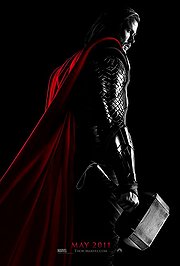
We found out why a year later, when the summer of 2011 brought fans “Thor” and “Captain America.”
The two movies almost felt like two chapters of one story. Although “Thor” took place in Asgard and the present day and “Captain America” took place in the 1940s (with a modern-day framing device) the movies integrated the Avengers building blocks. SHIELD agent Coulson and references to other characters, notably a veiled reference to Gamma scientist Bruce Banner, were sprinkled through “Thor,” while “Captain America” put the Red Skull in search of the Cosmic Cube, a treasure from the armory of Odin, Thor’s father.
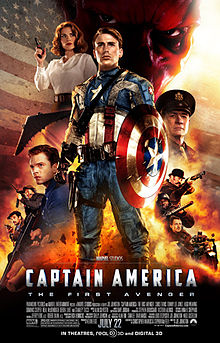
The two movies didn’t have the impact of “Iron Man,” perhaps, because the earlier film took so many people by surprise. But “Thor” and “Captain America” are so strong, so entertaining and so thorough in their establishing of “The Avengers” that they exude confidence.
By this point, Marvel was confident enough of its plans to end the movies not only with surprise extra scenes but James Bond-style “Captain America will return in The Avengers” slides.
Even while DC Comics was floundering, releasing a half-hearted “Green Lantern” movie that clumsily introduced Amanda Waller, a Nick Fury surrogate, and couldn’t get “Dark Knight” director Chris Nolan to agree to let his Batman character exist in the same world as the rest of the Justice League, Marvel had established its world.
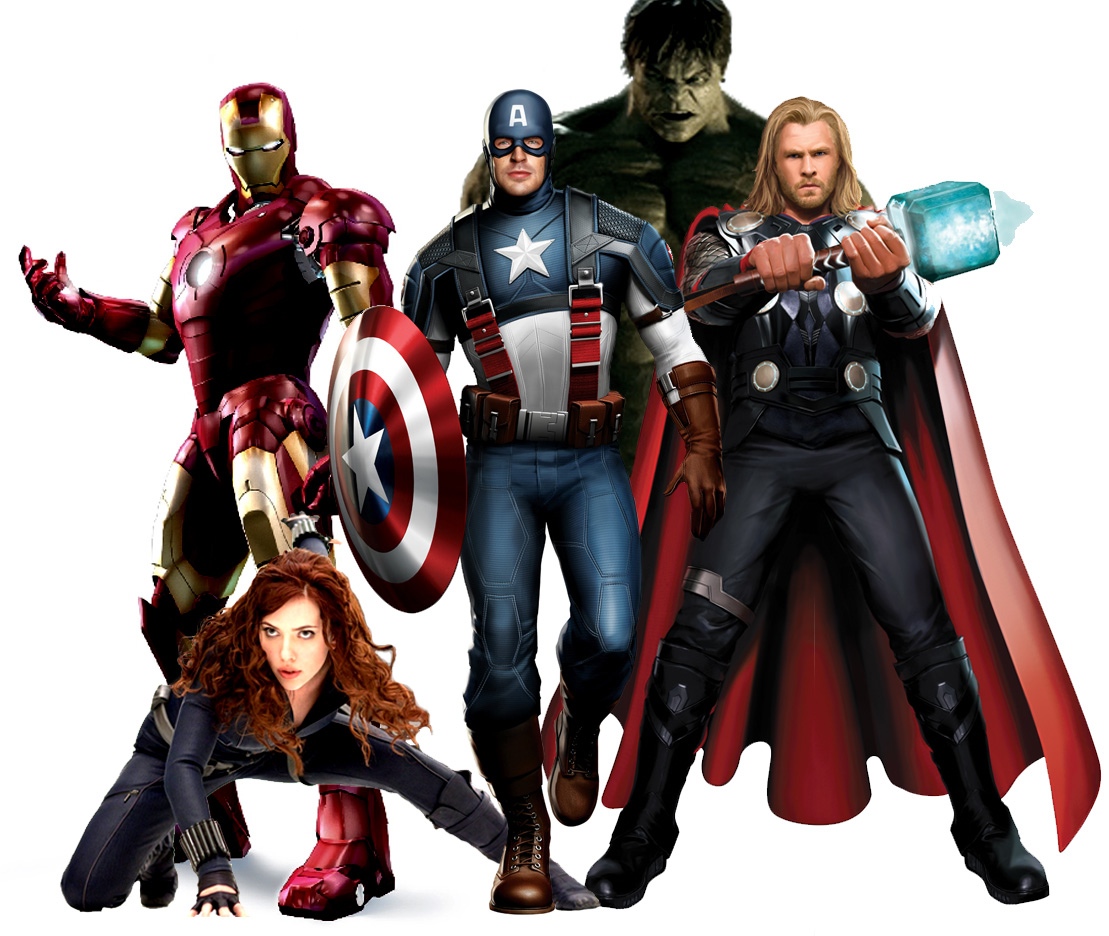
The long road led to “The Avengers.” The movie comes out this week. Early reviews are very positive, and Marvel seems confident enough to continue to build its movie universe.




 keithroysdon