Tag Archives: Marvel Comics

Great comic book covers: ‘Fantastic Four’ Annual 3

fantastic four annual 3 wedding

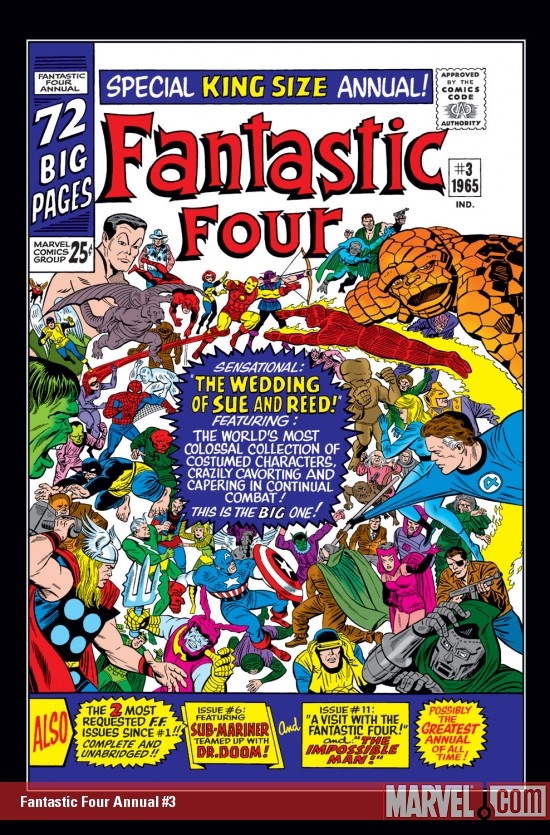
This is one of those covers that falls into the category of “I’m not sure it’s masterful art, but it sure is a landmark drawing.”

In the third “Fantastic Four” annual, Marvel took a step that comics publishers rarely take these days: They married two characters off.

Reed Richard and Sue Storm – Mr. Fantastic and the Invisible Woman – had been half the Fantastic Four for a couple of years and the comic book was already close to living up to the “world’s greatest comics magazine” slogan that Stan Lee had come up with. Along with Ben Grimm – the Thing – and Sue’s younger brother Johnny Storm – the Human Torch – the FF had already had some amazing adventures and fought foes like Dr. Doom and the Mole Man. (Okay, so Dr. Doom was a lot better than the Mole Man.)

But Reed and Sue hadn’t yet faced their greatest challenge: Not only getting married, but pulling off a wedding in the midst of a supervillain attack.

What better place for Lee and artist/co-writer Jack Kirby to stage the wedding than in the latest annual edition of “FF,” which – as you can tell from looking at the cover – offered 72 big pages for only a quarter. The page count and price were double their usual, but you had a feeling it would be worth it.

Annuals really felt like a big deal to me, the typical Marvel comics reader. I probably caught up with this issue sometime after the October 1965 release date, but it still felt like a milestone to me. So many pages of story, so much eye-popping art.

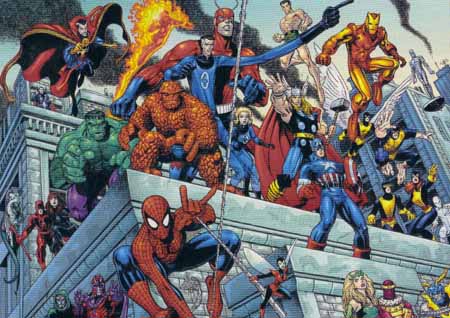
And why not? The cover alone – drawn by Chic Stone in the Kirby style – offered up an impossibly huge and dramatic selection of characters.

The practice of guest-starring superheroes was what made Marvel comics special and what’s made the last five years of Marvel big-screen movies so fun, and FF Annual 3 might have been the craziest crossovers yet.

Look at that cover: A bunch of Avengers. Spider-Man. Nick Fury. X-Men. And a whole bunch of bad guys.

Nuff said.
Captain America on the Fourth of July

cap uncle sam

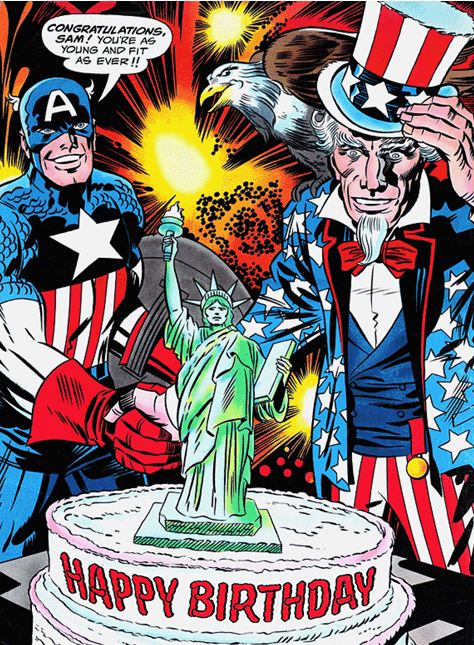
It’s pretty easy to draw a line between Captain America, the classic Marvel Comics character, and the Fourth of July, the U.S.’ most patriotic holiday.

The guy’s dressed in the Stars and Stripes, for pete’s sake.

But those who dismiss Cap and his alter ego, Steve Rogers, as an empty American symbol are wrong.

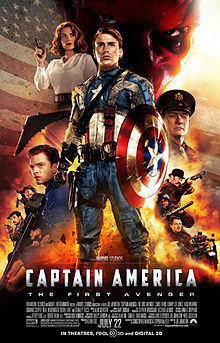
cap poster

As a matter of fact, Cap’s real patriotism is what the Marvel movie producers got so right in “Captain America: The First Avenger” and “The Avengers.”

avengers 4 cap returns

Like Superman, Captain America is a man without his own people. When Cap returned in Avengers No. 4, he was nearly 20 years removed from his era and his battleground, World War II. That “man out of time” feeling, which directors Joe Johnson and Joss Whedon captured so well in those movies, is what sets Cap apart from hip, funny heroes like Spider-Man.

cap superhero squad

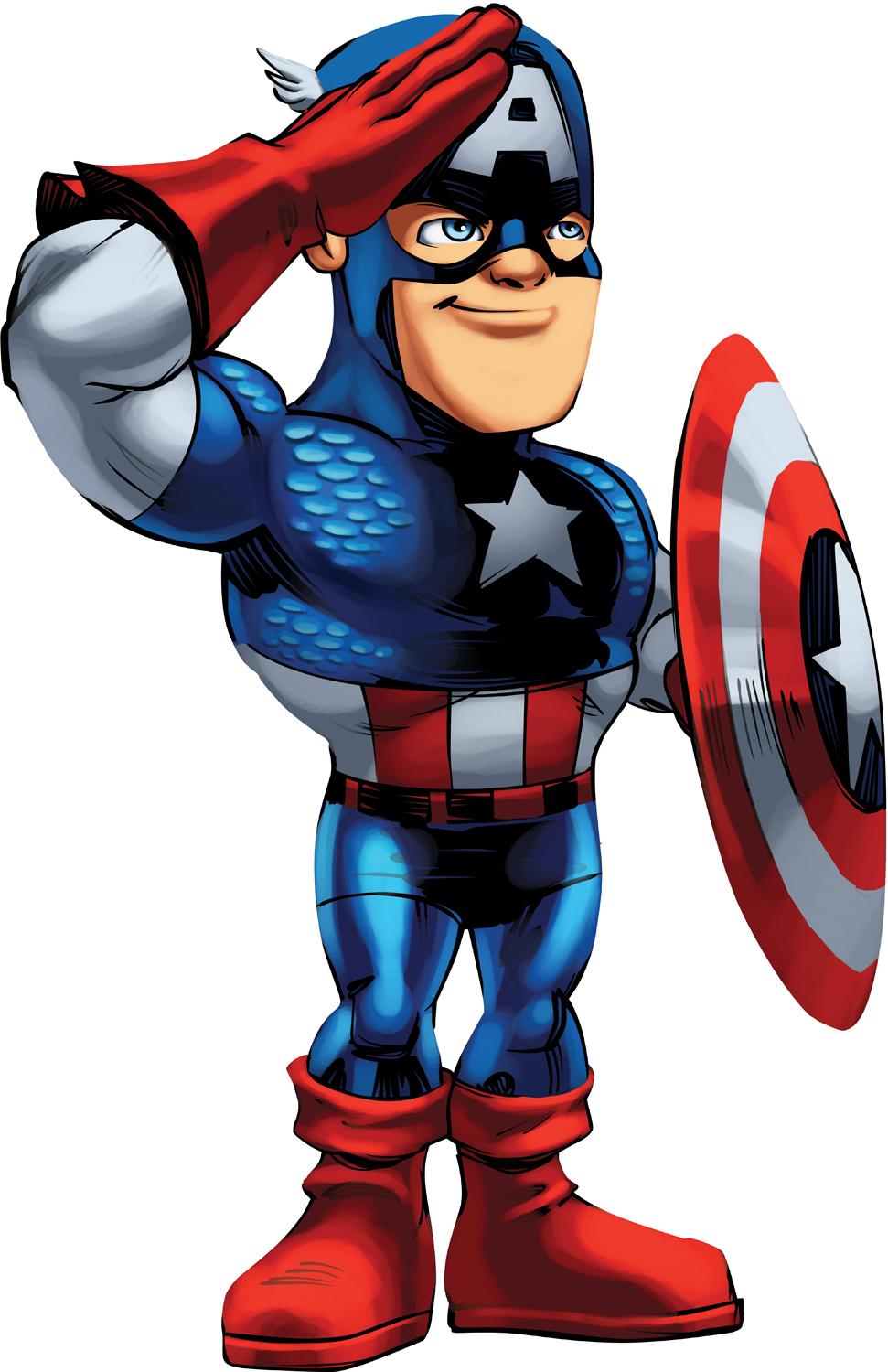
Heck, the former Cartoon Network series “Superhero Squad,” which made Marvel heroes appealing and accessible to young fans, even got Cap right even as they poked fun at him. Cap in that series was always talking about some conversation he had with FDR or making some other “frozen in amber” reference. It was as funny as it was on-the-nose.

But besides Cap’s stranger in a strange land status, he’s also known for doing what’s right. Always. For a period in his comic in the 1970s, that meant forgoing the Cap name and costume and, thanks to disillusionment with the government, operating as Nomad, the man without a country.

I’m looking forward to “Captain America: The Winter Soldier” next year in great part because it looks like more of a political thriller than a spandex slugfest and in great part because it looks to pit Cap against SHIELD. Cap’s character in “The Avengers” certainly showed more than a little skepticism about SHIELD and Nick Fury’s motives. That’s perfectly in keeping with the character and I couldn’t be happier about that.

So while Steve Rogers would, if he existed, be enjoying a hot dog and some fireworks today, he’d also be mindful of what enabled him to enjoy the Fourth of July, the sacrifices of men and women that allowed that and the individual liberties of the people around him.

Because while Captain America might have been a man without his own people, he has embraced – and been embraced by – his new people.

Our favorite geek year: Marvel comics milestones

It’s a staggering thought: Many of the Marvel comics characters that dominate modern movies were created, by a handful of talented artists and writers, within the space of little more than a year about five decades ago.

Sure, everybody knows Marvel of the early 60s was an a creative hothouse. But it’s truly impressive how quickly the staff turned out one soon-to-be classic comic and character after another.

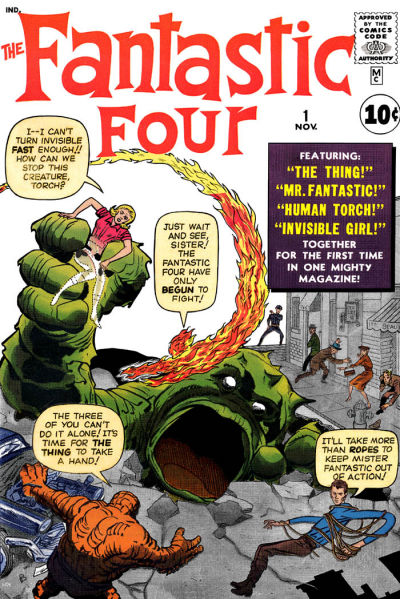
It started with Fantastic Four No. 1, with a cover date of November 1961. An important word about cover dates: Then, as now, comics and magazines were given cover dates that were slightly in advance of the period they were actually available. I’m guessing that if you went to a newsstand (remember those?) today, in early October, you’d find November or December or even January editions of many monthly magazines. The practice was (is?) aimed at making comics and magazines look like they have a longer shelf life (literally). So while FF was dated November 1961, it was in the hands of fans weeks before that.

Writer Stan Lee and artist Jack Kirby (with inker George Klein) introduced Reed Richards and the rest of the FF in that November 1961 issue and Marvel published several issues until, six months later, the first issue of The Incredible Hulk came out in May 1962. To create just the Fantastic Four would be an accomplishment for any two men. But for Lee and Kirby to create the Hulk within weeks or months is truly impressive.

Then things got crazy.

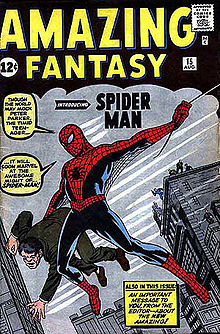
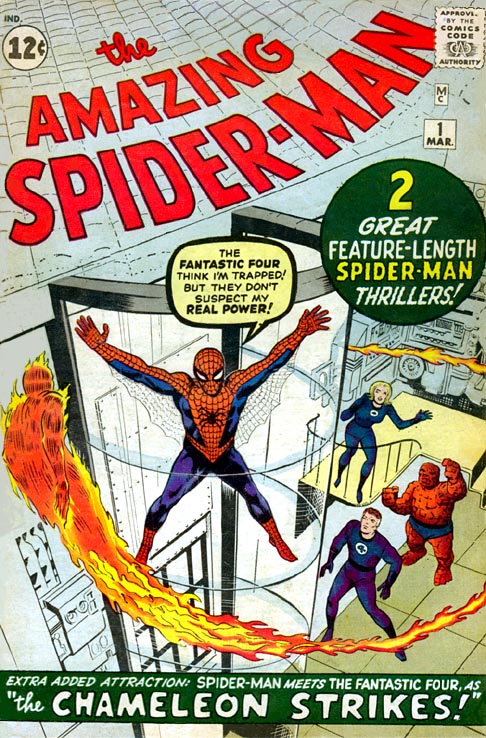
August 1962 saw the publication of Amazing Fantasy No. 15, which fans know introduced Spider-Man and his mild-mannered alter ego, Peter Parker. Lee and artistic genius Steve Ditko get the credit here for creating one of the world’s most enduring superhero characters.

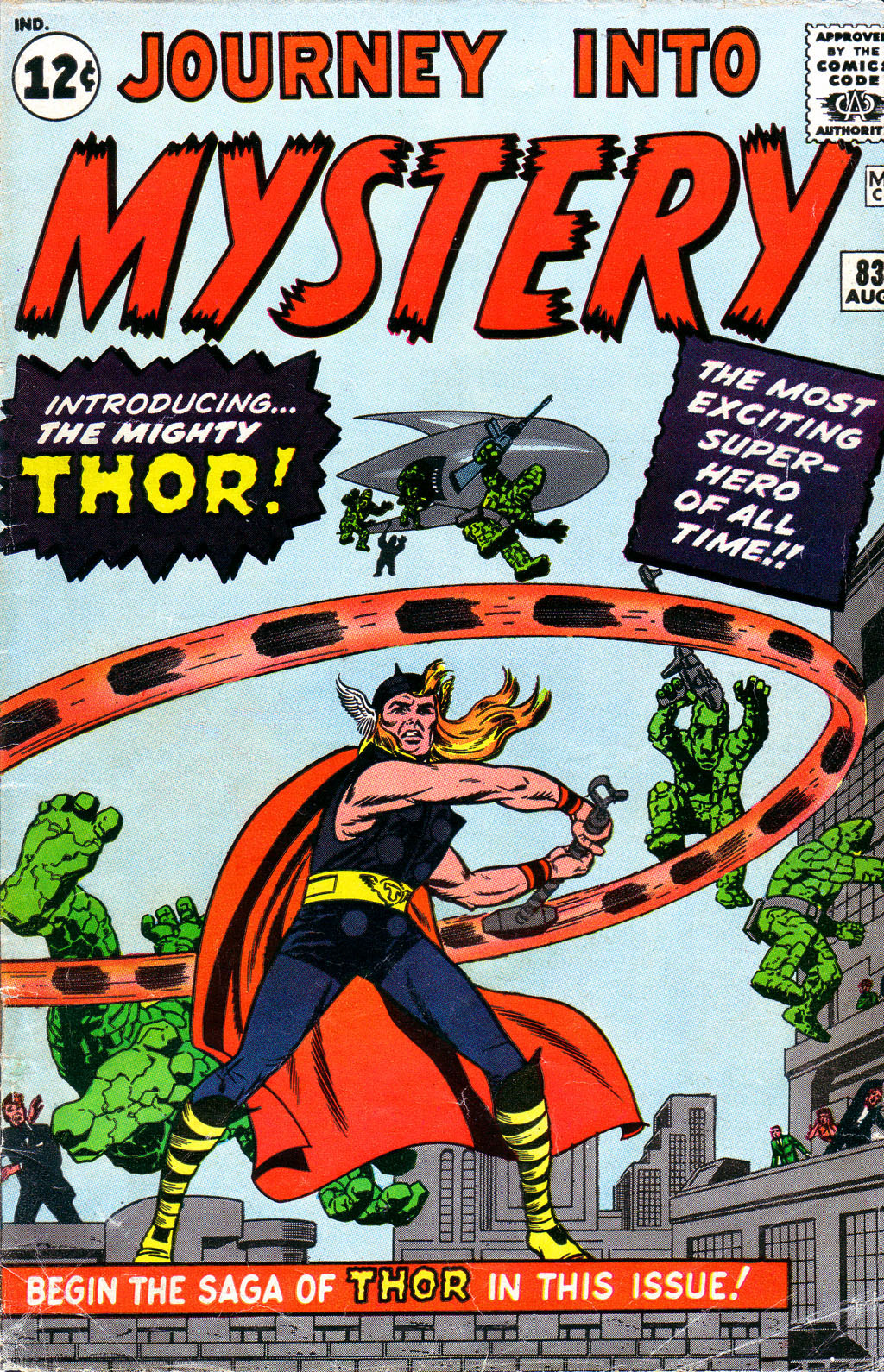
That same month, August 1962, saw Journey into Mystery No. 83, with Lee and his brother, Larry Lieber, behind the plot and script and Kirby and inker Joe Sinnott introducing none other than Thor.

(Now keep in mind that during this time, Marvel continued to produce follow-up issues of FF and Hulk.)

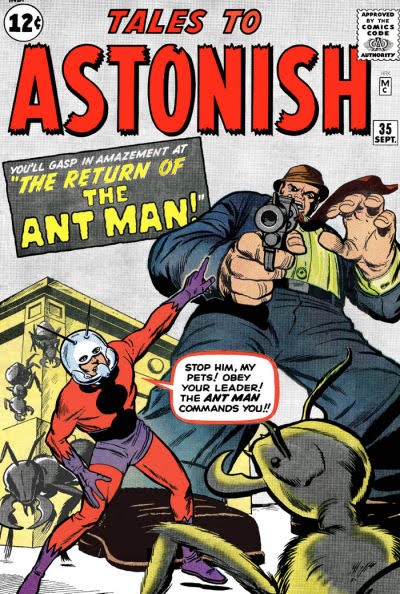
In September 1962, Lee, Lieber, Kirby and Dick Ayers gave the world Tales to Astonish No. 35, introducing scientist Henry Pym, better known as Ant-Man.

Remember, by this point, we’re still not a year past the introduction of the FF.

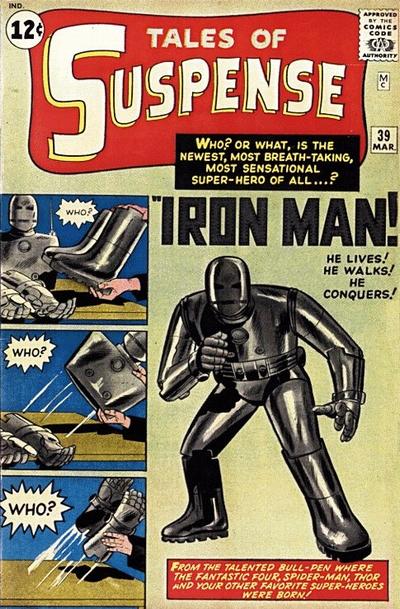
By March 1963, another major character was introduced when Iron Man debuted in Tales of Suspense No. 39. Lee and Lieber and artist Don Heck were the men behind the future Avenger.

That same month, the unexpected response to Amazing Fantasy No. 15 led to the debut of Amazing Spider-Man No. 1, by Lee and Ditko.

The Marvel era was firmly in place in September 1963 with the debut of Avengers No. 1, featuring characters from the recent Marvel comics teaming up. Lee and Kirby and inker Ayers were reacting to – but actually topping – DC’s Justice League.

So, in the space of less than two years – little more than a year if you’re counting only the debuts of most of these characters – Lee, Kirby, Ditko and their cohorts gave us characters that not only entertained many readers but laid the foundation for the biggest movie hits of today.

Marvel movies: Rumors, facts and portents

So “Iron Man 3” comes out in May, followed over the next couple of years by “Thor: The Dark World,” “Captain America: Winter Soldier,” “Guardians of the Galaxy” and an “Avengers” sequel, with a possible Ant-Man movie thrown into the mix somewhere along the way to 2015.

And we’re getting a little antsy for new Marvel Comics movie developments.

So can anyone blame the online contingent that freaked out (I originally wrote that as “fraked out” but let’s not mix franchises here) when word circulated that the U.K. version of the “Avengers” DVD and Blu had an edited version of SHIELD agent Coulson’s death at the hands of Loki? A version that didn’t show Loki’s blade protruding from Coulson’s chest?

One that might confirm that Coulson is resurrection bound, possibly to return in the “SHIELD” TV series and future Marvel movies?

Of course, the explanation was the simplest one: Disney decided to tone down the gruesome, blade-penetrating part of the death because it was too awful for Brits to see, apparently. Even the ones who had already seen it on the big screen early this summer.

So, anyway, don’t even think about Clark Gregg coming back as Agent Coulson (“His first name is Agent”). And definitely don’t even contemplate Gregg coming back as the synthetic Avenger known as The Vision.

Don’t. Even. Think. About. It.

(Above is the edited and un-edited scene.)

We move from the news that wasn’t really real to the news that was kinda real. Some online headlines blared the other day that Chris Evans might have a small part as Captain America in the “Thor” sequel. Clicking through, however, we see that Evans is saying he would be down with hanging out with his pal Chris Hemsworth in the movie. It would make sense and would serve the old Marvel tradition of brief comic book crossovers.

While we’d all like to see guest appearances by all the Avengers – and more – in upcoming solo adventures, we know that will happen only if it fits into Marvel’s Phase Two plans.

And now from the news that was definitely real department: Director James Gunn, previously rumored to be the company’s pick for the “Guardians of the Galaxy” movie, announced that he is officially onboard for the adventures of Starlord, Drax and Rocket Raccoon, the cosmic version of the Avengers.

Gunn, whose horror movie “Slither” is a little gem of funny weirdness, seems likely to give Joss Whedon a run for his money in the quip arena:

“As a lifelong lover of Marvel comics, space epics, AND raccoons, this is the movie I’ve been waiting to make since I was nine years old.”

It sounds like Gunn will make us believe a raccoon can fly … a spaceship.


Comics classic: The Avengers Kree-Skrull War

When fandom realized, a few years ago, that Marvel was planning an “Avengers” movie, half of those who thought about it said it would be a huge hit and half said it couldn’t be done.

And all of them said the plot should cover the Kree-Skrull War.

Well,  now that we’re on the other side of a billion dollars in box office receipts and great critical and fan reception, we know that it was doable, especially with Joss Whedon in the director’s chair.

But what about those Krees and Skrulls?

For those of us reading comics back in the day, the Kree-Skrull war was everything that was great about Marvel Comics, especially compared to DC.

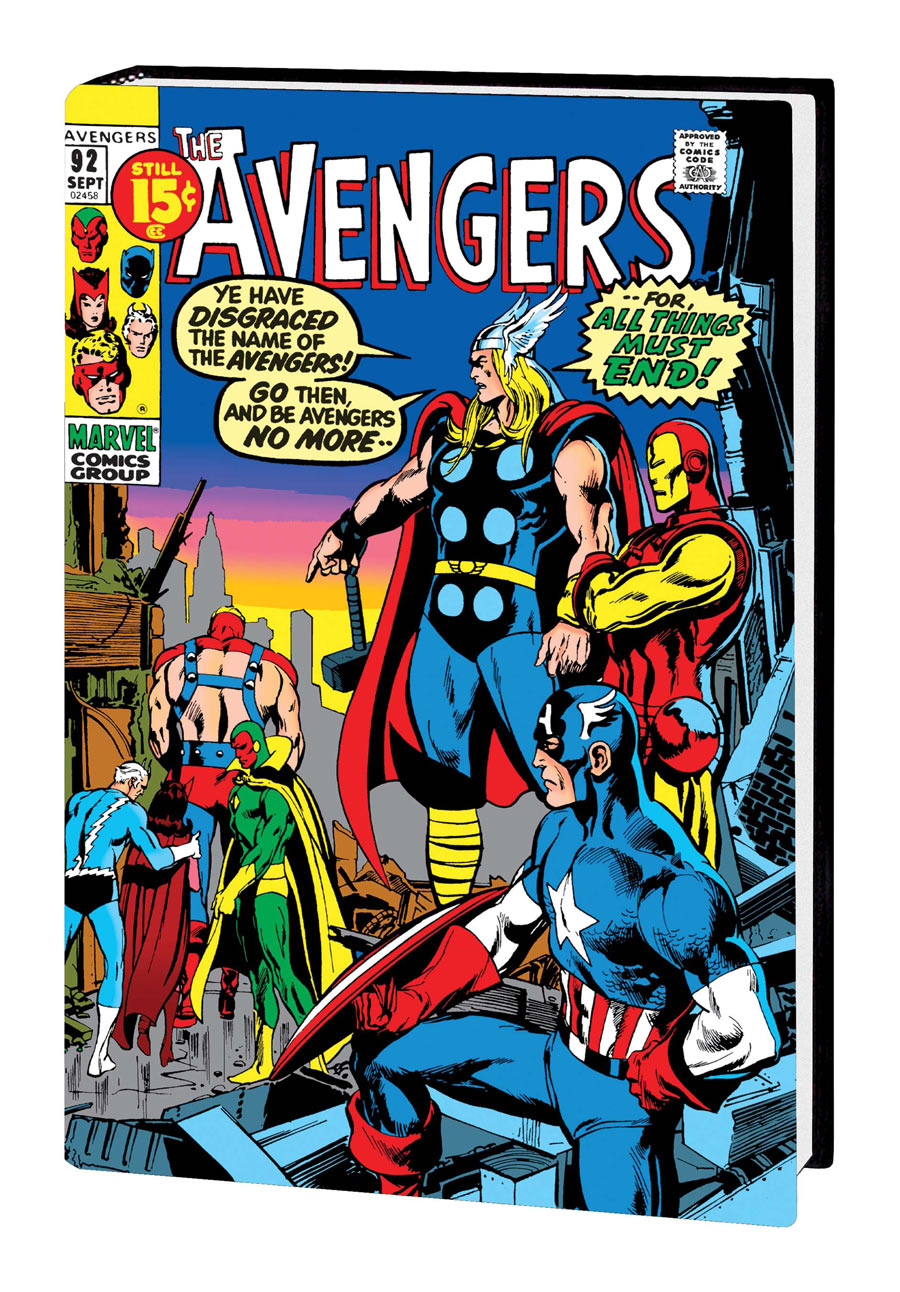
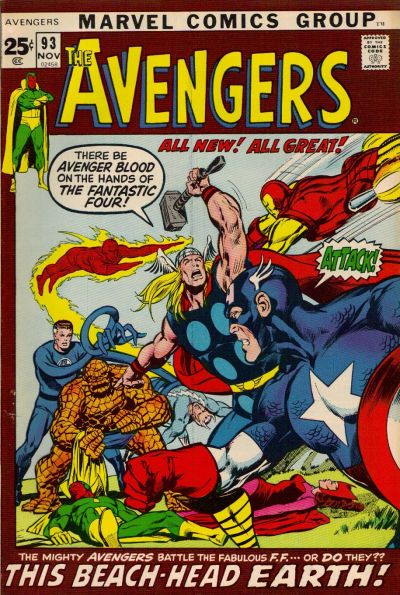
Marvel had, by the time Avengers 89 came out in June 1971, spent nearly a decade building a universe that included not only costume-clad superheroes like the Avengers and the Fantastic Four but also more “cosmic” creatures like Captain Marvel, a Kree warrior come to Earth, and the Skrulls, alien invaders and shape-shifting imposters who fought the FF.

Writer Roy Thomas and artists Sal Buscema, Neal Adams and John Buscema gave us, over the course of eight monthly issues, a nice introduction to the larger universe outside Earth’s atmosphere and outside the influence of its “everyday” heroes.

Although Thor, Captain America, Iron Man and lesser-known Avengers like Scarlet Witch, Vision and Black Panther were the kings of New York superherodom, they were pitted here against alien menaces. While some of the storyline was large in scope – including space battles – other moments were (literally) small scale: One of the most famous sequences came in Avengers 93, when Ant-Man shrinks to microscopic size and goes inside the Vision to effect repairs on the android Avenger. The overall series plotline is almost ridiculously complicated and involves everything from the Fantastic Four to Skrulls masquerading as cows.

Because comics of the time were rarely planned out months in advance as “big events” are now, it was extraordinary that Thomas and company took the better part of a year to tell this story. DC comics was still, at this point, doing “one and done” stories. For all of us elementary school kids out there, the Kree-Skrull War series re-emphasized how different – and how much better – Marvel was.

So we didn’t get a Kree-Skrull war in the “Avengers” movie, although we did get a dose of Marvel’s cosmic characters. Particularly when Thanos shows up in the credits.

And of course, the Skrulls figured into the “Avengers” movie as the Chitauri, a disguised version of our favorite galactic marauders.

So maybe we’re inching toward a big-screen version of the classic comic storyline.

In the meantime, we can enjoy the original, which has been reprinted as a trade paperback a few years ago. The full-color paperback really emphasizes the artistry of Adams, one of my favorites.


Mort Report: Severin and Hinzman

A quick note of remembrance for two pop culture figures who died recently:

As a compulsive credits reader, I loved looking at 1960s and 1970s Marvel comics, in part because Marvel actually credited the writers, artists, inkers and letterers who worked on each issue but also because the company’s style was to give each a funny nickname like Stan “The Man” Lee.

So I got accustomed to seeing the name John Severin on a lot of Marvel comics. (I don’t remember his specific nickname, but I’m guessing it was something like “Joltin’ John Severin” since “Jazzy John Romita” was taken.)

Severin was never a star artist like Jack Kirby or Jim Steranko but he had a long career. Obits published following his death in the past week at age 90 note that he drew Mad and other EC publications in the 1950s, drew some great Marvel comics in the 1960s and was a staple at the humor magazine Cracked for years after.

The other death of note is that of Bill Hinzman, who died earlier this month at 75.

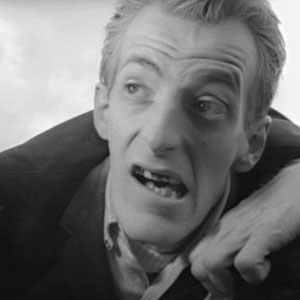
You probably don’t know Hinzman’s name, but he was one of the most recognizable faces in modern-era horror movies. He played the graveyard zombie, the first seen in George Romero’s 1968 classic “Night of the Living Dead.”

“They’re coming to get you, Barbra,” was said about Bill Hinzman.

Pop culture was the better for their careers.