Category Archives: movies

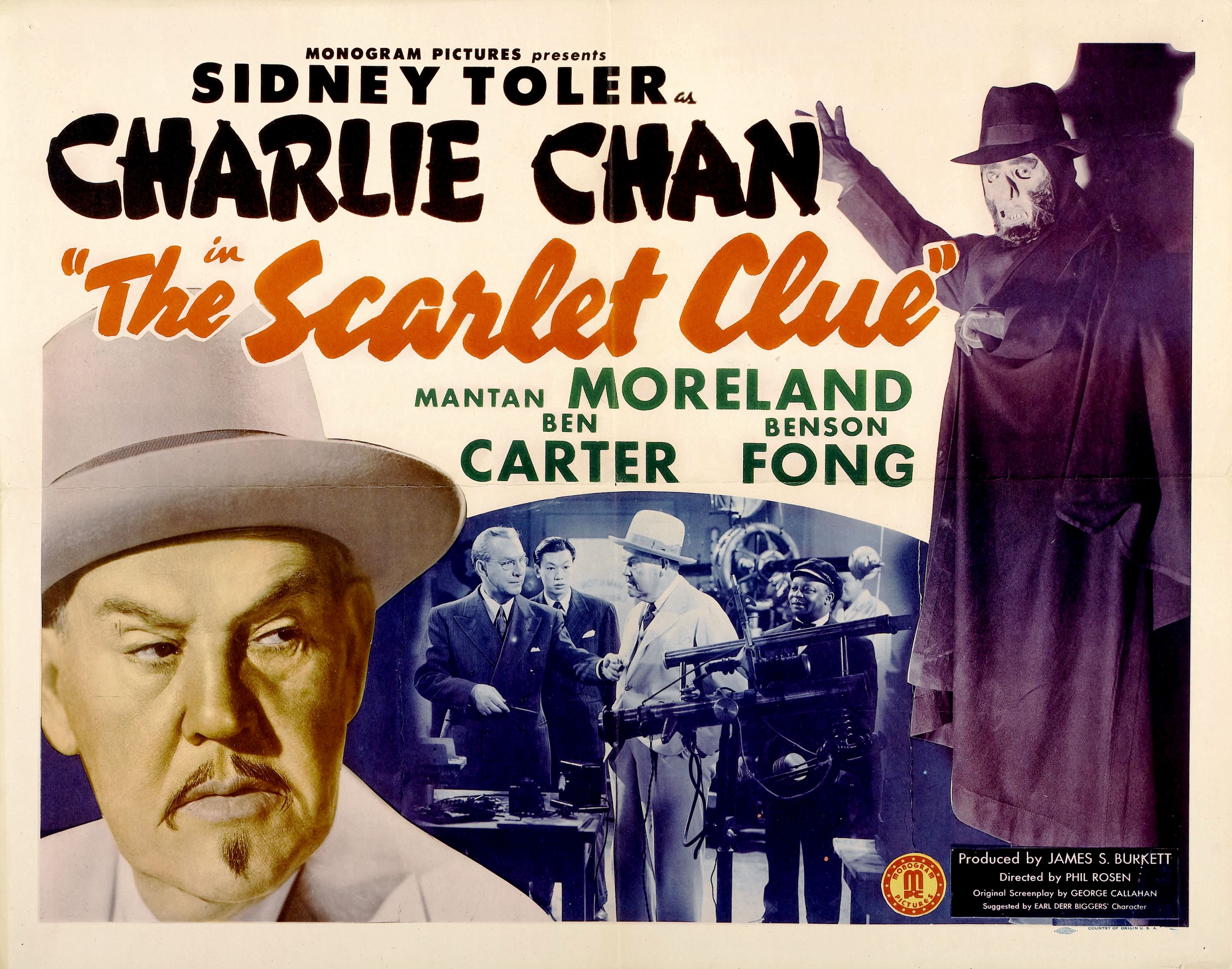
‘Charlie Chan in The Scarlet Clue’

charlie chan scarlet clue poster

Maybe it’s hard to imagine, or maybe it’s not, but there was a time in Hollywood when minority characters were little-seen in movies and if they were, they were made to look like the crudest and most base stereotypes.

That’s why the four dozen (!) movies based on Earl Derr Biggers’ detective character, Charlie Chan, are so hard to wrap our heads around these days.

And why it almost seemed like an improvement when Hollywood employed a series of white men to play the Asian detective.

In a series of movies that began in the days of silent films and ran for more than two decades, Chan – often accompanied by one of his many offspring – assisted the police in solving murders. By the time of World War II, Chan was an active agent for the U.S. government, hunting down spies and foiling acts of sabotage.

charlie chan scarlet clue lobby card

That’s where we find Chan in 1945’s “Charlie Chan in The Scarlet Clue.”

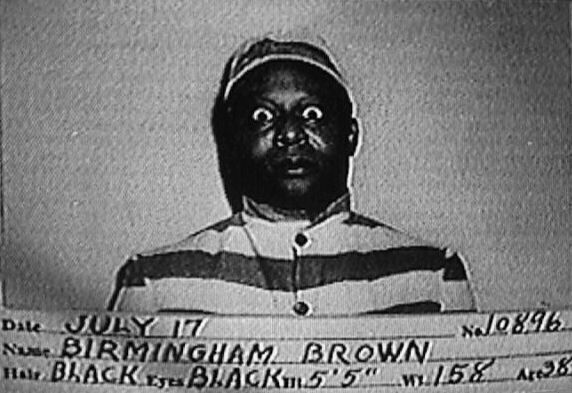
Sidney Toler takes over in the Chan role from Warner Oland, the Swede (again !) who played the lead in previous entries. He’s aided by Benson Fong as Tommy Chan – filling in for Keye Luke as one of Chan’s sons – and Mantan Moreland as Birmingham Brown, Chan’s driver.

Chan and Co. are investigating the efforts of spies to steal radar secrets and their investigation is focused on a radio station and a secret lab.

The movie is almost obsessive about its use of media and technology. The mob of suspects are actors in a radio drama. The mystery is all about radar. And when a henchman calls the Big Bad on the phone, the bad guy replies via Western Union teletype.

The comedy relief – and the shrieking – is left to Moreland, who banters with another African-American man – the two finish each other’s sentences, knowingly – almost gets electrocuted by some Frankenstein-esque lab equipment and squeals with terror when the floor drops out of an elevator.

As troublesome as the idea of casting a caucasian actor as a Chinese-American detective is, Toler – like other actors who played Chan – plays Chan as canny and smarter than anyone else in the movie. Yes, he speaks in a kind of pidgin English and employs old Chinese proverbs to mystify those around him. But Chan is played, for the most part, with dignity.

charlie chan mantan moreland

But Moreland’s character is more troubling. I can only imagine audiences laughing uproariously at the actor’s antics, which seem offensive today even if you watch them through the prism of Hollywood’s racial history. Moreland was a popular and talented actor who was best known for these types of “excitable black folk” roles.

“Charlie Chan in the Scarlet Clue” is best viewed as a moment in time, a time when pop culture went through twists and turns and gyrations to sell movie tickets.

Welcome to the low-rent universe

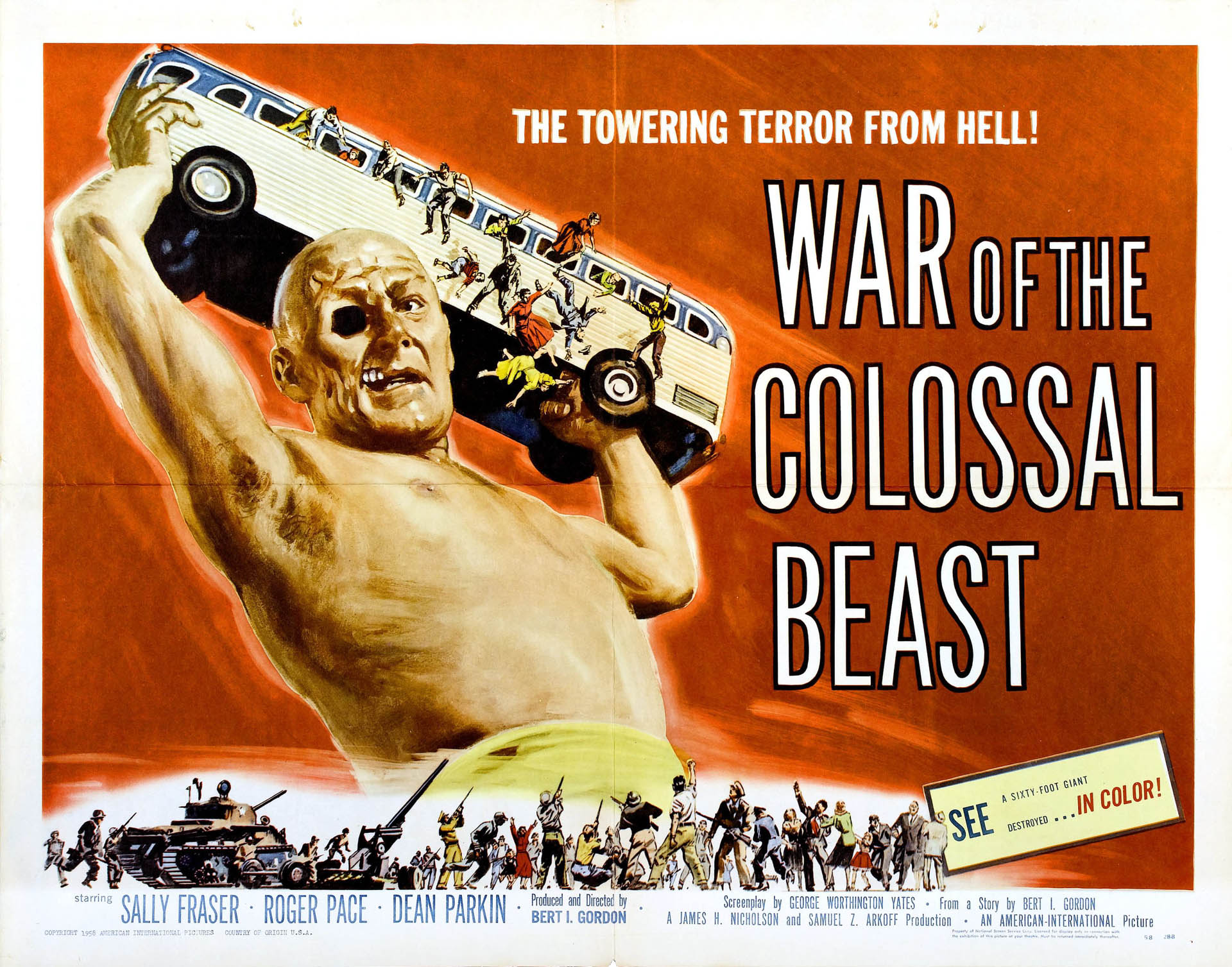
war-of-the-colossal-beast

It’s news to no one that shared universes are the big thing in movies right now

Marvel began building its shared cinematic universe in 2008 with “Iron Man” and has announced plans to continue it through at least 2020. Not to mention Marvel’s TV entries in that shared universe, like “Agents of SHIELD,” “Agent Carter” and “Daredevil,” the latter debuting on Netflix in April as the first in a series of “street-level” hero shows that will culminate in a “Defenders” series.

Of course, DC/Warner Bros. are trying to get their superhero universe going; Sony wants a “Spider-Man” universe but I’ll believe it when I see it.

And Universal has announced a shared universe of remakes of its 1930s and 1940s monster films featuring Frankenstein, Dracula and other creatures. I’m still pondering that one for another entry here.

So the other day, a movie company that I’ve never heard of, Cinedigm, announced plans to create, of all things, a shared movie universe. But using what classic cinematic tales?

The 1950s and 1960s exploitation movies of American International Pictures.

Specifically, 10 films: “Girls in Prison,” “Viking Women and The Sea Serpent,” “The Brain Eaters,” “She-Creature,” “Teenage Caveman,” “Reform School Girl,” “The Undead,” “War of the Colossal Beast,” “The Cool and the Crazy” and “The Day the World Ended.”

Strangely enough, I like this idea.

Marvel has this kind of thing perfected, down to an art and a science. I’m not sure DC’s superheroes will ever really come together on the big screen because of, I believe, a wrong-headed approach that seems more like Warner Bros. is ashamed of comic books.

But the AIP films, some of which were originally directed by low-budget auteur Roger Corman?

That’s genius.

Not because the company says it intends to shoot all 10 movies back-to-back from recently-completed scripts. Not because remaking these old AIP classics for cable TV a while back worked so well.

Because these dimly-remembered movies are perfect fodder for the remake machine.

Somebody once said that if you were going to remake a movie, don’t remake a classic. How could a remake of “Psycho” possibly work? (It didn’t.)

But with the AIP flicks, most people won’t be comparing them and, unless the remakes are horrible, they won’t be comparing them unfavorably.

And the idea of a universe shared by the monstrous, mutated “Colossal Beast” and the juvenile delinquents of “The Cool and the Crazy?” How can that possibly work?

The producers say the movies will share “a recurring cast of antiheroes, monsters and bad girls.” I can’t say that’s a bad idea and I base that on what Marvel has done with its movies.

Really, consider how improbable it might have looked, 10 years ago, to propose a shared universe that would include a bone-crunching political thriller, a good-natured space opera, a Nordic fantasy world and a rampaging monster movie. Yet “Captain America: The Winter Soldier,” “Guardians of the Galaxy,” the “Thor” movies and the Hulk’s appearances all worked.

Who’s to say those juvenile delinquents won’t end up fighting alien invaders to big box-office returns?

Stranger things have happened.

New ‘Avengers: Age of Ultron’ trailer

ultron trailer hulk close

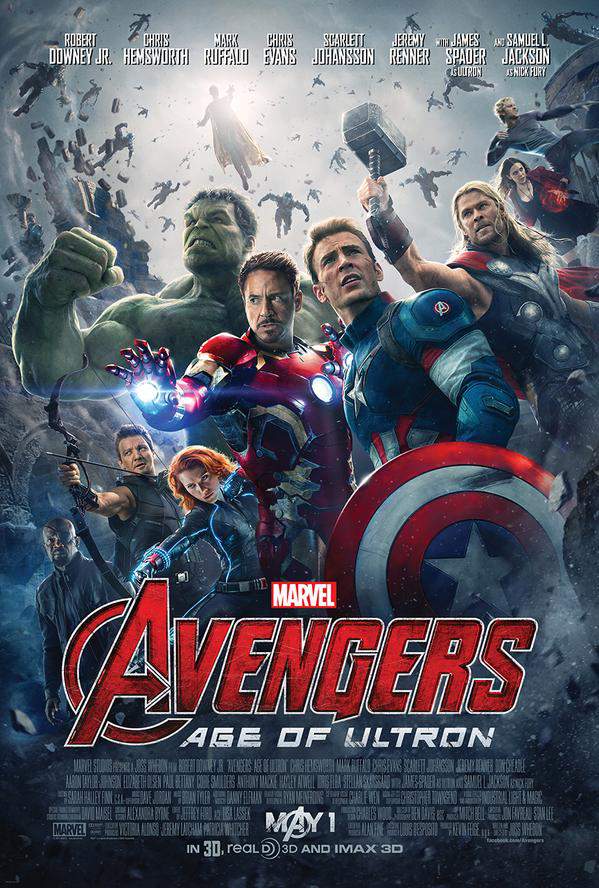
I know there’s a new “Star Wars” movie coming out in December, but I’m still looking forward to May and “Avengers: Age of Ultron” more than any other movie this year.

The new trailer came out tonight.

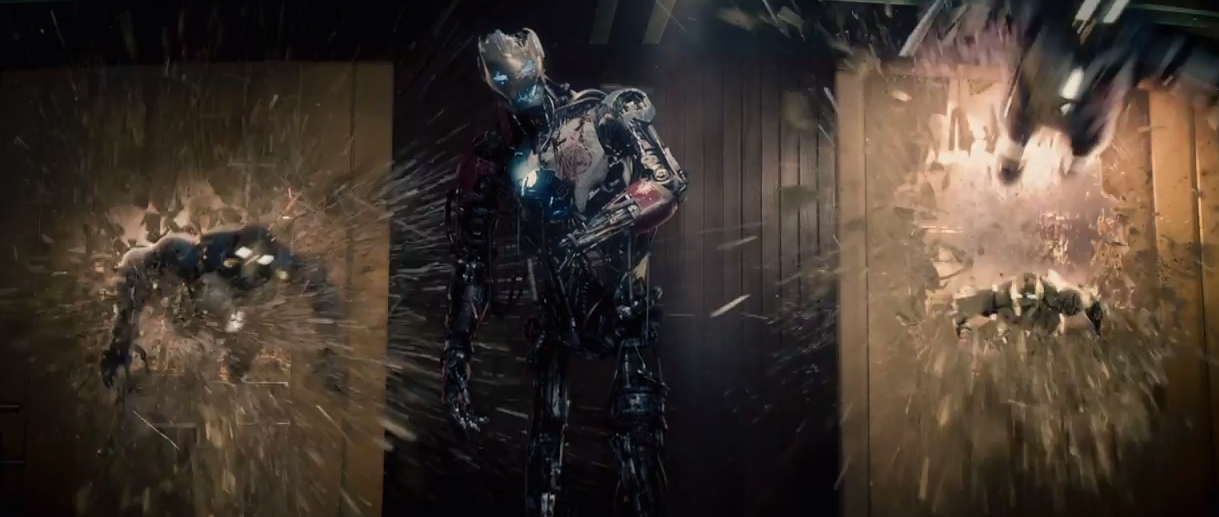
ultron trailer ultrons bursting

And this Joss Whedon sequel is, obviously, the “Empire Strikes Back” of this series.

ultron trailer ultron close

Dark, I tells ya.

Here’s the trailer.

Why Ant-Man – and maybe ‘Ant-Man’ – matters

tales-to-astonish-35

I know there was some discontent out there with the trailer for Marvel’s “Ant-Man” movie, but I was relieved when I saw it the other day.

Why?

Mostly because I was relieved the trailer indicated the movie, starring Paul Rudd as the second Ant-Man, Scott Lang, will address some of the same questions the moviegoing public will have: Why do we need a superhero who shrinks? And why would anyone call themselves Ant-Man?

But also because the movie will finally acknowledge the place in the Marvel Universe of one of its pioneering characters.

So who is Ant-Man and why should we care about him?

Tales_to_Astonish_Vol_1_27

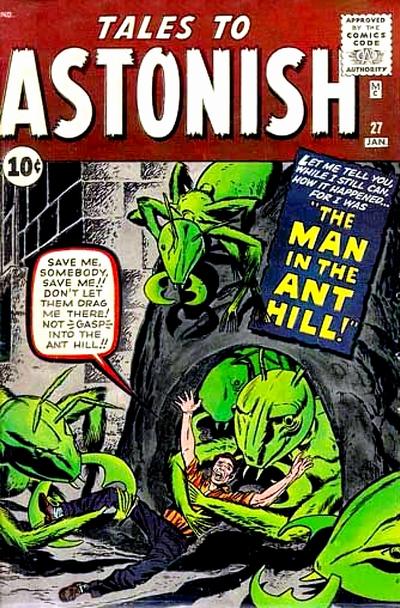
Ant-Man is best known as Henry, or Hank, Pym, and he debuted in comics in “Tales to Astonish” 27, published in January 1962. Pym was an unfortunate scientist who could shrink to ant-size … but couldn’t defend himself from ants. He barely survived this tale that was a retread of “The Incredible Shrinking Man.”

But Pym returned in “Tales to Astonish” 35, this time as Ant-Man and sporting a helmet that let him communicate with ants. He was their master!

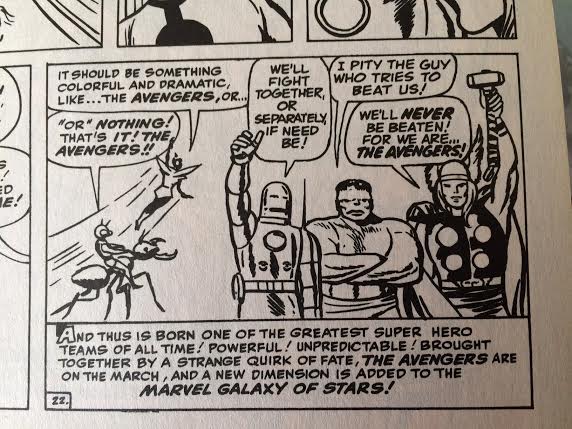
After several issues of adventures, Pym and girlfriend (later wife) Janet Van Dyne appeared in the first issue of “The Avengers,” as a diverse group of heroes got together to defeat Thor’s brother, Loki.

antmanavengers1panel

Pym and Van Dyne even named the group, which makes it all the more important that their history in the Marvel universe be part of the Marvel Cinematic Universe. Avengers co-founders!

Pym is a problematic character on a couple of counts, though.

pymandultron

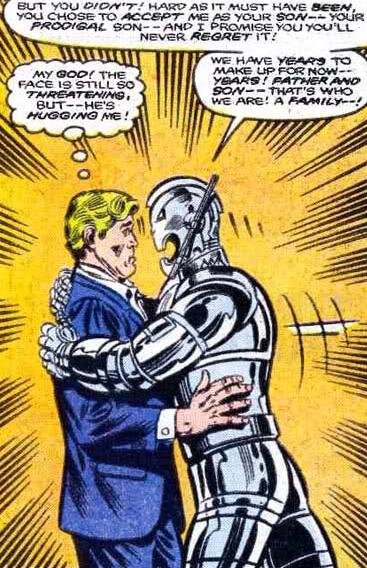
It’s not like the Marvel Cinematic Universe needs another genius scientist, even if Pym created Ultron, the villain in the upcoming “Avengers: Age of Ultron.” The MCU already has Tony Stark and Bruce Banner.

pymhitjanet

Plus, Pym was always an erratic character. That’s a plus for the realistic 1960s-and-beyond Marvel Comics universe, but not for movies that increasingly play to a wide mainstream audience. So Pym the brilliant genius who had emotional breakdowns, masqueraded as at least one super-villain and even struck his wife is shifted to a secondary role in the movie.

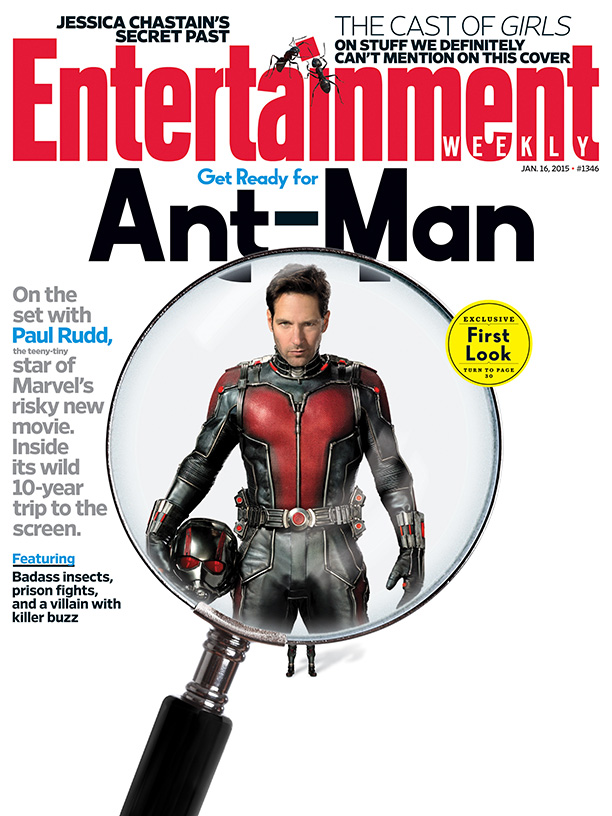
antmanEWcover

Why the “Ant-Man” movie matters is another thing. but I think that it does.

Everybody worried when the movie’s original director, “Shaun of the Dead” creator Edgar Wright, left the project and he and Marvel cited creative differences. The temptation was to worry that Marvel wanted Wright to make his movie more mainstream and he didn’t go along.

I trust ultimate director Peyton Reed – “Bring it On” is a classic – but more than anything, I trust Marvel.

Why?

Well, their track record is pretty good. Most of the Marvel Cinematic Universe movies have been good to great, with only a couple of lesser entries (“Iron Man 2” to some extent).

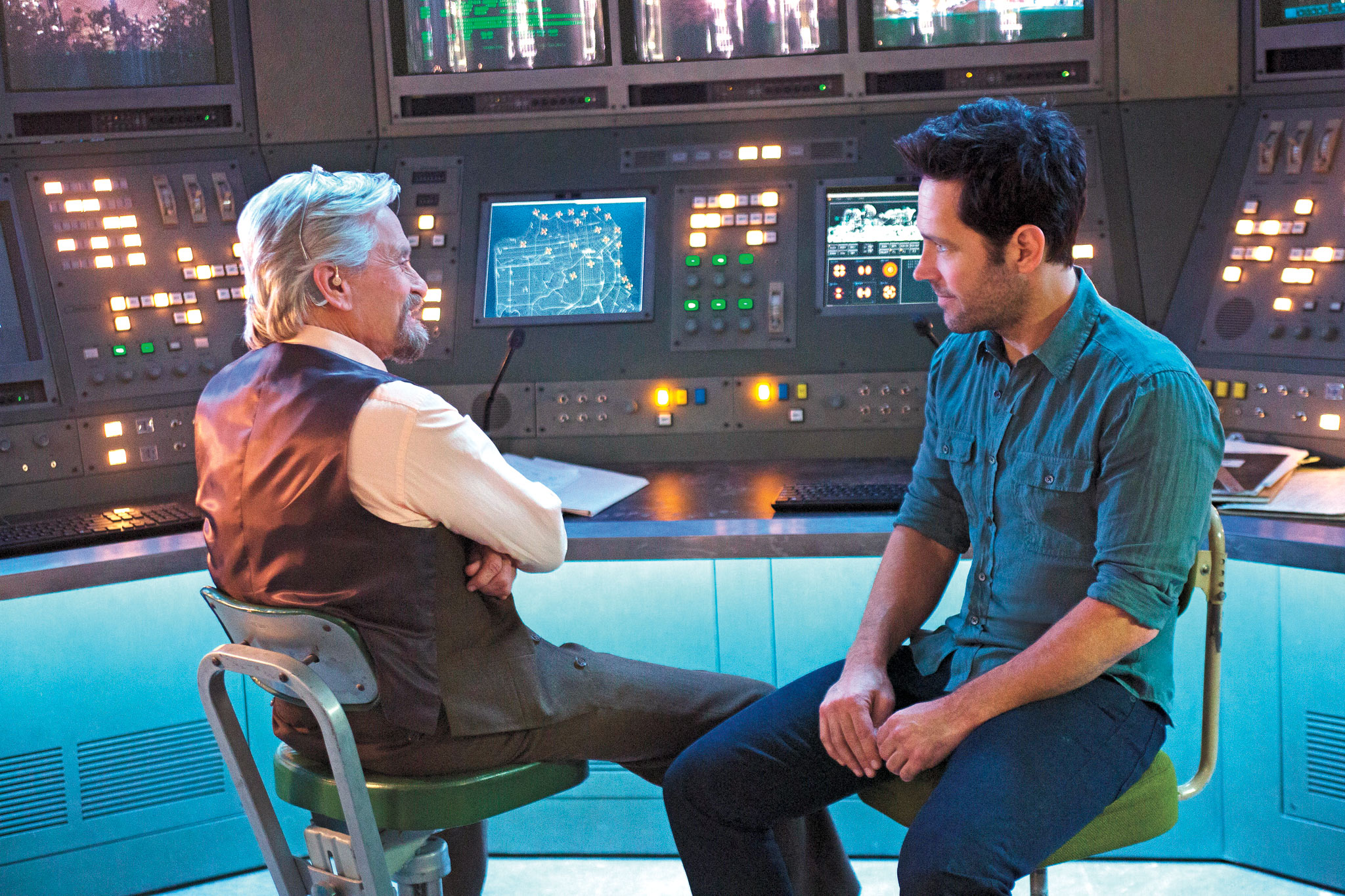
antmanduoEW

I also think “Ant-Man” will explore the idea of failure, loss and redemption in the Marvel universe. And that’s good, because those story beats and emotions are a huge part of the comic books.

The upcoming “Doctor Strange” movie, with Benedict Cumberbatch set to play the arrogant surgeon who rebuilds his life, should strike some of the same notes.

But more importantly, I think Marvel will use “Ant-Man” to fill in the gaps in its movie universe.

How?

Rumors indicate that portions of “Ant-Man” will take place in the 1960s, with a younger actor playing Michael Douglas’ role of Hank Pym, the original Ant-Man. It’s been suggested that we’ll see 1960s-period-appropriate versions of Howard Stark and other characters long established but unexplored during a period of several decades.

Just like “Agent Carter” on TV right now is filling in the blank spots in the post-World War II Marvel universe, I believe “Ant-Man” will fill the gaps in the 1960s, with a young Pym and wife Janet Van Dyne (parents of Hope Van Dyne, the character played by Evangeline Lilly in the movie) adventuring and working with SHIELD.

There’s a ton of material here that, if properly explored, will fill in “lost years” and make the Marvel on-screen universe feel even more like a real, if fantastical, world.

So yeah, Ant-Man matters because of his history and “Ant-Man” matters because of how it might flesh out the Marvel history onscreen.

Classic horror: Universal’s ‘Mummy’ movies

Mummy's_Hand_

It’s hard to imagine how a shambling, vengeance-seeking collection of bones and old cloth ever became a horror film sensation.

And yet: The Mummy.

One of the classic Universal monsters, the Mummy might not have the same level of recognition and shivery admiration as Dracula or Frankenstein or even the Wolf Man, but he’s nevertheless a favorite for some of us, inspiring reboots in recent years and cameoing in movies and cartoons for generations.

Universal’s first entry in the series, “The Mummy,” was released in 1932 and starred Boris Karloff. Made at a time that the world was still fascinated by ancient artifacts discovered – some might say stolen from – ancient Egyptian tombs, the movie was more atmospheric and creepy than monsteriffic.

For me, the best of the Mummy’ moments came with the sequels.

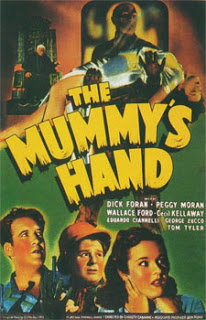
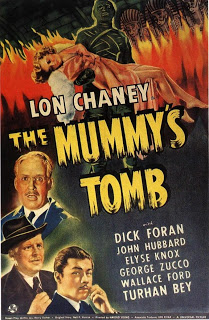
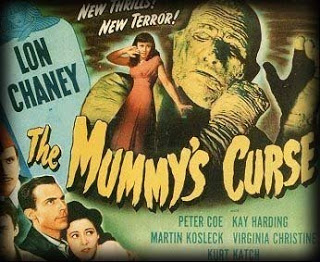
Beginning with the dawn of the 1940s, Universal released four sequels: “The Mummy’s Hand” (1940), “The Mummy’s Tomb” (1942) and “The Mummy’s Ghost’ and “The Mummy’s Curse” (both in 1944).

These movies portrayed the Mummy as a bandage-swathed, limping killer, sympathetic when he’s used by manipulative masters but an inexorable killer – granted, a slowly paced one – that stalks young women who are reincarnated versions of his lost love.

Tom Tyler, who had played Captain Marvel and was best known as a cowboy movie star, played the Mummy, Kharis, in the first sequel. This one was perhaps the creepiest for one of the Mummy’s features: Supernaturally dark eyes visible through gaps in his bandages.

The next three films betray the ever-cheaper budgets Universal was willing to allow for the movies. Each of the four sequels made use of footage from the earlier films, but the practice seemed more standard as the series wore on.

Mummys_Tomb

The three final films in the four-movie sequel series starred Lon Chaney – a star for Universal in “The Wolf Man” following in Tyler’s stuttering footsteps. It was a mark of how quickly Chaney’s star had fallen that he went from playing Universal’s most tortured and likable monster to being unrecognizable as the Mummy.

mummys curse

One of the oddest elements of the series was the passage of time, which meant that later installments took place in the 1970s – albeit a very 1940s-style 1970s.

The time jump was nearly equaled in “say what?” by the switch in locales from Egypt to the United States, finding the Mummy and his masters turning up in first Massachusetts then Cajun country.

As much as I love “Abbott and Costello Meet Frankenstein,” there’s something to be said for the comedians’ meeting with the Mummy in 1955 that, for pure and simple thrills and laughs, very nearly beats the A&C classic monsterfest that was originally released in 1948.

jonny quest mummy curse of anubis

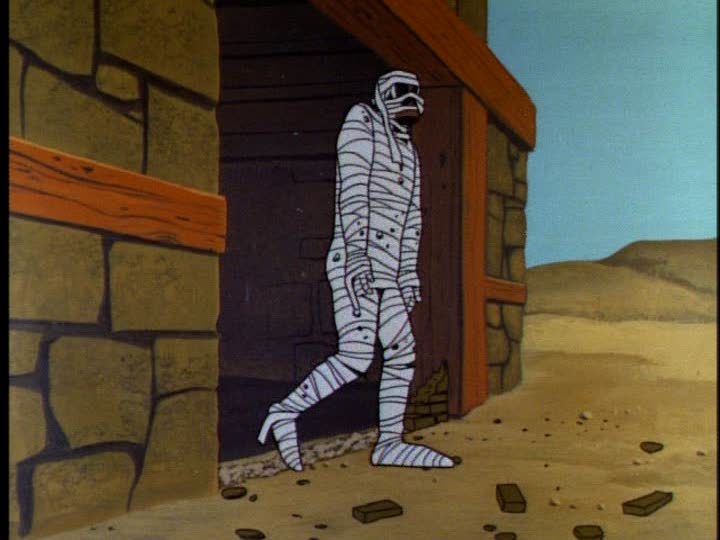
As for those cameos: One of my favorite episodes of “Jonny Quest,” the classic 1964 primetime animated adventure series, is “Curse of Anubis,” in which Jonny and the Quest gang go to Egypt when antiquities come up missing and murders are committed. There’s plenty of human villainy, of course, but striding through the mix is a mummy – maybe the Mummy. There’s no doubt the wonderfully atmospheric scenes of the Mummy stalking victims – sights familiar to anyone who had been watching the Universal films in their early TV showings – inspired plenty of goosebumps.

Not bad for a shambling bunch of bones.

‘The Musketeers’ and ‘The Three Musketeers’

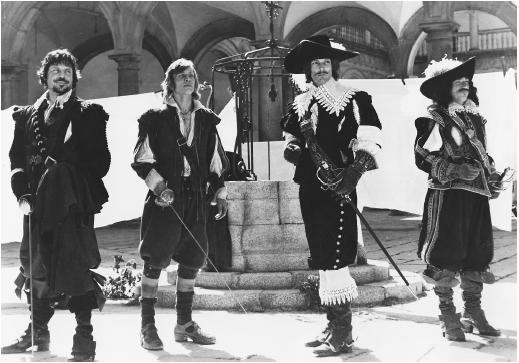
the musketeers bbc america

I’ve always loved Musketeers stories.

I’m pretty sure I read Alexandre Dumas’ novel of 17th-century Musketeers – the king’s guard – when I was still young and certainly before the 1973 Richard Lester movie version. I really loved Lester’s movie and its made-at-the-same-time sequel, “The Four Musketeers,” which was funny and slapstick and swashbuckling all at the same time. The movies clinched my love of the story and characters, a love that deepened when I saw the very different but equally thrilling 1948 version starring Gene Kelly and Van Heflin.

So I’ve enjoyed getting a double-dose of Musketeers lately with a BBC America series, “The Musketeers,” and a repeat viewing of Lester’s first movie.

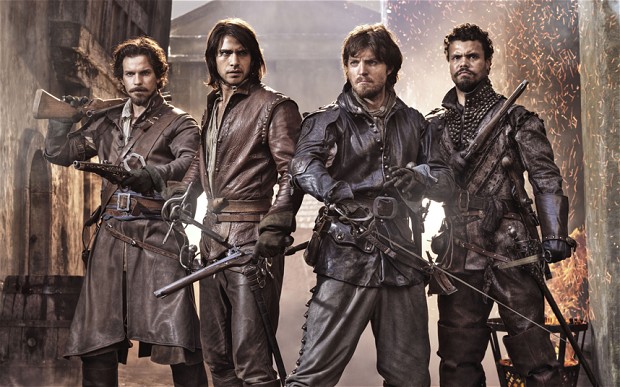
“The Musketeers” is a handsome version of the story of young French farm boy d’Artagnan, who goes to Paris on a mission of revenge but soon finds companions in three of the king’s best Musketeers, suave Aramis, tragic Athos and brawling Porthos.

The series has the court intrigue, double-crossings and mysterious motives familiar from the story. The four Musketeers are stalwart but portrayed as men with faults and secrets.

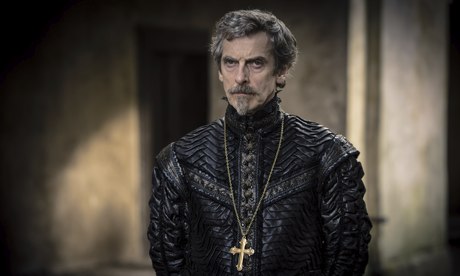
Peter Capaldi as Cardinal Richelieu in the BBC's The Musketeers.
A nice bonus is the presence of Peter Capaldi, who just last night began his tenure as the Doctor in “Doctor Who,” as Cardinal Richelieu, often portrayed as a villain but given some interesting shading here.

The series finishes up tonight, but I’m sure you can catch it streaming or on demand.

As for a recent chance to re-watch Lester’s original “Three Musketeers,” with Michael York, Raquel Welch and the amazing Oliver Reed, I rediscovered my love for the movie again.

the three musketeers 1973
But I hadn’t remembered how goofy parts of the movie were.

And for all the talk about modern-day movies hinting at or previewing future movies in a series, “The Three Musketeers” ends with scenes from its sequel.

It was a practice the producers, the Salkinds, pioneered here and tried to do again with the first two “Superman” movies. In the latter series, the producers threw out much of the footage shot for the sequel. With the “Musketeers” films, some members of the cast sued because they had been paid for only one movie.

Pretty sure Peter Jackson worked out such details with the “Lord of the Rings” cast before the fact.

Classic: ‘Night of the Hunter’

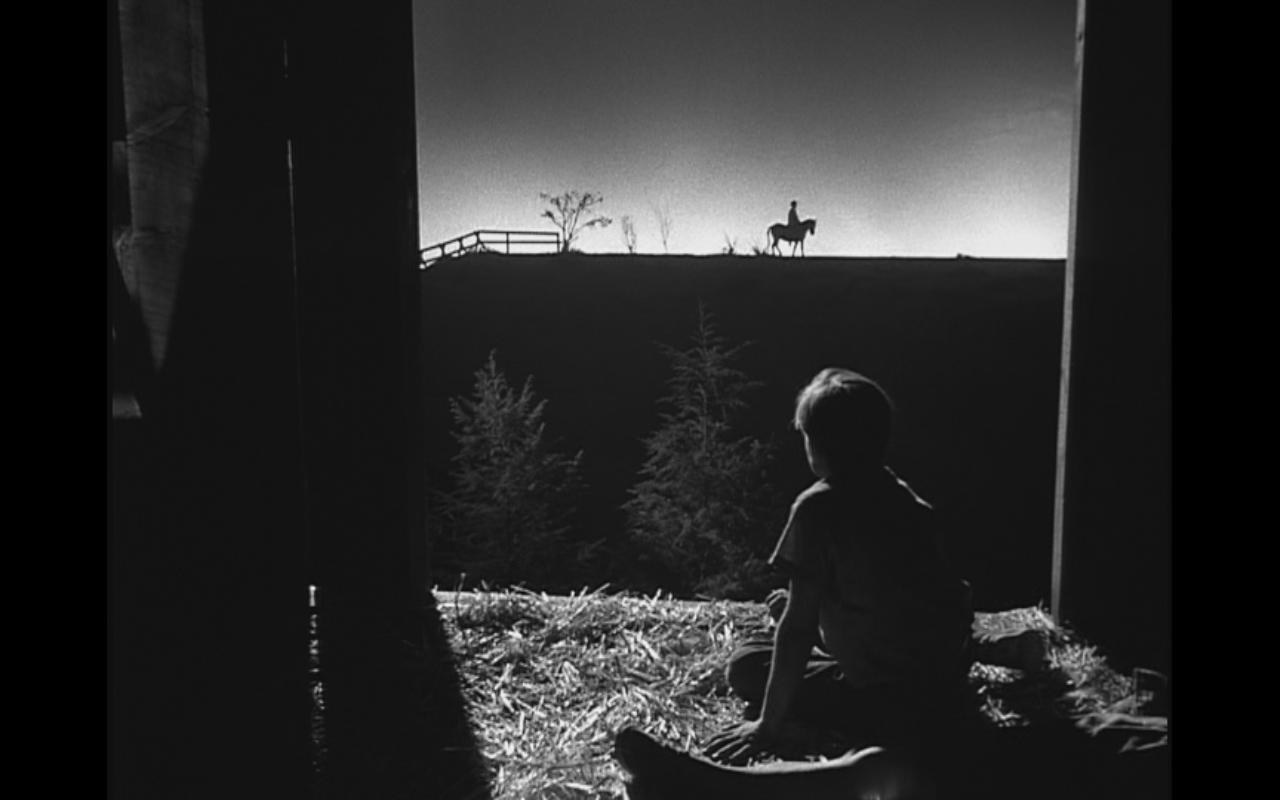
night of the hunter horseback

I forgot how crazy “Night of the Hunter” was.

I saw the 1955 Charles Laughton-directed film, starring Robert Mitchum as a murderous preacher with a series of dead wives in his wake, in my movie-crazy adolescence way more than 30 years ago. It was during a period I was soaking up every movie I could find on TV – this was before the VCR era, even – and reading about everything, from the old Universal horror movies to classics like the Marx Brothers and Kubrick’s “Paths of Glory.”

But in the decades since I saw “Night of the Hunter,” my mind had pretty much rendered it to its single-sentence plotline: Woman-killing man of the cloth has murderous intentions for his adopted family.

I forgot how subversive, how darkly funny, how outright odd much of the movie is.

Set in rural West Virginia in the 1930s, the movie starts out with a shock: Children playing in a yard begin a game of hide-and-seek, only to discover the body of a dead woman in the opening to a storm cellar.

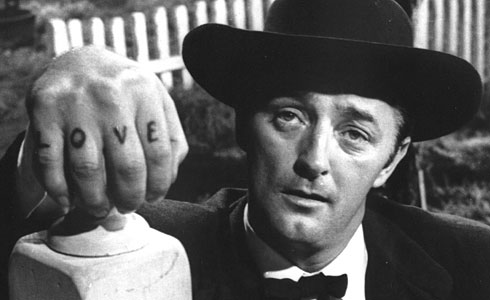
night of the hunter mitchum love

We quickly discover she’s the latest victim of Harry Powell, a traveling preacher and serial killer. As he tools along country roads, Powell talks to God about his mission: Kill women and steal their money to fund his religious crusade.

Powell’s travels are interrupted by his arrest for auto theft and he spends a few weeks in jail. While inside, he meets Ben Harper (Peter Graves), a family man awaiting execution for murder. After hearing Harper talk in his sleep about the existence of $10,000 in stolen cash – and following Harper’s execution – Powell is released and goes to find and befriend Harper’s widow Willa (Shelley Winters) and her children, skeptical John (Billy Chapin) and loving Pearl (Sally Jane Bruce).

Powell talks his way into marriage with Willa – with the help of town busybody Icey Spoon (Evelyn Varden) – and then sets out to find the $10,000, murdering his new family if he must.

The movie is full of menace and performances that range from subtle (Mitchum, usually) to over-the-top.

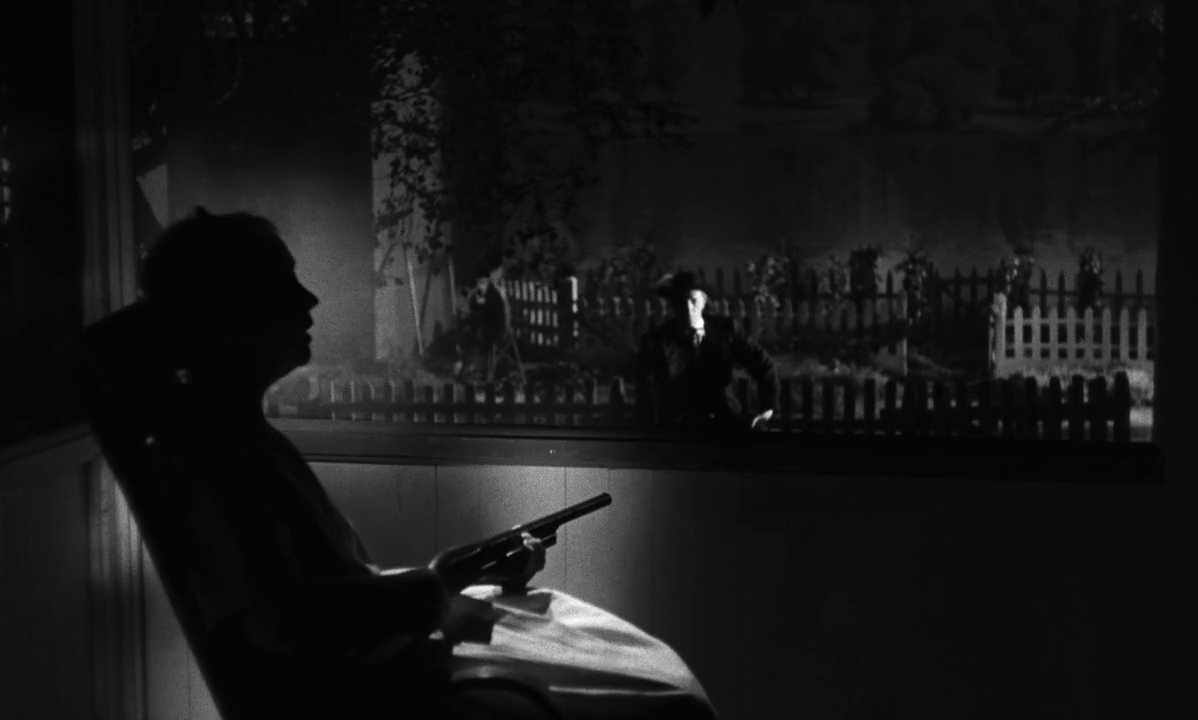
night of the hunter gish gun mitchum

“Night of the Hunter” has been cited as an influence on the filmmakers that followed it, but watching Laughton’s movie, it feels like he was influenced by everything from homespun small-town dramas (the town gossip) to horror films (the moody lighting, the lurching figure of Mitchum when he’s chasing the children, images right out of a “Frankenstein” movie). Laughton puts a satirical spin on all this, however. The gossipy neighbor who practically forces the widow into Powell’s arms literally leads the lynch mob after Powell’s head at the end of the movie.

There’s a drinking game to be played watching “Night of the Hunter,” and it involves taking a drink every time Mitchum sings a verse of a hymn or emptying your glass every time he calls out, “Children …. ” in a spine-tingling sing-song tone.

Alternately, “Night of the Hunter” could almost be recut as a 1980s sitcom, with Mitchum as the bumbling dad, forever tripping over things in the basement.

‘Guardians of the Galaxy’ takes us out there

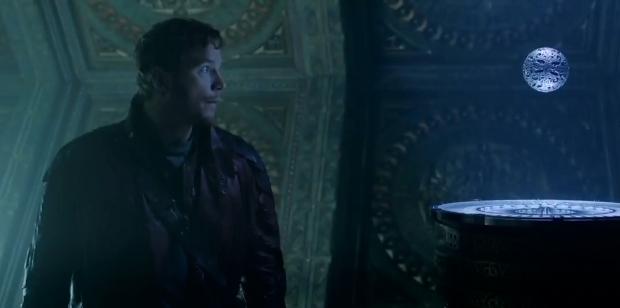
guardians infinity stone

A lot of people are saying “Guardians of the Galaxy” is this generation’s “Star Wars.” I’m not sure that’s the case, or that anything could be this generation’s “Star Wars.” Some people forget just what a game-changer “Star Wars” and, two years earlier, “Jaws,” were. Those two movies solidified summertime as a time for big-screen escapist fare and proved that people would pay to see it.

Others say that “Guardians” is this generation’s “The Last Starfighter” but I think that’s selling “Guardians” short. As fond as my memories of “Starfighter” are, I think “Guardians” is a better movie.

So what role does “Guardians” fill?

Roles, really.

First of all, it’s a really good summer movie. It’s good-natured and funny and full of action.

Secondly, it’s a sure-footed next milestone in the Marvel Cinematic Universe. Although it only slyly references the quest for the Infinity Stones – the sources of power that will, almost certainly lead Thanos to Earth in the third “Avengers” movie, probably in 2018 – it keeps that subplot to the first three phases of Marvel movies in moviegoers’ minds.

Thirdly, it expands the Marvel Cinematic Universe. Here’s how:

The comics published by Marvel in the past half-century-plus have covered a lot of territory, literally and figuratively speaking.

There’s the street-level superheroes, like Spider-Man and Daredevil, dealing with maniacal villains and street punks alike. The non-Marvel Cinematic Universe “Spider-Man” movies and Marvel’s upcoming Netflix series like “Daredevil” map out this world. (They’re the Marvel counterparts of Batman, for you DC lovers out there.)

There’s the global superheroes, like the Avengers, who have the power to face threats to the entire world. The non-MCU heroes like “Fantastic Four” also fall into this category, as does DC’s Superman and Justice League.

What “Guardians” does is give Marvel Studios a beachhead in the cosmic universe where the comic books have played for a half-century.

There’s always been some crossover among all these Marvel realms, such as when Galactus, devourer of worlds, shows up and is tackled by the FF. Cosmic threat comes to global heroes.
But quite often, the links between the cosmic and Earth-based heroes have been only tenuous. Captain Marvel or the Silver Surfer or Warlock show up and fight and eventually team up with the FF or the Avengers to face a menace like the Kree-Skrull War, but by the end of the story, things are back to a Marvel status quo and the Avengers are dealing with Earth-based villains like Doctor Doom.

“Guardians” plunges us headlong into that cosmic Marvel universe with only occasional looks back at Earth.

I won’t recap the plot I’m sure you’re familiar with by now or even go on and on with my thoughts about “Guardians.” Director James Gunn had made a fun, “Star Wars”-ian adventure pitting an unlikely band of heroes against evil forces. Along the way, the movie introduces, more smoothly than most would have thought possible, fantastic creatures like Rocket Racoon, a small but ferocious animal with a pitiable past and a love of big guns, and Groot, a walking, talking (well, a little) tree creature. Space raccoon and gentle plant-based giant you say? Sure, why not. It’s a testament to Gunn’s handling of the characters and plot of “Guardians” that what the characters are matter less than who they are.

If you remember, Thanos, Marvel’s go-to cosmic bad guy, showed up at the end of “The Avengers” to take credit for pitting an invading alien army against Earth and grin at the thought of courting death.

Thanos wants the Tesseract – the Cosmic Cube in the comics – that the Red Skull wielded in “Captain America” and Loki sought in “The Avengers.” Along with the Aether, the cosmic power from “Thor: The Dark World,” and other Infinity Stones, Thanos can make the Infinity Gauntlet, a weapon of unimaginable power. It’s a certainty that will be the major plot point of the third “Avengers” movie.

One of the most amusing things about “Guardians” is that much of the history and power of the Infinity Stones is laid out midway through the movie … but to the protagonists and antagonists of “Guardians,” who don’t even know as much as Captain America and Iron Man about the importance of the Stones but know a thing to keep away from bad guys when they see one.

So the collected Guardians, led by the effortlessly charming Chris Pratt as Peter Quill, take on Ronan, an upstart ally of Thanos, in an effort to keep a handle on their particular Infinity Stone and keep it away from Thanos.

It’s an effort that will continue for another four years before the contest for the Stones pits Avengers – and likely other allies – against Thanos in the third Avengers movie, which will likely act as capper to the first three phases of big-screen Marvel.

“Guardians” is so much fun, so funny, so charming, that it carries all the responsibility of furthering the over-arching plot of big-screen Marvel as if it were a feather. Despite its many accomplishments, that might be the movie’s handiest achievement.

By the way, I wanted to mention Marvel’s other comic-book universes, besides street-level, global and cosmic playgrounds, because the big-screen Marvel universe will no doubt incorporate them as well.

(I won’t get into a couple of lesser-known Marvel comic book universes here because, frankly, I don’t think we’ll see big-screen versions of Marvel’s romance and western comic worlds anytime soon.)

We’re all but certain to see Marvel’s mystical and horror universes come into play in movies before long, perhaps in a combined venture.

The studio has already named a director for its “Dr. Strange” movie, about a physician who became a master of the mystic arts and fought supernatural creatures. It’ll be interesting to see who the studio picks to play the part because Strange could be as much of an anchor for ongoing Marvel movies as Robert Downey Jr. has been as Tony Stark.

A “Strange” movie would not only introduce the mystical and supernatural Marvel universes to the big screen but could encompass the company’s long history of horror characters, some of whom regularly cross paths with heroes like Spider-Man (I’m looking at you, Moebius the Living Vampire) but operate in a realm that ranges from the dark corners of the Earth to other dimensions. It’s a world of magic – already explained in the “Thor” movies as simply science that humans can’t understand – and wild creatures.

If the idea seems strange to you, consider how strange a space raccoon and a talking tree might have seemed before this record-breaking opening weekend for “Guardians of the Galaxy.”
Secrets of ‘Avengers: Age of Ultron?’

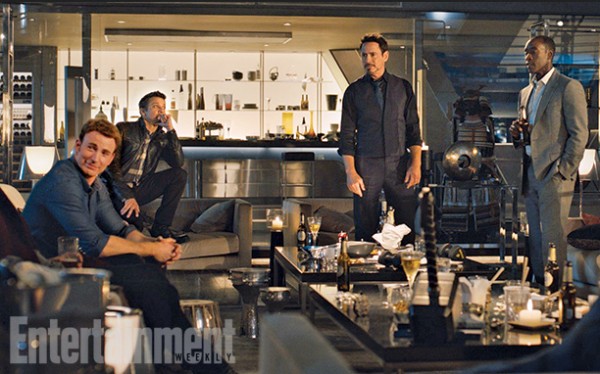
avengers-age-of-ultron-

Are you ready for some total guesswork?

I’m going to speculate on what we might see next May when “Avengers: Age of Ultron” hits theaters.

I don’t have any inside knowledge (my friend in the movie business doesn’t work on these Marvel movies). I’m speculating based on what I’ve read online recently and on recent re-readings of half-century-old comics that told this story before.

And I’ve already written about Marvel’s long game, the climax – most likely in the third “Avengers” movie – that will pit Marvel Cinematic Universe heroes against Thanos, the god-like destroyer and embracer of death.

Josh Brolin voices Thanos in “Guardians of the Galaxy” and likely in future Marvel movies. From scenes we’ve already seen in the “Thor” sequel and in “Guardians,” we know Thanos is pursuing the Infinity Stones to make his all-powerful weapon, the Infinity Gauntlet. Heck, Brolin took the stage in San Diego wearing a mock-up of an Infinity Gauntlet.

But what happens in the meantime, in “Age of Ultron?”

While the MCU has taken big variations away from the established Marvel comic book shorelines we’ve known for a half-century now, I think “Age of Ultron” will mix elements from a couple of milestone “Avengers” comic books.

We already know Ultron is in the movie, obviously, The murderous robot is invented (in the movies at least) by Tony Stark but, like Skynet, gets his own ideas on how to run the world.

And we know that Vision, a synthetic person created by Ultron to kill the Avengers only to end up joining them, is in “Age of Ultron.” He’s played by Paul Bettany, the voice of Tony Stark butler Jarvis in the “Iron Man” movies and “The Avengers.”

“Age of Ultron” creates Ultron (voiced by James Spader) and sets up the conflict depicted in the original 1960s “Avengers” comics, namely issues 55 through 57, when the Vision is introduced. In the comics, of course, Ultron was created by Hank Pym, played by Michael Douglas in “Ant-Man” but that movie’s not coming out until later in 2015.

So Ultron on a collision course with the Avengers, with Vision changing sides. Check.

But who else changes sides?

For this, we go back a few years in the “Avengers” comics, to issue 16, in which the Avengers experiences the biggest line-up change in its young history.

Although Hulk had come and gone and Cap joined the team in “Avengers” 4, the big change didn’t come until issue 16, when Thor flies off to deal with Asgardian issues, Giant-Man (the former Ant-Man) and Wasp decide to leave and Tony Stark decides to retire his “bodyguard,” Iron Man, from the roster.

Who joins?

Three former criminals/crooks/super villains: Hawkeye, the archer (already on the team in the MCU), Quicksilver and Scarlet Witch (who we know are in “Age of Ultron).

While I’d LOVE to see the “Ultron” footage screened at Comic Con, I’m pretty sure the final scene shown – the Avengers lying defeated at Ultron’s hands, Cap’s shield broken – isn’t the end of the movie. Despite the fact I believe it will end up being “The Empire Strikes Back” of the “Avengers” series, “Ultron” won’t end that way. That’s a vision (pun intended) or dream of something plaguing Tony.

No, I think “Ultron” will end with something more dire: The team breaking up. The powerhouses will be gone and Cap will carry on, as he did in the comics, with less powerful teammates like Quicksilver, Scarlet Witch and Vision.

Which will make it all the more essential that big guns like Thor and Hulk return in 2018, the likely release date of the third “Avengers” movie.