And we’re back. Maybe.

simpsons technical difficulties

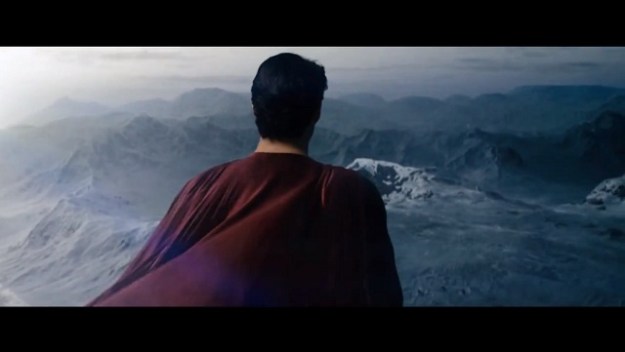
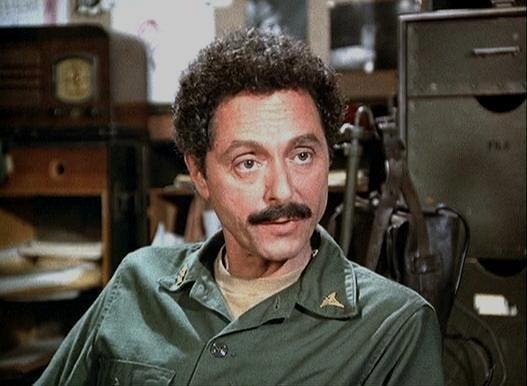
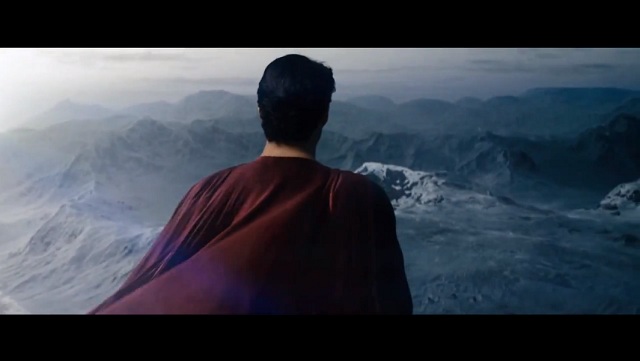
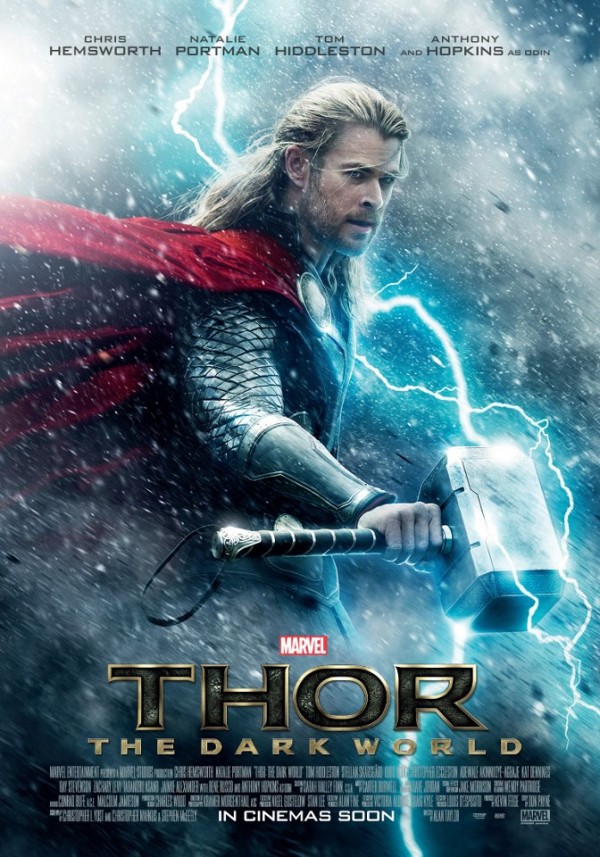
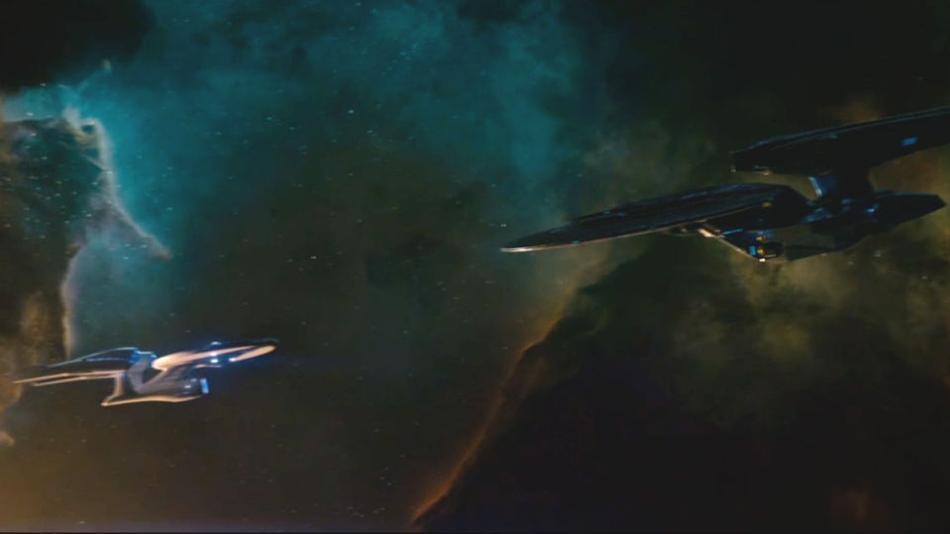
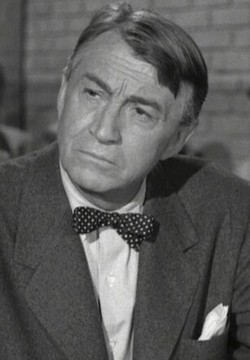
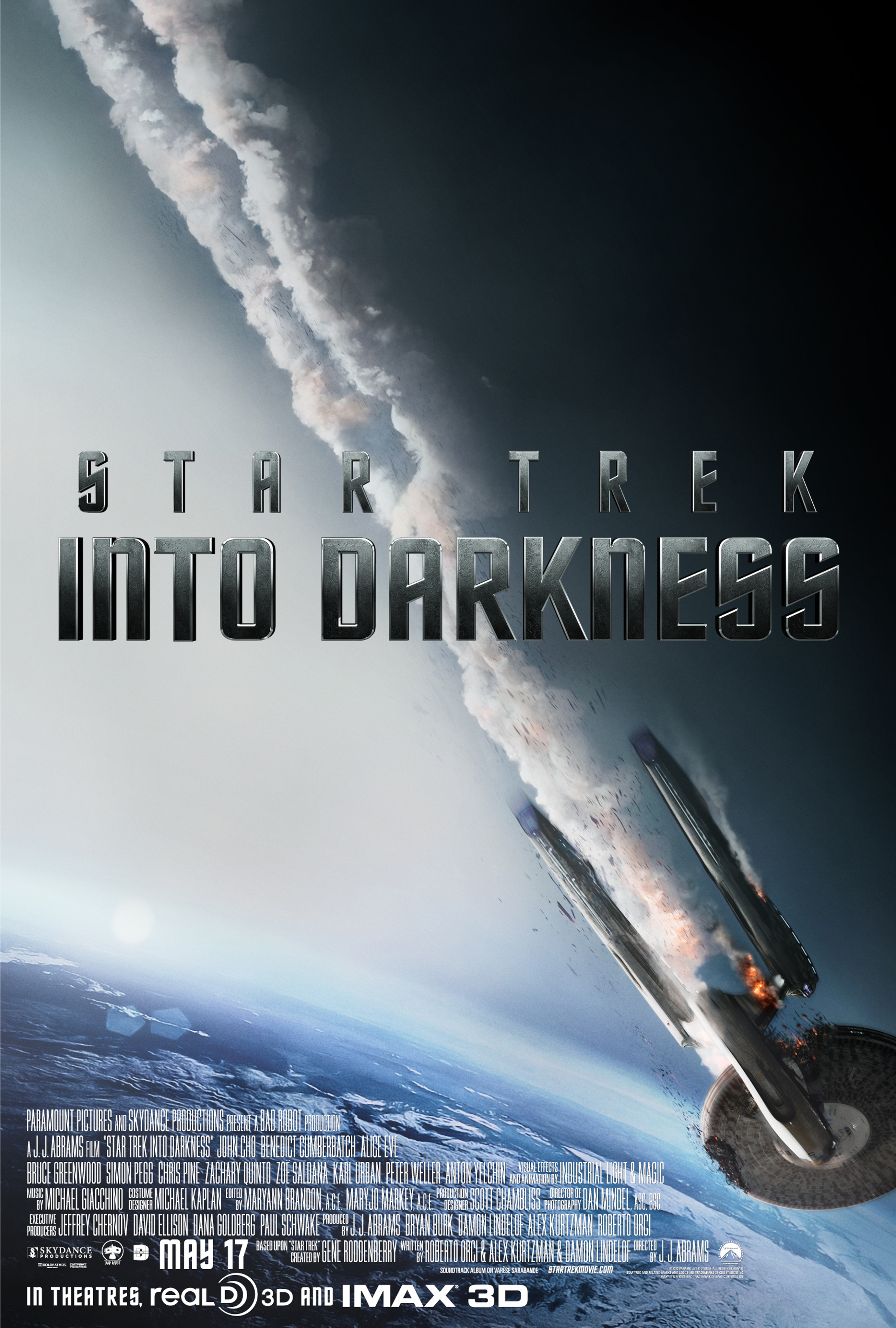
Yesterday, like several billion other people with access to the Interwebs, I tried to post some thoughts on the news that director/producer J.J. Abrams, who rebooted the “Star Trek” franchise, was reported to be directing the next movie in the rebooted “Star Wars” franchise.

Not only didn’t all of that blog entry post, but something – the photo of Abrams I used, the lens flare joke, something – caused the blog to go south. A week’s worth of posts disappeared.

Right now it looks like once I deleted the Abrams post the previous posts came back. Which is great, because I didn’t look forward to reposting several items.

You get what you pay for, I suppose. Word Press blogs – at least the type I have – are free, after all.


It’s the end of the world and we feel fine

The-Worlds-End

No, this isn’t another of those Mayan calendar stories a few weeks late. It’s a quick look at the trend in end of the world movies and TV.

For most of the pop culture world, “The Walking Dead” kicked off the end of the world, zombie style. The AMC series returns for the second half of its so-far gripping third season on Feb. 10.

I’m feeling pretty confident that the show will give us eight more good episodes documenting the most detailed zombie apocalypse so far.

world-war-z-trailer-brad-pitt

I’m more uneasy about “World War Z,” the big-screen version of Max Brooks’ excellent episodic novel. The Brad Pitt-starring movie, due out June 21, seems to bear little resemblance to the book based only on what we’ve seen from the teaser trailer. There’s no character in the book comparable to Pitt’s government zombie apocalypse expert. The book makes readers tough out the end of the world and beyond.

“Warm Bodies” is yet another take on the zombie story with a zombie – I guess we could consider him the spiritual descendant of “Bud” the trained zombie from “Day of the Dead” – who, post apocalypse, is so enamored of a living girl that he begins to revert to human.

This-Is-The-End-Poster

I’m kind of amused but skeptical about “This is The End,” the end-of-the-world comedy featuring Seth Rogen, Danny McBride and a host of young comedic actors, most of them apparently playing themselves. Judging by the trailer, this looks to be a blue end of the world.

I’m enthusiastically looking forward to Edgar Wright’s “The World’s End,” Wright’s take on an epic pub crawl featuring his regulars Simon Pegg, Nick Frost and Martin Freeman. I don’t know another single thing about the movie but I want to see it now.

Classic horror movie: ‘The Abominable Dr. Phibes’

dr. phibes w mask

The 1960s saw Vincent Price, who had appeared in films at the tail end of the 1930s and onward, experience the beginnings of a second life at the movies. He had made the popular 3-D movie “House of Wax” in 1953, but it was still a few years before he delivered back-to-back-to-back horror hits: “The Fly” in 1958. “House on Haunted Hill” in 1959 and more. Not to mention – although I will – a series of Edgar Allen Poe adaptations for American International Pictures in the 1960s.

So by the time “The Abominable Dr. Phibes” was released in 1971. Price was something of a horror institution. Like Boris Karloff before him, he had transcended the role of horror movie actor and become a personality.

So the Phibes movie, and its sequel, “Dr. Phibes Rises Again” – with their revenge-driven plots, gory killings and campy trappings – might have seemed a little out there, but Price could be counted on by American International Pictures to deliver an audience of horror fans.

Keep in mind, the Phibes movies came out at the tail end of a particular era in horror films. Within just a half-dozen years, John Carpenter’s “Halloween” and its many imitators changed horror movies forever. (I’m deliberately overlooking “Texas Chainsaw Massacre” in 1974 because the effectiveness of the film was considered a fluke, a very nearly dirty pleasure, like the porn films that flirted with social acceptance at the same time.)

The first Phibes movie acquainted us with the character Price would immortalize: He played Anton Phibes, a physician who was apparently burned to death in a car accident as he rushed to the side of his wife in emergency surgery.

dr. phibes unmasked

Phibes survived, but was horribly disfigured. His wife did not survive her surgery. Now, years later, in 1925, Phibes and an always-silent assistant, Vulnavia (Virginia North), murder, one by one, the surgical team who Phibes believed botched his wife’s operation. Phibes’ revenge comes in the form of Biblical plagues: One doctor is stung to death by bees, while a nurse is eaten by locusts, for example.

As one of the doctors, played by Joseph Cotton, and Scotland Yard inspectors try to track him down, Phibes enacts his revenge and camps it up with Vulnavia and a clockwork orchestra even as his wife (a beautiful corpse played by cult movie actress Caroline Munro) awaits one final voyage with her beloved husband.

As oddball as “The Abominable Dr. Phibes” is, there’s a classic and classy feel to the movie because the murders are accomplished through such elaborate and arcane means. Within a few years, Michael Myers and Jason Vorhees and a host of other killers would chop and impale their victims and it all became so very ho-hum.

You might roll your eyes or even shake your head when Phibes enacts Biblical revenge on someone. But you won’t think, “Well, I’ve seen that before.”

Michael Carroll’s ‘Superhuman’ series worth exploring

michael carroll superhuman

If you – or your son or daughter – love superheroes but aren’t finding the stories you want in comics right now, you should check out Michael Carroll’s series of young adult novels about a brave new world of teenage superheroes.

Because Carroll’s books – some imported from the UK – have appeared in slightly different form and, apparently, under different titles, I’d suggest you start where I did, with “Superhuman,” his novel about a group of young heroes who assemble to fight a threat from the distant past.

In Carroll’s world, super-powered individuals, both heroes and villains, have been a presence on Earth for years. But at some point many of the adult superheroes disappear, just as a new generation of heroes are discovering their powers, ala “The X-Men.”

With little help from experienced heroes, the teenagers – many of them still figuring out their powers – must stop a group of evildoers who have brought to the present a super-powered, invincible warrior from thousands of years in the past.

Follow-ups to “Superhuman,” including “The Ascension” and “Stronger,” continue the story of the newly super teens. And earlier books, grouped in a series called “The Quantum Prophecy,” explore many of the same characters and situations in interesting variations.

Carroll’s books have some humor but play their stories straight, with real, dire consequences and cliff-hanging action.

Classic comics: ‘Fantastic Four’ Galactus Trilogy plus one

fantastic four 48

Has there ever been a greater run of creative energy in comics than the four issues of Fantastic Four that begin with issue 48?

Geeks know that particular issue kicks off what has become known as the Galactus Trilogy. The three-issue series, written by Stan Lee and drawn by Jack Kirby and released in the spring of 1966, launched the Marvel Comics universe into the universe, literally, by expanding the role of “cosmic” characters like the Watcher and introducing the Silver Surfer and Galactus.

If you’ve seen the second “Fantastic Four” movie, you’ve seen a somewhat lackluster version of the story that played through issues 48, 49 and 50. For the purposes of ground-breaking drama and cosmic feel, I’m also throwing the next issue into this review as well.

The story, for those who don’t remember, follows the FF back to New York after they’ve had an encounter with the Inhumans at their isolated fortress.

The mood is somber. Johnny (the Human Torch) has been separated from his girlfriend, Crystal, one of the Inhumans, after the mysterious beings retreated behind an impenetrable barrier. Ben (the Thing) is dealing with the horrified reactions of New Yorkers who spot his rocky visage and feeling sorry for himself. Reed (Mr. Fantastic) has withdrawn into his lab. And Sue (the Invisible Woman) is complaining that Reed isn’t paying enough attention to her. Yes, I know. It was the 60s and women didn’t fair so well in comics. The treatment of Sue makes her out to be a fairly humorless harpy.

Anyway, the FF return to New York and find a series of strange happenings, including fire and boulders filling the sky from horizon to horizon. They quickly learn it is the work of the Watcher, the other-worldly observer of the Earth who isn’t supposed to get involved in the planet’s travails. But in this case he’s trying to hide Earth from the Silver Surfer, who, he explains, is the herald of Galactus, fearsome eater of planets. The Surfer finds suitable planets for Galactus to consume.

fantastic four 49

The FF battle the Surfer, who falls from the top of the Baxter Building and, coincidentally, into the apartment of Alicia Masters, Ben’s blind girlfriend.

As Galactus arrives and begins erecting the machinery of Earth’s destruction on top of the Baxter Building, Alicia helps the Silver Surfer learn the value of the people Galactus is about to kill. And the Watcher sends Johnny on a galaxy-spanning quest to find a weapon that can stop Galactus.

fantastic four 50

There’s a lot of plot, a lot of dialogue and a lot of action in these three issues. Lee and Kirby had a curious habit of beginning and ending plots in the middle of an issue, so Galactus is foiled before issue 50 ends and we get a hint of the next story – as well as Johnny’s first day at college.

this man this monster

Issue 51 follows the Galactus trilogy with a story that is both cosmic and personal and remains one of my favorites to this day. “This Man, This Monster” lets Ben Grimm (and readers) wallow in his grotesque appearance and substantial self-pity as he wanders the streets of New York in the rain. He encounters a man who takes him home, drugs him and hooks him up to machinery that causes Ben to revert back to his human form. The man – whose identity we never learn – gains the appearance and strength of the Thing. His plan is to infiltrate the FF and destroy Reed Richards, a man whom he considers a hated rival.

Reed is in the middle of an experiment, traveling to a cold and hostile parallel world and, thinking the stranger is Ben, asks him to hold his lifeline. The man does so, overwhelmed by not only the daring and brilliance of Richards but also the trust placed in the Thing.

this man this monster pop art

Something goes wrong, of course, and Richards is lost in the parallel dimension. The stranger, with all of the Thing’s strength, goes in after Reed. Ultimately the man sacrifices himself to save Reed. When the stranger’s life is lost, Ben reverts to his Thing form. The timing is, as usual, awful for Ben. He had been standing at Alicia’s door, ready to share his life-changing news with her.

this man this monster reunion

The bittersweet ending: Ben returns to the Baxter Building to find Reed and Sue mourning his loss. They’re overjoyed by his return, an affirming moment for Ben.

Tribute should also be paid to inker Joe Sinnott and letterers S. Rosen and Artie Simek, who made Kirby’s pencils come to life. Has the Thing ever looked better than during this period? I don’t think so.

Someday it would be cool to see a full-blown big-screen movie version of the Galactus trilogy, not the half-baked version we saw a few years ago. (Galactus as a cloud. Hrmmph.) Maybe someday we will.

This Boy This Blockhead by jess harrold

By the way: The pop-culture impact of “This Man, This Monster” remains strong, as you can see from Jess Harrold’s art above.

Oscar catch-up: ‘Zero Dark Thirty’

zero-dark-thirty

In which I try to see a few Oscar nominated movies before the Oscars roll around.

Director Kathryn Bigelow’s “Zero Dark Thirty” has picked up a lot of political baggage, much of it centered around the film’s early scenes of CIA operatives using waterboarding and other means of torture to try to extract knowledge of the whereabouts of Osama bin Laden from low-to-mid-level al Qaeda operatives.

The scenes are pretty harrowing and few moviegoers will go away without an opinion of the use of torture. Suffice it to say the scenes also set the tone for the movie even as they serve to introduce Maya (Jessica Chastain), a CIA analyst who goes from standing by and watching colleague Dan (Jason Clarke) administer torture to ordering punishment herself.

Maya’s quarry is bin Laden and, over the course of the next two hours, she pursues not sightings of the al Qaeda leader – there aren’t any legitimate ones – but the identity and whereabouts of people who might have contact with him.

Over the course of several years, Maya and fellow operatives like Jessica (Jennifer Ehle) interrogate those with knowledge of bin Laden and those protecting him, cultivate sources and begin to focus – obsessively, at times, for Maya – on a courier who is reportedly bin Laden’s connection to the outside world.

As most of the world knows, the CIA finally finds the courier and tracks him to a Pakistani town and fortress-like compound where bin Laden has been hiding … well, not in plain sight, but in a far more likely location than a remote cave for the leader of an international terror organization.

Bigelow and screenwriter Mark Boal let the story unfold at a deliberate pace but pepper it with suspenseful scenes, including Jessica’s meeting at an Afghan base with a potential informant as well as the tracking of the courier.

It surprised me, somewhat, to see “Zero Dark Thirty” described online as a spy thriller. It is, certainly, but aside from the raid on bin Laden’s compound the movie came across most like a political thriller as Maya pushes her way through CIA bureaucracy, the doubts of her superiors and what seems like a more urgent mission for many in government than finding bin Laden: preventing future terror attacks.

Chastain is quite good as the smart and dedicated Maya, a character based on the woman who led the decade-long pursuit of bin Laden.

The movie features a cast of familiar faces, from Mark Strong (“Green Lantern”) and Harold Parrineau (“Lost”) to Chris Pratt (“Parks and Recreation”) and Joel Edgerton (the “Star Wars” prequels). Luckily, they don’t pull the audience out of the story.

“Zero Dark Thirty” is a first-rate political and historical thriller.

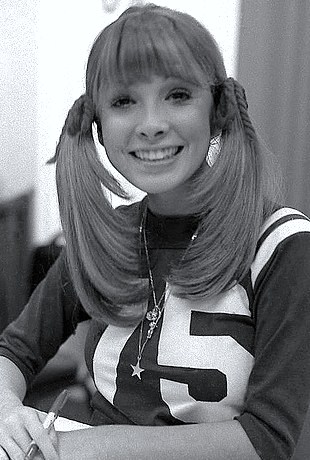
TV crush: Darleen Carr

darleen carr

You couldn’t watch TV in the 1970s without having a little crush on Darleen Carr.

Carr, born in 1950, came from an acting family. Her older sister, Charmian, played the oldest girl in “The Sound of Music.”

Darleen Carr herself had musical talent, contributing her voice not only to “The Sound of Music” and “The Jungle Book” but releasing an album of music in 1988.

Although Carr appeared in movies and guest starred on many TV shows in the 1970s and 1980s, she was best known for a couple of parts.

darleen carr long

She was a young temptress in the very strange Clint Eastwood Western “The Beguiled,” a 1971 classic.

She played Henry Fonda’s daughter in “The Smith Family,” an odd 1971 TV series that was a mix of family comedy and police drama starring the veteran film actor.

And she played, Jeannie, Karl Malden’s daughter on “The Streets of San Francisco,” that ’70s Quinn Martin production that co-starred Michael Douglas.

When Malden’s Mike Stone wasn’t worried about the latest killer to stalk the city by the bay, he was worried that his adorable daughter was dating a guy who wasn’t good enough for her.

And who can blame him? Carr was one of TV’s classic sweethearts.

According to the Interwebs, Carr is married to Jameson Parker, the now 65-year-old (!) former co-star of “Simon and Simon.”

In the 1990s, Carr kept busy doing voice acting for animated shows and video games.

Superman’s ‘S’ shield through the decades

Superman Shield-Poster

Here’s a cool graphic, from Steve Younis and the people at the Superman Homepage, recalling the dozens of variations on Superman’s “S” shield over the decades.

From the original one, interpreted by Superman’s creators Joe Shuster and Jerry Siegel, as a kind of crest, to later movie and TV versions to more sophisticated interpretations of recent years, there’s a lot of Super here.

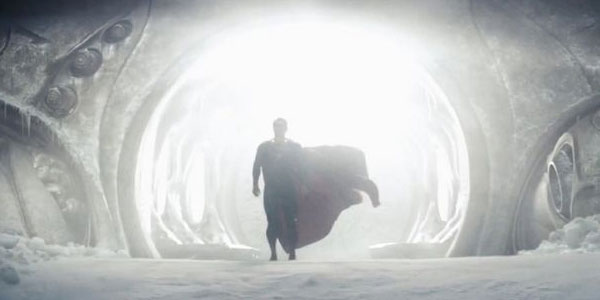
The … different version from this summer’s “Man of Steel” movie is here too.

‘Alphas’ omega: SyFy cancels show

alphas cast

“Alphas,” a nicely written and serious-minded “real world” take on “X-Men,” is no more.

The show has been canceled by The Channel Formerly Known as Sci-Fi, according to news reports. It will not return for a third season.

“Alphas” was an intelligent and well-written show about a scientist (the Professor X type, played by David Straithairn), who works with the government to assemble a group of people with mutant powers, including Bill, a cop with super strength (played with nice gruffness by Malik Yoba), a young autistic man, Gary (played to perfection by Ryan Cartwright) who can read read electronic signals in the air, Nina (the seductive Laura Mennell), who has the ability to emotionally “push” people and bend them to their will, and others.

Each episode played on a number of levels: The Alphas would investigate crimes or acts of terrorism committed by other Alphas, including some who belonged to a renegade group led by a seemingly immortal Magneto-type charismatic leader. They also reached out to other Alphas, including some played by fan favorites like Summer Glau (“Firefly”) and Sean Astin (“Lord of the Rings”).

The show also built in clever and absorbing character stories, including Gary’s socialization and Nina’s fall from grace and tragic backstory.

To nobody’s surprise, TV can be an ultimately heartbreaking place to discover favorite science fiction and fantasy storylines and characters. It’s always been the case, but the last few years have seen brutal ends – and misguided handling when they were airing – of some really good shows.

It goes without saying that there’s little remaining on SyFy I’ll watch. The channel has increasingly concentrated on “reality” shows and competitions and, inexplicably, wrestling.

We’ll miss “Alphas.”