The essential geek library: ‘Cult Movies’ by Danny Peary

Back in the old days, everything you wanted to know about movies and TV shows and comic books – their makers, their history, their detractors, their weird variations – wasn’t available for perusal at the click of a mouse.

No, children, we had books back then, and they were wonderful resources.

For a few decades, I amassed a collection of books about movies and TV and comics. They were my encyclopedias, my Bibles. I read and re-read them, memorizing facts and committing the photographs to memory.

So I thought I would occasionally mention some of these books here for you. Maybe you’ve got your own copies. Maybe you can find them in used bookstores or on Amazon. Maybe some will still be in print.

Danny Peary’s “Cult Movies” is a good place to start. Published in 1981 and subtitled “The Classics, the Sleepers, the Weird and the Wonderful,” Peary’s book lives up to its name. The dozens of movies he writes about in the first book (three volumes total were published) range from beloved classics like “The Wizard of Oz” to still-at-the-time controversial films like “The Texas Chainsaw Massacre” to “2001” to “Vertigo.”

Peary devotes three or four pages to each movie. He lists the cast and key creative positions and gives a synopsis. He then goes into detail about what made the movies cult films.

Peary tells how director George Romero made “Night of the Living Dead,” from its hardscrabble production to its difficult distribution to its reception by audiences and critics.

He has real insight into the movies he covers.

“Pessimistic and unsentimental, ‘Living Dead’ is so effective because it is totally without pretension,” he notes. “It works on basic fears: unrelenting terror, monsters, darkness, claustrophobia. ‘Aliens’ attack us on American soil; protectors, even blood relations, turn on one another.” He notes how the black and white photography, a side effect of its low budget, made it more effective in some ways (anyone see the recent black-and-white presentation of the pilot for “The Walking Dead?”) but worked against it (Columbia Pictures wouldn’t distribute the film because it wasn’t in color) in others.

Peary, who is still actively writing, although not books about movies, brings the right amounts of reverence and criticism to these great but oddball movies. He and his books are what every modern-day movie and pop culture blogger aspires to be.

Unsung actors: Jonathan Banks

Who’s badder than Jonathan Banks? Nobody.

He’s one of the coolest yet most unsung actors in Hollywood.

Banks is enjoying a little limelight in a recurring role in the hit series “Breaking Bad” these days, but for years he was best known as the creepy henchman of the bad guy … or, infrequently, the offbeat good guy.

Amazingly, Banks’ TV resume goes back to the mid 1970s and appearances on everything from “Barnaby Jones” to “The Waltons” to “Little House on the Prairie!” In the latter, according to IMBD, he played Jed in a 1980 episode.

His career in movies really took off in 1982, however, with his role as a doomed cop in “48 Hours.” He’s a cohort of Nick Nolte’s cop character who gets killed off early.

Two years later, Banks played what I think of as his best henchman role in “Beverly Hills Cop.” He’s the guy who kills Eddie Murphy’s friend at the beginning of the movie and he’s the guy who gets tossed into a buffet table at a tony private club.

Banks brought a dead-eyed menace to the role that sticks with me 30 years later.

For four years beginning in 1987, Banks had his best TV role (sorry, but I haven’t seen him in “Breaking Bad” yet) as federal agent Frank McPike in “Wiseguy.” As McPike, Banks was gruff and no-nonsense as the “handler” for Ken Wahl’s Vinnie Terranova, a federal agent who goes deep undercover in criminal organizations.

Banks’ McPike is the guy who, with more than a little attitude, pulled Terranova’s butt out of the fire during the run of the series. When Wahl left the show, McPike shepherded his replacement.

Here’s to Jonathan Banks, tough guy first class.

A cop to the end of the world – and after?

Is “The Last Policeman” a mystery novel or science fiction?

I guess it’s a bit of both, although I’ve seen it classified as science fiction most often.

But Ben H. Winters’ book – the first of a trilogy – defies an “either or” definition.

The book’s protagonist, Hank Palace, is a newly promoted police detective in a New England city that’s slowly falling apart, not unlike much of society. That’s because the world is coming to an end.

A few months before, scientists spotted a previously unnoticed asteroid a few million miles out. As the asteroid – a few kilometers wide – draws closer to Earth, it goes from a scientific curiosity to one of those “look what almost happened” news stories to a harbinger of the end: As the novel tells us in judicious flashbacks and fleeting memories, scientists determine that the asteroid, Maia, is on a collision course with earth.

As society’s conventions begin to fall by the wayside – turns out restaurant chains and cell phone companies are among the first to say “the hell with it” when the end of the world is a few months away – police like Palace have their hands full with suicides, people who skip right past “bucket list” and “party like it’s 1999” and go right to death.

As the story opens, Palace is investigating an incident in which a man apparently hanged himself in the bathroom of a McDonald’s – or, a pirate McDonald’s that sprang up after the company officially folded its golden arches.

Palace believes this latest dead body isn’t the result of a suicide and begins – despite the scoffing of a handful of other detectives – investigating the death.

Not surprisingly, for the first of three planned books, there are some plot elements left open at the end of “The Last Policeman.” While Palace solves the murder of the man in the bathroom, other, larger mysteries are left unresolved. Some of them include nearly-below-the-radar doubts about Maia and whether it will actually collide with Earth, no less end civilization.

Winters brings a nice sense of doom, leavened with some humor, to his story. I’m curious as to where he’s going in the second and third books and whether I should get my hopes up about the fate of the planet.


RIP William Windom of ‘Star Trek’

One obituary I saw today for William Windom referred to the actor, who died at age 88, as a “comedic actor,” and there’s something to that, of course.

But for me and many others in geek culture, William Windom will always and forever be Commodore Matt Decker from the classic “Star Trek” original series episode “The Doomsday Machine.”

Windom played Decker, a friend of William Shatner’s Jim Kirk and captain of the Federation starship Constellation. In this second-season episode, the Enterprise finds the wreckage of the Constellation floating in space as well as its distraught captain.

The Constellation has been targeted by a mile-long planet killing robot ship, a conical structure that fires energy blasts and absorbs matter as food. Think of it as a less chatty version of Galactus.

Windom is by turns weepy, hysterical, sneaky and imperious as the captain who will use any tool at his disposal – including the Enterprise, liberated from Kirk and Spock – to kill the Doomsday Machine.

Windom was among the strongest guest-stars the original series ever had. Sure, he had his moments that were a bit … overplayed … but most of his performance is subtle and heartbreaking.

“The Doomsday Machine” was written by science fiction author Norman Spinrad. It has one of the great “Star Trek” climaxes as Kirk tries to fly the battered Constellation down the throat of the planet killer.

Windom’s career ranged from “The Twilight Zone” to “Night Gallery” to “Murder, She Wrote,” and was one of the most dependable character actors on TV for a couple of decades.

Here’s to Windom, one of our favorites.


Must-read TV: A look at NBC’s heyday

For a decade and a half, NBC was a primetime TV powerhouse with a line-up of shows – most of them on Thursday nights – that rivaled anything on TV at the time. “Cheers,” “The Cosby Show,” “E.R.,” “Frasier”  and “Mad About You” were among the huge hits.

Warren Littlefield wasn’t the writer or star of any of those shows, but he was an NBC executive, rising to the role of president of entertainment programing from 1993 to 1998. As such, he was one of the network “suits” involved in decisions made behind the scenes on all those shows plus others like “Friends.”

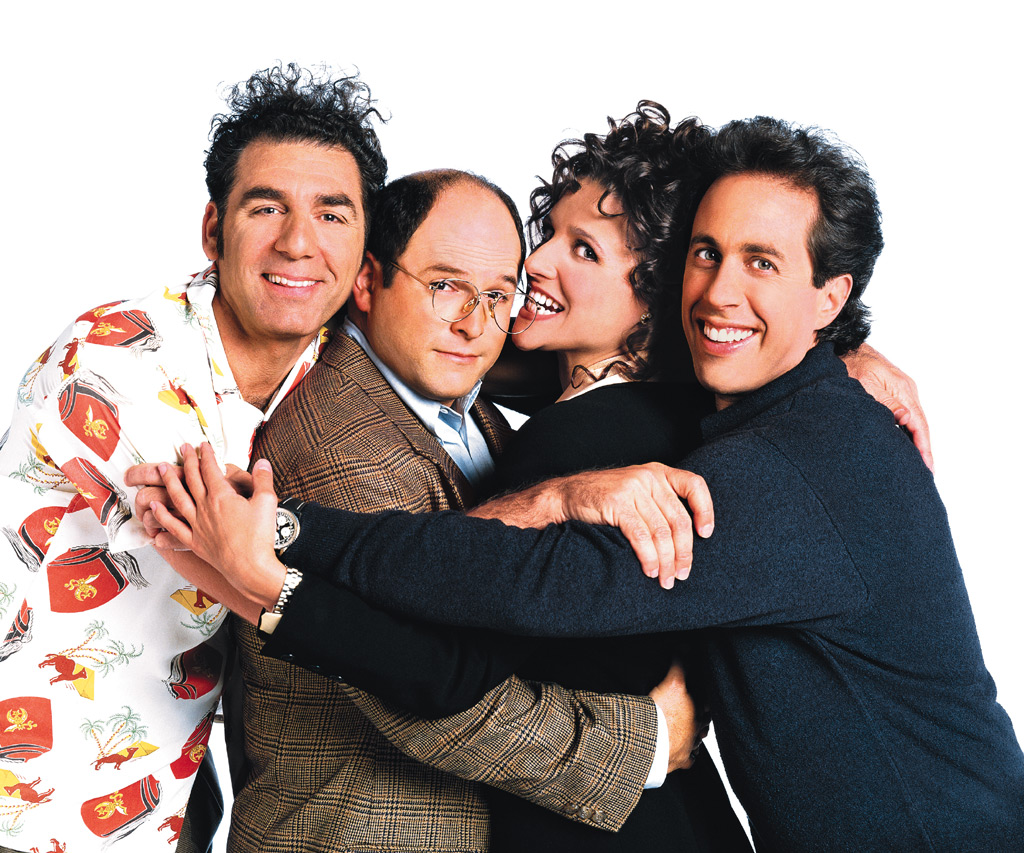
In “Top of the Rock: Inside the Rise and Fall of Must-See TV,” Littlefield presents excerpts from interviews with the writers, producers, directors and stars of some of the network’s most memorable shows. Although a few people – like “E.R.” star George Clooney – are notable by their absence from this oral history, Littlefield includes comments and memories from Jerry Seinfleld, Jason Alexander, Noah Wyle and most of the “Friends” cast among many others.

There are a lot of intriguing anecdotes here and some pretty funny memories, especially from people like Seinfeld and Alexander.

Littlefield’s book isn’t the equal of “I Want My MTV” or the similar oral history of “Saturday Night Live” from a few years back. It’s just not as comprehensive. But it offers some good backstory.

Some things I didn’t know, or had forgotten if I ever knew, until I read Littlefield’s book:

The script for the two-hour pilot of “E.R.” was really, really old. People interviewed estimate the script was at least 20 years old when it was reworked by Michael Crichton around 1993. One sign of its age: At one point, characters are watching a Boston Celtics game and a player who retired in 1965 is name-checked.

Kelsey Grammer’s drinking and drugging was a huge problem during “Cheers.” It’s also one retold with some humor here as interviewees note that Grammar might pick up a hitchhiker and make the guy his assistant.

Casting almost-was stories abound. Here they include Terry Hatcher for the eventual Helen Hunt role in “Mad About You” and Lisa Kudrow for the Peri Gilpin role in “Frasier.”

NBC scuttled a two-hour Bob Hope special to pay for four more “test” episodes of “Seinfeld.” Someone had to tell Bob. I’m surprised, retrospectively, that Hope was still doing NBC specials by 1989.

The people behind “Cheers” were really, really pissed when Shelley Long left the show but saw the show get a new lease on life with Kirstie Alley. I think they got a better deal.

Littlefield enjoyed actor Bob Balaban’s parody of him so much on “Seinfeld” that he had Balaban play him at a network meeting. Ha!


Holy Avengers! Fan sculpture of Clark Gregg as the Vision

Never let it be said fans don’t back up their fondest movie wishes with some incredible reality.

Above is a photo of what looks like a sculpture done by an artist identified as bhsxf on the website http://www.therpf.com.

Not surprisingly, it’s a more … human vision of the android Avenger than we might expect. Not the most human we’ve ever seen him, however:

But wow, is it cool.

Someone get hold of Joss Whedon STAT!


‘Avengers’ release date set; Daredevil next recruit?

Considering that “Iron Man 3” doesn’t come out until May, with a string of new Marvel movies to follow, you’d think the news about our favorite big-screen comic book movies would slow down just a bit.

Nope!

In recent days fans have seen a couple of developments:

Release date for “Avengers 2.” Marvel/Disney has confirmed a May 1, 2015 release date for Joss Whedon’s follow-up to this summer’s megahit. That’s on the heels of the announcement that Whedon had been signed not only to direct the sequel but develop a live-action TV series set in the big-screen “Avengers” universe and generally help the Marvel movie process move along through June 2015.

Daredevil likely back in Marvel’s hands: As we’ve noted here before, Marvel’s moviemaking division has big-screen rights to only some of the company’s characters. Others were long ago farmed out to other studios, which is why Fox is making a steady stream of X-Men-related movies and Sony/Columbia rebooted this summer with “The Amazing Spider-Man.”

Well, director Joe Carnahan had been gearing up for a gritty “Daredevil” reboot for Fox that promised to have a 1970s Hell’s Kitchen vibe. Carnahan said this week that his movie isn’t going to happen, leading some to expect that the rights to the blind superhero will revert to Marvel before Fox gets a chance to mount another effort.

Meaning that Marvel can include Daredevil in its on-screen universe now. Maybe even cast Matt Murdock in “Avengers 2” or his own movie.

As Marvel slowly requires some of its characters – apparently the Punisher is already back under the Marvel tent – the possibilities are endless.

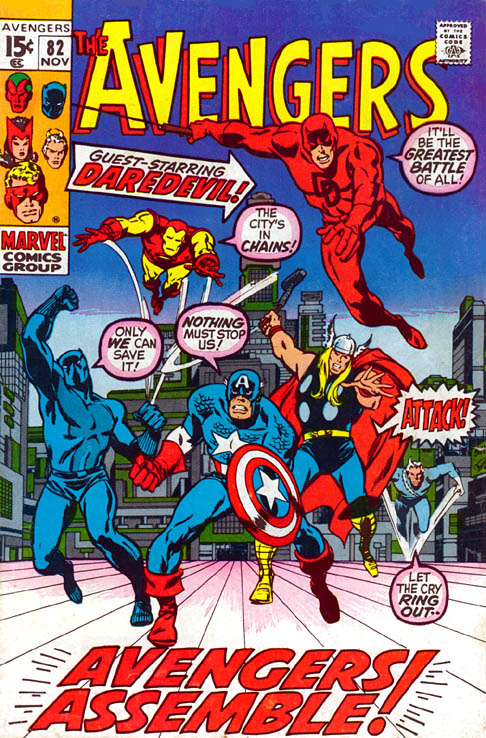
Here’s a wish list for new members once Joss Whedon presents “Avengers 2:”

Black Panther. Gotta have the stalwart king of the African nation of Wakanda on the team.

Wasp and Ant-Man. Janet and Hank were original members of the group. An “Ant-Man” movie is in the early stages now. We need them in “Avengers 2.”

Daredevil. Why the heck not? New York is their mutual home turf.

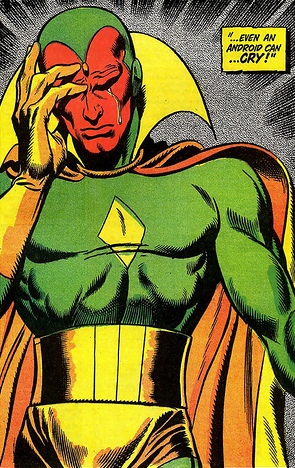
Vision. The rumors flew, shortly after “The Avengers,” that the android Avenger would be included in upcoming installments, perhaps in some way personified by Clark Gregg of Phil Coulson fame. Make it happen, Joss!

Scarlet Witch. The references to Coulson’s cellist girlfriend in “The Avengers” got some people thinking Wanda, longtime Avenger and Vision’s wife, would make an appearance eventually. Yes, please.


Classic TV: ‘Buffy the Vampire Slayer’ episode ‘Restless’

“Restless” was the season finale of the fourth season of “Buffy,” airing in May 2000. The season had been an unusual one since it was the first that deviated from the high school setting of the show. Following the “Graduation Day” episodes of the previous season, Buffy and Willow went on to attend classes at U.C. Sunnydale, Giles was at loose ends before, in the following season, opening an occult shop and Xander kind of hung out, trying to find himself.

The season also featured a dramatic departure from past seasons by opening up the world of the Slayer to include “real world” supernatural elements, including what was in many ways the show’s most complex addition to its mythology, the Initiative, an underground (literally) government organization that captured and experimented on demons. It was the first absolute confirmation of Buffy’s “underground” status as the Slayer in a world in which the authorities – all the way to Washington D.C. – knew about vampires and demons.

The Initiative storyline had actually wrapped up in the previous episode, as the Scooby Gang defeated Adam, a Frankenstein-like monster created as an unauthorized offshoot of the program.

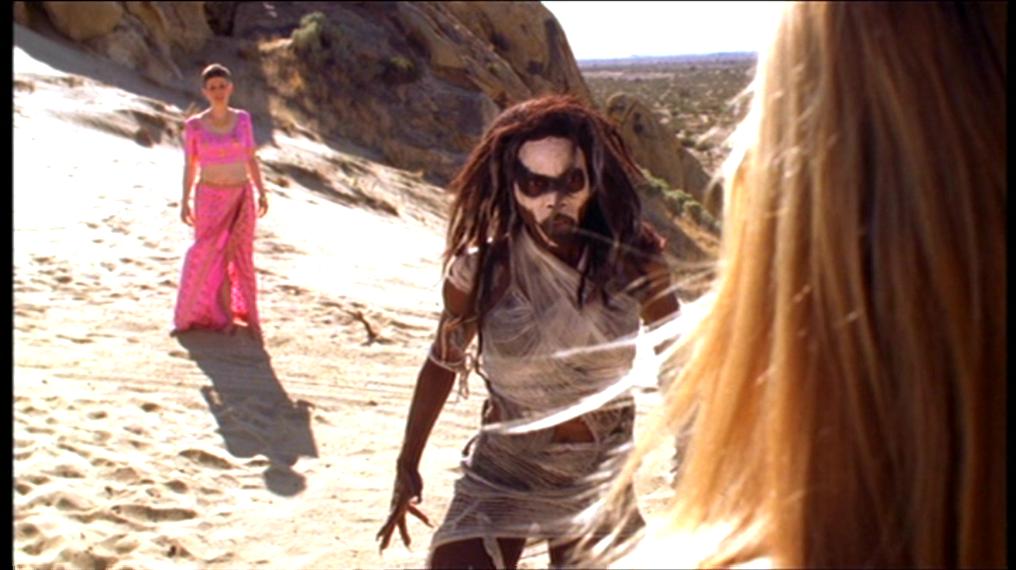
“Restless” took the form of a series of dreams sequences for Willow, Xander, Giles and Buffy in which each was stalked by the First  Slayer, a savage female proto-Buffy.

The dream sequences were perfect and spot-on, teasing viewers with suggestions of events that might come in the series. Who wasn’t intrigued by Spike’s declaration that Giles was teaching him to become a Watcher?

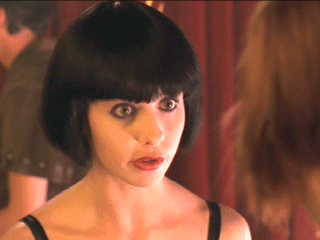
The episode also featured some faces from the past, including Seth Green as Oz, Phina Oruche as Giles’ girlfriend Olivia, Mercedes McNab as Harmony and Armin Shimerman as Principal Snyder.

Ultimately, “Restless” marked something of a departure for “Buffy” and for Buffy. Especially when the Slayer declared herself different from the slayers of old, demonstrating that the First Slayer and the conventions of the Watchers Council and past Slayers didn’t mean anything to her.

Random observations:

“Restless” was written and directed by series creator Joss Whedon a dozen years before he became a Hollywood sensation with “The Avengers.” Whedon imbued the episode with his trademark mix of thrills and humor.

The First Slayer isn’t the only thing primordial about this episode: Just before they fall asleep, the gang settles in to watch a movie on VHS!

Throughout the episode, a guy shows up and says something about cheese. Of all the odd moments in the episode that fans took as clues to the future, this one we felt we could laugh off.

The episode featured references to ongoing series developments, including Willow’s coming out. During her dream, Willow’s anxiety reached its peak when former flame Oz and current flame Tara snickered and smirked at her even as she succumbed to the First Slayer.

I love all the dream sequences, but Xander’s journey into an “Apocalypse Now”-style heart of darkness is hilarious.

The episode is peppered with references to characters and episodes past and future, including Faith the vampire slayer and Dawn, Buffy’s “little sister” introduced in the next season. You could even argue that Joyce’s appearance in a wall during Buffy’s dream sequence was a reference to her eventual death.

“Restless” is one of the great episodes of a great series.


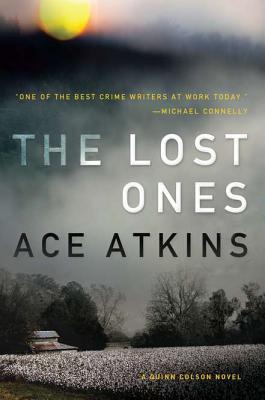
‘The Lost Ones’ good next step for Ace Atkins

After a few years as a writer of solid, entertaining crime novels, Ace Atkins drew a lot of attention among readers in the past year when he was chosen by Robert B. Parker’s estate to continue the beloved writer’s Spenser series. The result, “Robert B. Parker’s Lullaby,” was as good as anything Parker has written in recent years.

But Atkins is at his best when he plays with his own creations, including southern P.I. Nick Travers.

I’ve come to enjoy a new series by Atkins featuring Quinn Colson, an Army Ranger out of the military and back in his small Mississippi home town. Colson debuted in “The Ranger” and is back in “The Lost Ones.”

It’s no surprise that Atkins was chosen to continue Parker’s best-known series. He’s a straightforward writer prone to crime stories that feature a strong protagonist who knows right from wrong and pushes and pushes until the bad guys make a mistake.

In “The Lost Ones,” Atkins sets Colson, now the sheriff of Tibbehah County, against trouble from south of the border. An infant has been killed and Colson and dependable, sarcastic deputy Lillie Virgil and war buddy Boom find themselves dealing not only with a couple that buys and sells babies but also a crew looking to buy enough stolen guns to outfit an army.

Complicating matters are Quinn’s sister, Caddy, a true “lost one,” and his longtime friend Donnie, who’s catering to the gun buyers.

“The Lost Ones” is a satisfying read with an engaging set of characters. I look forward to Atkins’ next story about Colson and company.

Sci-fi alive and well in ‘Alphas,’ ‘Falling Skies’

It’s been a long while since I’ve expected the channel formerly known as Sci-Fi to give us much more than a lot of cheap and cheesy ghost hunting shows. Yes, the now-monikered SyFy has a few actual scripted science fiction shows. But from the channel that once aired “Battlestar Galactica,” the pickings are pretty slim.

So I’m happy to note one good sci-fi show currently airing on SyFy and, as a bonus, another that’s wrapping up its season on TNT.

The show approaching the end of its second season is “Falling Skies,” TNT’s post-apocalyptic drama about a group of survivors in the wake of an alien invasion of the Earth.

The first season showed the survivors, led by a history professor (Noah Wylie) and a military man (Will Patton) learning how to work together and avoid the spider-like alien invaders and their “Robocop”-type mech droids. The greatest threat they faced was the aliens’ aims to harness human youth, including one of Wylie’s sons.

This second season the humans have been journeying from New England to Charleston, South Carolina, where the U.S. government has been reforming.

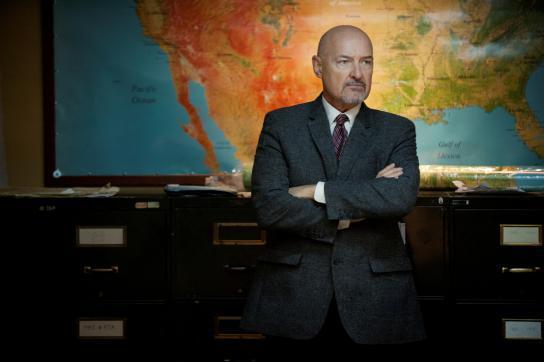
In tonight’s episode, the travelers reach Charleston and find one of Wylie’s mentors in a pivotal role. The mentor is played by Terry O’Quinn of “Lost” fame and if you have a feeling he’s more than what he seems … I’m right there with you.

“Falling Skies” airs tonight and then wraps up its second season on Aug. 19.

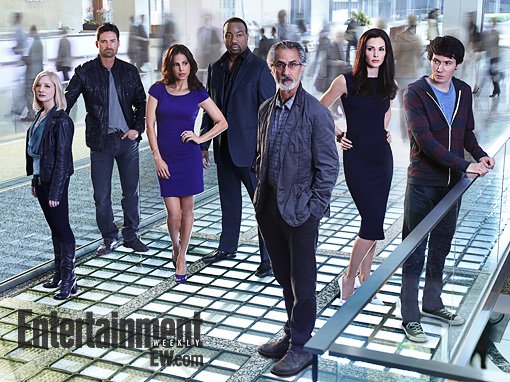
On SyFy, “Alphas” is one of the most entertaining sci-fi dramas airing right now. Almost a TV version of “X-Men,” the Monday night show features a group of people with special abilities – super strength, heightened senses, the ability to persuade others to do anything – under the direction of human doctor Lee Rosen (David Straitham).

The teams of Alphas is a diverse bunch, often conflicting with each other like the teams from the best comic book stories. Among the most intriguing: Gary (Ryan Cartwright), a young man with autism who can “read” electronic signals from cell phones and computers in the air; Bill Harken (Malik Yoba) a cop whose super strength takes a toll on his body; and – new to the series as of last week – Kat (Erin Way), a young woman who can quickly absorb knowledge and become expert on any subject or technique.

“Alphas” tells interesting “small” stories – including one about a man whose super-speed abilities made him grow old quickly; be was played by 1980s star C. Thomas Howell as a college-age kid who unfortunately looked middle-aged – against a backdrop of a bigger story: The government’s concerns about and control of the Alphas and a rival team of Alphas with leanings that will remind “X-Men” fans of Magneto and his brotherhood.

“Falling Skies” has a fairly dense history that will make the most sense if you seek out and watch past episodes, but “Alphas” is a fun series that you can jump into at virtually any point. They’re both recommended.