Classic TV: ‘Community: Advanced Dungeons and Dragons’

abed community dungeons dragons

Further proof the geeks have inherited the Earth: “Advanced Dungeons and Dragons,” a typically wonderful second-season episode of “Community,” which originally aired in 2011.

Other than a few melodramatic references in old TV movies, I’m not sure the role-playing game Dungeons and Dragons has ever had the broad awareness it has now, with references – sometimes uncomplimentary – on a variety of shows on the air in recent years.

There was almost certainly no D&D story on TV as great, as true-to-life and as funny as this “Community” episode, though.

community advanced dungeons dragons

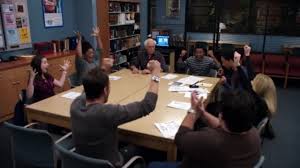
In “Advanced Dungeons and Dragons,” the Greendale study group plays D&D to befriend Neil, a fellow student with the less-than-charitable nickname “Fat Neil.” The study group, with a very shaky sense of the game, begins to play only to be interrupted by Pierce (Chevy Chase), the usually-unlikable group member. Pierce is outraged that he’s been excluded and forces his way into the game.

What the gang doesn’t suspect, however, is that Pierce has a plan.

The episode has genuine heart, but it’s also one of the funniest entries in the show. From Abed’s strict adherence to his role of Dungeon Master to Annie’s mimed performance as Hector the Well-Endowed to the relish of Pierce’s revenge … oh my gosh, so much goodness.

chang community dungeons dragons

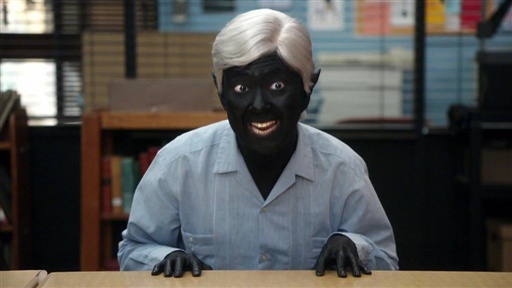
Shirley’s reaction to Chang’s “dark elf” makeup: “So we’re just going to ignore this hate crime?” Priceless.

‘Maplecroft’ brings the creeping horror

maplecroft cherie priest

Regular readers of this blog know I’m a fan of writer Cherie Priest, who became queen of steampunk fiction with her “Clockwork Century” series – kicked off by “Boneshaker” – about an 1800s America where the Civil War drags on for decades and a plague of zombies threatens the very existence of the country. Any series that combines spunky Seattle adventurers, Texas rogues and Abraham Lincoln is ambitious as can be.

I also really enjoyed Priest’s stories about Raylene Pendle, an “urban fantasy” heroine. I’m kind of disappointed there’s only been two books so far.

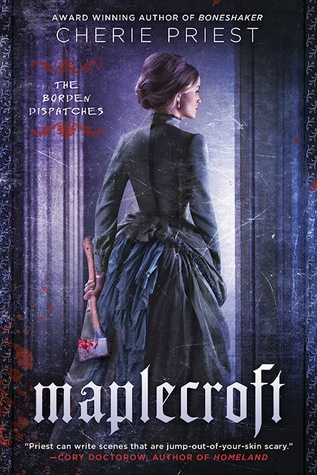
As fond of the “Clockwork Century” stories as I am, I think her latest, “Maplecroft,” is Priest’s strongest work yet.

For those of us who know little about the real-life Lizzie Borden – beyond the “40 whacks” childhood rhyme – Priest gives us a Victorian-era heroine who’ll remind you a bit of Buffy Summers. Borden is strong yet vulnerable and wields a mean axe in her battle with shambling, skittering death.

It seems that Borden killed her father and his wife for a good reason: They were possessed by the spirit of a sea creature not unlike Cthulhu, HP Lovecraft’s immortal demon-god.

In Borden’s little New England town, the sea is calling to people – and not in a romantic way. Infected by ancient stones and specimens of unidentifiable sea creatures, people are slowing turning into monsters with shark-like teeth and soggy, water-soaked bodies.

No one knows this, of course, but Borden and her sister, Emma, who live in the family’s mansion, two years after Borden has been acquitted of killing her father and his wife. The Borden sisters – and eventually a small and uneasy group of allies – fight off this watery invasion in what’s promised as the first in a series of novels.

There’s some fun action, a lot of nameless, faceless horror and some terrific characters in “Maplecroft,” which is totally not surprising to anyone who’s read Priest’s work. She has a knack for creating characters who, even when their fears and insecurities are laid bare, retain a lot of mystery.

“Maplecroft” is a horror/adventure novel for people who think they know the genre and think nothing new can be done. By going back to the beginnings of the horror genre, Priest brings her readers something that feels new and fresh and full of dread.

The case of the midseason finale

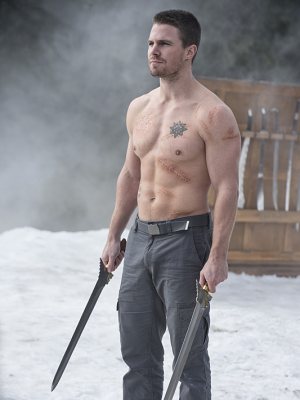
arrow left behind

When did winter finales and midseason finales begin? And what did we ever do before they existed?

I ponder this question after having watched the last episodes of “Arrow” and “The Flash” and “Agents of SHIELD” and “The Walking Dead” until January or February – some of them a couple of times now – and thinking about when this trend began.

If you’re not sure what trend I’m talking about: Sometime in the past few years, TV shows, which normally do not air fresh episodes in much of December or January, began calling their last episode before taking a break for a few weeks a “winter finale” or “midseason finale.”

Shows take breaks from new episodes for a few reasons. There’s apparently an ingrained belief that viewers aren’t watching during several weeks before and after Christmas, so there’s no point in burning off new episodes. I question this thinking and point to “Doctor Who,” which gets a new episode on Christmas Day itself each season. But those Brits are different all the way around.

So rather than just limping off our screens for a few weeks, after a Christmas-themed episode that aired just after Thanksgiving, series began airing a climactic episode – well, as climactic as an ongoing TV series ever is, given the need for an ongoing storyline that can run for several seasons – with a dramatic cliffhanger. (Almost literally, in the recent case of “Arrow.”)

And they began calling it a winter finale or midseason finale. So it feels important, you know.

I believe AMC and the producers of “The Walking Dead” might have started this trend. But “Arrow” and a lot of other shows have embraced it whole-heartedly.

So that’s why we see characters die or “die,” why villains are sometimes dispatched, why secrets are exposed.

And why we’re left wondering not only what happens next but how they’re going to top this in the spring, when their regular old season finale airs.

“SHIELD” left us hanging in its mid-season finale but promises something fun in the interim, at least, with episodes of the new prequel series “Agent Carter” beginning in January.

For the rest of these shows, we’ll wait and wonder. And marvel (no pun intended) at how networks and production companies have trained us to expect the middle of the season to end with a bang.

Classic horror: Universal’s ‘Mummy’ movies

Mummy's_Hand_

It’s hard to imagine how a shambling, vengeance-seeking collection of bones and old cloth ever became a horror film sensation.

And yet: The Mummy.

One of the classic Universal monsters, the Mummy might not have the same level of recognition and shivery admiration as Dracula or Frankenstein or even the Wolf Man, but he’s nevertheless a favorite for some of us, inspiring reboots in recent years and cameoing in movies and cartoons for generations.

Universal’s first entry in the series, “The Mummy,” was released in 1932 and starred Boris Karloff. Made at a time that the world was still fascinated by ancient artifacts discovered – some might say stolen from – ancient Egyptian tombs, the movie was more atmospheric and creepy than monsteriffic.

For me, the best of the Mummy’ moments came with the sequels.

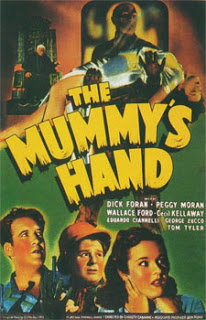
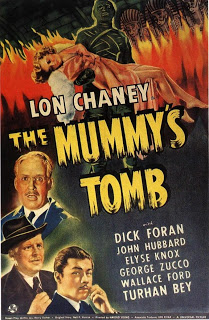
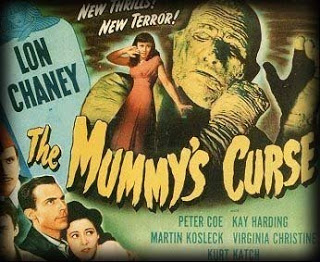
Beginning with the dawn of the 1940s, Universal released four sequels: “The Mummy’s Hand” (1940), “The Mummy’s Tomb” (1942) and “The Mummy’s Ghost’ and “The Mummy’s Curse” (both in 1944).

These movies portrayed the Mummy as a bandage-swathed, limping killer, sympathetic when he’s used by manipulative masters but an inexorable killer – granted, a slowly paced one – that stalks young women who are reincarnated versions of his lost love.

Tom Tyler, who had played Captain Marvel and was best known as a cowboy movie star, played the Mummy, Kharis, in the first sequel. This one was perhaps the creepiest for one of the Mummy’s features: Supernaturally dark eyes visible through gaps in his bandages.

The next three films betray the ever-cheaper budgets Universal was willing to allow for the movies. Each of the four sequels made use of footage from the earlier films, but the practice seemed more standard as the series wore on.

Mummys_Tomb

The three final films in the four-movie sequel series starred Lon Chaney – a star for Universal in “The Wolf Man” following in Tyler’s stuttering footsteps. It was a mark of how quickly Chaney’s star had fallen that he went from playing Universal’s most tortured and likable monster to being unrecognizable as the Mummy.

mummys curse

One of the oddest elements of the series was the passage of time, which meant that later installments took place in the 1970s – albeit a very 1940s-style 1970s.

The time jump was nearly equaled in “say what?” by the switch in locales from Egypt to the United States, finding the Mummy and his masters turning up in first Massachusetts then Cajun country.

As much as I love “Abbott and Costello Meet Frankenstein,” there’s something to be said for the comedians’ meeting with the Mummy in 1955 that, for pure and simple thrills and laughs, very nearly beats the A&C classic monsterfest that was originally released in 1948.

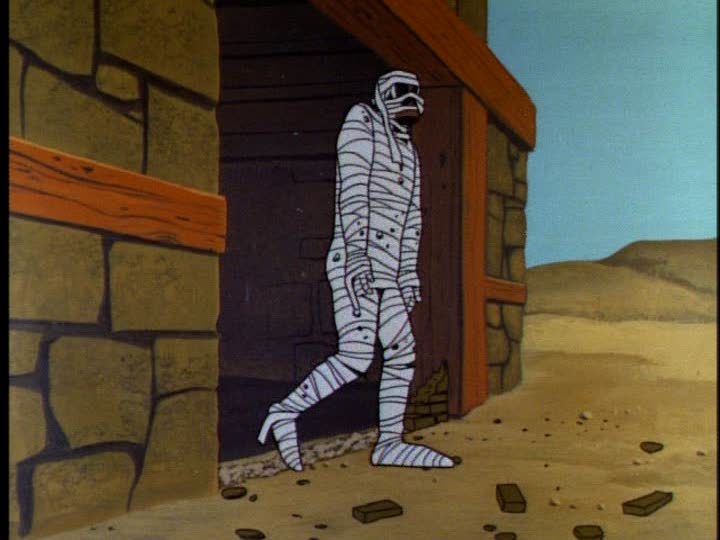
jonny quest mummy curse of anubis

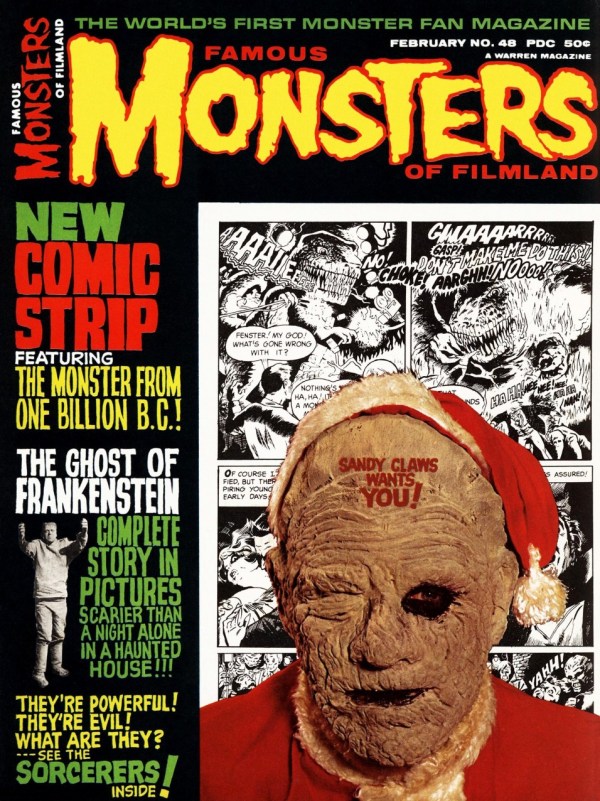
As for those cameos: One of my favorite episodes of “Jonny Quest,” the classic 1964 primetime animated adventure series, is “Curse of Anubis,” in which Jonny and the Quest gang go to Egypt when antiquities come up missing and murders are committed. There’s plenty of human villainy, of course, but striding through the mix is a mummy – maybe the Mummy. There’s no doubt the wonderfully atmospheric scenes of the Mummy stalking victims – sights familiar to anyone who had been watching the Universal films in their early TV showings – inspired plenty of goosebumps.

Not bad for a shambling bunch of bones.

… And we’re back. Hopefully.

homersimpsonsimpsoncrazy.com

If you’re a regular reader of this blog (thank you and bless you) you know it’s been pretty quiet of late.

I can’t blame anyone but myself for that, but I will say that my job, as rewarding as it is, has been exceedingly busy in recent months. That hasn’t changed, really, but I’m going to try to post more here even though I’m still writing a lot for my actual work.

Also: I’ll try to post the occasional iPhone photo here, but I’m pretty active on Instagram, where you can find me as, strangely enough, Keith Roysdon. Maybe all run together into one word. Hard to tell.

So I’m going to try to post more here, I’ll probably promo my work more through my pop culture Twitter account @Pop_Roysdon and hopefully we’ll all enjoy it.

Or, if you see that nothing has changed here, you know this post was just overly-optimistic bull.

So here goes nothing! (Maybe literally.)

Me, MeTV and Saturday night

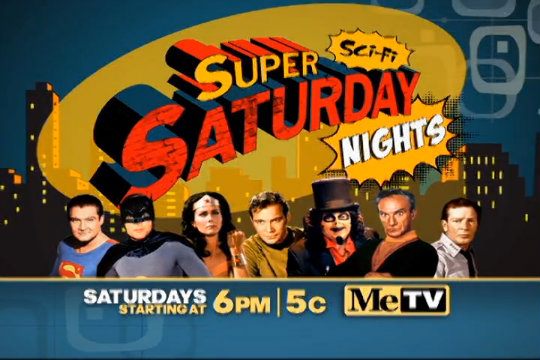
meTVsaturday

The weekend nights – Friday and Saturday nights, really – are and always have been special to young people. They were nights of freedom, with the promise of being able to stay up late because the next mornings were not school mornings.

I grew up watching “Sammy Terry” on WISH-TV 4 on Friday nights – a double-feature of classic and/or cheesy movies beginning at 11 p.m. – and “Science Fiction Theater,” a double-feature of more SF-oriented – as opposed to horror – movies without a host that aired on WISH on Saturday nights.

Of course, despite the enduring memories of Sammy Terry on Fridays, Saturdays have always had an edge is airing great old horror and science fiction. The legendary “Mystery Science Theater 3000” ended its run on the then-Sci-FI Channel on Saturdays (I still miss that viewing experience so much) and “Commander USA’s Groovie Movies” aired on USA Network in the latter half of the 1980s.

Considering I’m in the demographic for MeTV, it’s not a surprise that the channel, which specializes in airing classic TV of the 1950s-1980s, is one that I’m always checking out. And it’s not surprising that MeTV has me – and a loyal fanbase – hooked for its Super Sci-Fi Saturday Nights programming block.

MeTV’s Saturday night line-up has varied a bit over the past couple of years but has only grown more solid recently with its selection of TV shows and, as its crown jewel, the selection of classic horror films hosted by longtime Chicago horror host Svengoolie.

I’ve written about Svengoolie here before, but I’ll note for the record that the show, written, hosted and almost totally performed by Rich Koz, is perhaps the most entertaining geek-oriented two hours on TV right now.

That’s because of how much TV has changed in the past two decades.

With a proliferation of channels – and channels devoted to geek-friendly fare that include (now) SyFy – it seemed like a safe bet that lots of classic TV shows would be available to fill our days and late-nights.

(And yes, I know that virtually anything that airs on TV these days is available on disc, streaming or online. But I like a well-curated TV lineup.)

But any dreams I might have had of being able to see classic sci-fi or horror movies on these 24-7 channels were dashed when I saw what the channels actually chose to air: Tons of “reality” programming and hour after hour of reruns of network shows like “CSI.”

MeTV, which began airing in Chicago in 2005 and went national in 2010, appealed to Baby Boomers and others of nostalgic mindset by airing classic sitcoms and dramas.

The channel’s Saturday night lineup doubles down that appeal by programming for the growing geek base.

The night starts strong with episodes of “The Adventures of Superman,” the 1950s George Reeves series that hasn’t been widely seen in recent decades. That’s followed by the 1960s “Batman” series, the 1970s “Wonder Woman” series, “Star Trek,” “Svengoolie,” “Lost in Space” and “Voyage to the Bottom of the Sea.”

I’ve never been a big fan of the last two, Irwin Allen kids’ shows from the 1960s, but they’re good fare for insomniacs who haven’t been lulled into peaceful sleep by Svengoolie’s airing of some classic Universal monster movie.

And while “Wonder Woman” never met a villain she couldn’t subdue by throwing him into a swimming pool – just watch a few episodes; you’ll see what I mean – the Lynda Carter series plays nicely along with the campy “Batman” series and the crime-busting noir “Superman” show.

MeTV’s whole lineup is comfort food for those of a certain age, of course. Its Saturday night lineup is comfort food for geeks of a certain age.

‘Age of Ultron’ and our Marvel movie future

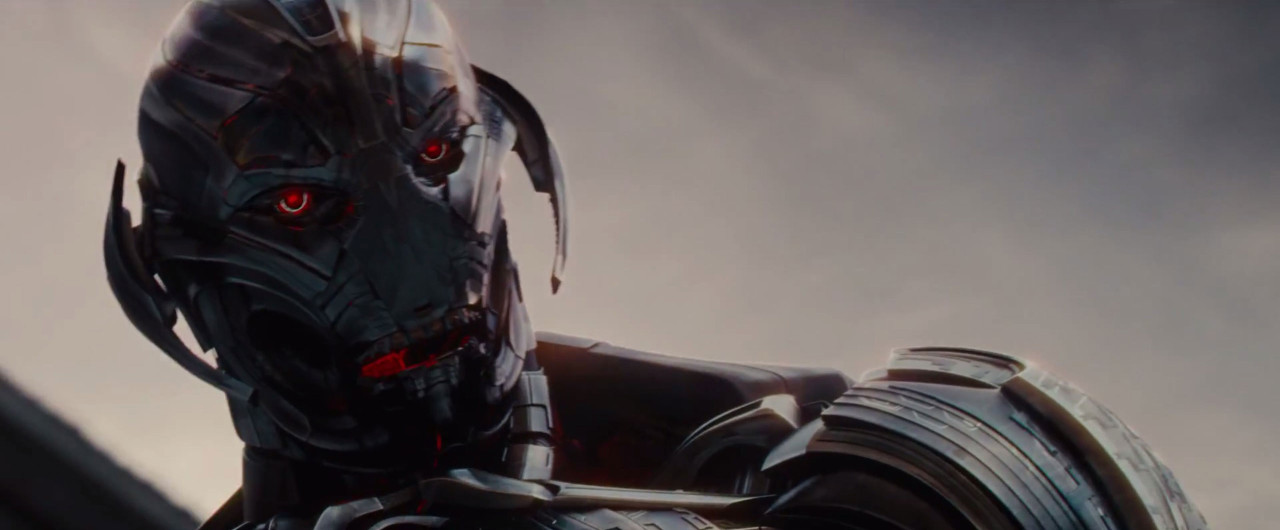
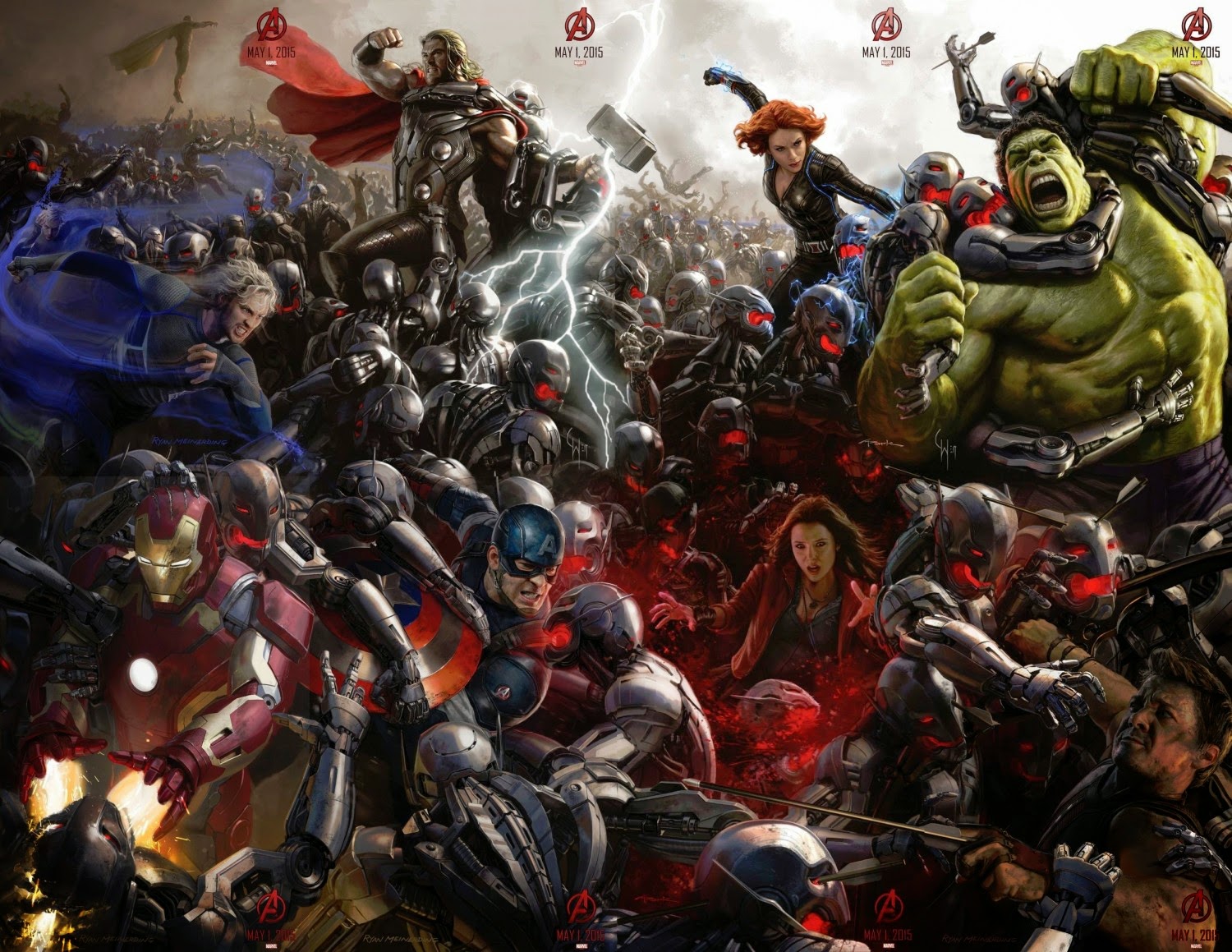
ultron avengers age of ultron

It’s probably an understatement that most of us geeks are looking forward to when “Avengers: Age of Ultron” opens in May.

There are a lot of comic-book movies coming – with more likely to be announced by Marvel in a mysterious event set for Tuesday – featuring Marvel, DC and other favorites.

But “Age of Ultron” is the one that everybody’s thinking about right now, in part because the teaser trailer was released this week and tens of millions of people have watched it.

I would guess that a few million of those people who watched the trailer were doing more than marvel – no pun intended – at the menace in James Spaders’ Ultron voice or the glimpses at Iron Man’s Hulkbuster armor.

The little hints at the future of the Marvel Cinematic Universe are beyond tantalizing.

We’ve been watching so closely, in recent Marvel movie credits scenes, for clues to what would happen with villain Ultron in the third “Avengers” movie.

Then Marvel didn’t dispute reports that the third “Captain America” movie would feature, alongside Chris Evans, Robert Downey Jr.’s Tony Stark and would likely follow at least some of the comic book “Civil War” storyline, which pit two groups of heroes, led by government skeptic Steve Rogers and government control freak Tony Stark, into a battle that would eventually lead to Rogers’ death and replacement, for a time, with Bucky Barnes.

avengers age of ultron poster

It all seems likely and seems to fit with Marvel’s ambitious plans.

We might know more Tuesday. In the meantime, we can continue to puzzle over the “Age of Ultron” trailer and what we’ll see when the movie opens in May.