Tag Archives: Lee Child

It should be obvious, but if you write, you’re a writer

I was interviewed for a podcast recently when I was back in Indiana promoting THAT OCTOBER and I ended a question with an off-hand comment that I’ve verbalized before but this interviewer said she really appreciated it.

“If you write, you’re a writer,” I said.

That seems obvious enough, but I think some writers feel like you’ve got to attain some particular level of success, or something, to consider yourself a real writer:

You’ve got to finish every story or article or book that you begin. You’ve got to publish every story or book or see it published. You’ve got to be paid for every one. You’ve got to be published by a prestigious site or magazine or anthology or publishing house, all to be considered a legitimate writer. (Now that I write that sentence, I can’t imagine what a “legitimate” writer would be anyway.)

None of those things are necessary to being a writer.

For certain, it’s a good thing to finish what you’re writing. That’s good discipline and a sign that you’re able to follow through, even if it’s not your best work. It definitely would be a cool thing to try to get every story or book you write published, but no way in the world does that happen to every writer (maybe to Stephen King or Lee Child, and probably not even them).

Getting paid or being published in some cool place is super and I highly recommend it. But that’s not the definition of being a writer.

Sitting down at your keyboard – that’s mine in the photo; please disregard the random junk in the keys – is part of the definition of being a writer. Or sitting down with your notebook or legal pad and your favorite pen.

You’re also a writer if you’re sitting in a comfortable space, staring out the window, watching random squirrels frisk their way past enjoying the sun, or watching the headlights and taillights of passing cars cutting through the dark. While you’re sitting there, you’re probably thinking about stories or coming up with ideas of ways to execute a scene. Or you might just be letting your imagination roam. You can do the same thing while mowing the lawn or watching TV or listening to music.

There’s enough anxiety and imposter syndrome for writers, and always has been, about writing or what they hope to write or what they have written to feel more of it because they’re not turning out a thousand sterling, perfect words every day.

If you’re exercising your imagination, if you’re mulling over characters or phrases or plots, if you’re making notes or writing it out longhand or you’re dashing out a couple of thousand words every day – even if you go back and start over – you’ve accomplished your goal.

You’re a writer.
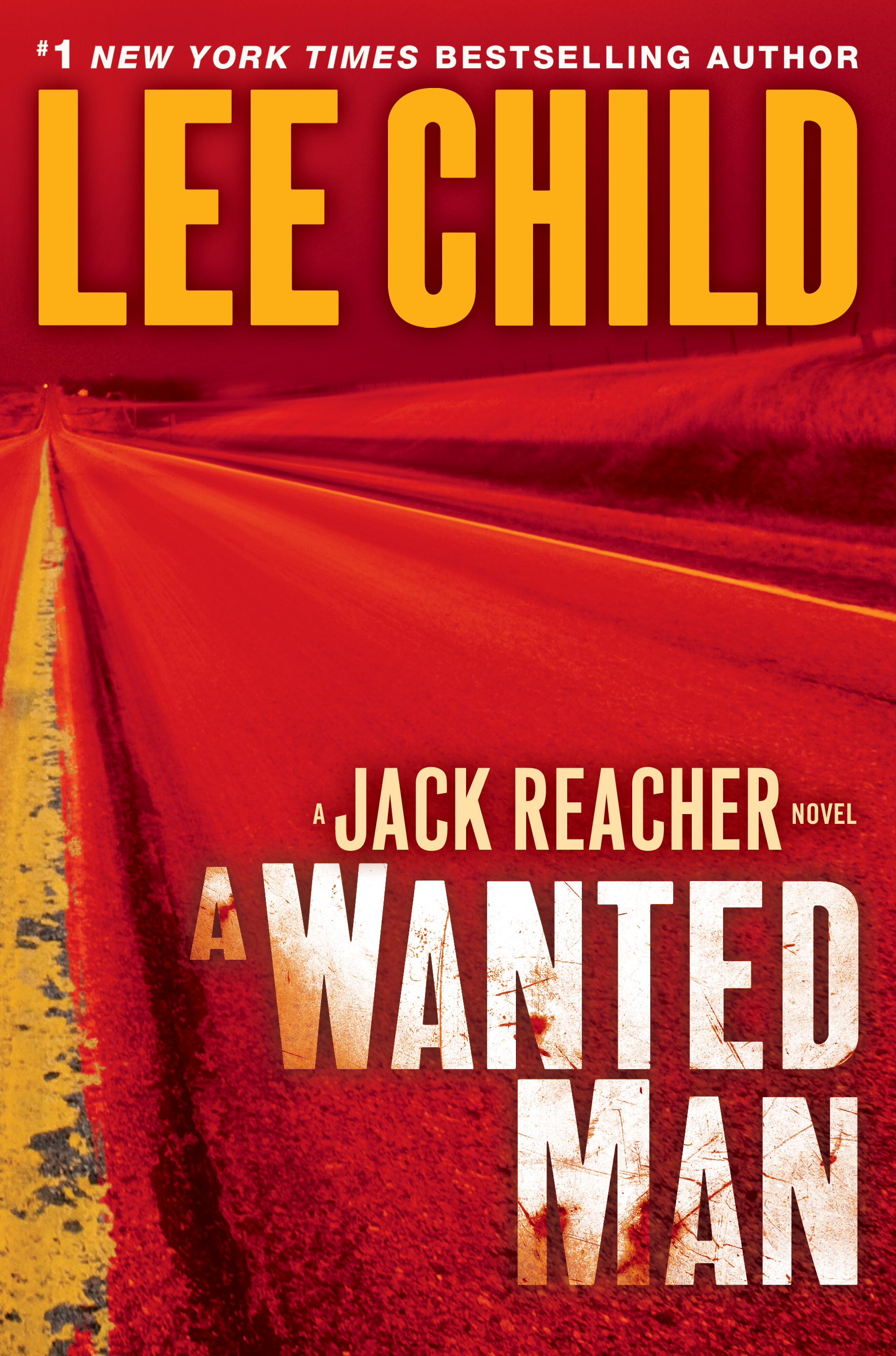
Reacher returns in ‘A Wanted Man’

lee child a wanted man

This is something of a Lee Child weekend. The Tom Cruise movie “Jack Reacher,” the big-screen adaptation of Child’s book “One Shot,” opened in theaters. I hope to see it and will let you know what I thought.

But first, I’m finally getting around to sharing my thoughts on “A Wanted Man,” the 17th (!) Jack Reacher novel written by Child, a British author who has met with curious success by writing about an ex military cop who wanders the interstate highways and back roads of the U.S.

A quick introduction, if you don’t know the Reacher character: Reacher is a former military police officer who has decided to give up house and home and regular employment and travel, by foot and bus and hitchhiking, the United States. From book to book, carrying only an old passport, an ATM card and a toothbrush, Reacher goes where the flow of traffic takes him.

He’s unencumbered by a house, family or even suitcase. He simply buys new clothes every couple of days as he ambles.

Inevitably, like Lassie and the Hulk, the ambler finds himself drawn into other people’s problems. And because he’s six-feet-five and a trained killing machine, he’s usually able to solve said problems.

In recent books Reacher’s been in the West, traveling slowly back to the greater D.C. area to meet a woman he’s had some dealings with. In “A Wanted Man,” Reacher gets a ride from two men and a woman traveling East.

Which is no small accomplishment since the ape-like Reacher looks supremely scruffy, with duct tape over his latest broken nose and sporting worn and bloody clothing.

But the threesome that picks him up isn’t worried about that. Reacher quickly finds that the two men are looking for more people to join them so they can escape the scrutiny of the law. And the woman is feeling especially desperate because she’s a kidnap victim.

The book is divided between the low-key but menacing car ride and its aftermath, as Reacher works with a reluctant federal agent to try to save the woman.

There’s government plots and double identities scattered through the book and an opportunity for the dryly funny Reacher to show off his combat skills.

“A Wanted Man” is good Lee Child Reacher fiction but maybe not the best. I’ve enjoyed some of his more recent stories of Reacher against a corrupt town or family a bit more. But good Lee Child is always a fun and entertaining read.

Let’s hoping it makes for good moviegoing too.


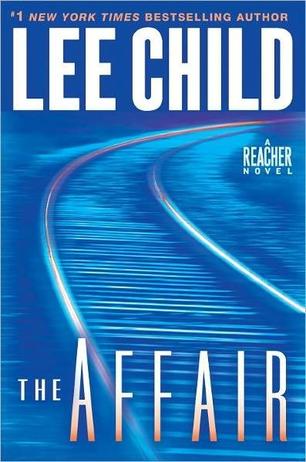
‘The Affair” shows how Reacher became Reacher

There’s something very pure about Lee Child’s Jack Reacher crime dramas. Almost as pure as Robert Parker’s Spencer books. Reacher is an ex military police officer who drifts around the country, helping people. Kinda like Lassie and the Hulk.

Child’s Reacher books have shown us how the protagonist handled everything from small-town bullies to government conspiracies. They’ve inspired a movie adaptation to star Tom Cruise, who is miscast. Reacher is a stoic giant of a man. Cruise … isn’t. So I guess we’ll see how that all turns out.

But one thing Child hasn’t done until now is tell us how Reacher became Reacher.

“The Affair,” Child’s most recent Reacher novel, flashes back to 1997, just a few months before the events of Child’s first Reacher story.

Reacher is still an Army MP, still taking orders from superior officers, even when they’re not really superior. And considering Reacher is a perfect physical specimen, an expert marksman, a man with an unerring internal clock and a deadly moral code, who would be considered superior?

As the book opens, Reacher is assigned to go to a town near a Mississippi military base, ostensibly to solve the murder of a young woman from the town but in reality to put a damper on the investigation. High stakes are involved, of course. Reacher’s most likely suspect is the son of a senator who has a taste for townies.

Reacher must balance the demands of the investigation, his own growing sense that his Army career is over, his affair with the town’s beautiful female sheriff and the usual assortment of bad guys who find themselves overmatched in battles of brains or brawn with Reacher.

Child’s books could feel predictable and too safe. I remember a moment in one of the later books when the bad guys broke Reacher’s nose and left him in a basement. It was the only real physical harm that I remember ever being inflicted on Reacher, and it was only momentary: Reacher quickly re-set his broken nose (in a painful scene that made me wince) and then decimated the thugs.

But Child has a knack for making the Reacher stories just right. Maybe it’s his capable, no-frills writing. Maybe it’s the detestable bad guys that Reacher takes on, or his likable allies. Maybe it’s Reacher himself, who is as amiable as he is deadly.

It will be interesting to see where the prolific author goes with this series. It would seem that this prequel tells us all we need to know about Reacher’s genesis and the previous book seemed to take him in a new direction, contemplating a romantic rendezvous of some substance.

Like a lot of other readers, I’ll be eager to see where Reacher ends up next.