Tag Archives: writing-life

Writing is one of the few privileges anyone can embrace

I’m not sure what I’d be doing if I wasn’t writing.

Talking about that possibility with family members in town for a visit yesterday, one of them wondered what I’d be doing if I hadn’t kept writing when I took a buyout from the newspaper business seven years ago. I went on to write three novels, a couple more true crime books, 73 or 74 pieces for CrimeReads, 55 for another site, eight or 10 for another (now defunct) site, a few for a couple of other sites … plus dozens of press releases, short stories and more.

What would I do if I wasn’t writing?

Well, reading, of course. That’s been the oldest constant in my life (other than breathing and eating), from the Marvel Comics a friend gave me in the 1960s to books and stories aimed at young people.

But I can’t imagine a life without writing.

It seems to me that writing is not only the dominant optional privilege in my life but it could be the privilege that anyone can enjoy.

(This thought goes hand in hand with my belief that ir you write, you”re a writer, regardless if you are published or even disseminated in any way.)

The fundamental act of writing changed me. Decades of news writing made me think better and all the qualities that go with it, especially the ability to look at a circumstance critically.

I don’t think I’m a great writer. I think I am, at best, a clever writer and a sympathetic writer. Sometimes. Writing helps make me that.

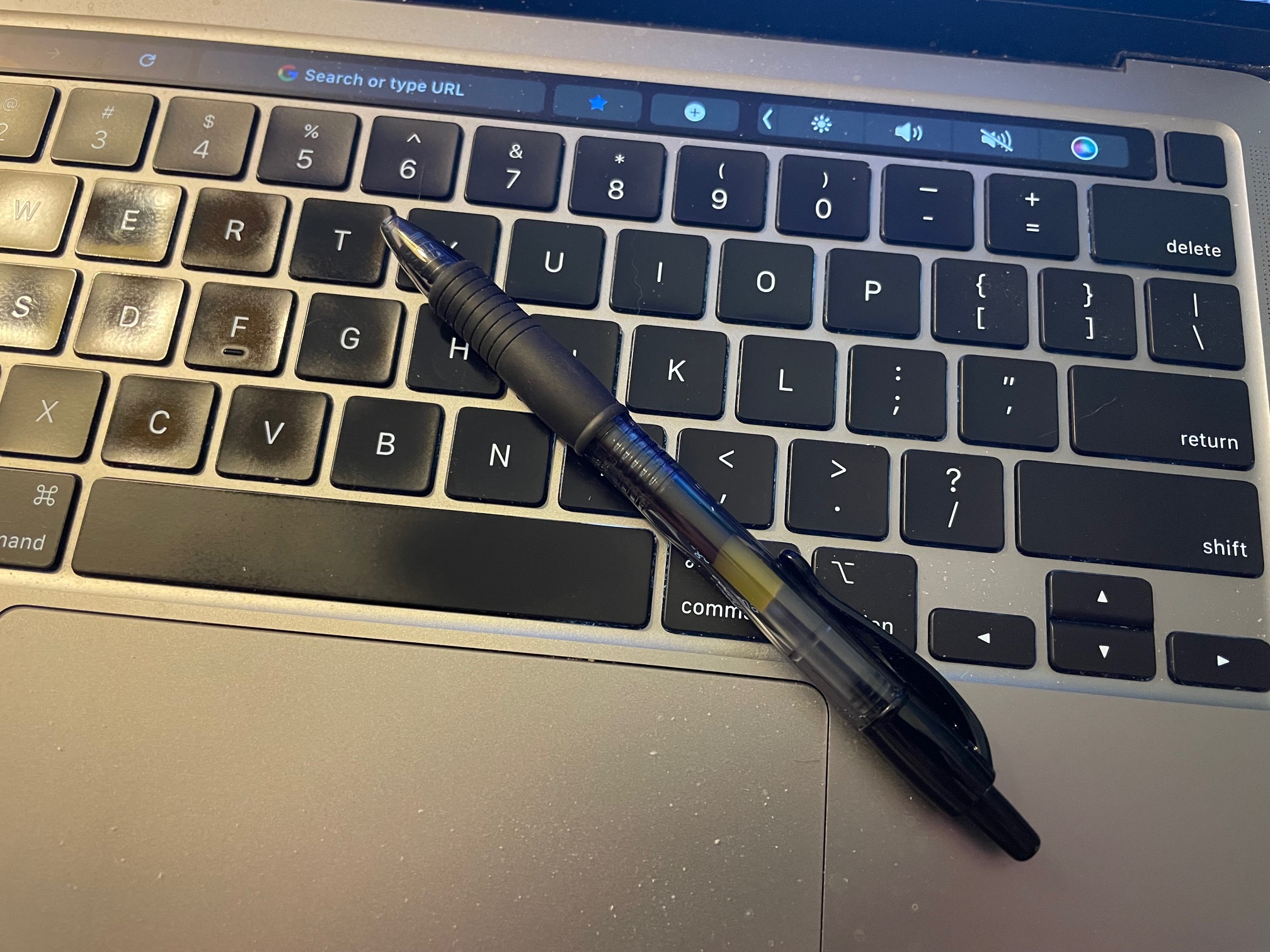
And the best thing about writing is that you can do it at very little cost. Of course, thinking about writing is writing, in my opinion, and I’ve got this (aging) MacBook that lets me put together words.

But really, if I didn’t have that tool, i could write in a notebook or even scraps of paper.

Writing isn’t precious. Writing doesn’t care how much money you can afford to write.

For me, writing is in some ways the most consistent thread in my life. In many ways, it’s the most satisfying, but it’s certainly the longest-running and the one that feels among the most important.

It should be obvious, but if you write, you’re a writer

I was interviewed for a podcast recently when I was back in Indiana promoting THAT OCTOBER and I ended a question with an off-hand comment that I’ve verbalized before but this interviewer said she really appreciated it.

“If you write, you’re a writer,” I said.

That seems obvious enough, but I think some writers feel like you’ve got to attain some particular level of success, or something, to consider yourself a real writer:

You’ve got to finish every story or article or book that you begin. You’ve got to publish every story or book or see it published. You’ve got to be paid for every one. You’ve got to be published by a prestigious site or magazine or anthology or publishing house, all to be considered a legitimate writer. (Now that I write that sentence, I can’t imagine what a “legitimate” writer would be anyway.)

None of those things are necessary to being a writer.

For certain, it’s a good thing to finish what you’re writing. That’s good discipline and a sign that you’re able to follow through, even if it’s not your best work. It definitely would be a cool thing to try to get every story or book you write published, but no way in the world does that happen to every writer (maybe to Stephen King or Lee Child, and probably not even them).

Getting paid or being published in some cool place is super and I highly recommend it. But that’s not the definition of being a writer.

Sitting down at your keyboard – that’s mine in the photo; please disregard the random junk in the keys – is part of the definition of being a writer. Or sitting down with your notebook or legal pad and your favorite pen.

You’re also a writer if you’re sitting in a comfortable space, staring out the window, watching random squirrels frisk their way past enjoying the sun, or watching the headlights and taillights of passing cars cutting through the dark. While you’re sitting there, you’re probably thinking about stories or coming up with ideas of ways to execute a scene. Or you might just be letting your imagination roam. You can do the same thing while mowing the lawn or watching TV or listening to music.

There’s enough anxiety and imposter syndrome for writers, and always has been, about writing or what they hope to write or what they have written to feel more of it because they’re not turning out a thousand sterling, perfect words every day.

If you’re exercising your imagination, if you’re mulling over characters or phrases or plots, if you’re making notes or writing it out longhand or you’re dashing out a couple of thousand words every day – even if you go back and start over – you’ve accomplished your goal.

You’re a writer.