Tag Archives: Marvel Cinematic Universe

SPOILERS for THUNDERBOLTS and you know what …

Hype is a thing. And hype might be THE thing in the movie business.

Beware – some spoilers ahead.

I won’t tell you that if you didn’t see THUNDERBOLTS* during its opening weekend that social media is determined to spoil it for you, but Marvel and many other social media accounts are hyping the holy hell out of one of the final big twists for the film.

SPOILERS HERE:

In the final scene of THUNDERBOLTS*, the reveal of what that asterisk was all about comes as they’re announced as the New Avengers. This puts them into conflict with the Avengers team that Sam Wilson, the new Captain America, is going to put together at then-president Thunderbolt Ross’ request. There’s even a reference to Sam threatening to sue the scrappy team of anti-heroes who never really accepted the name Thunderbolts.

If you know some Marvel history, you know that in the late 1990s, the comic book company decided to spin off the Avengers and the Fantastic Four into their own universe.

To fill the void – no pun intended, if you’ve seen THUNDERBOLTS* – in the Marvel comic book universe we know, where Spider-Man and the X-Men were still operating, a new Avengers team was put together in a comic book titled “Thunderbolts.”

The secret, revealed at the end of that first comic, was that the new Avengers were not heroes at all, but were actually the supervillain team the Masters of Evil.

They were villains who pretended to be heroes, although eventually many of them warmed to the idea of doing actual heroic deeds and grew into heroic roles.

The movie THUNDERBOLTS* put a nice spin on this, with shady anti-heroes coming together to save the world. And at the end, in a manipulative political move, they are dubbed the New Avengers.

The funnier or, alternately, more frustrating element of all this as related to the movie THUNDERBOLTS* is that beginning Monday morning (this morning as I write), Marvel has saturated social media sites with the film’s supposed “new title” THE NEW AVENGERS and posted video of the cast revealing the name and even Winter Soldier actor Sebastian Stan “covering” a THUNDERBOLTS* bus stop poster with one featuring the new title.

It’s a great publicity stunt that pays off months of speculation about what the asterisk at the end of the THUNDERBOLTS* title meant.

It you didn’t get caught and spoiled, you might agree.*

*Or not.

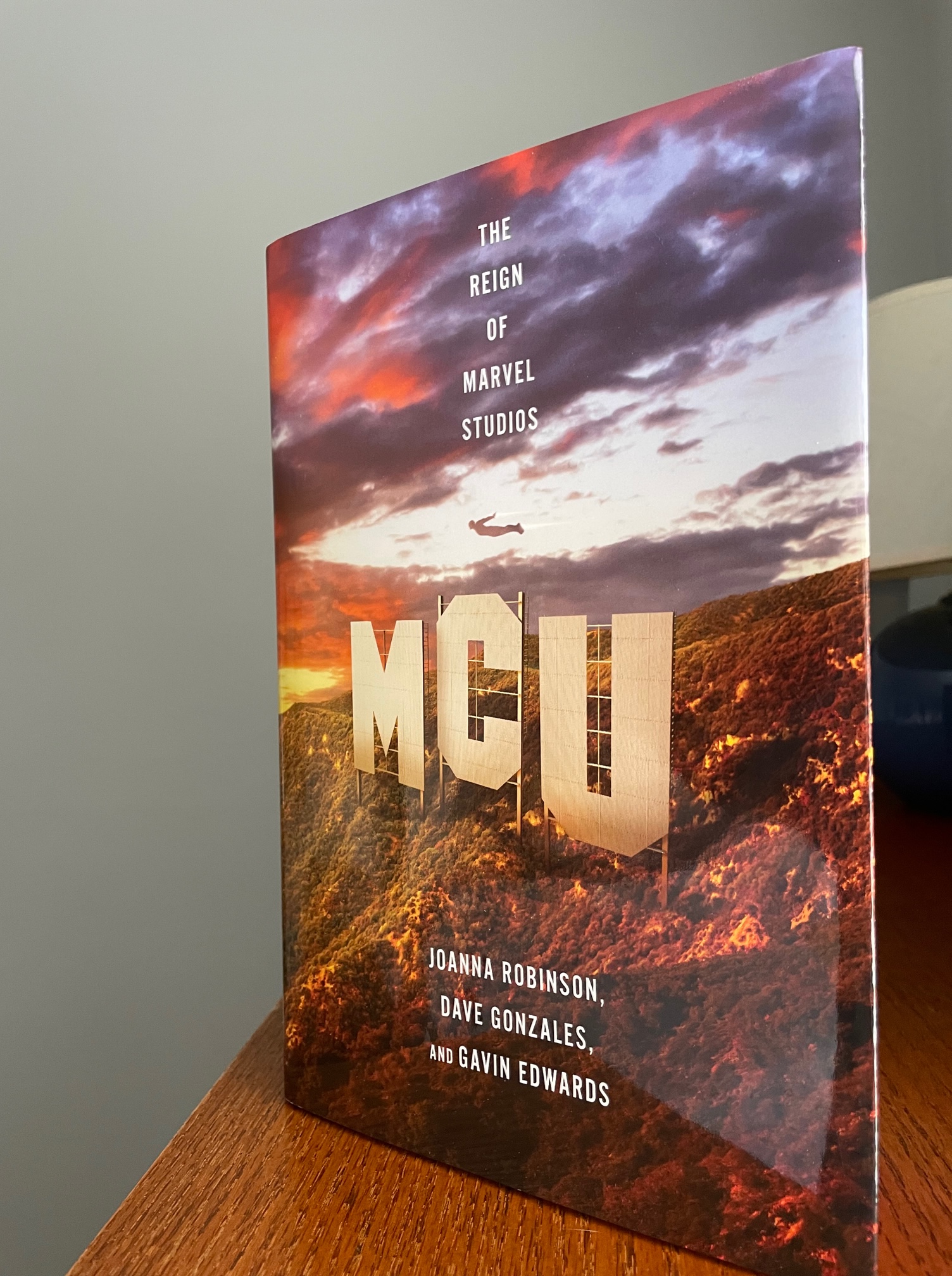
‘MCU’ has history, gossip and behind-the-scenes of Marvel movies

Since the modern Marvel Cinematic Universe – not counting the “X-Men” or “Spider-Man” movies of the 2000s – began in earnest with “Iron Man,” I’ve followed the development of the MCU with pretty keen interest.

Nevertheless, there are tidbits and pieces of intrigue and behind-the-scenes details of the movies in “MCU: The Reign of Marvel Studios” that I was never aware of or had forgotten. That makes the book must-reading for fans of the movies and, going back several decades, the Marvel comics of my youth.

“MCU” is written by Joanna Robinson, Dave Gonzales and Gavin Edwards and came out in October 2023, just as some of the MCU films were struggling or would soon struggle to find the audience previous films in the series found – and found so thoroughly that its easy to say that Marvel Studios had revolutionized Hollywood. DC and other companies tried to imitate Marvel – hence Universal’s abortive monster movie series – and created their own cinematic universe. None worked as well as Marvel’s effort, to a great extent because the Marvel characters and decades-long storylines are so strong but also because for much of the most successful part of its history, the MCU was overseen by producer Kevin Feige.

In the book – which the authors say initially received cooperation from the actors and filmmakers but lost access as the research process went on and the films became less well-received – Feige is portrayed as some kind of wunderkind, a creative producer who understood the characters created more than a half-century before. At least, Feige understood what was marketable about those characters, prominent and obscure, and their storylines.

Feige is a bit of a cypher to the world at large and that’s reflected in “MCU,” which paints him as a nice-enough guy who turned his knowledge of the Marvel history and the depth of its bench – a thousand characters or more to play with – into a series of films that became the closest thing to a sure thing in Hollywood in the past 20 years.

Most of the MCU films have been crowd-pleasers and money-generators and sometimes, as with films like “Black Panther,” won critical acclaim. Sometimes it seems as if Feige’s talents are to find good creative types – directors like Ryan Coogler and writers and directors like the Russo brothers – and let them loose. Other times, popular opinion is that Feige and Marvel – in its early days seen by executives simply as a toy delivery system – are seen as dominating and off-putting. The times they let directors have their heads and it worked out, the movies were great. The times they let directors have their heads and it didn’t work out, the directors were replaced early in production.

The “MCU” book feels pretty current. It slightly predated the release of “The Marvels” – really a pretty fun movie that was shunned by many Marvel fans – but it does touch on, in a bit of a rush, the period in the late 2010s and pandemic days when movies were delayed and delayed and Disney Plus series were hit and miss. (More hit than miss, at least in my opinion, and only in the first couple of years.)

I’m one of those Marvel fans who grew up reading the earliest “Fantastic Four” and “Avengers” comics as they were handed down to me by an older neighbor. I’m not a lifelong reader or collector, but I try to follow what’s going on.

Count me among those who never expected the characters and stories of my youth would be made into movies that were actually good, with clever scripts, great casts and special special effects.

“MCU” is a treat, filled with little behind-the-scenes tidbits – who was originally considered for which character, what decisions were made that probably helped or hindered the filmmakers – for those of us who have been around forever and those who came to the Marvel universe because of the movies.

Welcome to the low-rent universe

war-of-the-colossal-beast

It’s news to no one that shared universes are the big thing in movies right now

Marvel began building its shared cinematic universe in 2008 with “Iron Man” and has announced plans to continue it through at least 2020. Not to mention Marvel’s TV entries in that shared universe, like “Agents of SHIELD,” “Agent Carter” and “Daredevil,” the latter debuting on Netflix in April as the first in a series of “street-level” hero shows that will culminate in a “Defenders” series.

Of course, DC/Warner Bros. are trying to get their superhero universe going; Sony wants a “Spider-Man” universe but I’ll believe it when I see it.

And Universal has announced a shared universe of remakes of its 1930s and 1940s monster films featuring Frankenstein, Dracula and other creatures. I’m still pondering that one for another entry here.

So the other day, a movie company that I’ve never heard of, Cinedigm, announced plans to create, of all things, a shared movie universe. But using what classic cinematic tales?

The 1950s and 1960s exploitation movies of American International Pictures.

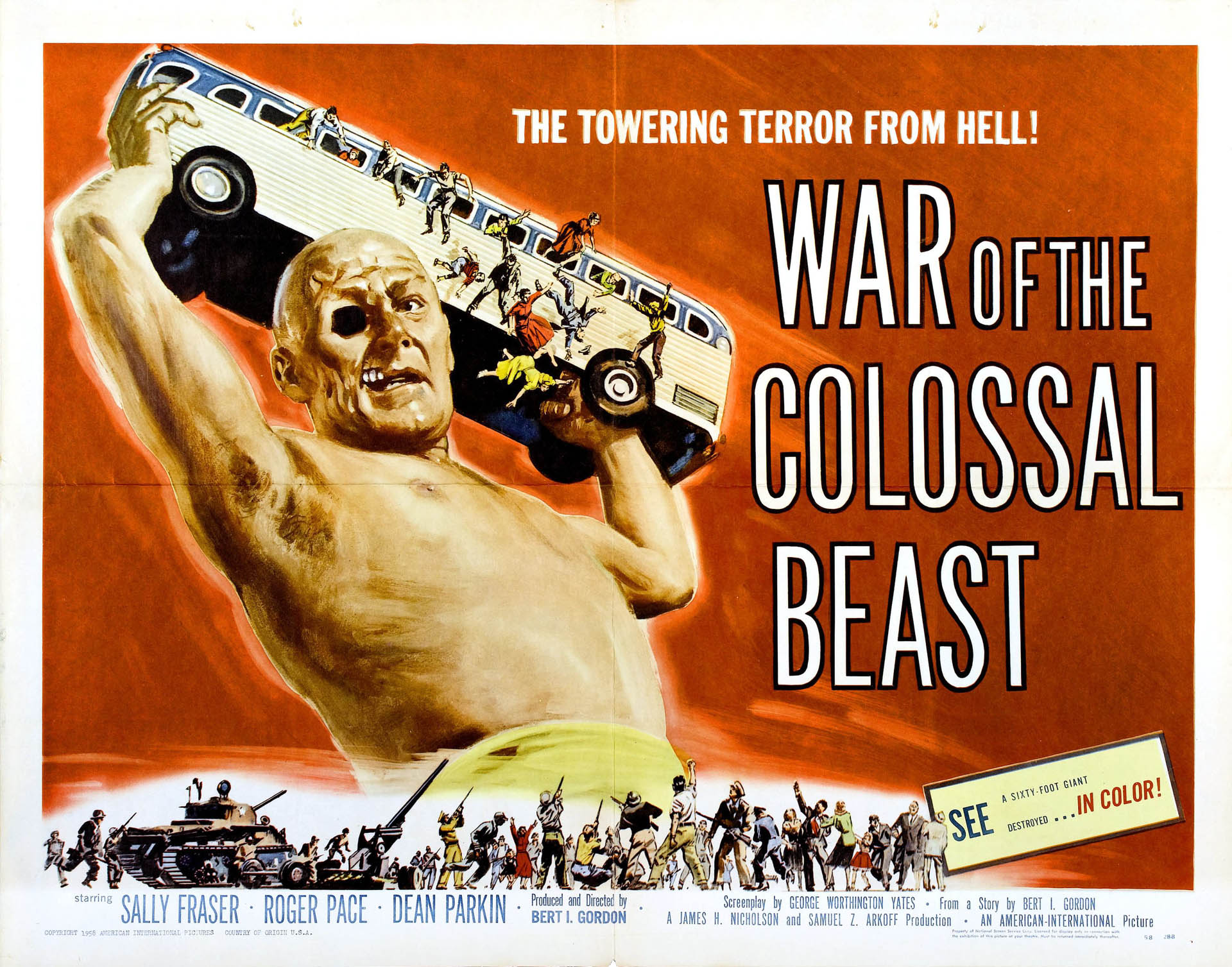
Specifically, 10 films: “Girls in Prison,” “Viking Women and The Sea Serpent,” “The Brain Eaters,” “She-Creature,” “Teenage Caveman,” “Reform School Girl,” “The Undead,” “War of the Colossal Beast,” “The Cool and the Crazy” and “The Day the World Ended.”

Strangely enough, I like this idea.

Marvel has this kind of thing perfected, down to an art and a science. I’m not sure DC’s superheroes will ever really come together on the big screen because of, I believe, a wrong-headed approach that seems more like Warner Bros. is ashamed of comic books.

But the AIP films, some of which were originally directed by low-budget auteur Roger Corman?

That’s genius.

Not because the company says it intends to shoot all 10 movies back-to-back from recently-completed scripts. Not because remaking these old AIP classics for cable TV a while back worked so well.

Because these dimly-remembered movies are perfect fodder for the remake machine.

Somebody once said that if you were going to remake a movie, don’t remake a classic. How could a remake of “Psycho” possibly work? (It didn’t.)

But with the AIP flicks, most people won’t be comparing them and, unless the remakes are horrible, they won’t be comparing them unfavorably.

And the idea of a universe shared by the monstrous, mutated “Colossal Beast” and the juvenile delinquents of “The Cool and the Crazy?” How can that possibly work?

The producers say the movies will share “a recurring cast of antiheroes, monsters and bad girls.” I can’t say that’s a bad idea and I base that on what Marvel has done with its movies.

Really, consider how improbable it might have looked, 10 years ago, to propose a shared universe that would include a bone-crunching political thriller, a good-natured space opera, a Nordic fantasy world and a rampaging monster movie. Yet “Captain America: The Winter Soldier,” “Guardians of the Galaxy,” the “Thor” movies and the Hulk’s appearances all worked.

Who’s to say those juvenile delinquents won’t end up fighting alien invaders to big box-office returns?

Stranger things have happened.

Edgar Wright, ‘Ant-Man’ and the Marvel Cinematic Universe

ant-man-test-shot

The news today that Edgar Wright would no longer direct “Ant-Man” – but that the movie, set to kick off the Marvel Cinematic Universe’s Phase Three, immediately following 2015’s “Avengers: Age of Ultron” would continue under another director – seemed like a bump in the road that Marvel’s been building since before “Iron Man” came out in 2008.

Maybe a major bump.

It’s possible we’ll find out what “creative differences” occurred between Wright, maker of “Shaun of the Dead,” and Marvel and MCU honcho Kevin Feige. These things happen, but aside from some disgruntlement from writers and directors and Jon Favreau’s departure after “Iron Man 2,” we haven’t seen a lot of discord in the Marvel Cinematic Universe.

As a matter of fact, compared to DC/Warner Bros.’ problems getting its superhero slate booted up, Marvel has had a pretty smooth time of it. Despite the fact that Marvel is somewhat notoriously cheap in its movie-making.

But Wright’s departure, we have to believe, doesn’t come about because of money. There must have been some fundamental disagreement in how “Ant-Man” was going to come out and how it would fit into the MCU.

What’s even stranger is that Feige recently said that Wright – who has been working on “Ant-Man” since 2006, before most people even knew there was an MCU – was integral in how the universe was developed.
Feige said:

“We changed, frankly some of the MCU to accommodate this version of Ant-Man. Knowing what we wanted to do with Edgar and with Ant-Man, going years and years back, helped to dictate what we did with the roster for Avengers the first time. It was a bit of both in terms of his idea for the Ant-Man story influencing the birth of the MCU in the early films leading up to Avengers…”

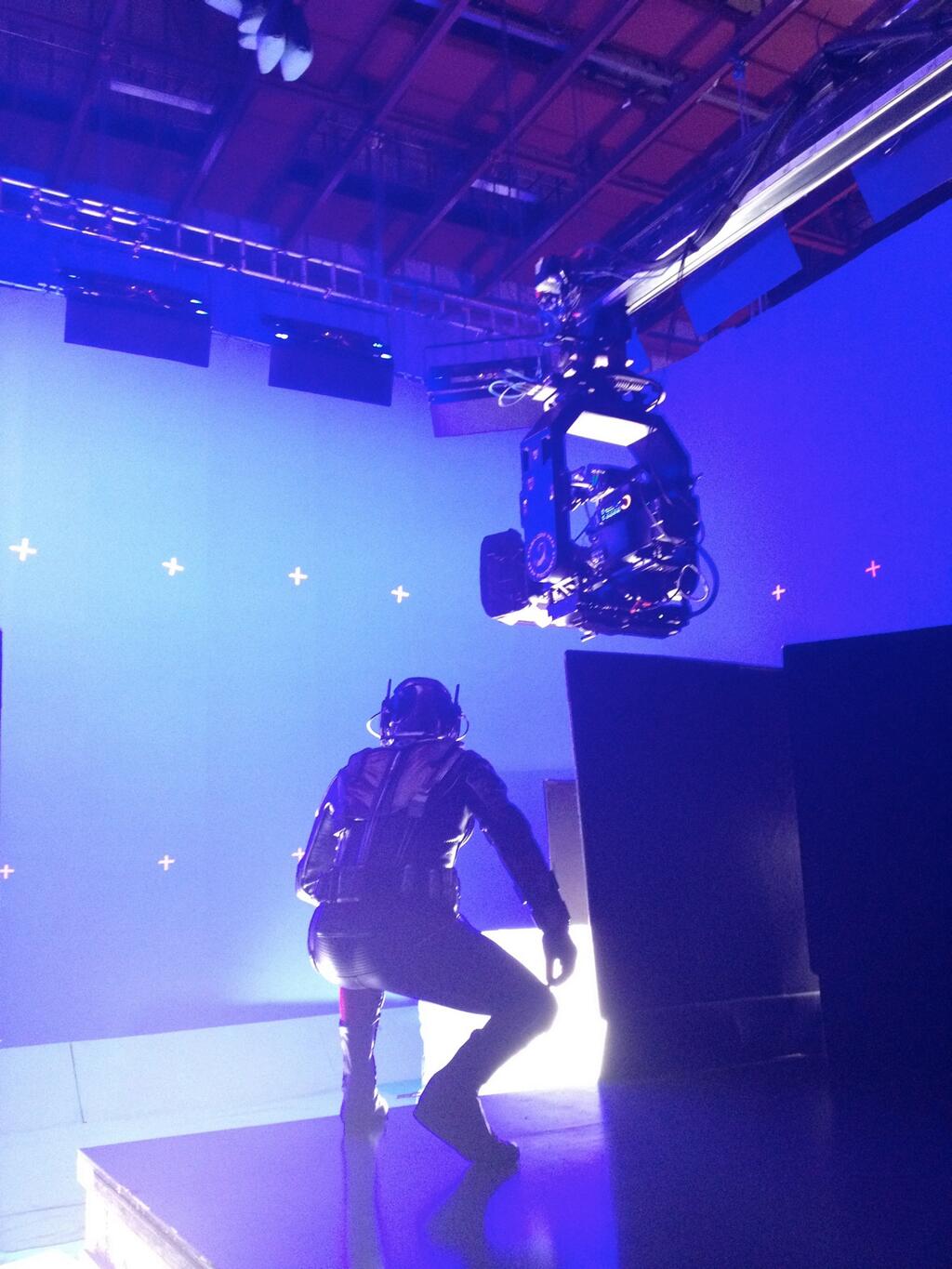
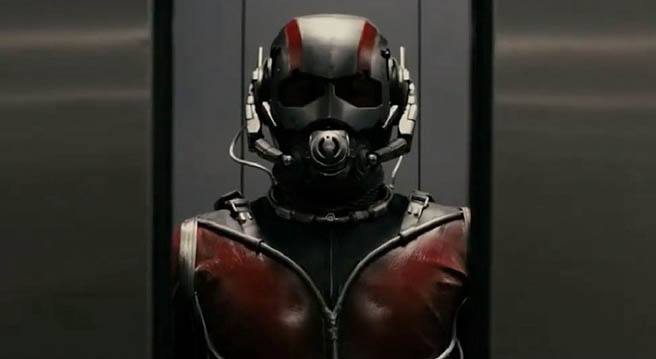
Since the movie has mostly been cast, with Michael Douglas and Paul Rudd as older and younger Ant-Men Hank Pym and Scott Lang, and the movie was about to start filming soon, it seems unlikely we’ll see major changes in the story. More likely it will be a matter of tone and execution. Wright was going to do his movie his way and Marvel couldn’t abide by that.

ant-man-movie-test

I was excited about “Ant-Man” for a couple of reasons. For one, the character is a lynchpin of the comic-book Marvel universe. He was a founder of “The Avengers,” for pete’s sake.

And the apparent plan to use “Ant-Man” to flesh out the mostly unexplored middle years of the MCU – with Douglas as Pym active in flashback scenes in the 1960s or 1970s – was even cooler.

We still might see that all play out.

Or we might not.

“Ant-Man” might be terrific even without Wright. After all, we all hated the thought of Favreau leaving the “Iron Man” series.

We’ll all be lucky if the MCU can continue on smoothly after this bump in the road.