
This is ancient history – actually, that would be a good name for this site – but there was a time in the 1970s when “Star Trek” looked deader than one of Dr. Leonard McCoy’s patients. The original series had ended nearly a decade before, the show’s creative minds were waffling between making a new TV series and a big-screen movie – I don’t have to tell you how the success of “Star Wars” in 1977 made up their minds to produce a theatrical film – and it was not at all certain the franchise – which isn’t a word that was commonly applied to creative properties back then – would continue.
So Paramount’s decision to hire director Robert Wise to make “Star Trek: The Motion Picture” was a pivotal moment in the … well, franchise.
I can’t describe to you today what it was like to be watching a syndicated rerun of the original “Star Trek” series one Sunday morning on an Indianapolis TV station in 1979 and see a commercial for “The Motion Picture.” My friends and I in our local “Star Trek” club had been keeping up on the making of the film, of course, so it wasn’t a surprise. But it damn sure was a thrill. (Say what you will about the first movie, but we anticipated it like crazy.)
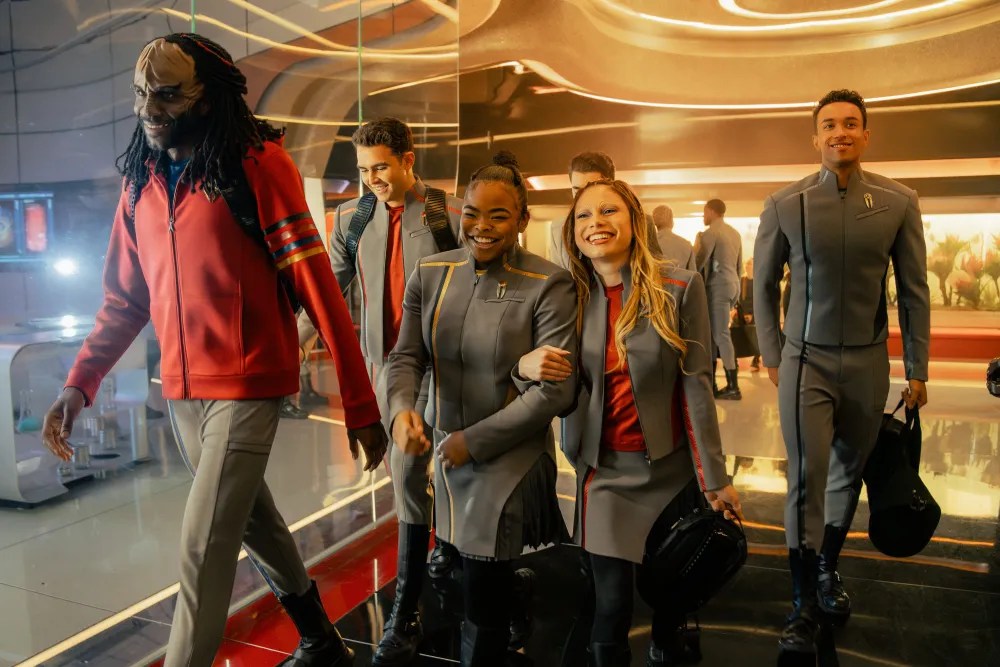
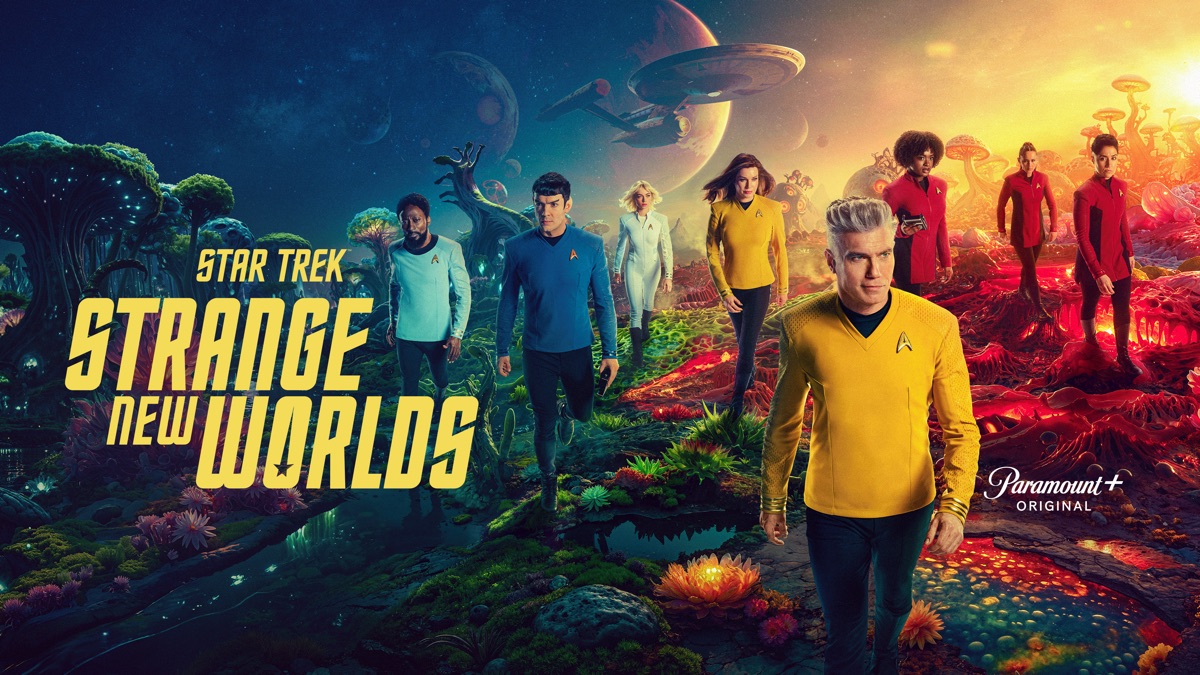
Fast forward to spring 2026 – it is spring, isn’t it? – and “Star Trek: Starfleet Academy” has been canceled after its first season on the Paramount Plus streaming service. A second season has already been filmed and will air, I guess, on the streamer, as well the fourth and fifth seasons of “Star Trek: Strange New Worlds,” which have already been made and which has already been canceled.
I’m not inclined to support Paramount because of its repugnant politics, but I gotta say I’ve stuck around with the service in part because of the chance to see new “Trek” episodes. These cancelations aren’t giving me many reasons to stick around longer.
I know plenty of people who are so sick of working in restaurants and stores and even patronizing restaurants and stores and hearing music from a half-century ago playing on the Muzak. When will Boomers die and take their music and their franchises with them? I’m at the tail-end of the Boomer generation and I wonder that sometimes too.
But we’ve reached a point here in which we might see an end to, or at least a hiatus of, some long-running franchises.
“Doctor Who” is at a crossroads with the latest season of the show, which began in the 1960s, ending (except for a purported Christmas special still to come this year) and Disney opting out of future involvement.
The “Star Wars” franchise – HOW MANY TIMES WILL HE USE THAT WORD? – had substantial success with the recent “Andor” series and some uncertain promise with the “Mandolorian” movie – or has interest in that story and the lil Yoda kin dude already faded? When will we get “Star Wars” stories that aren’t immediately adjacent to the Skywalker family saga? And will we accept them if and when we do?
I suppose it’s logical enough to ask how much longer Marvel movies and TV series will continue to be made, but while the Marvel Comics world has been around for more than 60 years the MCU hasn’t been around for 20 yet. And a big hit movie will clinch the MCU as an ongoing thing.
As a matter of fact, a big hit lifts all boats. And studios are loathe to give up on any intellectual property, which is why we’re going to see more “Lord of the Rings” and “Harry Potter” shows and movies. We’ll someday see more Indiana Jones, I’m sure, and we’re already seeing more Godzilla. And I did a whole piece for CrimeReads about the Universal Studios monsters and their undead – undying – popularity.
As for “Star Trek,” it’s a shame that things – a new series? a new movie? – are so up in the air this year, the 60th year of the intellectual property.
But I’m sure the franchise will be back with some hit and life beyond the grave at some point.
And we can go on saying “franchise” and “intellectual property.”

 keithroysdon