Okay, if people aren’t arguing to the death over this, we’ll know that the New York Times has squandered its readership and credibility.
I cut my NYT subscription a few years ago so I’m not sure if an accompanying article makes clear the occasion for this ranking of the 100 best TV shows of the 21st Century. Maybe it was because the first quarter of the century ended last year? Or maybe they’re just hoping to make themselves relevant with controversy?
These are the kinds of lists that people used to dwell on and discuss in bars. Top baseball players of all time, top movies. Do people still discuss such things in bars?
Or are we all sprawled at home, in front of our large screens, holding our small screens?
I’m not going to express many opinions on the list – at least the worthiness of the shows ranked – because I haven’t seen the topmost-listed shows. I don’t doubt that “Breaking Bad” – a show I’ve only watched the first episode of – is great. Or “The Wire.”
“Mad Men,” which I have seen all of, deserves to be right up there. If you look for the series on this site, you’ll find a lot of reviews of episodes.
“Succession” was probably effectively made, and I watched it all, but I guess the point was to make a multi-season series about very unlikeable people?
Of the top 10, “30 Rock” is the one I’ve watched multiple times, finishing my latest rewatch just a couple of weeks ago. What a funny show about lovably awful people. “Succession” should have gone to the “30 Rock” well.
I heartily endorse “Deadwood” and “The Crown” in the ranking. “Watchmen” and “Parks and Rec,” wholeheartedly yes.
A lot of people aren’t old enough to remember the years of “Star Trek” wandering in the wilderness. After the original series ended in 1969, following its third season, it was just barely beginning to catch the attention of the pop culture world at large. Before reruns had wound down from the original NBC run, the show had been syndicated. By 1970, Paramount was already bragging that reruns of the show’s three seasons improved the ratings for any station that aired it.
I became a fan of the show when an Indianapolis station began airing the reruns after the 11 p.m. newscast and the news anchors, through a video effect, “beamed” into the episode. Within a few years, Star Trek conventions had begun, a U.S. space shuttle was named after the Enterprise and plans were made for a “Star Trek Phase II” series. Then “Star Wars” was a huge hit in 1977 and Paramount shifted plans to the big screen and the Robert Wise-directed and enduringly controversial “Star Trek The Motion Picture” was released in 1979.
I’ll never forget watching Sunday morning reruns of the original series and seeing, during one of the commercial breaks, an ad for “The Motion Picture.” For an arrested adolescent in an Indiana Star Trek Club, it was a thrill. Finally, the long hiatus was over.
The movies followed, more TV series followed, and Star Trek became as much a part of our culture as superhero movies have been in the past few years.
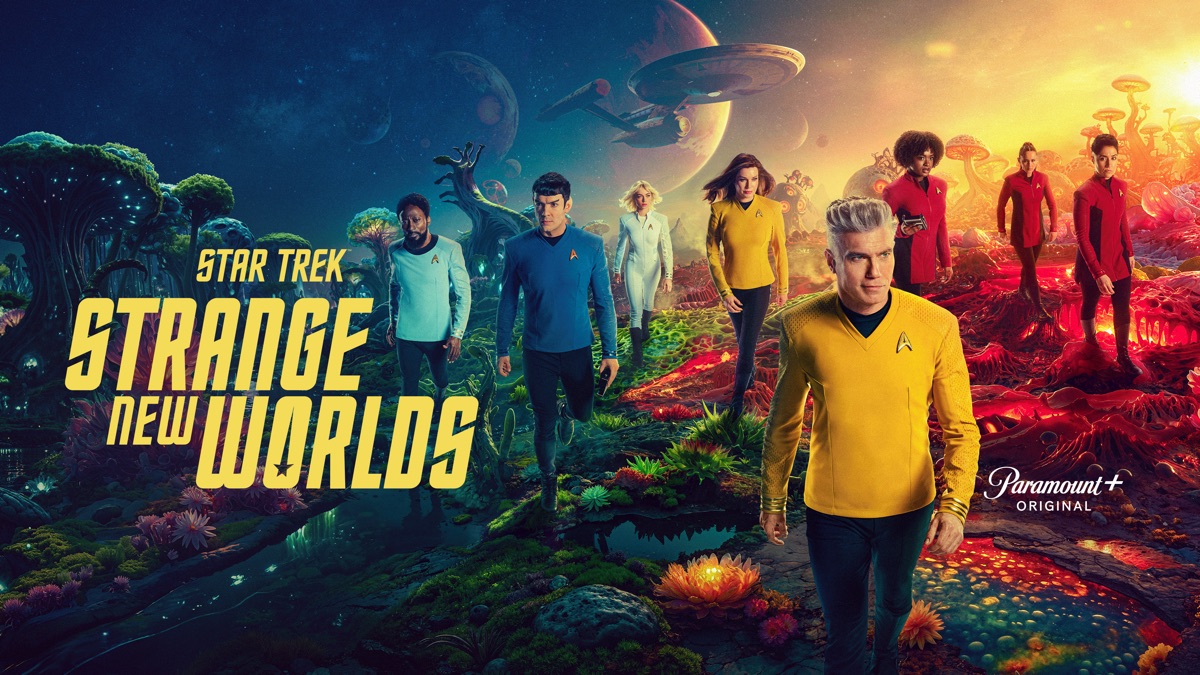
Now, 60 years and a few days after the 1966 premiere of the original series, the future looks pretty bleak for Star Trek. We’re most of the way through the fourth season of “Star Trek: Strange New Worlds,” a series that winds down after a truncated final season (most likely) next year and four seasons of some really good Star Trek and some really good television but too many episodes that left me wondering how more thoroughly the potential and very limited lifespan of the series could be wasted. And no, I haven’t watched this season’s puppet episode yet, and I might not. As far as I’m concerned, no TV series will ever top the mixing of a puppet character and live action characters as well as “Smile Time,” the 2004 episode of “Angel.”
So we’ve got a couple of episodes left this year, six episodes of the fifth and final season probably next year and a second and final season of “Starfleet Academy,” already canceled by Paramount Plus.
Will they ever make another movie? Will they make more series? Probably, at some point. Star Trek is an intellectual property too valuable to leave alone.
Should they? I’m not sure. As much as I like that Star Trek is still a part of our culture, even in this truncated form, I’m not sure of the direction of the series.
We don’t need:
Ten-episode seasons in which a third of the episodes are stunt episodes.
A Quentin Tarantino Trek movie.
More series or movies that are far removed – by hundreds of years, like the final seasons of “Star Trek Discovery” – from the world of Star Trek, ie Starfleet Command, the Federation, familiar ships and even familiar characters.
What we do need:
A reboot, in effect, of the original series featuring the cast introduced in “Strange New Worlds.”
Maybe a series featuring Seven of Nine and the cast of the “Picard” series.
Movies drawing from the hugely rich history of the franchise.
New, creative blood. Like the original series, new movies and series should turn to experienced and knowledgeable science fiction writers. They should bring in people who love the series, characters and settings.
Maybe we need a break, but we don’t want a solid 10 years of wandering in the wilderness like we experienced from 1969, when the original series ended, to 1979, when the first movie was rushed into theaters.
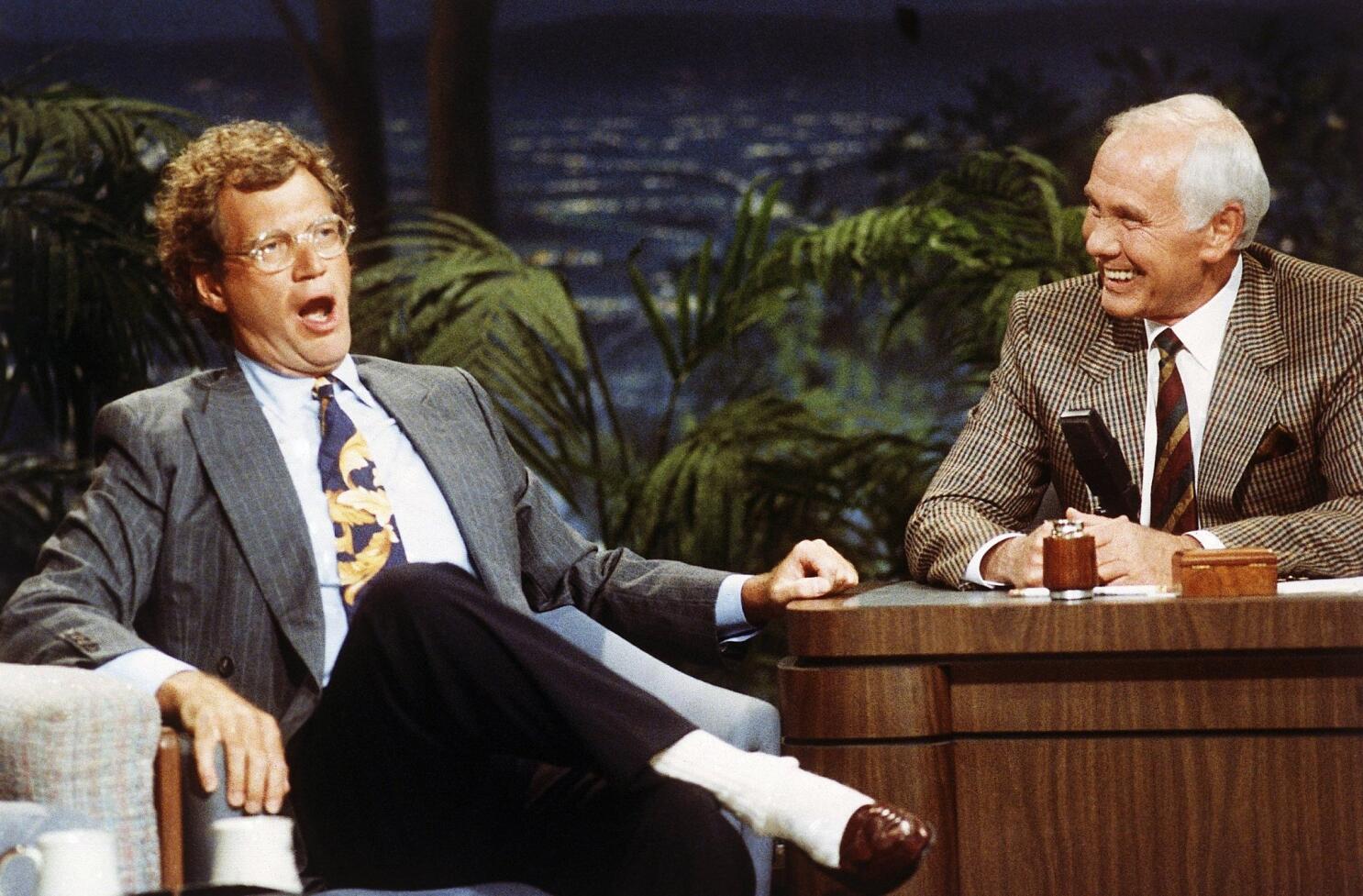
There were some genuinely funny moments in the final episode of “The Late Show,” Stephen Colbert’s late-night talk show airing Thursday evening from the Ed Sullivan Theatre. Probably my favorite line was when Seth Meyers, host of an even-later late night show on NBC, told Colbert he was sorry to see him go because where would the world hear what middle-aged white guys thought of the news? (All of the current late-night hosts are in that cohort.)
I hadn’t been a dedicated follower of Colbert’s show, or any show past 11:35 p.m., really, but the manner in which CBS unceremoniously yanked Colbert – indeed the whole damn “Late Show” brand, founded with David Letterman’s CBS show in 1993 – is part and parcel with how the network and owner Paramount have kowtowed to the current occupant of the White House and guaranteed I’d tune in to Colbert’s last few shows – at least to see clips I wasn’t already watching on Instagram.
Colbert appears to be a nice person and a smart person, so while the end of his show after 11 years was no doubt a blow to the talented former host of “The Colbert Report” on Comedy Central – that show I did watch every night – the end of his show and the resulting blowback might prove uncomfortable to CBS/Paramount. Possibly even a kick in the nuts, if the recent downturn in anything Paramount touches continues.
At any rate, while I won’t do a comprehensive assessment of the state of late-night TV talk shows or a comprehensive history of the shows and timeslot, I will share a few thoughts:
I grew up enjoying being the last person awake in my household, even when I was a kid. I could watch TV after my parents went to bed. That late-night period was, as I’ve noted before, an educational and formative place for me. I was a devotee of Johnny Carson’s “Tonight Show” on NBC and watched it for decades until his retirement. Where else could a kid from rural Indiana learn about jazz – from the Tonight Show Orchestra and guests like Buddy Rich – and Jewish comedians like Henny Youngman? Not to mention the authors Carson highlighted in the final segment of most shows.
I was definitely a fan of David Letterman, another Hoosier who seemed destined to inherit Carson’s “Tonight Show” crown but, as we all know, did not. When Letterman hosted his funny and offbeat NBC show following Carson, I would actually sit up every night and record the show AND cut commercials from my VHS recordings. I had an ungodly number of tapes filled with commercial-free Letterman episodes, at least until almost all of my hundreds of VHS tapes went to a landfill with the advent of DVDs.
The CBS plans for the slot – fill it with comedy programs leased from comedian Byron Allen – in effect means the return of infomercials to a national network following the 11 o’clock news. I wonder if CBS affiliates are obligated to air the network’s programing or if they can fill it with syndicated shows that might draw more viewers, like police procedurals? I’m old enough to remember when CBS (and ABC at times) threw everything they could find into the post-news slot, which meant we got to see lots of Canadian-made thrillers.
CBS is, in effect, abdicating the entire time slot, recalling the days before Letterman tamed that frontier for CBS and the network would air “The CBS Late Movie” – including repeats of made-for-TV movies – from 1972 to 1976 and then reruns of “Kojack” and “The Night Stalker” until 1985 and then “CrimeTime After Primetime” for a few years until Letterman debuted in 1993.
CBS, as if to erase all memory of the politically offending Colbert, not only fired him but ended the whole “Late Show” franchise Letterman and his company, Worldwide Pants, created.
It’s hard to imagine anyone tuning in from here on out.
I grew up in the 1960s and `1970s – ha! I bet you thought I was a youngster, huh? – and TV was a huge part of our lives. Obviously. This was during a period when weekly episodic TV series had long seasons of many episodes, certainly by today’s standards.
I mean, “Star Trek” had 79 episodes over only three seasons (and some of those episodes were outright losers that I’m sure somebody is nostalgic about now) and “Trek” looked like a piker compared to many TV series: “Gunsmoke,” which ran for 20 seasons, aired 39 episodes in each of its first few seasons, although those were admittedly half-hour episodes. Yesterday I noticed that “Alfred Hitchcock Presents” also had 39 episodes some seasons.
That reinforcing of the idea that vintage TV series aired a boatload of episodes back in the day compares and contrasts to today, when it’s a shock when any new series runs more than 10 or 12 episodes per season. The excellent “The Pitt” is the exception with 15 episodes per season. (“The Pitt” is also the exception compared to many current series in that the seasons air only a year or less apart.)
Enter “3 Body Problem,” the terrifically entertaining Netflix adaptation of the science fiction bestseller (and Chinese TV adaptation). Yesterday news broke that the second season of the series would consist of only six episodes compared to eight from the first season. Forbes wrote that the third season is supposed to be even shorter. This as people note that author Cixin Liu’s three novels get longer with each book.
Oh, and also, it’s been two years since the first season.
Add to that the apparent circumstance that there’s no telling when the second season of the great series “Pluribus” will be produced or seen.
I don’t necessarily want to return to the days of 39 or even 22 episodes, the latter still a common number among some network series.
But I wouldn’t mind if other series followed the schedule of “The Pitt” and gave us a few more episodes in a slightly more timely manner.
This is definitely not going to be one of those posts about how TV was better in the old days or how TV was better when a season of a show consisted of 22 episodes or even more, although I think there’s something to be said about a season that has enough episodes to give the characters and the world they inhabit a little breathing room.
This is a post about how much I enjoy “Star Trek Strange New Worlds” and how much I’ll miss it when it’s gone after its fifth season. Paramount+ announced this week that the series, a prequel of sorts to the original “Star Trek,” would end after its fifth season.
If you’re not scoring at home, the third season of the series will begin streaming on July 17. The fourth season will follow, probably in about a year, and the fifth season after that.
This is a post in part about how Paramount+ said the fifth and final season would consist of only six episodes, fewer than the 10-episode seasons we’ve seen so far.
I’ve got lots of thoughts about the series, which has focused on the Enterprise under the command of Captain Christopher Pike. Those who remember the original “Star Trek” know that Pike was presented as a man who was left shattered after rescuing a group of cadets from a horrific accident. Pike was left disfigured and paralyzed and in a motorized chair for the rest of his life.
“Strange New Worlds” has already addressed this, with Pike having received the gift of seeing his future in an episode of “Star Trek Discovery,” the series from which “Strange New Worlds” was spun off.
Key to Pike’s journey is that he’s accepted his fate and made peace with his future, so even though “Strange New Worlds” has already played with the timeline as established by the original series, it would feel like a cheat to have Pike escape that fate in the final season of this show. Even though we like Pike, as played by Anson Mount, and might want him to go on adventuring forever.
The fact that the final season is projected to include only six episodes would indicate 1.) the showrunners have a very set plan for the final season and needed only six episodes to tell it or 2.) Paramount+ only gave them enough budget for six episodes, which would be a pretty ignominious way for the series to go out – on the cheap – but really, we don’t expect much of Paramount anymore.
There’s another “Trek” series in the works, one based on Starfleet Academy, and there could be others announced in the next two years.
But I’m wondering if “Strange New Worlds” might not morph into a new version of the original series, with most of the players – Kirk, Spock, Uhura and others – already in place on the current series.
So what do you think will happen? Will we see a revamping of the timeline and Pike’s fate? Will we see some new adventure? Will we see a reboot of the original series?
If you were alive and had a cable TV connection in the early 1980s, you were probably watching MTV.
If you’re alive right now, in 2025, and have a cable TV connection, you’re probably not watching MTV Classic.
Let me explain.
When we moved a couple of years ago, we got a new cable TV connection – same provider, different channel choices – and I discovered an incredible time-waster, MTV Classic.
Even though you’re not watching, you can probably guess what MTV Classic shows: music videos from the 1980s and 1990s. The videos that aired on MTV and VH1 back in the day.
Some of the videos are truly classics. Some highlight just how awful a lot of the videos – which were sometimes treated as art by particular artists but were of course just promotional spots provided by record companies – were. Looking at them now, there are some fun examples that evoke nostalgia and some that exemplify how gratuitous and overblown a lot of music videos were.
MTV Classic shows one-hour blocks of 80s videos, heavy metal videos and 90s videos, etc. Just like the old channel, there’s no telling what will come up in four minutes.
There are no VJs, so no chance to discover the next JJ Jackson or Martha Quinn.
The funniest thing I learned while researching MTV Classic is that almost nobody is watching it. In TV audience terms, it’s really almost nobody.
Since the channel was launched in 1998 as VH1 Smooth – no, really – audience numbers have fallen off a cliff. The channel is available to 39 million cable households, apparently, but only about 14,000 viewers are tuning in at any moment. It is the least-watched English-language channel available to most cable subscribers.
I think some personality – or personalities – might help a little, but one thing MTV Classic does that could bring a few viewers its way is the tributes it airs to performers who have died. When crooner Tony Bennett died on July 21, 2023, MTV Classic ran a weekend of Bennett songs, including but not limited to his collaborations with Lady Gaga.
I’m guessing most people didn’t know that – if they even new MTV Classic was on their cable lineup.