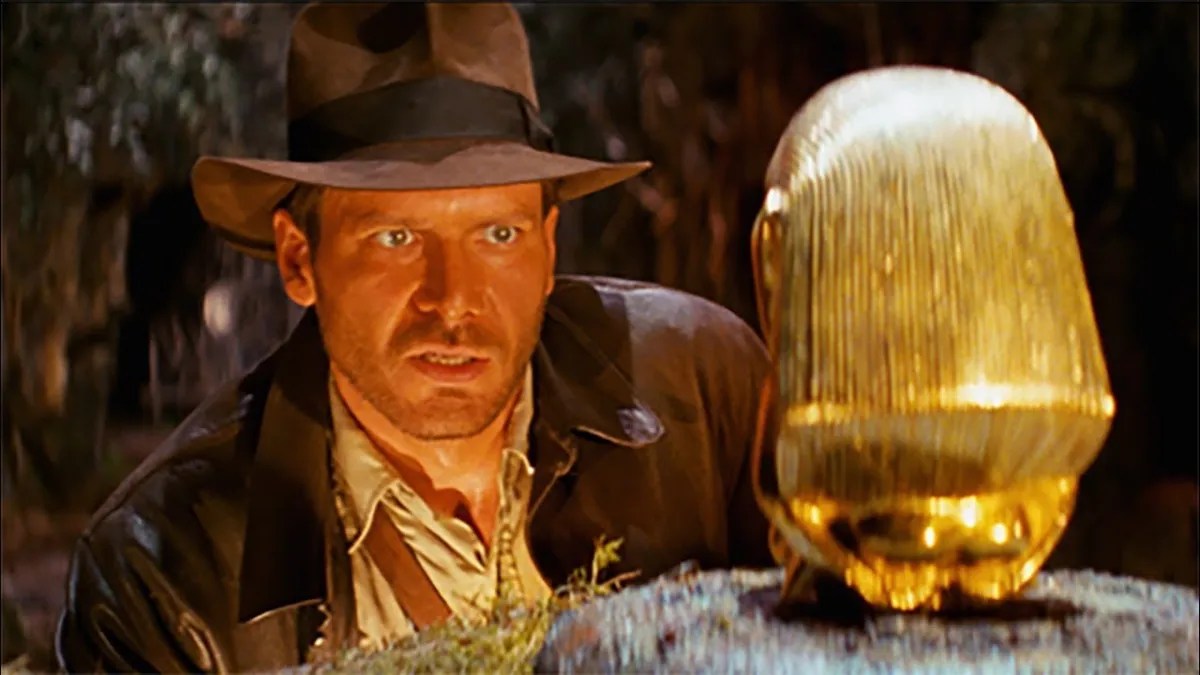
A few weeks ago, rumors moved through online circles that Disney was planning to reboot the Indiana Jones series with a new series of films starring someone other than Harrison Ford as Dr. Henry Jones Jr.
I totally expect this will happen.
I don’t think it’s likely that Pedro Pascal, currently an industry darling and starring in “Fantastic Four: First Steps,” as well as upcoming Marvel movies, will be cast in the role of the adventurous archeology professor. For one thing, Pascal is 50 years old. Ford was 39 years old at the time of “Raiders of the Lost Ark.” I think it’s much more likely that Disney will cast someone in their 30s in a remake. They want someone who could keep a movie series alive for a decade or more.
That said, if “Indiana Jones and the Dial of Destiny” had been a hit in 2023, we’d be seeing now-83-year-old Ford in continuing adventures.
But Hollywood and Disney have – sometimes more successfully than other times – long ago decided it was okay to recast and remake and reboot.
There’s been attempts to reboot the series before, or at least introduce younger versions of Jones and younger characters who could step into the role. But it didn’t work with Shia LaBeouf as Indy’s long-estranged son in 2008’s “Indiana Jones and the Kingdom of the Crystal Skull” – remember how the character started to place Indy’s hat on his head before the original reclaimed it? And it didn’t work with Phoebe Waller-Bridge as Helena Shaw in “Dial of Destiny.”
We’ve seen how some film series made recasting and rebooting work. Some handled it better than others, such as in the James Bond films. The “Star Trek” films did well with it too, at least at first. Disney and Lucasfilm tried it with the “Star Wars” films in a series of movies that worked fairly well but were harshly received by fanboys.
I’m only certain that Disney will reboot Indiana Jones at some point and will recast Indy.
Unless the practice of punching Nazis falls into disfavor.
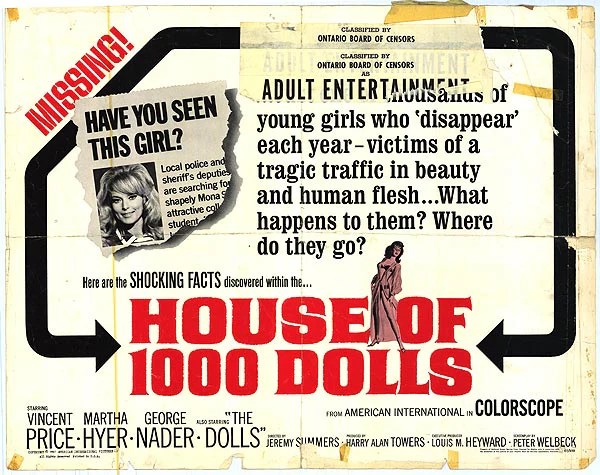
By the standards of the exploitation movies of just a few years later, there’s not that much shocking about “House of 1,000 Dolls,” a 1967 German-Spanish co-production starring Vincent Price as a magician who hypnotizes women during his nightclub act in Tangiers. The women end up in a house of prostitution, although there are considerably fewer than 1,000 women there. Unless maybe you count the miniature actual dolls that line one bookshelf?
“House of 1,000 Dolls” definitely qualifies as racy stuff for the period and it no doubt titillated drive-in movie audiences with its scenes of kidnapped women wearing bras and panties and filmy gowns.
And Price apparently was a little scandalized. This was during the period the actor was starring in well-remembered, full-color Roger Corman adaptations of Edgar Allen Poe tales and, according to one interview, Price was startled to learn that the makers of “House of 1,000 Dolls” were shooting more explicit scenes on the sets when his scenes were not filmed.
My favorite aspect of the movie, though, is the presence in the cast of an actor named Herbert Fux. He was an Austrian actor who, in addition to appearing in legit and semi-legit films, also appeared in some kind of porn films. And he was in politics as well.
As the old Smuckers commercials might have said, “With a name like Fux, it has to be porn.”
“House of 1,000 Dolls” is available via streaming and it’s worth it alone to see Price running around in a top hat and cape.
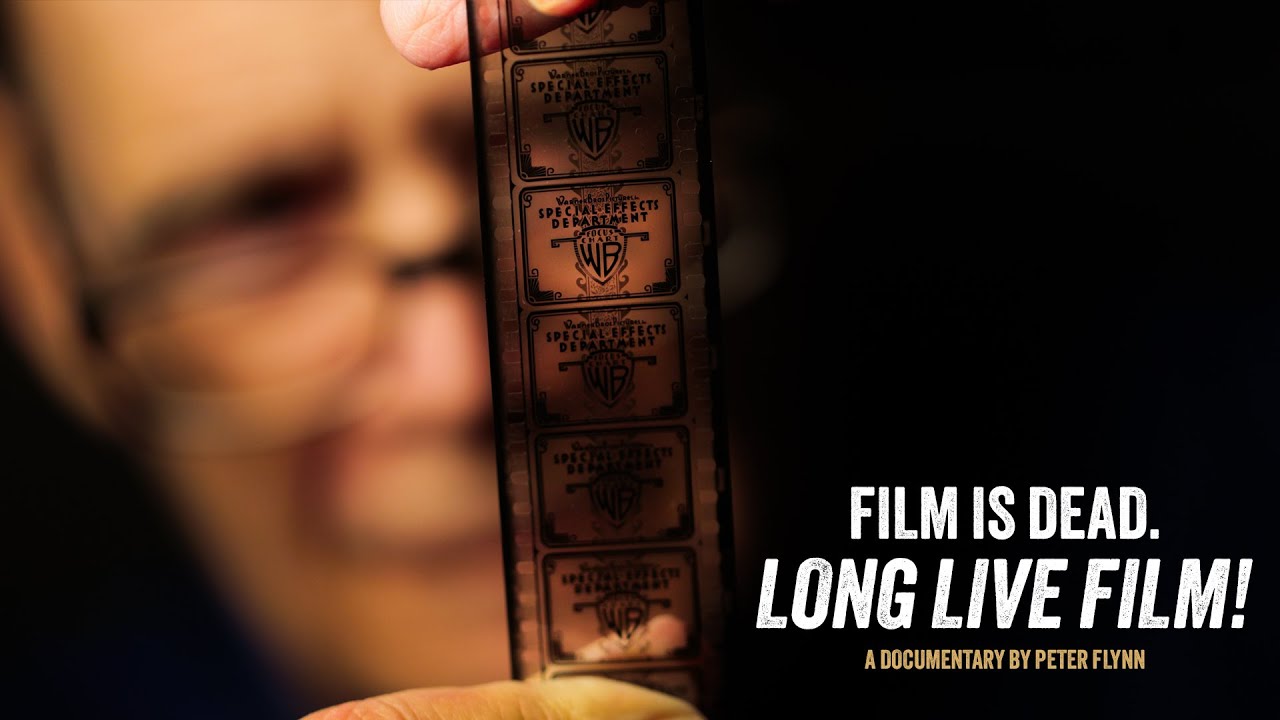
“Film is Dead. Love Live Film” is a new (earlier in 2024) documentary film from director Peter Flynn and it captures a type of collecting and preservation of history that I have to say I’d not considered all that much before: personal film collecting. As in, scavenging and collecting and restoring and preserving and sharing a wide variety of films from the entire history of movie-making, from feature films to home movies to commercials to – well, you name it.
I just watched “Film Is Dead” on TCM, which has always done an admirable job of film preservation and popularization, and Flynn’s documentary calls attention to the private collectors of film – everything from 8 millimeter to 70 millimeter – who can become slightly obsessive about their hobby, which itself can be an artistic endeavor.
I’ve always known about the many ways film and films have been preserved and shared, with my first awareness of this coming when I was young and got an 8mm projector and some films. My goal was to get an 8mm movie camera and make my own movies – I really wanted to do my own version of “Dracula” – but the hobby, as long as it lasted, remained focused on collecting those minutes-long 8mm versions – released by Castle Films, but the documentary notes there were several companies – of old horror films. The Castle films I was familiar with were heavily edited versions of old Universal horror features like “Frankenstein” or sometimes just scenes.
This was in the 1960s and 1970s, so needless to say it was long before even truncated versions of the films were available to watch at home on video. The thirst to see old Laurel and Hardy or Abbott and Costello or Boris Karloff films was great and coincided with the release of those books that reproduced hundreds of photos from films like “Psycho” along with the script. The 8mm films and those books were the only way most of us, who did not have access to 16mm films, experienced these movies when they weren’t airing on local TV.
The 8mm films are covered here, but the bulk of the documentary is about the film fans – maybe even obsessives – who dived in dumpsters to salvage films thrown away by movie studios and TV stations (something that happened often; tens of thousands of films from the Silent Era forward were lost forever) or bought them from other collectors or even stole copies.
For decades, the Hollywood studios frowned on, and with the help of authorities even prosecuted, private collectors of films. “Film Is Dead” recounts a lot of things I didn’t know, including that well-known film buffs like Rock Hudson, Mel Torme, Hugh Hefner and Roddy McDowall were targeted. “Planet of the Apes” star McDowall was in 1974 busted by the feds for “film piracy.” The documentary notes that the feds used McDowall as an example to anyone who traded and trafficked in private film ownership.
The hobby was “basically illegal,” as one collector points out.
Decades later, though, studios and museums were seeking out collectors who had copies – sometimes the last surviving copies – of films, features and shorts, commercials and those “Let’s All Go to the Lobby” intermission films from drive-in theaters, in order to help make them more widely available.
“Film is Dead” acknowledges that movie theaters are never going back from digital projection to showing films on film. But the resources of digital restoration and online sharing of films make it possible to see many of these works of art again.
The collectors in the documentary are very passionate about preserving films but also about sharing them with other people. And the film really emphasizes how cavalier the studios and TV stations were in throwing away and destroying or melting down (to recoup the silver in film stock) films once they were no longer of value. So much history was lost.
One collector depicted here gives his collection to a younger collector/museum/archive. Another turns over his collection to the Library of Congress. There’s acknowledgement, too, of the kind of thing I’ve seen in Facebook groups about collecting vintage comic books. These old collectors are wondering what to do with tens of thousands of comic books and what will happen to them when they die. Will they just be thrown away if their kids don’t want them?
Probably.
“Film is Dead. Love Live Film” is an engrossing and touching look at the history and current status of collecting film. It’s funny at times – there’s acknowledgment of what a dirty job salvaging old films is – and the toll it takes on collectors and their families, because collecting can be as much of an obsession as anything.
 keithroysdon