Tag Archives: news

Colbert, Letterman and the death of CBS’ late-night slot

There were some genuinely funny moments in the final episode of “The Late Show,” Stephen Colbert’s late-night talk show airing Thursday evening from the Ed Sullivan Theatre. Probably my favorite line was when Seth Meyers, host of an even-later late night show on NBC, told Colbert he was sorry to see him go because where would the world hear what middle-aged white guys thought of the news? (All of the current late-night hosts are in that cohort.)

I hadn’t been a dedicated follower of Colbert’s show, or any show past 11:35 p.m., really, but the manner in which CBS unceremoniously yanked Colbert – indeed the whole damn “Late Show” brand, founded with David Letterman’s CBS show in 1993 – is part and parcel with how the network and owner Paramount have kowtowed to the current occupant of the White House and guaranteed I’d tune in to Colbert’s last few shows – at least to see clips I wasn’t already watching on Instagram.

Colbert appears to be a nice person and a smart person, so while the end of his show after 11 years was no doubt a blow to the talented former host of “The Colbert Report” on Comedy Central – that show I did watch every night – the end of his show and the resulting blowback might prove uncomfortable to CBS/Paramount. Possibly even a kick in the nuts, if the recent downturn in anything Paramount touches continues.

At any rate, while I won’t do a comprehensive assessment of the state of late-night TV talk shows or a comprehensive history of the shows and timeslot, I will share a few thoughts:

I grew up enjoying being the last person awake in my household, even when I was a kid. I could watch TV after my parents went to bed. That late-night period was, as I’ve noted before, an educational and formative place for me. I was a devotee of Johnny Carson’s “Tonight Show” on NBC and watched it for decades until his retirement. Where else could a kid from rural Indiana learn about jazz – from the Tonight Show Orchestra and guests like Buddy Rich – and Jewish comedians like Henny Youngman? Not to mention the authors Carson highlighted in the final segment of most shows.

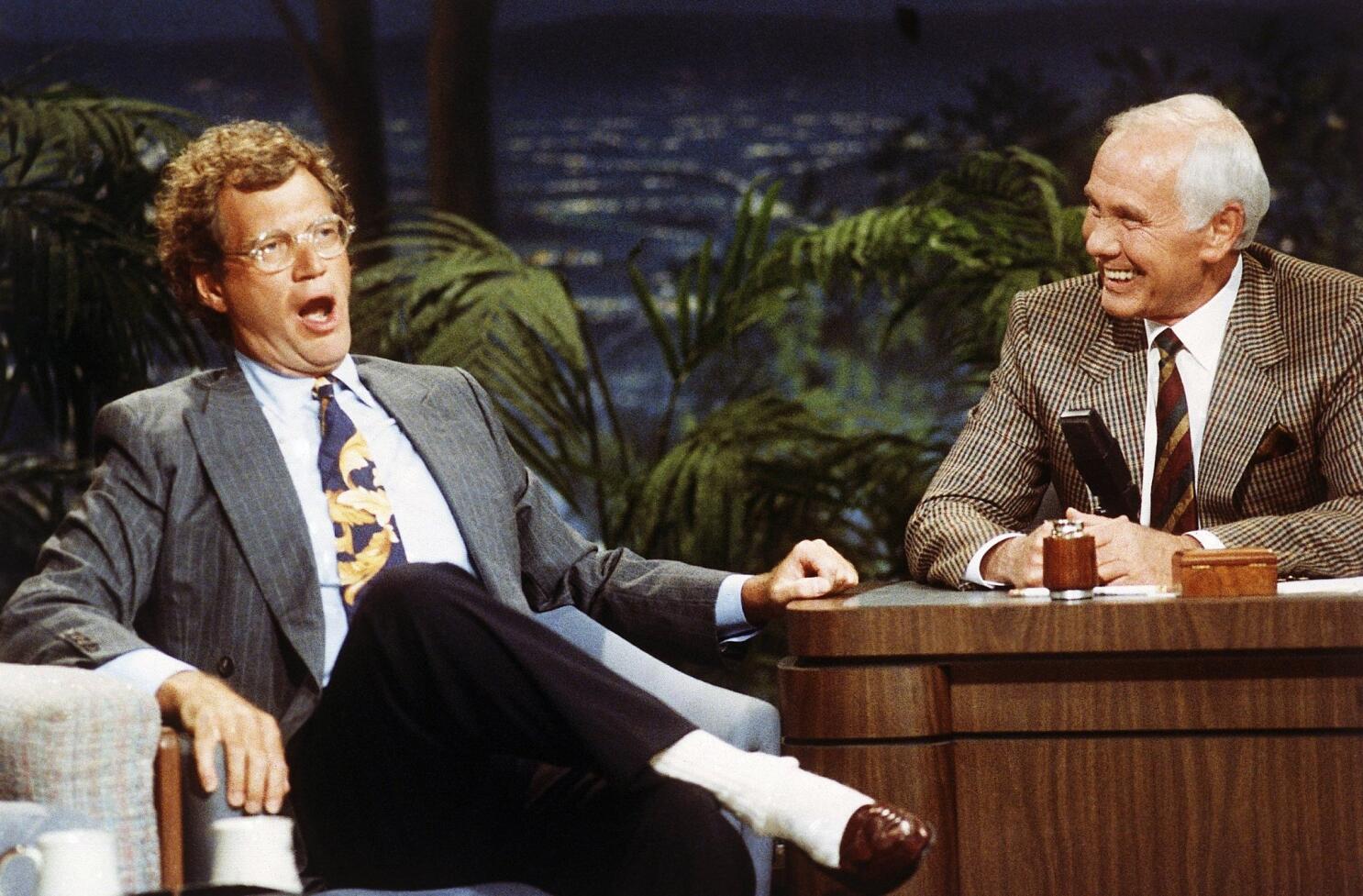
I was definitely a fan of David Letterman, another Hoosier who seemed destined to inherit Carson’s “Tonight Show” crown but, as we all know, did not. When Letterman hosted his funny and offbeat NBC show following Carson, I would actually sit up every night and record the show AND cut commercials from my VHS recordings. I had an ungodly number of tapes filled with commercial-free Letterman episodes, at least until almost all of my hundreds of VHS tapes went to a landfill with the advent of DVDs.

The CBS plans for the slot – fill it with comedy programs leased from comedian Byron Allen – in effect means the return of infomercials to a national network following the 11 o’clock news. I wonder if CBS affiliates are obligated to air the network’s programing or if they can fill it with syndicated shows that might draw more viewers, like police procedurals? I’m old enough to remember when CBS (and ABC at times) threw everything they could find into the post-news slot, which meant we got to see lots of Canadian-made thrillers.

CBS is, in effect, abdicating the entire time slot, recalling the days before Letterman tamed that frontier for CBS and the network would air “The CBS Late Movie” – including repeats of made-for-TV movies – from 1972 to 1976 and then reruns of “Kojack” and “The Night Stalker” until 1985 and then “CrimeTime After Primetime” for a few years until Letterman debuted in 1993.

CBS, as if to erase all memory of the politically offending Colbert, not only fired him but ended the whole “Late Show” franchise Letterman and his company, Worldwide Pants, created.

It’s hard to imagine anyone tuning in from here on out.

MTV Classic: The nostalgia channel you’re not watching

If you were alive and had a cable TV connection in the early 1980s, you were probably watching MTV.

If you’re alive right now, in 2025, and have a cable TV connection, you’re probably not watching MTV Classic.

Let me explain.

When we moved a couple of years ago, we got a new cable TV connection – same provider, different channel choices – and I discovered an incredible time-waster, MTV Classic.

Even though you’re not watching, you can probably guess what MTV Classic shows: music videos from the 1980s and 1990s. The videos that aired on MTV and VH1 back in the day.

Some of the videos are truly classics. Some highlight just how awful a lot of the videos – which were sometimes treated as art by particular artists but were of course just promotional spots provided by record companies – were. Looking at them now, there are some fun examples that evoke nostalgia and some that exemplify how gratuitous and overblown a lot of music videos were.

MTV Classic shows one-hour blocks of 80s videos, heavy metal videos and 90s videos, etc. Just like the old channel, there’s no telling what will come up in four minutes.

There are no VJs, so no chance to discover the next JJ Jackson or Martha Quinn.

The funniest thing I learned while researching MTV Classic is that almost nobody is watching it. In TV audience terms, it’s really almost nobody.

Since the channel was launched in 1998 as VH1 Smooth – no, really – audience numbers have fallen off a cliff. The channel is available to 39 million cable households, apparently, but only about 14,000 viewers are tuning in at any moment. It is the least-watched English-language channel available to most cable subscribers.

I think some personality – or personalities – might help a little, but one thing MTV Classic does that could bring a few viewers its way is the tributes it airs to performers who have died. When crooner Tony Bennett died on July 21, 2023, MTV Classic ran a weekend of Bennett songs, including but not limited to his collaborations with Lady Gaga.

I’m guessing most people didn’t know that – if they even new MTV Classic was on their cable lineup.

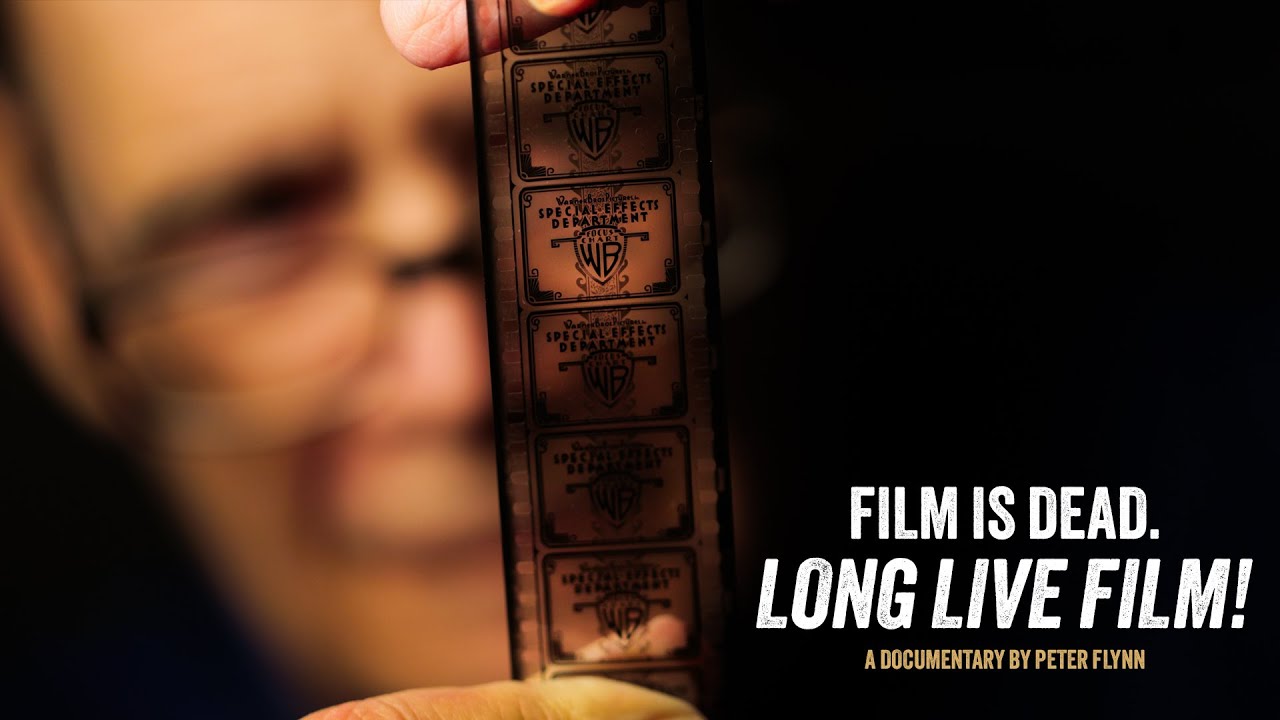
Highly recommended: ‘Film Is Dead. Long Live Film’

“Film is Dead. Love Live Film” is a new (earlier in 2024) documentary film from director Peter Flynn and it captures a type of collecting and preservation of history that I have to say I’d not considered all that much before: personal film collecting. As in, scavenging and collecting and restoring and preserving and sharing a wide variety of films from the entire history of movie-making, from feature films to home movies to commercials to – well, you name it.

I just watched “Film Is Dead” on TCM, which has always done an admirable job of film preservation and popularization, and Flynn’s documentary calls attention to the private collectors of film – everything from 8 millimeter to 70 millimeter – who can become slightly obsessive about their hobby, which itself can be an artistic endeavor.

I’ve always known about the many ways film and films have been preserved and shared, with my first awareness of this coming when I was young and got an 8mm projector and some films. My goal was to get an 8mm movie camera and make my own movies – I really wanted to do my own version of “Dracula” – but the hobby, as long as it lasted, remained focused on collecting those minutes-long 8mm versions – released by Castle Films, but the documentary notes there were several companies – of old horror films. The Castle films I was familiar with were heavily edited versions of old Universal horror features like “Frankenstein” or sometimes just scenes.

This was in the 1960s and 1970s, so needless to say it was long before even truncated versions of the films were available to watch at home on video. The thirst to see old Laurel and Hardy or Abbott and Costello or Boris Karloff films was great and coincided with the release of those books that reproduced hundreds of photos from films like “Psycho” along with the script. The 8mm films and those books were the only way most of us, who did not have access to 16mm films, experienced these movies when they weren’t airing on local TV.

The 8mm films are covered here, but the bulk of the documentary is about the film fans – maybe even obsessives – who dived in dumpsters to salvage films thrown away by movie studios and TV stations (something that happened often; tens of thousands of films from the Silent Era forward were lost forever) or bought them from other collectors or even stole copies.

For decades, the Hollywood studios frowned on, and with the help of authorities even prosecuted, private collectors of films. “Film Is Dead” recounts a lot of things I didn’t know, including that well-known film buffs like Rock Hudson, Mel Torme, Hugh Hefner and Roddy McDowall were targeted. “Planet of the Apes” star McDowall was in 1974 busted by the feds for “film piracy.” The documentary notes that the feds used McDowall as an example to anyone who traded and trafficked in private film ownership.

The hobby was “basically illegal,” as one collector points out.

Decades later, though, studios and museums were seeking out collectors who had copies – sometimes the last surviving copies – of films, features and shorts, commercials and those “Let’s All Go to the Lobby” intermission films from drive-in theaters, in order to help make them more widely available.

“Film is Dead” acknowledges that movie theaters are never going back from digital projection to showing films on film. But the resources of digital restoration and online sharing of films make it possible to see many of these works of art again.

The collectors in the documentary are very passionate about preserving films but also about sharing them with other people. And the film really emphasizes how cavalier the studios and TV stations were in throwing away and destroying or melting down (to recoup the silver in film stock) films once they were no longer of value. So much history was lost.

One collector depicted here gives his collection to a younger collector/museum/archive. Another turns over his collection to the Library of Congress. There’s acknowledgement, too, of the kind of thing I’ve seen in Facebook groups about collecting vintage comic books. These old collectors are wondering what to do with tens of thousands of comic books and what will happen to them when they die. Will they just be thrown away if their kids don’t want them?

Probably.

“Film is Dead. Love Live Film” is an engrossing and touching look at the history and current status of collecting film. It’s funny at times – there’s acknowledgment of what a dirty job salvaging old films is – and the toll it takes on collectors and their families, because collecting can be as much of an obsession as anything.