Tag Archives: film

Vincent Price documentary on TCM captures the day he came to my hometown, Muncie

Yesterday, I was watching the new documentary “Vincent Price: What Keeps Us Alive,” which I had DVRd from TCM’s premiere of the program Friday evening, and found it quite good. I’ve always liked Price and if you search for his name here on this site you’ll find posts about when I met him at an airport in the early 1980s and when I met his kind and generous daughter, Victoria Price, this summer here in Knoxville.

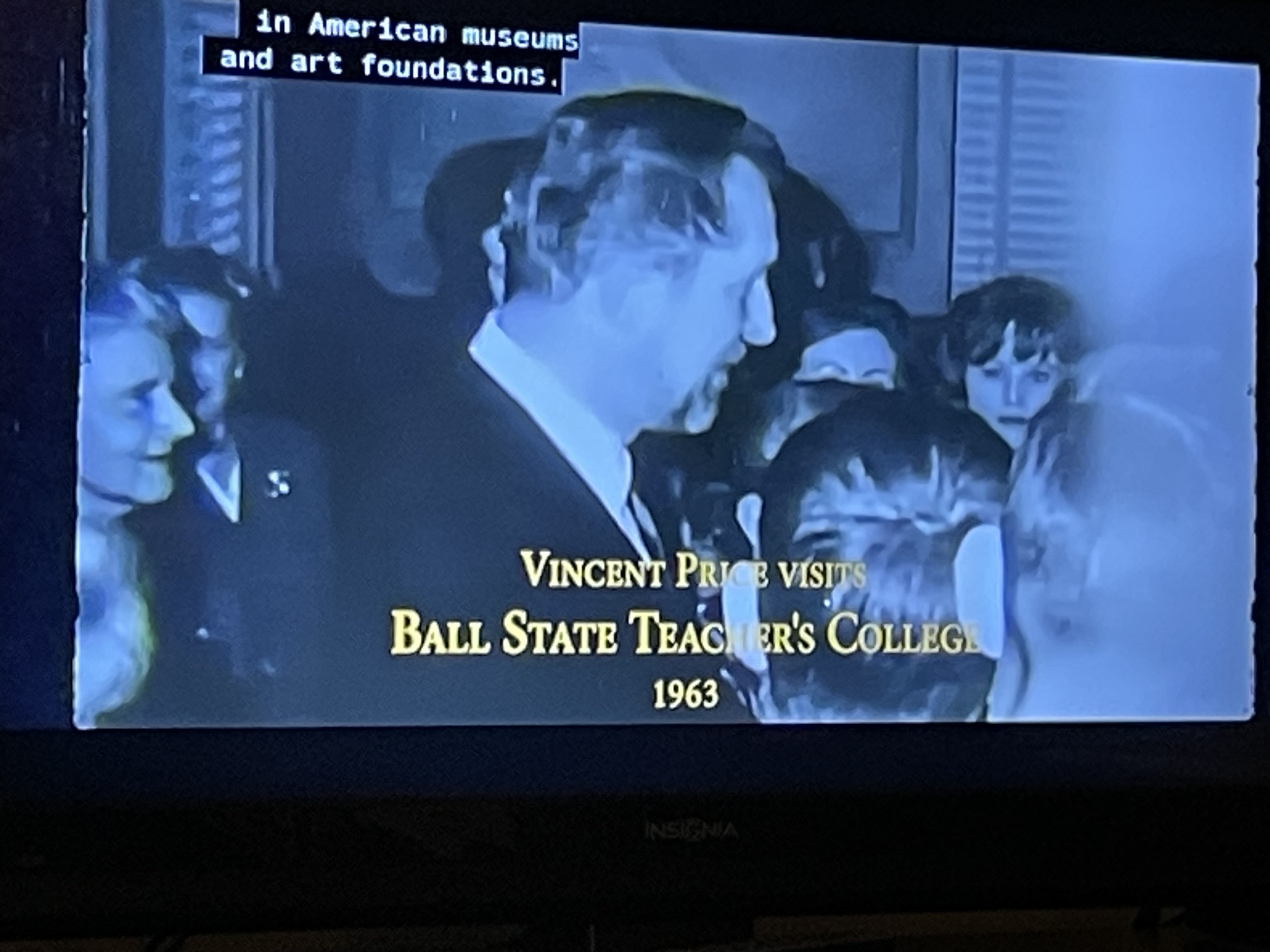
But as I was watching the documentary, I was startled to see some B-roll footage of Price talking to a large group of people and the caption read, “Vincent Price visits Ball State Teachers College 1963.”

If I’d ever known Price had visited my hometown of Muncie, Indiana, I’d forgotten that fact.

I was a pre-schooler at the time of his visit and was a few years away from becoming the huge fan of horror movies that I would become.

For his part, Price was in another of his career high points. He’d been acting on stage and screen since the 1930s and co-starred in “Laura” in 1944. He’d become, along with Boris Karloff, the king of American horror films in the mid-century, starring in a string of classic films like “The Tingler” and “House on Haunted Hill” in 1959.

His film roles in the 1960s brought him another kind of fame as he played the lead in a string of Edgar Allan Poe adaptations for director/producer Roger Corman and American International Pictures. Right before his Muncie visit the latest of those films, “The Raven” had been released and more films now regarded as classics were to come.

Price was in the midst of something else in 1963. He was promoting the democratization of art as part of a promotion by huge retailer Sears to encourage people to buy prints of works of art by great artists. As part of that promotion, Price appeared in hundreds of cities and towns, showcasing the art prints available at Sears and giving talks at local colleges and universities.

Among those was Ball State Teachers College in Muncie, where the footage used in the documentary was captured. The school was renamed Ball State University in 1965.

I was curious how the local newspapers covered Price’s appearance. It wasn’t that long before the aging newspaper editors, out of touch with popular culture, would question the need to put the 1980 assassination of John Lennon, for example, on page one.

But Price had the right mixture of old Hollywood and art appreciation to convince the editors to cover his March 6, 1963 appearance.

Both the Muncie Star and the Muncie Evening Press ran announcements of his appearance in advance and covered him at receptions with the city’s leading industrialists and philanthropists like various Ball and Kitselman family members.

I’m most proud of coverage by Roy Bigger of the Muncie Evening Press, who wrote a page one story for March 7 about Price’s talk to an “overflow audience” at a Ball State convocation in which he talked about art and the public’s right to know, understand, appreciate and own art. That’s where Sears’ art collection offerings came in, of course. He talked about writers like Tennessee Williams and artists like James Whistler.

About 500 people had to be turned away from the convocation in Ball State’s Assembly Hall, Bigger reported.

So cool to discover, even 60 years after the fact, the meeting of my hometown and one of my favorite film actors.

You’ve somehow stumbled upon the latest of more than 1,100 posts on keithroysdon dot com, stretching back to the early 2010s. Books, writing, movies, TV, obscure pop culture, Halloween, snark and more snark. I’m the author of crime novels THAT OCTOBER and SEVEN ANGELS, co-author of four true crime books including the award-winning THE WESTSIDE PARK MURDERS and hundreds of short stories, news articles and pop culture pieces in spots like CrimeReads, Daily Yonder and elsewhere. You can contact me by leaving a message anywhere on this site or by hollering at me on one of my too many social media outposts.
Happy Halloween! To celebrate, watch a scary movie and the new SCTV documentary

Around these parts, we love Halloween. It’s long been my favorite holiday, since I was a kid and – because we couldn’t afford to buy one of those awful plastic tunics – I made my own costume by painting a beard on my face with watercolor paint and completing my outfit with an old shirt or hoodie.

If you look to your right on this screen under the heading “what the what,” you’ll find a link to a lot of Halloween posts on this site, going back most of the way to the origin of this site in the early 2010s. You’ll find posts about vintage and recent Halloween costumes and decor as well as Halloween movies to watch.

I have to note, however, a subject that makes me feel equally childlike: SCTV, also known as Second City Television.

With the loss of Catherine O’Hara and Joe Flaherty, two SCTV mainstays, and the aging status of most of the rest of the cast, who appeared on stage for years before landing Second City and SCTV television shows beginning in 1976, I’m really glad we’re in the golden age of documentaries about “SCTV” and its stars. There are good reminiscences of John Candy available and the documentary of the still-very-much-with-us Martin Short’s life, “Marty: Life is Short,” debuted just a few months ago, although I guarantee you’ll get teary before the end credits roll.

Still to come to home video this fall is “You Had to Be There,” the 2025 documentary about the 1972 stage production of “Godspell” starring Victor Garber and many of the geniuses of SCTV.

The Martin Short and “Godspell” docs could serve as bookends for “SCTV: The Greatest Show You’ve Never Heard Of,” which debuted on Netflix last night, I believe. (That’s when I saw it, anyway, and I watched it the minute I could.)

With interviews with O’Hara and Short and Dave Thomas and Eugene Levy and many others, including SCTV fans like Conan O’Brien, the SCTV doc looks back fondly on the show and the cast but doesn’t avoid touching on controversies like the divide among cast members when Dave Thomas and Rick Moranis “took off” – pun intended – with their McKenzie Brothers characters from the Great White North and won not only a comedy album but a movie, “Strange Brew,” released in 1983 and starring Thomas and Moranis and Max von Sydow, if you can believe it.

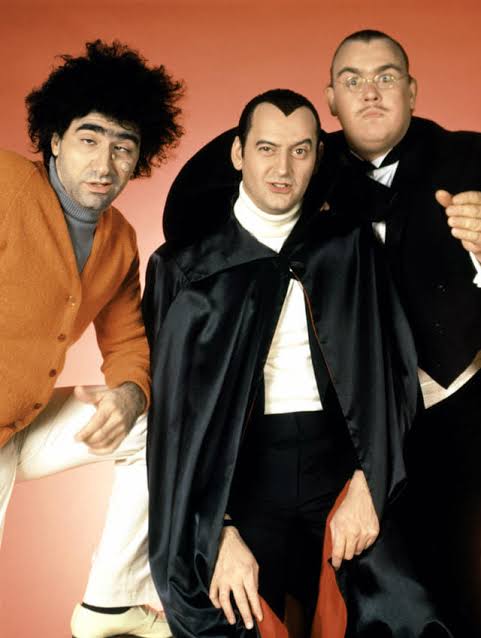
The SCTV doc made me holler with delight several times as it presented clips from not only Count Floyd’s “Monster Chiller Horror Theater” – featuring Flaherty as the horror film host who also doubles as the station’s news anchor, Candy as horror movie mad scientist Doctor Tongue and Eugene Levy as Woody Tobias Jr., also known as the hunchback henchman – but lesser-remembered bits like “Play It Again, Bob,” with Woody Allen (Moranis) making a movie about Bob Hope (Thomas). The impersonations are the best I’ve ever seen.

The six seasons of “SCTV,” including the NBC late-night seasons, are available on streaming services and online and if you’re an SCTV fan you’ll enjoy a lot of it. The show could get lost in itself at times, but that was the fun of it: the conceit of SCTV being the programming of a basic cable channel called SCTV, the cast and writers could parody every type of TV show, movie and commercial. They built a show around these parodies but made us believe that this was the worst TV station in the world, run by lunatics and egomaniacs.

Definitely enjoy a good fun scary movie this Halloween – or anytime – but you should seek out “SCTV” episodes and the documentaries I cite here.

You’ve somehow stumbled upon the latest of more than 1,100 posts on keithroysdon dot com, stretching back to the early 2010s. Books, writing, movies, TV, obscure pop culture, Halloween, snark and more snark. I’m the author of crime novels THAT OCTOBER and SEVEN ANGELS, co-author of four true crime books including the award-winning THE WESTSIDE PARK MURDERS and hundreds of short stories, news articles and pop culture pieces in spots like CrimeReads, Daily Yonder and elsewhere. You can contact me by leaving a message anywhere on this site or by hollering at me on one of my too many social media outposts.
TCM’s Halloween month: It’s the most wonderful time of the year! (Plus a new Vincent Price documentary!)

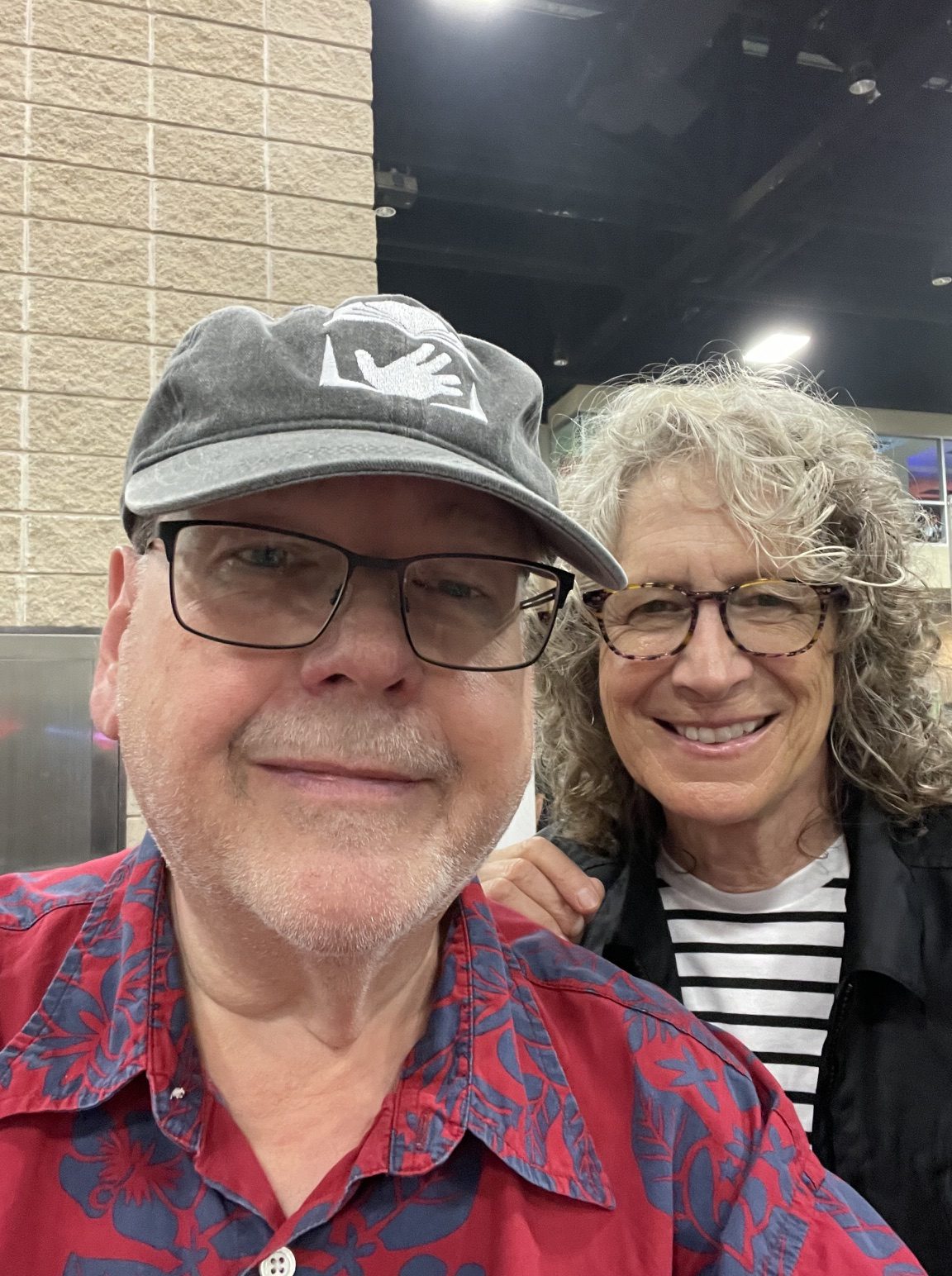
Hopefully you recognize the wonderful Victoria Price, daughter of classic actor Vincent Price, in that shot with me, taken at this summer’s CreepyCon here in Knoxville.

CreepyCon was a lot of fun, but meeting Ms. Price and getting a chance to tell her about the time I met her father was a highlight of the day. That story in a moment.

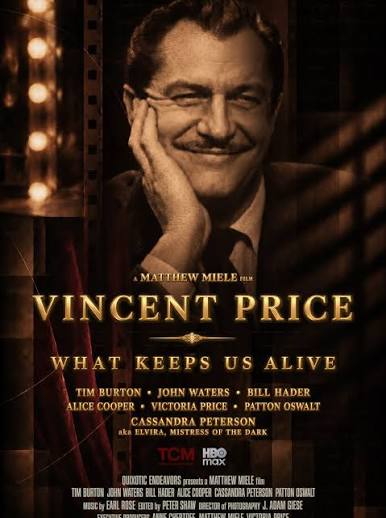
I’m making special note of the one-and-only Vincent Price in part because a new documentary about him, “Vincent Price: What Keeps Us Alive,” debuts on TCM (Turner Classic Movies) on October 30. In addition to Ms. Price, the doc features interviews with people who knew, worked with and admired Vincent Price like Tim Burton, John Waters, Bill Hader, Alice Cooper, Patton Oswalt and Cassandra Peterson, also known as Elvira, Mistress of the Dark.

The documentary puts a button on TCM’s buildup to what’s one of my top two holidays.

I grew up watching Price’s films and other classic horror and terror movies when I could catch them at drive-in theaters or on late-night TV, years before the era of home video and cable TV. We cherished, as film fans and monster fanatics, the opportunity to see them. It’s a lot easier now thanks to the plethora of horror films online and on streaming.

For a couple of decades, TCM and other movie channels like AMC bridged the gap for us, never more so than in October, when TV and cable programmed a delightful number of horror films, including the work of Price.

When I got to speak with Ms. Price at CreepyCon I got to tell her my favorite of her father’s films which in some ways bracketed the most active years of his career, “House on Haunted Hill” from 1958 – before I was born – and “The Abominable Dr. Phibes” in 1971, when I was still a kid. (Vincent Price died in 1993.)

This year, TCM is doing a lot of Halloween programming and much of it is the kind of material that helps TCM distinguish itself from other channels and streaming services. (Link at the end of this post to a TCM page that went up just today with program highlights.)

A centerpiece of TCM’s October programming is always “Creepy Cinema,” in which TCM host Ben Mankiewicz and guest host Mario Cantone spotlight some fun and often campy films, which this year put the emphasis on campy with films featuring Bette Davis, Joan Crawford and Angela Lansbury. But there’s also some films genuinely perfect for the mini-film festival including “The Sentinel” (1977), which my friends and I had a ball with, vintage Hammer horrors and “The Thing From Another World” from 1951, one of my very favorite films and the forerunner of John Carpenter’s classic “The Thing” from 1982.

The last two days of the month, TCM has scheduled, besides the Price documentary, 27 films including the 1979 Frank Langella “Dracula,” 1974’s offbeat “Phantom of the Paradise” and others.

TCM’s programmers seem intent on giving us an experience we can’t get anywhere else. Most of these films we might be able to find elsewhere, but probably not all and we wouldn’t have the great intros and outros of the TCM hosts.

Before the link to the TCM roundup, my Vincent Price story:

In 1982, I was about four years into my gig reviewing movies for the evening paper where I worked. I’d begun in 1978, while I was starting college, and I reviewed films until 1990. By 1990, I had begun covering government, politics and crime and where the three intersected.

But while I was still reviewing movies, I did interviews with directors like John Carpenter and George Romero and went to press junkets, including the 1982 junket for “Conan the Barbarian,” the first film featuring Arnold Schwarzenegger as the Robert E. Howard adventurer.

After a couple of days of interviews in Chicago, I was at O’Hare Airport waiting to fly back home when I spotted, near my gate, Vincent Price sitting by himself across the way.

No one else was around – we were both early for our respective flights – and I walked over to him. He invited me to sit down and I explained, probably in starstruck manner, how much I loved his films and performances.

Although he undoubtedly got recognized all the time – and would soon reach another, modern level of fame with the “rap” on Michael Jackson’s “Thriller” hit – he was kind and gracious. He invited me to sit down and we talked for a half-hour about movies, TV, Chicago and travel. He was so nice and kind.

At CreepyCon a few weeks ago, I told Victoria Price how much I appreciated her father’s reaction and encouragement of this barely-past-college-age fan.

She thanked me and said she would mention my anecdote when she spoke to a crowd later.

I won’t be missing the TCM documentary about Vincent Price, a kind and gracious man. Here’s that TCM link:

https://www.tcm.com/articles/now-playing-newsletter/60298/tcm-does-halloween

Regal theater chain showing 31 nights of horror films for Halloween

I’m not sure what’s better – watching a good horror movie in the (darkened) comfort of your home or watching in a theater.

(You notice I’m not including the stone-age choice here of watching a horror movie in a drive-in theater, although I watched plenty that way growing up and as a young adult. Bless the drive-in theaters that operate today, but going to a drive-in these days is more of a fun “going to a drive-in” exercise, not a “going to see a movie” exercise.)

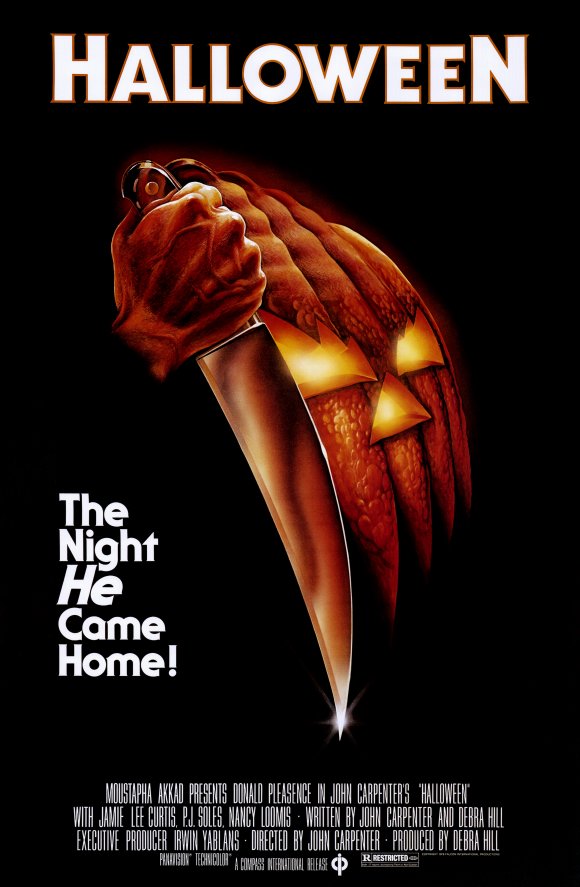
I’ve certainly seen many more horror films at home in the past decade or two, more than I’ve seen in theaters. But back in the day, including the period from 1978 to 1990 when I was reviewing movies for my hometown newspaper, I saw a lot of horror movies in the theater. I mean: “Halloween.”

That’s why I believe seeing any movie in a theater, especially a horror movie, is such a great experience. I definitely saw horror movies in theaters before I saw “The Exorcist” in 1973. (I’m still not quite sure how I saw the film, one of the greatest films and one of the greatest horror films ever, in the theater. I was years too young to have bought a ticket for an R-rated film. And yet …)

Anyway, I think I’ll always prefer seeing a good horror film in a theater. The big screen. The great sound. The cathartic feeling of an audience sharing a scare. And yes, even the shouted warnings from excited members of the audience. (“Watch out! He’s behind you!”)

And while I can’t say I’ll definitely see one of the horror films that the Regal theater chain plans to show in October, it’s very tempting to try to work that into my schedule.

Across the country, Regal is offering its “31 Screams on Screens” promotion, screening horror films from decades of scary movies for the low price of $7.99 a ticket.

The selection of films includes some of my favorites as well as some I haven’t seen. Here’s the list:

Oct. 1 — The Blackcoat’s Daughter (2015)
Oct. 2 — The Shining (1980)
Oct. 3 — Bram Stoker’s Dracula (1992)
Oct. 4 — The Conjuring (2013)
Oct. 5 — Poltergeist (1982)
Oct. 6 — The Haunting (1999)
Oct. 7 — Crimson Peak (2015)
Oct. 8 — Tales from the Hood (1995)
Oct. 9 — In the Mouth of Madness (1994)
Oct. 10 — Pet Sematary (1989)
Oct. 11 — Drag Me to Hell (2009)
Oct. 12 — The Thing (1982)
Oct. 13 — The Texas Chainsaw Massacre (2003)
Oct. 14 — Henry: Portrait of a Serial Killer (1986)
Oct. 15 — Psycho II (1983)
Oct. 16 — Candyman (1992) and Candyman (2021)
Oct. 17 — Scream 2 (1997)
Oct. 18 — A Nightmare on Elm Street (1984) and A Nightmare on Elm Street 3: Dream Warriors (1987)
Oct. 19 — The Blob (1988)
Oct. 20 — Evil Dead (2013)
Oct. 21 — Dawn of the Dead (2004)
Oct. 22 — Cabin Fever director’s cut (2002)
Oct. 23 — Midsommar director’s cut (2019)
Oct. 24 — Us (2019)
Oct. 25 — The Blair Witch Project (1999)
Oct. 26 — Constantine (2005)
Oct. 27 — The Cabin in the Woods (2011)
Oct. 28 — It Follows (2014)
Oct. 29 — Christine (1983)
Oct. 30 — Halloween (1978)
Oct. 31 — Trick ‘r Treat (2007)

There’s something for almost everyone there.

Here’s the link to the Regal site:

https://www.regmovies.com/horror-movies

Indiana Jones and the Perpetual Remake Machine

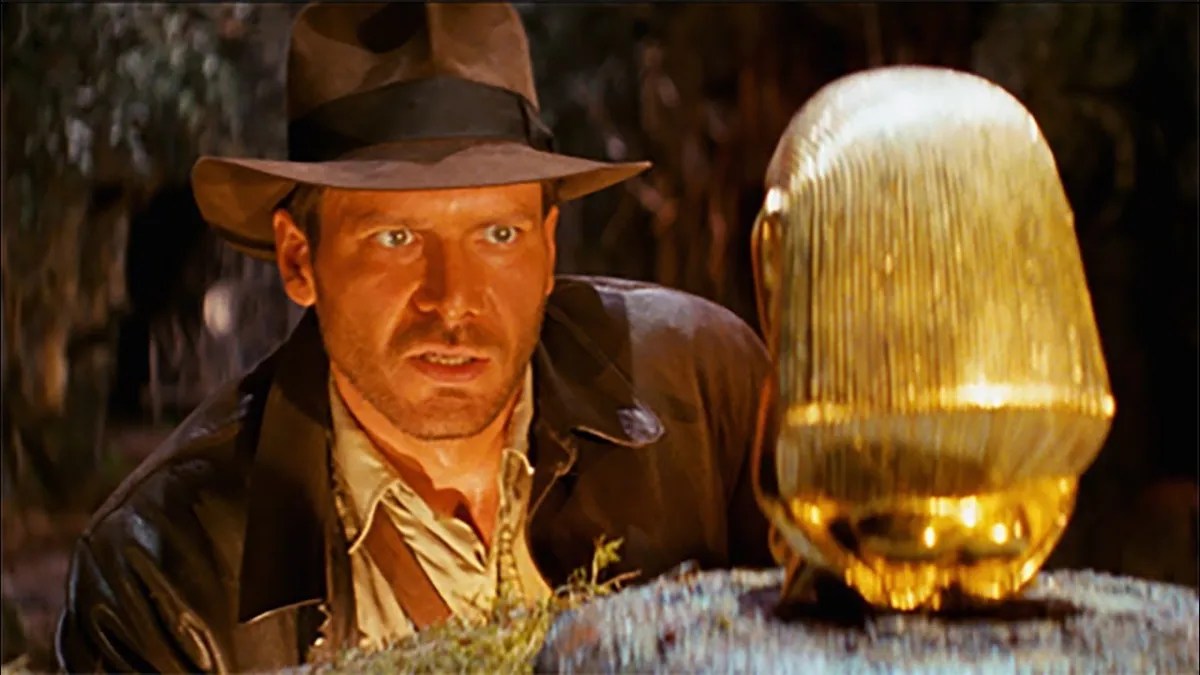
A few weeks ago, rumors moved through online circles that Disney was planning to reboot the Indiana Jones series with a new series of films starring someone other than Harrison Ford as Dr. Henry Jones Jr.

I totally expect this will happen.

I don’t think it’s likely that Pedro Pascal, currently an industry darling and starring in “Fantastic Four: First Steps,” as well as upcoming Marvel movies, will be cast in the role of the adventurous archeology professor. For one thing, Pascal is 50 years old. Ford was 39 years old at the time of “Raiders of the Lost Ark.” I think it’s much more likely that Disney will cast someone in their 30s in a remake. They want someone who could keep a movie series alive for a decade or more.

That said, if “Indiana Jones and the Dial of Destiny” had been a hit in 2023, we’d be seeing now-83-year-old Ford in continuing adventures.

But Hollywood and Disney have – sometimes more successfully than other times – long ago decided it was okay to recast and remake and reboot.

There’s been attempts to reboot the series before, or at least introduce younger versions of Jones and younger characters who could step into the role. But it didn’t work with Shia LaBeouf as Indy’s long-estranged son in 2008’s “Indiana Jones and the Kingdom of the Crystal Skull” – remember how the character started to place Indy’s hat on his head before the original reclaimed it? And it didn’t work with Phoebe Waller-Bridge as Helena Shaw in “Dial of Destiny.”

We’ve seen how some film series made recasting and rebooting work. Some handled it better than others, such as in the James Bond films. The “Star Trek” films did well with it too, at least at first. Disney and Lucasfilm tried it with the “Star Wars” films in a series of movies that worked fairly well but were harshly received by fanboys.

I’m only certain that Disney will reboot Indiana Jones at some point and will recast Indy.

Unless the practice of punching Nazis falls into disfavor.

‘House of 1,000 Dolls’ is vintage sleaze starring Vincent Price

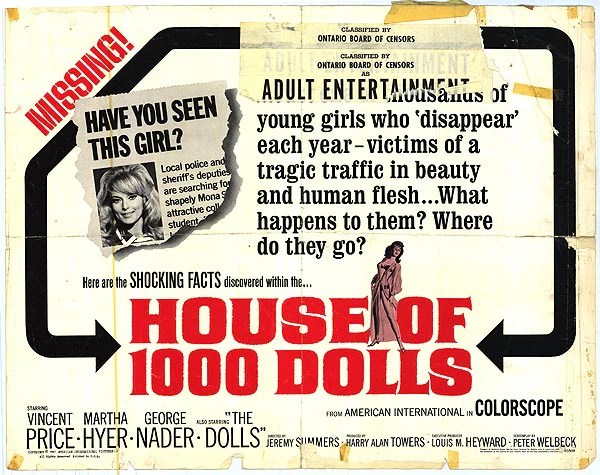
By the standards of the exploitation movies of just a few years later, there’s not that much shocking about “House of 1,000 Dolls,” a 1967 German-Spanish co-production starring Vincent Price as a magician who hypnotizes women during his nightclub act in Tangiers. The women end up in a house of prostitution, although there are considerably fewer than 1,000 women there. Unless maybe you count the miniature actual dolls that line one bookshelf?

“House of 1,000 Dolls” definitely qualifies as racy stuff for the period and it no doubt titillated drive-in movie audiences with its scenes of kidnapped women wearing bras and panties and filmy gowns.

And Price apparently was a little scandalized. This was during the period the actor was starring in well-remembered, full-color Roger Corman adaptations of Edgar Allen Poe tales and, according to one interview, Price was startled to learn that the makers of “House of 1,000 Dolls” were shooting more explicit scenes on the sets when his scenes were not filmed.

My favorite aspect of the movie, though, is the presence in the cast of an actor named Herbert Fux. He was an Austrian actor who, in addition to appearing in legit and semi-legit films, also appeared in some kind of porn films. And he was in politics as well.

As the old Smuckers commercials might have said, “With a name like Fux, it has to be porn.”

“House of 1,000 Dolls” is available via streaming and it’s worth it alone to see Price running around in a top hat and cape.

Highly recommended: ‘Film Is Dead. Long Live Film’

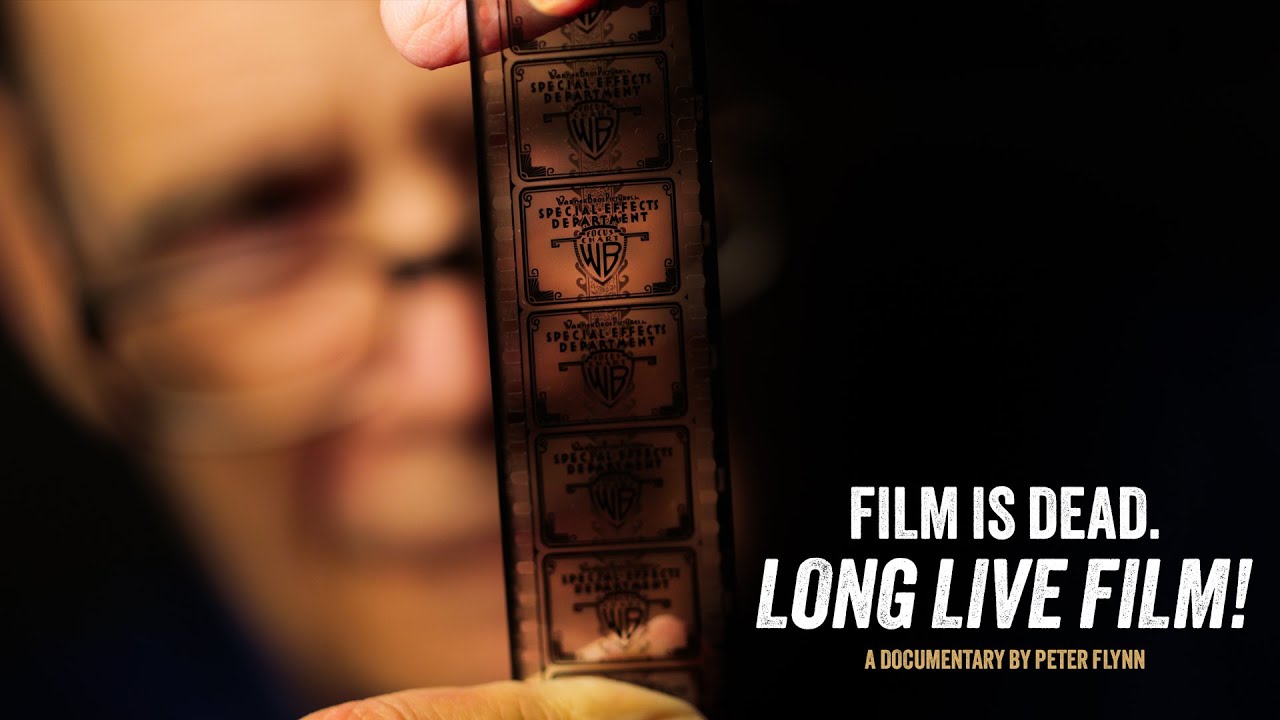
“Film is Dead. Love Live Film” is a new (earlier in 2024) documentary film from director Peter Flynn and it captures a type of collecting and preservation of history that I have to say I’d not considered all that much before: personal film collecting. As in, scavenging and collecting and restoring and preserving and sharing a wide variety of films from the entire history of movie-making, from feature films to home movies to commercials to – well, you name it.

I just watched “Film Is Dead” on TCM, which has always done an admirable job of film preservation and popularization, and Flynn’s documentary calls attention to the private collectors of film – everything from 8 millimeter to 70 millimeter – who can become slightly obsessive about their hobby, which itself can be an artistic endeavor.

I’ve always known about the many ways film and films have been preserved and shared, with my first awareness of this coming when I was young and got an 8mm projector and some films. My goal was to get an 8mm movie camera and make my own movies – I really wanted to do my own version of “Dracula” – but the hobby, as long as it lasted, remained focused on collecting those minutes-long 8mm versions – released by Castle Films, but the documentary notes there were several companies – of old horror films. The Castle films I was familiar with were heavily edited versions of old Universal horror features like “Frankenstein” or sometimes just scenes.

This was in the 1960s and 1970s, so needless to say it was long before even truncated versions of the films were available to watch at home on video. The thirst to see old Laurel and Hardy or Abbott and Costello or Boris Karloff films was great and coincided with the release of those books that reproduced hundreds of photos from films like “Psycho” along with the script. The 8mm films and those books were the only way most of us, who did not have access to 16mm films, experienced these movies when they weren’t airing on local TV.

The 8mm films are covered here, but the bulk of the documentary is about the film fans – maybe even obsessives – who dived in dumpsters to salvage films thrown away by movie studios and TV stations (something that happened often; tens of thousands of films from the Silent Era forward were lost forever) or bought them from other collectors or even stole copies.

For decades, the Hollywood studios frowned on, and with the help of authorities even prosecuted, private collectors of films. “Film Is Dead” recounts a lot of things I didn’t know, including that well-known film buffs like Rock Hudson, Mel Torme, Hugh Hefner and Roddy McDowall were targeted. “Planet of the Apes” star McDowall was in 1974 busted by the feds for “film piracy.” The documentary notes that the feds used McDowall as an example to anyone who traded and trafficked in private film ownership.

The hobby was “basically illegal,” as one collector points out.

Decades later, though, studios and museums were seeking out collectors who had copies – sometimes the last surviving copies – of films, features and shorts, commercials and those “Let’s All Go to the Lobby” intermission films from drive-in theaters, in order to help make them more widely available.

“Film is Dead” acknowledges that movie theaters are never going back from digital projection to showing films on film. But the resources of digital restoration and online sharing of films make it possible to see many of these works of art again.

The collectors in the documentary are very passionate about preserving films but also about sharing them with other people. And the film really emphasizes how cavalier the studios and TV stations were in throwing away and destroying or melting down (to recoup the silver in film stock) films once they were no longer of value. So much history was lost.

One collector depicted here gives his collection to a younger collector/museum/archive. Another turns over his collection to the Library of Congress. There’s acknowledgement, too, of the kind of thing I’ve seen in Facebook groups about collecting vintage comic books. These old collectors are wondering what to do with tens of thousands of comic books and what will happen to them when they die. Will they just be thrown away if their kids don’t want them?

Probably.

“Film is Dead. Love Live Film” is an engrossing and touching look at the history and current status of collecting film. It’s funny at times – there’s acknowledgment of what a dirty job salvaging old films is – and the toll it takes on collectors and their families, because collecting can be as much of an obsession as anything.

Halloween on TV, 2024 style

Way back in the dark ages, before the Internet, I wrote about TV – we’re talking about the 1980s, so even pay-cable, as they called it then, was relatively new – and my favorite time of year to write about TV was the run-up to Halloween.

I’d been a dedicated watcher of Halloween-oriented TV in my childhood, watching late-night horror host Sammy Terry and, of course, the Charlie Brown “Great Pumpkin” special.

So by the time I was an “adult” and getting paid to write about TV for my local newspaper, I would devote one of my weekly columns in October to Halloween specials and movies we could look forward to seeing on the tube, Because this was before the Internet, I mostly relied on press releases sent via MAIL in PRINT from TV networks and Indianapolis TV stations.

So I’d list a Halloween week’s worth of TV. In October 1984, for example, I noted that the 1979 remake of “Invasion of the Body Snatchers” would air on Cinemax on October 31, followed by John Carpenter’s “Halloween,” “Alligator” and George Romero’s “Creepshow.”

I noted that Elvira, Mistress of the Dark, would host a four-hour block on MTV. I watched this a while back for a book I was writing, set in October 1984, and found it a very fun experience that included Romero’s “Night of the Living Dead.”

Now we have all the info we want, all the time, about what’s coming up on great cable channels like TCM – this October its star of the month is Bela Lugosi – and streaming services.

I’ve been catching a few fun old horror films and specials. What have I watched so far this month? I enjoyed rewatching the Tom Cruise “Mummy” movie from 2017 that was supposed to kick off “a new world of gods and monsters” for a Universal “Dark Universe” that would see revivals of all the classic films from the studio. We know how badly that went.

I watched “Halloween with the New Addams Family,” a 1977 special that was really misnamed because most of the cast of the 1960s series returned for this TV movie sequel.

I’m enjoying the Creepy Cinema series on TCM that kicked off with “Sudden Fear,” a little-seen 1952 thriller starring Joan Crawford and Jack Palance.

One of the most enjoyable watches so far was “Spine Tingler: The William Castle Story,” a documentary from 2007 about the shock film director/producer who rivaled Alfred Hitchcock for the ingenuity of his films – and especially the gimmicks used to promote them, including “The Tingler.” I highly recommend this doc if you’ve never seen it. I found it for free on streaming.

And of course I’m watching as “Svengoolie” counts down to Halloween with double-features every Saturday night.

I’m almost certain that before Halloween I’ll rewatch that Charlie Brown special. It wouldn’t be Halloween without seeing t.