Playboy gets modest and …. zzz

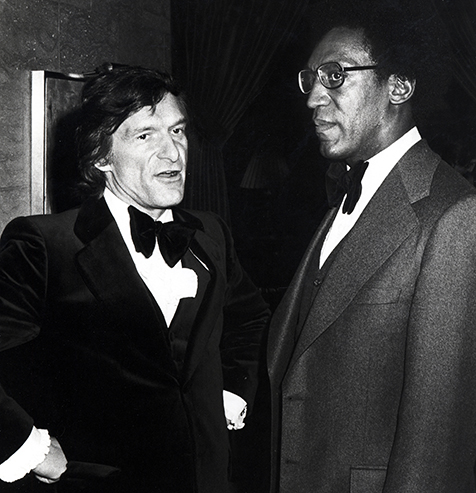
cosbyhefner

I come here neither to praise Playboy nor bury it.

I was once a regular reader of the magazine (snicker all you want at the word “reader”) but I haven’t bought one in probably 20 years. I think I last looked through one in the early 2000s, when a (female) friend of mine had a subscription.

So news this week that Playboy would no longer publish photos containing nudity didn’t make me chuckle or mourn or wax nostalgic. If that’s what you think this blog entry is, you should be aware this particular post is non-waxing.

The news did leave me wondering, though: Can Playboy do anything to be relevant again? (The answer: Not really.)

And the news made me a little sad that Playboy had been so thoroughly irrelevant for the past two decades.

It’s not (really it’s not) the lack of carefully waxed (and airbrushed) nude models that anybody will miss. There’s no deficit of naked women (and men, for that matter, although they were never Playboy’s thing) out there, from one end of the Internet to the other.

There was a time, for a couple of decades after Playboy debuted in 1953, when the magazine was a big deal. Sure there were the photo layouts of beautiful women who compliantly posed naked in front of the refrigerator or in the barn (“Friends” made mincemeat of this cliche) and listed their turn-ons (“avocados, sunshine”) and turn-offs (“rude people”) – like you were ever gonna make use of that information – in the gatefold (NOT centerfold) interview.

And scoff all you want about “reading Playboy for the articles,” but the fiction and non-fiction content of the magazine was great. Ask most of the authors working in the 1970s: They wanted to get their short stories and articles in front of more than 5 million pairs of eyeballs.

Now the magazine’s circulation is about 800,000.

While a lot of that decline can be attributed to the wide variety of nekkidness online, it’s also because almost nobody thinks about Playboy for its fiction or non-fiction or interviews anymore.

The cover of the latest issue promises not only Girls of the Big 12 but a list of the top party schools and interviews with actors Jeff Garlin and Joseph Gordon-Levitt.

Would that be enough to draw you in without the promise of even “tasteful” nudity, whatever that is?

Okay, here’s a little waxing. Remember when Jimmy Carter gave Playboy that “lust in my heart” interview?

Playboy-February-1975

If not, how about the February 1975 issue with the most hilarious celebrity interview ever, with director Mel Brooks. Brooks had two movies out that year. You might have heard of them: “Blazing Saddles” and “Young Frankenstein.”

Playboy did THE relevant articles and interviews. They helped sell the seriousness with photos of naked women. Sometimes in barns.

I will praise, just a bit, Playboy’s role in the sexual revolution. Yes, the magazine totally objectified women. But I read plenty of articles and Q-and-As from the time that demonstrated an eagerness for sexual equality that had to have been mirrored in some of the country’s most liberal bastions. It was a selfish motivation, of course: Who wouldn’t want your partner to feel sexually free? But the ends justified the means.

I have to say I’m less than enchanted, in retrospect, with the anything-for-the-pursuit-of-sex practices that surrounded the Playboy philosophy. The magazine regularly published a page of photos of models, playmates and guests like Cosby and Shel Silverstein and Jimmy Caan hanging out in the Chicago or L.A. mansions and I would bet there were few of us who didn’t wish we were there.

I picked the photo at the top there, of Playboy founder Hugh Hefner and pal Bill Cosby, to illustrate this entry because they symbolize to me and plenty of others the Playboy lifestyle most of us aspired to.

We know now, of course, the poisonous fruits of that lifestyle, at least as typified by Cosby.

So while Playboy captured some attention with the announcement that it would no longer publish nudes – presumably joining the likes of Esquire and … what, tattoo and biker magazines? – it’s hard to imagine anyone coming to the magazine for Chive-type shots of chicks with picturesque tattoos.

So can Playboy reinvent itself?

No. And it shouldn’t.

The Saturday Evening Post typified a time in publishing. So did Life and Newsweek and one of my favorites, National Lampoon.

So did Playboy. And that time is past.
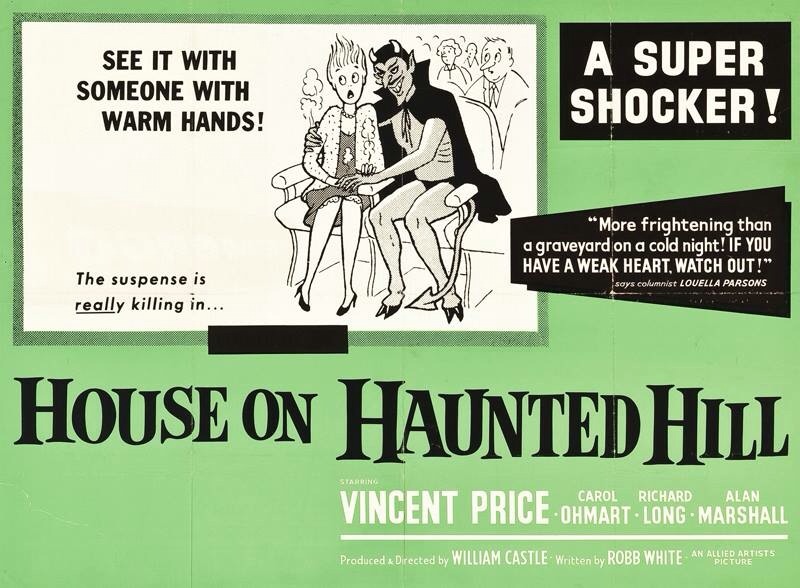
Warm hands?

  
This ad for William Castle’s 1959 fright flick “House on Haunted Hill” has me all “huh?”

See it with someone with warm hands has a more than devilish meaning, seems like.

Also – a blurb from Louella Parsons? Was Hedda Hopper out of town?

Looked at life from both hands now …

  
A month or so with a broken hand gives you some perspective about the challenges of a disability.

I’m blessed compared to all those people with permanent disabilities and even those with longer-lasting but still temporary disadvantages. 

But aside from ultra-personal issues like not being able to tie my own shoes, I’ve noticed many public obstacles for the disabled. And I’m only noting hand-related challenges here. Entire blogs and books – and laws – have been written about the challenges to mobility that a simple bad sidewalk can pose.

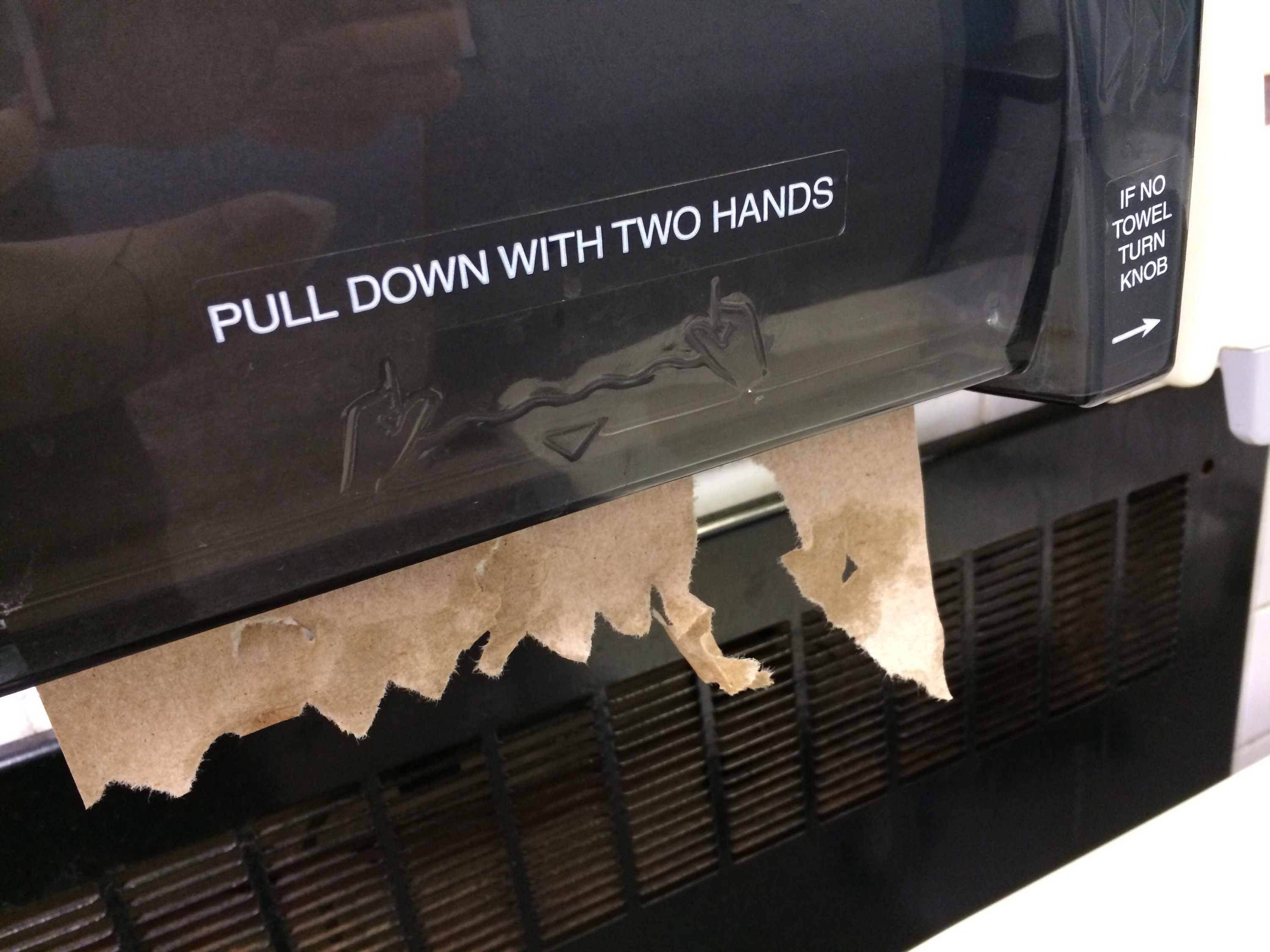
The paper towel dispenser above, in a public restroom, is one. It’s nearly impossible to use with one hand.

How about door handles? The Americans with Disabilities Act has addressed that quandary in many public buildings, but not all.

How about the simple PC keyboard, requiring the control-alt-delete combination to start or unlock? It’s only one reason I love my Mac.

Anything that requires two hands – or even one hand and a finger of the other hand – is harder.

I would strongly recommend against breaking a hand. But I would recommend that the next time you try a simple two-handed task, try it with one hand. It’s an eye-opening experience.

Red Tornado, is that you?

  
So this is different. 

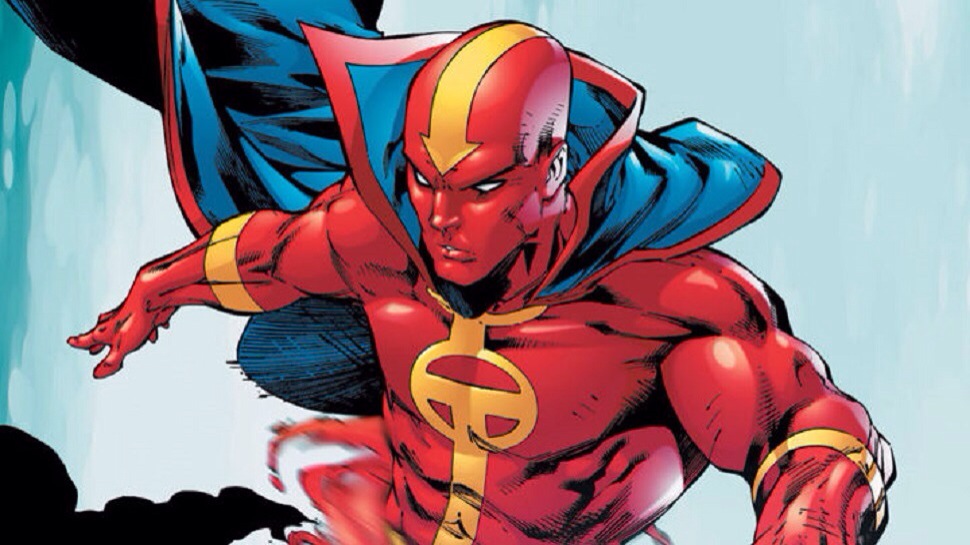
This fall’s “Supergirl” TV series is introducing several comic book characters, including the at-times enigmatic android Red Tornado.

That’s him above, as seen in a photo released this week. 

I dunno. I’m more accustomed to the way the character – at least the Silver Age version – looks.

  
I’m missing the yellow arrow. But I guess we’ll see.

A big hand for …

  
I’ve struggled with feeding this blog with new entries in recent months, posting less frequently than I’d like.

I felt like I’d been somewhat back on track recently, however. And I was on the verge of a new element for the blog.

Then … Well, see above.

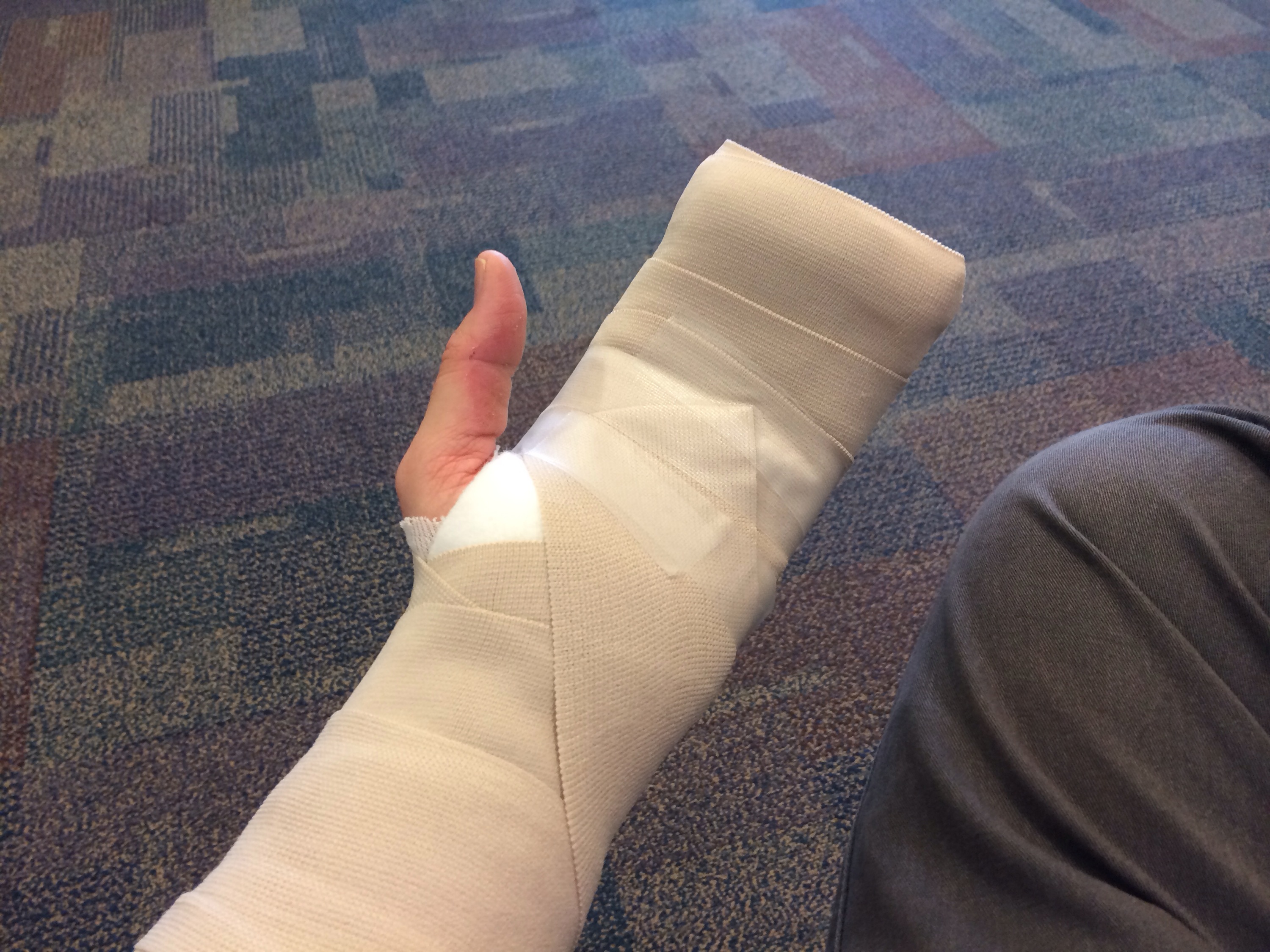
I tripped and broke a metatarsal in my left hand, which has made it nearly impossible to type normally the past couple of weeks.

I’m using a dictation app – and most of my patience and energy – for my real job, so this blog has suffered. 

But hang in there with me.  I’ll still try to do short entries here. And I’ll be getting back to normal soon. I hope. 

‘Fear the Walking Dead’ so far, so good

  
We all have George Lucas to blame, I think, for the number of prequels in pop culture right now.

But I’m willing to stick with AMC’s “Fear the Walking Dead.” 

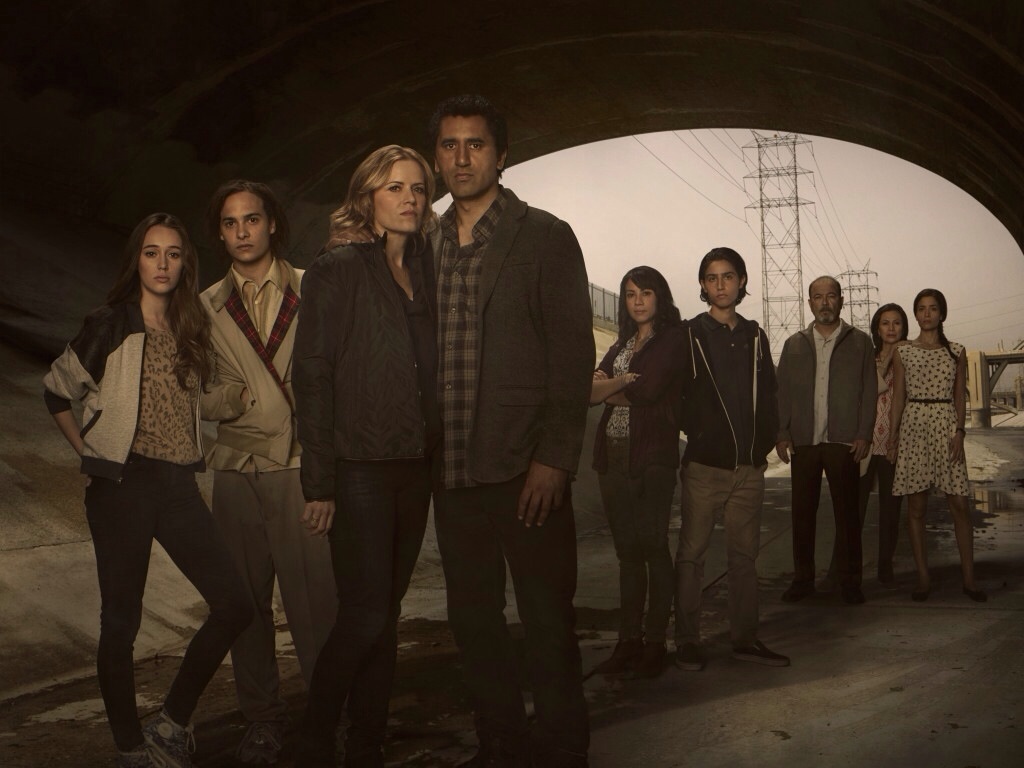
The series, which follows a couple of families in Los Angeles in the early days of the zombie apocalypse we know well from “The Walking Dead,” is in the right mode so far. Everybody is still wondering what’s going on as people start attacking each other. Chaos is beginning to build but society still seems salvageable.

Even though we know it’s not.

I’m enjoying the depiction of the breakdown of everyday life. 

We’re getting a look at the period when Rick was in a coma in the original series.

I like the characters with the exception of the addict son. And I’m sure he won’t be eaten. 

I remain weary and wary of the show’s treatment of black characters.

But I’ll keep watching for now.

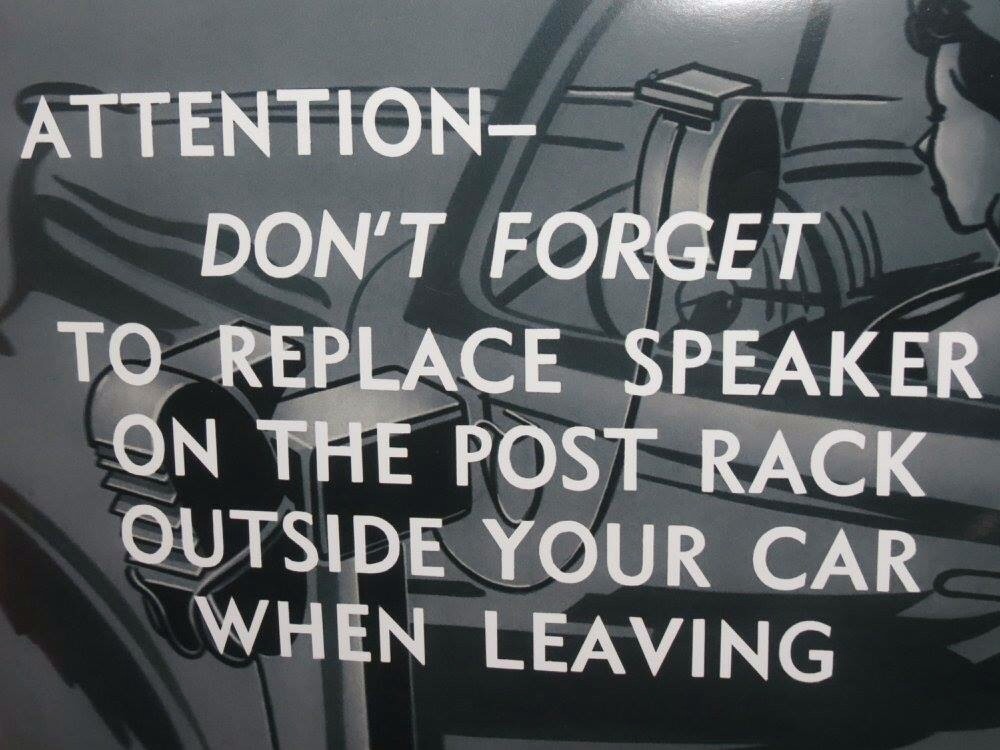
Drive-in hangups

  
I copped this online just now. 

Yes I’m old enough to remember this and similar cautions when going to a drive-in movie.

We were always reminded. 

Always. 

Yet I remember seeing it happen. 

New: Diggle’s suit for ‘Arrow’

  
Just released by the CW, a look at the helmet that Diggle, part of Team Arrow from “Arrow,” will wear this season.

The helmet makes me think of Magneto. And it looks like it would get knocked off easily.

There’s a danger in trying to turn a character created for a TV series into a comic hero.

Of course it worked for Harley Quinn, created for the Batman animated series.  

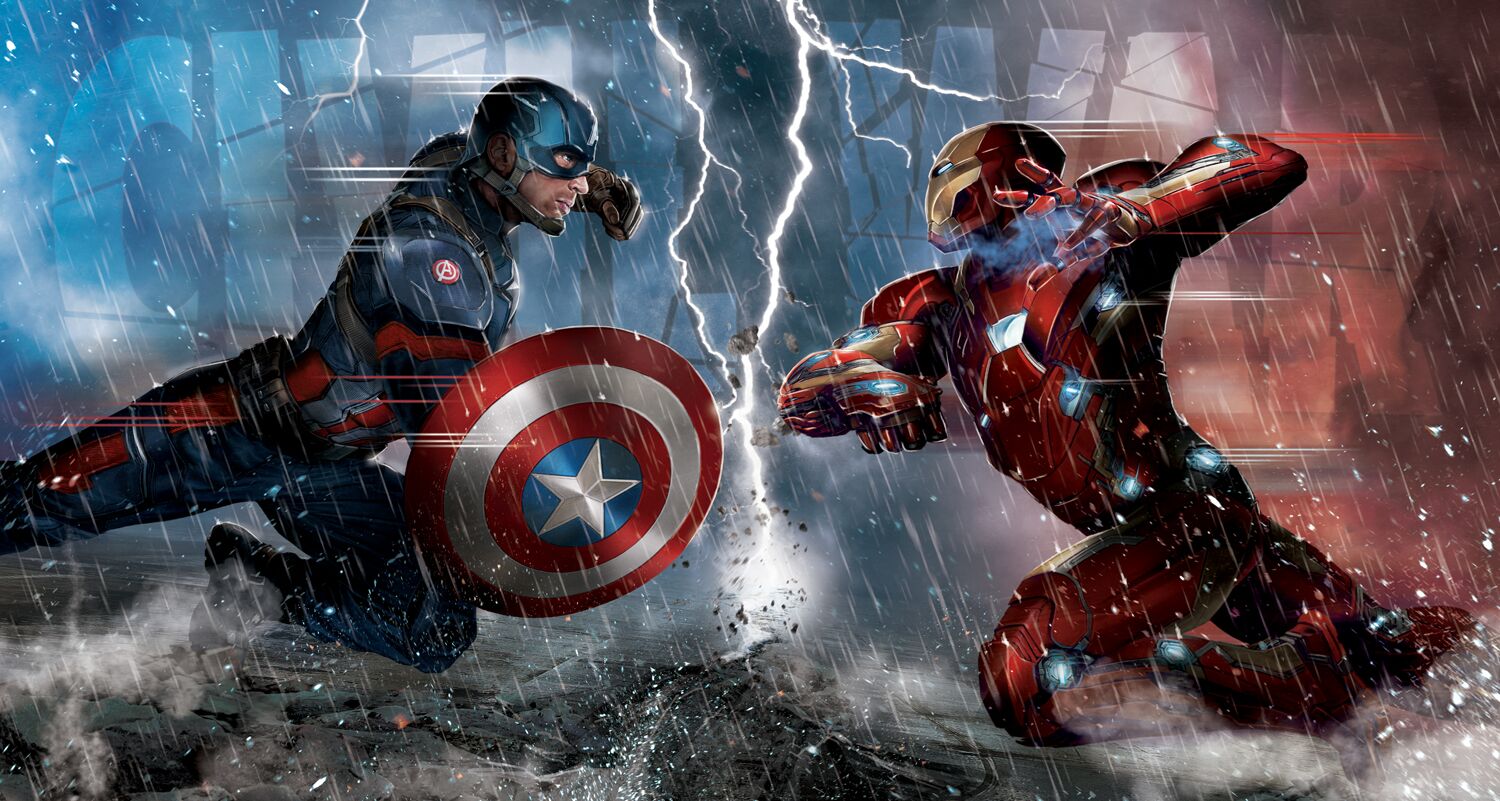
‘Captain America: Civil War’ – pick a side

capcivilwarfaceoffMore-likely-than-not pre-production art for “Captain America: Civil War” hit the web today.

We know that the star-studded movie, due for spring release, pits teams headed by Cap and Iron Man against each other.

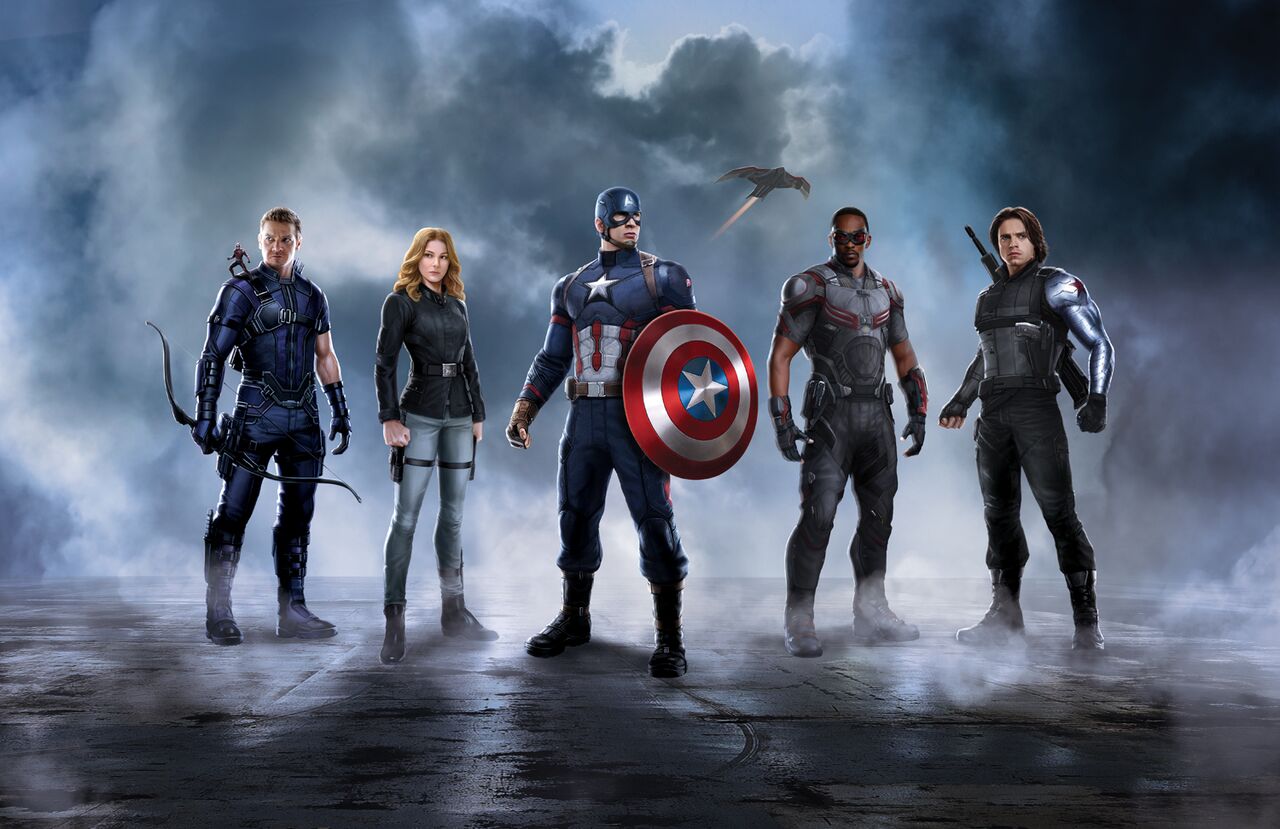
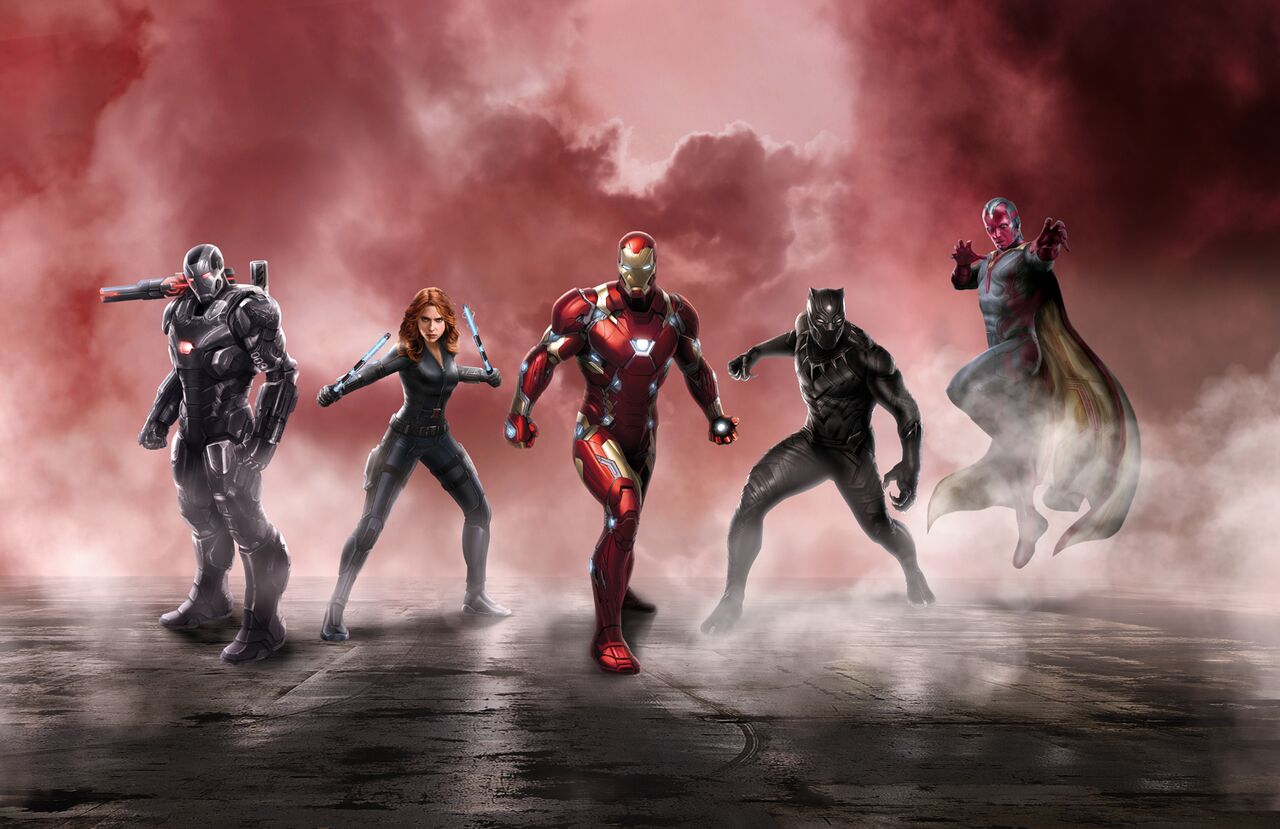
Although I bet we’ll see some allegiances change during the movie, the initial lineups are pretty interesting.

capcivilwarcap

Here’s Cap’s team. Hawkeye, Sharon Carter, Falcon (with Redwing above!) and Winter Soldier.

capcivilwarironman

And here’s Tony Stark’s team. War Machine, Black Widow, Black Panther and Vision.

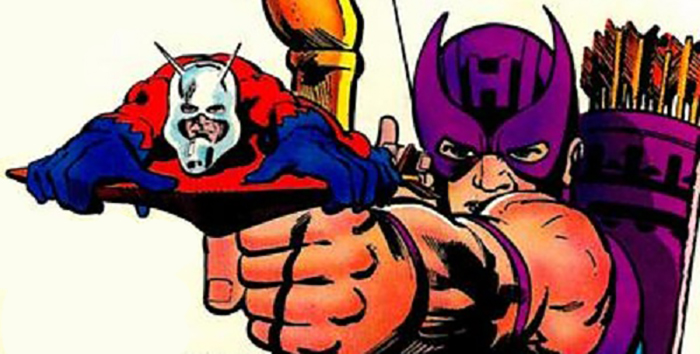
In the shot of Cap’s team, did you notice Ant-Man on Hawkeye’s shoulder?

hawkeyeantmanarrow

That means we’ve got to see this.

Marvel wouldn’t tease that and leave us hanging, would they?

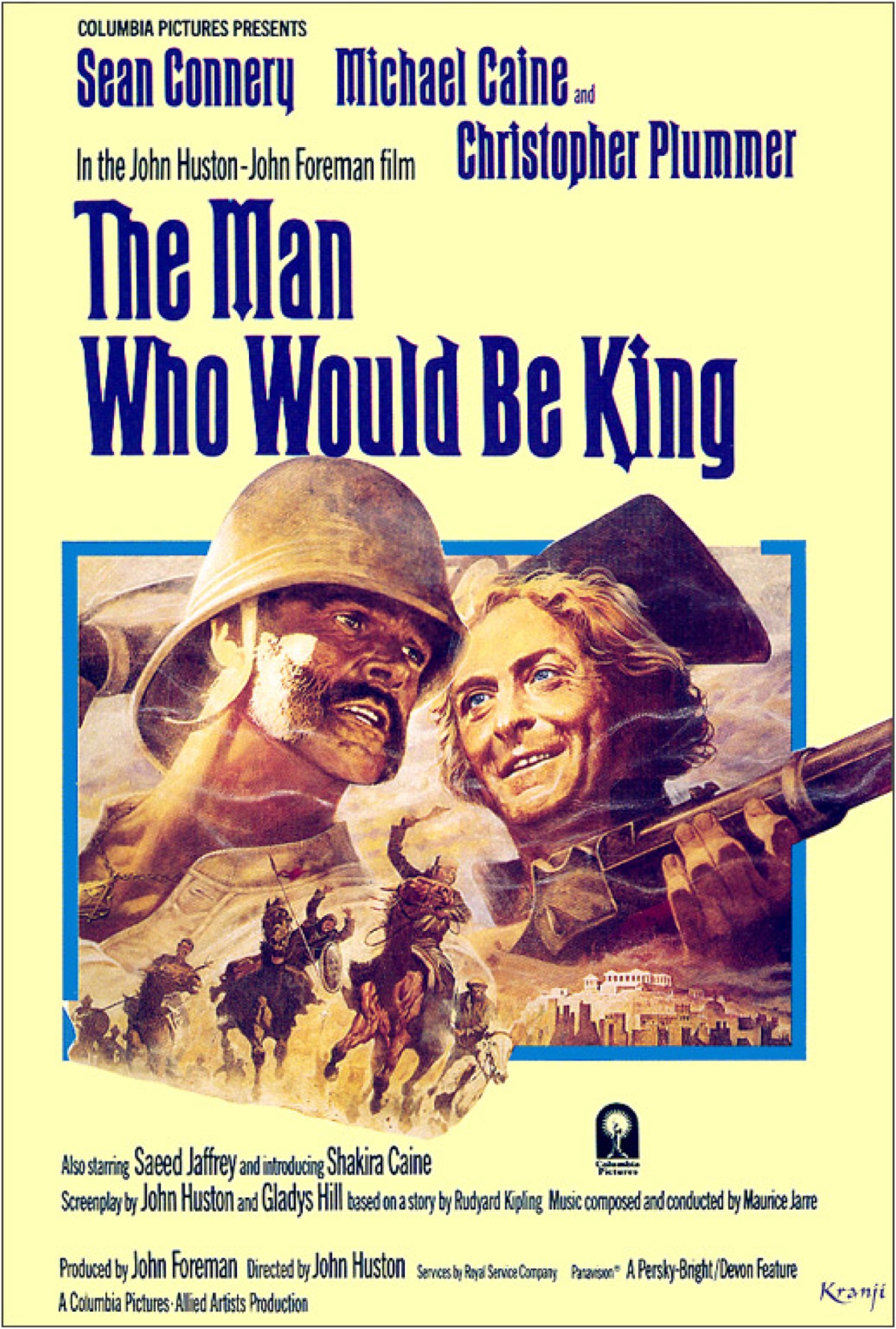
Classic: ‘The Man Who Would Be King’

the man who would be king poster

Did you ever go back and watch a fondly-remembered movie for the first time in 20 years and worry that your memories of it were totally skewed, that it wouldn’t be as good? Or maybe even embarrassingly bad?

I was a little worried about that upon my first re-watching in a couple of decades of John Huston’s “The Man Who Would Be King,” the director’s version of the Rudyard Kipling story of two British soldiers-turned-adventurers-turned-con-men in the depths of colonialism in the late 1800s.

Huston’s film was released in 1975 and is still more than effective in telling its story of two men who start out with nothing more than a plan to get rich off tribal warlords as they leave India and journey to remote Kafiristan, a province of Afghanistan.

The idea is to sell rifles to a warlord, allowing him to more effectively kill his enemies and expand his reach.

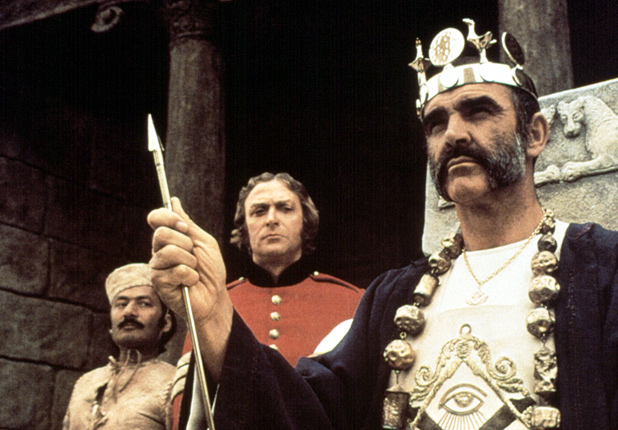
But as Peachy (Michael Caine) and Danny (Sean Connery) put their plan into motion, they discover that while they can train a warlord’s troops and stroke his ego, it would just be easier to become the warlords themselves.

Danny – and Connery is wonderfully effective here – believes his own hype and before long is acting like the god-on-earth that his new subjects believe he is.

the man who would be king scene

The story – based by Kipling on a couple of real-life adventurers – is a jarring mix of the old-fashioned and brutal. There’s a quaint framing device to tell the story but the fortunes of war are not kind to would-be warlords and gods.

Christopher Plummer is terrific as Kipling, as is Saeed Jeffrey as Billy Fish, the loyal native who helps the pair.

Seeing Plummer, Caine and Connery so young and vital is great fun and they’re perfect in what seemed like a throwback then that’s even more so now.