Comic book ads: Zombie mask and former NYC magic shop

zombiemaskcomicadRegular readers of this blog know I love old comic book ads. I grew up perusing them right along with the Marvel and DC comics stories wrapped around them.

So I’m somewhat surprised that I don’t remember – and haven’t run across before – the ad above that I found online.

Almost certainly from a comic book, this ad for “The Zombie Mask” did a nice job of selling its product.

“This fiendish, evil mask is terrifyingly lifelike in appearance,” the ad’s breathless copy maintains. “Made of top quality sanitary rubber … if your friends have bad hearts, don’t wear it.”

The mask includes a wig of “finely spun hair.”

All for $2.98. Or, for the same price, you could get a Frankenstein mask.

Hopefully some reader can fill in some details on these masks, including the manufacturer. A Google image search didn’t turn up much in the way of who made it.

There are a few interesting details to be had, however, in the company that was selling these masks.

The Magic Center – which billed itself as “the world’s largest magic store” – was a frequent advertiser in magazines like Popular Science and Google searches find their ads as far back as 1949.

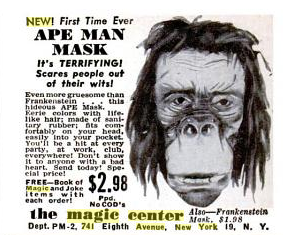
magic center ape man mask

These ads were usually for magic tricks, although a 1953 issue of Popular Mechanics found the Magic Center – still located at 741 Eighth Avenue in NYC – offering a “terrifying” ape man mask.

What happened to the Magic Center? I wish I knew. Google searches turn up, in recent years, a “dive bar” at the location. And it looks like the bar itself has closed.

I’m afraid there were few zombie or ape man masks to be found there in the past couple of decades.

Batman’s Joker: Reinvention is nothing new

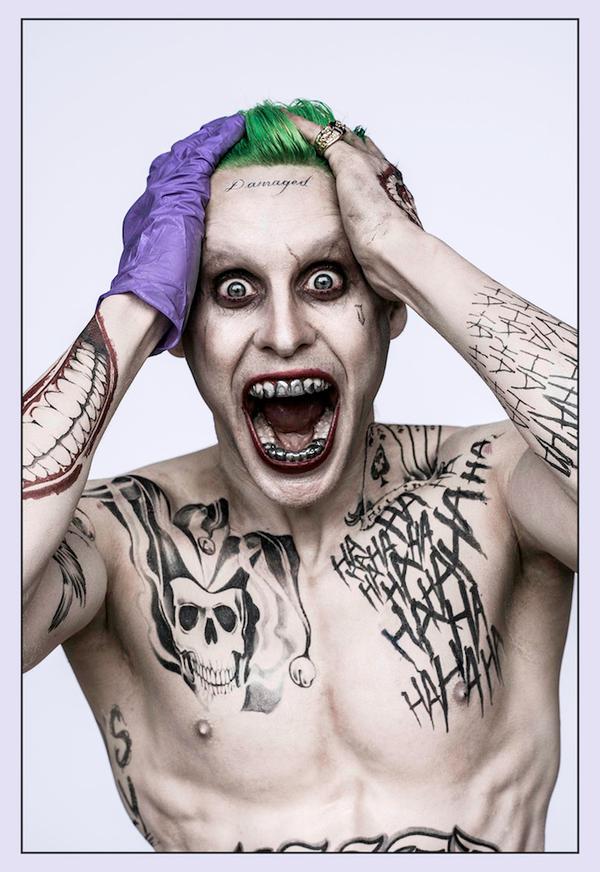
jaredletojoker

There was a lot of discussion online the other day when Jared Leto’s look as the Joker from the upcoming movie “Suicide Squad” released.

My personal feeling is that this is an attempt to re-invent the character for a new generation. Young moviegoers would not be satisfied with the look of the Tim Burton/Jack Nicholson Joker. I wasn’t sold on that interpretation myself.

I’m not sure about the Leto look. “Trying too hard” is one phrase that comes to mind.

What’s important, of course, is how Leto plays the character and how the part is written.

But reinvention has been a constant for the character, who first appeared in the comic book Batman 1, 75 years ago this month.

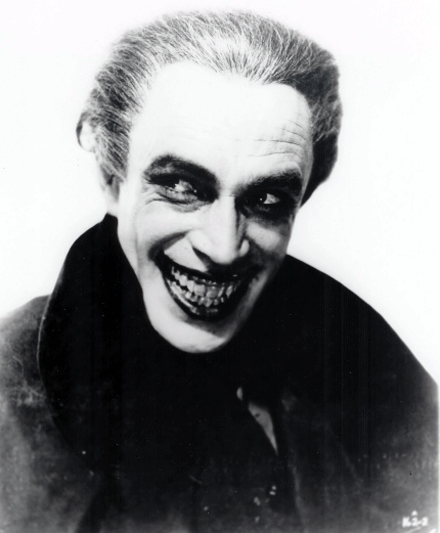
veidtmanwholaughs

There’s the unacknowledged inspiration for the “look” of the Joker, taken from actor Conrad Veidt’s appearance in the 1928 movie “The Man Who Laughs.”

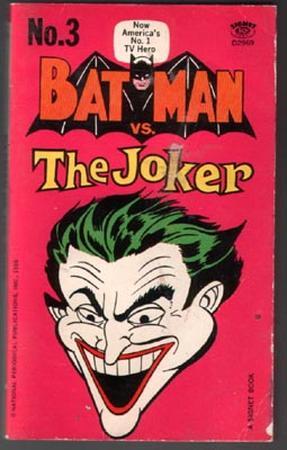
billfingerjoker

There was the classic Joker, of course, “created” by Bob Kane but really created by Kane and Jerry Robinson and Bill Finger.

cesarromerojoker

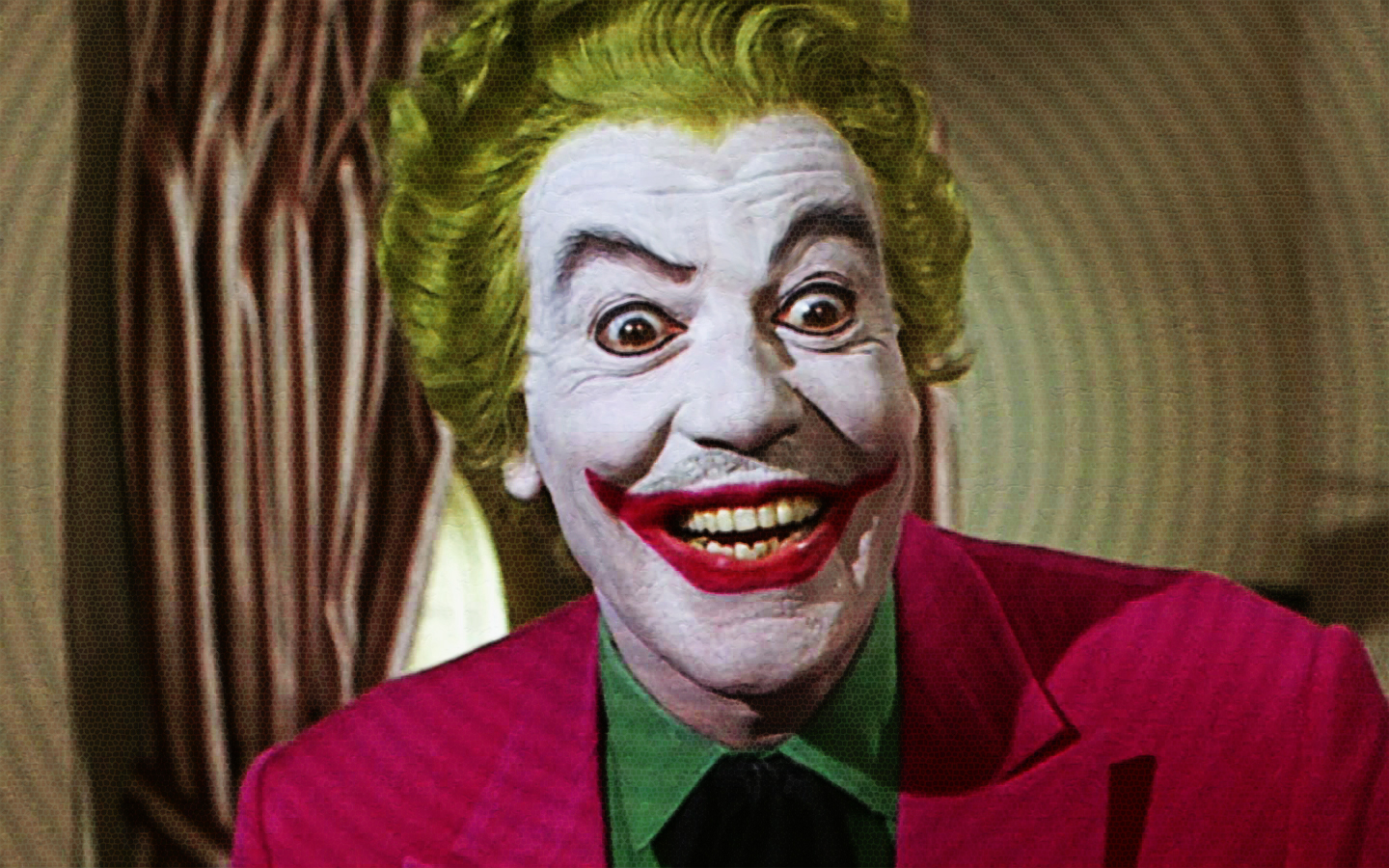
For kids coming of age in the 1960s, Cesar Romero’s Joker in the “Batman” TV series – painted-over mustache and all – is the most familiar look for the character.

nealadamsjoker

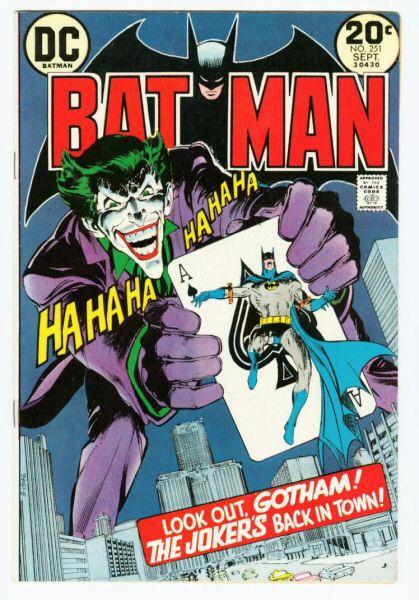
At the time the world thought of “Batman” as camp, comics readers knew the Joker as a madman and real threat to the Dark Knight detective. The Joker’s look in the comics was refined in the art of Neal Adams.

timburtonjacknicholsonjoker

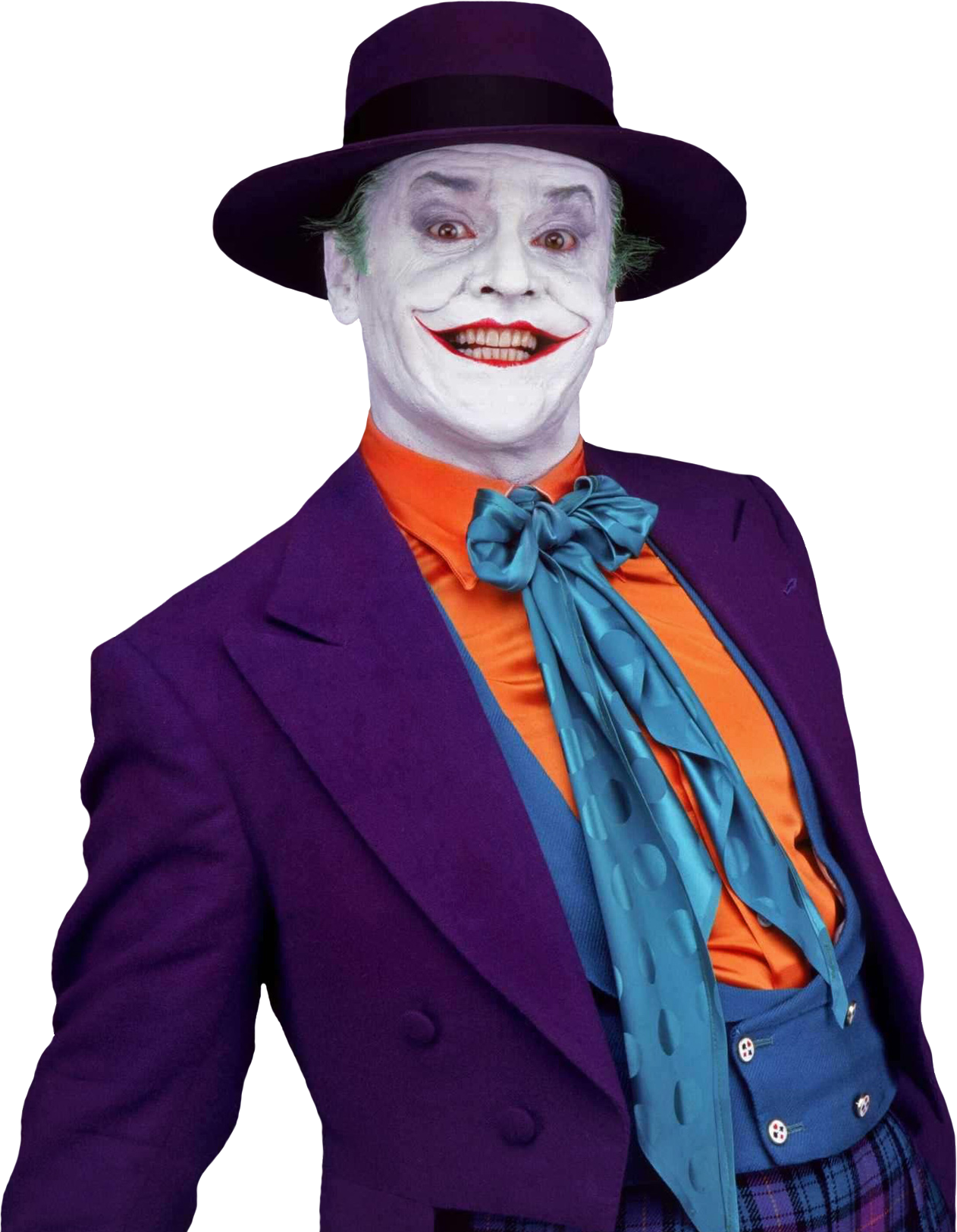
Tim Burton’s 1989 “Batman” movie needed a big name to play the Joker. Nicholson was cast and brought the right amount of menace to the character, but he wasn’t physically right.

batmananimatedjoker

The “Batman” animated series did wonders with a simple Joker design and Mark Hamill’s great voice performance.

alexrossjoker

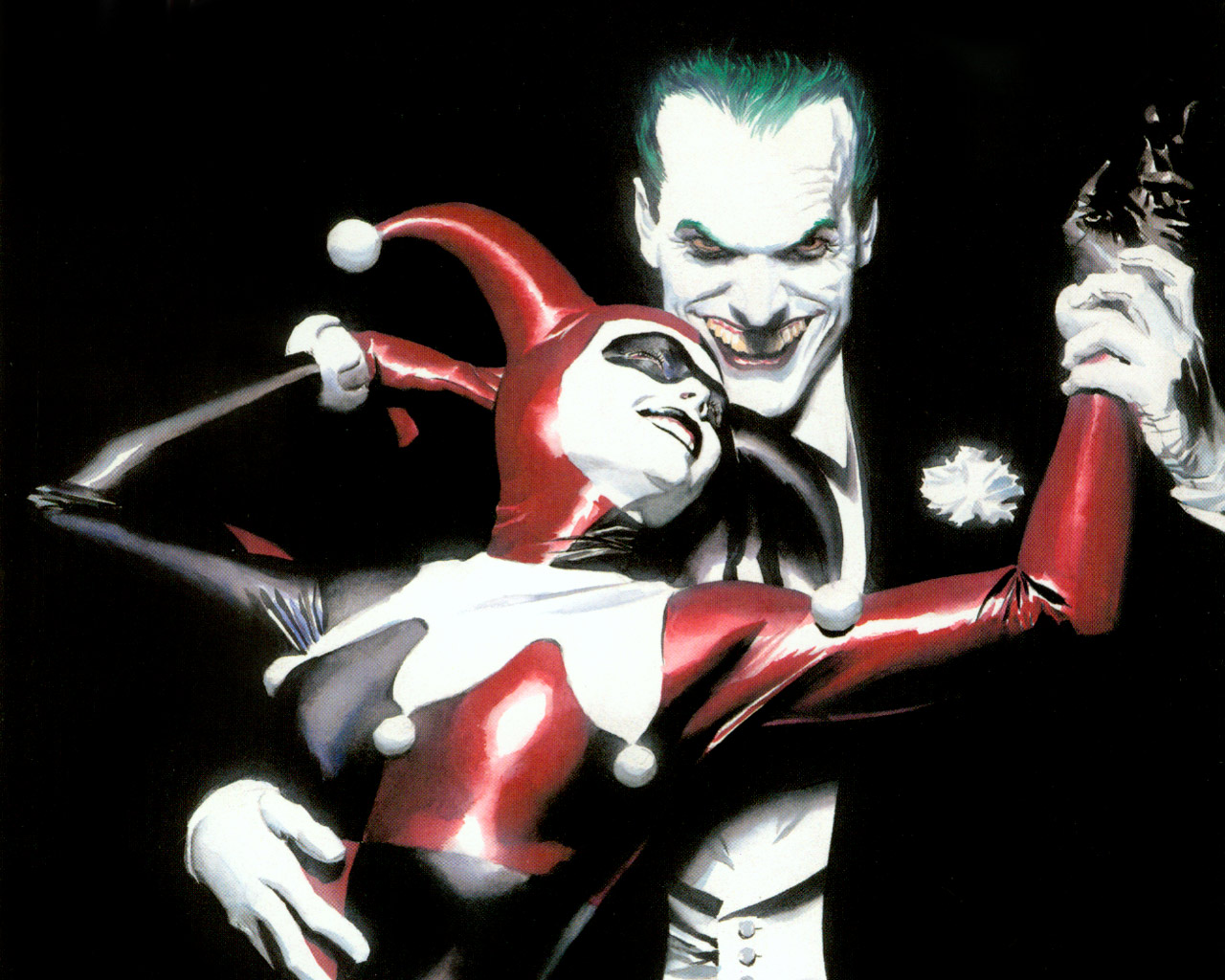
Artist Alex Ross made the Joker believable and frightening at the same time.

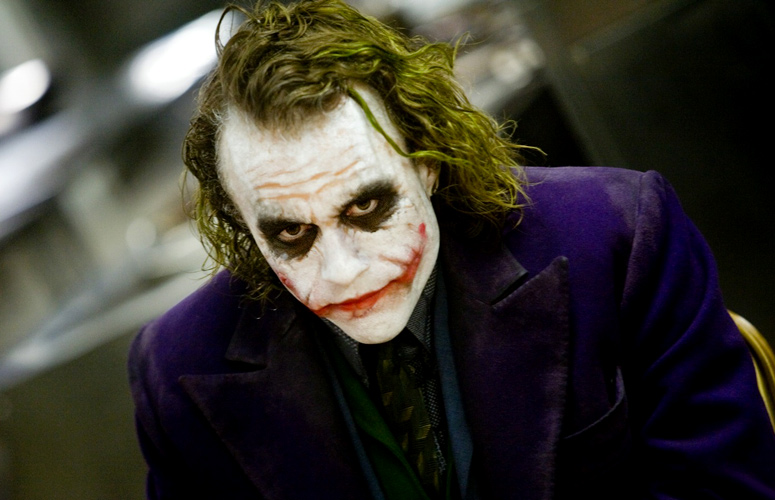
heathledgerjoker

It’s hard to imagine it was as recently as 2008 when Christopher Nolan’s “Dark Knight” took the Joker in a whole new direction in terms of look and physicality. And Heath Ledger was outstanding in what was considered as unconventional a look as Leto’s appearance is now.

Will Leto’s look be a Joker for the ages?

‘Universal Monsters’ universe seems to be stop-and-start

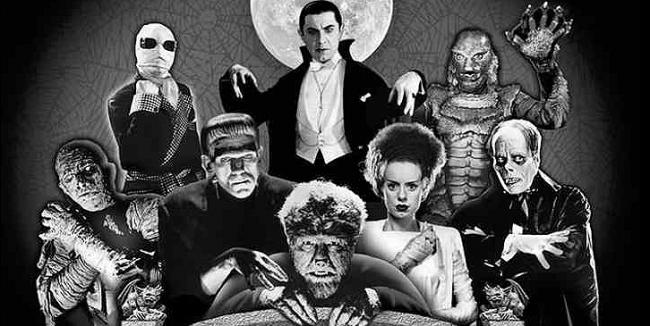
universal monsters

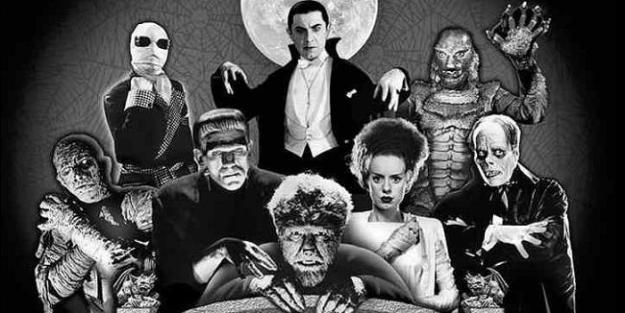
Okay, eventually we’re going to be calling this “The Curse of the Universal Monster Franchise.”

I’d been meaning to post a few thoughts about Universal’s proposal to turn its classic Universal Monsters collection into a shared universe. You know, shared universes are the biggest deal in the entertainment industry right now. Marvel has been mapping out, to great success, its Marvel Cinematic Universe since 2008. DC/Warner Bros. are trying to do the same with their superheroes. We’ve heard about shared universe efforts from several directions, including one I wrote about a while back regarding a brilliant plan to create a shared universe that draws from low-budget 1950s movies ala Roger Corman.

I was hoping that the recent “Dracula Untold” movie wasn’t the kick-off of Universal’s efforts, and while news coverage of the Universal universe (ha!) indicates that it was, I wonder if the movie’s underwhelming reception and box-office performance won’t mean it will be officially “forgotten” when the series gets a proper start. Assuming it does.

The studio had planned a reboot of “The Mummy” in June 2016. Now word has come that “The Mummy” will be delayed until March 2017 and another, still-unspecified second movie has been delayed from 2017 to 2018.

I don’t think it’s a bad thing that Universal has delayed the kick-off. If the studio doesn’t have a firm idea of how all these characters fit together, it’s better to wait until they do.

Launching a Universal Monsters shared universe isn’t easy. I think that’s what the studio wanted to do in 2004 with the Hugh Jackman movie “Van Helsing,” considering that the titular action hero met Frankenstein’s monster, a werewolf and Dracula during the course of the story. But while the movie had a few effective moments, all the elements never jelled.

And I’m not sure that Universal should necessarily take its cues from Marvel, which took a slow burn approach to universe-building with solo movies that – if you missed a few Easter eggs or a post-credits scene – gave no overt indication to moviegoers not in the know of the “Avengers” franchise to come.

This despite the fact that Universal wants, apparently more than anything else, to build an “Avengers” team of monsters.

It might be more beneficial for Universal to consider building its universe around a city – London, perhaps – and a time – maybe around World War II. This is just my idea, but the prospect of a great city with so much history, so close in proximity to the European birthplace of so many of Universal’s monsters and heroes, at such a pivotal time, has so much potential.

Characters could come and go, playing roles large and small, with the leads of one movie – a mummy that’s seeking vengeance at the exhibition of Egyptian artifacts at a great British museum – crossing paths with a doctor who is trying to bring life back to bodies sacrificed in the war. And then … this traveling curiosity, an amphibian creature captured in the Amazon, rolls into a quiet town in the English countryside.

Like I said, there’s a lot of potential for stories told by someone who puts more thought into it than I just did in a couple of paragraphs there.

Universal is, of course, the home of the monster rally, with “team up” movies like “House of Dracula” and “House of Frankenstein” and “Abbott and Costello meet …” a part of its past.

Maybe they should look to that past rather than try to force their classic creatures into anybody else’s modern superhero mold.

Farewell to ‘Justified’

Justified

There have been so many great TV dramas in the past decade. Too many, if you have a life like mine and have limited hours to watch TV live or even catch up later on demand or online.

With “Mad Men” winding down in curious fashion, “The Americans” getting out in front of me, leaving me unable to keep up, and “Walking Dead” uneven but still rewarding, I’m mostly keeping pace only with the superhero shows like “Arrow,” “The Flash” and “Agents of SHIELD.”

One show that I did keep up with, pretty much every week, was “Justified,” Graham Yost’s show, based on characters created by wonderful writer Elmore Leonard, about U.S. marshals, lowlife criminals and everybody in between in modern-day Kentucky, was too good to miss.

I watched the show live pretty much every week during the course of its six seasons. And I mourned a little bit when “Justified” ended its run six days ago.

If you’ve never watched, I highly recommend it. For so many reasons:

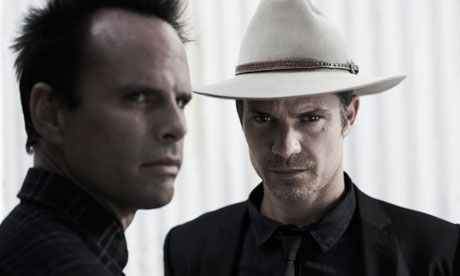
The lead characters, marshal Raylan Givens and criminal Boyd Crowder, are charismatic and fascinating and they’re portrayed by terrific actors in Timothy Olyphant and Walton Goggins.

Other lawmen (and law-women) came and went and a couple dozen wonderful bad guys (and women) have passed through these parts but Raylan and Boyd were, ultimately, the reason we watched every week.

The two – who grew up together, dug coal together, dreamed of getting out of Harlan, Kentucky, and had less than straightforward solutions to problems – did the most fascinating dance for six seasons.

As much as we rooted for Raylan, we agreed with his boss and co-workers that he could be an angry, danger-seeking jerk.

And as much as we wouldn’t want to be on the bad end of a deal with Boyd, we’d also like to have sat down the bar from him, having a beer and listening to him formulate schemes and recounting fascinating characters he met .. and, most likely, swindled or killed.

“Justified” never let us forget that, as shaded and shady as these two could be, they were our protagonists. We were as caught up in their stories – more so, really – as any tried-and-true, straight-arrow characters.

I’ve been to and through Kentucky many times. I’m not sure I pined for the characters of “Justified” – Mags Bennett, Dewey Crow, Wynn Duffy or any of them – to sidle up next to me at a diner.

But it would have been fascinating.

Men’s mags: ‘Weasels ripped my flesh!”

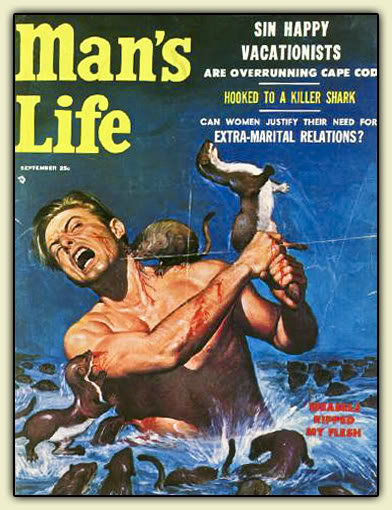
WeaselsRippedMyFlesh

I’ve got a long-standing appreciation of men’s magazines. I’m not talking about Playboy and such, but those men’s magazines from the 1950s – before my time – and 1960s – barely my time – that featured outlandish stories about men and women in dangerous or war-torn settings and featured even more outlandish covers.

I grew up peeking at these titles at the supermarket magazine rack while my dad shopped for groceries. There was a real allure to these mags. Not just the “torn blouse” women often depicted but the bizarre nature of the situations.

Of course, artist Will Hulsey’s cover illustration for the September 1956 cover of Man’s Life magazine is probably the most famous example, in no small part because rocker Frank Zappa appropriated the name for a 1970 Mothers of Invention album.

I’m far from an expert on the topic, but you can find a lot of info about this genre of magazines at menspulpmags.com and through the Twitter feed @PulpLibrarian.

Fun stuff.

New ‘Fantastic Four’ trailer is out

thingfantasticfourtrailer

“Fantastic Four,” along with “The Avengers,” was my favorite comic book when I was a kid.

So I’d like to see Josh Trank’s movie, out this August, get it right.

I’m still just not sure.

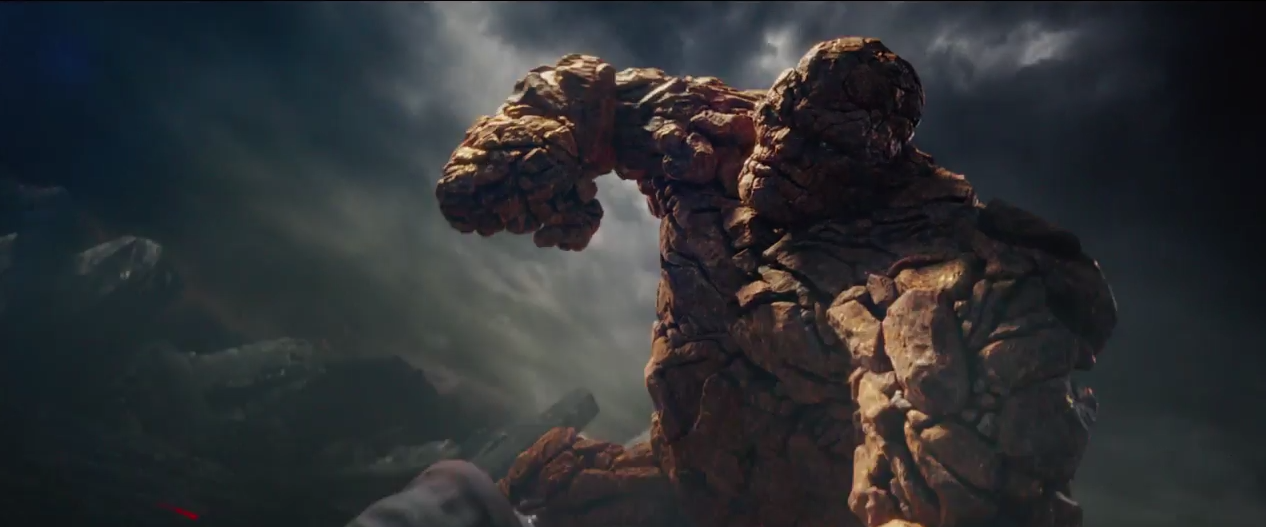
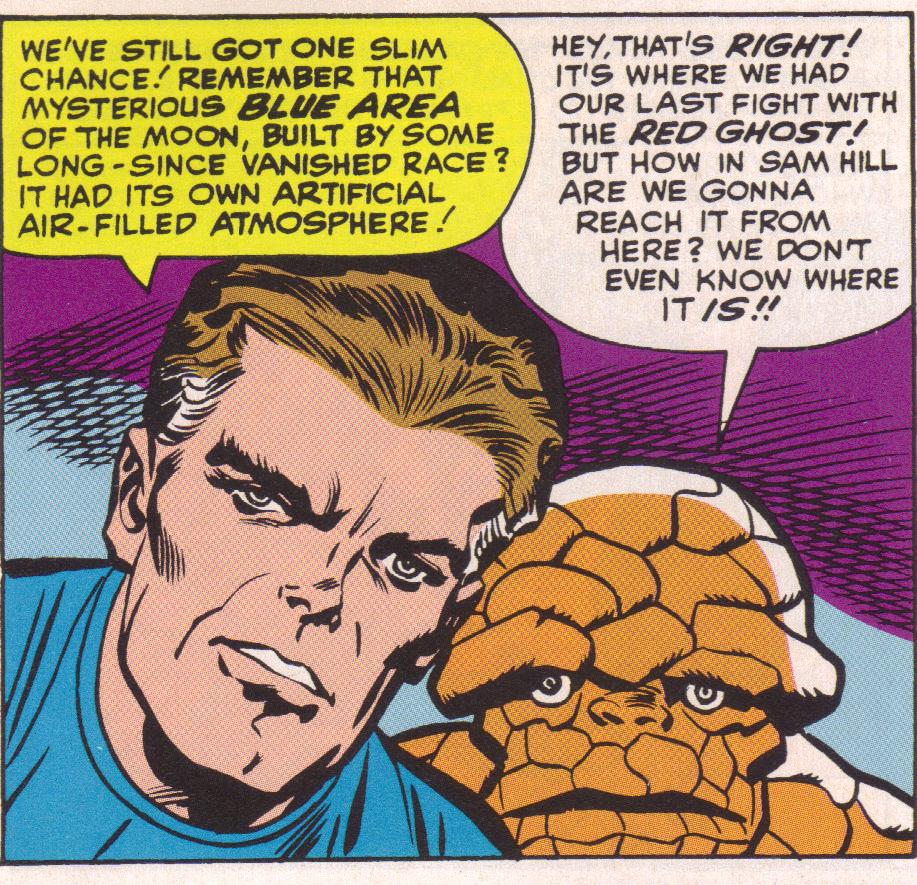
The new trailer looks like they’re closer than I would have thought previously to getting Ben Grimm right.

And yes, apparently, they’re following the “Ultimates” version of the story, which means all the characters are younger. Edgier. In some cases, I think that works.

doomfantasticfourtrailer

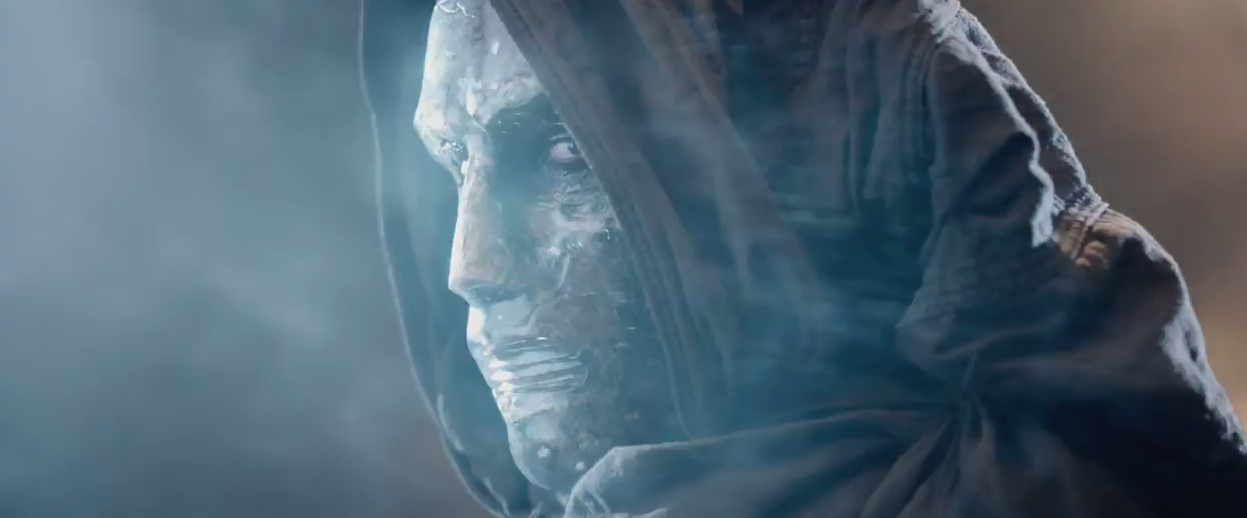
But will they get Doom right? I’m not reassured by this look.

doctordoom

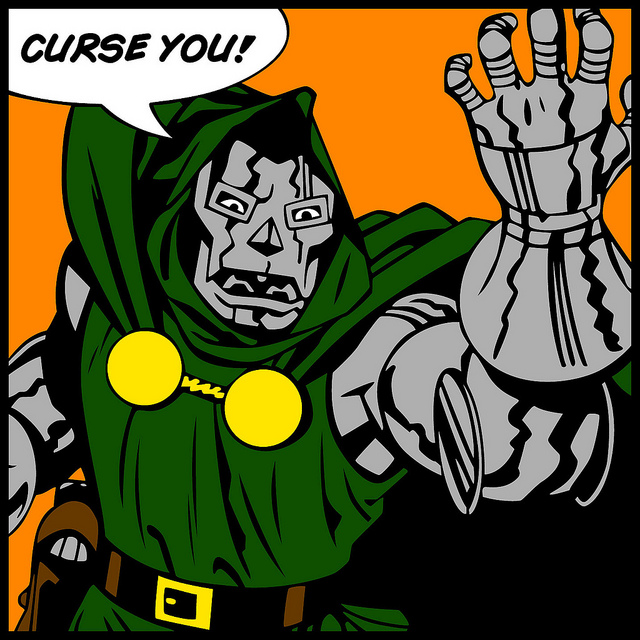
What’s so hard about a genius/madman in a suit of armor?

Here’s the new trailer.

Fun trailer for ‘The Force Awakens’

forceawakeshanchewbacca

Today marked the beginning of the latest “Star Wars” Celebration – my attendance at the first few Celebrations is something I should get around to telling you about sometime – and today’s events were marked by a panel of actors from “Star Wars: The Force Awakens,” the sequel – Episode VII as the titles will no doubt have it when it opens at the end of the year – and a new teaser trailer.

And have no doubt, the teaser is pretty fun.

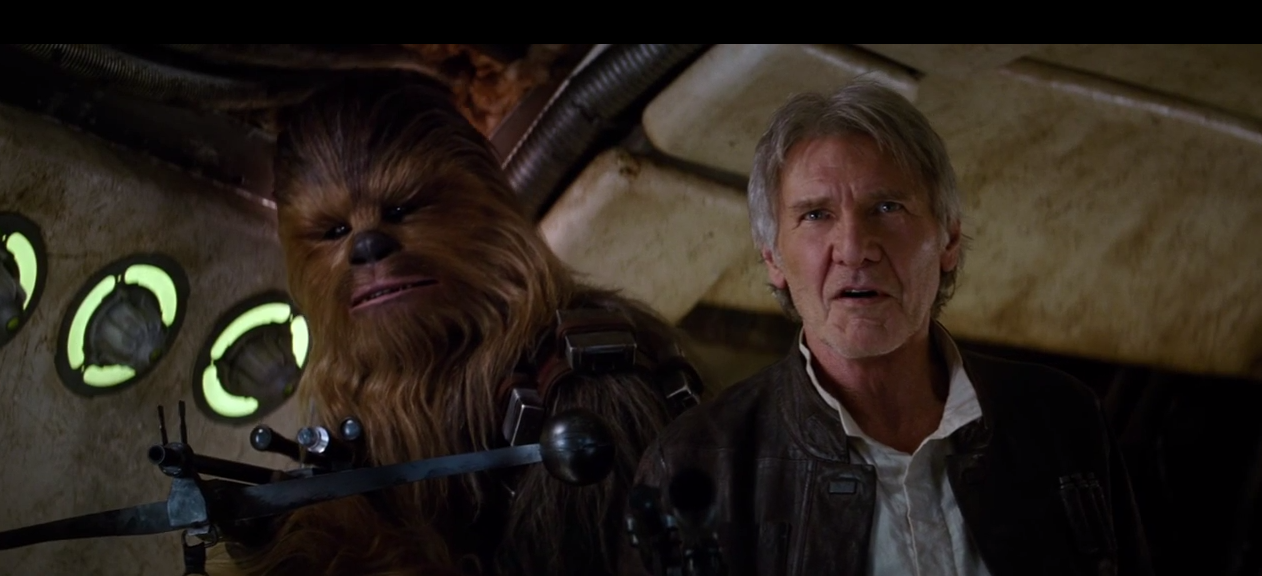
The shot of Han Solo and Chewbacca up top there closes the teaser and, judging by the response online, greatly increased the anticipation.

forceawakensboyega

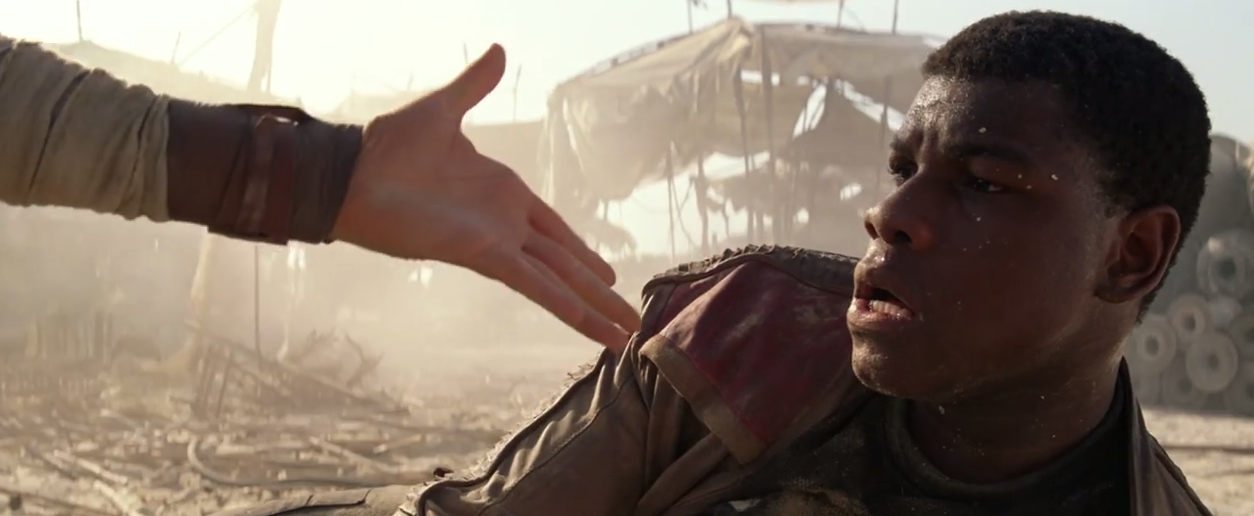
I’m looking forward to seeing some of the new cast in director J.J. Abrams’ film, including Daisy Ridley and John Boyega (above).

forceawakensluker2

But what about that narration by Mark Hamill and that shot of Darth Vader’s melted helmet?

forceawakensvader

Goosebumps.

Here’s the teaser.

‘Ant-Man’ trailer: Big things, small packages

ant.man_.trailer

A while back in this space I talked about why Ant-Man – oddball character, oddball history, possibly oddball movie – matters to the Marvel Comics universe and the Marvel Cinematic Universe.

I think this summer’s “Ant-Man” movie, while lower on the expectations scale than “Age of Ultron,” could play a crucial role.

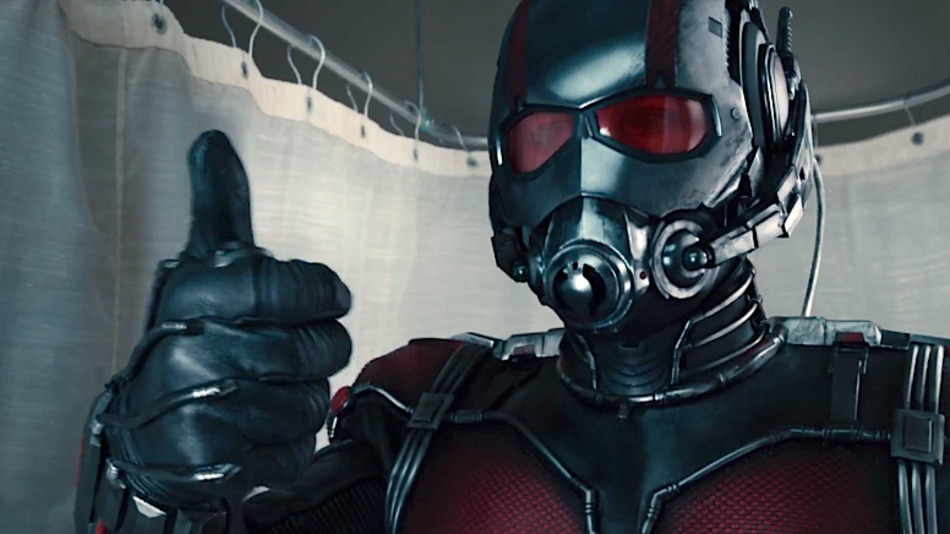
We know that Hank Pym (Michael Douglas), the original Ant-Man, passes the mantle to Scott Lang (Paul Rudd), the new Ant-Man.

Based on rumors circulating, we’re going to guess that the movie will bridge some of the gaps in the history of the Marvel universe we haven’t seen on the big screen yet.

The first “Ant-Man” trailer underwhelmed some people.

The new one, released today, was really good, I thought. And yes, there’s a lot of “Iron Man” lurking in the plotline of the new movie.

But that’s okay, because “Iron Man” was good enough to kickstart the Marvel Cinematic Universe.

Here’s the trailer. Enjoy.

Vision and The Thing

visionultronConsidering that both “Avengers: Age of Ultron” and “Fantastic Four” come out this summer, we’ve seen surprisingly little of two of the most important characters.

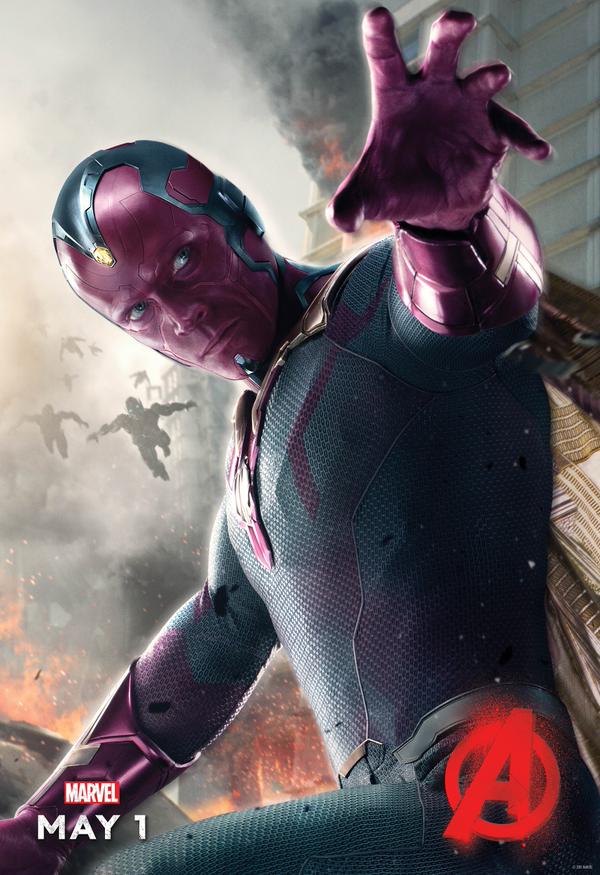
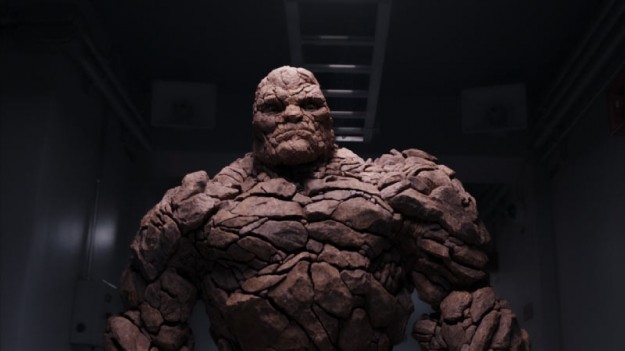
That changed last week when images of Vision from “Ultron” and Ben Grimm – The Thing – from “FF” were released.

That’s Paul Bettany as Vision above and, although the picture was almost certainly retouched for the Vision poster, he looks good.

thingfantasticfour

And there’s The Thing, which looks better in this picture than an earlier one but still isn’t quite right.

What’s missing?

thethingbrow

His brow, of course. That simple feature, as created by Jack Kirby, made The Thing’s face so much more expressive, so much more human.

‘The Secret History of Marvel Comics’

secret history of marvel comics

“The Secret History of Marvel Comics” missed a great opportunity with its title alone.

“The Secret Origin of Marvel Comics” would have been a more accurate title for Blake Bell and Michael J. Vassallo’s book because it looks at the pre-history, in a way, of the artists and writers who shaped Marvel and its earliest incarnations but specifically focuses on publisher Martin Goodman, who published pulp magazines beginning in 1933 before riding the tide of reader interest into comic books in 1939.

You can tell the authors’ premise with the quote that begins the book. “Fans are not interested in quality,” Goodman is quoted as saying, and as much as that can be disputed – even a World War II-era kid knew the difference between a good Captain America comic and a bad one – it was a mantra that served Goodman well as he moved through the New York publishing world.

The book follows Goodman’s publishing enterprises through western and detective pulps and gives us some beautiful illustrations from covers and inside the magazines.

The text emphasizes, again and again, that Goodman was fairly ruthless in his dealings with artists and writers. Some of them were among the men and women who would go on to become the best in the comics field once it kicked into high gear in the 1950s and 1960s.

They’re all here, from Stan Lee (related to Goodman by marriage) and Jack Kirby – who would team to co-create classic comic characters for Goodman’s Marvel Comics – to Kirby’s Captain America co-creator Joe Simon to the likes of Dennis the Menace creator Hank Ketcham.

Everybody worked for Goodman, it seems, even if many of them came away not particularly enjoying the experience.

Although the first half of the book, with its assessment of Goodman’s character, feels repetitive, the second half is eye-opening, with reproductions of art by artist after artist. Here you’ll see Kirby’s art – raw and edgy – for detective pulps like “Detective Short Stories” and fantasy pulps like “Marvel Stories.”

kirbyqueenofvenus

Here’s a two-page spread by Kirby and Simon for “Queen of Venus,” from Marvel Stories 2 in November 1940.

The artists reproduced here gave readers an unending parade of gangsters and molls and tough guys and bad girls and aliens and murderers. That’s the best thing that “The Secret History of Marvel Comics” shows us.