Tag Archives: books

Some good news: Barnes & Noble growing, which means reading, bookselling growing

We hear so much bad news, all the time, that I wanted to share some good news with you.

After the latest depressing study about how few people read books, I have to say that it seems like somebody out there is reading, because bookselling is a growth industry all of a sudden.

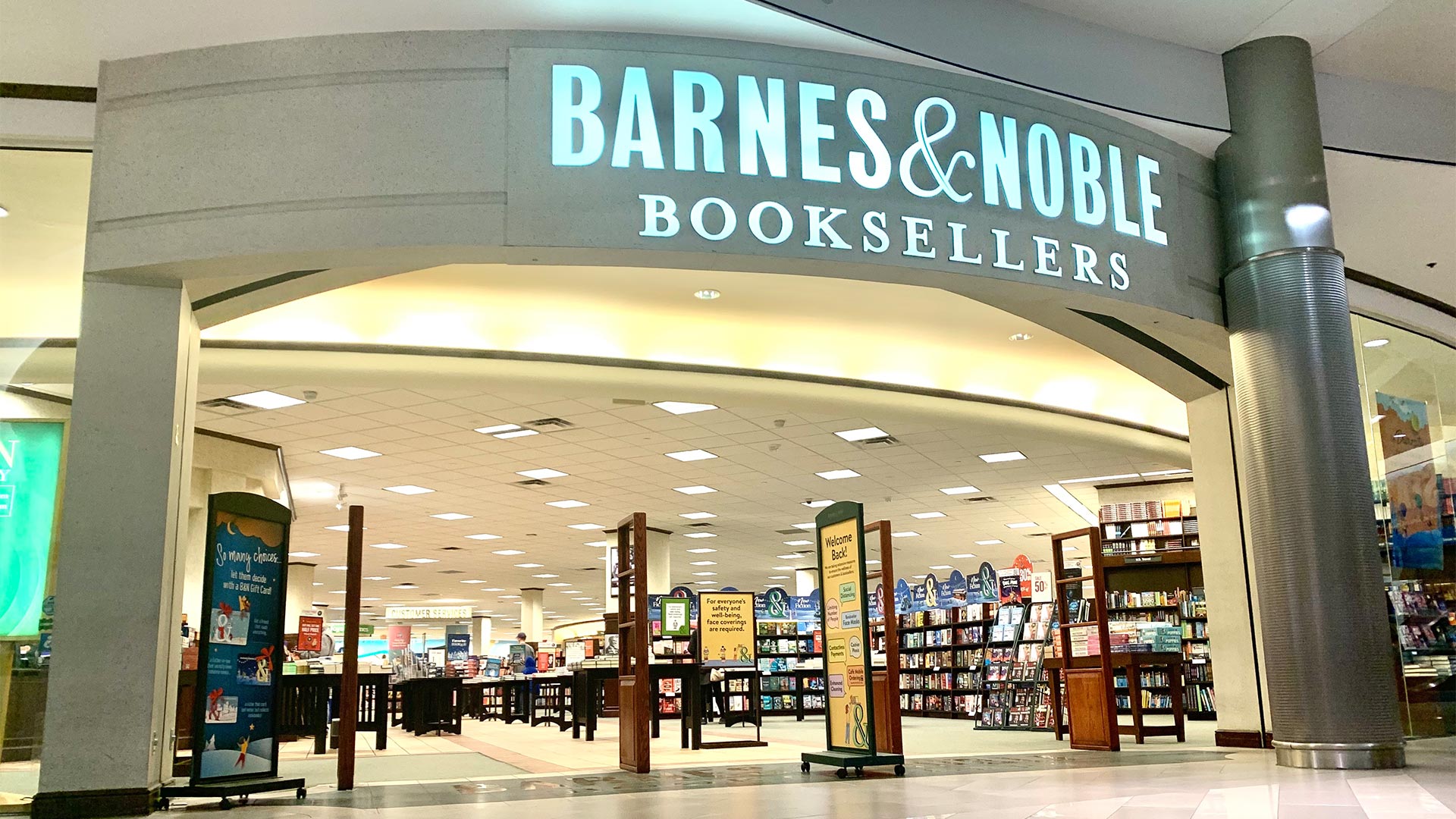
Barnes & Noble, the longtime bookstore chain that was a fixture of many malls and shopping centers before struggling a few years ago, is on an aggressive growth curve.

USA Today reported this week that the bookstore company plans to open 60 new stores in 2025. B&N has about 600 stores, up by several that opened in 2024.

Where I live, the city is getting a second B&N, in the most prosperous and thriving part of the city … not far from its existing location in the most prosperous and thriving part of the city.

This means a few things:

No company like B&N makes decisions to expand on the basis of hope. B&N has done some demographic research, run the numbers and thinks there’s market for even more books.

The company made that decision on the basis of sales and probably surveys and analysis of foot traffic, and that’s a pretty clear indicator that sales are good and the book business is good.

Maybe coolest of all is that B&N thinks there’s enough call for books that it doesn’t have to exist solely on online sales.

The last time I bought a couple of books, it was through the online arm of Powell’s City of Books, the PNW-based mega book retailer. I’ve spent a little time and money in McKay’s, a used bookstore chain, lately too.

And I continue to be on the lookout for my favorite retail spaces of all time, small and independent bookstores. Unfortunately we’ve had two that I know of close in the city in the past couple of years.

Yes, Barnes & Noble is a big company, although not as big and possibly not as soulless as Amazon. And yeah, other stores and companies sell books.

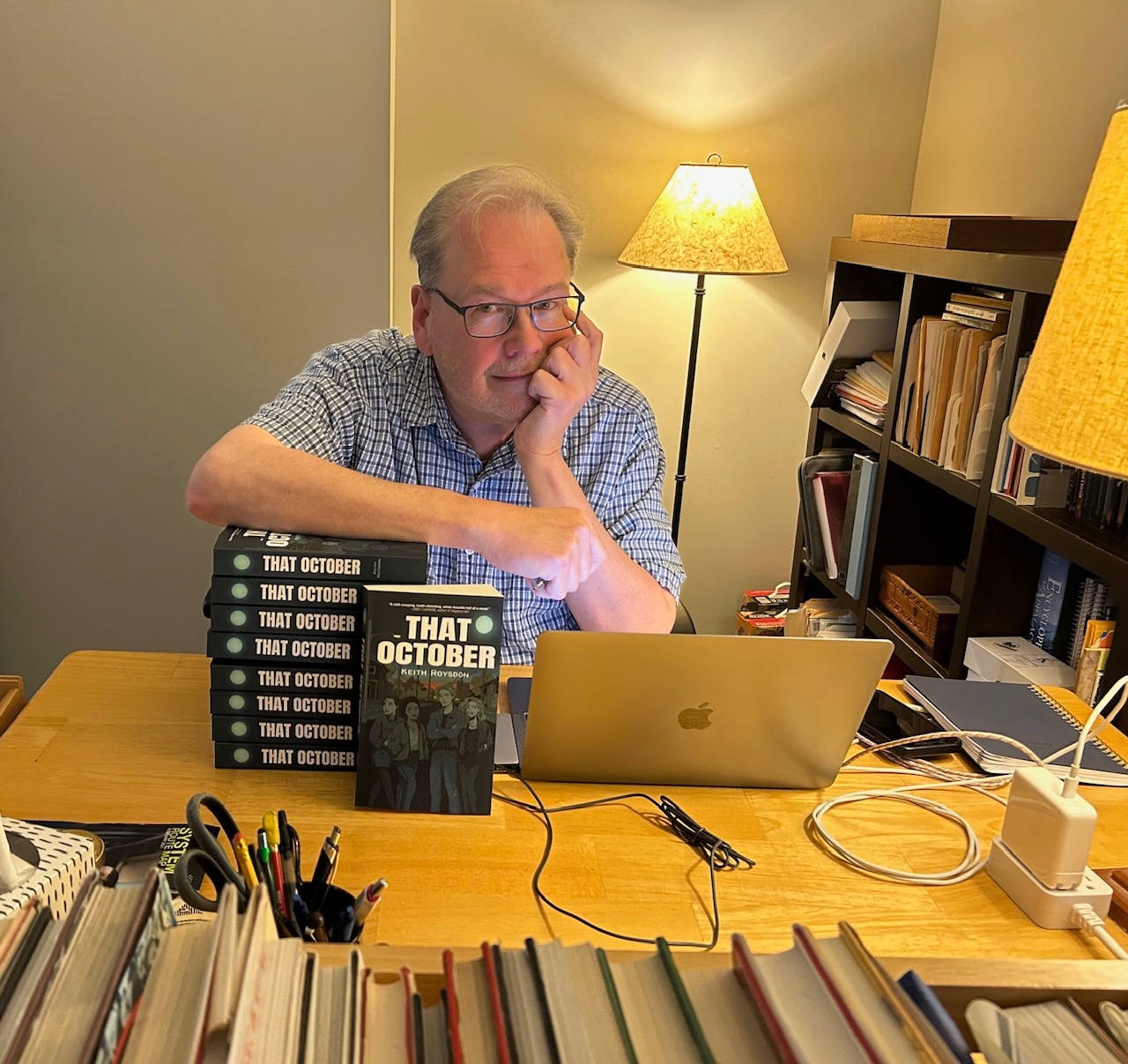
I’m glad people are buying books, no matter where they get them. I’m glad people are reading. (Not surprising sentiments for an author who has a new book coming out in the next couple of weeks, I know.)

If some of that increased interest in books, reading and book-buying benefits a big company like B&N, I’m glad of that.

Don’t forget though – patronize your locally-owned booksellers.

Just like starting over – with a new novel

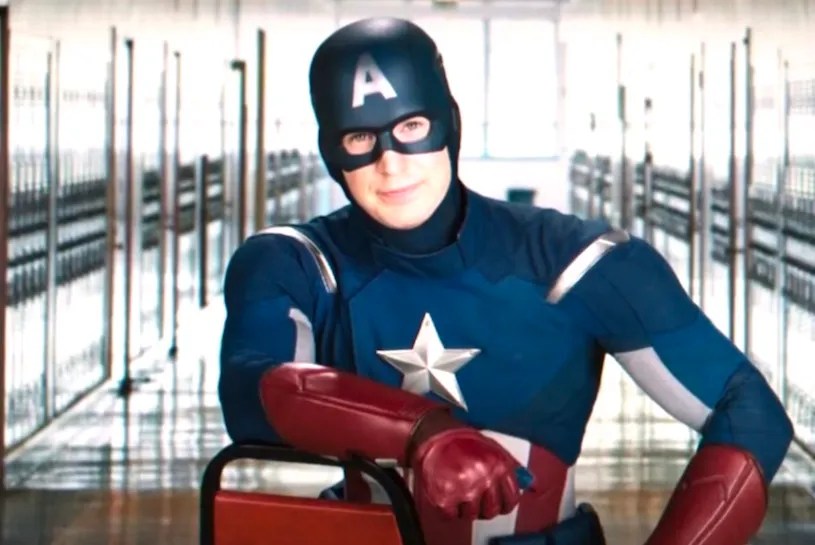
When I was looking for an image for this post, I was tickled to find the one above, illustrating an instructional video posted by InterDidacta.

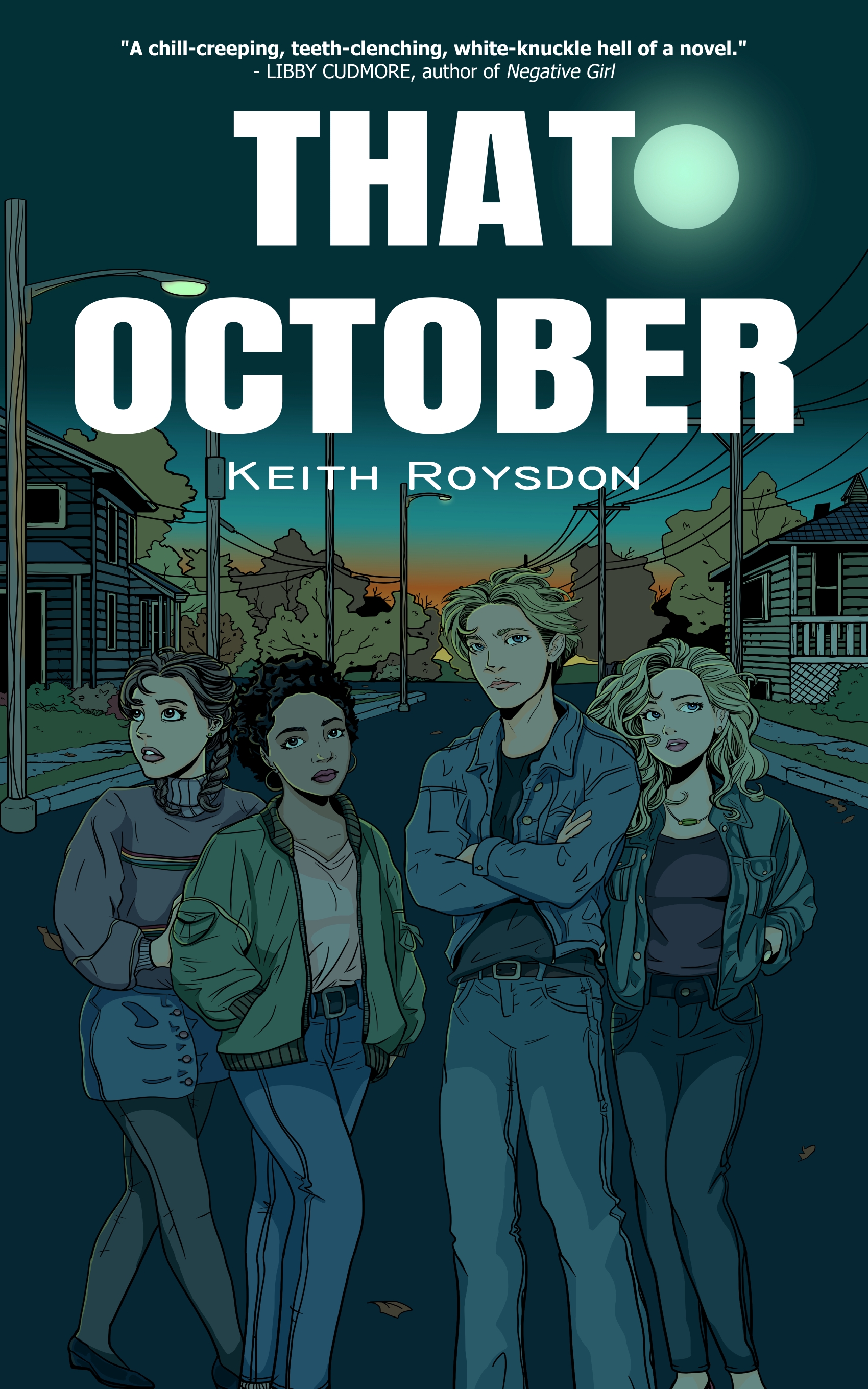
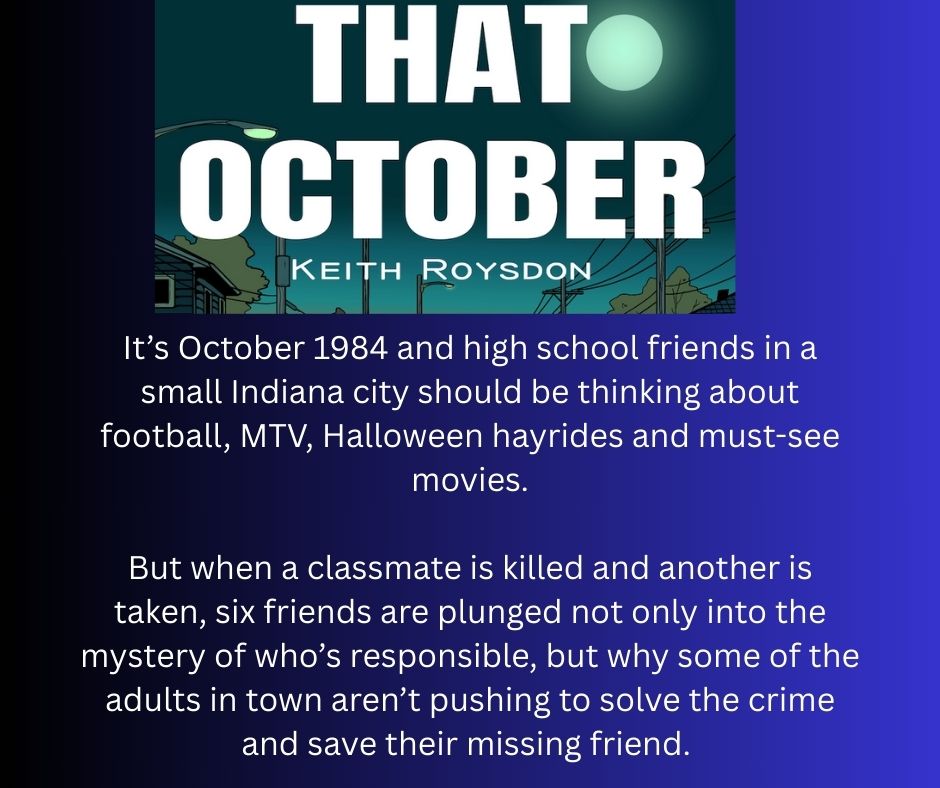
I thought it was perfect because this is the first time I’ve worked on a new novel since spring 2023, when I finished THAT OCTOBER.

It’s not just because THAT OCTOBER is close to being self-published that I’m starting a new one.

I’m starting a new novel – after flirting with the idea of writing another non-fiction book, my fifth following four true crime books – because, as I’ve noted here, I’ve changed my daily writing habits. I’m still writing most days, non-fiction articles for sites like CrimeReads and others, but I’m not writing as much short fiction as I did in 2024, for example, when I sold or placed more than a dozen short stories to several sites and anthologies. I’ve got more stories out there in the ether, stories I’ve subbed and haven’t heard back about, and another couple that have publish dates later in 2025.

And while I’ve got something to keep me busy, the urge to write fiction, especially some particular stories and characters, is still there.

So it’s a good time to write a new novel. I’m going to incorporate characters from some of my recent fiction, including SEVEN ANGELS, which won the 2021 Hugh Holton Award for Best Unpublished Novel from Mystery Writers of America Midwest, as well as some characters who have shown up in some other stories AND a bunch from a series of novels I wrote 20 years ago.

I’m posting here to help keep myself accountable. After I reach a promising point in these notes, I’ll turn them into a chapter-by-chapter outline. (I’m a committed plotter but I make changes and add and subtract chapters as I plot and write.)

So hopefully I’ll be motivated to keep going and update here occasionally.

The “how to type on a keyboard” video is more basic instruction than I’ll need, I think, but I’ll for sure remember that I’m starting new on this one, so baby steps will come first.

Some honesty for you: Self-publishing my novel THAT OCTOBER and rethinking short story writing

A quick update to start things off: My editor and I pulled the trigger on THAT OCTOBER the other day, uploading the book for self-publishing. What’s next? An electronic proof, then a print proof, then ARCs, then the electronic edition and getting the book in front of as many people as possible.

Writing the book felt easier and more straightforward than self-publishing, it seems. But we’re pushing forward with the book after some technical red flags about the cover. We think it’ll be okay.

Uploading the book came within the same 24-hour period of getting my latest short story rejection. I don’t think I’ve placed more than a short story or two so far in 2025, after a good year in 2024 with about a dozen short stories sold or accepted. One of those has a very long lead time and will be published on December 21, 2025. In the meantime, I’ve got several stories out on submission that I haven’t heard back on.

So it felt like a good time, frankly, to reassess what I’m doing with my writing.

I’ll continue to write pop culture pieces for CrimeReads – my latest, about men’s adventure magazines of the 1950s-1970s, was published today. I’ll have other non-fiction pieces out there too.

But as much as I loved writing short stories – and there’s no doubt it’s a thrill to see them accepted and published – I’m not going to chase every call for submission I see anymore. I’m going to write short fiction more strategically, and I hope to make good on my one 2025 writing goal, besides getting THAT OCTOBER out in the world: targeting the biggest – and most competitive – markets with my short fiction.

This will let me focus my remaining brain cells on the most important tasks I can take on.

And it’ll free up some time to work on my next crime novel.

I haven’t written a novel since I finished THAT OCTOBER in 2023. I’ve got two previous novels that I might revisit, but I want the thrill and enjoyment of writing something new – which will have the added benefit of letting me throw some characters I created for unpublished novels as far back as the early 2000s into the mix.

So I’ll update y’all here, of course, as well as socials like my BlueSky account and my author page on the accursed Facebook.

It’s a good time, with everything in chaos, to exercise a little control over what I’m doing.

I think we can all agree that exercising some control over what we can control these days is a good thing.

So your books have been pirated to train AI …

As a writer, I find AI an intensely bad thing. Yeah, it’s momentarily distracting and amusing to be scrolling through social media and see what are obviously AI-generated images of a horrible, horrible person licking the feet of an equally horrible person, or even to see some fanboy’s imagining of what a Justice League movie would look like if it were made in the 1960s.

Then you realize that this is AI and valuable natural resources are being used to run servers that create these images. Not to mention that real, actual artists – and in the case of the written word, writers – could be put out of work by this.

I first had some foreboding realizations about the effect AI might have on my work a few months ago when I went looking for one of my pieces for CrimeReads, so I could post a link to it, and realized that Google AI had generated bullet points of my articles. Why would someone need to click through to CrimeReads when they could just read the AI interpretation of what the site’s writers had written?

I was aware that some writers were saying they believed entire books of theirs had been used for AI training.

I was concerned about that because I know a lot of writers. I thought no one would possibly pirate and upload my little true crime books. Who would need that?

Then, on March 20, the Atlantic published a story about the 2-million-plus books, articles and scientific papers that have been added to Library Genesis, or LibGen, which is what Wikipedia calls a “shadow library” of file-shared work, including work that is not available digitally.

One of my writer friends said a couple of her books were there. Another had 15 of her 19 books pirated on LibGen.

The Atlantic offered a real public service that allowed readers to search to see if their work, or the work of someone they know, was uploaded to LibGen for AI training.

Here’s a screen shot of my search results using the link in the Atlantic.

I found two of the four true crime books I co-wrote with Douglas Walker on there, using the Atlantic’s search engine.

I later found what purports to be LibGen’s own search portal and could not find these two books. Had they been taken down in the meantime? Was there some mistake? It seems hard to imagine that the Atlantic got that wrong. Based on that article, I saw dozens of writers, some of whom I know, posted that they had also found their books on the site.

It’s unclear what to think about what’s there and what’s not, but there’s no question that pirated work hurts writers and publishers who might not be able to sell copies of books if people can get them for free. Since shit flows downhill, that trickles down to harm for writers, that’s for sure.

We’re all still figuring this out. It’s been pretty clear for a while that AI-generated art and writing is bad for the planet – servers use a lot of water to cool to create AI – and bad for writers. I suspect it’s also bad for consumers, but then I was never one to snap up pirated books and art and have been pretty skeptical of that inclination.

Brave new world, hell. This seems like a very cowardly ploy.

Christmas favorites: ‘Santa Calls’

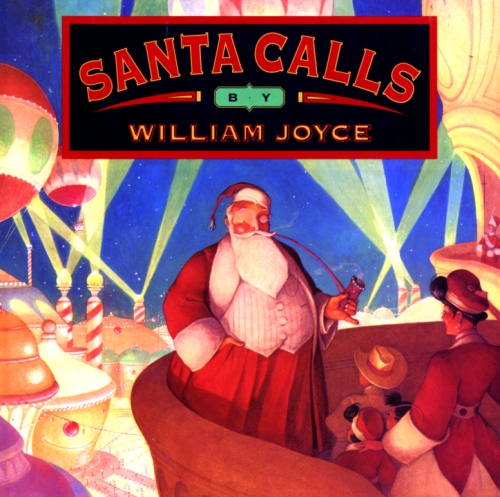
There are a lot of classic Christmas books and many of them are very familiar and much-beloved. But if you’re looking for an offbeat Christmas book for kids, check out “Santa Calls.”

The picture book by William Joyce tells the story — in tongue-in-cheek manner — of Art, a boy living in Texas in the early 1900s. Art is an inventor and self-styled adventurer who, along with his pal Spaulding, finds a mysterious crate. The box includes the makings of an early airship and, improbably, an invitation to come to the North Pole and find Santa.

Of course, much to Art’s dismay, his tag-along little sister, Esther, talks her way into the adventure.

The three kids find themselves involved in a wild and wooly battle, defending Santa and the North Pole against an evil queen. Art and Spaulding lead the fight and little Esther, much to Art’s surprise, proves her mettle.

The story and Joyce’s writing reminds me of old pulp stories and the ending — and the secret behind Santa’s call to arms — made me misty-eyed.

“Santa Calls” has become a favorite in our household. It’s a terrific and unexpected Christmas present.

Steve Jobs, books and time’s passing

I heard about the passing of Apple visionary Steve Jobs just a little while ago and, of course, I heard the news through my iPhone. I imagine I’m one of millions of people who found out through one of Jobs’ many ideas-brought-to-life.

Then, after watching a few minutes of a TV special about Jobs, I settled in and finished a book. It was Craig Johnson’s “Death Without Company,” the second in his series about Wyoming lawman Walt Longmire.

I just closed the Johnson book — it’s good, and typical of the Longmire stories, which feel like Westerns even though they’re crime novels and, above all else, character studies — and feel philosophical. More so than usual.

Part of that is because of the tone of the book, which is all about death and friendship and family and long-forgotten passions rekindled. Part is due to the passing of Jobs, whose inventiveness changed things for a couple of generations of people.

It’s important, for some reason, to note that I read “Death Without Company” not on Jobs’ iPad or Amazon’s Kindle or even BN’s Nook but on paper. I don’t have a tablet or e-reader, at least not yet. I’m not rushing to get one, in great part because there’s something that feels so right about reading a book on paper. Hardback, paperback, whatever. The experience of opening a book and getting lost is one that I’ve loved since I was a grade-schooler. I’m positive that love will never pass. I’m pretty positive my devotion to the old-school book experience will likewise stick around.

Jobs was the kind of guy who was always moving ahead, always innovating. I found myself wondering tonight if he still read books — or newspapers, or magazines — on paper. Was that ever an important thing to him? Did it ever stop being important?

I’m not sure what I’m going to read next. I have only one of the Longmire books left. I might crack that open or I might dip into a book about the Civil War in an attempt to remedy my woeful ignorance about that period in our history.

Maybe I’ll start reading “Killing the Blues,” the latest in a series of books about small-town New England cop Jesse Stone. Jesse was created, you see, by Robert B. Parker, a longtime mystery author who passed away last year.

“Killing the Blues” exists because Parker’s wife chose a successor. Michael Brandman is continuing the series after Parker’s passing.

Parker, like Jobs, was a master at his own game. He’s gone now, like Jobs, and others will try to fill the void, like they will with Jobs.

Parker’s successors — because it’s hard to imagine a replacement — will continue his various series, hopefully with some success and artistic accomplishment.

Jobs’ successors — because it’s hard to imagine a replacement — will continue his work, hopefully with some success and artistic accomplishment.

Books will still be published. Incredible advances in technology will continue to be made.

And the world will keep on spinning, albeit perhaps diminished.