Tag Archives: Muncie Indiana

The kids are alright – and interested in cold cases

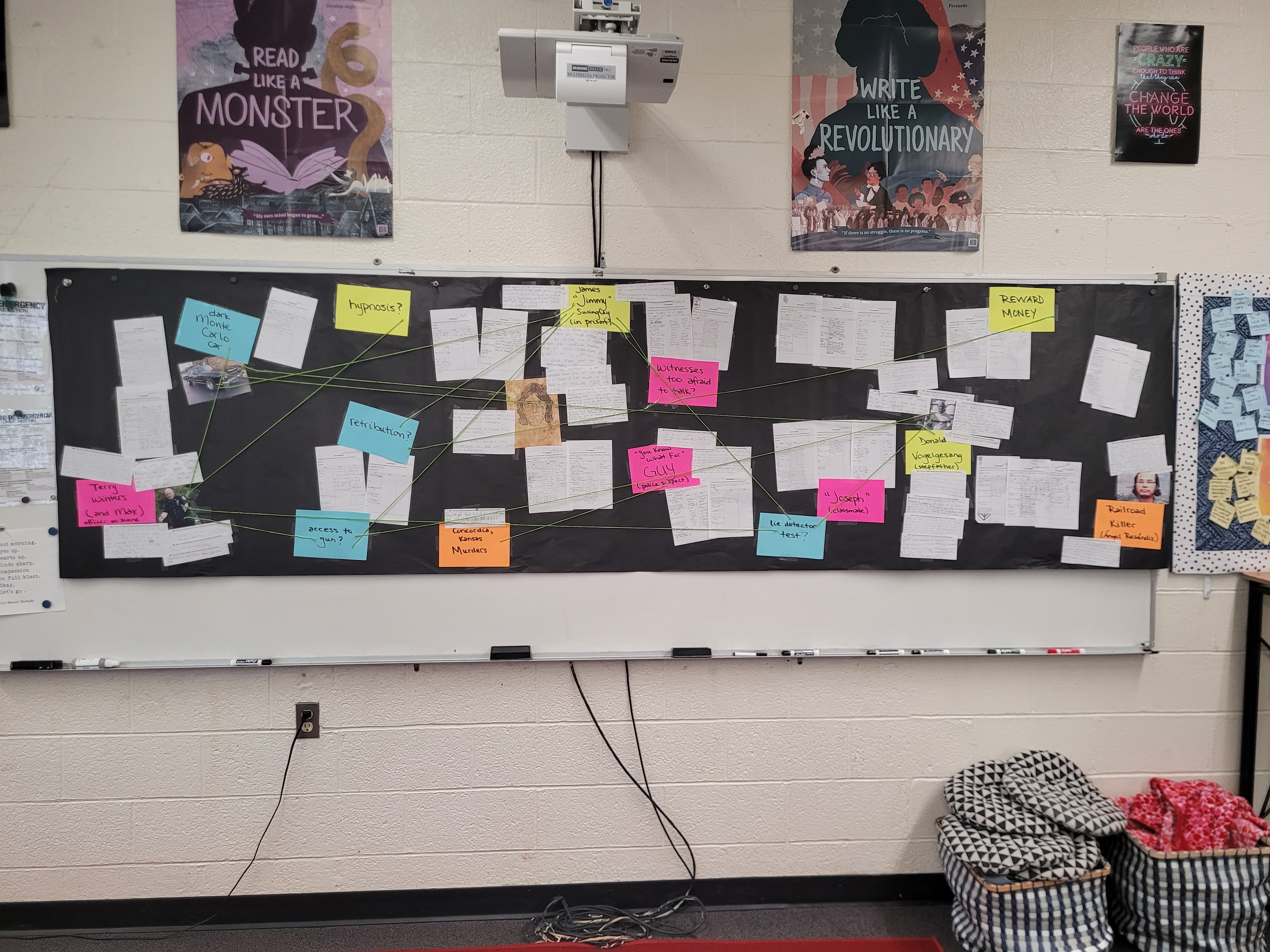
That’s a murder board. You’ve probably seen them in movies and TV shows. You might have made one yourself.

But have you ever seen a murder board, based on two real-life unsolved murders, put together by 13-and-14-year-olds? I didn’t think so.

Earlier this week I spoke to teacher Megan Byard’s middle-school class at Inspire Academy in Muncie, Indiana, my hometown. Ms. Byard had approached me and Douglas Walker, my longtime writing partner at Muncie newspapers and in four true crime books, including “The Westside Park Murders: Muncie’s Most Notorious Cold Case,” published by History Press in 2021, about talking to the class about Westside.

In September 1985, teenagers Ethan Dixon and Kimberly Dowell were shot to death in Muncie’s Westside Park. No one was ever charged with the crime, although police have had a person of interest for a few years now. In our book, we name that person, who is in prison following a conviction for a separate murder years after the Westside slayings. We explain the line of reasoning that prompted police to suspect him. We reached out to him in prison to ask about the case against him. He did not respond to written questions and a self-addressed, stamped envelope. In addition to naming him, our book explores many other theories and suspects connected to the case.

Since it came out, our book has received a lot of attention. Popular podcasts have been based on our book and the crime. On Amazon, the book has 163 ratings for 4 out of 5 stars. It prompted a Peabody-winning producer of non-fiction television to contact us about turning it – and some of our other writing – into a multi-part true crime series, but no networks or channels took the producer up on the pitch.

Of all the attention that our book has received, I think one of the coolest and most interesting was from Ms. Byard’s class. The students, who are interested in journalism and writing and true crime, studied the book and the crime in advance of having me do an online talk for their class. They asked good questions.

I think I was most impressed with the murder board, though. Made me feel like I was working in a police precinct, hoping for a breakthrough.

And I guess all of us are still waiting for a breakthrough.

Thanks to Ms. Byard and her class at Inspire Academy. Your interest and care made my week.

Here’s a link to the book on Amazon, although you can find it anywhere, including many libraries, including the Chicago Public Library.

Cold cases still pull at the heartstrings

I was watching “Ballard” the other week – it’s a good series, by the way, and a very valid follow-up to the “Bosch” series and it’s own streaming sequel, “Bosch Legacy” – and it got me thinking about the cold cases I’ve written about over the decades.

“Ballard,” which stars Maggie Q as Renee Ballard, Los Angeles police detective who is featured in her own series of crime novels by author Michael Connelly, creator of “Bosch,” is about how the Ballard character is “demoted” to the LAPD’s under-funded and over-scrutinized cold case unit.

The unit, comprised of police officers and reserves and a handful of volunteers and interns, huddles in a cluttered series of rooms that look more like storage than an office. The cold case squad is the definition of an effort that is nothing like a priority for LAPD leadership but is an essential thing to the squad members.

Ballard is initially leery of the assignment – punishment, really, for daring to report another cop for assaulting her – but grows to find satisfaction in solving long-unsolved murders, bringing killers to justice and giving closure to survivors.

Along with my longtime writing collaborator Douglas Walker, I wrote about cold cases for many years for the newspaper in my hometown of Muncie, Indiana. The most notable cold case to many was the killing of two teenagers in Westside Park in 1985. Walker and I wrote about it in our third true crime book, “The Westside Park Murders,” released by History Press in 2021.

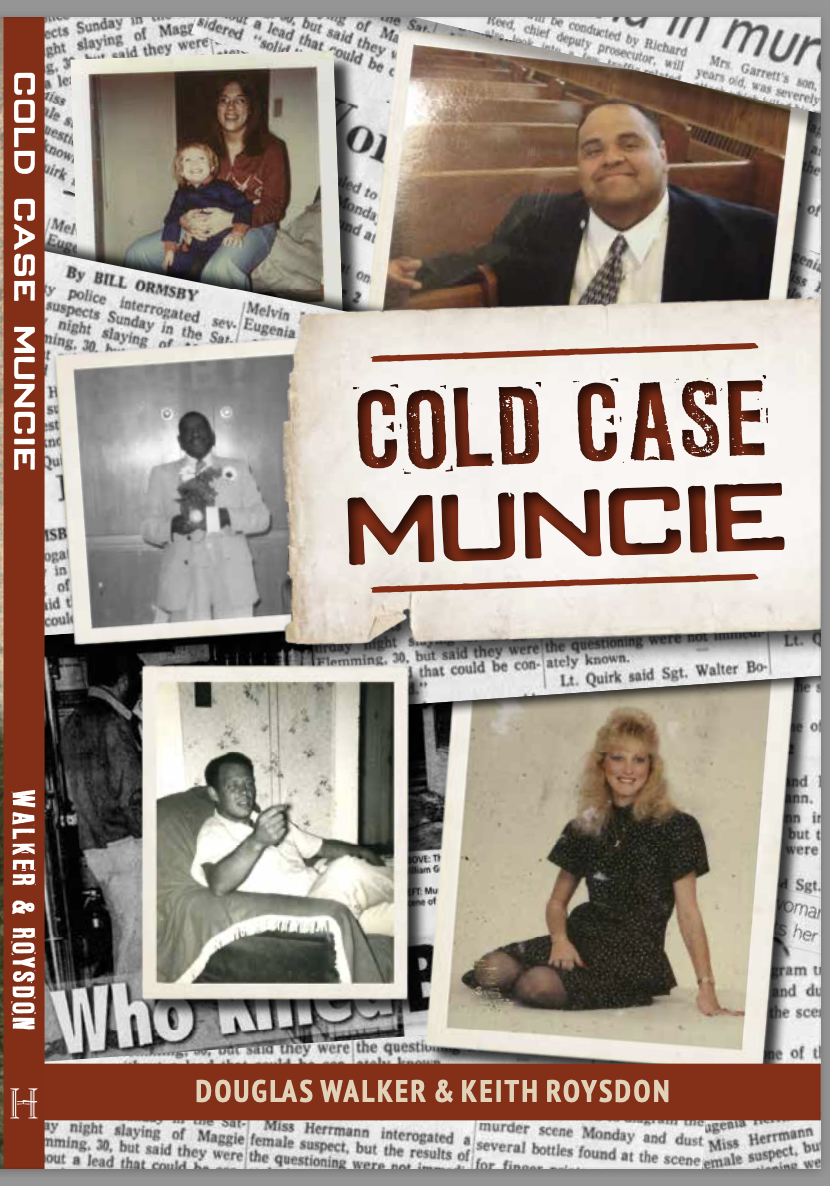
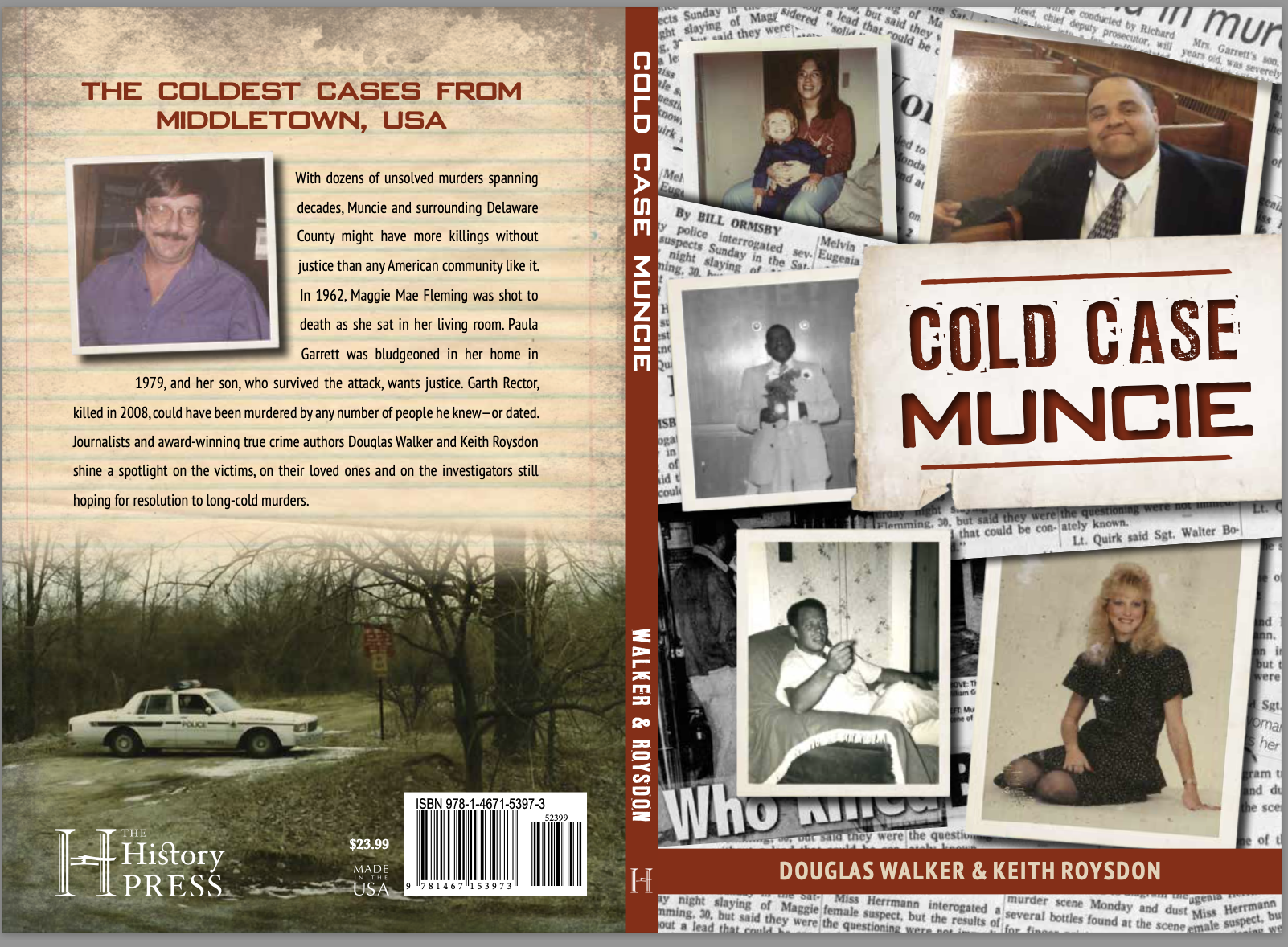
But our fourth book, “Cold Case Muncie,” released in 2023, is an entire book of cold cases, still-unsolved murders in the Muncie and East Central Indiana area.

We had identified more than 30 cold cases, some dating back to the 1960s or even earlier, during a regular series of newspaper articles beginning in 2010. We went back and re-examined many of those cases for the book.

We interviewed surviving loved ones of the victims and revisited the murder scenes.

We put an emphasis on soliciting any new information about the murders, including a point of contact for each of the police departments responsible for resolving those cases.

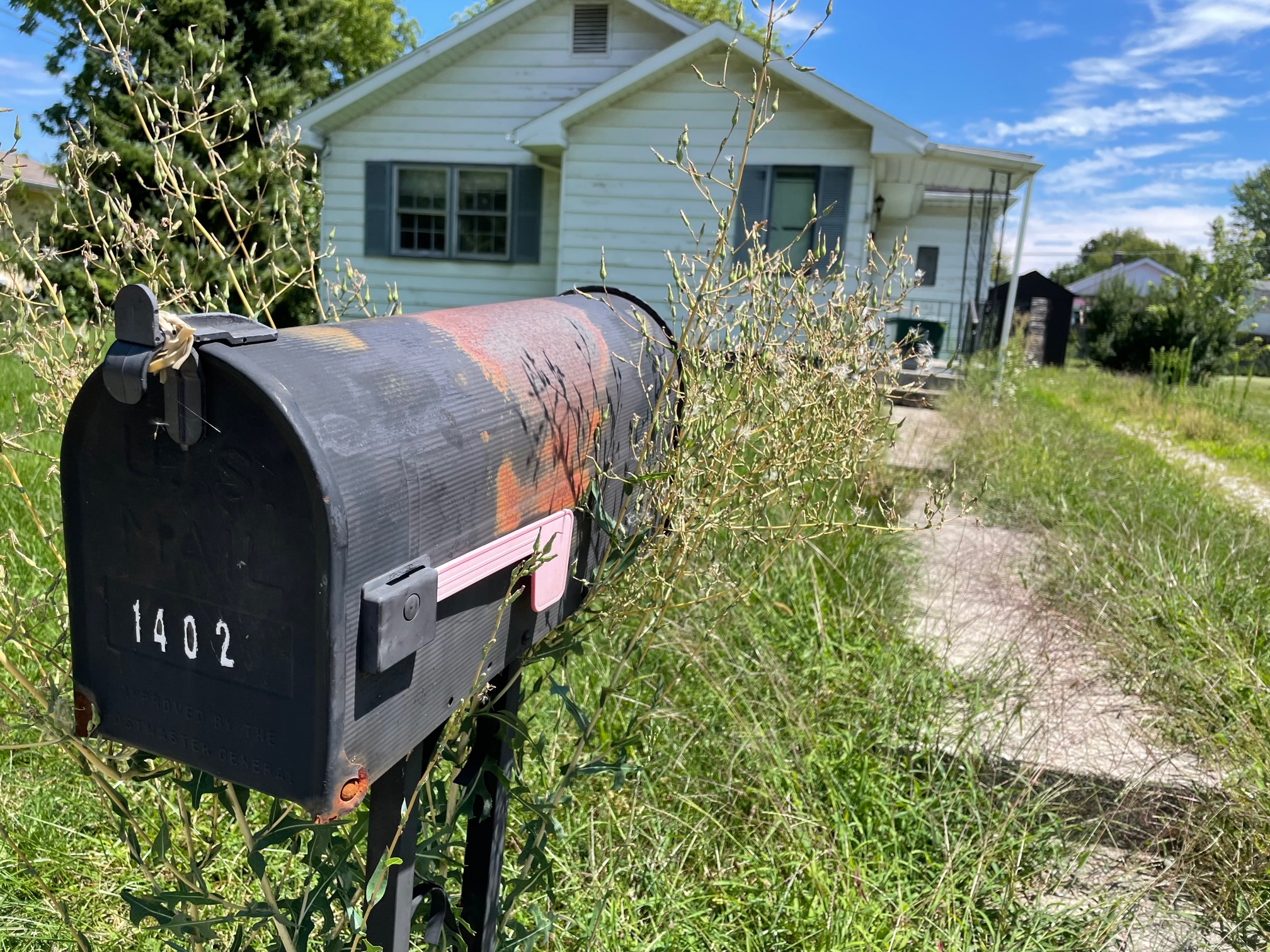
And we placed emphasis on the survivors. Many of the cases are illustrated by photographs I took of those people who, today, are still waiting for someone to bring closure for the killing of their loved ones.

I’ve noted before that closure is an elusive thing, even harder to achieve than it seems, and that’s pretty damn hard.

I’m glad “Ballard” has taken up the case of cold cases and I’m glad to have brought some attention to them too.

‘Close Encounters’ and Muncie, my hometown

There’s been a long history between my hometown, Muncie, Indiana, and Hollywood.

Sometime I’ll do a fairly comprehensive look at the many mentions of Muncie in movies and TV shows ranging from the 1960s “Tom Slick” cartoons to “The X Files” and “Angel.”

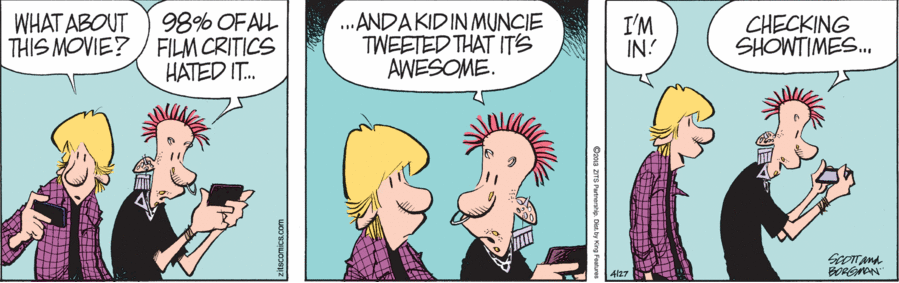
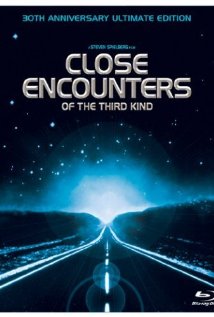
In the meantime, though, I wanted to note the special relationship between Muncie and Steven Spielberg’s “Close Encounters of the Third Kind,” the 1977 UFO thriller. The movie was airing on SyFy this afternoon and I got sucked into watching some of it.

The movie wasn’t filmed here in Muncie, although there was discussion of that happening. Local officials and Columbia Pictures apparently negotiated for a while and rumors swept through town that the city bought new police cars specifically to seal the deal. It didn’t happen, although the city got some publicity from having the first half of the move set locally.

If you haven’t seen it, Spielberg’s movie is about the the first meaningful contact between humans and aliens. The movie opens with a team of scientists, led by Lacombe (Francois Truffaut), discovering mint-condition World War II-era fighter planes in the Mexican desert.

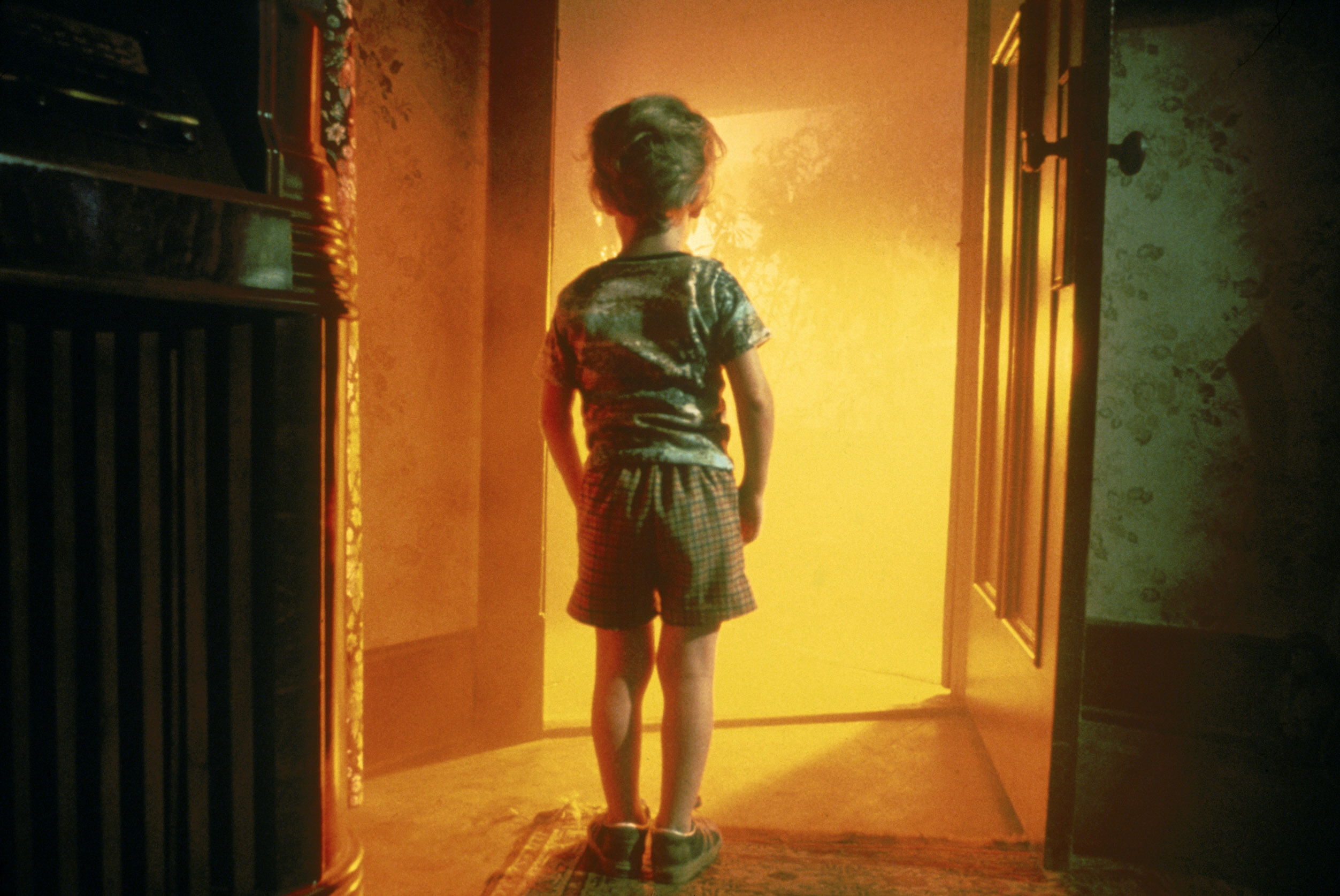
The scene moves to Indiana as we see air traffic controllers in Indianapolis communicating with the pilots of two airliners that have near-misses with some unexplained object. Then we’re in Muncie – the on-screen title still gets me a little goose-bumpy – at a rural farmhouse where single mom Jillian runs into the woods to find her toddler son, Barry, who has happily followed something out of their house and into the dark.
In the suburban Muncie home of Roy Neary (Richard Dreyfuss), a power company lineman, Neary is trying to persuade his kids to go to see “Pinocchio,” the re-issue of the Disney classic. They’re more interested in playing miniature golf, however.

Before long, Neary is sent to investigate the cause of a power outage and his truck is buzzed by low-flying UFOs. He gives chase along with half the Muncie police department. Thus begins his obsession. It is one he shares with dozens, maybe hundreds of others.

Some random thoughts, from a Muncie-centric perspective:

The Neary house, while looking like a shambles, has some authentic touches, including some Ball State University merchandise.

At one point, radio scanner traffic says Harper Valley. There’s no Harper Valley around Muncie. But if there was, they would have a dandy PTA, I bet.

There is a Cornbread Road – where Neary is sent to work on a power outage – and you can bet it was chosen for inclusion in the movie because of its quaint name.

The McDonald’s and Shell station look just right for the period.
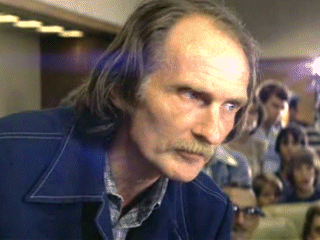
The hillbillies – softly whistling “She’ll be coming around the mountain when she comes” as they wait for the UFOs to appear – are a nice touch but one that caused a lot of consternation at the time among local people who didn’t want to be represented onscreen by hill folk. Especially when one of them, played by character actor Roberts Blossom, says, “I saw Bigfoot once.”

There’s no toll road right outside Muncie, and certainly no nearby toll gate that divides Indiana and Ohio.

The movie got the police emblems on the patrol cars right, though.
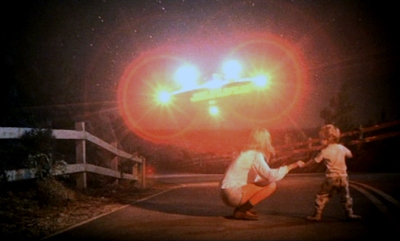
There’s not much in the way of hillsides around Muncie, and certainly no mountainous overlook that cops and Neary could watch from, first as the UFOs fly over and then as lights come back on below.

The look of The Muncie Star wasn’t quite right, although its gargantuan size was. Holy crap, newspapers were big back then.

Neary’s “Ball U” T-shirt was a nice touch. I had one right about that time. They were a slightly naughty hit.

On the second night, when a newly fired Neary and a crowd of Muncie residents go back to the hill to wait for the alien ships to reappear, the collective mental seed that compels them to seek out the UFOs is destined to take them out of Muncie.

By the time Neary becomes obsessive about his encounter and begins building replicas of Devil’s Tower, Wyoming – scene of the ultimate Close Encounter – in his mashed potatoes and in a huge mound of dirt in his family room, his family bails on him and so, frankly, did I.

“Close Encounters” is a terrific movie that builds to a touching climax. I can’t help but be more interested, however, in the early scenes and what they indicate about my town.