Tag Archives: mystery

The Facebook page I can’t kill

This is NOT a “pity me” post. Poor baby! He’s got a Facebook page that’s so popular he wants to kill it but can’t!

Well, I guess it is a “pity me” post.

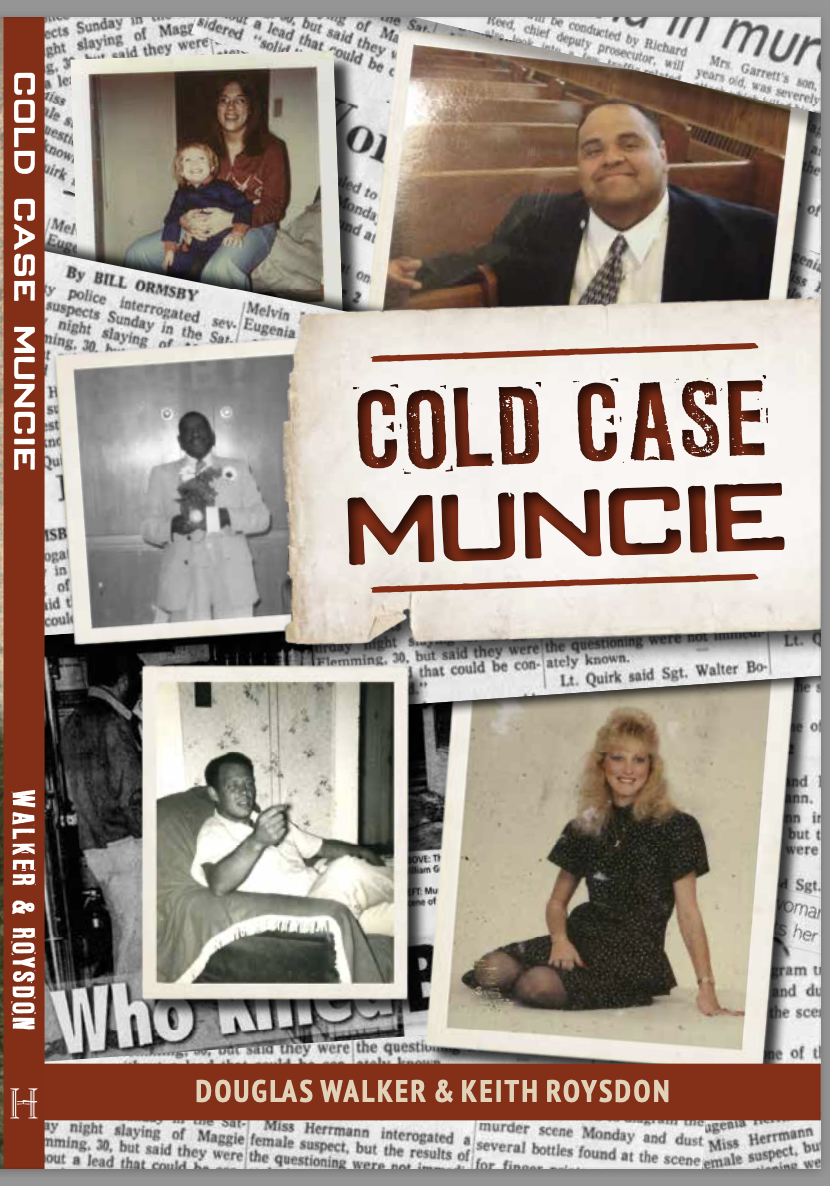
My longtime co-author Douglas Walker and I wrote the first of our true crime books, WICKED MUNCIE, for the History Press in 2015 and the book was published in 2016. It did well enough that History Press wanted us to keep writing the books and we complied through our fourth, COLD CASE MUNCIE, published in 2023.

My favorite of the four books is THE WESTSIDE PARK MURDERS, about the most famous unsolved murders in our area, in and around Muncie, Indiana, published in 2021. A pandemic publication, it has done well despite – or because of? – we didn’t get to do our usual talks and signings.

Even before we were unable to talk to people in person because of the pandemic, four years before, in fact, I created a Facebook page named after WICKED MUNCIE, the first book. Over the years since 2016, I populated the page – sometimes on a hit and miss basis – with anecdotes about the four books and their making, plus I told stories that were not included in any of the books.

This year, 10 years after I created it, the WICKED MUNCIE Facebook page is still going strong, adding new followers every day. I haven’t posted much true crime content in a while – hmm maybe people prefer a page that doesn’t have a lot of new content from the likes of me – and now tops 3,600 Facebook followers. Undoubtedly some of those are bots and now-inactive accounts, but it’s a lot of eyeballs to just casually turn away from. Until just recently, it was my largest social media presence. That’s no longer the case as just this week, my Bluesky account reached more than 3,800 followers. That’s about the same number as follow my Twitter account, although I really suspect many of the “people” on that hellsite are not actually people.

So with 3,600 followers on the WICKED MUNCIE page, I don’t feel like I can shutter it or even walk away and neglect it. So I’m cross-posting some of the same stuff I post on my other socials. And of course there’ll be some true crime stuff occasionally. Not as much as in the past, though.

So yes, there’s a word for someone who won’t walk away from a platform that affords them thousands of followers. Several words, really.

It’s like that old joke with the punchline, “We’ve already established what you are. Now we’re just haggling over the price.”
A cold case father died without justice for his son

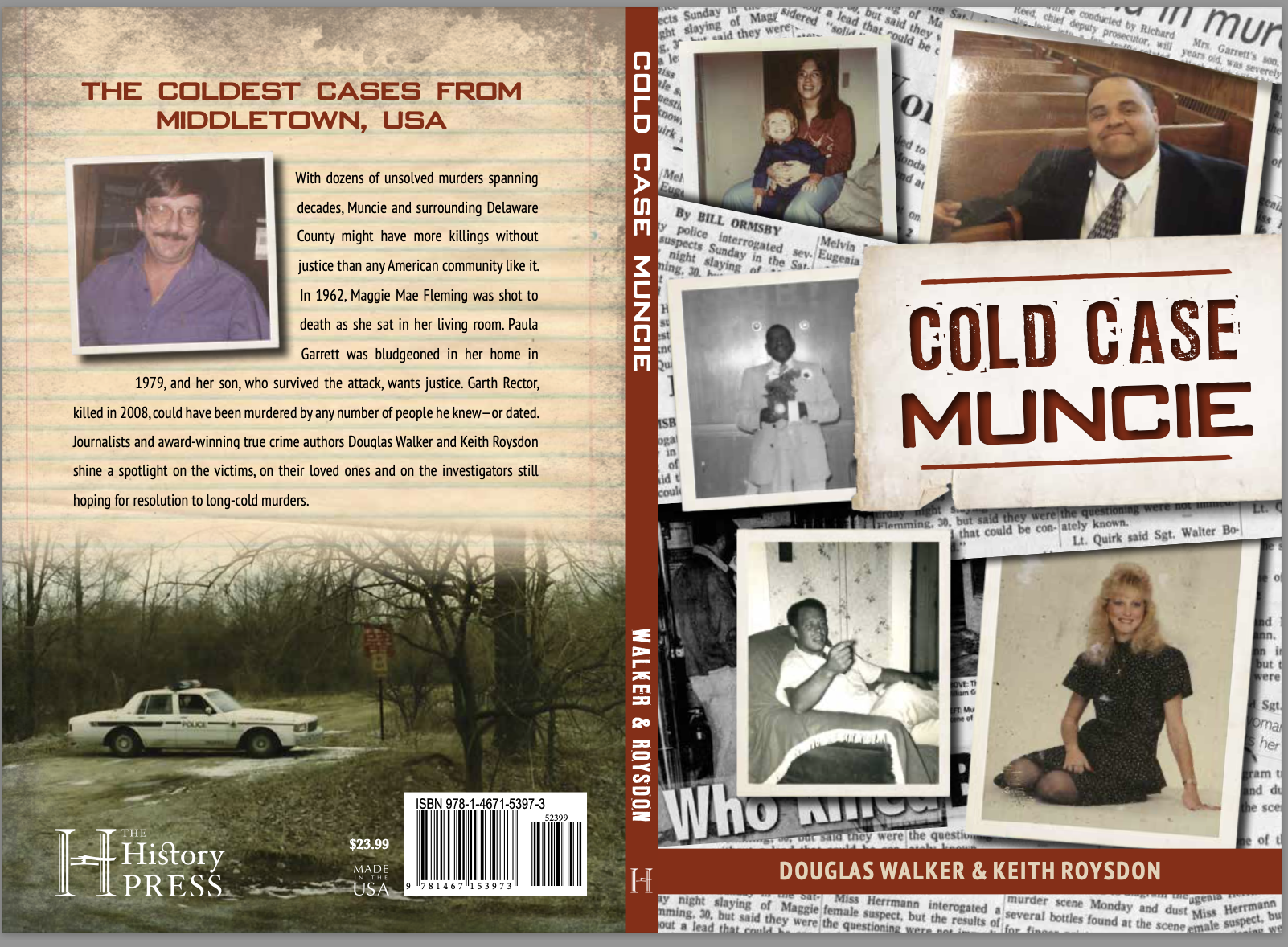
It’s been two years now since Calletano Cisneros died. A lot of people won’t know who he was, but he made a big impression on me. I interviewed him for our fourth true crime book, COLD CASE MUNCIE, which was published by History Press in 2023.

For those of you who don’t know, longtime writing collaborator Douglas Walker and I wrote about cold cases – unsolved murders – in the area of Muncie, Indiana for a few decades for The Star Press newspaper. This entailed going over old cases, some of them dating back decades and some of more recent vintage, and reviewing the facts, looking at old files and articles and often interviewing police investigators, prosecutors, coroners and, most importantly, surviving family members. Cold cases have an impact on all of those people but especially, of course, on surviving family members.

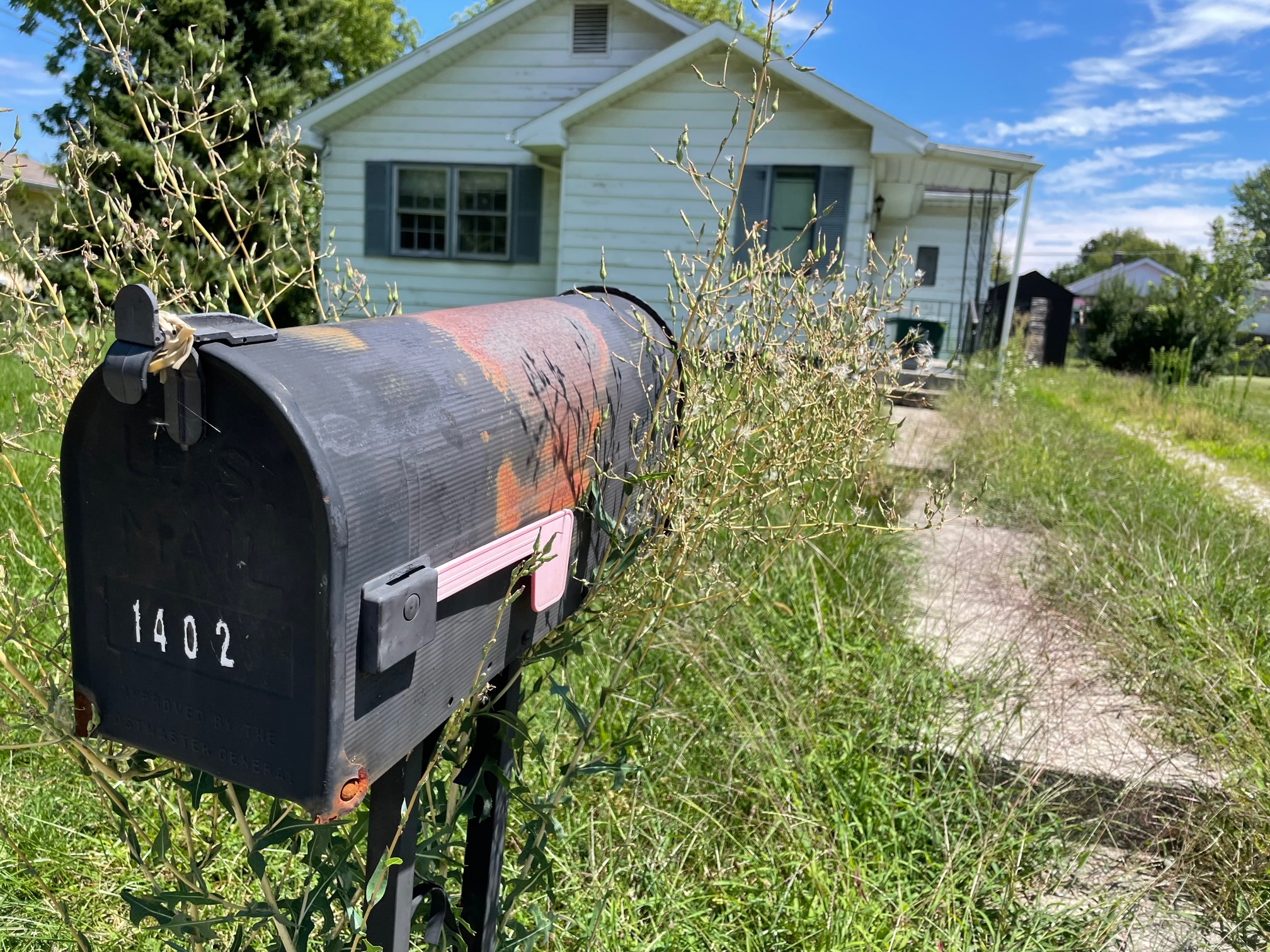
Sebastian Cisneros – that’s him in the upper right photo of the book cover above – was killed in April 2009 in Muncie, which is marred by dozens of unsolved murders. Sebastian Cisneros was killed outside his house on Ribble Avenue in Muncie.

We wrote about the case at the time and wrote about it as a chapter of the Cold Case Muncie book because it was a compelling story, made all the more so because I interviewed his father, 75-year-old Calletano Cisneros. When we spoke via long distance – he lived in Texas – he volunteered something that I hadn’t known when I called him: He himself had killed a man in a bar fight when he was 17 and had spent 10 years in prison before he was released by the governor. He’d lived with that past for a half-century and had, in the past several years, lived with the murder of his own son.

Calletano Cisneros told me he wanted justice for his son and wanted his son’s killer to be tried and sentenced to prison just as he had been more than 50 years earlier.

“I did my time. I’d like to see the same justice done in my son’s case.”

Calletano Cisneros didn’t live to see justice for his son. He died in January 2024.

Cold cases are cases that often don’t see justice done.

You can read about the Sebatian Cisneros case in our third true crime book:

The kids are alright – and interested in cold cases

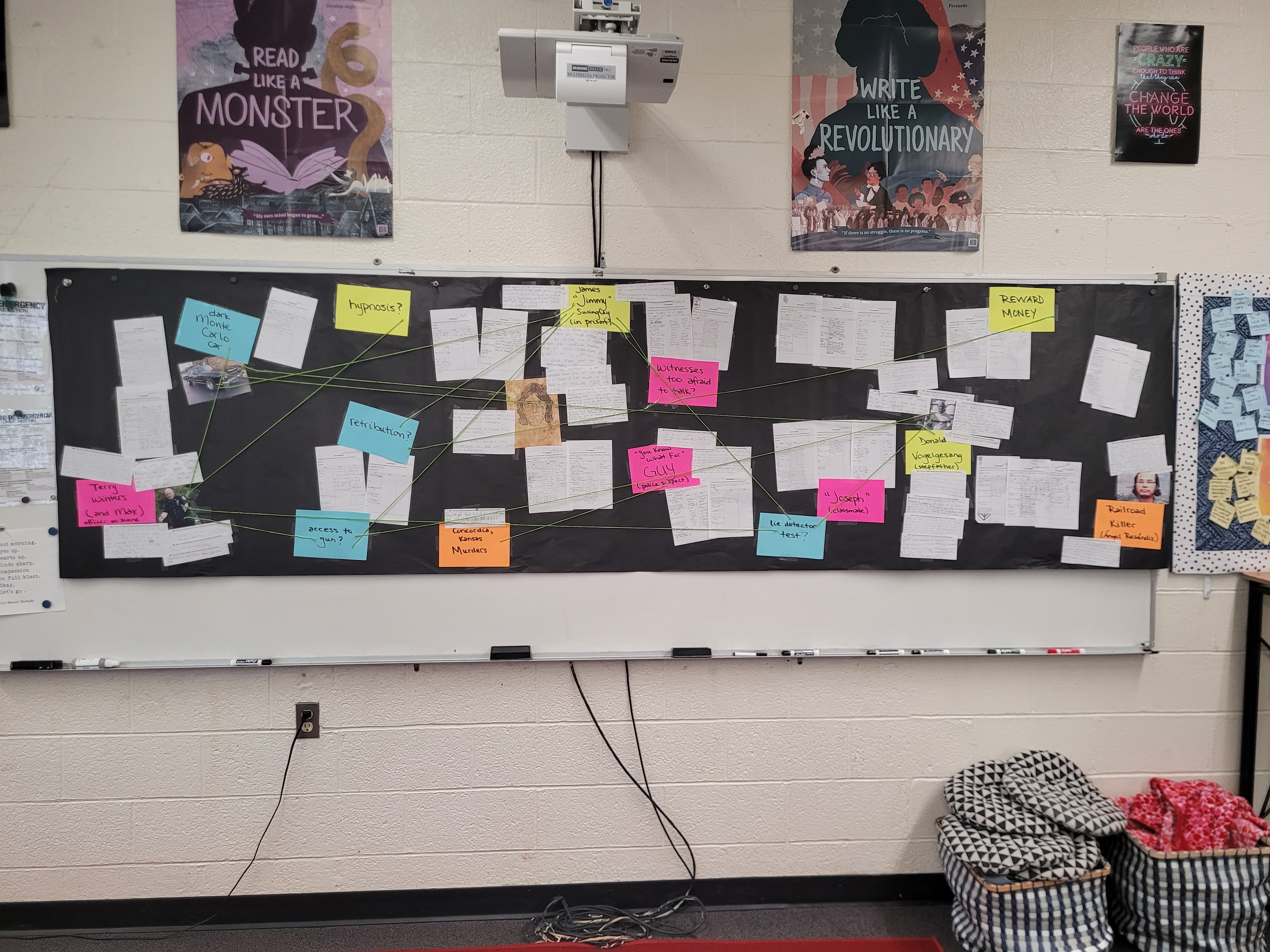
That’s a murder board. You’ve probably seen them in movies and TV shows. You might have made one yourself.

But have you ever seen a murder board, based on two real-life unsolved murders, put together by 13-and-14-year-olds? I didn’t think so.

Earlier this week I spoke to teacher Megan Byard’s middle-school class at Inspire Academy in Muncie, Indiana, my hometown. Ms. Byard had approached me and Douglas Walker, my longtime writing partner at Muncie newspapers and in four true crime books, including “The Westside Park Murders: Muncie’s Most Notorious Cold Case,” published by History Press in 2021, about talking to the class about Westside.

In September 1985, teenagers Ethan Dixon and Kimberly Dowell were shot to death in Muncie’s Westside Park. No one was ever charged with the crime, although police have had a person of interest for a few years now. In our book, we name that person, who is in prison following a conviction for a separate murder years after the Westside slayings. We explain the line of reasoning that prompted police to suspect him. We reached out to him in prison to ask about the case against him. He did not respond to written questions and a self-addressed, stamped envelope. In addition to naming him, our book explores many other theories and suspects connected to the case.

Since it came out, our book has received a lot of attention. Popular podcasts have been based on our book and the crime. On Amazon, the book has 163 ratings for 4 out of 5 stars. It prompted a Peabody-winning producer of non-fiction television to contact us about turning it – and some of our other writing – into a multi-part true crime series, but no networks or channels took the producer up on the pitch.

Of all the attention that our book has received, I think one of the coolest and most interesting was from Ms. Byard’s class. The students, who are interested in journalism and writing and true crime, studied the book and the crime in advance of having me do an online talk for their class. They asked good questions.

I think I was most impressed with the murder board, though. Made me feel like I was working in a police precinct, hoping for a breakthrough.

And I guess all of us are still waiting for a breakthrough.

Thanks to Ms. Byard and her class at Inspire Academy. Your interest and care made my week.

Here’s a link to the book on Amazon, although you can find it anywhere, including many libraries, including the Chicago Public Library.

Cold cases still pull at the heartstrings

I was watching “Ballard” the other week – it’s a good series, by the way, and a very valid follow-up to the “Bosch” series and it’s own streaming sequel, “Bosch Legacy” – and it got me thinking about the cold cases I’ve written about over the decades.

“Ballard,” which stars Maggie Q as Renee Ballard, Los Angeles police detective who is featured in her own series of crime novels by author Michael Connelly, creator of “Bosch,” is about how the Ballard character is “demoted” to the LAPD’s under-funded and over-scrutinized cold case unit.

The unit, comprised of police officers and reserves and a handful of volunteers and interns, huddles in a cluttered series of rooms that look more like storage than an office. The cold case squad is the definition of an effort that is nothing like a priority for LAPD leadership but is an essential thing to the squad members.

Ballard is initially leery of the assignment – punishment, really, for daring to report another cop for assaulting her – but grows to find satisfaction in solving long-unsolved murders, bringing killers to justice and giving closure to survivors.

Along with my longtime writing collaborator Douglas Walker, I wrote about cold cases for many years for the newspaper in my hometown of Muncie, Indiana. The most notable cold case to many was the killing of two teenagers in Westside Park in 1985. Walker and I wrote about it in our third true crime book, “The Westside Park Murders,” released by History Press in 2021.

But our fourth book, “Cold Case Muncie,” released in 2023, is an entire book of cold cases, still-unsolved murders in the Muncie and East Central Indiana area.

We had identified more than 30 cold cases, some dating back to the 1960s or even earlier, during a regular series of newspaper articles beginning in 2010. We went back and re-examined many of those cases for the book.

We interviewed surviving loved ones of the victims and revisited the murder scenes.

We put an emphasis on soliciting any new information about the murders, including a point of contact for each of the police departments responsible for resolving those cases.

And we placed emphasis on the survivors. Many of the cases are illustrated by photographs I took of those people who, today, are still waiting for someone to bring closure for the killing of their loved ones.

I’ve noted before that closure is an elusive thing, even harder to achieve than it seems, and that’s pretty damn hard.

I’m glad “Ballard” has taken up the case of cold cases and I’m glad to have brought some attention to them too.

What’s up, Docs? Two new mystery medical dramas, ‘Doc’ and ‘Watson’

Hollywood is forever looking for variations on Sherlock Holmes stories, although the “Sherlock” series starring Benedict Cumberbatch and Martin Freeman (a Brit production overseen by Mark Gatiss) is very hard to top. “Elementary” did a good job of modernizing the Arthur Conan Doyle detective and “House” focused the mystery to medical conditions diagnosed by a Sherlockian-level grump doctor.

Now there’s two series, one more directly tied to the Sherlock mythos, that cast Holmesian logic as medical diagnosis.

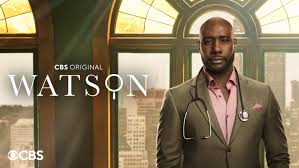
The more directly Conan Doyle-connected is “Watson,” starring Morris Chestnut in a very appealing turn as John Watson, who is running an elite clinic in the wake of the Reichenbach Falls confrontation between Holmes and his nemesis James Moriarty. Watson suffered a head injury as he tumbled into the water trying to save Holmes. Now he’s trying to recover, make a new life for himself and, as of the second episode, doesn’t realize that Moriarty isn’t dead and means to bring Watson down.

As we know from the Sherlock canon, the Falls were not the end of Holmes, so I’m wondering how long before the detective shows up to assist his best friend?

The cast is good but the show has some of the faults of network shows in that everything is explained too explicitly to ensure audiences who are barely watching the show while scrolling on their phones catch what’s going on.

Even if it is less Holmes-related, “Doc” is the better series for me right now. Molly Parker, from “Deadwood” and “Lost in Space,” plays a doctor who lost her memory of the past eight years after a head injury. (Lot of that going around.)

Now she must navigate a return to a personal life that, for her, is where she left it eight years ago. (Spoilers.) She doesn’t remember that one of her children died, she and her husband divorced, she began a new relationship and her former friend is now an enemy.

Parker is, like Chestnut, just incredibly appealing. I’d watch another couple of seasons of “Lost in Space” featuring her as Maureen Robinson if I could. And what wouldn’t we all give for several more seasons of “Deadwood?” “Doc” might be the best Molly Parker fans will get, and that’s pretty good in its own right.