Tag Archives: reviews

Vincent Price documentary on TCM captures the day he came to my hometown, Muncie

Yesterday, I was watching the new documentary “Vincent Price: What Keeps Us Alive,” which I had DVRd from TCM’s premiere of the program Friday evening, and found it quite good. I’ve always liked Price and if you search for his name here on this site you’ll find posts about when I met him at an airport in the early 1980s and when I met his kind and generous daughter, Victoria Price, this summer here in Knoxville.

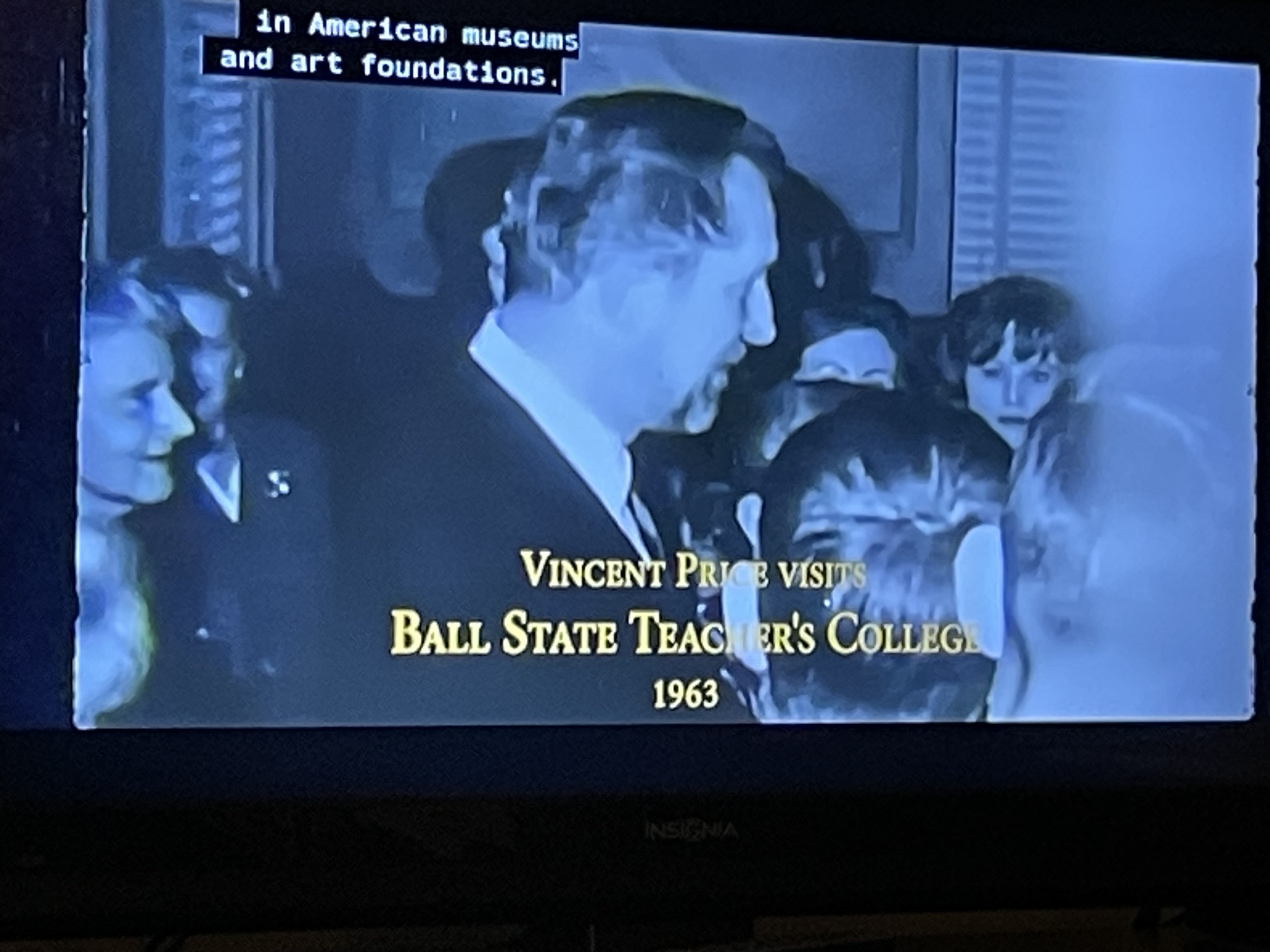
But as I was watching the documentary, I was startled to see some B-roll footage of Price talking to a large group of people and the caption read, “Vincent Price visits Ball State Teachers College 1963.”

If I’d ever known Price had visited my hometown of Muncie, Indiana, I’d forgotten that fact.

I was a pre-schooler at the time of his visit and was a few years away from becoming the huge fan of horror movies that I would become.

For his part, Price was in another of his career high points. He’d been acting on stage and screen since the 1930s and co-starred in “Laura” in 1944. He’d become, along with Boris Karloff, the king of American horror films in the mid-century, starring in a string of classic films like “The Tingler” and “House on Haunted Hill” in 1959.

His film roles in the 1960s brought him another kind of fame as he played the lead in a string of Edgar Allan Poe adaptations for director/producer Roger Corman and American International Pictures. Right before his Muncie visit the latest of those films, “The Raven” had been released and more films now regarded as classics were to come.

Price was in the midst of something else in 1963. He was promoting the democratization of art as part of a promotion by huge retailer Sears to encourage people to buy prints of works of art by great artists. As part of that promotion, Price appeared in hundreds of cities and towns, showcasing the art prints available at Sears and giving talks at local colleges and universities.

Among those was Ball State Teachers College in Muncie, where the footage used in the documentary was captured. The school was renamed Ball State University in 1965.

I was curious how the local newspapers covered Price’s appearance. It wasn’t that long before the aging newspaper editors, out of touch with popular culture, would question the need to put the 1980 assassination of John Lennon, for example, on page one.

But Price had the right mixture of old Hollywood and art appreciation to convince the editors to cover his March 6, 1963 appearance.

Both the Muncie Star and the Muncie Evening Press ran announcements of his appearance in advance and covered him at receptions with the city’s leading industrialists and philanthropists like various Ball and Kitselman family members.

I’m most proud of coverage by Roy Bigger of the Muncie Evening Press, who wrote a page one story for March 7 about Price’s talk to an “overflow audience” at a Ball State convocation in which he talked about art and the public’s right to know, understand, appreciate and own art. That’s where Sears’ art collection offerings came in, of course. He talked about writers like Tennessee Williams and artists like James Whistler.

About 500 people had to be turned away from the convocation in Ball State’s Assembly Hall, Bigger reported.

So cool to discover, even 60 years after the fact, the meeting of my hometown and one of my favorite film actors.

You’ve somehow stumbled upon the latest of more than 1,100 posts on keithroysdon dot com, stretching back to the early 2010s. Books, writing, movies, TV, obscure pop culture, Halloween, snark and more snark. I’m the author of crime novels THAT OCTOBER and SEVEN ANGELS, co-author of four true crime books including the award-winning THE WESTSIDE PARK MURDERS and hundreds of short stories, news articles and pop culture pieces in spots like CrimeReads, Daily Yonder and elsewhere. You can contact me by leaving a message anywhere on this site or by hollering at me on one of my too many social media outposts.
Universal Monsters Channel and other FAST channels lurk in your cable TV hinterlands, and they’re weird

They’re out there. They’re lurking in your TV lineup.

And they’re weird.

I’m talking not just about the Universal Monsters Channel, but other odd and occasionally cool channels in the 1,000-something range on your cable television lineup. Maybe 10,000-something.

Somewhere up there in the channel range you can’t easily just stumble across, and also on services like Roku, apparently, are channel offerings like the Universal Monsters Channel, which true to its name offers 24/7 showings of classic Universal horror films of the 1930s-1950s like “Bride of Frankenstein” and the Creature from the Black Lagoon trilogy as well as newer films from Universal.

But it’s not just Universal monsters that are hiding in there, waiting to be stumbled upon. There’s a channel that offers nothing but Universal mainstream movies, channels that are devoted to TV series like “Xena,” “Andromeda,” “The Virginian,” “Las Vegas” … there’s a lot and a lot of it is pretty obscure.

The oddest thing about these channels is how they’re set up. You can’t click a channel on at, say, 10 p.m. to watch “Frankenstein” or your favorite episode of “Xena.”

And you can’t set your DVR to record any of the movies or shows.

The FAST – which stands for Free Ad-Supported Streaming Television – channels don’t care about your schedule or your pathetic “time-shifting” goals. If you want to see “Revenge of the Creature” and it’s on at 2 in the morning, by god, you set your alarm and get up and watch it through bleary eyes.

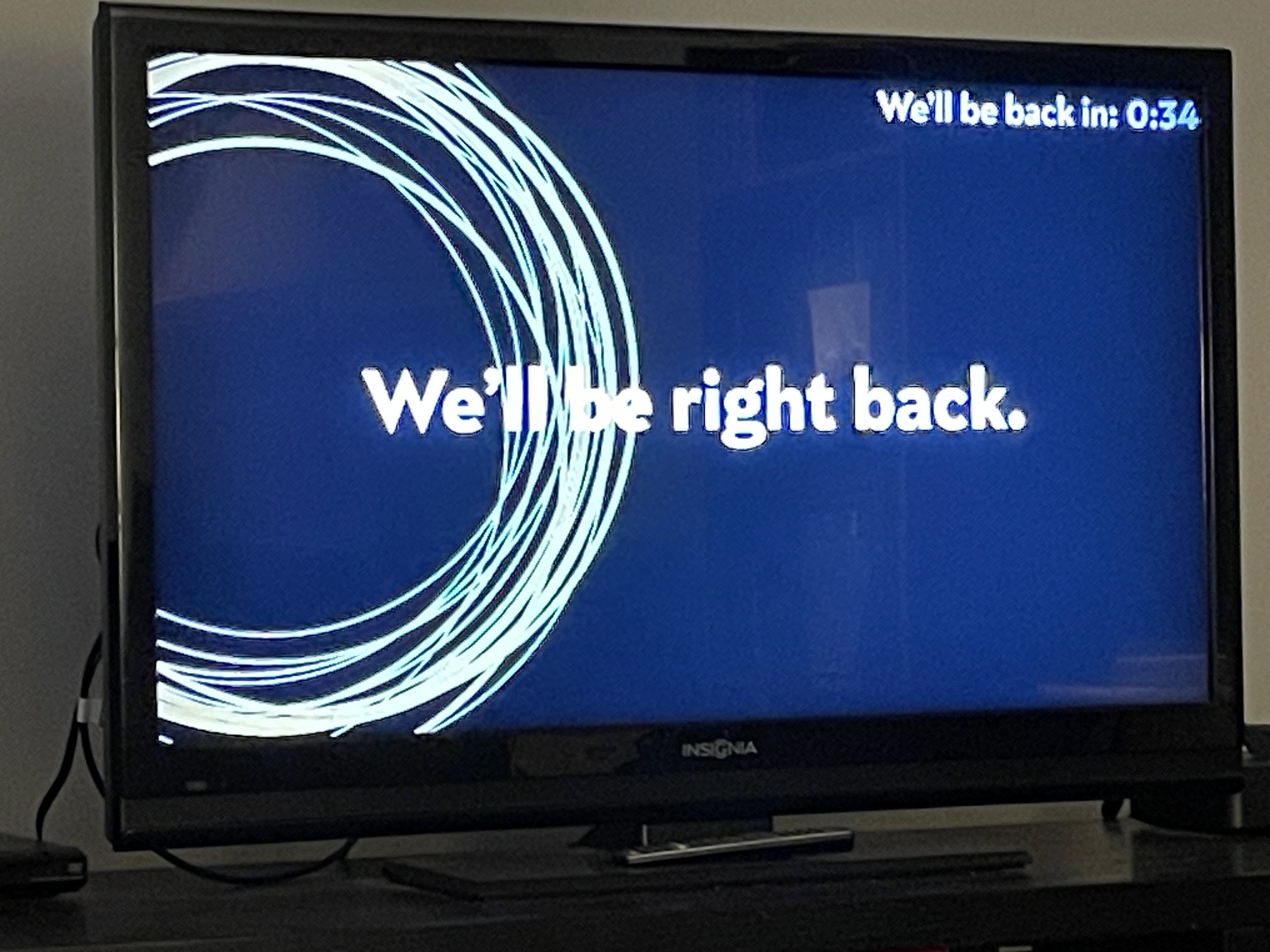
The movies and shows are advertising supported but at least on my cable lineup they don’t seem to have many ads. So you might see a 30-second spot for a coffeemaker, for example, followed by 90 seconds of this:

Yes, a countdown until the movie or show resumes.

These channels are odd. They’re more like old-timey television, in the days before you could record and time-shift to watch a show later. Although you can’t count on anything starting on the hour or half hour, because the programming doesn’t have breaks full of commercials or previews. One movie ends and the next begins.

In other words, don’t count on starting your binge of any of these shows from the beginning on a FAST channel.

Variety reported a while back that nearly 2,000 of these FAST channels are available.

In March 2025, Deadline reported that Universal had launched 40 FAST channels dedicated to the SNL vault, “Little House on the Prairie,” “Murder She Wrote” and other programs. And yes, a lot of the programming is available elsewhere on streaming.

But only with FAST channels could you turn on your TV on a random Tuesday and still be seeing Frankenstein’s monster or Nellie Oleson a week later. (Yes, I had to look up the spelling.)

It’s all out there. In a chaotic but totally locked-in manner. And it’s probably hidden in the far reaches of your cable dial.

TCM’s Halloween month: It’s the most wonderful time of the year! (Plus a new Vincent Price documentary!)

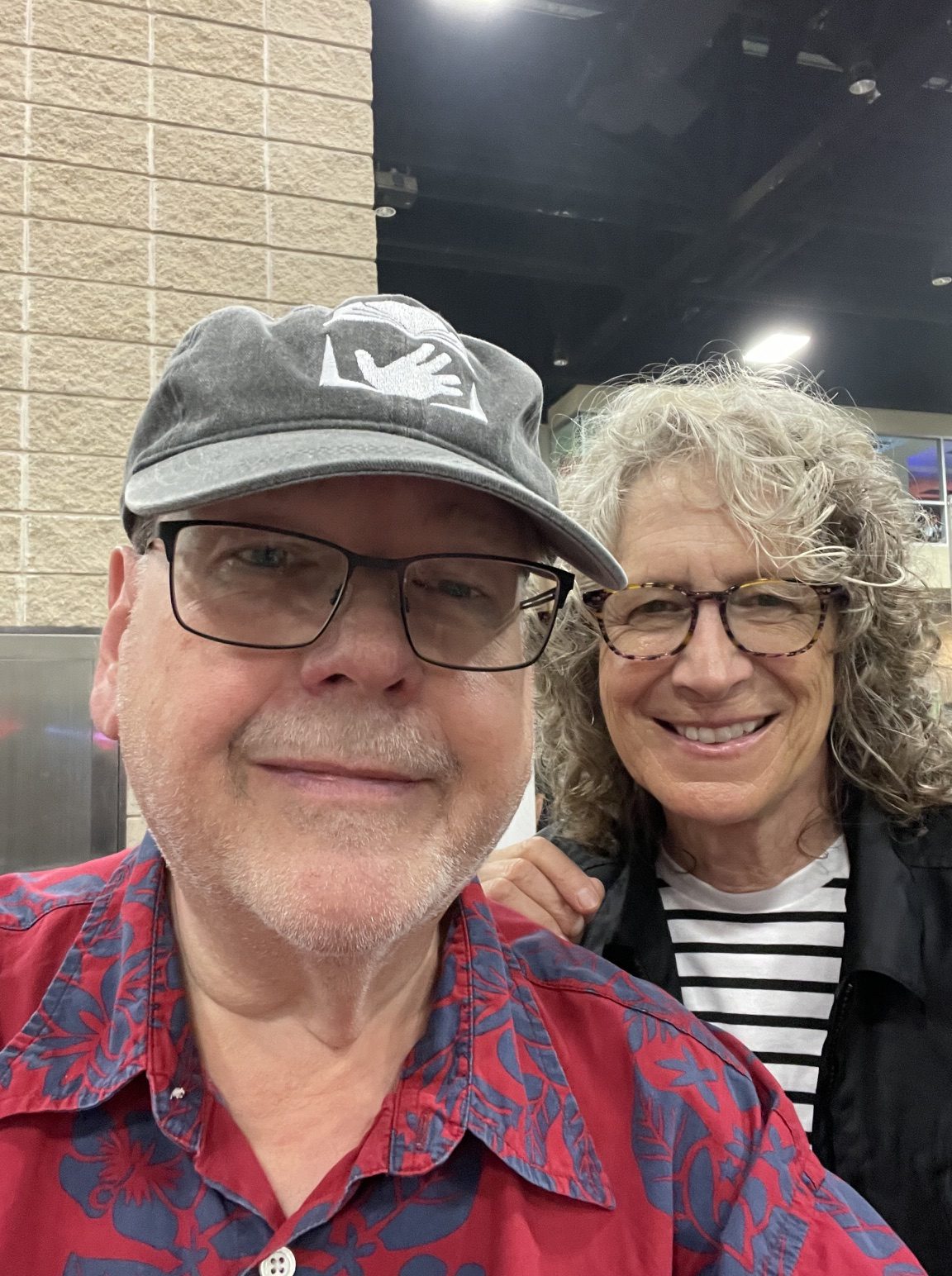
Hopefully you recognize the wonderful Victoria Price, daughter of classic actor Vincent Price, in that shot with me, taken at this summer’s CreepyCon here in Knoxville.

CreepyCon was a lot of fun, but meeting Ms. Price and getting a chance to tell her about the time I met her father was a highlight of the day. That story in a moment.

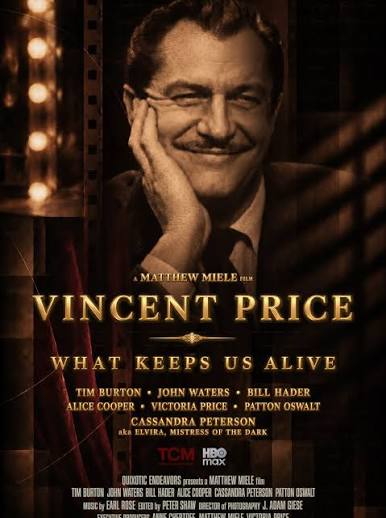
I’m making special note of the one-and-only Vincent Price in part because a new documentary about him, “Vincent Price: What Keeps Us Alive,” debuts on TCM (Turner Classic Movies) on October 30. In addition to Ms. Price, the doc features interviews with people who knew, worked with and admired Vincent Price like Tim Burton, John Waters, Bill Hader, Alice Cooper, Patton Oswalt and Cassandra Peterson, also known as Elvira, Mistress of the Dark.

The documentary puts a button on TCM’s buildup to what’s one of my top two holidays.

I grew up watching Price’s films and other classic horror and terror movies when I could catch them at drive-in theaters or on late-night TV, years before the era of home video and cable TV. We cherished, as film fans and monster fanatics, the opportunity to see them. It’s a lot easier now thanks to the plethora of horror films online and on streaming.

For a couple of decades, TCM and other movie channels like AMC bridged the gap for us, never more so than in October, when TV and cable programmed a delightful number of horror films, including the work of Price.

When I got to speak with Ms. Price at CreepyCon I got to tell her my favorite of her father’s films which in some ways bracketed the most active years of his career, “House on Haunted Hill” from 1958 – before I was born – and “The Abominable Dr. Phibes” in 1971, when I was still a kid. (Vincent Price died in 1993.)

This year, TCM is doing a lot of Halloween programming and much of it is the kind of material that helps TCM distinguish itself from other channels and streaming services. (Link at the end of this post to a TCM page that went up just today with program highlights.)

A centerpiece of TCM’s October programming is always “Creepy Cinema,” in which TCM host Ben Mankiewicz and guest host Mario Cantone spotlight some fun and often campy films, which this year put the emphasis on campy with films featuring Bette Davis, Joan Crawford and Angela Lansbury. But there’s also some films genuinely perfect for the mini-film festival including “The Sentinel” (1977), which my friends and I had a ball with, vintage Hammer horrors and “The Thing From Another World” from 1951, one of my very favorite films and the forerunner of John Carpenter’s classic “The Thing” from 1982.

The last two days of the month, TCM has scheduled, besides the Price documentary, 27 films including the 1979 Frank Langella “Dracula,” 1974’s offbeat “Phantom of the Paradise” and others.

TCM’s programmers seem intent on giving us an experience we can’t get anywhere else. Most of these films we might be able to find elsewhere, but probably not all and we wouldn’t have the great intros and outros of the TCM hosts.

Before the link to the TCM roundup, my Vincent Price story:

In 1982, I was about four years into my gig reviewing movies for the evening paper where I worked. I’d begun in 1978, while I was starting college, and I reviewed films until 1990. By 1990, I had begun covering government, politics and crime and where the three intersected.

But while I was still reviewing movies, I did interviews with directors like John Carpenter and George Romero and went to press junkets, including the 1982 junket for “Conan the Barbarian,” the first film featuring Arnold Schwarzenegger as the Robert E. Howard adventurer.

After a couple of days of interviews in Chicago, I was at O’Hare Airport waiting to fly back home when I spotted, near my gate, Vincent Price sitting by himself across the way.

No one else was around – we were both early for our respective flights – and I walked over to him. He invited me to sit down and I explained, probably in starstruck manner, how much I loved his films and performances.

Although he undoubtedly got recognized all the time – and would soon reach another, modern level of fame with the “rap” on Michael Jackson’s “Thriller” hit – he was kind and gracious. He invited me to sit down and we talked for a half-hour about movies, TV, Chicago and travel. He was so nice and kind.

At CreepyCon a few weeks ago, I told Victoria Price how much I appreciated her father’s reaction and encouragement of this barely-past-college-age fan.

She thanked me and said she would mention my anecdote when she spoke to a crowd later.

I won’t be missing the TCM documentary about Vincent Price, a kind and gracious man. Here’s that TCM link:

https://www.tcm.com/articles/now-playing-newsletter/60298/tcm-does-halloween

New short story, new anthology: I’ve been looking forward to DAYDREAM BELIEVER all year

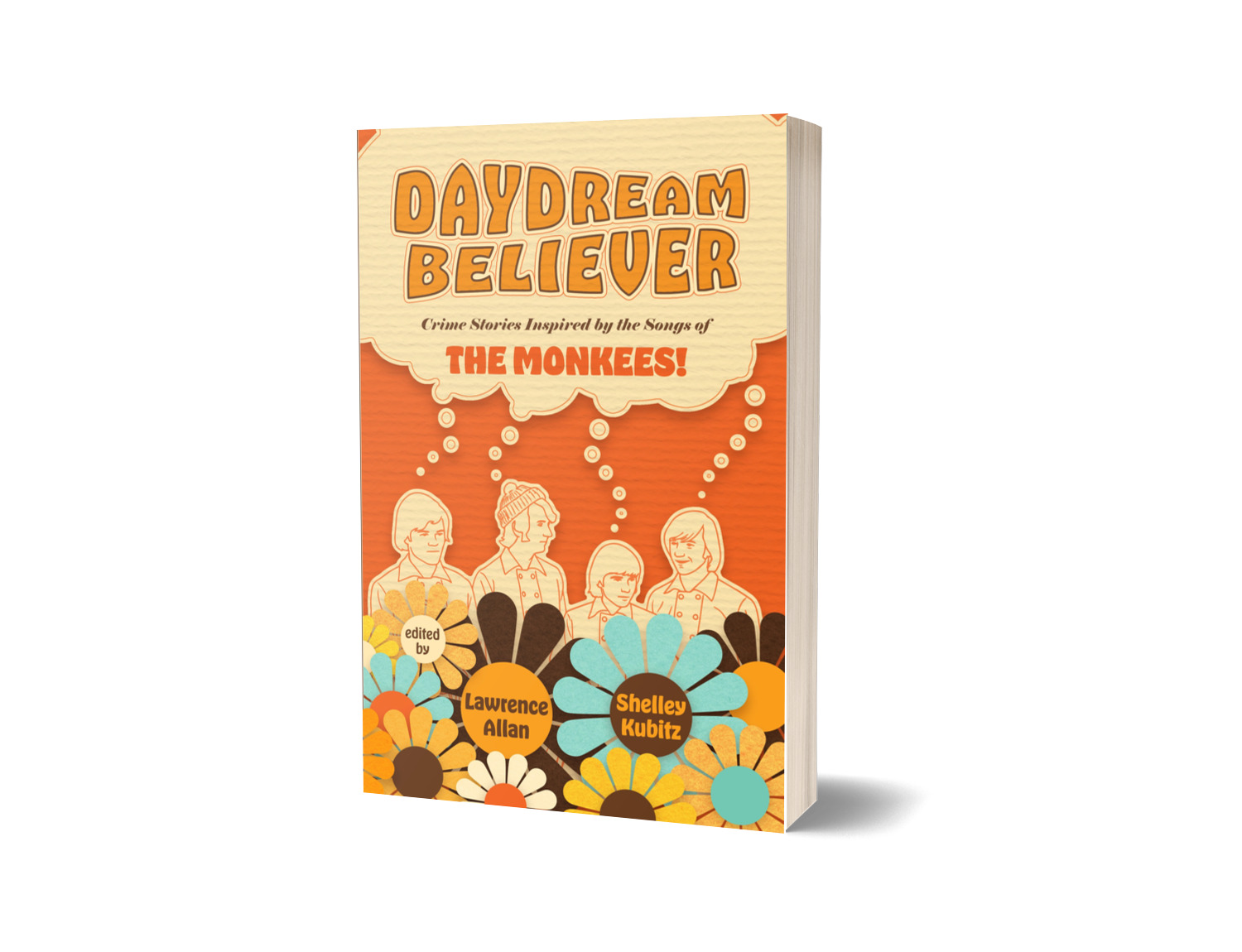
Sometimes crime short stories are mean and brutal. Sometimes they’re nostalgic, or at least my story “This Just Doesn’t Seem To Be My Day,” in the new anthology “DAYDREAM BELIEVER: Crime Stories Inspired By the Songs of the Monkees,” is.

When I heard that my friend and author Michelle Kubitz was accepting submissions of short stories for the anthology, which she was co-editing with Lawrence Allan for publication by Ron Earl Phillips and Shotgun Honey, I knew I had to contribute. I even went up to Larry after he appeared on a panel at Bouchercon in Nashville and excitedly told him I had a story I wanted to sub.

As a grade-schooler in the 1960s, I loved the Monkees. The music and the silly TV show definitely, but what made me jump at the chance to submit a story was my association with the Monkees and my brothers.

Before I was certain who the Monkees were exactly – TV actors? TV characters? Musicians? Four cool and funny guys? All of the above? – I spotted their debut album in my oldest brother’s room. I put it on the turntable and immediately loved the music. It wasn’t a new album by that time, but it was still fantastic, with songs that cemented the Monkees in my mind as a favorite band.

My brothers were 10 and 12 years older than me, so it was more like having a couple of uncles around than brothers. But I wanted to be accepted by them, and finding some common ground in music was something I dearly loved. One album cut in particular, “This Just Doesn’t Seem To Be My Day,” stands out in my memories as a fast, funny song that I listened to over and over.

About the time I was 10, my brothers were planning a party in a field our dad and mom owned, south of our 100-year-old farmhouse and south of the equally aged barn, and I really wanted to be a part of it. I wheedled my way into going around town with my brothers as they picked up things they needed for the party: ice, beer, extension cords, probably other things I was too young to understand.

My story in the anthology varies from that real-life day – although both ended in a fairly dramatic manner at the party that night – but both accomplished something I desperately wanted: To be closer to my much older brothers.

Not all of my stories are as nostalgic, or true-to-life, as this one. But thanks to DAYDREAM BELIEVER, I can relive that day and its fairly calamitous ending.

Thanks to Shelley and Larry and Shotgun Honey for the chance to relive that day and that evening.

I think you’ll like DAYDREAM BELIEVER, and not just for my story. The other authors with stories in the anthology are Holly West, Lawrence Allan, Eric Beetner, Lina Chern, Libby Cudmore, Michael Downing, Jeff Esterholm, Michel Lee Garrett, Paul J. Garth, James D.F. Hannah, Sean Patrick Little, Alan Orloff and Raquel V. Reyes. It’s a great group of talented people.

You can find DAYDREAM BELIEVER at

https://shotgunhoney.com/announcements/news-announcements/book-release-daydream-believers-anthology/

Blurbs and reviews, reviews and blurbs: How I got ’em

I think there are few writers who enjoy asking other writers and book influencers for blurbs, quotes and reviews.

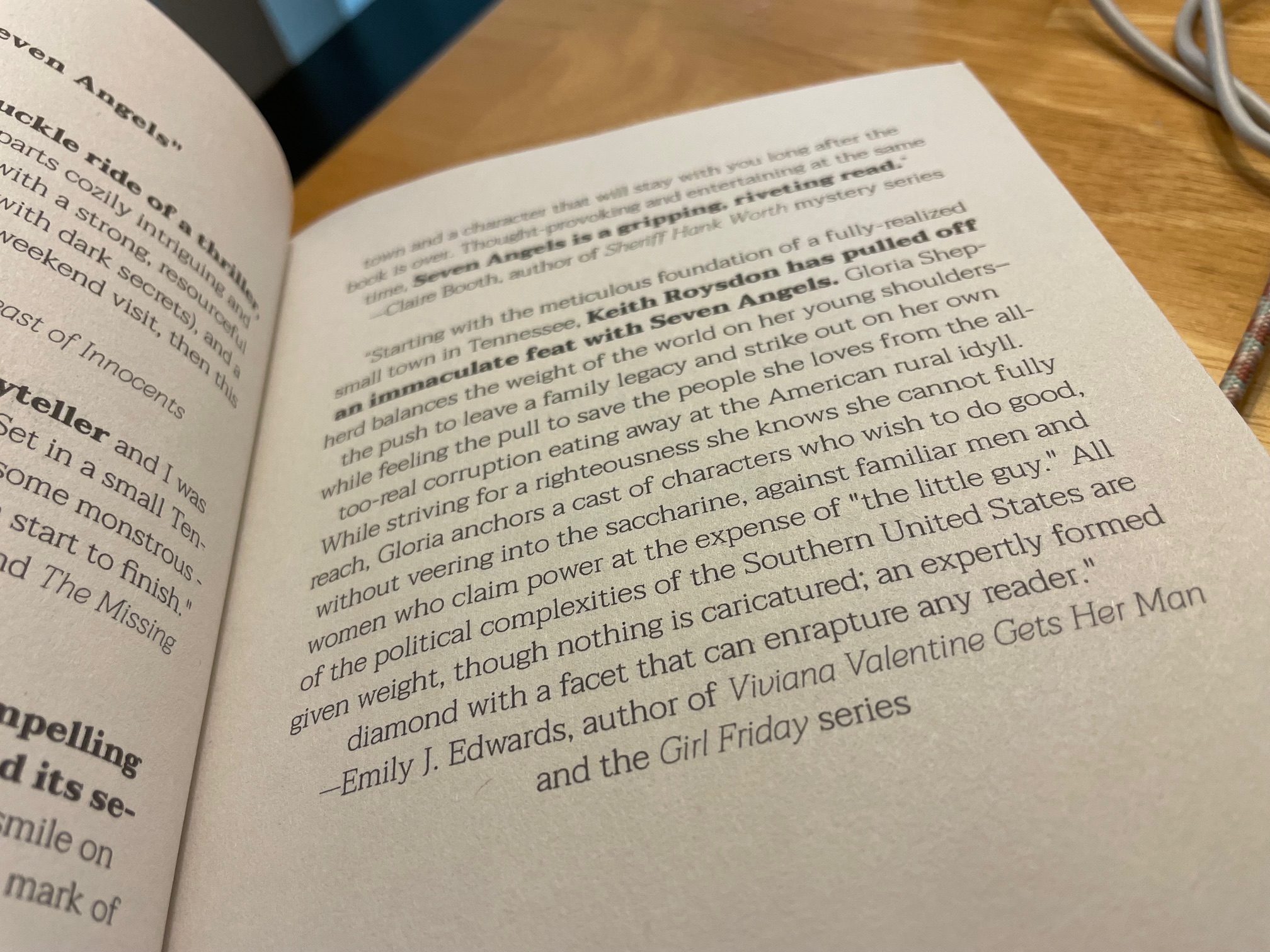
I don’t know that I’ll continue to seek out marketable opinions of my books, if I continue to write books, but I’ve been blessed with insightful comments from people who’ve had a chance to read my books – in advance for inclusion as blurbs like the one shown above by wonderful author and friend Emily J. Edwards – and after the books are published as the most marketing-heavy element of book marketing.

I’ve had only one author say they’ve been too overwhelmed with their own work to take the time to read the book for a blurb or review.

How this process went for me:

Of course, we all know what reviews are, but blurbs are those little snippets of opinion – inevitably praising – that you see on book covers and inside. They attest to the value of the book and, sometimes, of the author.

With my first published novel, THAT OCTOBER, I waited until almost too late to ask. The book was slated for self-publishing on June 1, 2025 and I probably didn’t ask people until March or April. Every person I asked except for one hugely busy person was able to read the book and provide a blurb.

With SEVEN ANGELS, I was a little more organized and asked weeks, months, earlier, well before its June 1, 2026 publication date. I did so politely and with the understanding that they were probably too busy to do it, but they all did. One author who’d said she wouldn’t be able to blurb the book emailed later to say she’d begun reading it and wanted to blurb it. I’m not sure I got a higher compliment than that.

Each of the authors got a copy of the manuscript and I told them that there would be no substantial changes to come that might affect their opinions.

The blurbs were included in the book, most inside and one by Claire Booth on the back cover. My friend and cornerstone of Constellate Publishing Jill Blocker decided the positioning.

Afterward, when I had copies of the book, I asked a handful of people, friends and online tastemakers, who I provided either copies of the proof or copies of the book to. I stepped gingerly with my request here: “If I sent you a copy, would you consider reading it and possibly posting about it?” This was a step I didn’t take with THAT OCTOBER.

In the five days (as of today) since SEVEN ANGELS was published, I’ve encouraged people to post reviews on Amazon or other sites like Goodreads. And of course people I don’t know who might read the book might do the same.

It’s a ticklish process, for sure. You have to assume that the people you’re asking MIGHT like the book and be willing to say so publicly. If they don’t, though, at least they gave it a shot and shared their honest opinion.

Because years from now, if I’m lucky, someone might have an opinion. If it’s positive or negative or mixed, it’s still a sign that someone found the book and connected with it.

6-Episode Problem: In which I am forced to wish for longer TV seasons

I grew up in the 1960s and `1970s – ha! I bet you thought I was a youngster, huh? – and TV was a huge part of our lives. Obviously. This was during a period when weekly episodic TV series had long seasons of many episodes, certainly by today’s standards.

I mean, “Star Trek” had 79 episodes over only three seasons (and some of those episodes were outright losers that I’m sure somebody is nostalgic about now) and “Trek” looked like a piker compared to many TV series: “Gunsmoke,” which ran for 20 seasons, aired 39 episodes in each of its first few seasons, although those were admittedly half-hour episodes. Yesterday I noticed that “Alfred Hitchcock Presents” also had 39 episodes some seasons.

That reinforcing of the idea that vintage TV series aired a boatload of episodes back in the day compares and contrasts to today, when it’s a shock when any new series runs more than 10 or 12 episodes per season. The excellent “The Pitt” is the exception with 15 episodes per season. (“The Pitt” is also the exception compared to many current series in that the seasons air only a year or less apart.)

Enter “3 Body Problem,” the terrifically entertaining Netflix adaptation of the science fiction bestseller (and Chinese TV adaptation). Yesterday news broke that the second season of the series would consist of only six episodes compared to eight from the first season. Forbes wrote that the third season is supposed to be even shorter. This as people note that author Cixin Liu’s three novels get longer with each book.

Oh, and also, it’s been two years since the first season.

Add to that the apparent circumstance that there’s no telling when the second season of the great series “Pluribus” will be produced or seen.

I don’t necessarily want to return to the days of 39 or even 22 episodes, the latter still a common number among some network series.

But I wouldn’t mind if other series followed the schedule of “The Pitt” and gave us a few more episodes in a slightly more timely manner.

What’s up, Docs? Two new mystery medical dramas, ‘Doc’ and ‘Watson’

Hollywood is forever looking for variations on Sherlock Holmes stories, although the “Sherlock” series starring Benedict Cumberbatch and Martin Freeman (a Brit production overseen by Mark Gatiss) is very hard to top. “Elementary” did a good job of modernizing the Arthur Conan Doyle detective and “House” focused the mystery to medical conditions diagnosed by a Sherlockian-level grump doctor.

Now there’s two series, one more directly tied to the Sherlock mythos, that cast Holmesian logic as medical diagnosis.

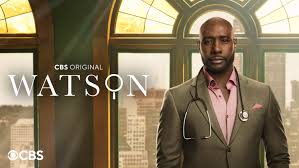
The more directly Conan Doyle-connected is “Watson,” starring Morris Chestnut in a very appealing turn as John Watson, who is running an elite clinic in the wake of the Reichenbach Falls confrontation between Holmes and his nemesis James Moriarty. Watson suffered a head injury as he tumbled into the water trying to save Holmes. Now he’s trying to recover, make a new life for himself and, as of the second episode, doesn’t realize that Moriarty isn’t dead and means to bring Watson down.

As we know from the Sherlock canon, the Falls were not the end of Holmes, so I’m wondering how long before the detective shows up to assist his best friend?

The cast is good but the show has some of the faults of network shows in that everything is explained too explicitly to ensure audiences who are barely watching the show while scrolling on their phones catch what’s going on.

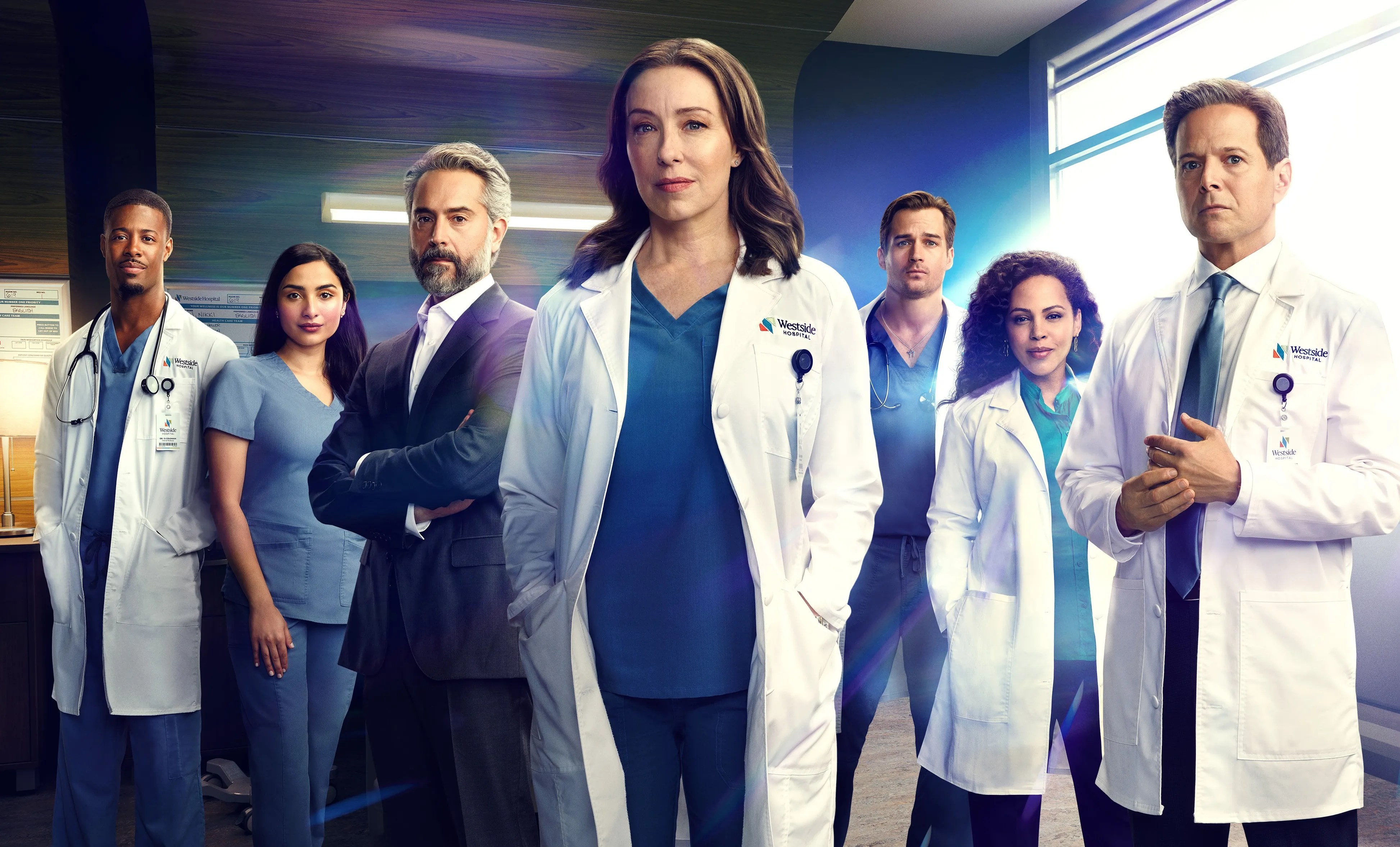
Even if it is less Holmes-related, “Doc” is the better series for me right now. Molly Parker, from “Deadwood” and “Lost in Space,” plays a doctor who lost her memory of the past eight years after a head injury. (Lot of that going around.)

Now she must navigate a return to a personal life that, for her, is where she left it eight years ago. (Spoilers.) She doesn’t remember that one of her children died, she and her husband divorced, she began a new relationship and her former friend is now an enemy.

Parker is, like Chestnut, just incredibly appealing. I’d watch another couple of seasons of “Lost in Space” featuring her as Maureen Robinson if I could. And what wouldn’t we all give for several more seasons of “Deadwood?” “Doc” might be the best Molly Parker fans will get, and that’s pretty good in its own right.