
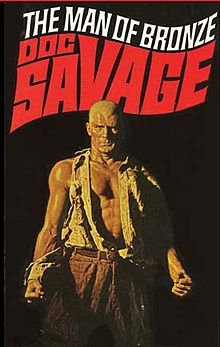
For a compulsive credits-watcher like me, the revelation was dumbfounding: One artist was responsible for some of the most memorable pop culture images of my childhood.
James Bama is a well-known Western artist. For me, he’s always been the man who painted photorealistic but slightly surreal covers for the 1960s paperback reprints of old “Doc Savage” pulp novels.
Since I obsessively checked movie and TV credits and artist and author credits of books, magazines and comic books, Bama was a familiar name to me.
His drawings of pulp hero Savage no doubt helped sell a new generation of fans on the Depression-era adventure stories.
How could young readers not be interested in a hero and an adventure that looked like this?

But when goofing around on the Internets the other day, I realized that the Bama of “Doc Savage” fame was also the artist who painted the cover of an early “Star Trek” novelization. It’s one that’s still on my bookshelf.
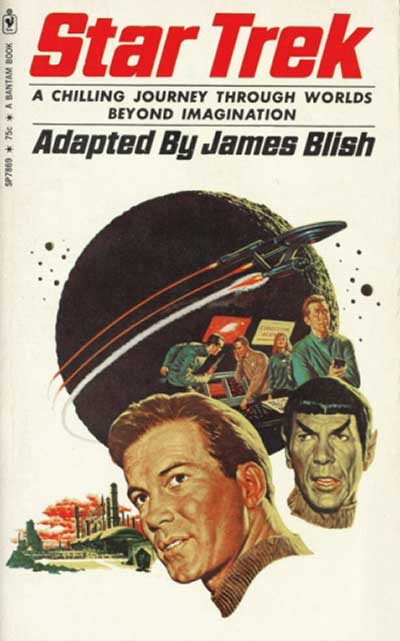
When I realized Bama had created that art, I began looking around and discovered that Bama had also painted the monster art used on 1960s Aurora model kits I loved as a kid.
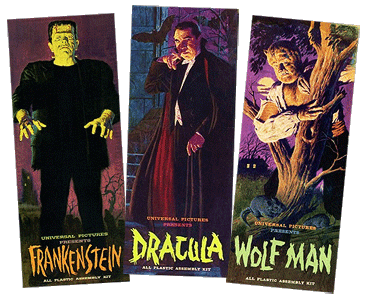
How is it possible one man created so many pop culture — geek culture — touchstones?
Bama, a commercial illustrator for decades, gave up that life at his peak and left the fast lane behind to become a Western artist. He’s still going strong, painting and selling his art through a variety of galleries and websites.
He’s not drawing the colorful characters of my childhood anymore. But that’s okay. His classic work is already the stuff of pop culture legend.
Discover more from keithroysdon
Subscribe to get the latest posts sent to your email.
