Monthly Archives: June 2026

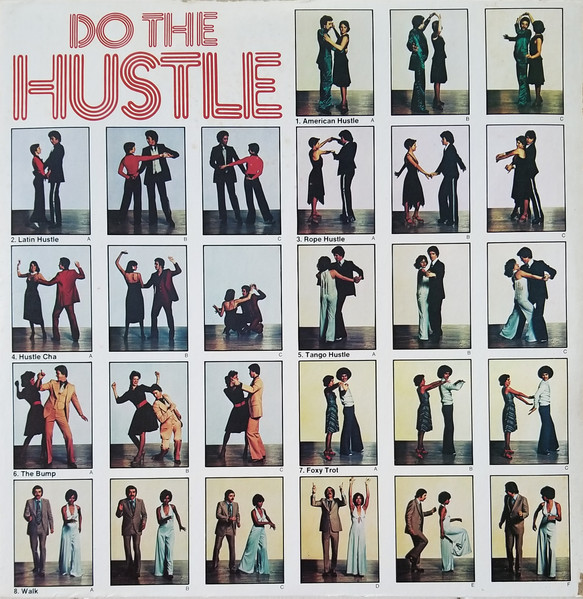
Do the hustle: dancing as fast as we can … maybe

(And yes, you’re welcome for injecting that 1975 Van McCoy earworm into your brain.)

Every day, I see dudes in our apartment complex walking through the parking lot and down the hill to the busy commercial street below. They’re wearing knit shirts with restaurant logos and I’m assuming they’re going to work in the kitchens of said eateries.

In these hotter-than-the-hinges-on-the-gates-of-hell summer days, they’re walking to work, maybe because they don’t have cars and, luckily, there are so many places to eat nearby.

Increasingly, they’re turning out for work every day at some risk: getting swept up by state-sanctioned kidnappers.

Whatever the risks and whatever the meager rewards – nobody working in a restaurant kitchen is making more than minimum wage – they’re hustling every day.

They’re an echo of their parents and, honestly, my parents. My dad worked for 30 years in an auto parts factory. The days were hot and dirty and noisy; he was half-deaf by the time he retired. And when he retired, he ran pay-to-fish ponds down the hill and behind our house. Once a week he drove to another city, his old Chevy pickup with a waterproofed wooden tank that he built on the back, to pick up catfish and bluegill to stock the ponds. He’d owned and ran an apartment house years before I was born and sharpened saws after he retired.

My mom’s story was similar, and I tell some of it in my upcoming novel GHOST SHOW. She and her sisters gathered wild-growing plants near their little town in Tennessee – the place that inspired the town in my novel SEVEN ANGELS – to sell to reps of pharmaceutical companies. They collected the plants in burlap sacks and sold them, at the end of the day, for pennies.

My mom ran our 20-acre farm for those 30 years my dad worked in the factory. She cleaned houses and factories, a job I helped with before I started working in the newspaper business.

I have only a portion of the hard work, the sheer hustle, of my parents. Or those guys walking to work in a hot kitchen every day.

And I’m acutely aware of that.

“I need to work more and work longer hours if I’m gonna write all these books,” I said the other day.

“You know, you can take downtime,” the reply came.

And I do take down time. Too much of it. I need to work harder and smarter. I need to hustle.

Hark! It’s a page of our book events this summer!

The authors of Constellate Creatives and Constellate Publishing are going to be out and about this summer, talking about our books, our publishing journey and our quest to find new authors to bring to the reading public.

Here are some of our events:

Apple – and everyone else – stop making your products so sleek (and hard to use)

Screenshot

I’m not crazy about my latest iphone upgrade.

Or my new coffeemaker, for the matter.

Let me explain.

As I write this, Word – a needy little bitch if ever there was one – is notifying me once again that I should update. Nevermind that I see these pleas when I’ve opened Word on my Macbook Pro and I’m trying to get some work done so no, I don’t plan on updating now.

Not to mention the number of times Google Chrome asks me to update.

I wouldn’t mind the updates if I thought they’d have a good outcome. But too often lately it seems like companies update their products – I’m not even talking about just tech products here – based on bad design.

Example: I had to buy a new Mr. Coffee coffeemaker recently when our old one – about seven years old – began leaking water I’d poured in. I got a new one because I didn’t relish the idea of getting electrocuted before I’d had my coffee.

So I picked out the basic model, which seemed to be the same 12-cup coffeemaker as I’d had and began using it. Immediately I noticed that the water level indicator is tucked away on the side, presumably to make the coffeemaker more narrow and more sleek. (Nevermind that I could only find it in black, which might hide coffee stains better than white but is harder to tell how much water you’ve poured in.) If I want to double-check how much water I’ve poured in, because of the place Mr. Coffee is tucked away in our tiny kitchen, I have to pull it forward on the counter and turn it to peer at it.

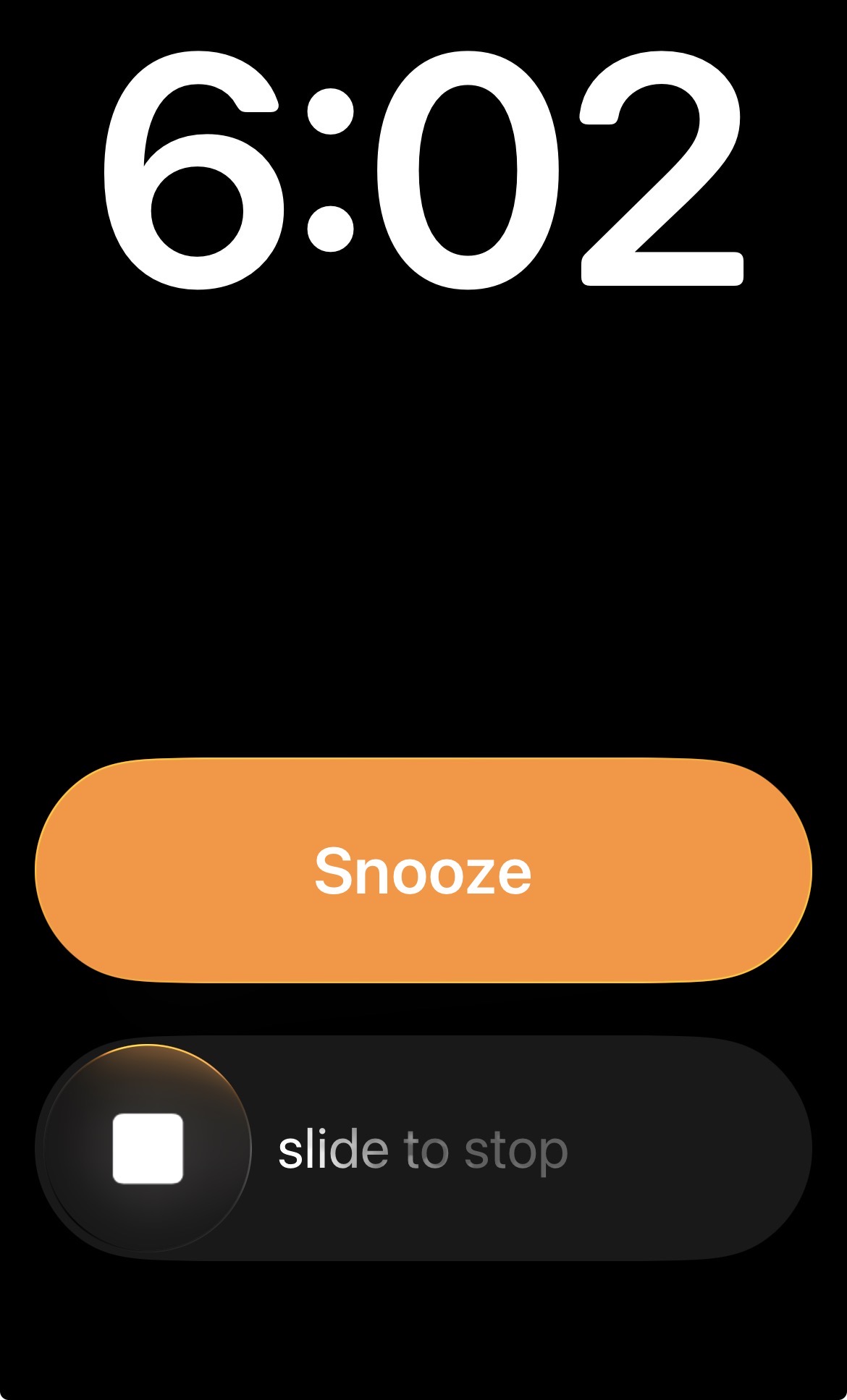
More annoying is a recent upgrade to my iphone – I bet you wondered wtf I was going to get to that – changed the way you can turn off notifications like the alarm indicator you see above.

In the past, the phone has offered a single button to tap to end an alarm or notification. Now you have to slide the notification.

No one at Apple thought about how hard this was to do with one hand. I can’t any longer turn off a notification casually with a single tap. Now I have to hold my phone in one hand and “swipe” with the other.

This change seemed to occur right about the time Apple introduced liquid glass, its “unified visual theme for the graphical user interfaces.”

Yes, by all means, you techboy schmucks, make apps and labels on your products transparent and harder to see.

You’d think someone could get paid hundreds of thousands of dollars – maybe millions in stock – to advise these companies on how not to piss off their low-vision or low-dexterity or low-mobility users?

Maybe I should apply for the job.

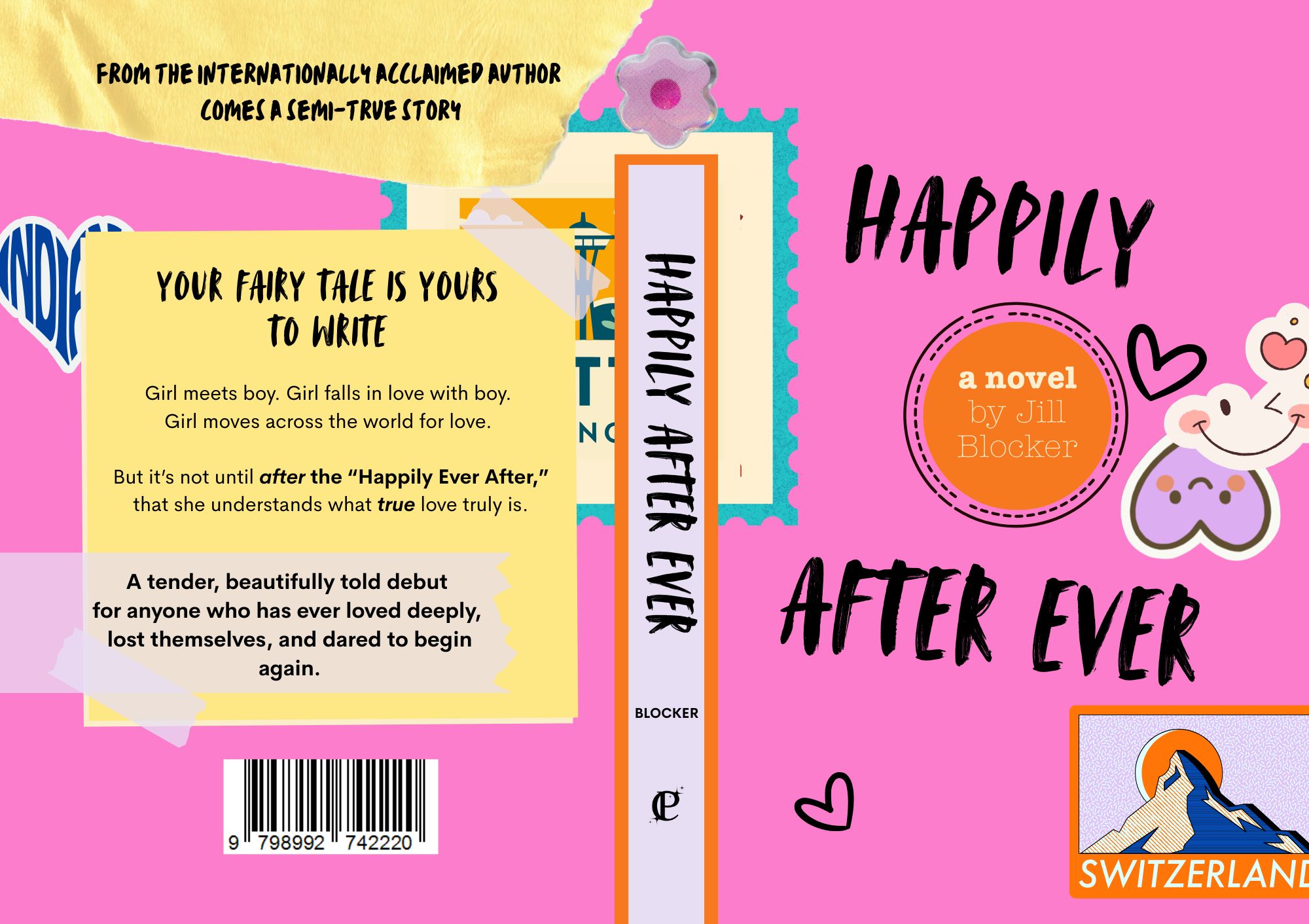
HAPPILY AFTER EVER, the latest from Constellate Publishing, is up for preorders

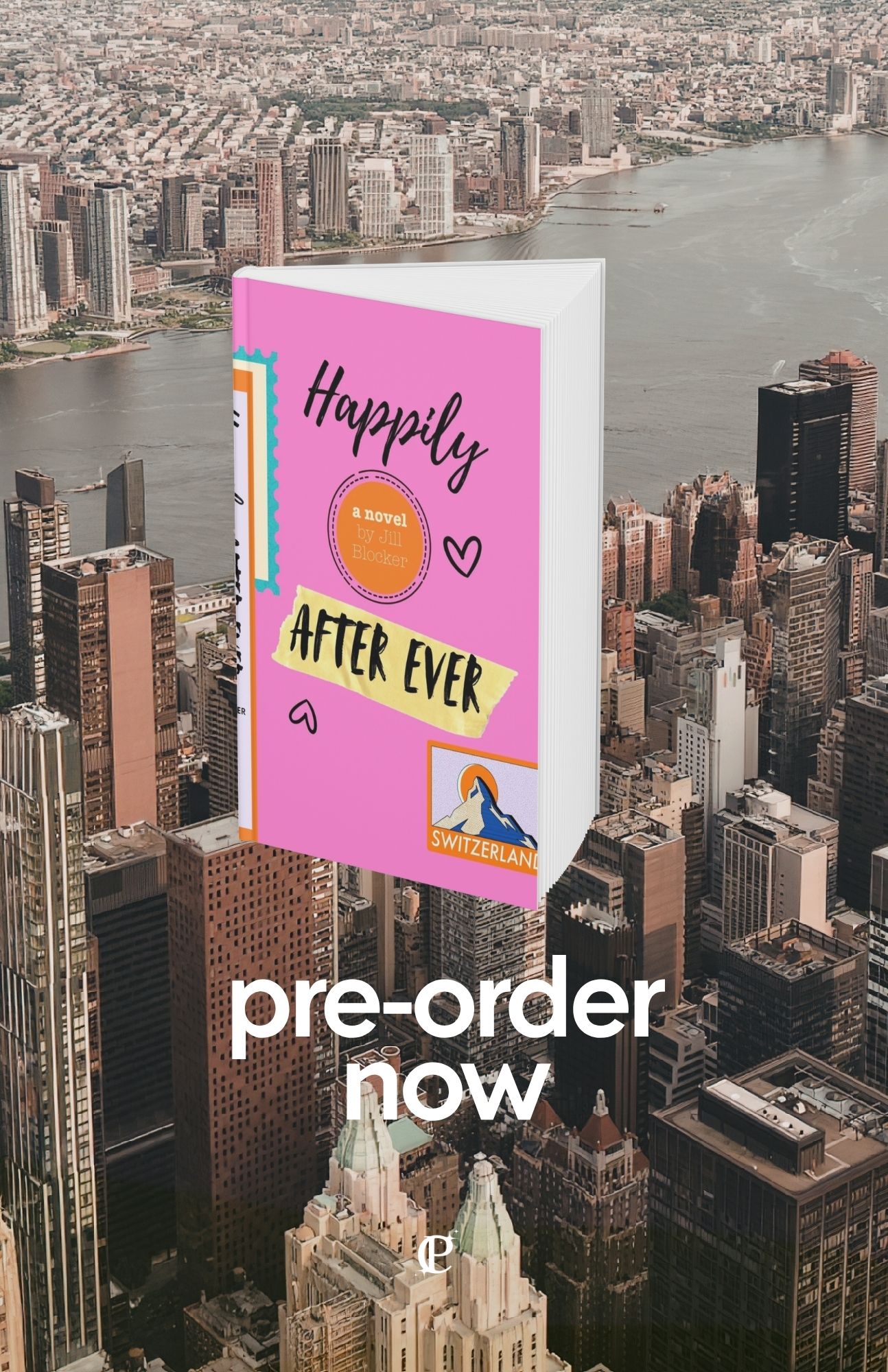
I’m so happy to be able to share this: You can now pre-order HAPPILY AFTER EVER, the newest novel from author Jill Blocker and Constellate Publishing!

“It started with a magic wand. Granted, it was the type of wand that was pink, sparkly and cost $1.99 at Target… but that was beside the point. The symbolism, I felt, was more important than its power.”
Girl meets boy. Girl falls in love with boy.

Girl moves across the world for love.

But it’s not until after the “Happily Ever After,” that she understands what true love is.

When Jill follows her heart from Seattle to Switzerland, she believes she’s stepping into the life she was always meant to have. Instead, she finds herself navigating the complicated realities of adulthood, identity, and the gap between the stories we’re told about love and the truth we discover for ourselves.

Against a backdrop of cobblestone streets, mountain peaks, and life-changing choices, Jill embarks on a deeply personal journey of self-discovery. As she confronts expectations, heartbreak, and the courage required to rewrite her own story, she learns that true love isn’t about finding someone else-it’s about finding yourself.

Perfect for readers who enjoyed the emotional self-discovery of Eat, Pray, Love, the honest millennial voice of Everything I Know About Love, and the reflective journey of Wild.
Heartfelt, insightful, and relatable, Happily After Ever is a coming-of-age story for anyone who has ever chased a dream, crossed an ocean for love, or wondered what comes next when the fairy tale ends.

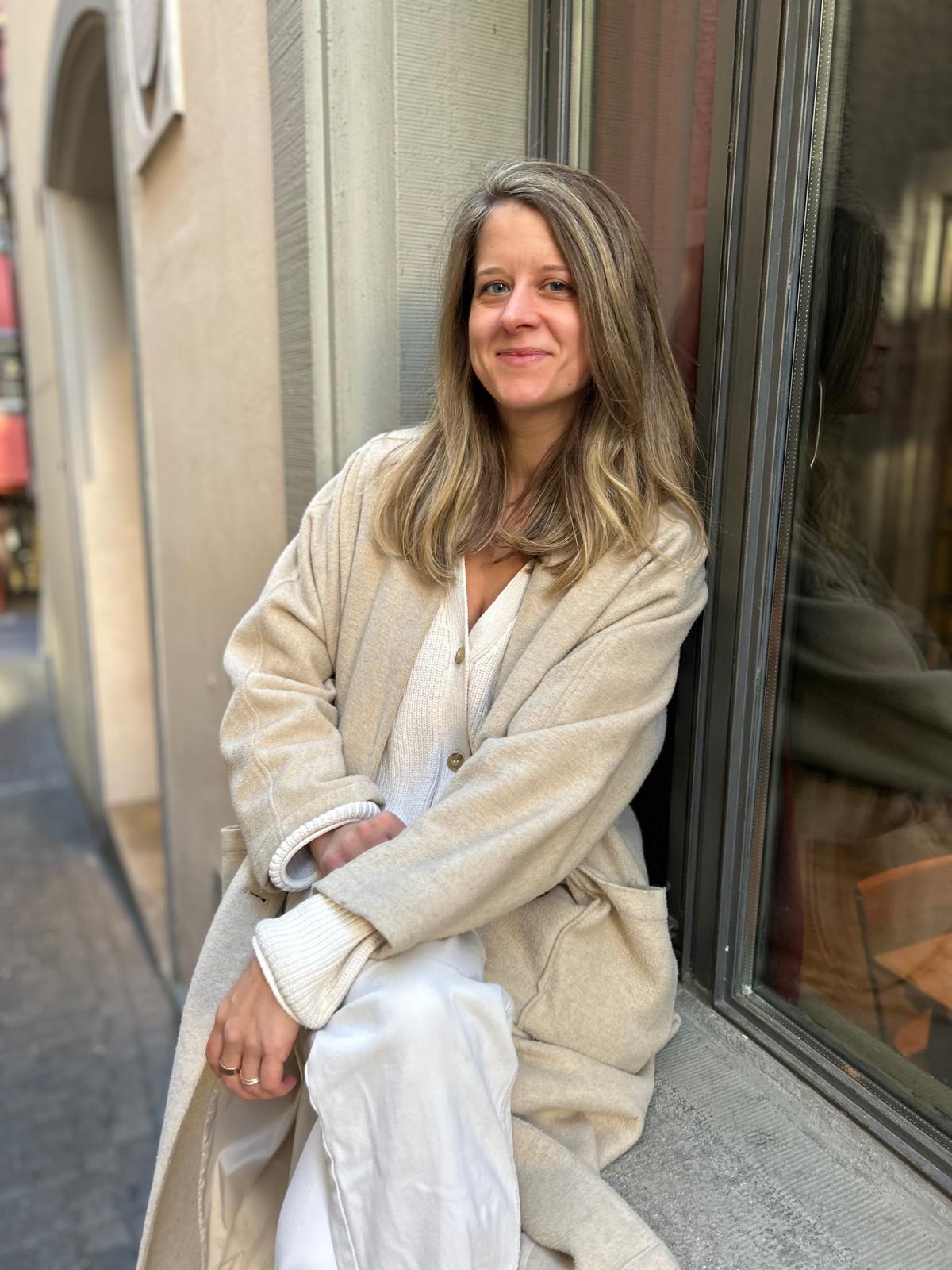
Link to preorder below this photo of my friend, author Jill Blocker:

Here’s how to preorder HAPPILY AFTER EVER:

Writing is one of the few privileges anyone can embrace

I’m not sure what I’d be doing if I wasn’t writing.

Talking about that possibility with family members in town for a visit yesterday, one of them wondered what I’d be doing if I hadn’t kept writing when I took a buyout from the newspaper business seven years ago. I went on to write three novels, a couple more true crime books, 73 or 74 pieces for CrimeReads, 55 for another site, eight or 10 for another (now defunct) site, a few for a couple of other sites … plus dozens of press releases, short stories and more.

What would I do if I wasn’t writing?

Well, reading, of course. That’s been the oldest constant in my life (other than breathing and eating), from the Marvel Comics a friend gave me in the 1960s to books and stories aimed at young people.

But I can’t imagine a life without writing.

It seems to me that writing is not only the dominant optional privilege in my life but it could be the privilege that anyone can enjoy.

(This thought goes hand in hand with my belief that ir you write, you”re a writer, regardless if you are published or even disseminated in any way.)

The fundamental act of writing changed me. Decades of news writing made me think better and all the qualities that go with it, especially the ability to look at a circumstance critically.

I don’t think I’m a great writer. I think I am, at best, a clever writer and a sympathetic writer. Sometimes. Writing helps make me that.

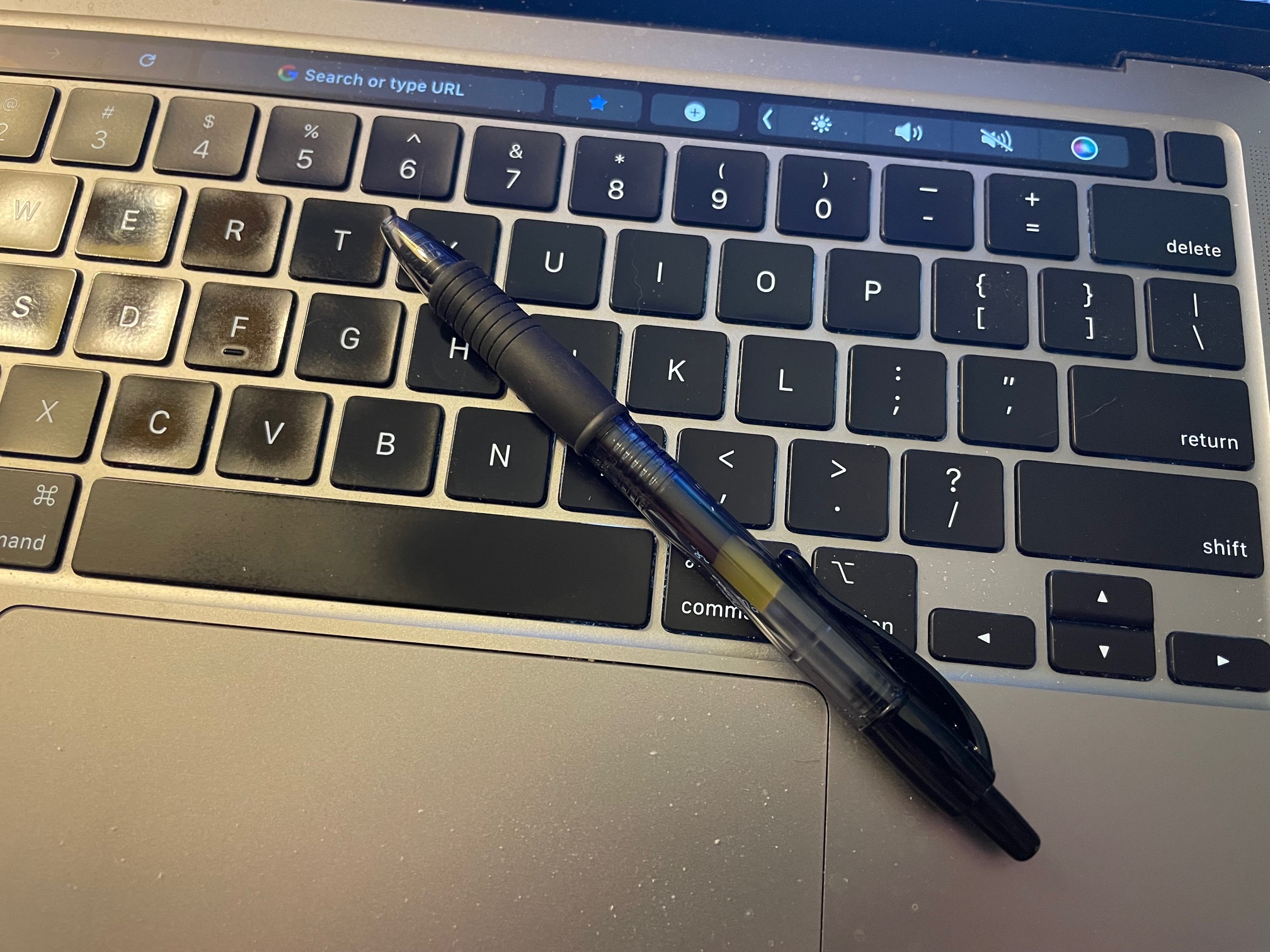
And the best thing about writing is that you can do it at very little cost. Of course, thinking about writing is writing, in my opinion, and I’ve got this (aging) MacBook that lets me put together words.

But really, if I didn’t have that tool, i could write in a notebook or even scraps of paper.

Writing isn’t precious. Writing doesn’t care how much money you can afford to write.

For me, writing is in some ways the most consistent thread in my life. In many ways, it’s the most satisfying, but it’s certainly the longest-running and the one that feels among the most important.

Blurbs and reviews, reviews and blurbs: How I got ’em

I think there are few writers who enjoy asking other writers and book influencers for blurbs, quotes and reviews.

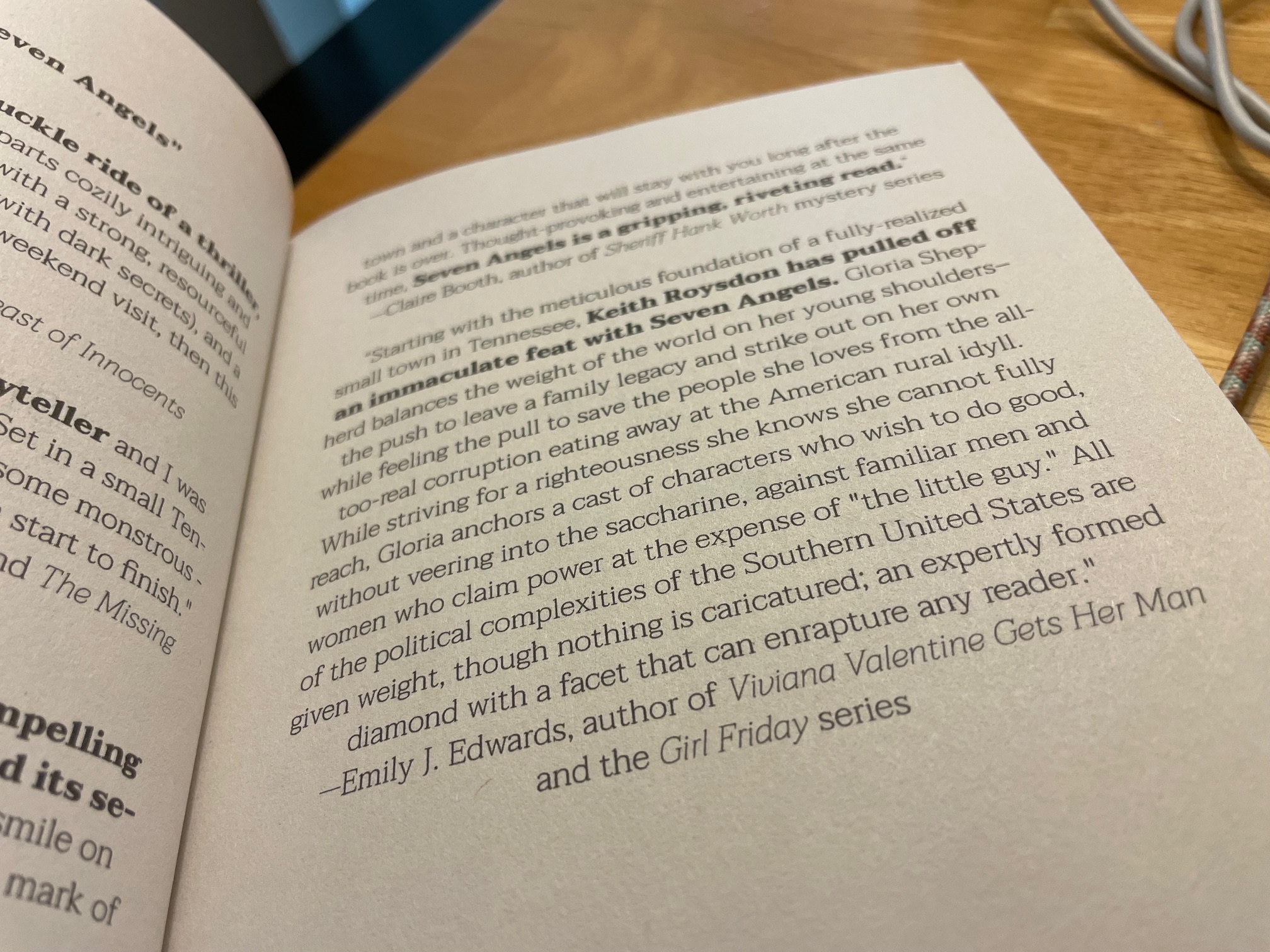
I don’t know that I’ll continue to seek out marketable opinions of my books, if I continue to write books, but I’ve been blessed with insightful comments from people who’ve had a chance to read my books – in advance for inclusion as blurbs like the one shown above by wonderful author and friend Emily J. Edwards – and after the books are published as the most marketing-heavy element of book marketing.

I’ve had only one author say they’ve been too overwhelmed with their own work to take the time to read the book for a blurb or review.

How this process went for me:

Of course, we all know what reviews are, but blurbs are those little snippets of opinion – inevitably praising – that you see on book covers and inside. They attest to the value of the book and, sometimes, of the author.

With my first published novel, THAT OCTOBER, I waited until almost too late to ask. The book was slated for self-publishing on June 1, 2025 and I probably didn’t ask people until March or April. Every person I asked except for one hugely busy person was able to read the book and provide a blurb.

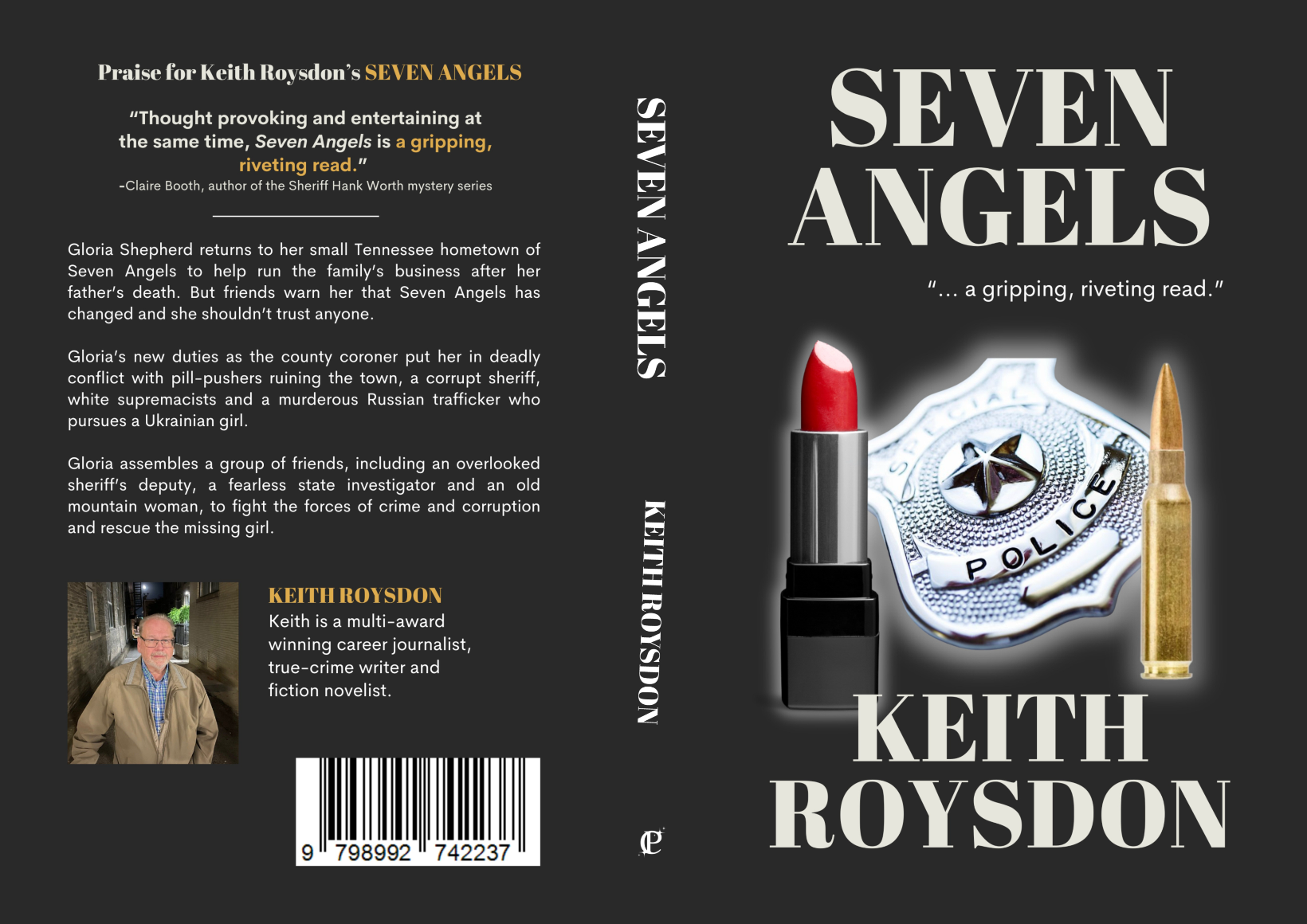
With SEVEN ANGELS, I was a little more organized and asked weeks, months, earlier, well before its June 1, 2026 publication date. I did so politely and with the understanding that they were probably too busy to do it, but they all did. One author who’d said she wouldn’t be able to blurb the book emailed later to say she’d begun reading it and wanted to blurb it. I’m not sure I got a higher compliment than that.

Each of the authors got a copy of the manuscript and I told them that there would be no substantial changes to come that might affect their opinions.

The blurbs were included in the book, most inside and one by Claire Booth on the back cover. My friend and cornerstone of Constellate Publishing Jill Blocker decided the positioning.

Afterward, when I had copies of the book, I asked a handful of people, friends and online tastemakers, who I provided either copies of the proof or copies of the book to. I stepped gingerly with my request here: “If I sent you a copy, would you consider reading it and possibly posting about it?” This was a step I didn’t take with THAT OCTOBER.

In the five days (as of today) since SEVEN ANGELS was published, I’ve encouraged people to post reviews on Amazon or other sites like Goodreads. And of course people I don’t know who might read the book might do the same.

It’s a ticklish process, for sure. You have to assume that the people you’re asking MIGHT like the book and be willing to say so publicly. If they don’t, though, at least they gave it a shot and shared their honest opinion.

Because years from now, if I’m lucky, someone might have an opinion. If it’s positive or negative or mixed, it’s still a sign that someone found the book and connected with it.