Tag Archives: mental-health

Instagram, Facebook running explicit porn in ads

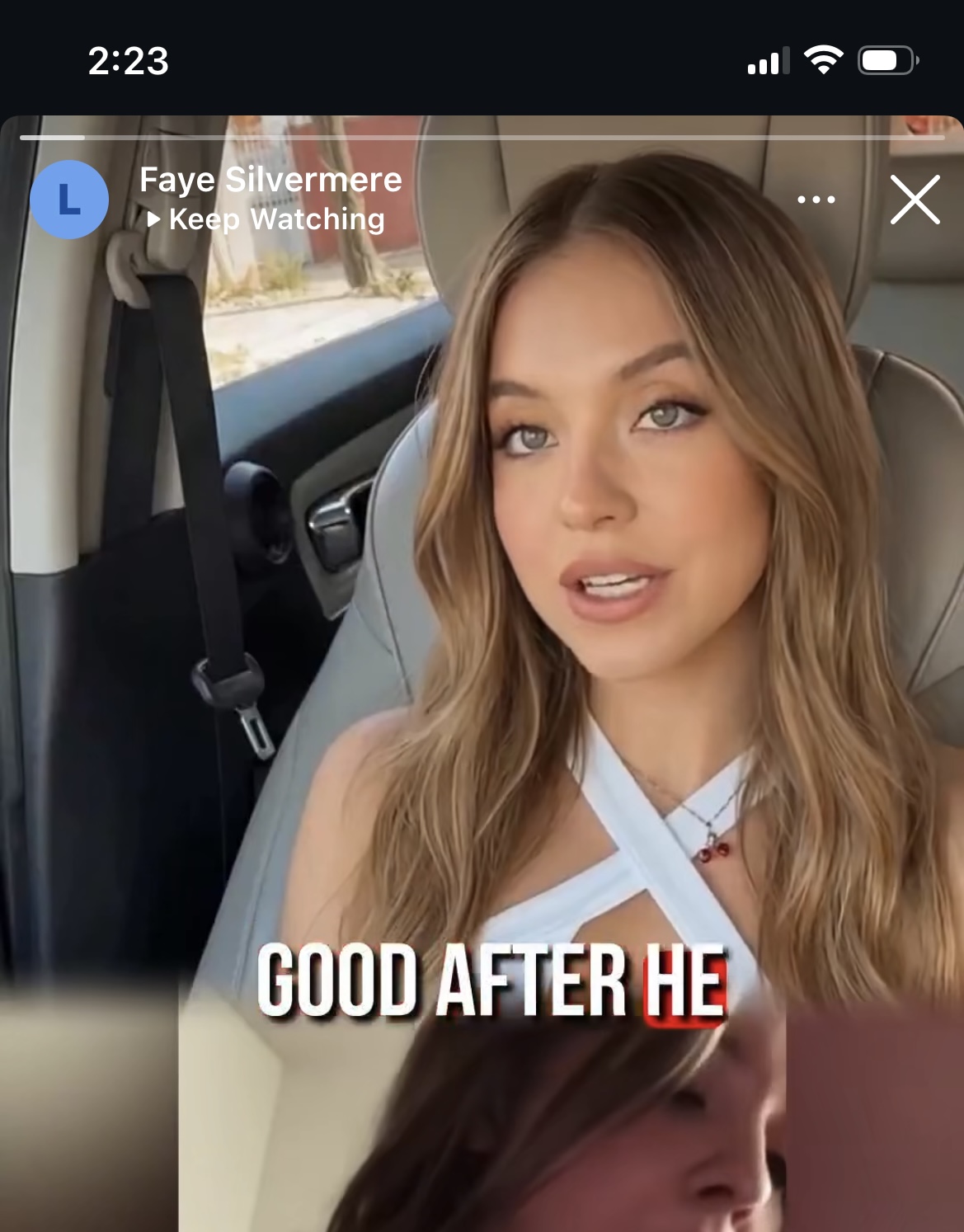
Screenshot

I’ll say this at the top: I’m not an anti-porn crusader.

I think pornography is, on its own, a perilous thing for some people to consume. I think there can be enormous harm done to people, particularly women, who appear in it and are exploited for it. That being said, online porn, like any kind of sex work, can be financially beneficial to women, especially if they control every step of the process and make money from it.

But I think you could say – and this will come as no surprise to anyone who knows me or follows me on social media – I am an anti-hypocrisy crusader.

And yes, for my own little hypocrisy declaration, I am on social media, including Instagram and Facebook. I think the latter, much like modern-day Twitter, has done a lot to spread lies and disinformation that have ultimately hurt this country and our democracy. I’m on social media to promote my work and the work of friends (although the effectiveness of social media has never been great).

Having issued all those disclaimers, I’ll say that I was surprised recently to notice that Instagram in particular (and fellow Meta platform Facebook also; I don’t know about Threads) is running ads that include hardcore sex footage.

I’m not talking about the “I’ll be your AI girlfriend” ads that run on those platforms. Those are insulting (“I’ll never say no,” all those pretty pixel princesses coo) to everyone concerned but they’re not what I’m talking about here today.

I’m talking about explicit ads, usually popping up between Instagram stories, that are marketing something, I’m not quite sure what (I know that advertising fails if you don’t remember what product the ad is advertising) but this is a “click this link” medium, not a “hop on your Schwinn and pedal down to the corner sin store and ask for it by name” medium. And I didn’t click on any embedded links. So I’m not quite sure what they’re advertising. Pornhub or something? Dunno.

The screenshot at the top of this piece I have heavily cropped so you can’t see the bottom of the screen and its graphic depiction of oral sex. As for the top half, is that actress Sydney Sweeney? I wonder if she’s aware she’s used in porn ads?

But the fact that IG in particular is running ads with graphic sexual content when it bans that content among its users is hypocritical to say the least.

One account I know, for a genuinely legit artist and model, has to blur out her nipples in photos she posts. Yet IG users could conceivably see, after they see one of her IG stories, completely explicit sexual activity.

Even after seeing repeated examples of these ads – and yes, I’ve forever broken my algorithm in doing this research – I couldn’t quite believe what I was seeing. But I found a couple of news articles from 2025 that reported about the graphic ads, including a piece from Le Monde. “Thousands of pornographic ads go unmoderated on Facebook and Instagram” is the headline. (I’m not linking because most of the article is behind a paywall, but a cursory search found it.)

I’m very explicitly NOT calling for action or any kind of boycott of Meta social media platforms, especially Instagram and Facebook, that are running these ads. But I think people should know that Meta has two sets of standards: one for its users, who must toe the line over content, and one for its advertisers, who can follow an “anything goes” practice.

What’s the moral of the story? A friend of mine who has in the past placed ads on Instagram for legitimate, mainstream brands notes that the Meta platforms have been painstakingly trivial in their criteria for and criticism of said ads.

So I guess the bar is lower when it comes to the many, many dollars that can be made.
Apple – and everyone else – stop making your products so sleek (and hard to use)

Screenshot

I’m not crazy about my latest iphone upgrade.

Or my new coffeemaker, for the matter.

Let me explain.

As I write this, Word – a needy little bitch if ever there was one – is notifying me once again that I should update. Nevermind that I see these pleas when I’ve opened Word on my Macbook Pro and I’m trying to get some work done so no, I don’t plan on updating now.

Not to mention the number of times Google Chrome asks me to update.

I wouldn’t mind the updates if I thought they’d have a good outcome. But too often lately it seems like companies update their products – I’m not even talking about just tech products here – based on bad design.

Example: I had to buy a new Mr. Coffee coffeemaker recently when our old one – about seven years old – began leaking water I’d poured in. I got a new one because I didn’t relish the idea of getting electrocuted before I’d had my coffee.

So I picked out the basic model, which seemed to be the same 12-cup coffeemaker as I’d had and began using it. Immediately I noticed that the water level indicator is tucked away on the side, presumably to make the coffeemaker more narrow and more sleek. (Nevermind that I could only find it in black, which might hide coffee stains better than white but is harder to tell how much water you’ve poured in.) If I want to double-check how much water I’ve poured in, because of the place Mr. Coffee is tucked away in our tiny kitchen, I have to pull it forward on the counter and turn it to peer at it.

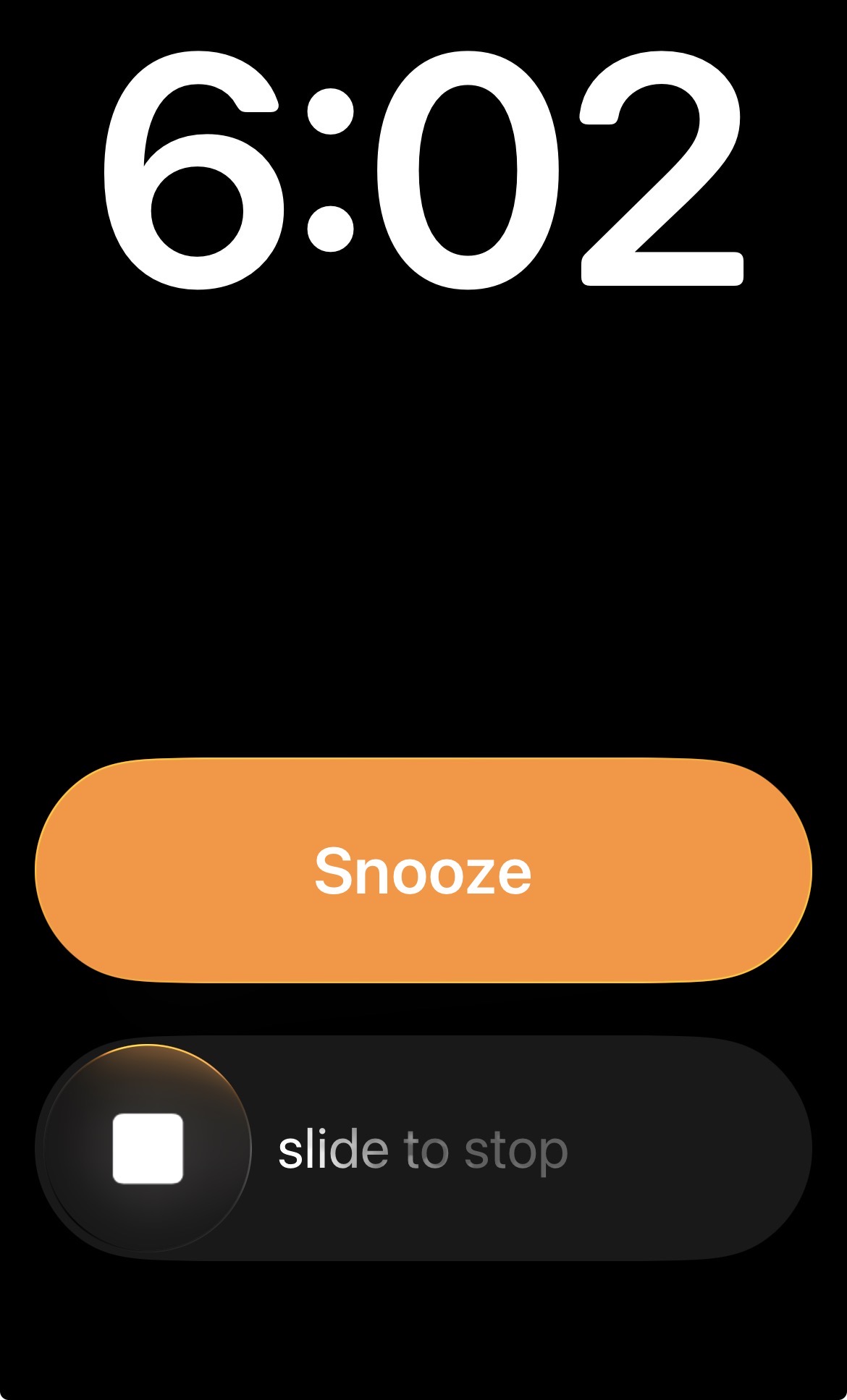
More annoying is a recent upgrade to my iphone – I bet you wondered wtf I was going to get to that – changed the way you can turn off notifications like the alarm indicator you see above.

In the past, the phone has offered a single button to tap to end an alarm or notification. Now you have to slide the notification.

No one at Apple thought about how hard this was to do with one hand. I can’t any longer turn off a notification casually with a single tap. Now I have to hold my phone in one hand and “swipe” with the other.

This change seemed to occur right about the time Apple introduced liquid glass, its “unified visual theme for the graphical user interfaces.”

Yes, by all means, you techboy schmucks, make apps and labels on your products transparent and harder to see.

You’d think someone could get paid hundreds of thousands of dollars – maybe millions in stock – to advise these companies on how not to piss off their low-vision or low-dexterity or low-mobility users?

Maybe I should apply for the job.

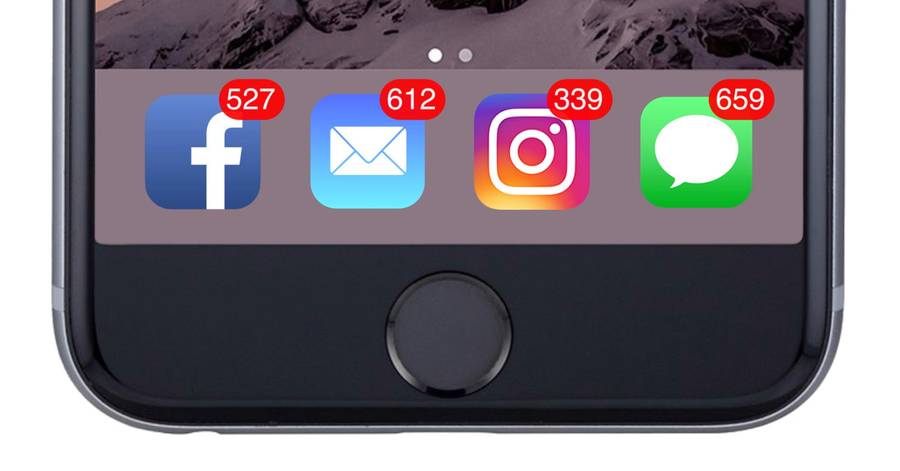
My love-hate – mostly hate – relationship with alerts and notifications (disclaimer: not my phone pictured here)

If I’m ever swept away by a tornado, you can blame the authorities in Tennessee.

I appreciate that I can get notifications on my phone. They’re often helpful. I just wish I could choose when I want them to be helpful.

Notifications – letting us know we’ve got a text message or a new email or if bad weather is on the way or a public figure has kicked the bucket – are a way of life for many of us now, and I’m not going to disable all my notifications – which are called “push alerts” by many newspapers, or just a “push” – because they can be useful.

These thoughts are occasioned by a couple of obnoxious instances of push alerts or notifications in the past couple of days, some of these of the health app variety. Yes, thank you, phone, for letting me know my trend in walking has changed lately. Did you happen to notice how rainy it was? And yes, thank you, other health app, for waking me up in the middle of the night to let me know of something that might otherwise have let me croak deep in peaceful slumber.

Part of my hate for pushes is that I’m obsessive enough to not only swipe them off my screen but actually go to my email inbox to delete the email that generated the push or, gasp, read it and even possibly respond.

(Don’t think we don’t understand that the Push Alert Industrial Complex is conspiring with our phone manufacturers to ensure we spend more time on our devices. It’s true. I read about it on the internet.)

Anyway, I’ve gradually over time changed my phone settings to end most push alerts from the authorities, who seem to abuse the tool.

The final push alert that broke the camel’s back was one recently that alerted me of a fatal shooting in Memphis, which is five hours and 47 minutes from me. Needless to say, this 2 or 3 a.m. push alert was not from a news outlet. It was from a state-run agency. I won’t comment on why this push was sent out but not why other fatal shootings are not sent out. You can guess.

So here I am, because the state insists on alerting me to things happening six hours away, perhaps expecting me to run down to the street at 3 a.m. and scan passing vehicles for the suspect, without any means of being woken in case of forest fire or flood or tornado or hurricane.

If I die, it’s on you, state officials.

Going viral, social media, dystopia and books

I went viral on social media – two different social media, with two different posts – over the Fourth of July weekend.

(This is not a pat myself on the back post. I think there’s something interesting that’s happened here, beyond the viral-ness.)

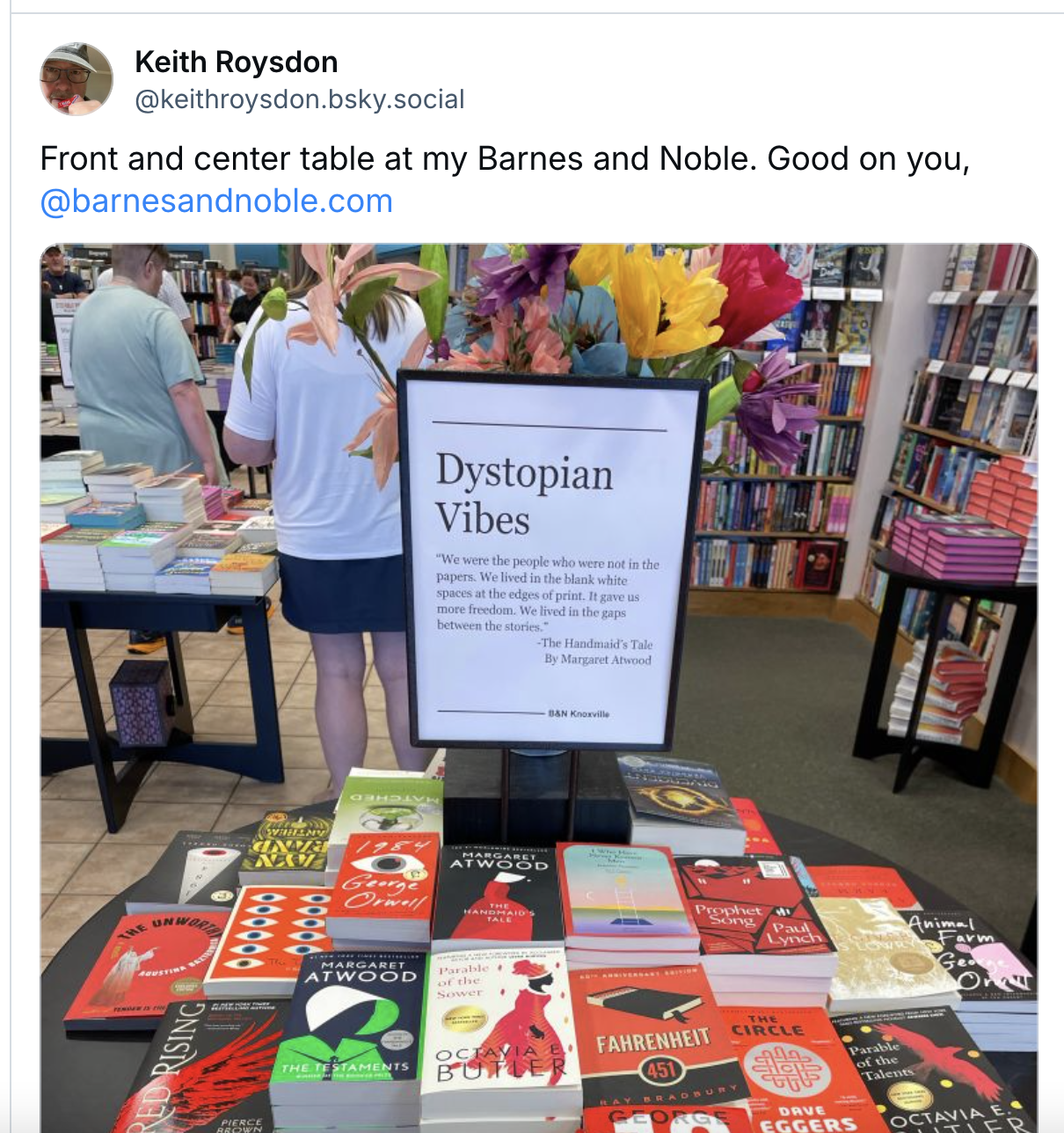
The first post that went viral is the one above. On Saturday, I was in the Barnes & Noble bookstore near me and took a picture of the first table inside the door. If you can’t tell from the picture, it’s a display marked “Dystopian Vibes” and offers books including “1984,” “Animal Farm” and the works of Margaret Atwood and Octavia E. Butler.

I thought I’d snap a picture and post it and thank Barnes & Noble for putting these books out there so prominently. Yes, that placement encourages sales. Yes, it’s ultimately a big corporation trying to move copies of books. But it’s something.

I thought the post might get some traffic, but I never get a lot of engagement, even with 3,000 Bluesky followers.

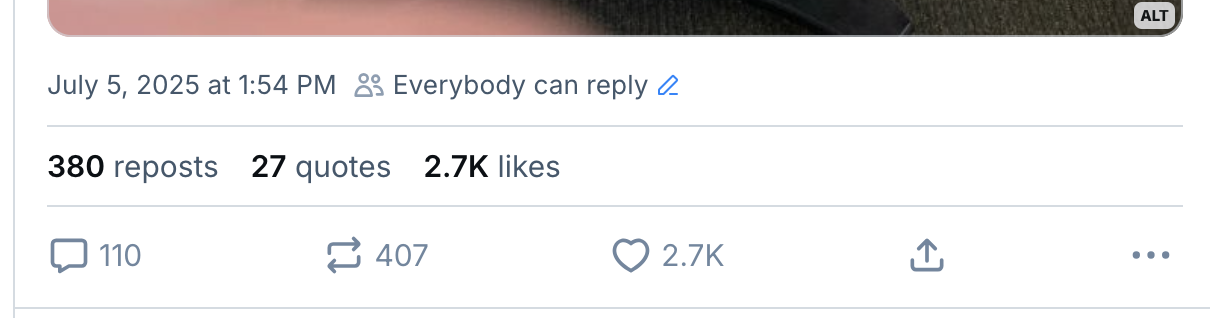
By Sunday afternoon, this was the response:

380 accounts reposted my post, which got 2,700 likes.

This is a multiple of thousands the reaction I was expecting. I had to mute notifications on the post.

That wasn’t all, though.

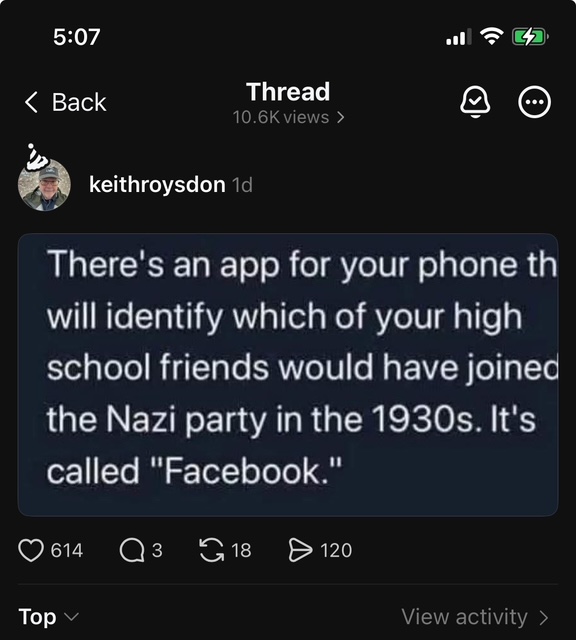
I saw a bitterly amusing meme on a friend’s Facebook account – there was no indication on the account who originally posted it – and I posted it on various social media, including Instagram, which shares posts to the social media app Threads (which I don’t use much).

Here’s the post, and the reaction:

Believe me when I tell you, I usually don’t get 600 likes on Threads, a social media I barely use.

So what’s the upshot to all this, besides a little more engagement and traffic to the companies that own Bluesky and Threads, the latter the detested Meta? (The even more detested Twitter turned up with very little notice of either post, by the way.)

The upshot, it seems to me, is that there’s a lot of interest and engagement in posts about our currently untenable, dangerous and yes, dystopian path.

That’s a good thing, that people are engaging in posts critical or even acknowledging the path this country is on.

And, as a bonus, the Bluesky post shows a ton of engagement about books that forecast, define and address our society.

There’s nothing more encouraging than the realization that people are engaging with literature that calls to light our current peril.

So maybe a small percentage of the frogs in this slowly boiling pot of water are aware they’re in a slowly boiling pot of water. I hope.

To nom-de-plume or not to nom-de-plume? Too late for me!

Every once in a while, I’m taken aback when a writer who I kinda thought I knew isn’t actually who I thought they were. I’m not talking about any kind of betrayal here, dire or otherwise. I knew them only as a pen name and didn’t realize that fact.

There are a lot of worse identity crises out there, such as what happens when you deadname someone. But I still get surprised when Facebook suggests I send a friend request to someone and I don’t recognize the name but I know the face.

I realize, stupidly, belatedly, that they publish under a pen name.

I am, unfortunately, 50-some years past the time I could have used a pen name. That’s because in a very small circle of people, I’ve been known since I was in high school. That’s when my first article, under my byline, was published in the newspaper. I haven’t been out of print since 1977.

And when you have an unusual last name like mine, you’re pretty easy to find. Remember the days we were all listed in phone books, no less city directories? (The latter, if you don’t remember them at all, were phone book-style directories that let you look someone up not only by name but by address and, in reverse-directory style, by phone number. And when you looked them up, it told what they did for a living. I’m not sure city directories were any worse than the many ways you can find out about someone now, but they were handy tools for newspaper reporters and probably nightmarish for everyone else.)

(I literally remember using the city directory to find people who, according to court records, might have been victimized by a corrupt judge, some willingly. It made for some awkward conversations when someone came to the door, let me tell you.)

So I’ve never been able to take refuge in anonymity. I know this was frustrating for me and for my family, particularly when someone would call on our home phone – remember those? – to give me grief about something I’d written.

My relative high profile, as compared to people who didn’t work for a newspaper, led to some pretty awkward moments. Sometime I’ll recount one for you over a beer or coffee. You might throw your drink in my face when you hear it, though.

Anyway, it’s too late now for me to adopt an anonymous personna like the superhero the Question, pictured above. Moving to another state has given me some relief from running into people I wrote about, though.

If I get that kind of “hey, it’s that guy” notoriety again, maybe I’ll start wearing a full-face mask and fedora.