Tag Archives: Publishing industry

Which book genre is stuggling now? Nonfiction books.

Oscar-winning screenwriter William Goldman probably wishes he’d monetized his famous phrase, “Nobody knows anything,” because while Goldman (“Butch Cassidy and the Sundance Kid,” “All the President’s Men,” “The Princess Bride”) painted a wide swath with that statement, he’s surely as correct as correct can be. If we’ve learned nothing from watching movies, books, politics and, well, every damn thing, in the past decade, it’s that uncertainty is the norm.

I’m enjoying paying more attention to the publishing industry lately as I’m doing some editing for Constellate Publishing and working on three – count ’em – three novels. I get a lot of insights from the several-times-daily email from Publishers Marketplace and I’m enjoying learning which books and genres are going to be populating bookstore shelves in a year’s time.

But the more information I have, the more I need. I’ve got a William Goldman-level lack of knowing anything about the book industry and I’m trying to remedy it.

So today I was fascinated with a new piece by editor Sean Delone – link at the end of this post – in which he looks at some trends in publishing, specifically about non-fiction book publishing.

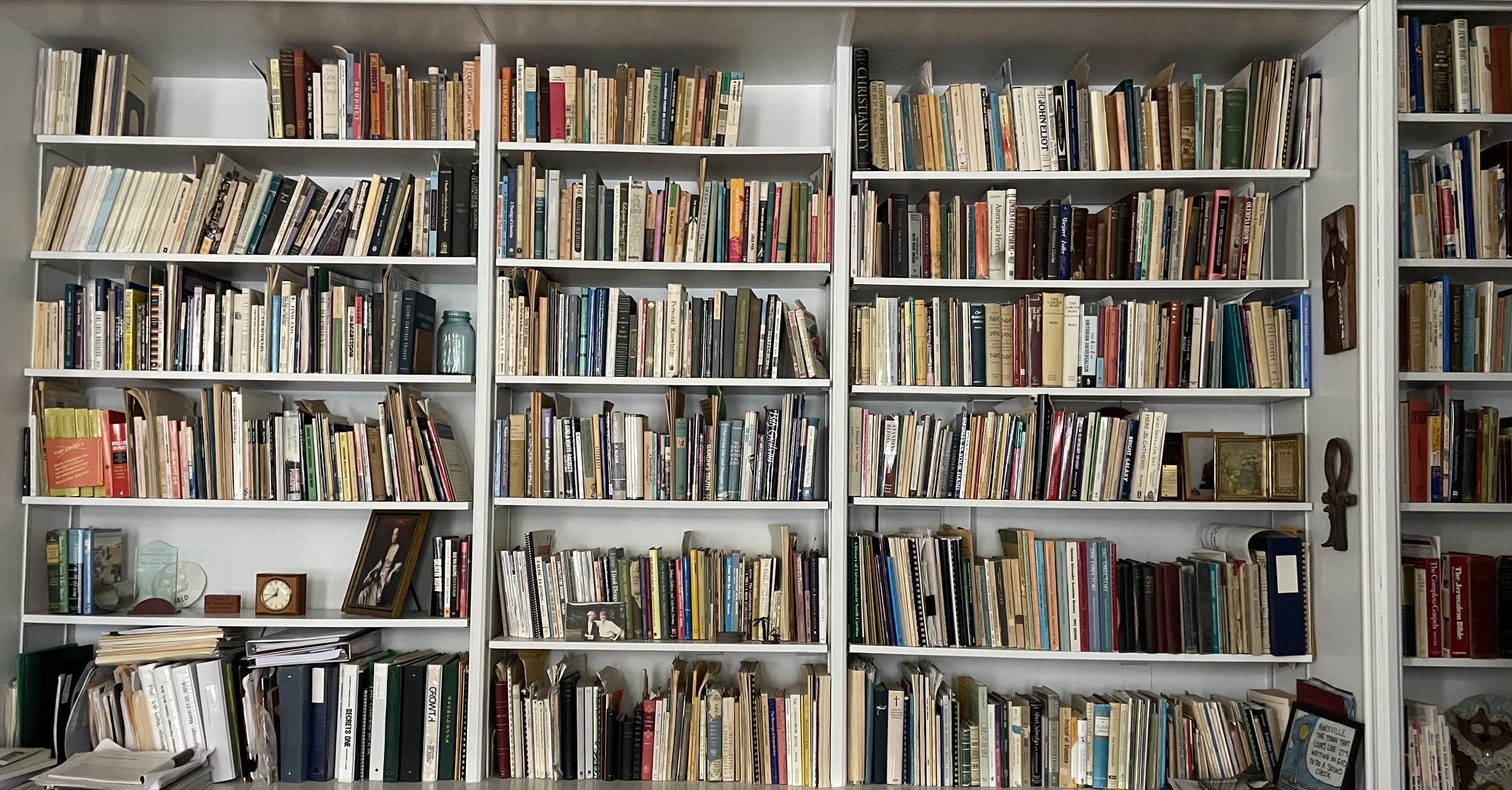
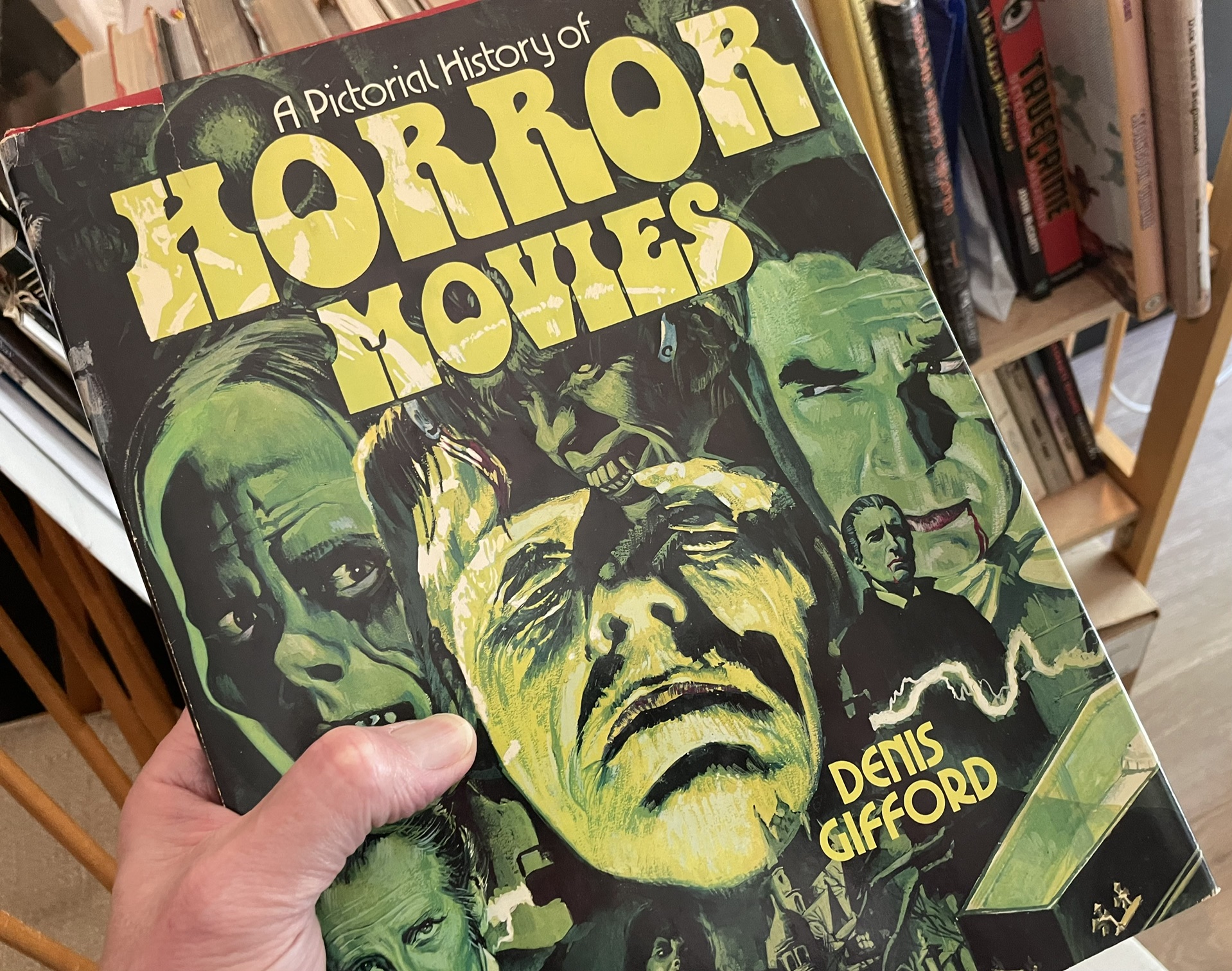
Before I get into details, here’s a picture I just took of one of my several shelves of non-fiction books, very specifically in this case books about movies, TV and entertainment, but we’ve accumulated hundreds of non-fiction books in the past few decades. Pictured above, my copy of Denis Gifford’s “A Pictorial History of Horror Movies” was published in the early 1970s. My copy was published around 1974 and it’s not even the oldest non-fiction book in the house.
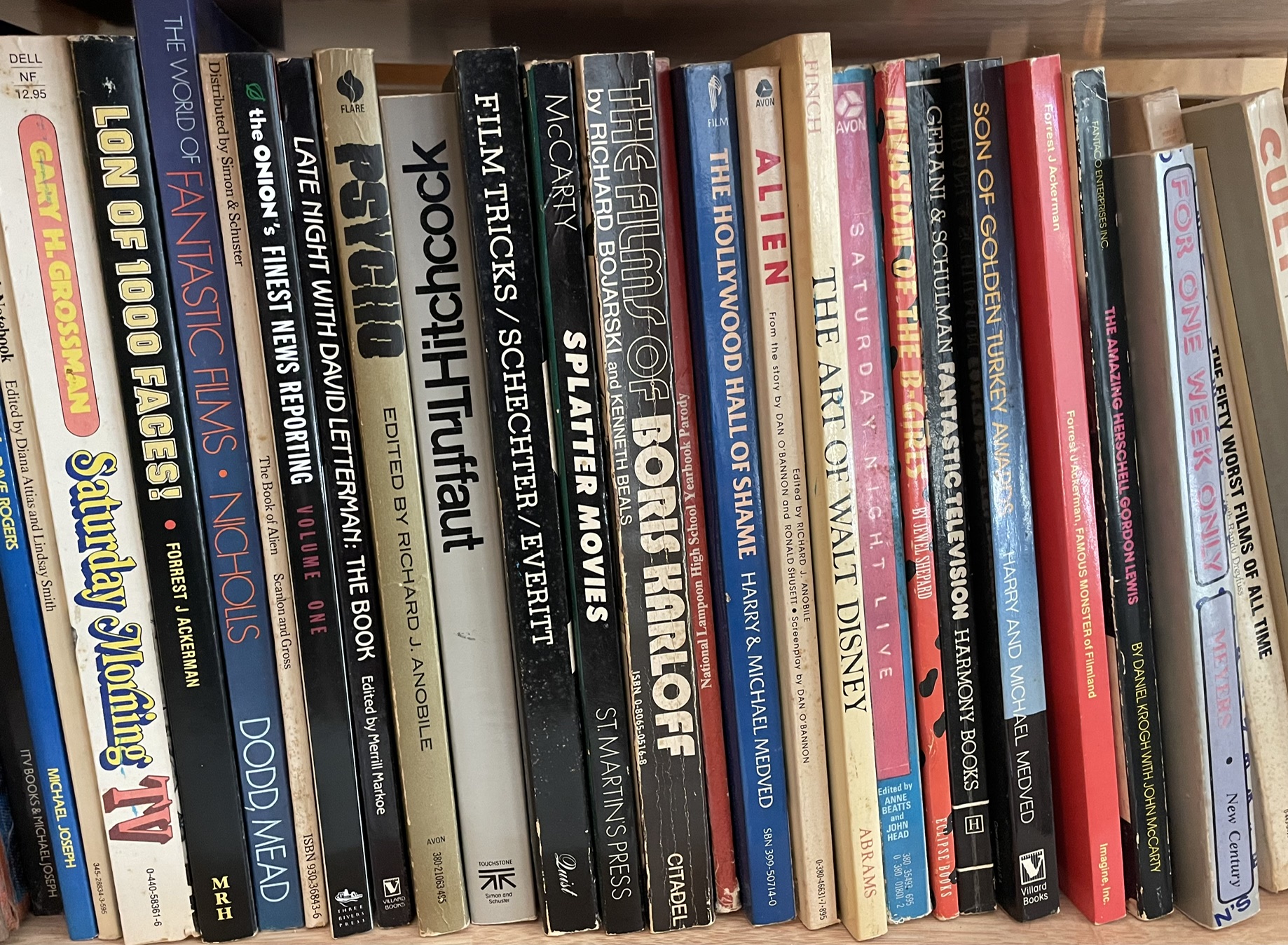
It’s accurate to say that I love non-fiction books, history or news or photography or films or Saturday morning cartoons or whatever, and while I don’t buy as many as I used to – I think my latest might be “TCM Underground,” the cult films book released right before TCM canceled the Saturday night/Sunday morning program – but while dozens of boxes of fiction going back to the 1960s are still stored in boxes here, our non-fiction books are mostly but not entirely displayed. Yeah, I love ’em.

And there’s no doubt that online sites have decimated the need for nonfiction magazines and books. Why buy an authoritative book when you can look something up on some possibly totally erroneous online site?

Anyway, Delone’s article, “The Nonfiction Book Market is Collapsing,” carried disheartening news.

The gist of it:

First, the entire industry boomed in Covid—writing is a hobby and reading for pleasure is, too—and has trudged along as it usually does, staying flat, growing a little over the years since 2020. But for the past decade the market for nonfiction has slowly collapsed. What has happened in the last ten years1 is that the overall industry has grown modestly, but fiction and nonfiction have basically flipped positions. In 2015, 6 of the top 25 bestselling hardcover books—this is a not-perfect but useful proxy for new books published—were fiction. In 2025, 18 of the top 25 hardcover books were fiction, meaning only 7 were nonfiction, almost an exact inversion of ten years ago.

Delone emphasizes he’s not writing an Atlantic-style “end of reading, end of books” essay. If you remember, that one alarmed at lot of writers, editors, publishers and readers a while back.

Delone notes that media – which used to be a few big newspaper book review sections and late-night talk shows, where even a Midwestern rube like me could see important authors interviewed by Johnny Carson – is much more decentralized than it used to be and there’s some emphasis placed on book influencers and book accounts on social media. (I follow a bunch of them, for enjoyment more than education, but information nonetheless.)

But he also notes a colossal fall-off in demand for the kind of information we formerly turned to non-fiction books for:

No amount of platform is going to change that interest across the board in nonfiction from celebrities down to science has been slowly disappearing. Even if nonfiction is stable and more predictable than fiction in the abstract, it’s by far worth taking the risk on an unknown novelist if the return is potentially 4x as much. Let’s bring the nonfiction collapse into current day context. Two weeks ago, the entire hardcover nonfiction bestseller list sold 42,000 copies, whereas just the top two bestselling fiction hardcovers the same week—The Calamity Club in its 15th week on-sale and Yesteryear in its 19th week on-sale—sold 52,000 copies. It’s not inconceivable that on the right week, one fiction hardcover with first week sales could outsell the entirety of the hardcover nonfiction bestseller list.

Welp, as the young people used to say.

Want another gulp moment?

The tide going out on nonfiction sales and reading is entirely reshaping the power balance in the industry. Not overnight, but slowly, the money is flowing to fiction and away from nonfiction. It is causing quite a scramble. Fiction is unpredictable, it requires taste, it does not favor the solid metrics or predictability which, if you are running a publishing company, are much more preferable (businesses tend to prefer predictable growth and low volatility or at least high growth alongside high volatility). Fiction is also an easier category for the big publishers to capture and corner the market on. For instance, a handful of talent agencies represent nearly all A-list actors, and therefore a significant supply of big nonfiction bestsellers. The capture in supply carries over to publishers—when is the last time a big celebrity has published a huge bestseller with an indie press?

Delone has a lot of interesting thoughts on the industry. You can find some very thought-provoking posts here:
Academic publishers have set some guidelines about AI use and, well, it’s a start

I like writing about the scourge of generative AI in the arts – obviously – and it seems like there’s new news almost every day.

I’ll make this quick:

In the new Publishers Lunch is a report on how some publishers have developed guidelines and methods of screening papers and books for AI use. (You’ll recall that the suspicion of AI has roiled the mainstream publishing industry lately, causing book deals to be canceled and, possibly, author careers to be stymied.)

Academic publishers cited in today’s Publishers Lunch have tried to come up with a constructive method of screening works submitted to them for use of AI. That’s because like a lot of publishing, academic publishers are being swamped with submissions of AI or AI-assisted slop.

The guidelines, which build on the use of AI-detection tools, set thresholds for when AI use is detected.

Some of the publishers have established four guidelines:

  • Assisted – AI helped you brainstorm or research but the writing is yours. Meaning, if you asked AI to find the relevant information for you and then you read those source materials and wrote from them, that’s a mechanical assist. It’s just AI working as a search engine.
  • Collaborated – AI drafted parts while you rewrote, verified, and made it your own. Meaning, if the facts, ideas, etc. came out of the AI model itself (e.g. you asked it explain something to you) and wrote from its answer instead of the source materials, that is AI collaboration and should be disclosed.
  • Generated & reviewed – AI produced the artifact, but you read every line, checked the facts, and stand behind it. To be clear, you hold responsibility for its integrity and accuracy.
  • Generated & unreviewed – AI made it and you didn’t really check. This is not acceptable AI use for PUP staff ever: internal, external or under any circumstance.

Publishers Lunch says that for at least one publisher, if a submitted work meets the last two guidelines, it’s rejected. That’s because that particular publisher correctly argues that the use of that much AI couldn’t be copyright-able because, of course, AI is based on the work of others.

I’m skeptical, but at least somebody is setting some guidelines somewhere.

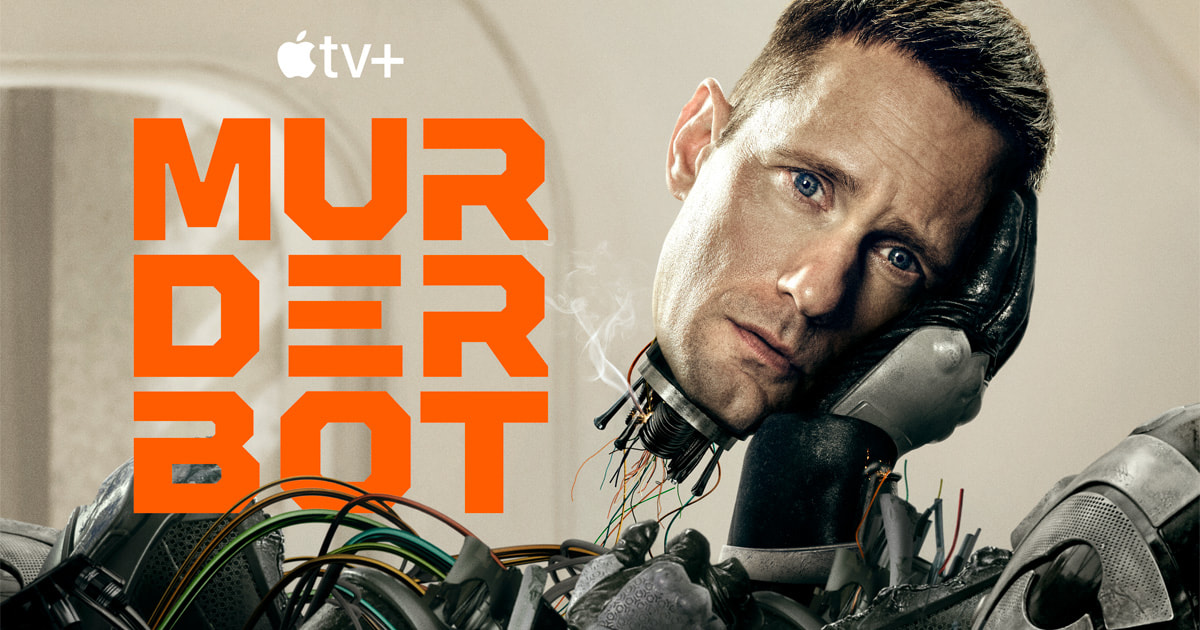
(Image at the top of this post is from the wonderful, funny AppleTV Plus series MURDERBOT, based on the series of novels by THE MURDERBOT DIARIES by Martha Wells.)

Trend chasing? So many hockey romance novels … most of them straight, though. How long will this trend continue?

Sooo many horny hockey players. And fans.

Barely a day goes by that I don’t open Publishers Lunch and see yet another book deal for a hockey romance.

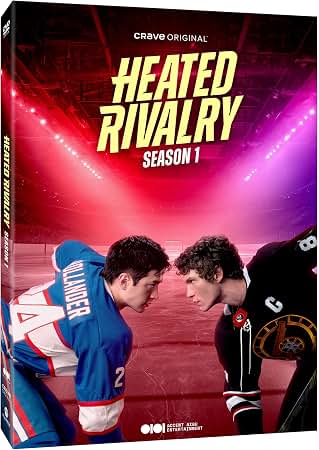
This is, of course, in the wake of the success of “Heated Rivalry,” the Canadian sports romance series about two hockey players who have an ongoing romantic and sexual relationship while playing on opposing teams. The series got a ton of views and a ton of publicity when it aired on streaming a few months ago.

It’s been interesting to see the book industry’s response to the popularity of the series, which is itself based on one book in a series called GAME CHANGERS written by Rachel Reid.

Oddly – or probably not oddly – of the half-a-dozen hockey romance books I’ve seen announced in the two or three months I’ve been subscribing to Publishers Lunch and Publishers Marketplace, most of the new novels are straight romance as opposed to gay romance like the popular streaming series.

The latest book to win a contract, the one I saw today, is, as Publishers Lunch reported:

Sunday Times-bestselling author Freya Marske’s THE OFFSEASON, the author’s first contemporary queer sports romance, pitched as for fans of HEATED RIVALRY and YURI ON ICE, in which a former figure skater who walked away from the sport returns home, where reconnecting with his infuriatingly gorgeous childhood rival, now the current national champion, reignites his passion for the ice—and more, to Ruoxi Chen at Putnam, in a two-book deal, for publication in summer 2027.

For all I know, each of the novels I’ve seen announced were in the works for years and are getting publishing contracts only now, after HEATED RIVALRY has made the subject popular for mass audiences.

It’s like another genre of books that I’m seeing announced regularly, the Western.

Who’ll get published first? Who will best meet the demands of readers? Will a half-dozen hockey romance books all be successful or will some corner the market? Or will each one inspire readers to seek out more?

After all, romantasy books – the trend, that is, not just the genre – kicked off somewhere and they’re still going strong.

Filling the void in indie publishing? Is that possible?

I won’t pretend to sum up the weird state of small publishing here. If you’re been following the world of indie and small publishing, you know that 2025 has seen some small imprints go out of business – in some cases leaving authors unpaid – and others purport to try to fill that void.

I’m not sure that Constellate Creatives’ publishing arm, Constellate Publishing, the enterprise I’m affiliated with, will fill that void. For one thing, we can’t be all things to all people.

But as we started Constellate’s venture into editing – developmental editing and copy editing — and publishing and marketing a few months ago, it became obvious that somebody needed to be around to step in and catch a few worthy projects. Or maybe juggle chainsaws.

It’s making for a 2026 I’m really excited about. Constellate Publishing will publish my novel SEVEN ANGELS but there’s a diverse lineup of books on tap for the first two quarters of 2026, including a book of mindful self-help, a book of poetry, my novel and two by Jill Blocker, a reissue of her WHAT WAS BEAUTIFUL AND GOOD and her new novel, HAPPILY AFTER EVER. The latter is what’s increasingly termed a “new adult” book and will appeal to readers post-YA in their reading interests.

I’m proud to have noticed that every book besides mine is written by a woman and even mine has a cast of woman as protagonists.

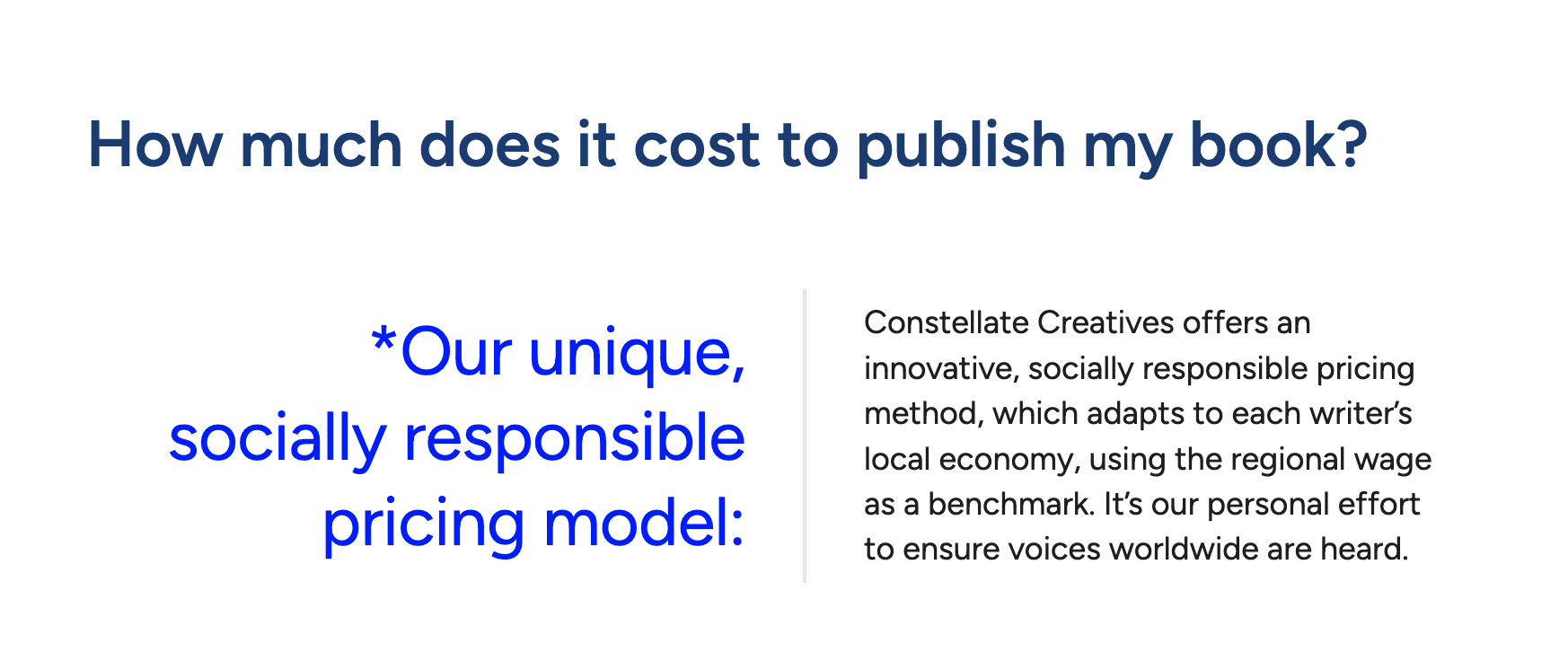
And note the slide I’ve posted above: Constellate Creatives is offering editing, publishing and marketing services, or some combination of those, and at socially-responsible fees based on the regional wage in each writer’s local economy.

Some of us love to edit copy and help with developing your work. Others (raises hand) love marketing. Yes, I’m weird like that. We can’t promise that PR about your book will land on large market-share sites like KTLA, where our news release announcing our slate for the first half of 2026, was picked up. But we’ll be pitching your work and you won’t have to deal with the dreaded marketing.

There’s a button somewhere on the CC site that will lead you to a free consultation. We might be able to answer some questions for you.

https://constellatecreatives.com/