A while back I wrote a piece for CrimeReads – link at the end of this mini-rant – about how those of us at Constellate Publishing were getting into the book publishing business even though it appeared to be an uncertain time for the industry: Some small publishers had gone out of business and some book distributors were shutting their doors, and yet such notable independent booksellers as Barnes & Noble – sarcasm there – were opening new stores all over.
So which is it? Are writers and designers and publishers doomed or are we seeing a boom time?
Today, Publisher’s Weekly reported:
The Association of American Publishers put 2025 industry sales at $32.5 billion, a 2.5% increase over 2024. Unlike 2024, when unit sales fell, the number of books sold in 2025 inched up 0.4%, to 3.15 billion.
I copied this to a writer friend who replied, in effect, “So publishers are selling a lot of books but are nickel-and-diming us writers to death.”
And yes, PW reported that religion-themed books had seen the biggest increase, but:
Adult fiction sales had the second biggest sales increase, with revenue up 3.9%, to $7.1 billion.
There’s a lot to digest in the report, but here’s a bookstore tidbit:
In terms of channels, physical stores had the biggest increase in the year, with sales up 6%, to $5 billion, an increase likely due in part to the opening of more Barnes & Noble stores as well as more independent bookstores.
Amazon was still the largest channel for book sales, with $11.3 billion in sales.
“This year’s report reflects a healthy and agile publishing industry,” commented Syreeta Swann, chief operating officer of AAP in a statement. She pointed to the resilience of print even as digital formats continue to grow.
Things can change and there’s just no doubt it’s hard to concentrate to read when it feels like we’re teetering on the brink of climate, social and political collapse with a strong tailwind, but the message to writers seems to be:
Write your asses off. There’s a readership out there.
Here’s my CrimeReads piece from a while back about getting into the publishing industry, with comments from some absolutely first-rate writers:
You should take 90 seconds and listen to author Cory Doctorow distill the AI bubble down to what it is: a scam that’s about to fall apart. These 90 seconds are the best explanation yet of why AI and its manipulators are going to fail.
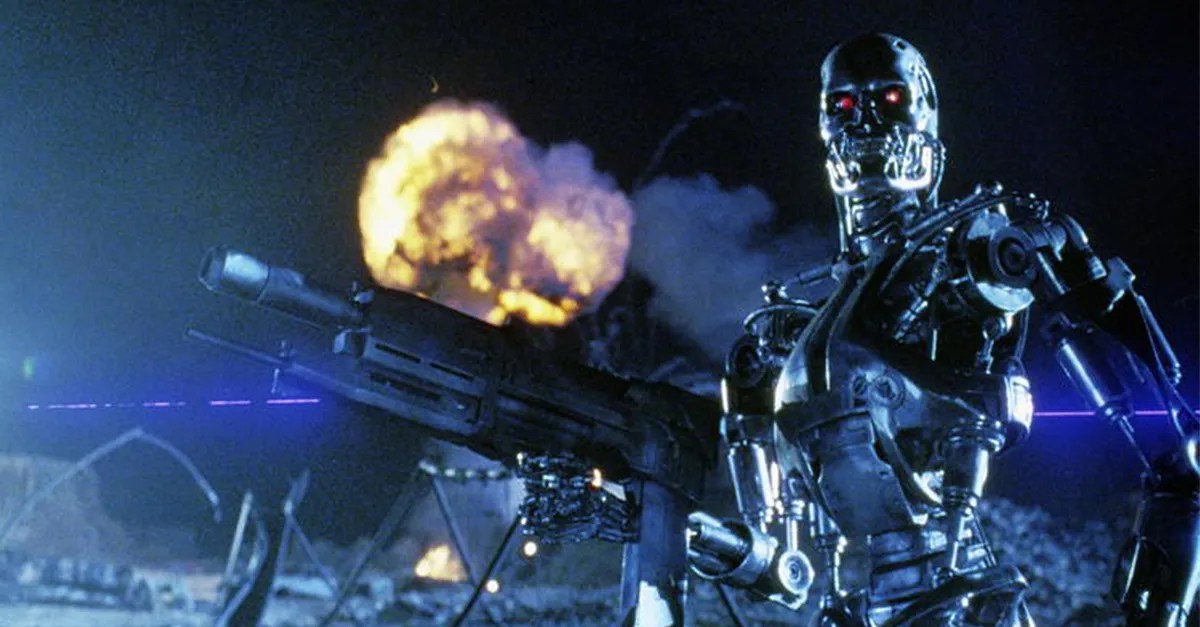
Now I understand how the characters in the Terminator movies timeline felt when they realized that other humans had totally betrayed humanity in favor of SkyNet.
I missed the first couple of hours of this controversy this morning until I saw writer Coy Hall mention it on Twitter. I then found writer Chuck Wendig’s righteously outraged column about it, so you might be sick of this topic by now, but here goes:
In a Horror Writers of America column in the HWA newsletter that dropped in members’ mail boxes this morning (August 5, 2026), a writer and apparent HWA trustee or board member emulates the whole Bob Knight stance of “If rape is inevitable, lie back and enjoy it” from 1988. Knight, a bully of the first order, surprised no one with this bit of wisdom.
But this new sentiment today wasn’t coming from a bully like Knight. This was coming from, ostensibly, a writer and a person in a position of authority with the Horror Writers Association.
The writer decries all the people criticizing the use of AI to make book covers and argues that “every week,” the gatekeepers of horror writers “have some new witch hunt.” The writer says that those who say AI doesn’t belong in the creative arts are on a witch hunt.
Before I go much further, I’ll note something I’ve said in this space and on social media and even LinkedIn, ffs: AI kills careers and it kills people. It takes work and money away from writers and editors and artists and musicians AND DOES ALL OF THEIR WORK IN A WORSE MANNER and the data centers that power AI are killing the planet, using up mammoth amounts of water to cool their technology, befouling the environment with hundreds of diesel engines that power data centers, committing sound pollution in poor neighborhoods – and they’re often in poor neighborhoods, isn’t that a surprise? – and generally making life worse for everyone except the people who own the AI companies and data centers.
Back to that HWA column: The writer bemoans that people are complaining about AI and THEY”RE DOING IT ON FACEBOOK, WHICH USES AI, OH MY GOD THE HYPOCRISY. That’s the most ingnorant argument I’ve ever heard. Facebook is awful and I wish everyone would abandon it, but people are using it to get the word out about AI, which seems like a victory more than a failure. It’s like those people who project wannabe fascists on the sides of their own buildings. You take your battle onto the enemy’s battlefield sometimes.
“AI is here,” the HWA columnist says, and argues that we should all lie back and enjoy it.
Most people I saw online this morning were saying that the Horror Writers Association had severely damaged, if not destroyed, its credibility with this column. HWA certainly slapped in the face and kicked in the crotch the members who support it and who just happen to be, I dunno, writers and other creatives who have the most to lose to this bastard invention.
The final section is a sham “if you don’t understand AI, just ask” argument and says you should be able to ask without getting “shut down.” The phrase can’t help but remind me of the Republican congressman from a few years ago that said in cases of rape, women had the ability to “shut down” their system and prevent pregnancy, so why would we even need availability of abortion on demand or birth control or, anything like that, really.
Keep in mind the same people who think anything so horrible and injurious can just be “shut down” are the same people who want to “shut down” protections of people who are completely vulnerable. Protections like housing and food assistance and medical programs.
I said I wan’t going to get political with this. Nah, actually I knew I was going to get political with this. Because the same class of people who advocate AI, who will make money from it if it comes into wide acceptance, are interested in nothing but pushing everyone else down and keeping them down.
As much more eloquent people than I have said, fuck AI and fuck you, anyone at the Horror Writers Association, who aren’t standing up and calling it the awful, unwanted thing that it is.
We’re gonna remember who you are.
The great writer Chuck Wendig says all this better than I can, with his trademark angry logic, and I can’t do better than that, but I wanted to give it a shot. Link to Wendig’s post at the end of this piece.)
(The image at the top is of a Stan Winston Terminator endoskeleton for “Terminator 2: Judgment Day,” released in 1991.)
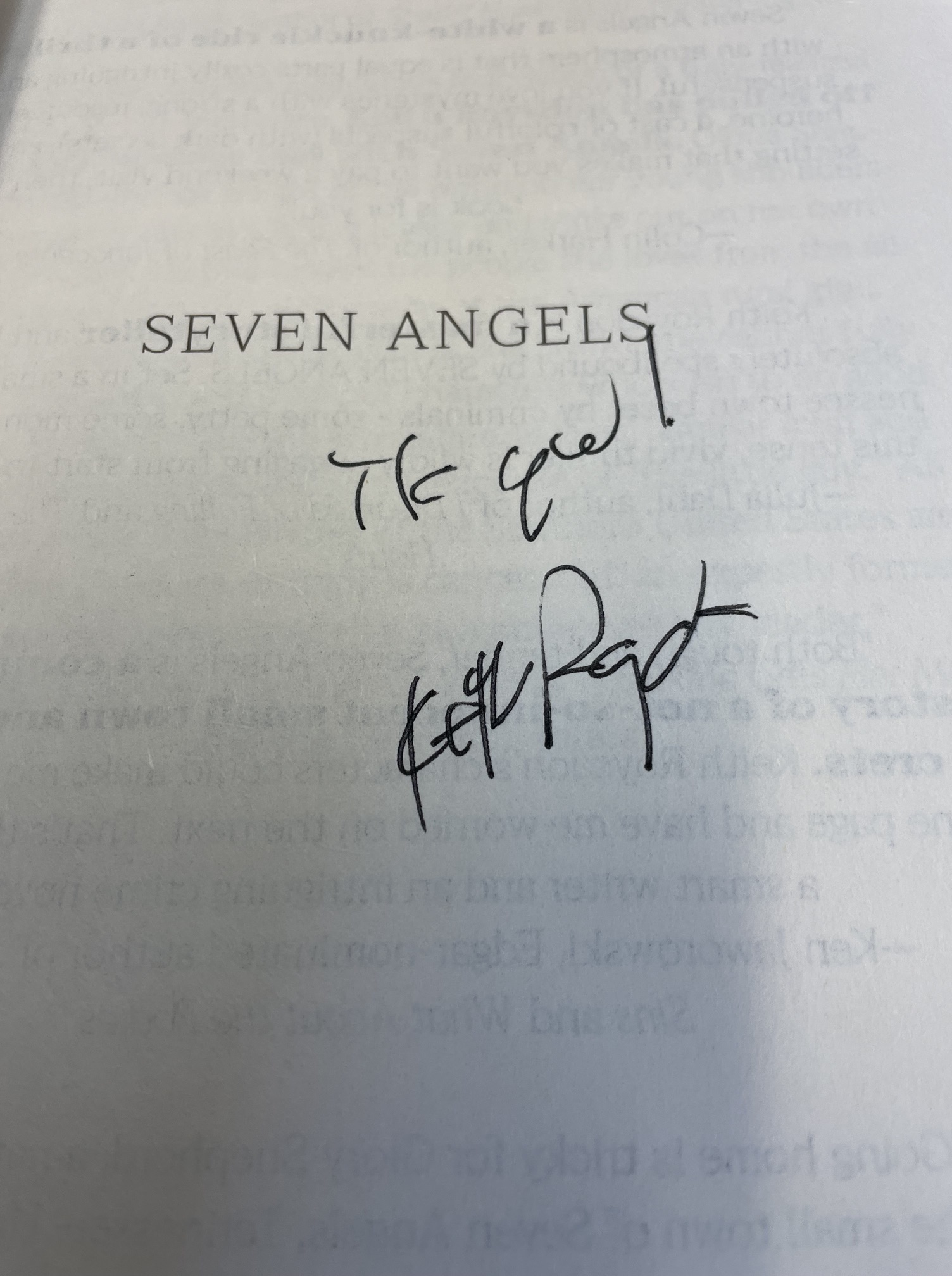
My friend Jill Blocker and I had our first Constellate Publishing meeting in a few weeks this morning. We’ve been busy with Indiana book talks and signings in support of our new novels HAPPILY AFTER EVER and SEVEN ANGELS, and then Jill went on to book events in her longtime town of Seattle as well as New York City and her home base in Zurich.
Today we had our usual Monday morning meeting and talked about what we’ve got on our Constellate agenda for the next few months.
I won’t get into specifics as to titles and authors, but we’ll be:
Editing a manuscript that’s in our 2027 release schedule.
Choosing at least one more MS to edit, publish and market from among submissions to us.
Planning e-book editions of our books and others.
And working toward publication of my novel GHOST SHOW, which I’ve written about here recently.
Jill’s next project is one that absolutely tickles me because it’s so perfect for her. I can’t wait until she tells you about it.
And I’ve got two novels to write, including what I hope will be a surprising spin on SEVEN ANGELS.
The book publishing industry continues to work hard to self-destruct.
Everybody who writes about book publishing and particularly the harm wrought on books, writers and largely unsympathetic publishers is reeling today and writing about this, so while I’m not reeling I am writing – and slapping my forehead.
And yes, I’m being mean with that headline, because it’s not solely, or even primarily, the publishing industry trying to self-destruct. The big tech AI firms, which make generative AI possible, steal everything that isn’t nailed down, whether it’s writing or art or even something mundane that can be used to generate email.
And yes, I feel strongly about this because, last time I checked, two of my early true crime books were stolen to train AI book theft programs. “Wicked Muncie,” my co-written 2016 true crime book, and “Muncie Murder and Mayhem,” from 2018, turn up in a search of my name on the database of pirated books as provided by The Atlantic.
Without going into too much detail, in the course of this week, at least two “big” books have been withdrawn by their authors, stillborn by their publishers or otherwise fingered for having artificial intelligence elements. This can include AI writing or AI editing. A lot of people are giving the authors the benefit of the doubt and I can understand and appreciate that. Others are crediting the publishing companies for throwing a flag on the books because it’s not clear, despite their “we tested this book and our tests show it was written and/or edited with AI” claims.
Everyone from Publisher’s Marketplace to newsletters by Kathleen Schmidt (Publishing Confidential, an essential newsletter) and others have recounted the allegations and resulting controversy.
As Schmidt says, “Things can’t go on like this.”
Why do we care about this? Well, besides the fact that AI is an absolutely unnecessary tool in the creative arts, and besides the fact that data centers used to create AI products and portals are horribly destructive to the environment because they use rampant amounts of water and often run on heavy-polluting diesel generators, the fact is that the use of AI in creating art of any kind is destructive to creators, authors, artists, editors and, as much as we don’t sympathize with many of them, publishers.
As Schmidt notes, “a $2.5 million, two-book deal that was acquired by Minotaur (Macmillan) in a 14-way auction, (was) pulled by the author’s agents due to concerns about AI use in writing .”
This followed on the heels of another book and author questioned. As Schmidt reported, “Earlier this week, the author H.M. Smith was accused of using AI to write her new book, Daggermouth. In that case, Pangram returned the book as 60% AI. It is currently ranked at 73 on Amazon. Before that, Hachette canceled the book Shy Girl because Pangram returned it as 78% AI. What’s notable is that in each case, it was an individual from a media outlet feeding book files to Pangram without the authors’ permission. Welcome to the new world of “Gotcha!”
Schmidt is among those who note that programs that use AI to supposedly detect AI are highly probable to find AI where it doesn’t exist. There have been reports of long-ago-published books that, when tested by AI, come back with a false positive for the use of AI. Schmidt notes that she ran some of her newsletters through Pangram and the result was that they were 80 percent AI. And, of course, she’d written every word.
Here’s where I get to the self-destruction part. As Schmidt notes: Whether you admit it or not, there is A LOT of jealousy in the publishing world, so it wouldn’t surprise me if someone who disliked author X decided to use Pangram on their work and made the results public. This is not the publishing world I want to live in.
As Publishers Lunch/Publishers Marketplace notes, Sources tell PL that more deals are being cancelled behind the scenes following the discovery or suspicion of AI — one publisher noted that multiples imprint have had to cancel a book over this — including books that originate in the self-publishing sphere and are then picked up by Big Five publishers. This usually happens quietly and under the public radar, and is only brought to light by fans online.
There’s plenty of blame to go around here. There are apparently a ton of AI-written or AI-assisted books on Amazon. People who want to be authors but are unable to produce a book themselves or unable to hire qualified human editors to read their work – hell, just find writer friends who will edit your manuscripts and maybe pay them or repay them in kind – are causing readers to buy and read dreck and causing publishers to suspect everybody.
Before this latest AI controversy, I was going to write about another AI controversy: the abysmal practice, which became known in the wake of author Andrea Bartz’ $1.5-billion-winning class-action lawsuit against the AI company Anthropic, of Anthropic and other AI pirate companies, of buying copies of books and cutting off their spines in the process of feeding them into AI readers then shredding what’s left. (By the way, you should follow Andrea Bartz on social media. She’s become the face of authors fighting back against AI, but she’s also a great writer of thrillers.) This slice-and-dice process was allowed by a judge because once you’re bought a physical copy of a book, you can do as you want with it. Including destroying it.
So yes, Schmidt is correct. This mess can’t continue like this. It will, of course, as long as AI companies, publishing companies and some authors continue to make money. But in the meantime, the environment is suffering, authors and editors are suffering and writers whose work was stolen or must compete with AI slop are suffering.
I wrote GHOST SHOW between writing SEVEN ANGELS and THAT OCTOBER.
I’ve always described it as “Rich Man, Poor Man,” but there’s no rich men. It’s VERY loosely based on the post-war years, when my mother’s family had moved to Muncie, Indiana (in the novel from Seven Angels, in real life, from Jamestown, Tennessee) to find work and a life.
The characters, several siblings from the Anderson family, work, play and try to survive and find their consciousness raised in the process.
The novel has gangsters, traveling Romani, infidelity, untimely death, lesbian college professors, a Bela Lugosi-type washed-up movie star, a traveling “ghost show,” a haunted theater with a real ghost named Milo and the President of the United States, Harry Truman, who visited Muncie that year as part of his election campaign.
But know this: Truman’s role is the most tearjerking of the entire book.
We’re going to publish it through Constellate Publishing in the coming months.
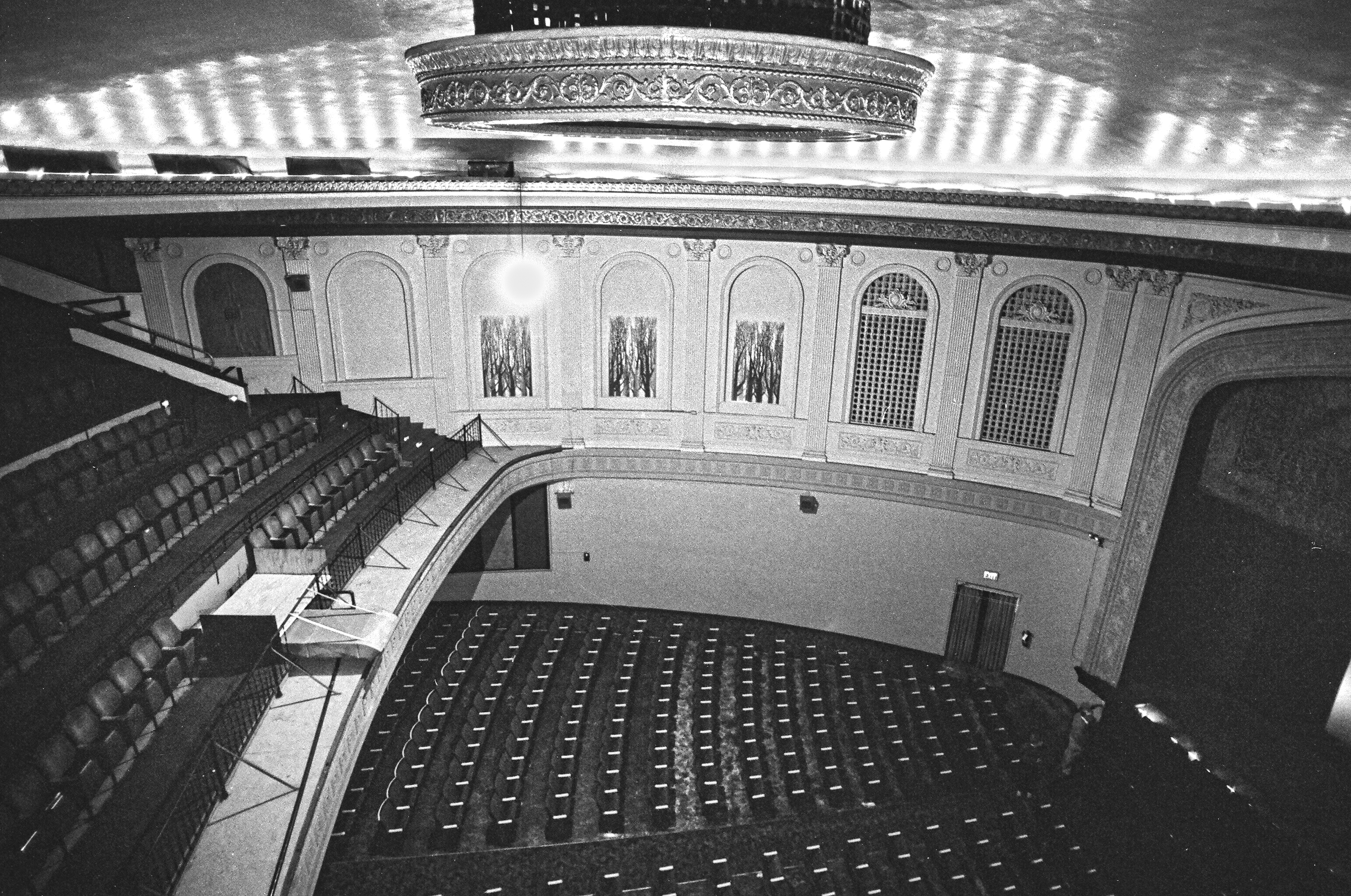
Photo above is by my friend John Disher and it’s a photo of the real Rivoli Theater, taken from just below its dome, in the theater’s final days before demolition in the 1980s.
GHOST SHOW is a big book. If you’re looking for a long and absorbing read, this will be it.
A couple of things I should note right at the top:
When I was a business editor back in Indiana, I wrote a lot of stories about businesses opening and closing and new development and whatever else. I also, for a year or two, wrote a business column called Second Thoughts. In that column, I’d follow up on a recent business story, adding information I’d received since its publication. So be aware that I always have a lot of second thoughts,
And I recognize the irony of writing about too many email newsletters in a post that will generate an email to a couple of hundred people who subscribe to these posts.
So on social media the other day, I noted that I’d unsubscribed from a newsletter from an author and self-described “author help” person, or some phrase like that. And as you know from a post a few weeks ago about how much I hate notifications, I guard my email inbox furiously. I mean, not enough to do more than an occasional, cursory cleaning of said inbox, but still.
I noted on socials that I’d unsubscribed to this “author help” newsletter after I’d received 14 email from them up to that point in the month of July.
I heard back from some people who agreed, yeah, 14 newsletters in less than a month is too many. I think other people – including people for whom sending out newsletters is a huge part of their business plan – probably thought I was being oversensitive. Maybe.
Anyway, I’m feeling right at this moment I’m unlikely to resubscribe to this newsletter. As I cut back on my corporate news media consumption in recent years and quit watching TV news and unsubscribed from the NYT, I’ve been subscribing to more newsletters, including those from Columbia Journalism Review, Oldster and a ton of writers’ newsletters. I’ve so far not regretted any of those. (And yes, I admit that due to my fixed income financial status, I’m a newsletter freeloader, receiving only the free version of most of these.)
I’m sure somebody whose newsletter I subscribe to – one of those that ostensibly isn’t supposed to be delivered every day, like some newspaper newsletters – will test my tolerance for newsletters in my inbox.
I’ll have my cursor on that “unsubscribe” button, believe me.
I’ve no idea when I first heard of Substack, the online writing and posting platform that a lot of people use and quite a few people forego. For the time being, and probably into the future, I’ll be in the latter camp. But Substack has become a hoppin’ place, especially for writers and other people who express their thoughts.
I was thinking about Substack today after reading the latest newsletter from writer Andrew Careaga. You should look him up and enjoy his writing, not only on his various platforms but also his fiction, including his short fiction story in the brand-new Bad Intentions anthology. (I’ve got a story in the anthology too; Michael Downing edited the book and Literary Kitchen published it. It’s out now.)
In the newsletter from Andrew I received today, he talks about the pros and cons of being on Substack and – this is oversimplifying, so I apologize – notes that he’s got his hands full, like a lot of us, with being ON EVERY FREAKIN’ PLATFORM IMAGINABLE. It’s the online presence writers feel they must maintain if they want to reach readers and, truth be told, people who will pay to read our work.
Andrew cites the good and bad points of Substack and links to a Guardian story from February reporting how Substack is generating revenue for and from what the Guardian calls “Nazi newsletters.”
Considering the number of people who are acquainted with Substack’s platforming of white supremacist groups and writers, it’s a little surprising that so many people who are definitely NOT Nazis, like Heather Cox Richardson, are so present on Substack. Richardson is one of 50 million Substack users worldwide, according to the Guardian.
There’s unlikely to be a mass exodus from Substack similar to that when the new owner of Twitter took over and threw the doors open wide for white supremacists and Nazis. The frequently-cited point is that if you start letting Nazis into your bar and more Nazis follow, you eventually become a Nazi bar,
And yes, I’m still on what used to be Twitter. I made the move to Bluesky for my social media platform of choice a couple of years ago. And I should note that a lot of people who temporarily left Twitter have come back.
I’m on social media platforms owned or run by truly reprehensible people and corporations, namely Meta – three separate Facebook pages – plus Instagram and Threads.
Don’t bother to tell me if Nazis own Pinterest. I have a page there, created just this year to promote my new crime novel SEVEN ANGELS. But I’ve all but given up on posting anything there because I have virtually no followers. So I don’t care if it turns into a Nazi bar with kicky hairdo and decorating ideas.
FFS, I’m even on LinkedIn.
There’s no social media or writing platform that is without concerns and extenuating circumstances. If we’re waiting for a platform owned by a corporation that isn’t reprehensible in some ways, we might have a very long wait. Why? Because there are few good corporations when it comes to mass communication. It’s their real estate, obviously, and we just toil there. That’s the case with virtually any social media platform.
And, of course, wherever people gravitate, dating back to the days of the town square, aberrant and abhorrent views will be presented.
I post on many of those social media platforms – I’m calling out my own compromised moral stance – and will continue to post here, a WordPress site I’ve had for 15 years and one on which I have subscribers (all unpaid) and which gets a couple of thousand views each month.
So my problem with Substack, overlooking the kind of moral compromise that allows me to keep using social media platforms that are equally awful, is that I’m not likely to start over and do anything but spin my wheels, i.e. the Pinterest Effect.
Is all of this thinking flawed? Yes. Is there a good solution that gives me and my work some exposure but doesn’t compromise my morals? No.
But Substack is, for the moment, a bridge too far for me. Your mileage my vary.
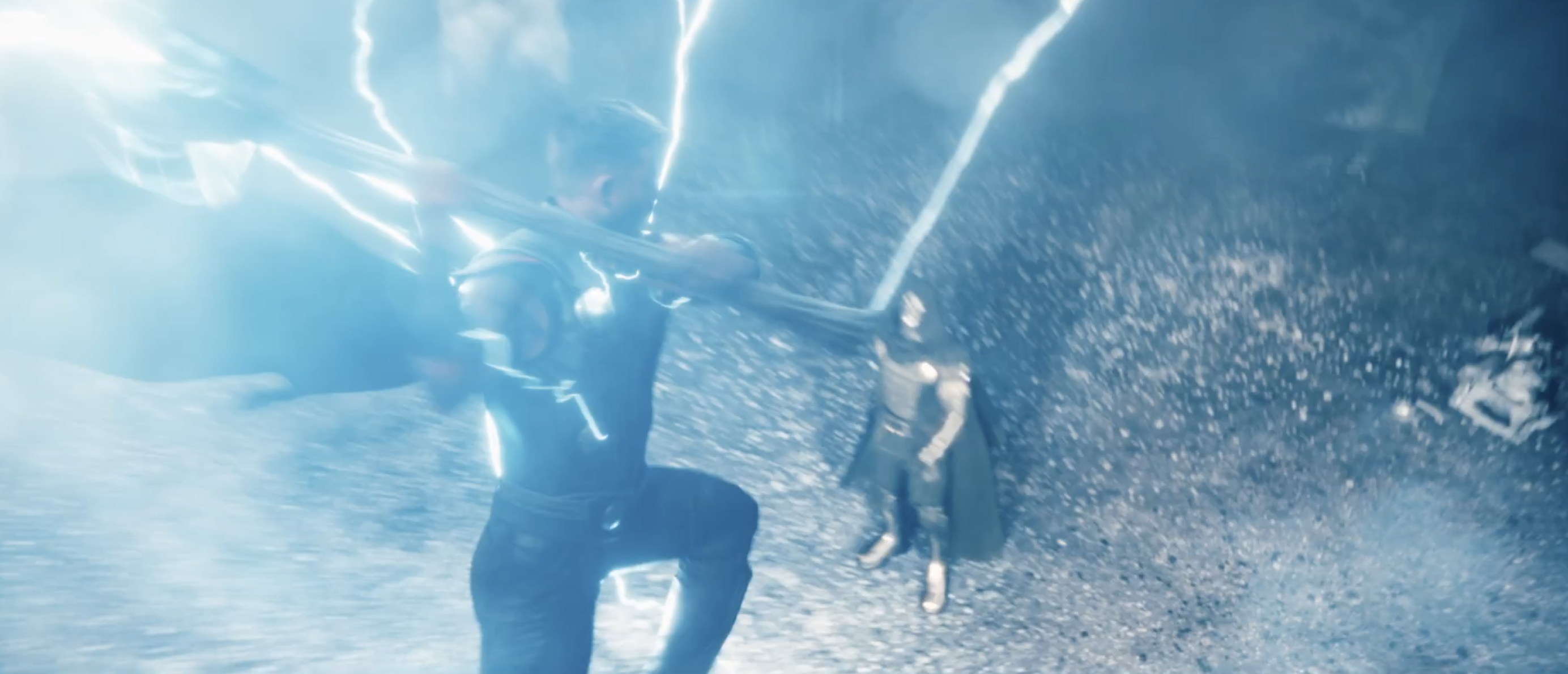
Like every other geek in the world, I’ve spent too much time this morning watching the first trailer for “Avengers: Doomsday,” currently set for a December 18 release.
I won’t do a scene-by-scene breakdown here. There’s plenty of other sites that are doing that. Plus that whole “too much time” already spent thing. It’s been hella distracting as I’ve been trying to write my next CrimeReads piece.
Anyway: The return of Steve Rogers. The return of many – but not all – of the Avengers, the Wakandans, the Fantastic Four and the New Avengers/Thunderbolts. Not to mention the old-school X-Men.
And how about that Robert Downey Jr. Latverian accent?